
Ramen Kinoko belongs to Tsukuba’s serious everyday ramen tier: low-cost, small-format, and recognized by Tabelog Ramen EAST 100 in 2017, 2018, 2019, 2020, 2024, and 2025. The draw is not luxury theatre but the discipline of a ramen and tsukemen shop that has kept local relevance for more than a decade.
Pearl is the En Primeur Club membership app — saves, bookings, and concierge access live there. Same editors, same standards.
- Address
- 茨城県つくば市稲岡728-13
- Phone
- +81298362553
- Website
- tabelog.com
 Saves & bookings on Pearl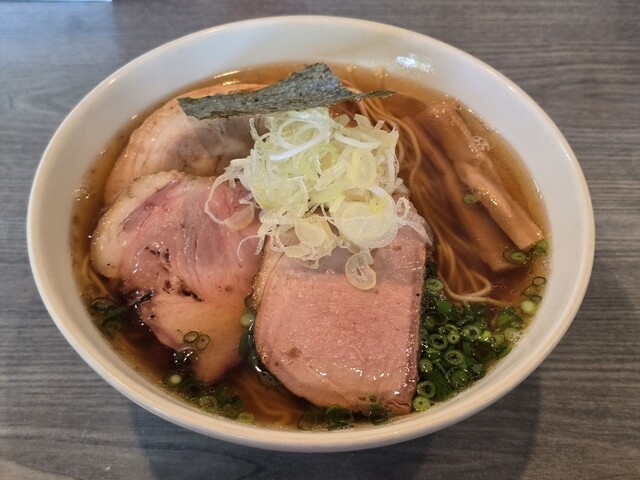
In Inaoka, the ramen conversation begins before the bowl: a house-style restaurant, a small room, counter seats, and the practical rhythm of people arriving for a focused meal rather than a long evening. Tsukuba’s dining scene is often read through university-town convenience and suburban sprawl, but its stronger casual addresses are built around repetition: regulars, short menus, cash habits, and a narrow specialty executed with enough consistency to earn attention beyond Ibaraki.
That is the useful way to read Ramen Kinoko. It is not competing with the city’s bakeries, cafés, or Western-leaning rooms on ambience; it belongs to the ramen-and-tsukemen bracket where sourcing, stock work, noodle texture, and speed matter more than decoration. In a city where good meals can sit at different registers, from david pain at the bakery end to casual dining rooms such as DROOL DINER, this address sits firmly in the bowl-first camp.
Tsukuba ramen with the discipline of a small specialist shop
Ramen in Japan rewards specialization. A shop does not need a grand dining room to matter; it needs a point of view on broth, noodles, tare, fat, and toppings, then enough discipline to repeat that point of view under lunch-rush pressure. Ramen Kinoko’s category listing covers ramen and tsukemen, a pairing that places it within a broader East Japan tradition where soup temperature, noodle thickness, and dipping concentration become part of the choice rather than a side note.
The ingredient-sourcing angle matters because ramen is an assembled cuisine. Flour quality affects chew, stock ingredients shape depth, and tare determines whether the bowl reads clean, salty, rounded, or assertive. Tsukuba’s location in Ibaraki adds another layer: this is not a Tokyo station-area shop built around tourist turnover, but a local address in a region with strong agricultural identity. The page does not need to invent a farm list or named supplier to make the point. In this category, credibility comes from repetition and recognition: selection for Tabelog Ramen EAST 100 across 2017, 2018, 2019, 2020, 2024, and 2025 signals sustained approval in a field where fashions move quickly.
That recognition is more useful than a vague popularity claim. Tabelog’s ramen lists group high-performing shops by region, and the EAST selection places this Tsukuba counter in conversation with serious ramen addresses across eastern Japan, not just with nearby lunch options. For travelers using our full Tsukuba restaurants guide, it functions as a clear marker: this is a specialist stop, not a general-purpose Japanese restaurant.
Why the room and format matter as much as the bowl
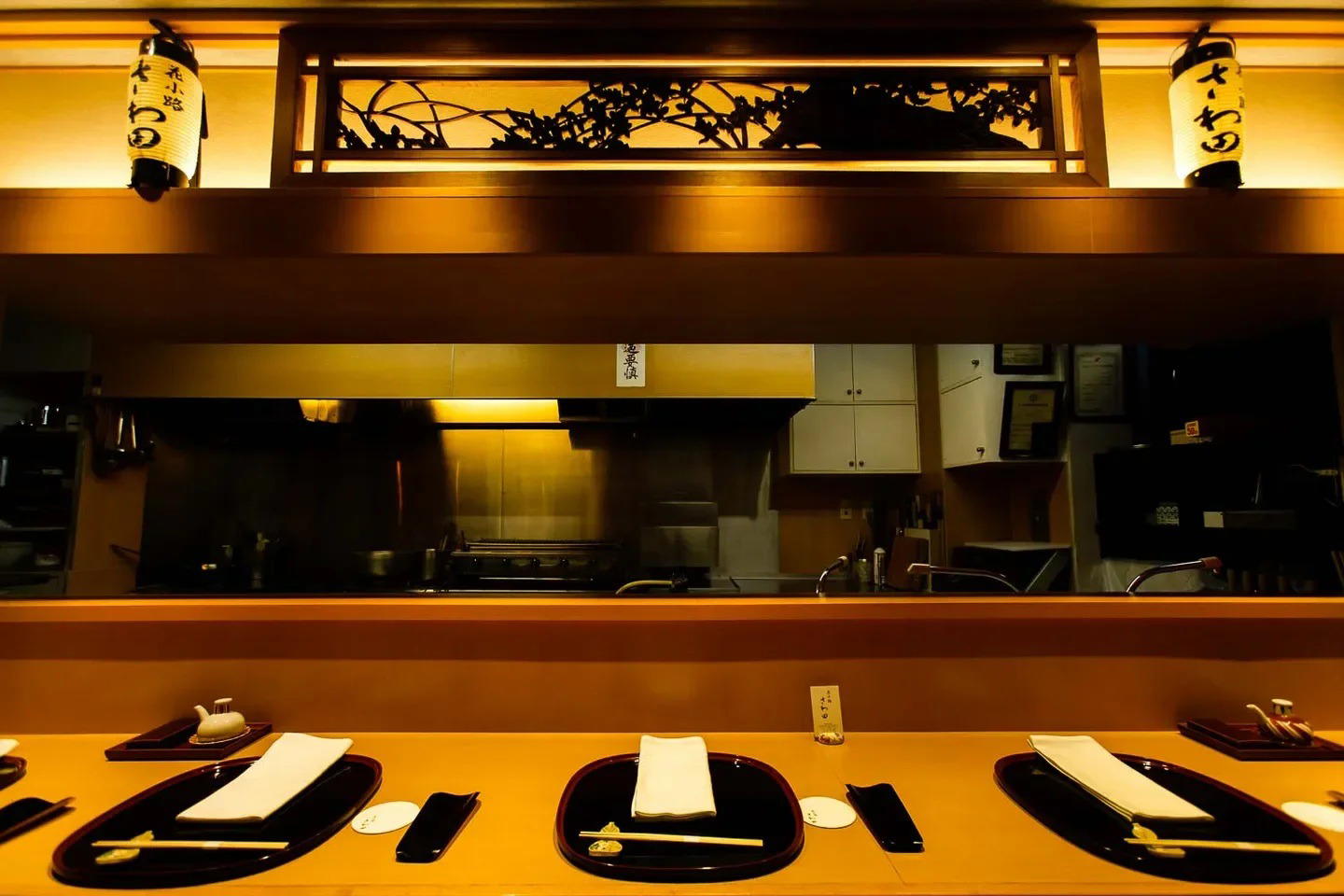
The room’s scale shapes the experience. Eighteen seats, split between a six-seat counter and three tables for four, gives the meal a hybrid character: solo diners can eat with the efficiency ramen demands, while families and small groups are not forced into a counter-only setup. That distinction matters in Tsukuba, where car-led movement and residential dining patterns make ramen shops serve more than the lone commuter. Children are welcome, and the format is casual enough for an unceremonious meal.
Reservations are unavailable, which puts the experience in the normal ramen rhythm: arrive, wait if needed, eat, leave the seat for the next party. Payment is cash-oriented, with credit cards, electronic money, and QR code payments not accepted. Those details are not inconveniences so much as signals of category. The small ramen shop in Japan often remains an analogue operation, and the lack of digital polish can be part of what separates a serious local counter from a brand engineered for franchising.
For comparison within Tsukuba, Sumibi Hamburger steak Nikuyaki Tei operates in a similar everyday price band but answers a different craving: grilled meat rather than noodle craft. Tsukuba Ramen Onimonogatari is the more direct category comparison, also in the ramen bracket, which makes Ramen Kinoko’s repeated Tabelog Ramen EAST 100 selections the stronger differentiator. Outside the immediate ramen lane, Backerei Brotzeit, Bon Gout, and heladiwa show how varied Tsukuba’s casual dining can be without sharing the same culinary logic.
How to place it in a wider Japan itinerary
Travelers often treat ramen as a Tokyo checklist item, but regional shops can be more revealing because they show how the format works in daily life. The better comparison is not with destination tasting counters; it is with other tightly defined Japanese casual formats: sukiyaki specialists such as -Grilled beef Sukiyaki- KAMAKURA TANUKIAN 鎌倉 たぬき庵 in Kamakura, seafood-and-grill rooms such as. 鮪と炭火焼き うお炭 秋葉原店 in Tokyo, or focused everyday addresses like (Shoku) Vietnam in Kawasaki and [Curry Senmon Ten] Maruyama Kyoju. in Sapporo. Each depends on a narrow promise rather than a sprawling menu.
That framing also helps avoid over-romanticizing the meal. This is a practical ramen stop with serious recognition, not a luxury dining event. The value lies in the combination of low price, compact seating, no-reservation format, and a record of regional ramen-list selection. For a Tsukuba stay, it pairs naturally with broader planning through our full Tsukuba hotels guide, while drink-led or non-restaurant plans can sit separately in our full Tsukuba bars guide, our full Tsukuba wineries guide, and our full Tsukuba experiences guide.
The broader lesson is that Japan’s casual food culture is not a lesser tier; it is where technical repetition becomes visible. A café such as.cafe in Osaka, a Kumamoto address like.know, or diaspora Japanese formats such as Jōdo Saké Bar in Los Angeles and Onigiri Time in Pasadena may sit in different cities and categories, but they share the same editorial test: a focused format must justify its limits. The restaurant passes that test through longevity, regional recognition, and a format that keeps the attention on the bowl.
Fast Comparison
Comparable venues by cuisine and price in the same metro.
| Venue | Cuisine | Price | Notes |
|---|---|---|---|
| Ramen KinokoThis venue — the venue you are viewing | Japanese Ramen | $ | Not listed |
| Kuradashi Yakiimo Kaitsu Ka Tsukuba ten | Japanese roasted sweet potato & sweets cafe | $ | >= Matsunoki (Tsukuba) |
| Hurricane Ramen Honten | Ramen & Tsukemen | $ | Tsukuba |
| Sumibi Hamburger steak Nikuyaki Tei | Charcoal-grilled Japanese Hamburg & Beef Tendon Curry | $$ | Tsukuba |
| Sichuan Mararajusshoku | Sichuan Hotpot | $$ | Tsukuba |
| La Cote d'Azurl Honten | French patisserie & café | $$ | Higashiarai |
Recognition history
Dated appearances from independent guides and award organizations, with the underlying list record or original source where available.
Tabelog 100 #48 · No. 48
Tabelog · Tabelog 100 - Ramen - EAST - 2025








At a Glance
- Cozy
- Classic
- Solo
- Family
- Casual Hangout
- Standalone
A relaxed, house-style ramen shop with counter seating and a small dining room atmosphere.