Le Lotus Bleu occupies a address on Rue du Midi in central Brussels, positioning it within the city's layered mid-market dining scene. The name signals an Asian or fusion register, though details on cuisine type, pricing, and format remain sparse, placing it in a bracket best approached through direct contact before booking. A reservation call ahead is advisable for first-time visitors.
Pearl is the En Primeur Club membership app — saves, bookings, and concierge access live there. Same editors, same standards.
- Address
- Zuidstraat 70 Rue du Midi, 1000 Brussel
 Saves & bookings on Pearl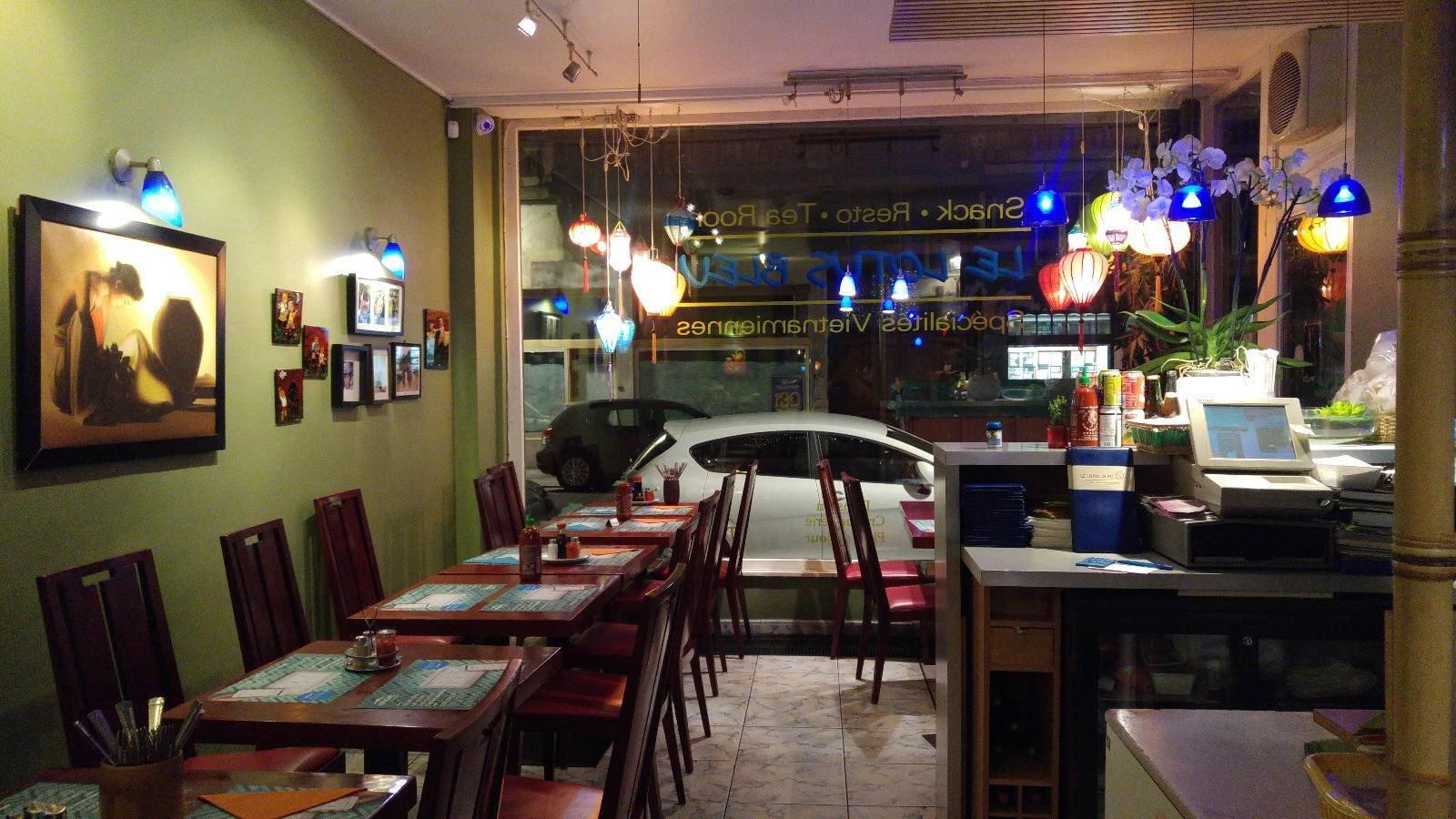
Rue du Midi and the Question of What a Brussels Address Reveals
Brussels has always been a city where the street tells you more than the signage. Rue du Midi, or Zuidstraat, in the bilingual address that frames Le Lotus Bleu at number 70, runs through the lower half of central Brussels, threading between the Bourse district and the southern reaches of the Pentagon. It is a street that has historically accommodated a dense range of eating options: Turkish grills, Vietnamese canteens, Moroccan pastry counters, and the occasional Franco-Belgian holdout that has not changed its menu since the 1990s. In that context, a name like Le Lotus Bleu reads as a deliberate positioning signal, the lotus motif and the French framing together suggesting something in the broader Southeast or East Asian register, though whether that means Vietnamese pho, Thai curries, pan-Asian fusion, or something more specific is a question the available record does not yet resolve.
That ambiguity is itself instructive. Brussels operates a dining scene with genuine depth at the leading, Comme chez Soi and La Villa Lorraine by Yves Mattagne anchor the classic high end, while Bozar Restaurant and Eliane represent more contemporary currents, but the city's real character is expressed in the mid-market, where immigrant communities, expat communities, and Brusselois locals share a pavement. A restaurant at this address, with this name, slots most naturally into that lived, plural dining culture rather than into the white-tablecloth register.
Reading the Menu Architecture Before You Arrive
The menu is likely designed for direct ordering. In Brussels's Asian-inflected dining tier, the structural divide tends to run between two models: the à la carte house built around shareable plates, spring rolls, curries, stir-fries grouped by protein, and the set-menu format that imports something closer to a tasting logic, with a fixed sequence at a fixed price. Le Lotus Bleu is an Authentic Vietnamese restaurant, and its concise name suggests a focused menu rather than a sprawling one. The naming convention signals an attempt at a considered presentation.
What that means in practice: a diner approaching the restaurant should read the menu as an argument. Does it offer three courses with a clear progression? Does it group dishes to imply a sharing logic? Does it anchor on a signature, a broth, a particular protein treatment, a regional cuisine that most of Brussels does not represent? Those structural choices communicate more about a kitchen's ambitions than any single dish description. Among Brussels's stronger mid-market operators, Barge uses an organic, ingredient-led structure that keeps the menu deliberately short; that discipline telegraphs a point of view. A similar kind of structural discipline, in whatever direction the restaurant applies it, would place it above the generic multi-page Asian menu that characterises so many undifferentiated competitors in the same price bracket.
Where Le Lotus Bleu Fits in Brussels's Broader Dining Picture
Belgium's fine dining conversation tends to be pulled, understandably, toward the Flemish dining corridor. Restaurants like Hof van Cleve in Kruishoutem, Boury in Roeselare, Zilte in Antwerp, and Willem Hiele in Oudenburg have accumulated the kind of Michelin recognition that pulls serious diners out of the capital entirely. The Walloon side has its own anchors, L'Air du Temps in Liernu and d'Eugénie à Emilie in Baudour among them, and the coastal strip produces standouts like Bartholomeus in Heist. Within that context, Brussels's mid-market Asian restaurants occupy a different register entirely: they are not competing for stars or column inches in Flemish food media. Their competition is neighbourhood loyalty, lunch-hour efficiency, and the ability to offer something specific enough that regulars return.
The restaurant's Rue du Midi address puts it within walking distance of the Grand-Place and the Bourse, which means significant foot traffic from tourists alongside a local catchment of office workers and residents. In Brussels's central districts, that duality tends to produce menus calibrated for both speed and accessibility, but the better operators in this zone manage to maintain a spine of quality without collapsing into the tourist-facing blandness that marks lesser establishments. Whether the restaurant has achieved that balance is a question leading answered on the ground, but its positioning on a secondary street rather than a prime tourist artery suggests it is at least not entirely dependent on passing trade.
For diners comparing options across the capital's wider dining map, the contrast with Belgium's other dining clusters is clarifying. De Jonkman in Sint-Kruis, Castor in Beveren, and La Durée in Izegem all operate in the high-precision Flemish register. The restaurant, by contrast, belongs to a different strand of Belgian eating, urban, multilingual, shaped by immigration patterns and neighbourhood economics rather than by the farm-to-table or terroir-led logic that drives the countryside's starred houses. Neither strand is superior; they answer different questions about what eating out is for.
Planning a Visit: What to Know Before You Go
The restaurant recommends reservations. Planning ahead is wise, especially at peak meal times. Given the address on Rue du Midi, the nearest metro access is Bourse (lines 1 and 5), a short walk to the north. Rue du Midi runs one-way and street parking in the area is limited; public transport or bicycle is the practical choice for most visitors.
Brussels's broader dining calendar is worth factoring in. August sees a significant portion of the city's independent restaurants close for summer holidays, a pattern that affects mid-market operators disproportionately. A reservation is recommended before visiting. For the highest-tier Brussels options in the same visit, the EP Club Brussels restaurants guide covers the full range from institutional classics through to the city's more experimental current operators. Internationally, the Thai and Vietnamese fine dining registers have been reframed by restaurants like Atomix in New York and the tasting-menu ambitions of Le Bernardin have shown what focused, single-register menus can achieve, context that sharpens the question of what any mid-market Asian restaurant in Brussels is actually trying to do.
Recognition Snapshot
Comparable venues nearby, for context on price, style, and recognition.
| Venue | Cuisine | Price | Notes |
|---|---|---|---|
| Le Lotus BleuThis venue — the venue you are viewing | Authentic Vietnamese | $$ | Not listed |
| Brasserie de l'Expo | Classic French-Belgian Brasserie | $$ | Heysel |
| Lotus Vert | Authentic Thai & Vietnamese | $$ | Bruxelles Centre |
| Horia | Organic Moroccan-Lebanese | $$ | Grand' Place |
| Primo | Modern Italian Pasta | $$ | Ixelles |
| Pois Chiche | Levantine Plant-Based Street Food | $$ | Grand' Place |
At a Glance
- Cozy
- Intimate
- Classic
- Family
- Casual Hangout
- Historic Building
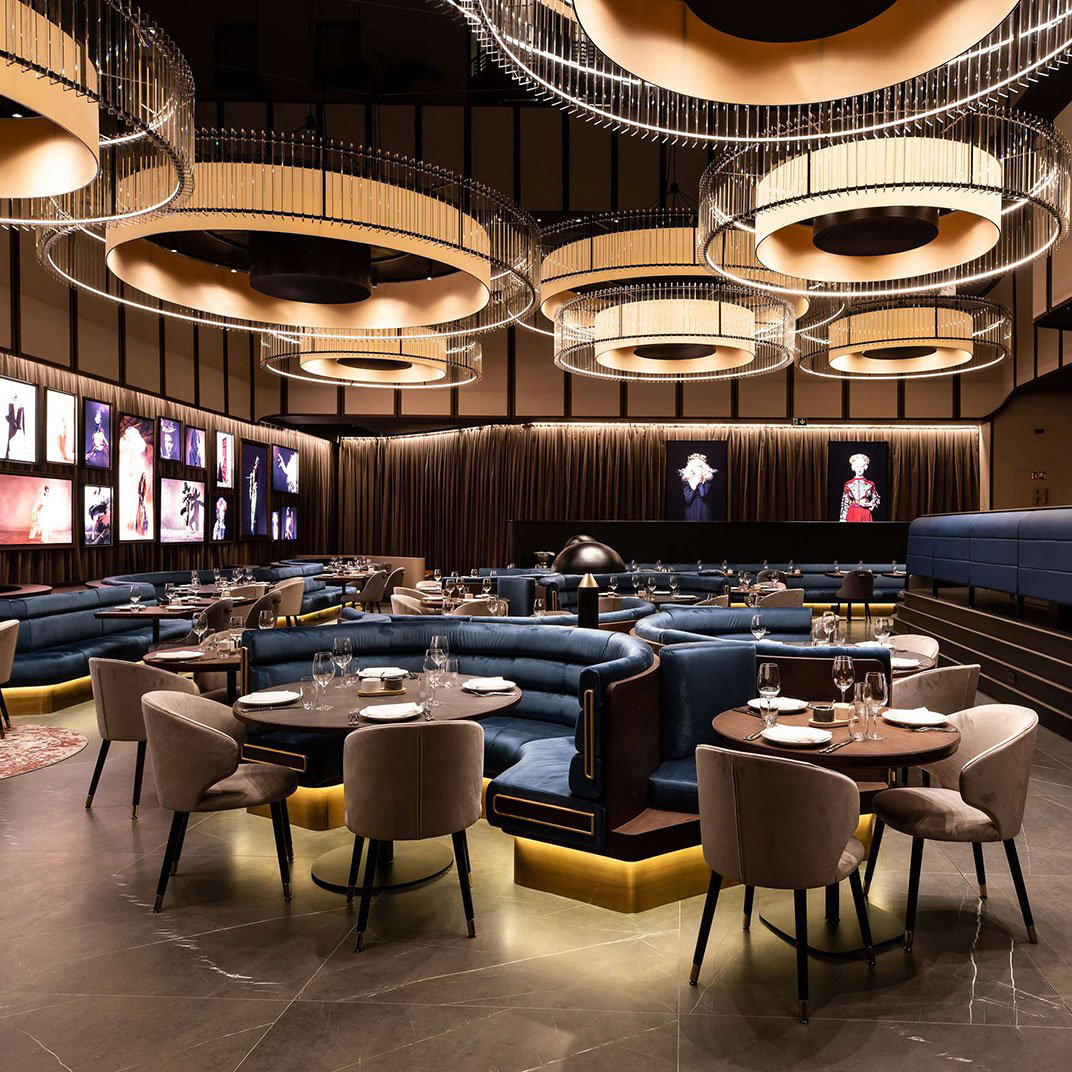
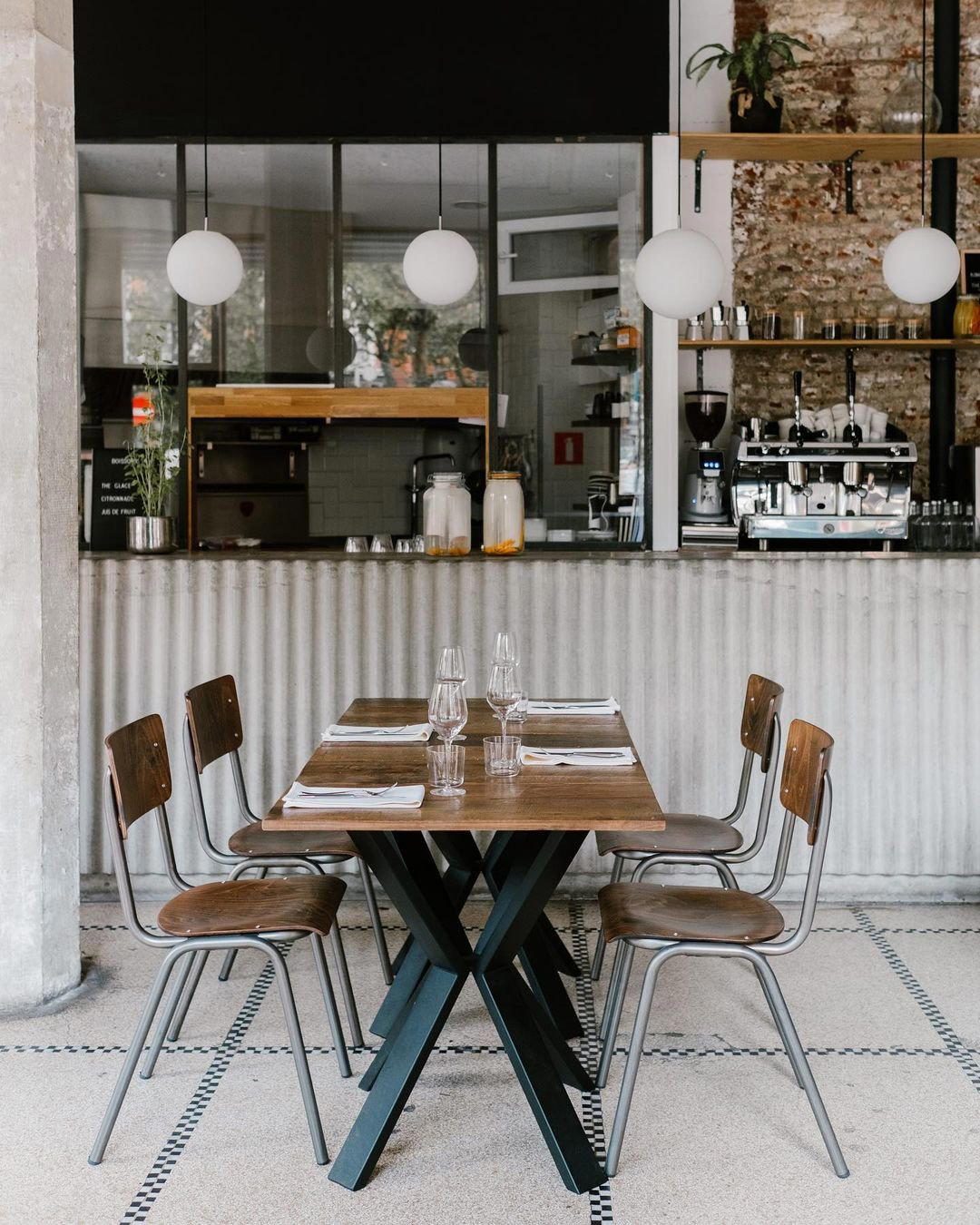
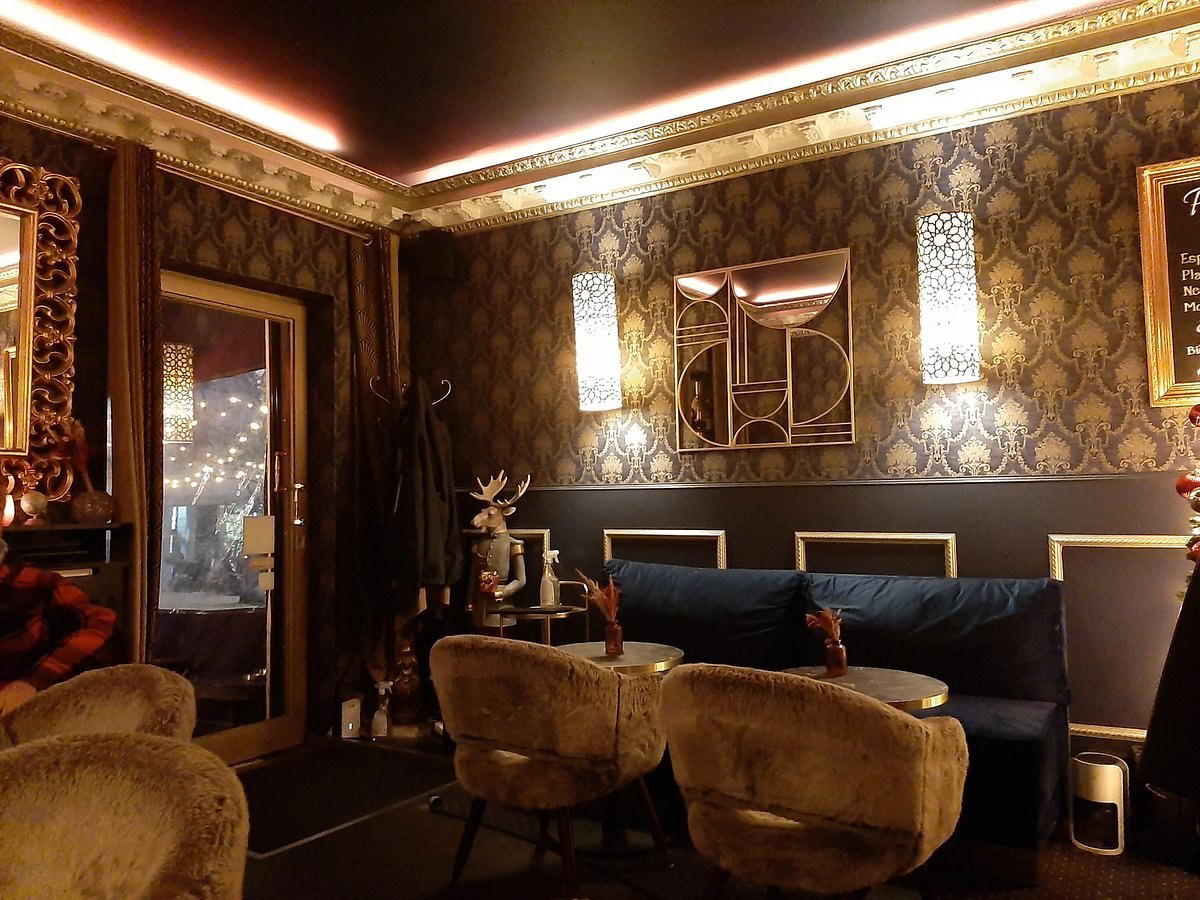
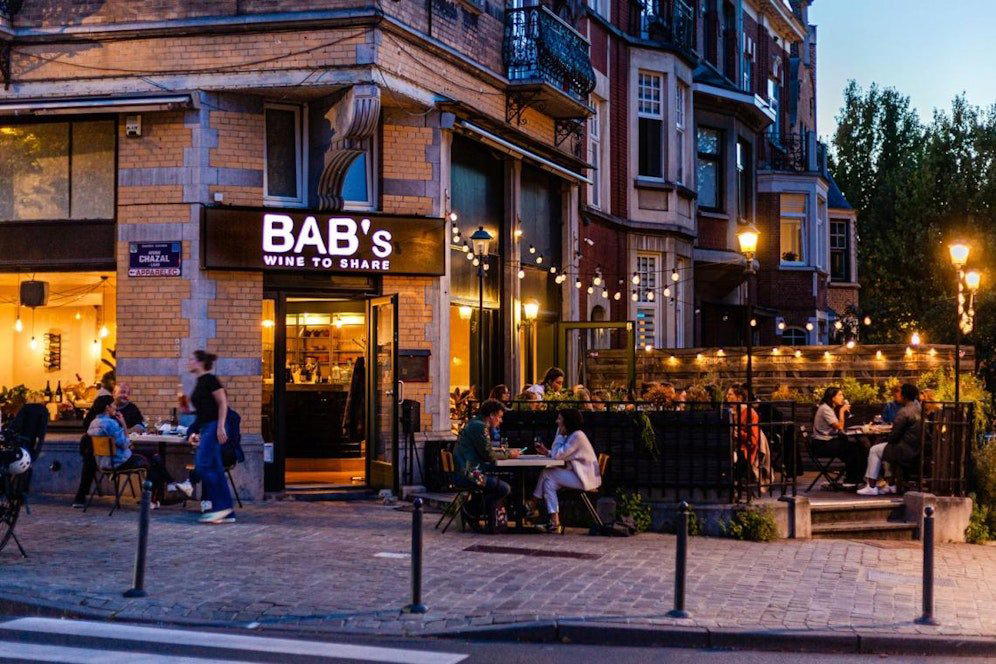
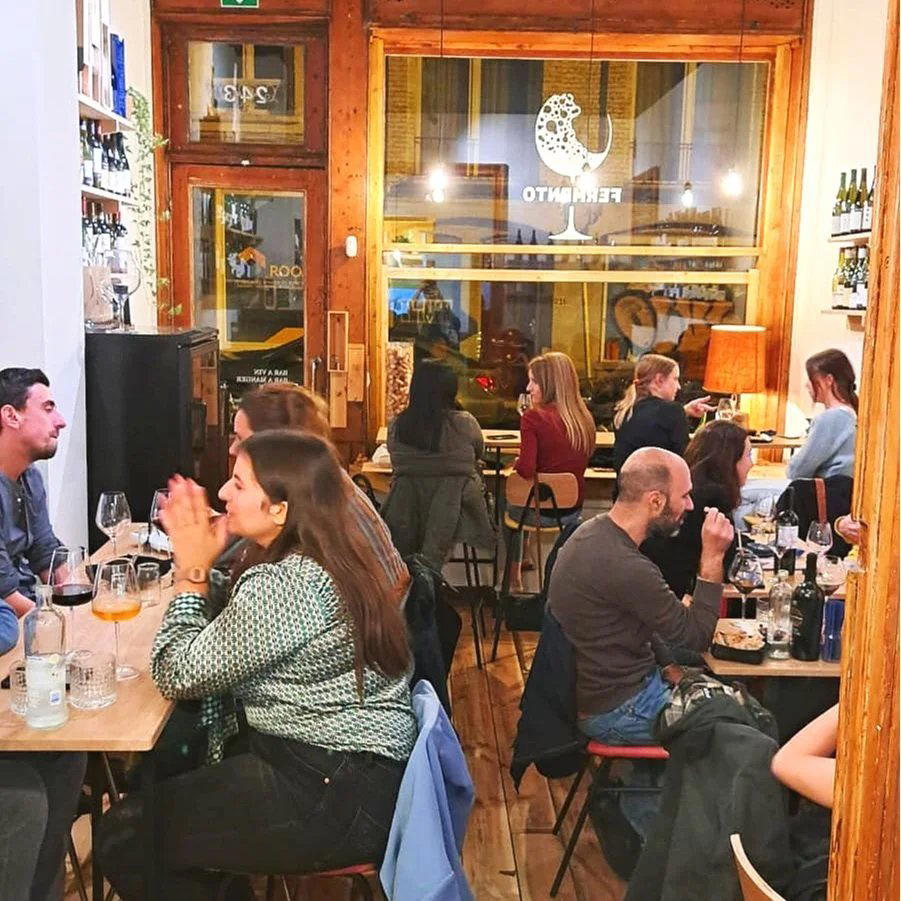
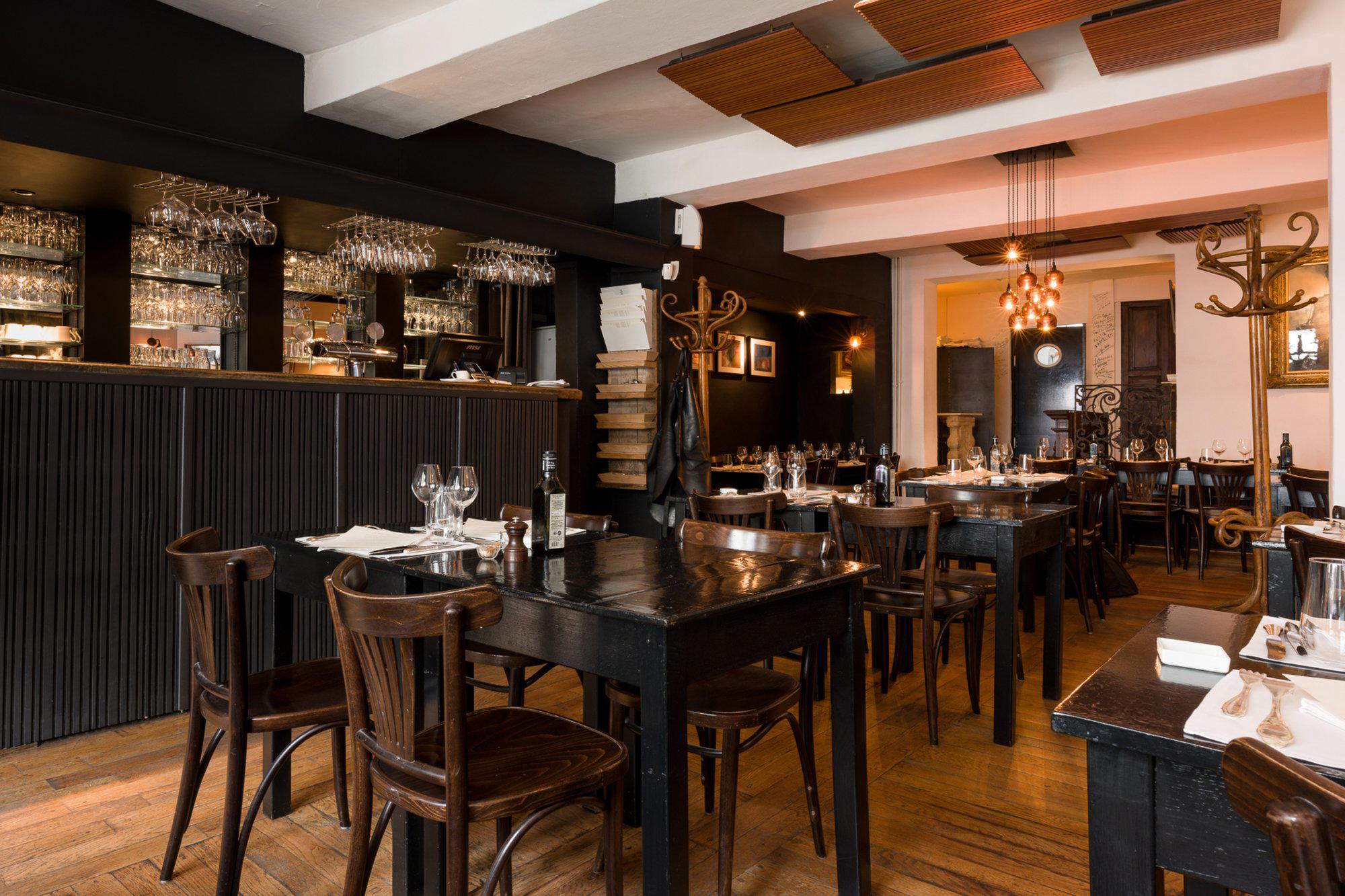
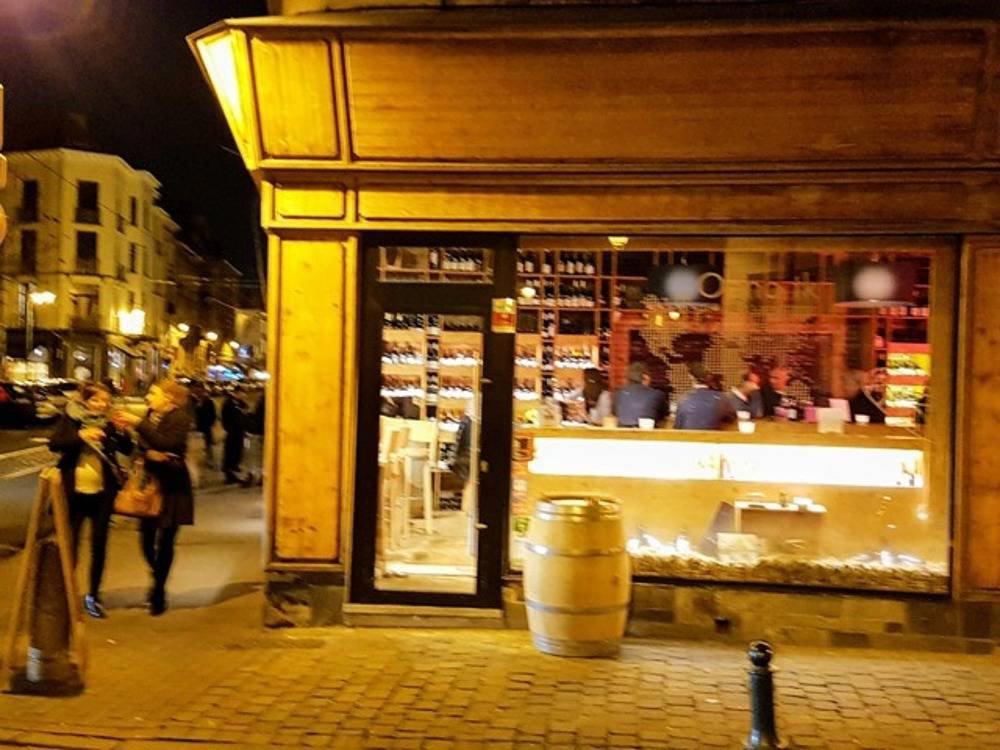
Cozy and atmospheric with Vietnamese artist works, lanterns, and bamboo evoking Asian ambiance in a no-frills setting.