On Rue Lebeau in the heart of Brussels, Arthur Amblard occupies the lower edge of the city's serious dining corridor, where the Marolles quarter meets the Sablon. The address alone signals intent: this is a neighbourhood where provenance-conscious cooking has found a receptive audience, and where the sourcing conversation happening across Belgian fine dining plays out at a more accessible register.
Pearl is the En Primeur Club membership app — saves, bookings, and concierge access live there. Same editors, same standards.
- Address
- Rue Lebeau 61, 1000 Bruxelles, Belgium
- Website
- arthur-amblard.com
- Directions
- Get directions
 Saves & bookings on Pearl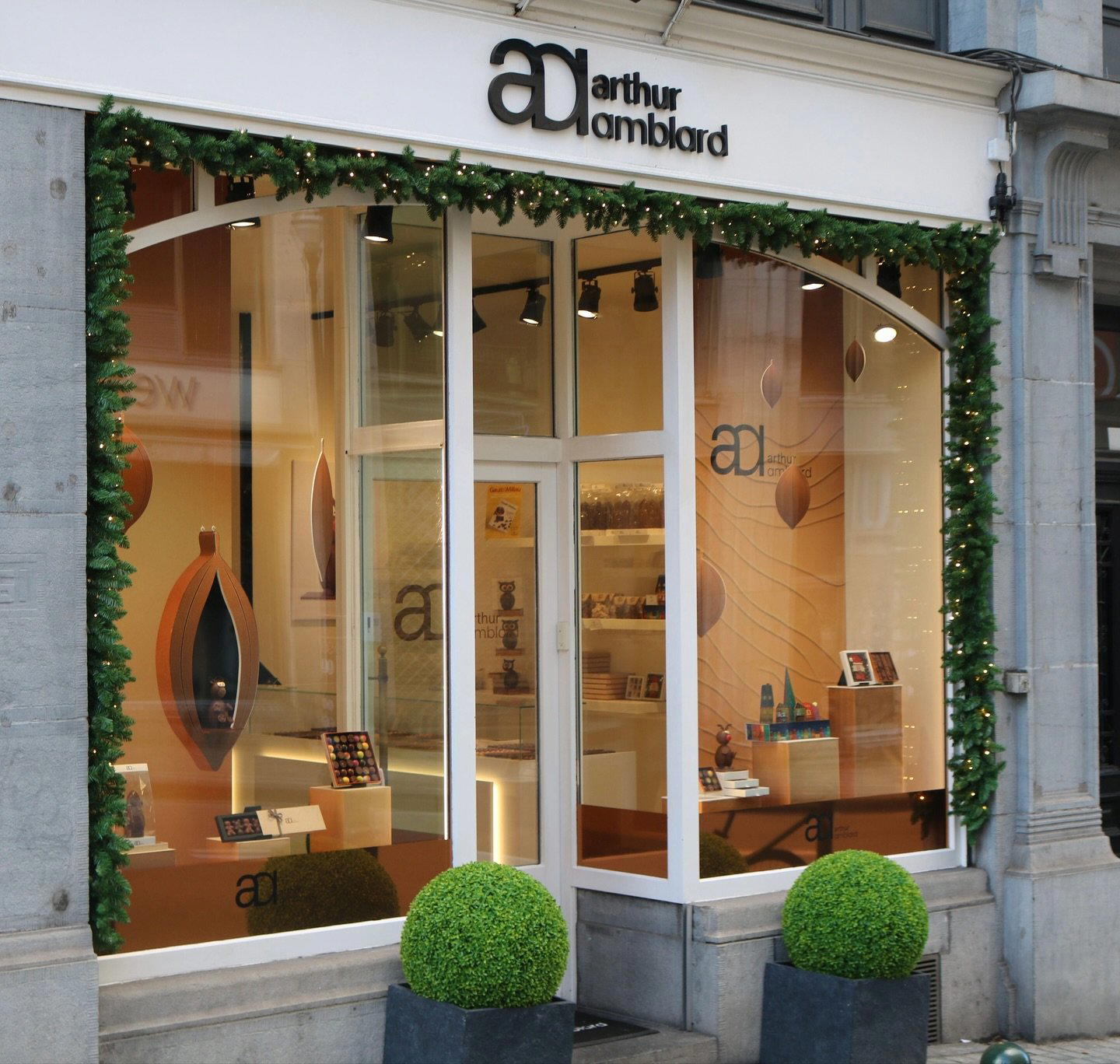
Where Brussels Eats When It Means It
Rue Lebeau runs between two of Brussels' most food-serious neighbourhoods: the Sablon, with its weekend antique markets and chocolate houses, and the Marolles, a quarter whose working-class identity has been quietly overlaid with independent restaurants that take their ingredients seriously. The street sits roughly equidistant from the Grand Place's tourist gravity and the more considered dining rooms of Ixelles, which means the addresses here serve a local crowd rather than a captive one. Restaurants on this corridor earn their clientele rather than inherit it from foot traffic.
That context matters when reading Arthur Amblard, which occupies a spot at number 61. Brussels has spent the better part of a decade building a credible argument that its restaurant culture extends well beyond the white-tablecloth formality of Comme chez Soi or the modernist ambition of La Villa Lorraine by Yves Mattagne. The more interesting development has been the emergence of smaller, sourcing-focused addresses that operate below the grand-occasion tier but above the brasserie floor — a category where ingredient origin functions as the primary editorial statement.
Ingredient Provenance as the Kitchen's Organising Principle
Across Belgian fine dining, the sourcing conversation has evolved considerably. Where Belgian kitchens once leaned on French supplier networks as a default, a younger wave of addresses has committed to regional specificity: Ardennes game, North Sea fish landed at Ostend and Zeebrugge, heritage vegetable varieties from Flemish market gardens, and raw milk cheeses from small producers in Wallonia and Limburg. This is not branding. It reflects a genuine shift in how Belgian chefs think about the relationship between kitchen and landscape, a shift visible at Barge, where the organic sourcing commitment structures every menu decision, and at Eliane, which applies a creative lens to similarly local raw material.
The geography of Belgian sourcing is worth understanding. Belgium's position at the intersection of French and Germanic food cultures means its producers occupy a particular niche: the dairy quality of northern France, the charcuterie tradition of Alsace, and the North Sea's cold-water protein all within a two-hour radius of Brussels. Kitchens that treat those networks seriously tend to produce food with a character that is difficult to replicate through cosmopolitan sourcing. The Rue Lebeau address positions Arthur Amblard within easy reach of the Marché du Midi, Brussels' largest market, where Saturday mornings draw producers from across the country's agricultural regions.
Belgium's wider restaurant culture offers useful benchmarks. Hof van Cleve in Kruishoutem and Boury in Roeselare operate at the apex of the Flemish fine dining structure, where sourcing credentials are part of a tightly controlled tasting menu format. Zilte in Antwerp and Vrijmoed in Gent occupy a similar refined tier in their respective cities. Brussels, by contrast, has historically concentrated its serious dining in the upper bracket, leaving a gap in the middle for addresses that do the sourcing work without the ceremony. That gap has been filling steadily over the past five years.
Understanding Arthur Amblard's competitive position requires mapping the immediate neighbourhood. The Sablon district, which frames the upper end of Rue Lebeau, has long functioned as Brussels' premium casual dining zone: higher disposable incomes, a concentration of gallery owners and antique dealers, and a culture of long weekend lunches that rewards kitchens with genuine depth rather than novelty. The brasserie tier here, represented by addresses like Aux Armes de Bruxelles, operates at the €€ price point and draws on Belgian comfort cooking. The middle tier, where Au Vieux Saint Martin's French-bistro register sits, costs more and expects more. Above that, the formal dining category begins.
Arthur Amblard's Rue Lebeau address places it in dialogue with all three levels simultaneously. The neighbourhood's eating culture skews toward lunch as a serious occasion, and toward dinner formats that do not require a jacket. Addresses in this corridor that have sustained attention tend to share a few characteristics: they change their menus with market availability rather than seasons alone, they maintain supplier relationships that are traceable rather than generic, and they read their room well enough to avoid over-formality.
For context on what Belgian sourcing ambition looks like at full expression, Willem Hiele in Oudenburg and Le Chalet de la Forêt in Uccle represent the category at its most committed. At the international end of the spectrum, Le Bernardin in New York and Lazy Bear in San Francisco demonstrate how sourcing-led formats translate across different price tiers and cultural contexts. The Belgian version of that conversation tends toward less theatre and more precision.
Other Belgian addresses worth reading alongside Arthur Amblard include d'Eugénie à Emilie in Baudour, La Durée in Izegem, Cuchara in Lommel, Ralf Berendsen in Neerharen, and the full spectrum covered in our Brussels restaurants guide. Together they map a country whose restaurant culture has quietly become one of Europe's more interesting, even if it rarely promotes itself as such.
Planning Your Visit
Arthur Amblard is located at Rue Lebeau 61, 1000 Brussels, within walking distance of the Place du Grand Sablon and accessible from the Arts-Loi and Louise metro stops. The neighbourhood is well-served by public transport, and the Sablon's Saturday morning antique market makes a natural prelude to a weekend lunch booking. Given the address's position in a dining corridor with serious local competition from Bozar Restaurant and comparable mid-tier addresses, advance booking through the venue directly is advisable. Current booking arrangements, hours, and pricing should be confirmed directly, as these details change with seasonal programming.
How Arthur Amblard Brussels compares with similar nearby venues.
| Venue | Cuisine |
|---|---|
| San Sablon | Korean Bowls |
Continue exploring
More in Brussels
Restaurants in Brussels
Browse all →
Bars in Brussels
Browse all →
Hotels in Brussels
Browse all →
Wineries in Brussels
Browse all →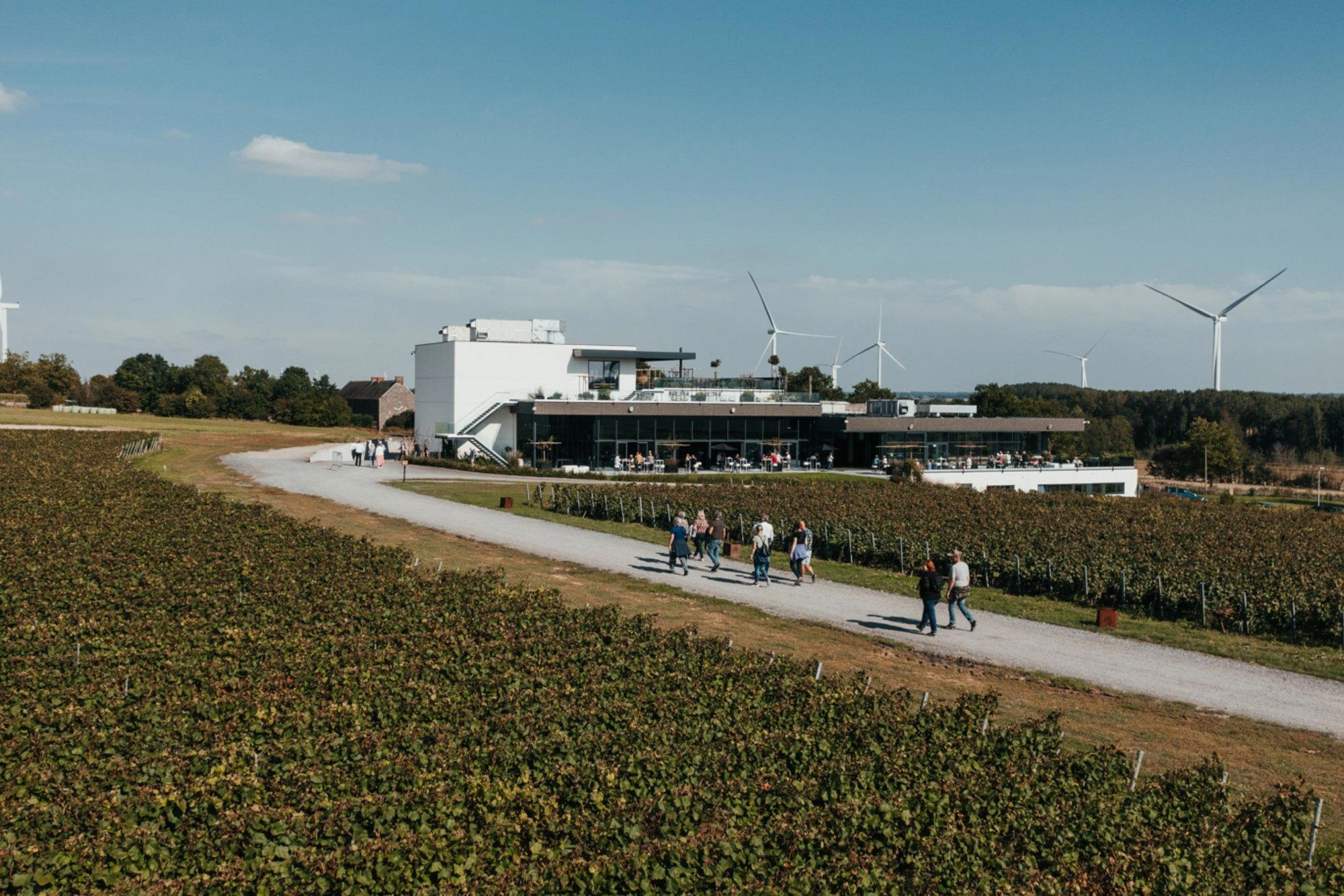
At a Glance
- Elegant
- Classic
- Casual Hangout
- Historic Building
Current opening hours
- Monday
- Closed
- Tuesday
- 11 AM–7 PM
- Wednesday
- 11 AM–7:30 PM
- Thursday
- 11 AM–7:30 PM
- Friday
- 11 AM–7:30 PM
- Saturday
- 11 AM–7:30 PM
- Sunday
- 11:30 AM–5:30 PM
Hours can change for holidays and private events. Last verified .
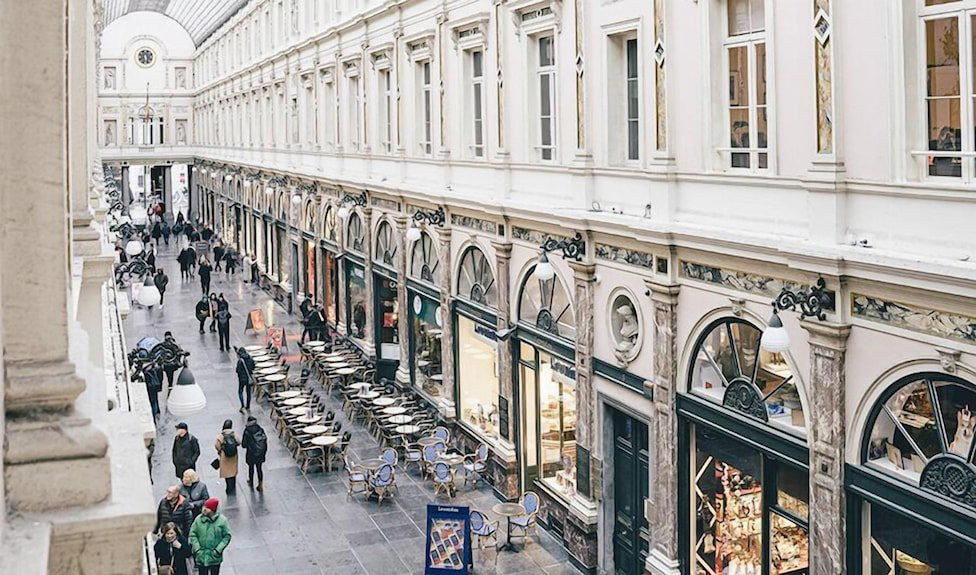
Cozy and elegant chocolate shop atmosphere focused on artisanal craftsmanship.
Know Before You Go
- Getting there
- Rue Lebeau 61, 1000 Bruxelles, Belgium