Skip to Main Content
Modern Alpine Cuisine

Google: 4.9 · 858 reviews

← Collection
Grossarl, Austria

Nesslerhof

Price≈$80
Dress CodeSmart Casual
ServiceFormal
NoiseQuiet
CapacityMedium

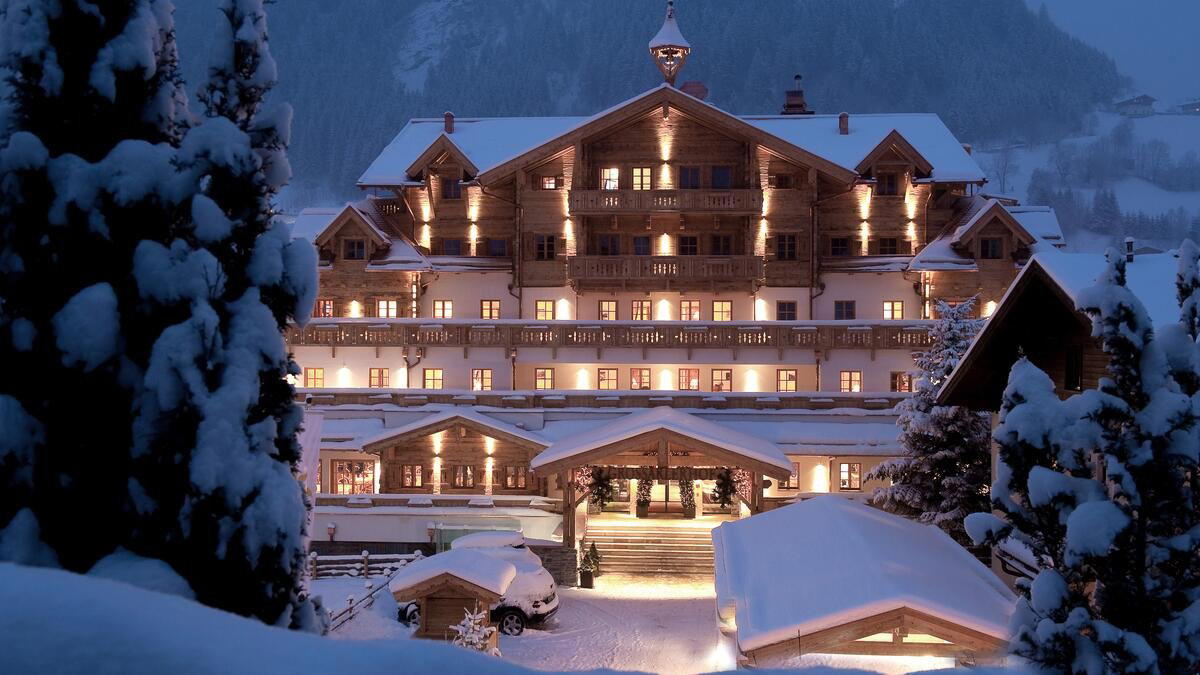
In the Grossarl Valley, where alpine agriculture has shaped eating habits for centuries, Nesslerhof at Unterbergstraße 50 represents the kind of mountain property where the surrounding terrain dictates the kitchen's direction. The address places it within one of Salzburg's most scenically concentrated valleys, alongside Grossarl neighbours such as Die Schatzarei and Edelweiß Mountain Cuisine, each working within the same regional ingredient tradition.

Pearl is the En Primeur Club membership app — saves, bookings, and concierge access live there. Same editors, same standards.

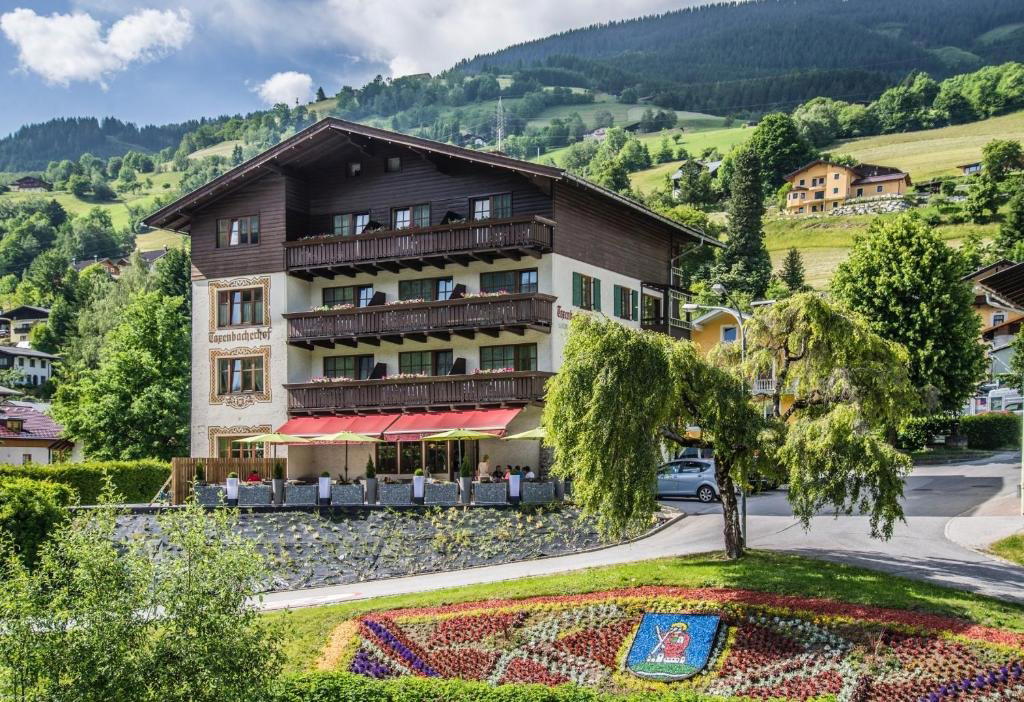
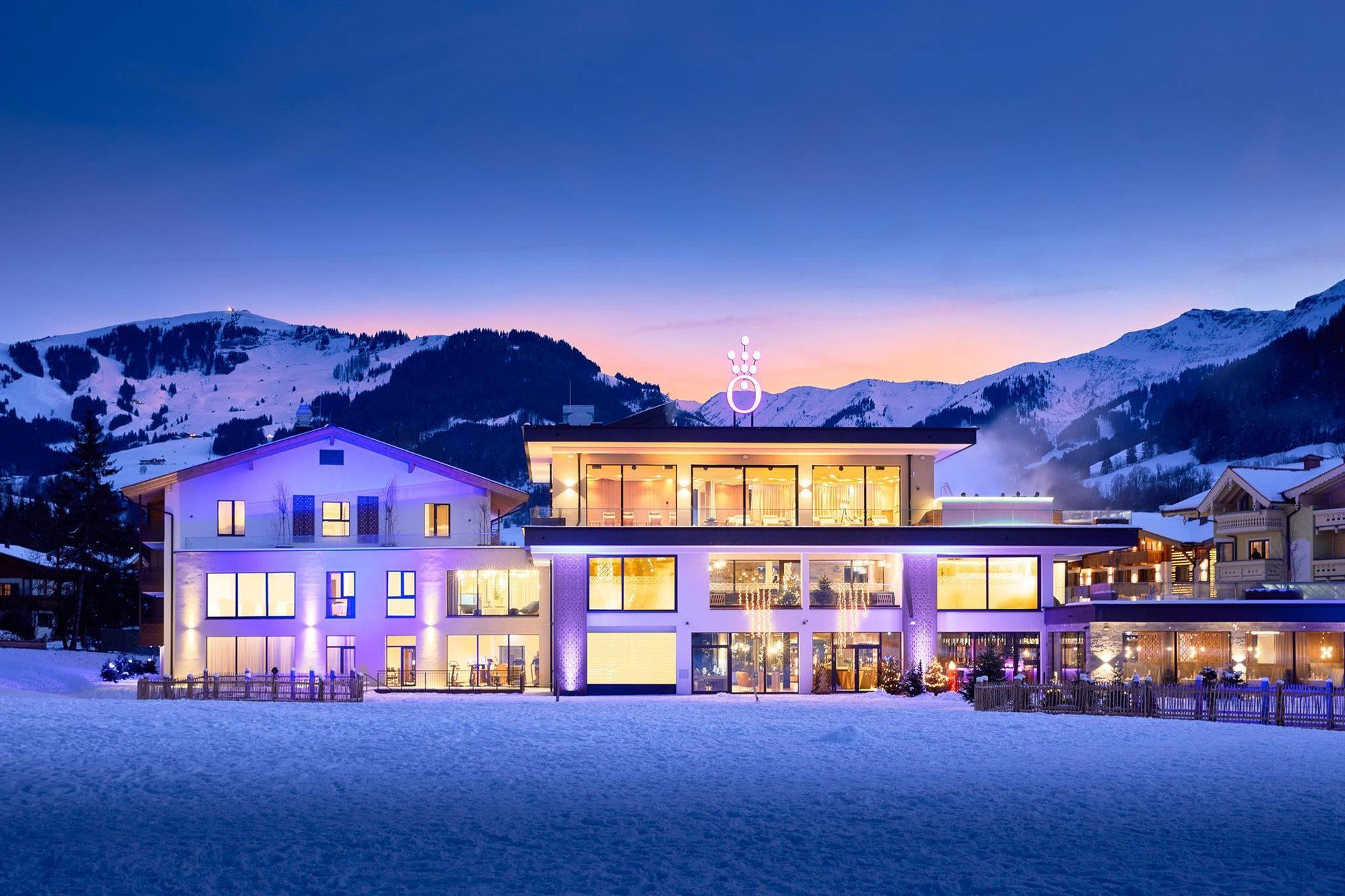
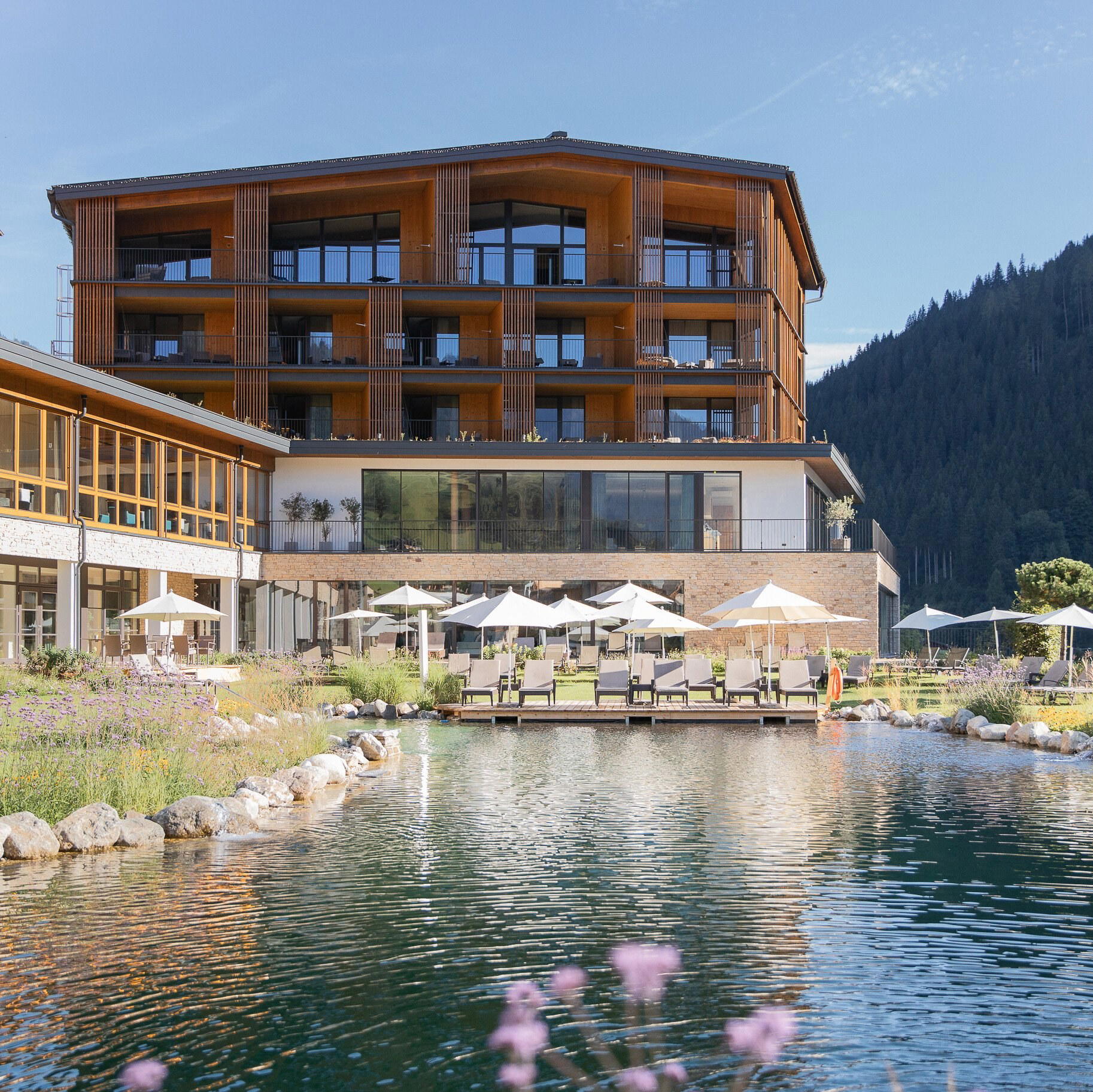
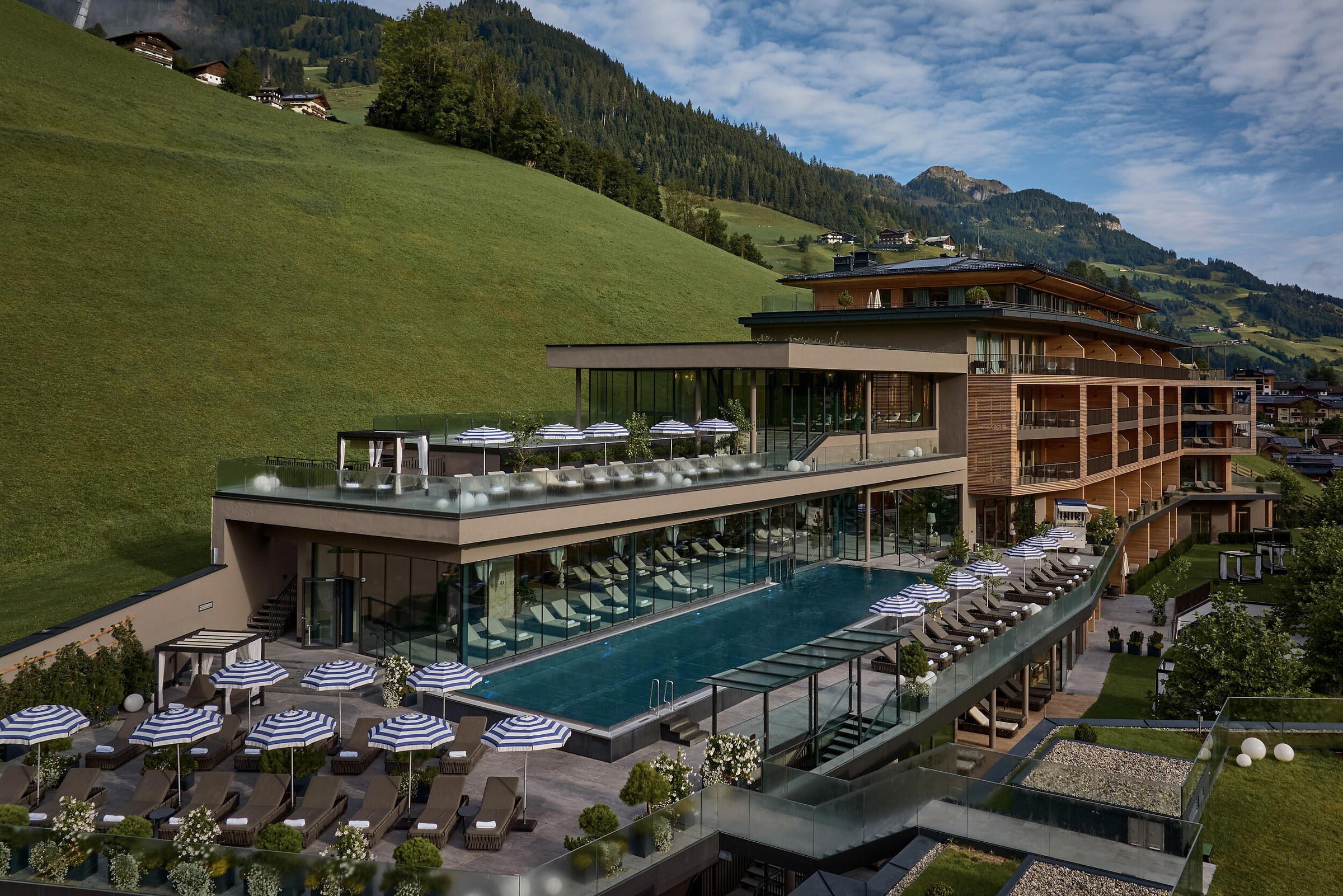
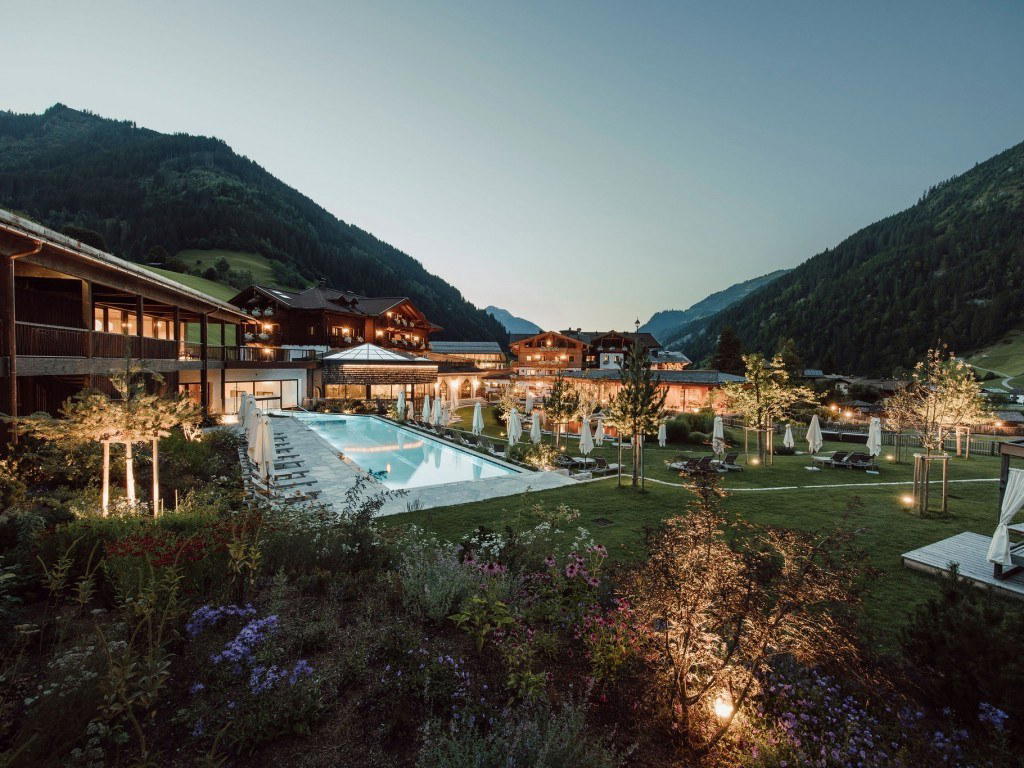
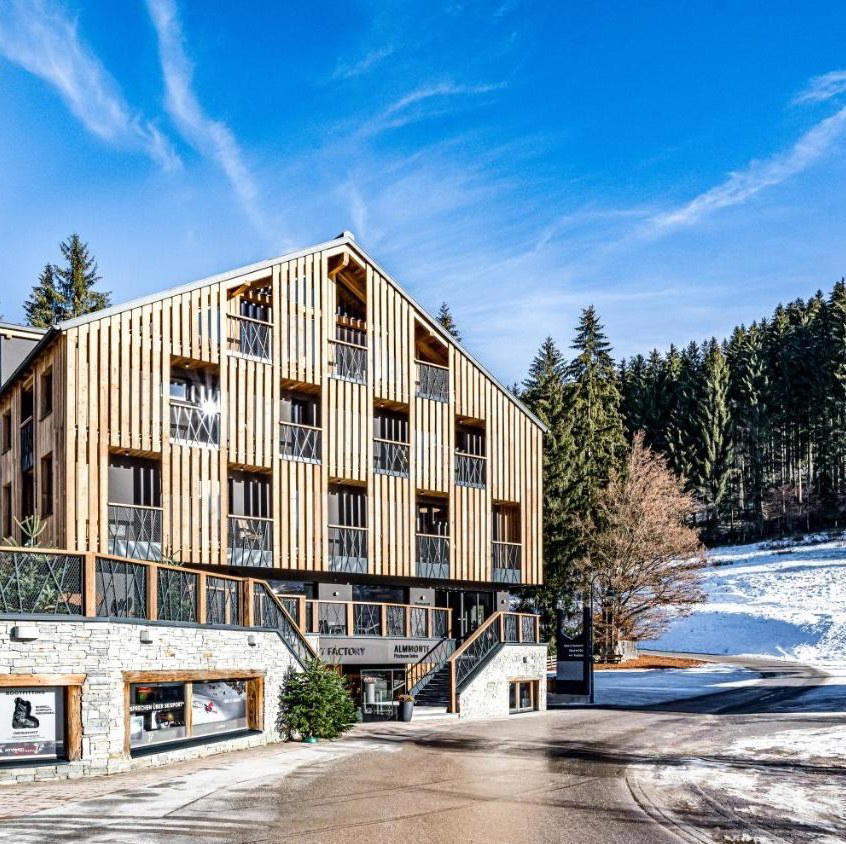
Nesslerhof restaurant in Grossarl, Austria
About

The Grossarl Valley sits at an elevation where the growing season is short, the pastures are steep, and the distance between farm and kitchen is measured in walking minutes rather than supply-chain days. Arriving at Nesslerhof on Unterbergstraße, that agricultural logic is legible in the landscape before you reach the door: the valley's narrow geometry pushes settlement upward along the hillsides, and the properties here are embedded in terrain rather than positioned against it. This is the physical grammar that mountain Austria's most ingredient-serious kitchens have always worked within, and Grossarl's dining scene reflects it directly.

Austrian alpine cooking, at its most grounded, is a cuisine of necessity turned into discipline. The altitude limits what grows; the winters determine what must be preserved, fermented, or dried; and the pastures define the character of the dairy and meat that reach the table. Where kitchens in Vienna or Salzburg can source broadly and then edit toward a concept, a valley kitchen like the one at Nesslerhof is shaped by what the surrounding land reliably produces. That constraint, taken seriously, produces a very different kind of cooking from the tasting-menu formalism found at, say, Ikarus in Salzburg or the refined destination dining of Steirereck im Stadtpark in Vienna.
Where the Food Comes From

The Salzburg Pongau region, of which Grossarl is a part, has one of Austria's denser concentrations of alpine dairy farming. Cattle graze at pastures above 1,000 metres through the summer months, and the milk and cheese produced at this elevation carry a fat content and flavour complexity that lowland equivalents rarely match. For a kitchen operating within this geography, the sourcing question almost answers itself: the most interesting ingredients are the ones produced within sight of the valley.

This regional ingredient logic extends to game, which in the Grossarl area includes red deer and chamois from the surrounding Salzburger Alpen, and to freshwater fish from the Grossarlbach and its tributary streams. The culinary tradition built around these sources is not a recent farm-to-table affectation but a structural feature of how mountain communities in this part of Austria have eaten for generations. The more interesting question for any kitchen working this territory is not whether to use local ingredients, but how far to push the interpretation: toward the conservative preparations that preserve the ingredient's own character, or toward the kind of creative reframing that kitchens like Obauer in Werfen and Döllerer in Golling an der Salzach have made their signature.

Within Grossarl specifically, the dining options cluster around this same regional ingredient base but approach it differently. Die Schatzarei and Edelweiß Mountain Cuisine each represent variations on the valley's alpine identity, while Sirloin Grill & Dine takes the region's beef tradition in a more direct, protein-forward direction. Nesslerhof occupies a position within this local peer set that reflects the broader pattern of Grossarl hospitality: a property where accommodation and dining are integrated, and where the kitchen's sourcing is framed by the same landscape the guest wakes up to.

Alpine Cooking in Its Wider Austrian Context

To understand what Grossarl valley dining represents in Austria's overall food geography, it helps to position it against the country's more prominent mountain-kitchen addresses. The Arlberg region has produced formidable high-altitude fine dining, with Gourmetrestaurant Tannenhof in Sankt Anton am Arlberg and Griggeler Stuba in Lech anchoring a tier of technically ambitious mountain cuisine that competes on a national level. In the Tirol, Schwarzer Adler in Hall in Tirol and Stüva in Ischgl demonstrate how ski-resort economies can support serious kitchen programs. Further afield, Landhaus Bacher in Mautern an der Donau and Restaurant 141 by Joachim Jaud in Mieming represent the country's broader range of ingredient-led regional cooking.

The Pongau's kitchens, including those in the Grossarl Valley, tend to operate at a lower public profile than the Arlberg or Salzburg city addresses, but that lower profile is partly a function of the valley's relative quietness as a destination rather than a reflection of culinary ambition. Kräuterreich by Vitus Winkler in Sankt Veit im Pongau, the region's most decorated kitchen, has established that Pongau terrain can support serious culinary work. Ois in Neufelden similarly demonstrates that Austria's regional kitchens, when working with conviction, can produce cooking worth travelling toward rather than merely eating opportunistically while in the area.

Planning Your Visit

Grossarl is accessible from Salzburg by road in under an hour, making it viable as a day trip from the city, though the valley's character rewards an overnight stay. The property at Unterbergstraße 50 is positioned within the valley's quieter residential band, away from the ski village centre, which means arrivals benefit from checking road conditions in winter. Grossarl's ski area connects to the larger Ski Amadé network, which shapes the valley's seasonal rhythm: peak winter demand runs from late December through March, and summer walking season brings a second, quieter wave of visitors from June onward.

Dining reservations at valley properties of this type are worth securing before arrival rather than leaving to chance, particularly over winter weekends and the Christmas-to-New Year period when Pongau occupancy runs high across the board. For travellers building a wider Austrian food itinerary, Grossarl pairs logically with a meal at Döllerer in Golling or a Salzburg city stop, with both reachable within 90 minutes. For those travelling from further afield, the contrast with city-format dining at Le Bernardin in New York City or Atomix in New York City underlines just how differently geography shapes a kitchen's sourcing logic and seasonal rhythm. The full picture of Grossarl's dining options is covered in our full Grossarl restaurants guide.

Frequently asked questions

Visit Official Site →

Continue exploring

More in Grossarl

Restaurants in Grossarl

Browse all →
Request Booking2,000+ collectors already inside
At a Glance
Vibe
  • Rustic
  • Elegant
  • Cozy
  • Scenic
Best For
  • Special Occasion
  • Celebration
Experience
  • Hotel Restaurant
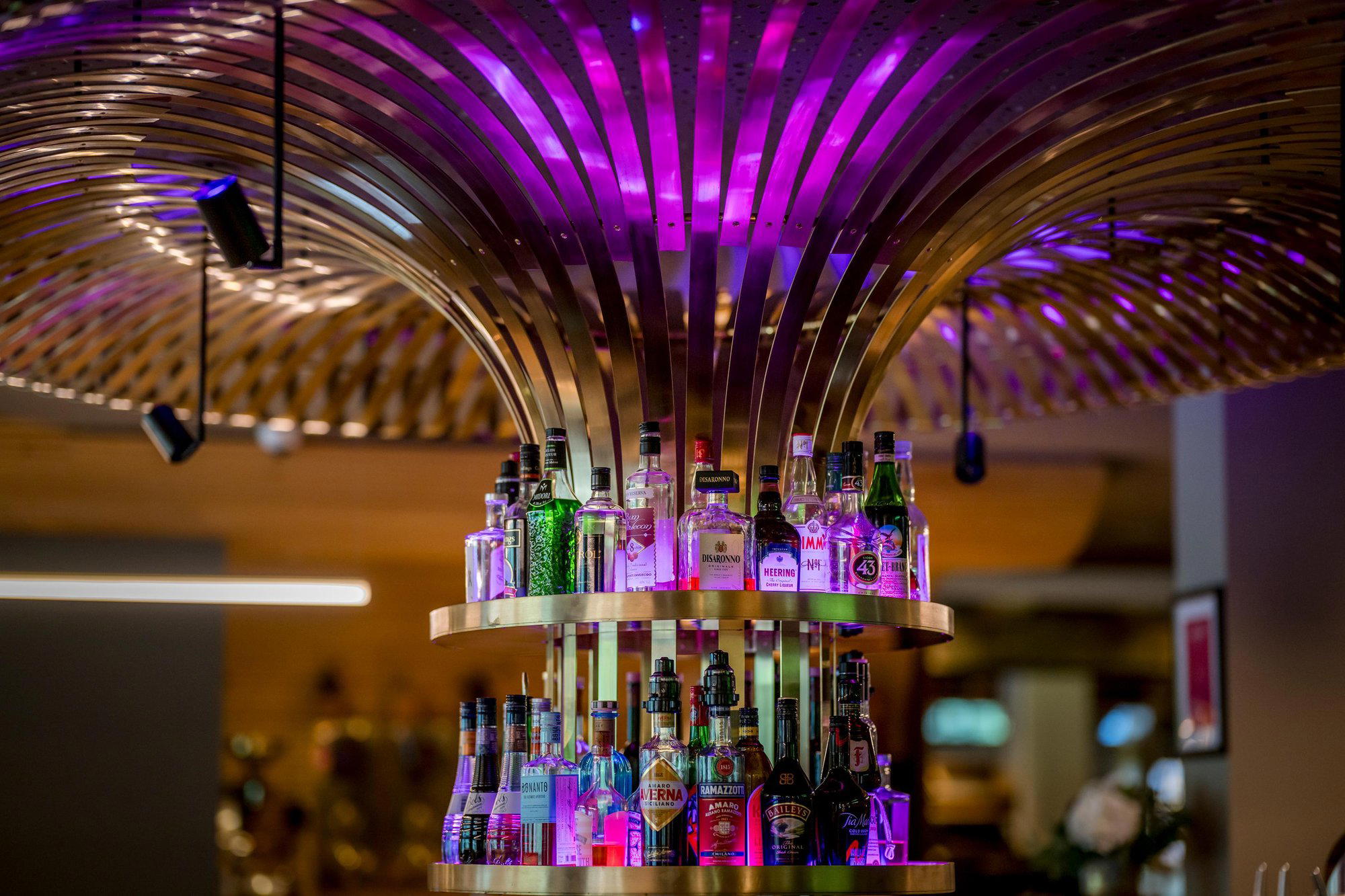
Drink Program
  • Extensive Wine List
Sourcing
  • Local Sourcing
Views
  • Mountain
Dress CodeSmart Casual
Noise LevelQuiet
CapacityMedium
Service StyleFormal
Meal PacingLeisurely

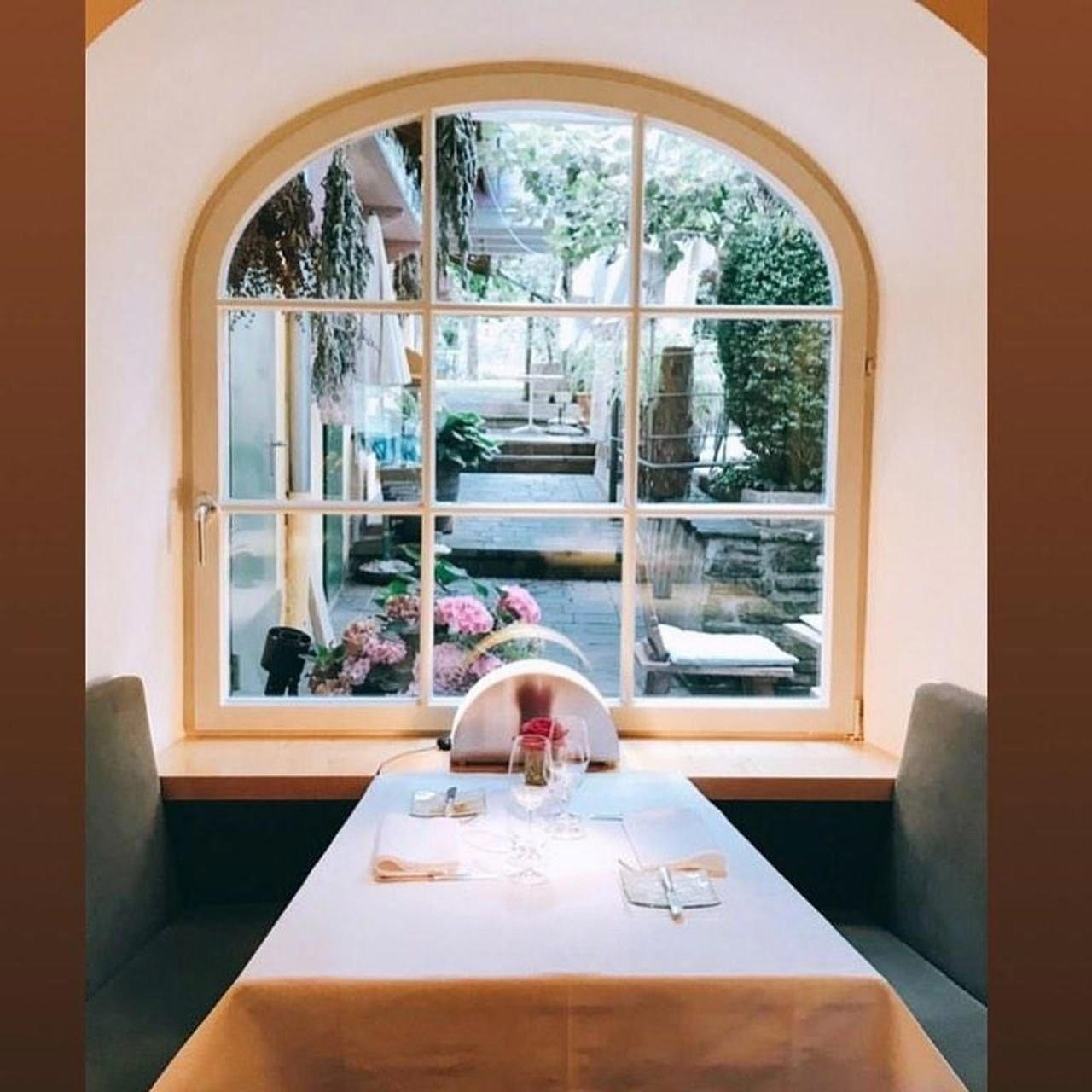
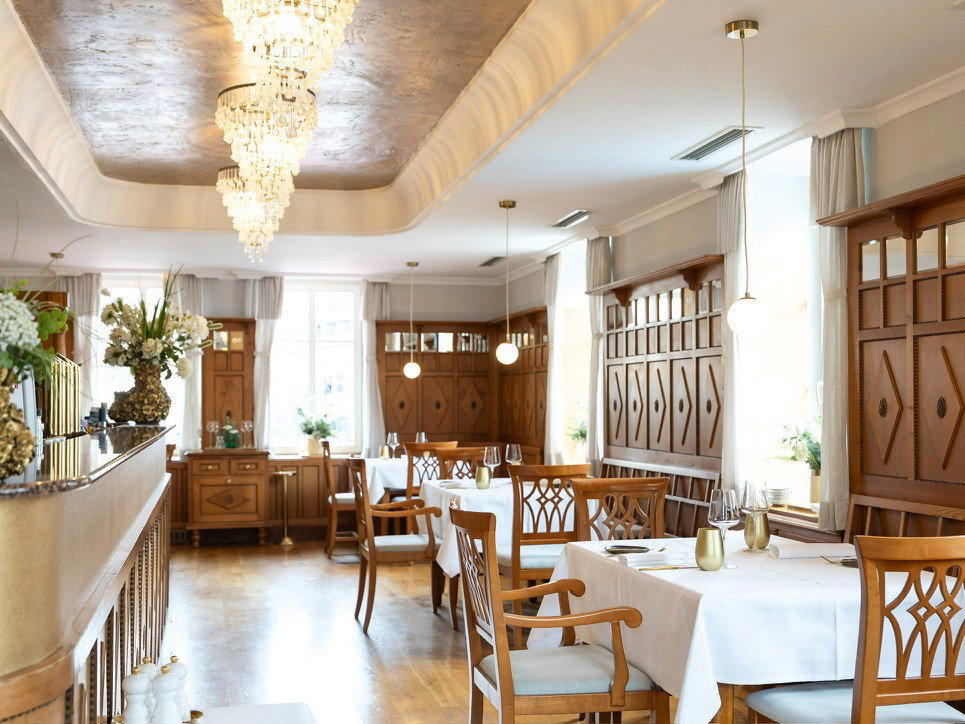
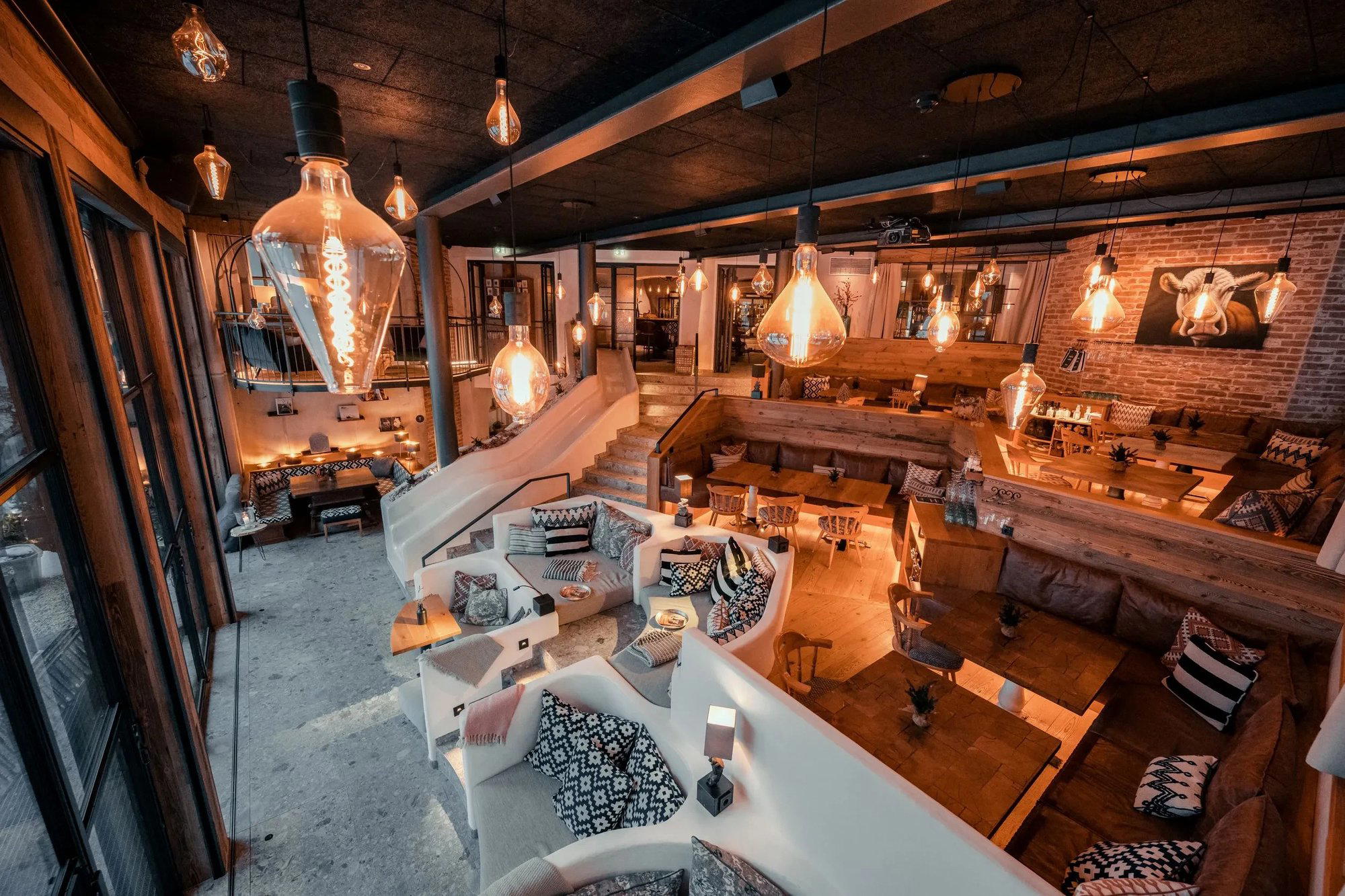
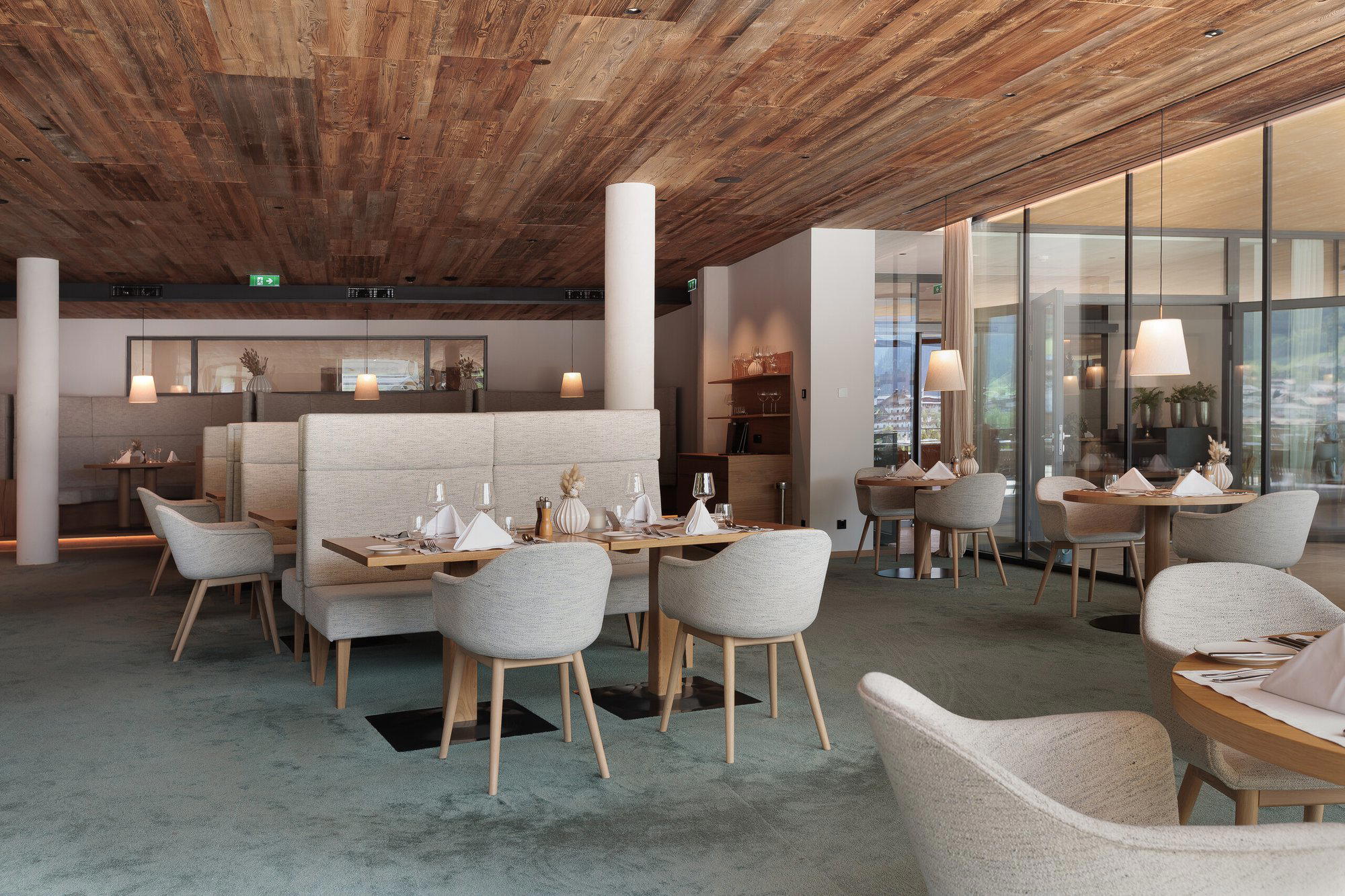
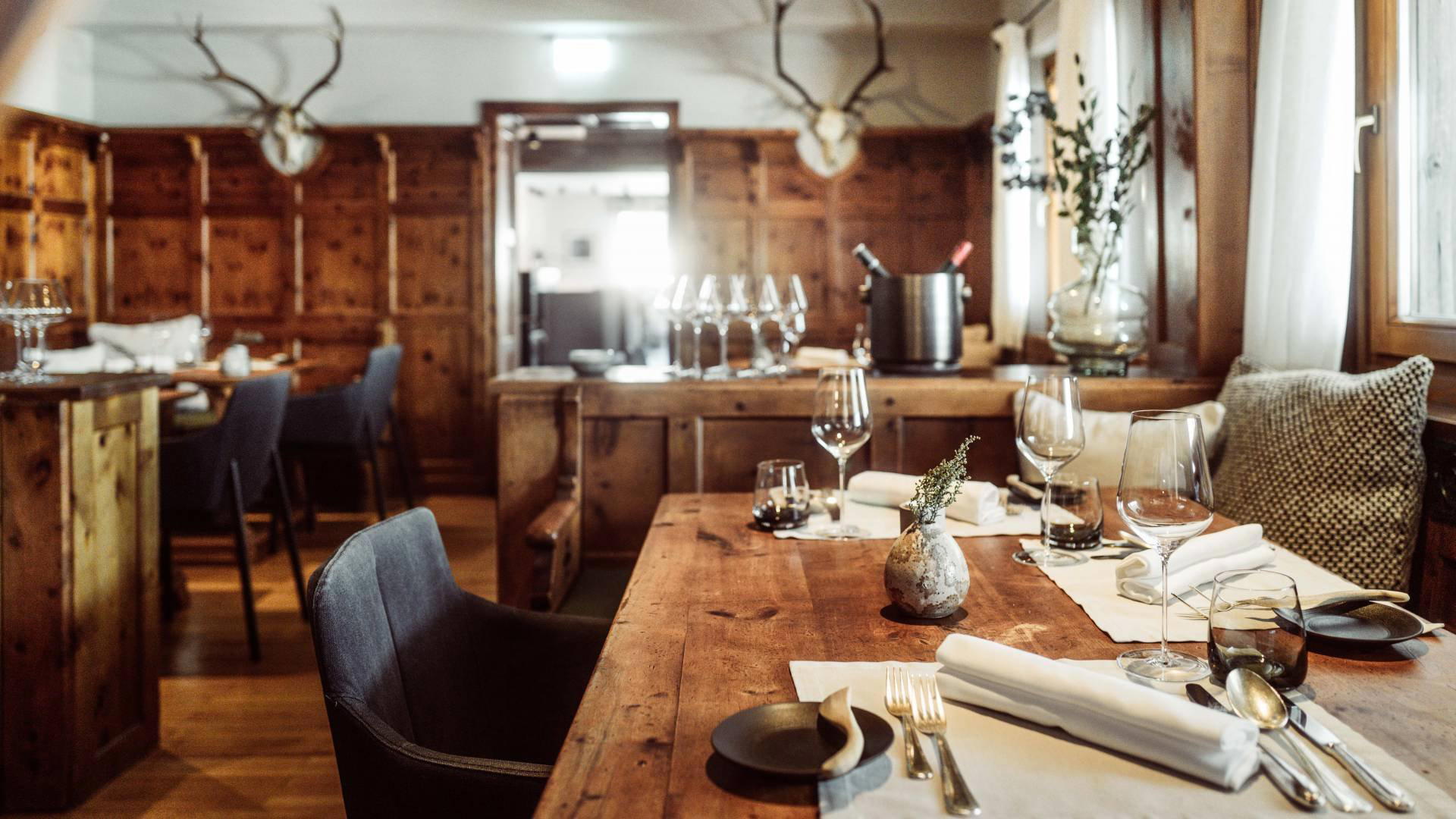
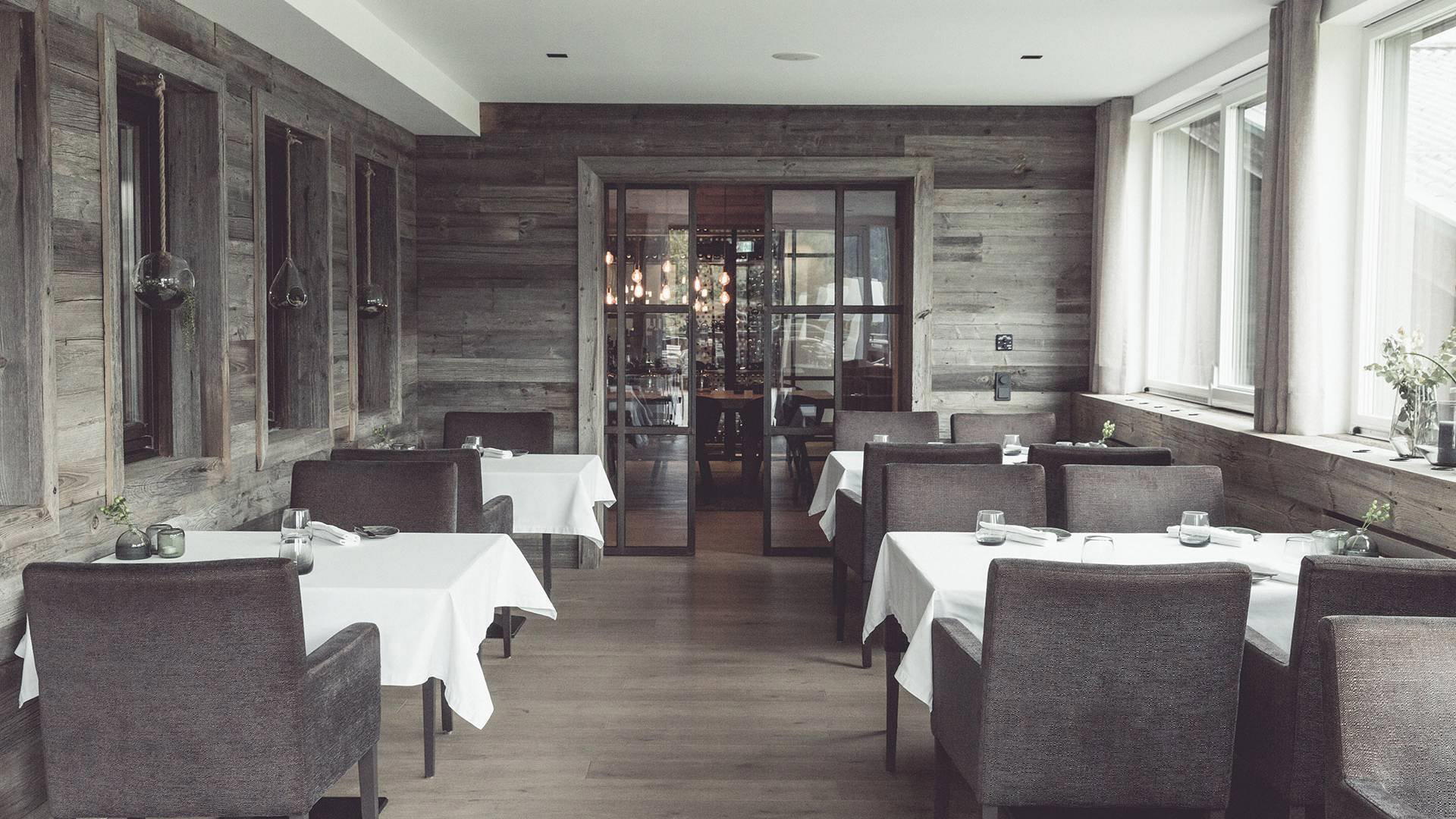
Rustic stylish parlors with timber ceilings and modern areas, offering a cozy and elegant atmosphere.