
Michelin Plate
Our verdict
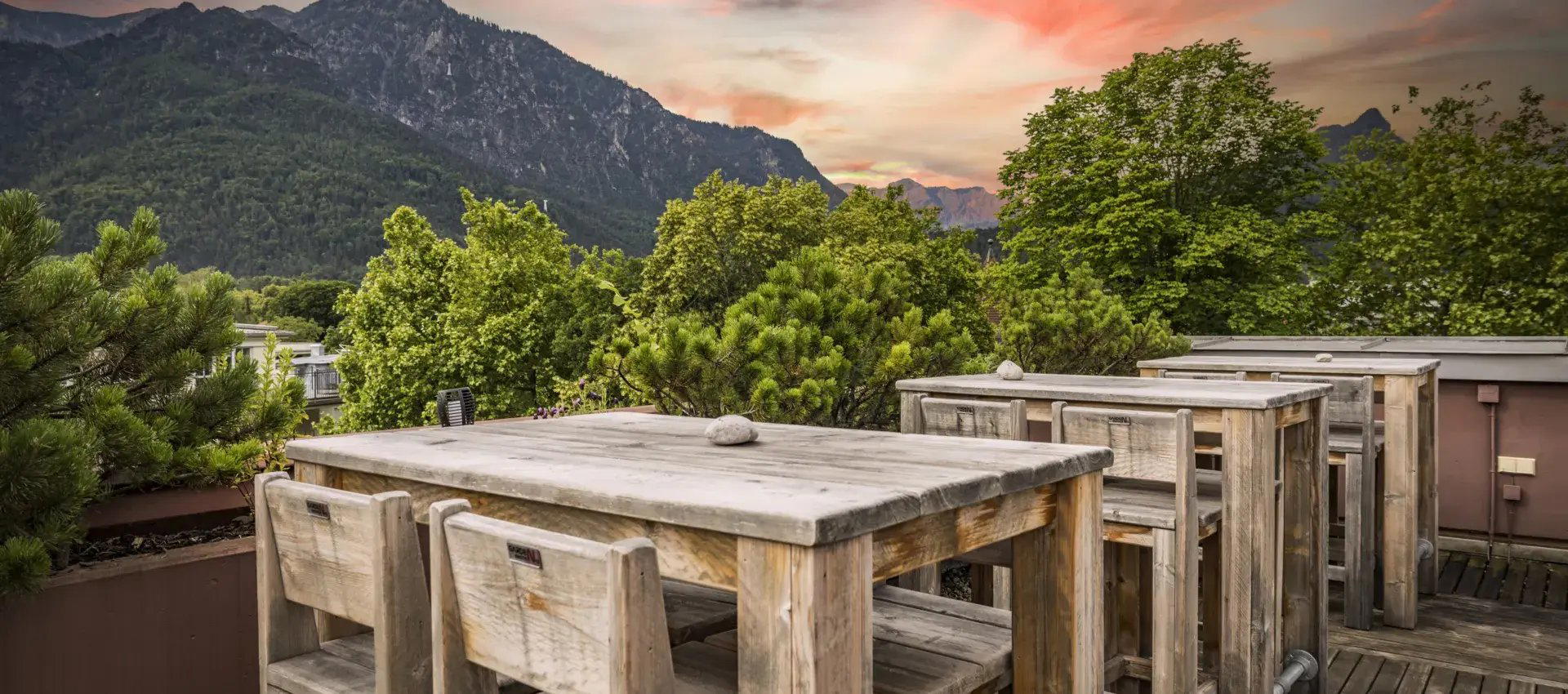
Sirloin Grill & Dine serves Grill Steakhouse cooking at DAS EDELWEISS Salzburg Mountain Resort, with dry-aged steaks, an open kitchen, and mountain views for dinner.

Pearl is the En Primeur Club membership app, where members save venues, book tables and use the concierge.
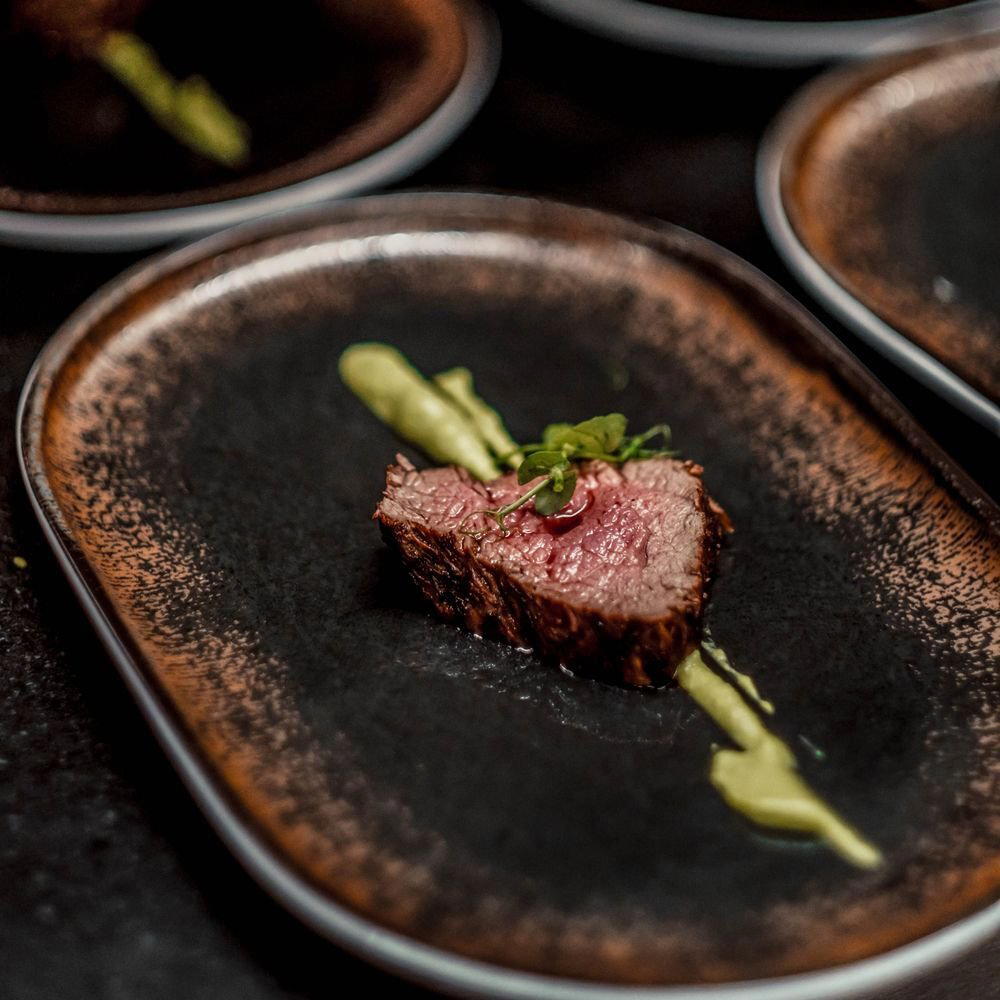
The menu
What to order
- Dry-aged steaks
- T-bone steaks
- Black Angus specialties
Grill Culture in the Austrian Alps
The Salzburg Pongau valley does not typically announce itself as a destination for serious meat cookery. Grossarl, a compact alpine village with a population measured in the hundreds, is better known for its ski lifts and cheese-making traditions than for urban grill dining. That makes the presence of a dedicated grill and dining address at Unterbergstraße 65 an editorial point worth making: in smaller Austrian mountain settlements, the most interesting food often operates outside the formats that earn press coverage.
Austria's relationship with grilled and roasted beef runs deep, anchored in a culinary tradition that predates the steakhouse format by centuries. The alpine regions in particular developed their own meat cultures around preservation, slow cooking, and seasonal availability, distinct from the Viennese Tafelspitz tradition but connected to the same broader respect for quality cuts and careful preparation. A venue naming itself around sirloin in this geography is, consciously or not, placing itself in conversation with that history. The sirloin, known in Austrian-German contexts through the loin cuts that informed classic Viennese and Salzburg kitchen traditions, carries cultural freight that a purely international steakhouse framing would not.
What the Setting Signals
Approach Grossarl from the Salzach valley and the village reads as a working mountain community rather than a polished resort. The address on Unterbergstraße puts Sirloin Grill & Dine in the lower valley approach, away from the immediate ski infrastructure that defines the upper village winter economy. In alpine dining contexts across Austria and Switzerland, this kind of positioning, removed from the lift-side concentration, tends to correlate with a local and regional clientele rather than a purely tourist-facing operation. That, in turn, often signals a kitchen calibrated to repeat custom rather than one-off visitor expectations.
The Pongau region sits within driving range of some of Austria's most decorated restaurant addresses. Kräuterreich by Vitus Winkler in Sankt Veit im Pongau operates nearby with a strong regional identity, and Obauer in Werfen has held Michelin recognition for decades in a village not much larger than Grossarl. The regional context matters because it establishes what Austrian alpine dining can achieve at serious levels, and it frames what a grill-format address in the same geography is either aligning with or departing from. Within Grossarl itself, Die Schatzarei, Edelweiß Mountain Cuisine, and Nesslerhof represent the local dining field; see our full Grossarl restaurants guide for a broader view of how these addresses sit relative to each other.
The Cultural Weight of the Grill Format in Alpine Austria
Across the alpine corridor running from Salzburg through Tyrol, grill-forward restaurants occupy a middle tier between mountain huts serving Brettljause boards and the tasting-menu houses that dominate award coverage. That tier is not a lesser category; it serves a distinct function in the regional dining ecology. Families returning from a day on the slopes, local farmers and tradespeople, and visitors seeking something more grounded than a multi-course progression all gravitate toward grill addresses. The format's cultural legitimacy in Austria derives partly from this accessibility, and partly from the country's long tradition of treating meat seriously as an ingredient rather than merely as a vehicle for technique display.
At the award-level end of the Austrian spectrum, addresses like Steirereck im Stadtpark in Vienna and Döllerer in Golling an der Salzach demonstrate what happens when Austrian culinary tradition is pushed toward its highest technical expression. Further into the alpine west, Griggeler Stuba in Lech and Gourmetrestaurant Tannenhof in Sankt Anton am Arlberg represent the refined mountain-lodge format. Sirloin Grill & Dine operates in neither of those registers, and that is not a criticism; the grill-and-dine format has its own integrity, serving a different kind of evening and a different expectation of the table.
For comparison against decorated addresses further afield in the Austrian alpine dining network, Stüva in Ischgl, Schwarzer Adler in Hall in Tirol, Restaurant 141 by Joachim Jaud in Mieming, Landhaus Bacher in Mautern an der Donau, Ikarus in Salzburg, and Ois in Neufelden map the wider field. Outside Austria entirely, the contrast with focused American cooking addresses like Le Bernardin in New York City or Atomix in New York City illustrates how differently culinary ambition can be expressed across geographies.
Planning a Visit
Grossarl is accessible from Salzburg city in under an hour by car via the A10 motorway and the Pongau valley road; the village is not served by a direct rail connection, making a car the practical approach. The winter season, running from December through March, brings the highest visitor density to the Grossarl-Dorfgastein ski area, which means local restaurants across the village tend to be busier during that window. A summer visit, when the valley shifts to hiking and cycling tourism, generally means a quieter dining room and a local crowd weighted more heavily toward valley residents.
Frequently asked questions
Does Sirloin Grill & Dine work for a family meal?
The grill format that defines Sirloin Grill & Dine, grilled meats as the centrepiece, tends to work across age groups without the formality of a tasting-menu format. Grossarl itself is a working alpine village rather than a polished resort, which generally sets a relaxed, non-ceremonial tone at its restaurants. Confirm current table arrangements directly with the venue before visiting with children or larger family groups.
What's the overall feel of Sirloin Grill & Dine?
Sirloin Grill & Dine sits on Unterbergstraße in Grossarl, a compact mountain village in the Salzburg Pongau valley. The address and grill-forward name signal a mid-register dining room: more deliberate than a mountain hut, less formal than a resort hotel restaurant. Expect a setting shaped by alpine working-community character rather than destination-resort polish.
Is Sirloin Grill & Dine worth visiting as a standalone dining destination from Salzburg?
Grossarl sits less than an hour from Salzburg city by car via the A10 and the Pongau valley road, making Sirloin Grill & Dine a plausible half-day or evening excursion rather than a significant detour. The grill-focused format occupies a category, serious meat cookery in an alpine village setting, that the Salzburg city centre does not replicate at the same register. Travellers already in the Pongau for skiing or hiking will find it a natural fit; those travelling solely for dinner should confirm hours before the drive.
What's the best thing to order at Sirloin Grill & Dine?
The name points directly at the menu's core: grilled beef, specifically sirloin, is the frame around which the kitchen is built. Across the alpine grill corridor from Salzburg through Tyrol, this format prioritises cut quality and fire technique over elaborate garnishes. Specific current dishes and pricing are not published online, so confirming the day's menu on arrival or by contacting the venue is advisable.
Where is Sirloin Grill & Dine located?
Sirloin Grill & Dine is located at Unterbergstraße 65, 5611 Großarl, Austria, Grossarl.
What's the best way to book Sirloin Grill & Dine?
No booking website or phone number for Sirloin Grill & Dine is currently listed publicly. Grossarl is reachable from Salzburg city in under an hour via the A10 motorway and the Pongau valley road, so visiting in person to check availability or ask about reservations is a practical option if advance contact proves difficult.
Price and Recognition
Comparable venues nearby, for context on price, style, and recognition.
| Venue | Cuisine | Price | Awards | Notes |
|---|---|---|---|---|
| Sirloin Grill & DineThis venue (the venue you are viewing) | Grill Steakhouse | Not listed | Michelin Plate | Not listed |
| Edelweiß Mountain Cuisine | Austrian Mountain Cuisine with Pizza | Not listed | Not listed | Grossarl, Austrian Mountain Cuisine with Pizza |
| Nesslerhof | Modern Alpine Cuisine | $50–100 | Not listed | Grossarl, Modern Alpine Cuisine |
| Die Schatzarei | Creative Regional Austrian | $20–30 | Not listed | Grossarl, Creative Regional Austrian |
| Gourmetrestaurant ESS:ENZ | Modern Austrian Fine Dining | Not listed | Falstaff Restaurant - 94 Falstaff Points | Leogang, Modern Austrian Fine Dining |
| Vitus cooking - Sonnhof | Modern Alpine Herb Kingdom | $200–300 | Not listed | Sankt Veit im Pongau, Modern Alpine Herb Kingdom |
Recognition history
Dated appearances from independent guides and award organizations, with the underlying list record or original source where available.
Michelin Plate
Michelin
Sirloin Grill & Dine
Featured Guides
Continue exploring
More in Grossarl
Restaurants in Grossarl
All restaurants in Grossarl →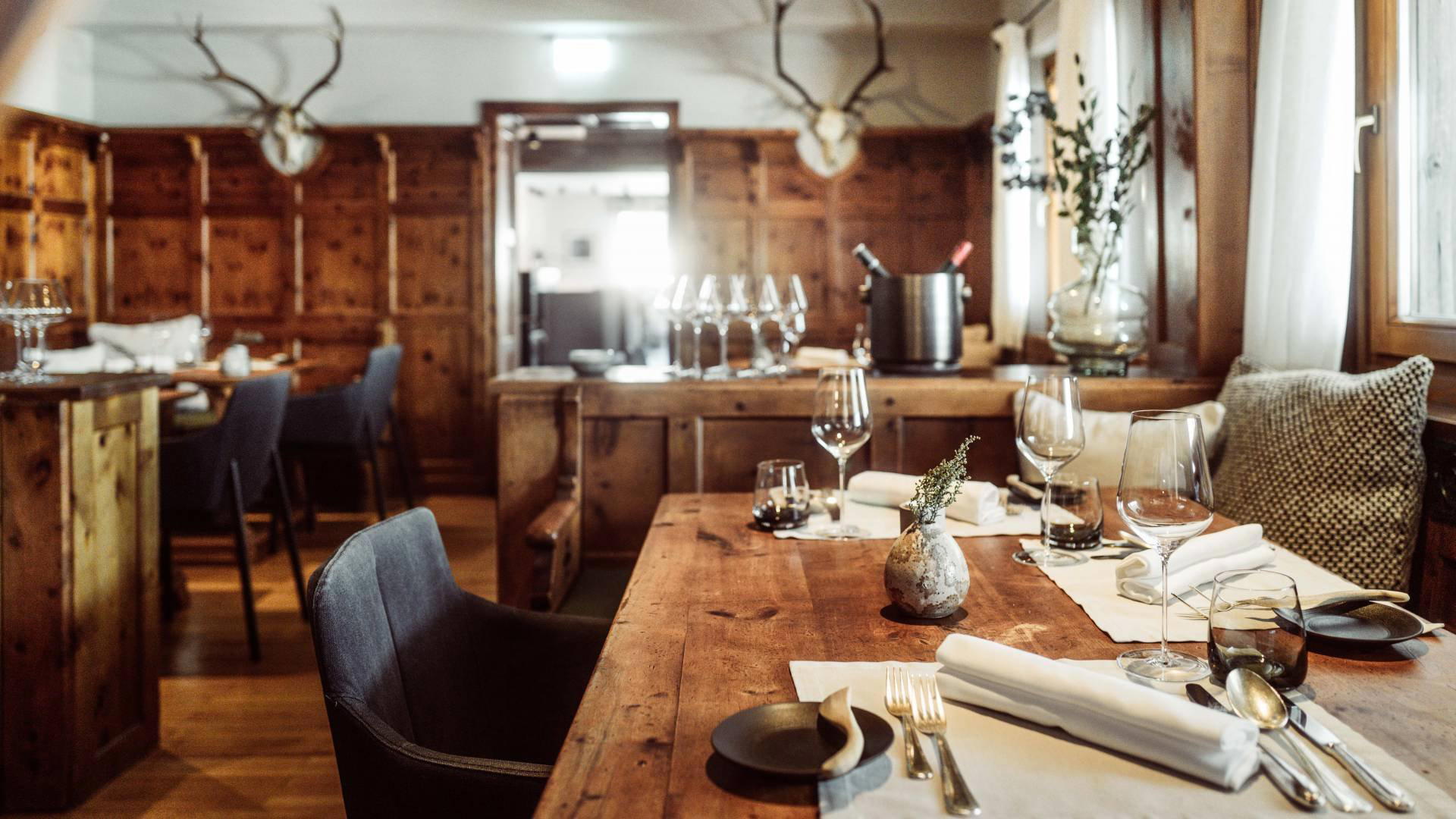
Bars in Grossarl
Browse all →
Hotels in Grossarl
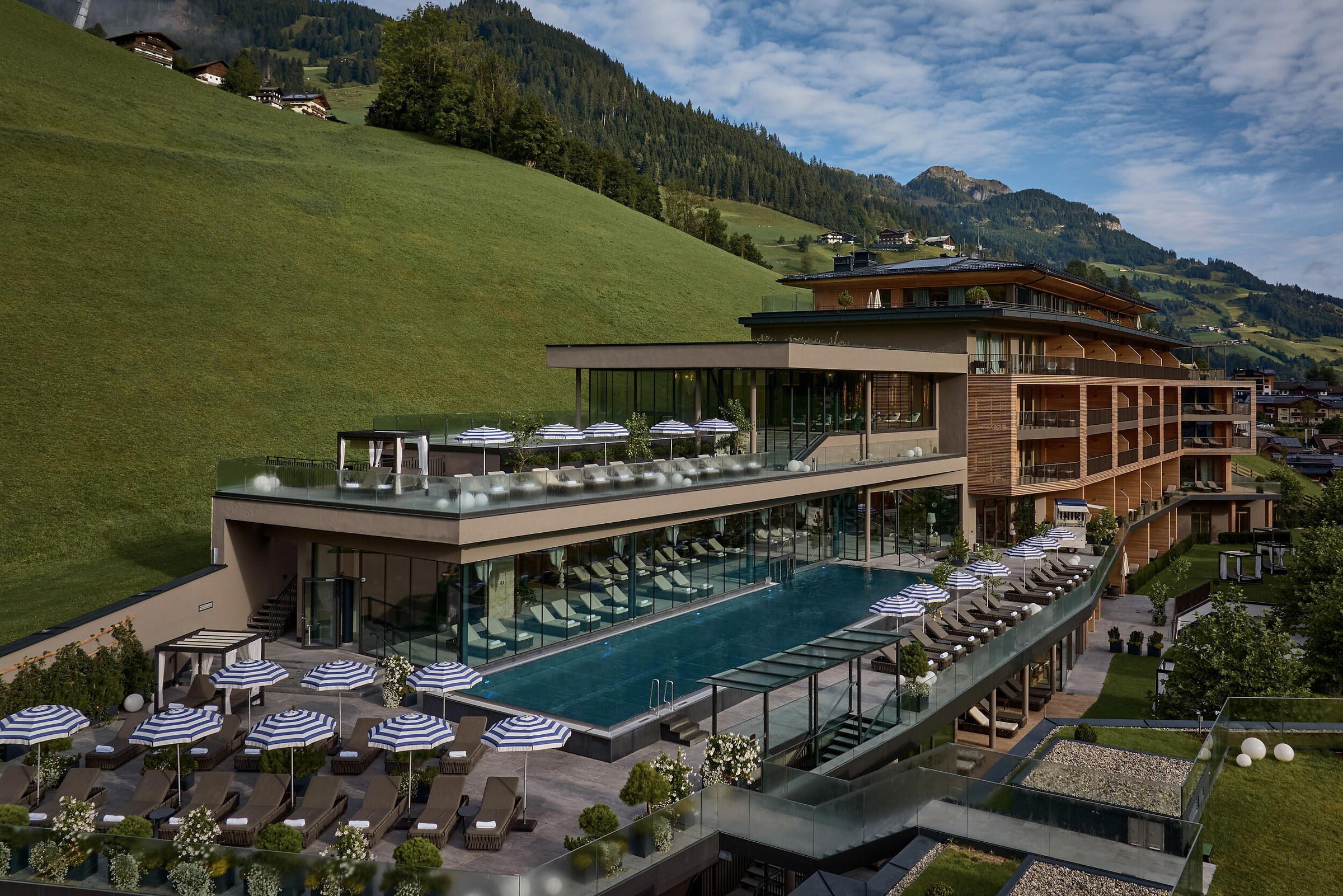
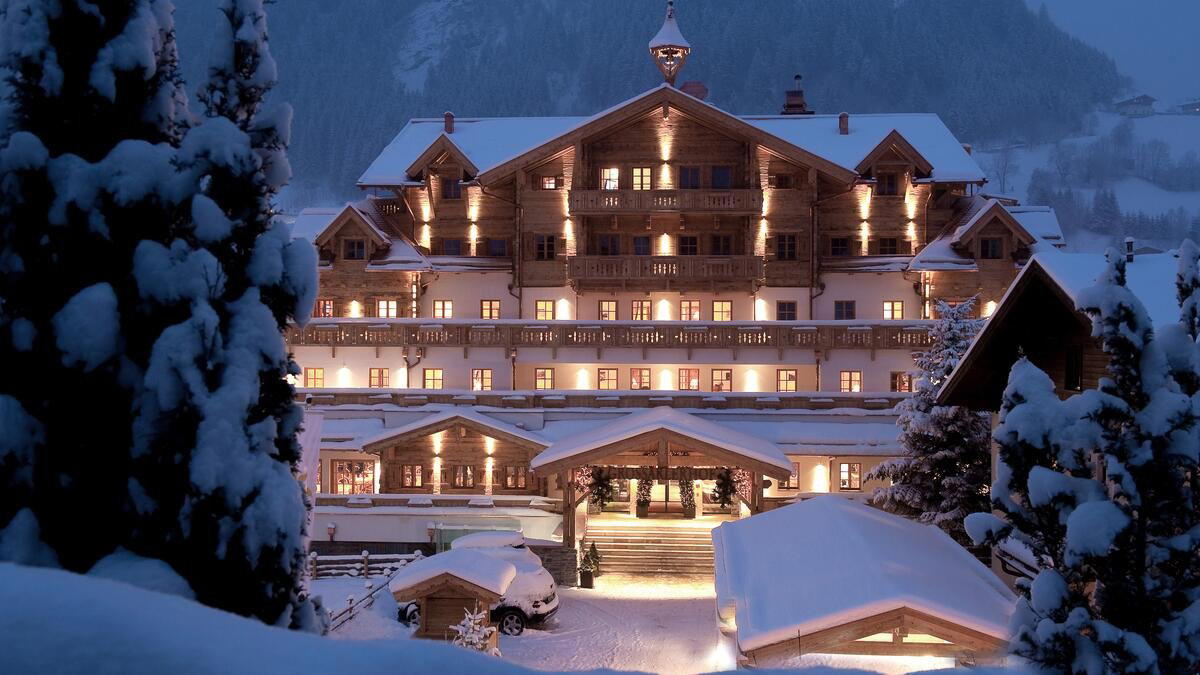
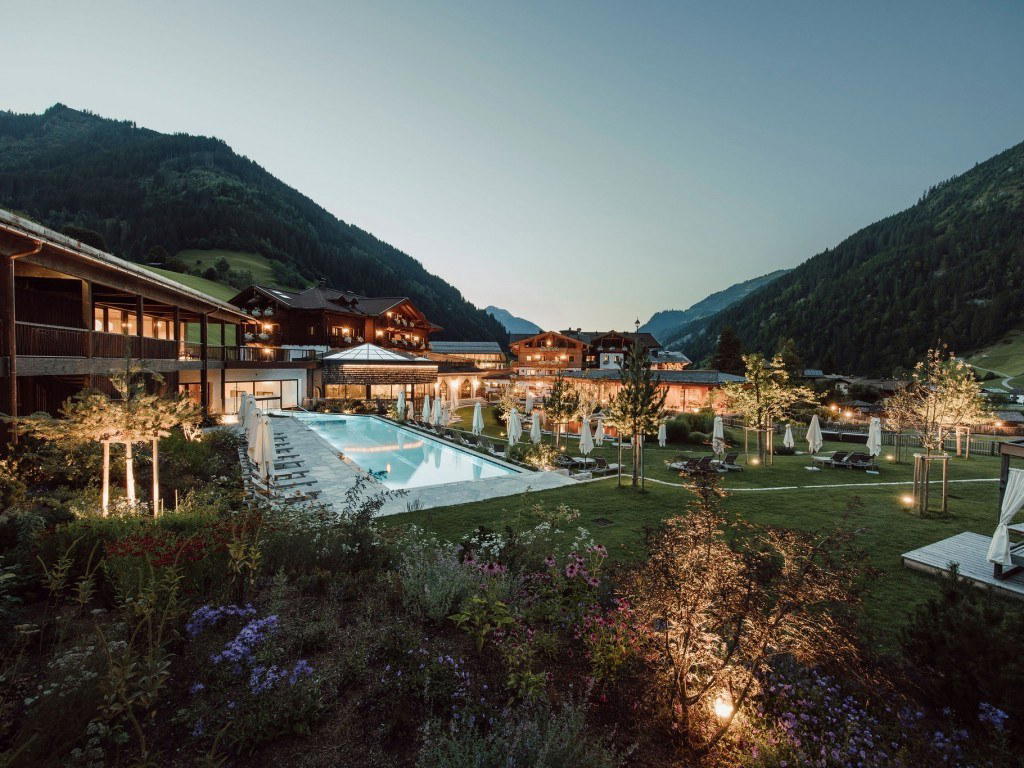
All hotels in Grossarl →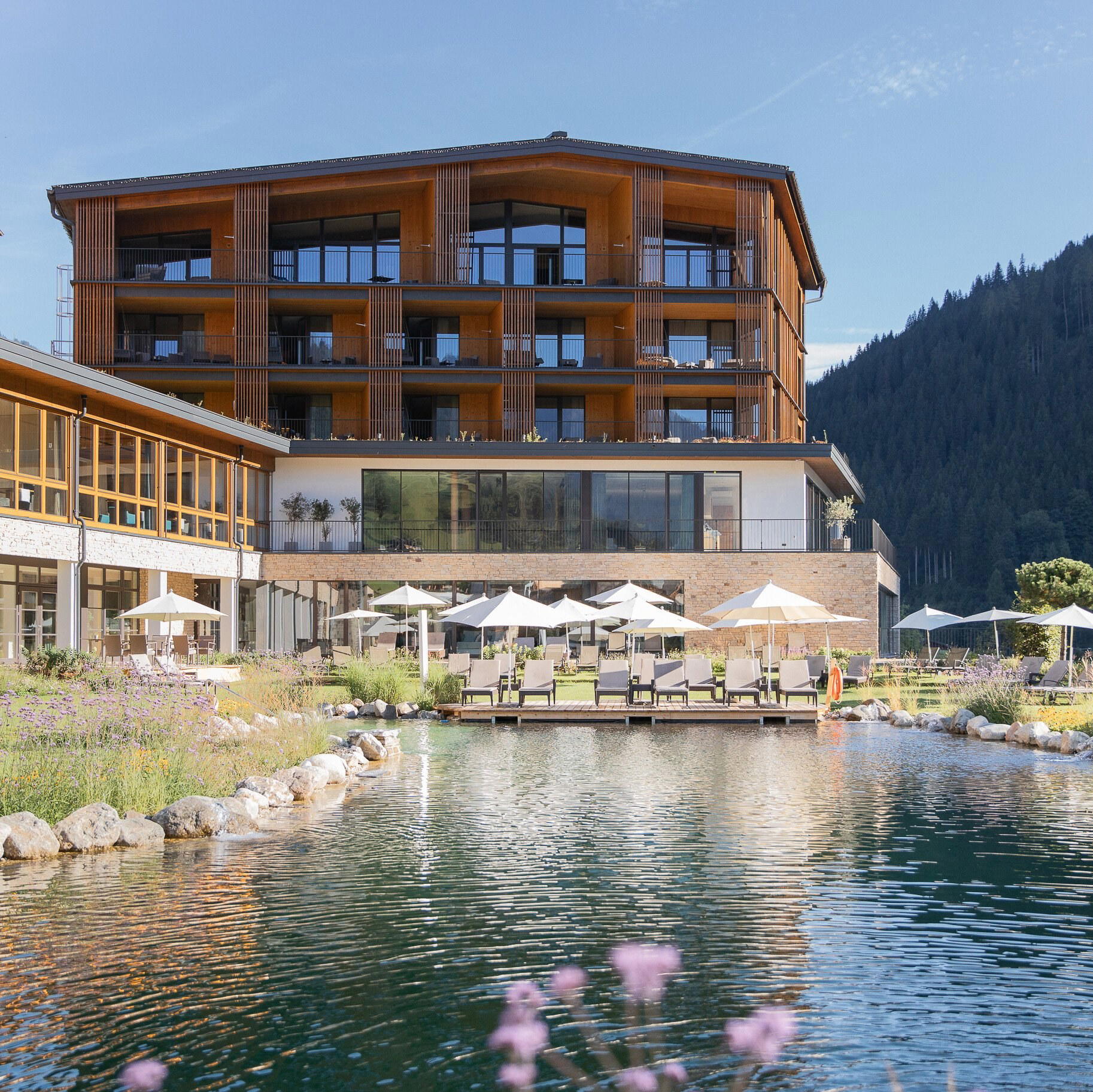
Wineries in Grossarl
Browse all →
Details
- Modern
- Cozy
- Rustic
- Date Night
- Special Occasion
- Solo
- Open Kitchen
- Extensive Wine List
- Local Sourcing
- Mountain
- A La Carte
- Vegetarian Friendly
Current opening hours
- Monday
- 5 PM–1 AM
- Tuesday
- 5 PM–1 AM
- Wednesday
- 5 PM–1 AM
- Thursday
- 5 PM–1 AM
- Friday
- 5 PM–1 AM
- Saturday
- 5 PM–1 AM
- Sunday
- Closed
Hours can change for holidays and private events. Hours as of .
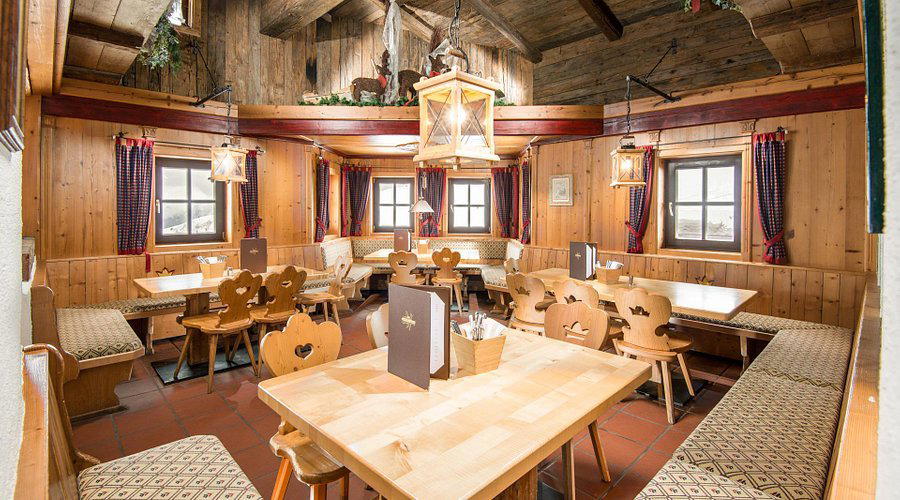
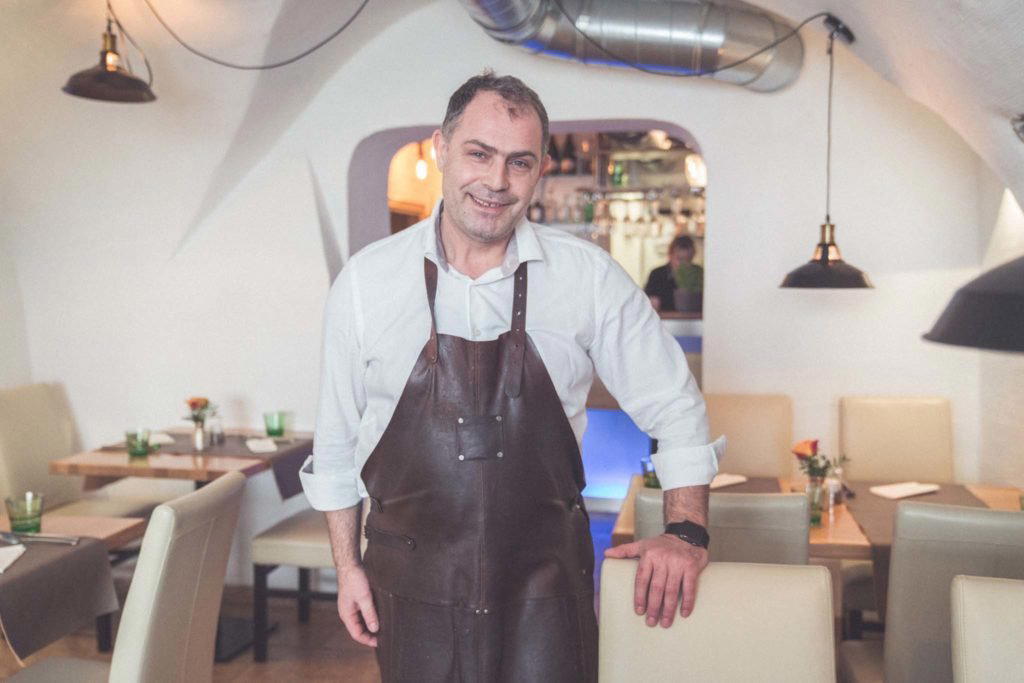
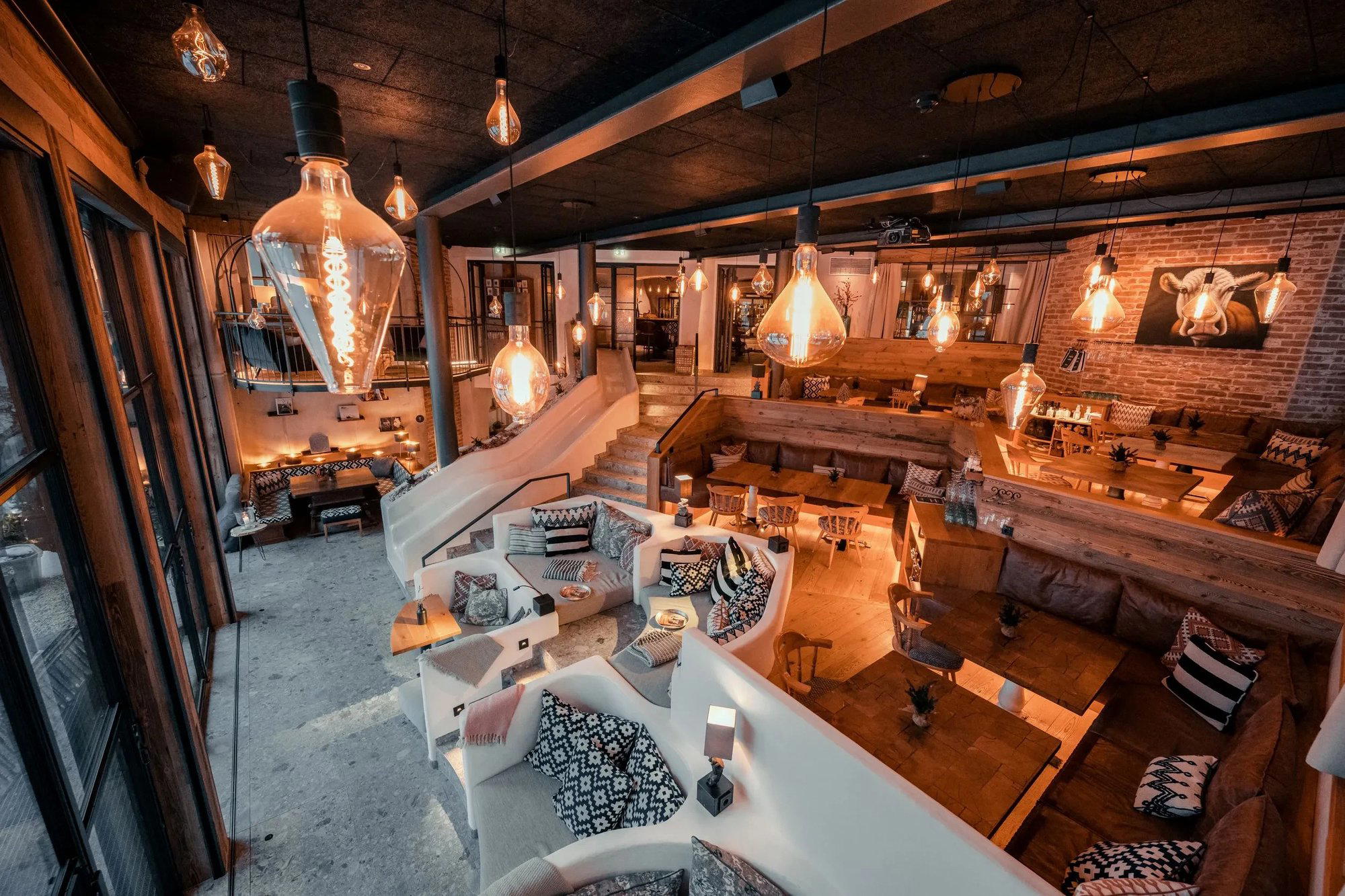
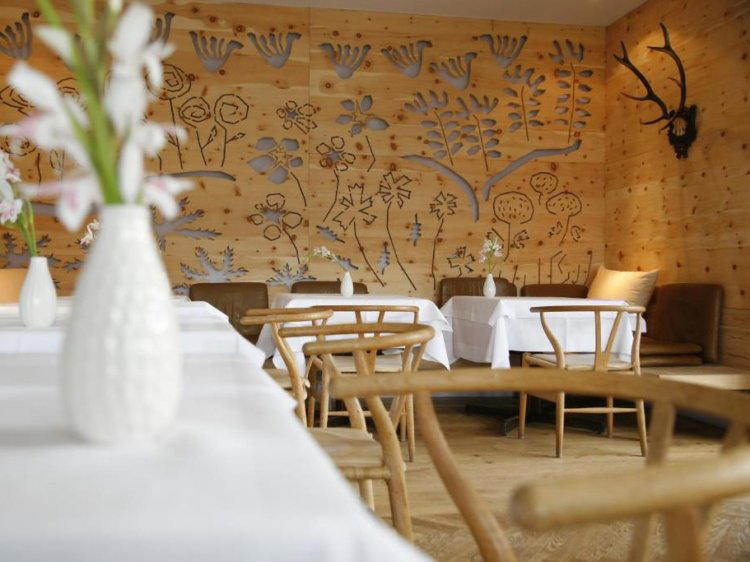
Tasteful, modern and cosy space with pleasant lighting, glass wine cooler, dry ager, and the grill as the heart of the dining room.