
Grossarler Hof sits in the Grossarl valley, roughly an hour south of Salzburg, where the mountain and meadow sightlines shift dramatically between seasons. The property frames its gourmet dining programme as a core element of the stay rather than a secondary service, placing it in the segment of Austrian alpine hotels that treat the kitchen as integral to the guest experience. Summer hiking and winter access to the Ski amadé network anchor the activity offer.
Pearl is the En Primeur Club membership app — saves, bookings, and concierge access live there. Same editors, same standards.
- Address
- Unterbergstraße 76, 5611 Großarl
- Phone
- +43 6414 8384
- Website
- grossarlerhof.at
- Directions
- Get directions
 Saves & bookings on Pearl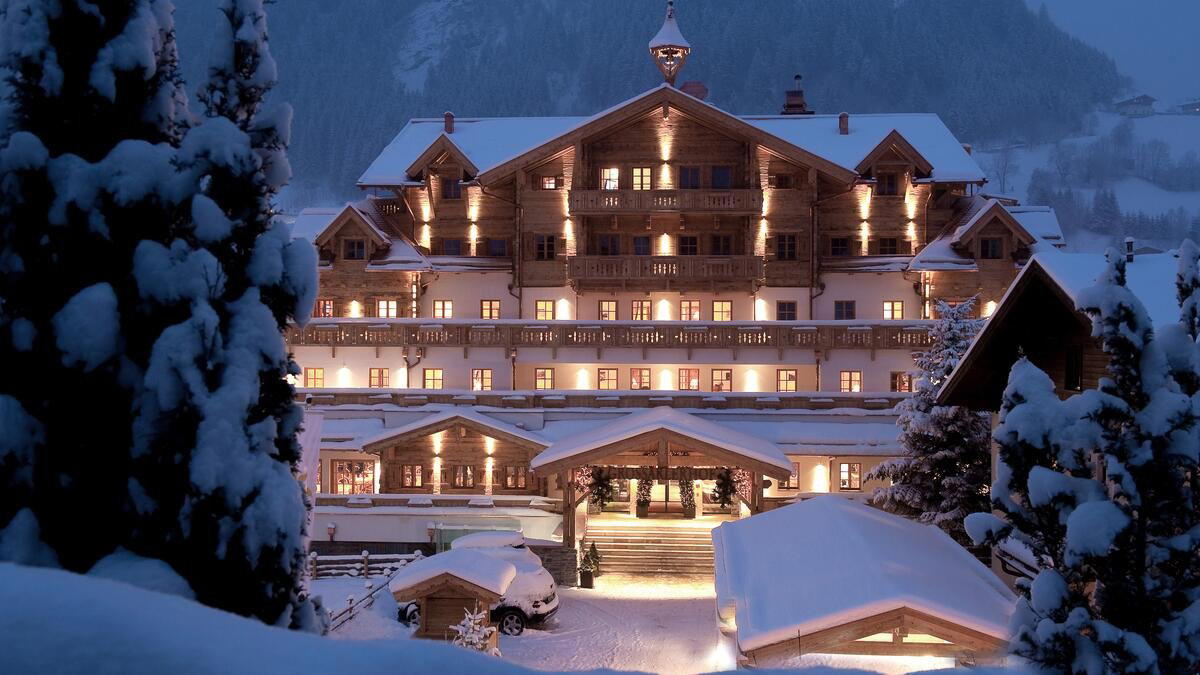
Where the Grossarl Valley Sets the Table
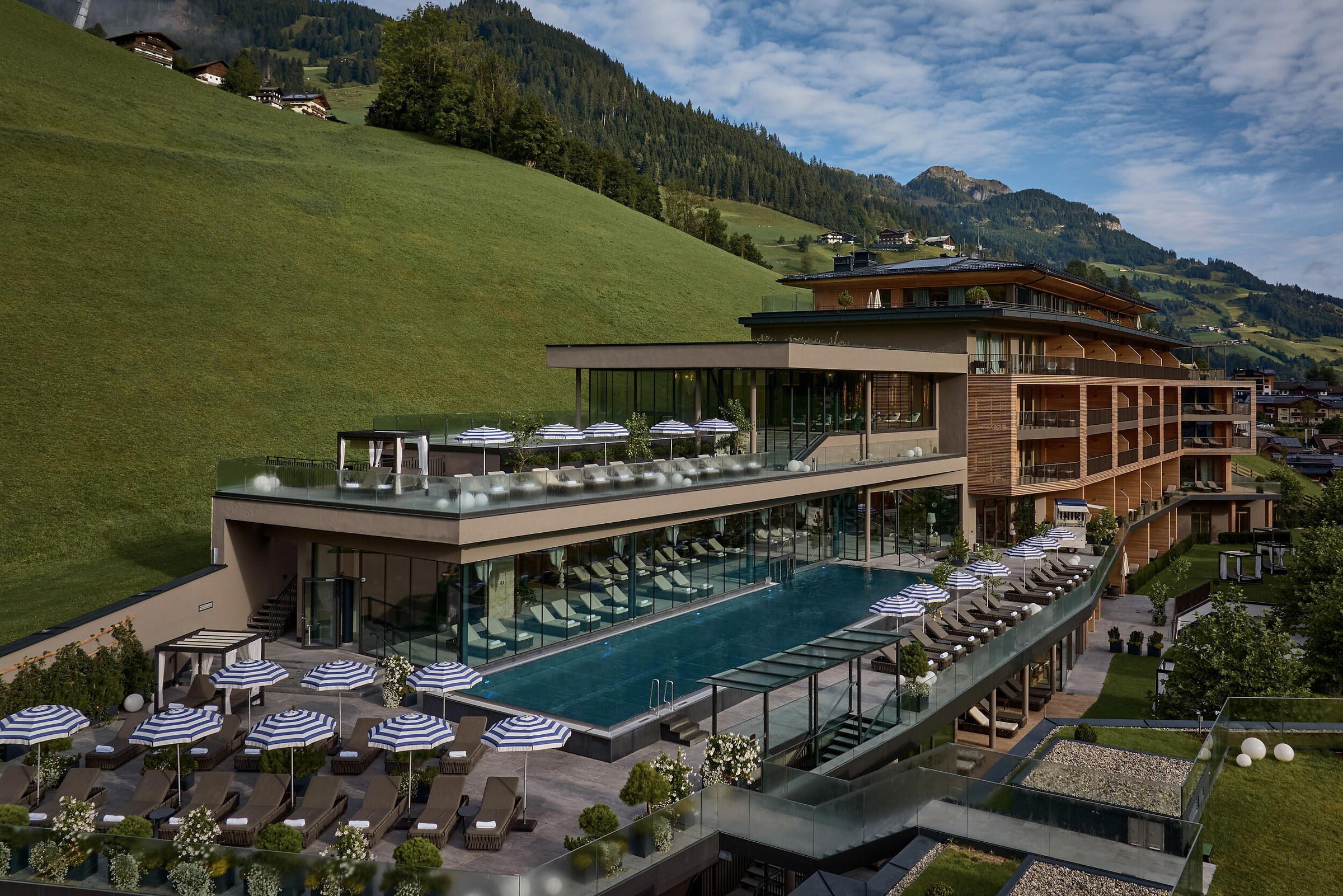
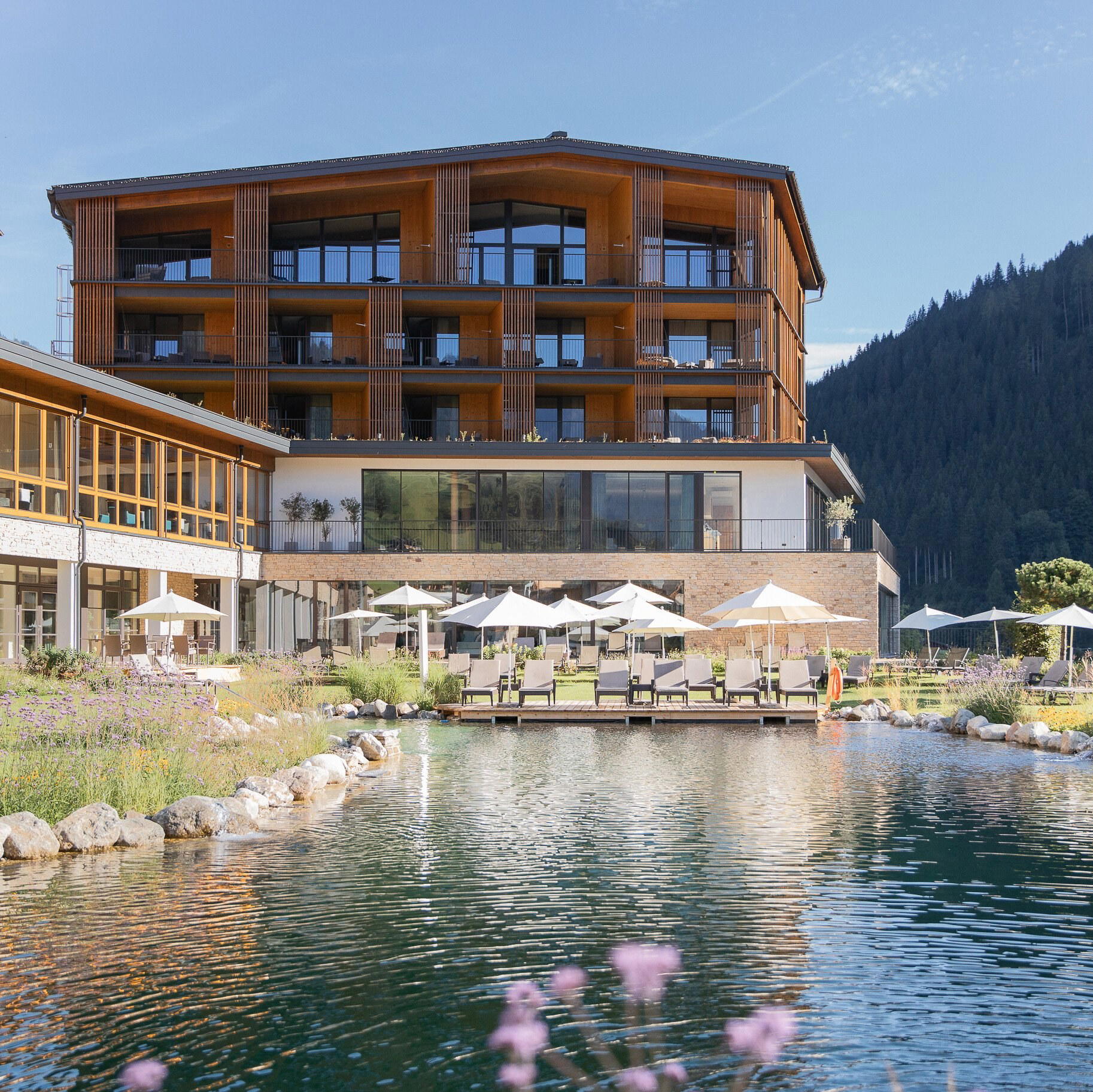
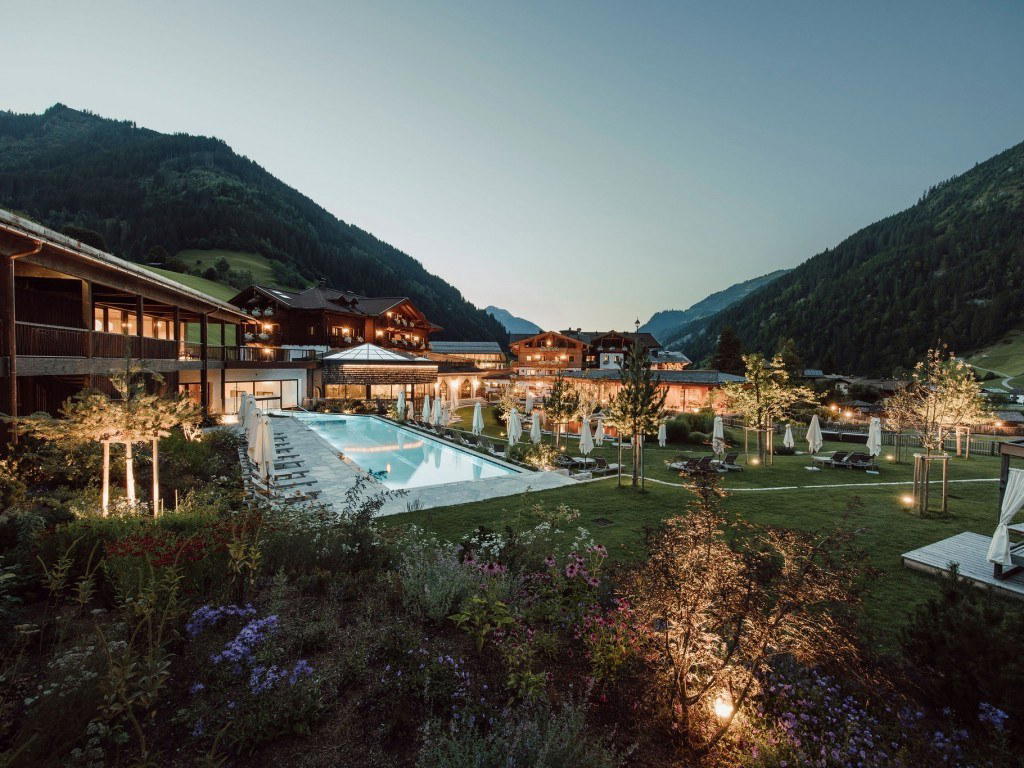
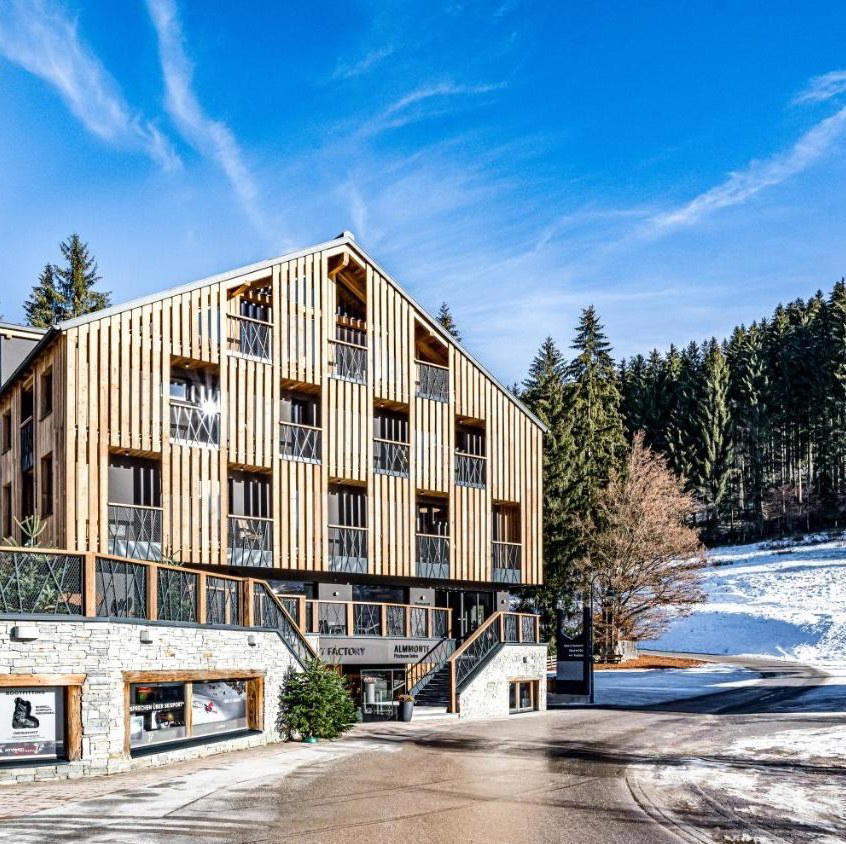
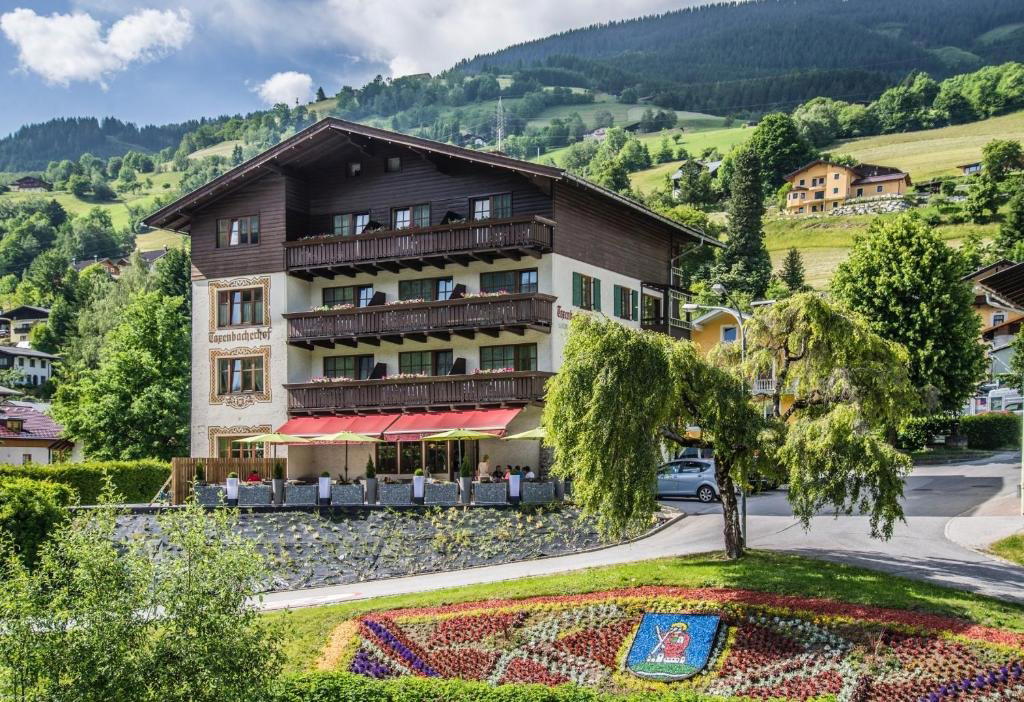
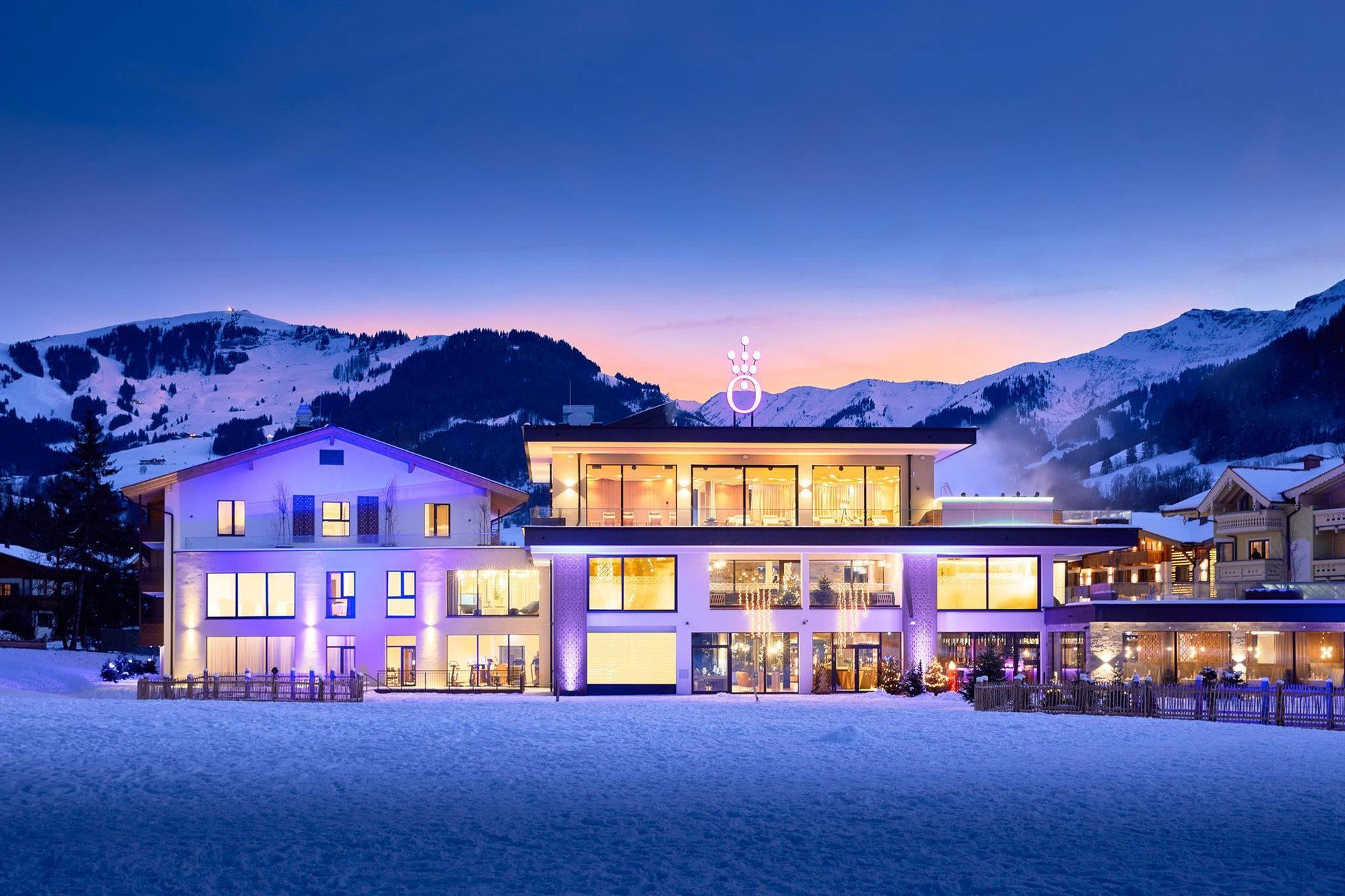
The Grossarl valley sits roughly an hour south of Salzburg, deep in the Salzburg Alps, and it operates on a different register from the region's busier resort corridors. Grossarler Hof is a 4-star hotel in Großarl, Austria. The road narrows, the peaks close in on both sides, and the agricultural rhythm of the valley floor remains intact in ways that the Zell am See circuit or the Kitzbühel perimeter no longer manage. It is in this context that a property at Unterbergstraße 76 makes most sense: the address places it not in a village centre but along a quieter approach road, with the mountain profile as the dominant feature of every sightline from the building. For properties in this category across the Austrian Alps, the physical setting is not incidental to the offer; it is the editorial frame around which dining, wellness, and seasonal programming are organised.
The Dining Programme in Alpine Context
Austrian alpine hotels have developed a specific culinary grammar over the past two decades. The better properties in valleys like Grossarl have moved beyond the standard half-board format of Wiener Schnitzel and Germknödel toward what might be called regionally anchored gourmet programming: menus that draw on Salzburger Lungau lamb, local dairy, foraged herbs from the surrounding slopes, and the preserved and cured traditions that alpine winters historically demanded. This shift has been driven partly by international guest expectations and partly by a generation of Austrian cooks trained abroad who returned to apply precision techniques to recognisably local ingredients.
Grossarler Hof positions its food offer within this movement. The property identifies gourmet specialities as a core part of the guest experience rather than an afterthought to the outdoor activity programme, which places it in a different peer bracket from the basic bed-and-board mountain pensions that still make up the majority of accommodation in smaller Salzburg valleys. The appropriate comparison is with the broader category of alpine wellness hotels that have invested in their dining programmes as a differentiator rather than a commodity.
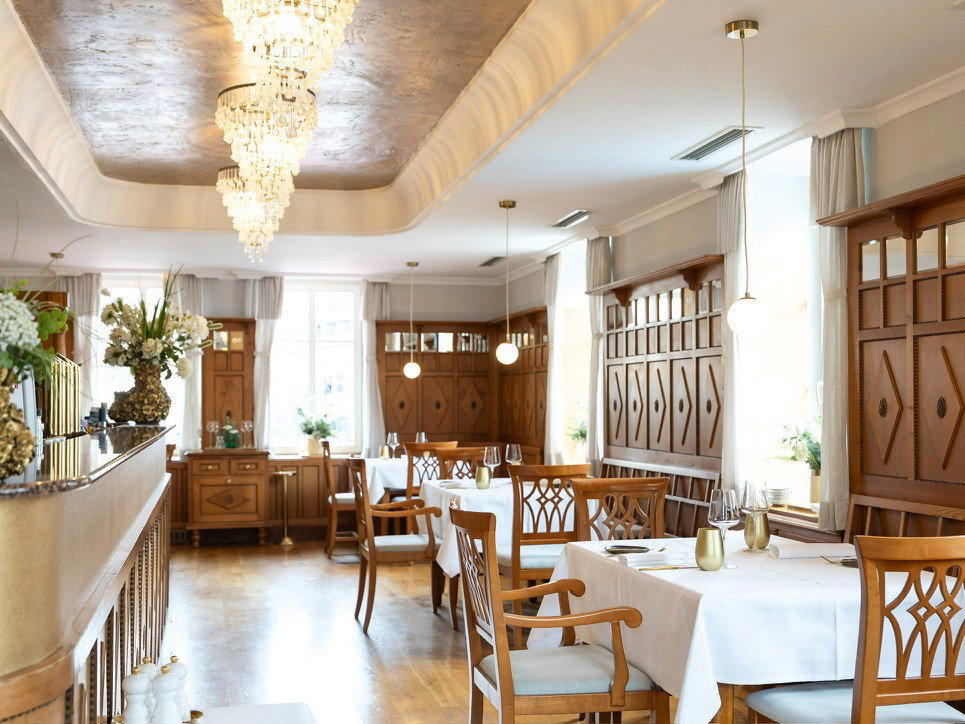
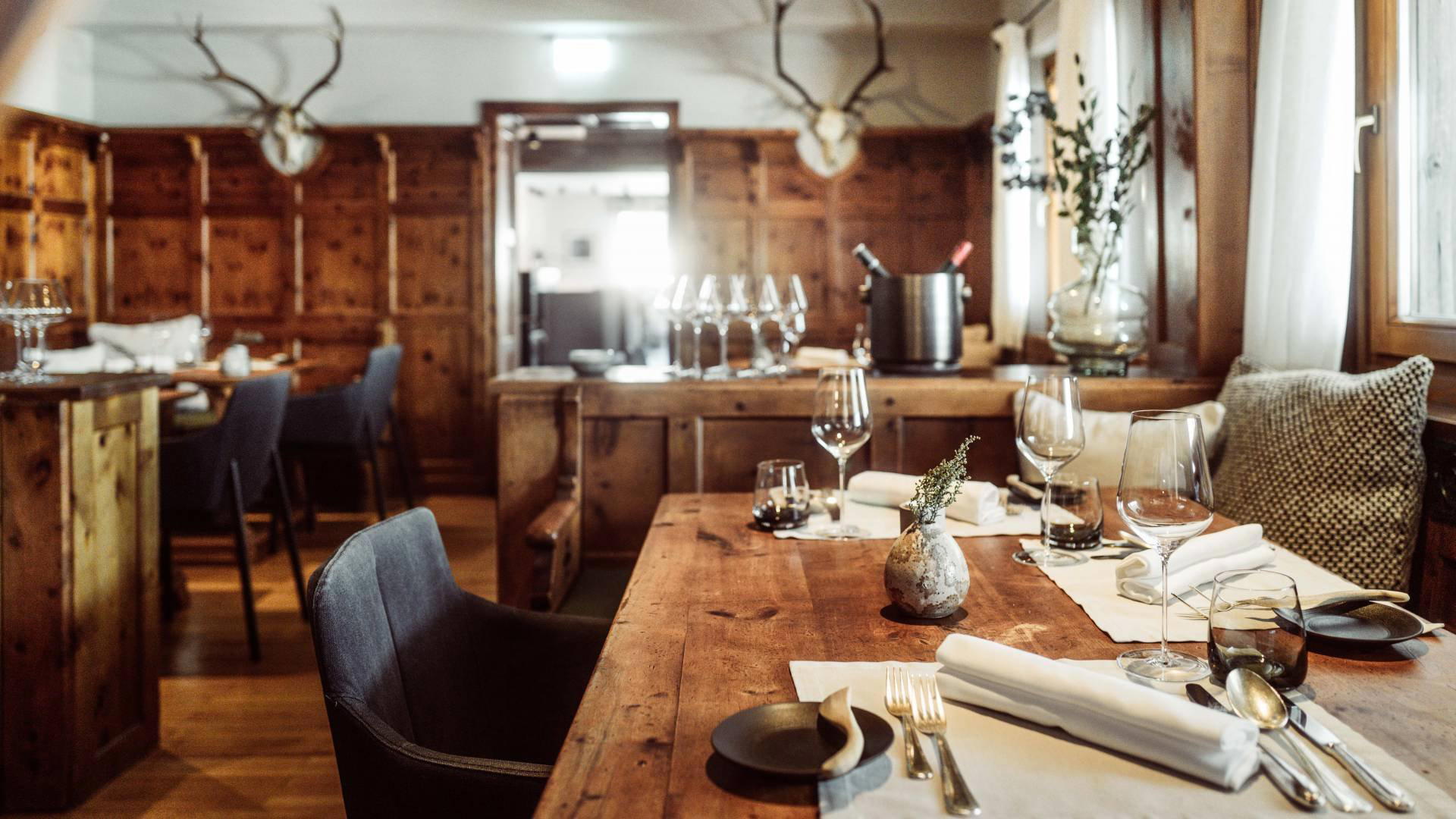
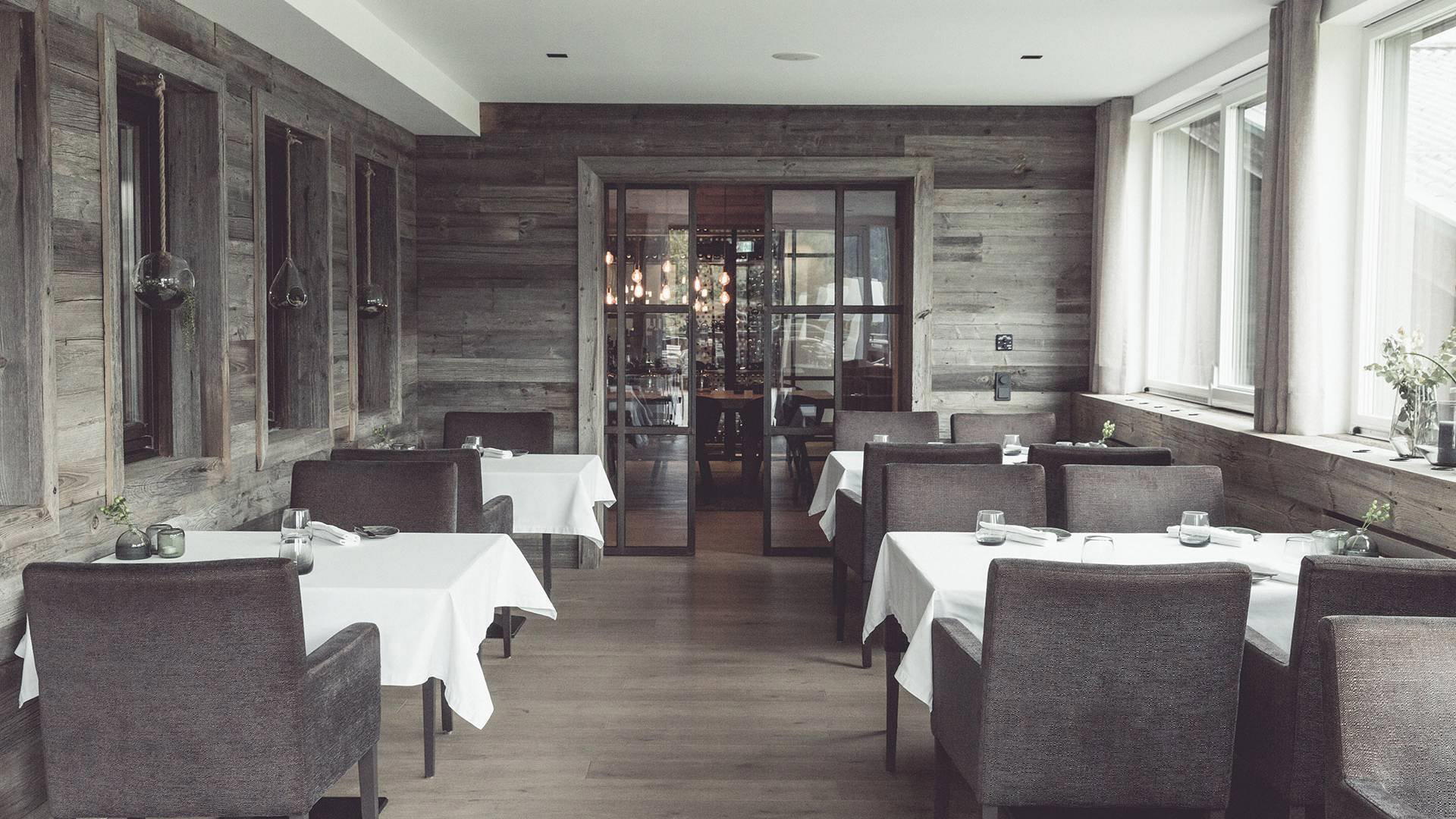
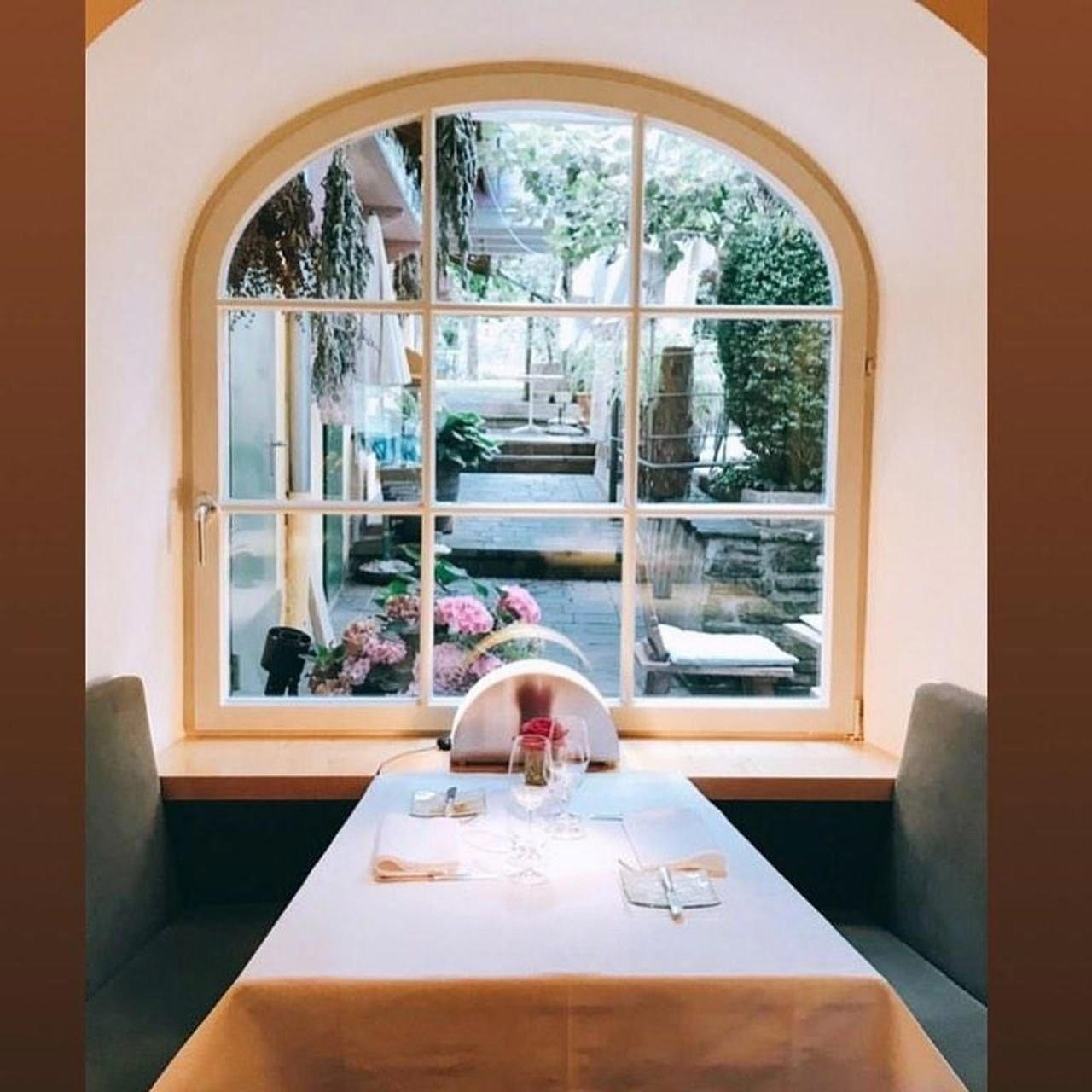
Across the Austrian alpine hotel sector, the properties that have converted dining into a genuine draw tend to share certain structural features: a kitchen programme tied to seasonal availability (which in a valley at this altitude means a compressed growing window in summer and a larder-focused approach in winter), a wine programme weighted toward Austrian producers from the Wachau and Kamptal, and a dining room that is architecturally oriented toward the mountain view rather than inward. Whether Grossarler Hof's dining spaces follow that spatial logic is something the building's position on the valley floor suggests is likely, given that the seasonal view change is identified as a primary feature of the rooms and suites.
Seasons as the Organising Principle
The valley around Grossarl runs two distinct seasons with a short shoulder in between. Summer brings the meadow cycle the area is known for: the flowering Almen above the valley floor, the hiking trails that connect the lower valley to the Sonntagskar and the ridge walks toward the Radstädter Tauern. Winter converts the same geography into a ski circuit linked to the Ski amadé network, one of the larger interconnected ski areas in the Alps, with access to slopes across Flachau, Wagrain, and the Hochkönig sector. A property marketing itself on seasonal view change and outdoor activity energy sits squarely at the intersection of those two markets.
For dining, the seasonal split matters practically. A summer visit to properties in this category typically means access to lighter alpine menus with fresh herb and dairy emphasis, longer evenings, and terrace dining where the property's architecture permits. A winter visit shifts the programme toward richer, more fortifying formats: game, cured meats, heavier starch dishes, and the kind of post-ski dining ritual that Austrian mountain hotels have refined over generations. Knowing which season aligns with your priorities is the first booking decision to make for any property in this valley.
Grossarl as a destination sits at a useful remove from the larger Salzburg region's more trafficked circuits. Visitors arriving from Salzburg via the A10 motorway and the Grossarltal exit are typically committed to the valley rather than passing through it, which gives properties here a more intentional guest profile than properties on the main Salzburger Land tourist road. For comparison within the immediate area, DAS EDELWEISS, Family Nature Resort Moar Gut, and Hotel Nesslerhof represent the valley's other significant properties, each with its own positioning within the alpine wellness and family resort categories. A full picture of the local offer is available in our full Grossarl restaurants guide.
Placing Grossarler Hof in the Wider Austrian Alpine Tier
The Austrian alpine hotel market divides, at the premium end, between large resort complexes with extensive spa and sports infrastructure and smaller, more intimate properties where the architecture and food programme do more of the work.
For guests mapping the broader Austrian premium circuit, the relevant comparisons extend beyond Grossarl. Rosewood Schloss Fuschl in Hof bei Salzburg represents the lakeside castle format at the international luxury tier. Schloss Mönchstein in Salzburg anchors the city-based castle hotel category. Further into the alpine interior, Alpenresort Schwarz in Obermieming and Alpen-Wellness Resort Hochfirst in Obergurgl operate in the high-altitude wellness bracket that commands premium pricing and advance booking windows of several months in peak season. Grand Tirolia Kitzbühel in Kitzbühel and Hotel Almhof Schneider in Lech represent the established prestige end of the Austrian ski hotel category in their respective regions. The hotel, positioned in a quieter valley with a more contained tourism profile, occupies a different register from those high-traffic destinations, which is precisely its appeal for guests who want the alpine experience without the resort-scale infrastructure around it.
Beyond Austria, the programming logic here connects loosely to what Aktiv & Wellnesshotel Bergfried in Tux does in the Zillertal and what Naturhotel Waldklause in Längenfeld delivers in the Ötztal: smaller-valley properties that position the natural environment as the primary asset and build their food and wellness programmes around it rather than competing on branded facilities alone.
Planning a Stay
The hotel is located at Unterbergstraße 76, 5611 Großarl, Austria. The valley is accessible from Salzburg via the A10 motorway south, with a journey time of approximately one hour under normal conditions. The peak winter booking window for properties in the Ski amadé catchment typically opens three to four months ahead for the Christmas and February high seasons; summer bookings in alpine Salzburg tend to carry more flexibility outside of the Austrian school holiday period in July and August.
Pricing, Compared
Comparable venues nearby, for context on price, style, and recognition.
| Venue | Cuisine | Price | Awards | Notes |
|---|---|---|---|---|
| Grossarler HofThis venue — the venue you are viewing | Not listed | $$$$ | 4-Star | Not listed |
| Hotel Nesslerhof | Not listed | $$$$ | 5-Star | Grossarl, Modern alpine luxury with family hospitality |
| Family Nature Resort Moar Gut | Not listed | $$$$ | Michelin 2 Key | Grossarl Valley, Sustainable luxury family resort emphasizing 'loving luxury' philosophy with organic farm integration and nature-focused design |
| DAS EDELWEISS | Grossarltal, Modern Alpine luxury resort | $$$$ | Michelin 2 Key | Not listed |
| Hotel Miramonte | Not listed | $$$$ | 4-Star | Bad Gastein, Contemporary design hotel blending modern aesthetics with alpine charm |
| Hotel Leitenhof | Not listed | $$$$ | 4-Star | Scheffau am Wilden Kaiser, luxurious country house style chalets and suites |
Recognition history
Dated appearances from independent guides and award organizations, with the underlying list record or original source where available.
Small Luxury Hotels of the World Member
Small Luxury Hotels of the World


At a Glance
- Cozy
- Elegant
- Scenic
- Rustic
- Sophisticated
- Romantic Getaway
- Family Vacation
- Wellness Retreat
- Weekend Escape
- Ski In Ski Out
- Panoramic View
- Terrace
- Wi Fi
- Pool
- Spa
- Fitness Center
- Room Service
- Concierge
- Sauna
- Mountain
- Wi Fi
- Pool
- Spa
- Fitness Center
- Room Service
- Concierge
- Sauna
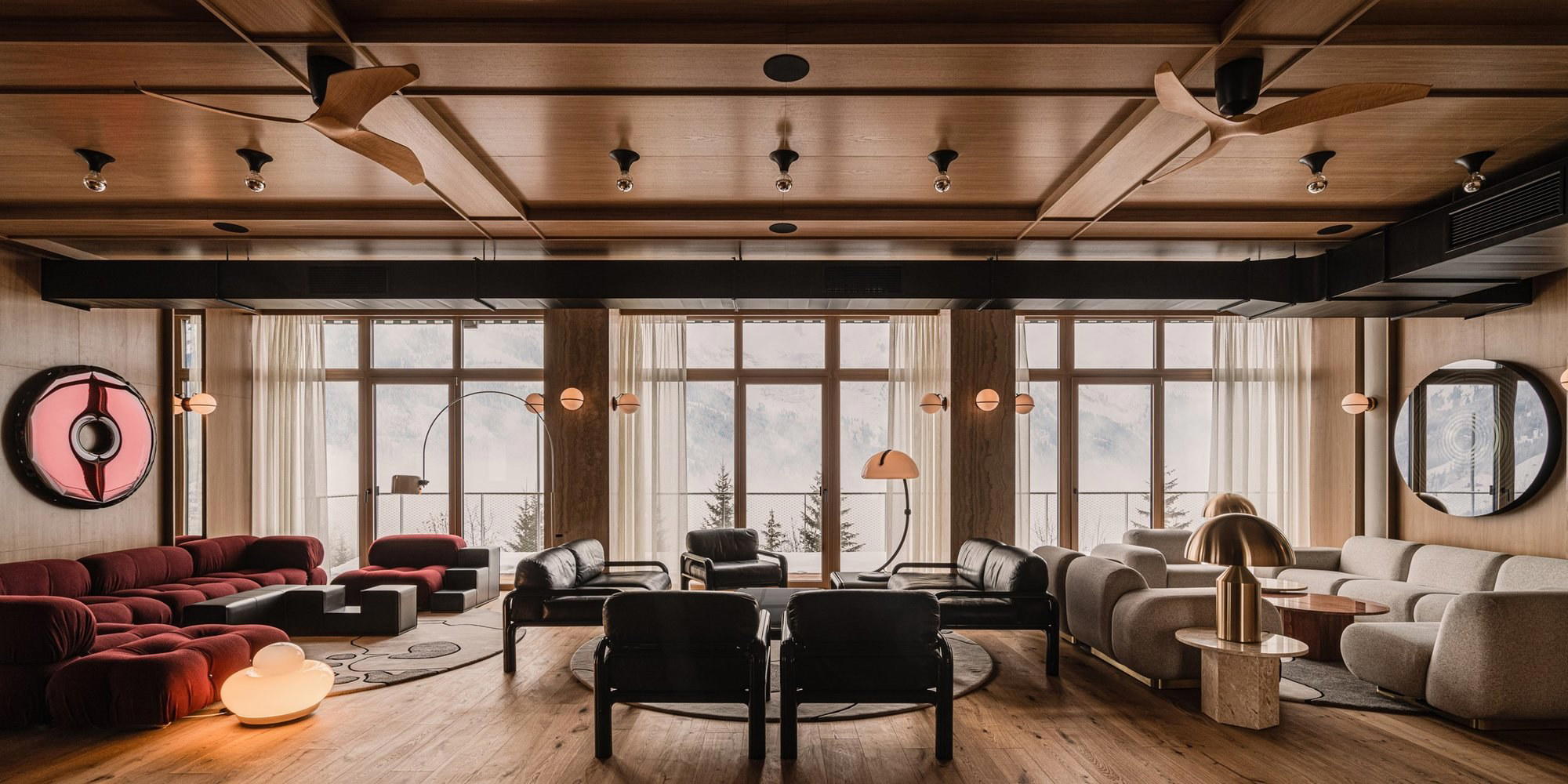
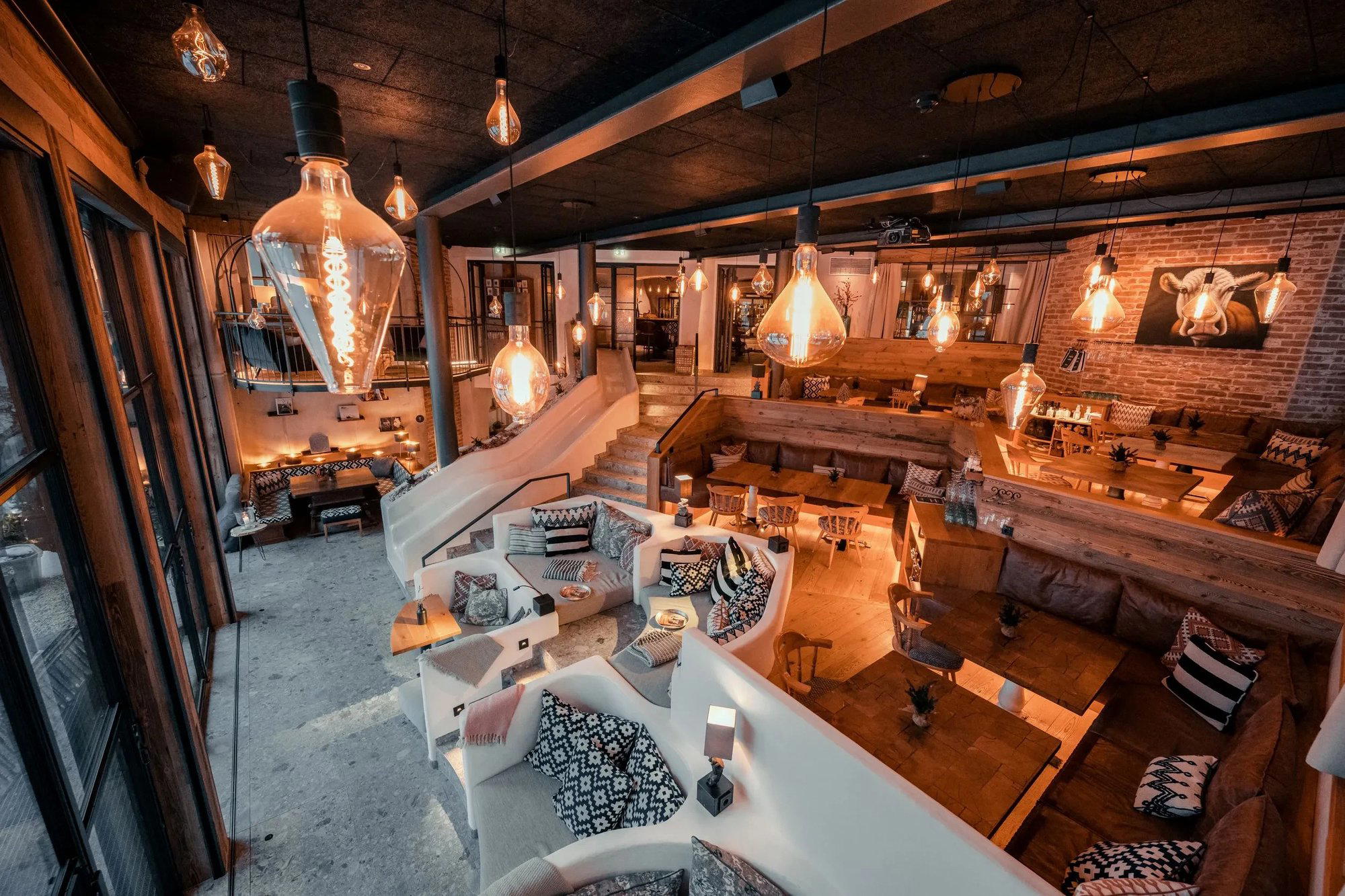
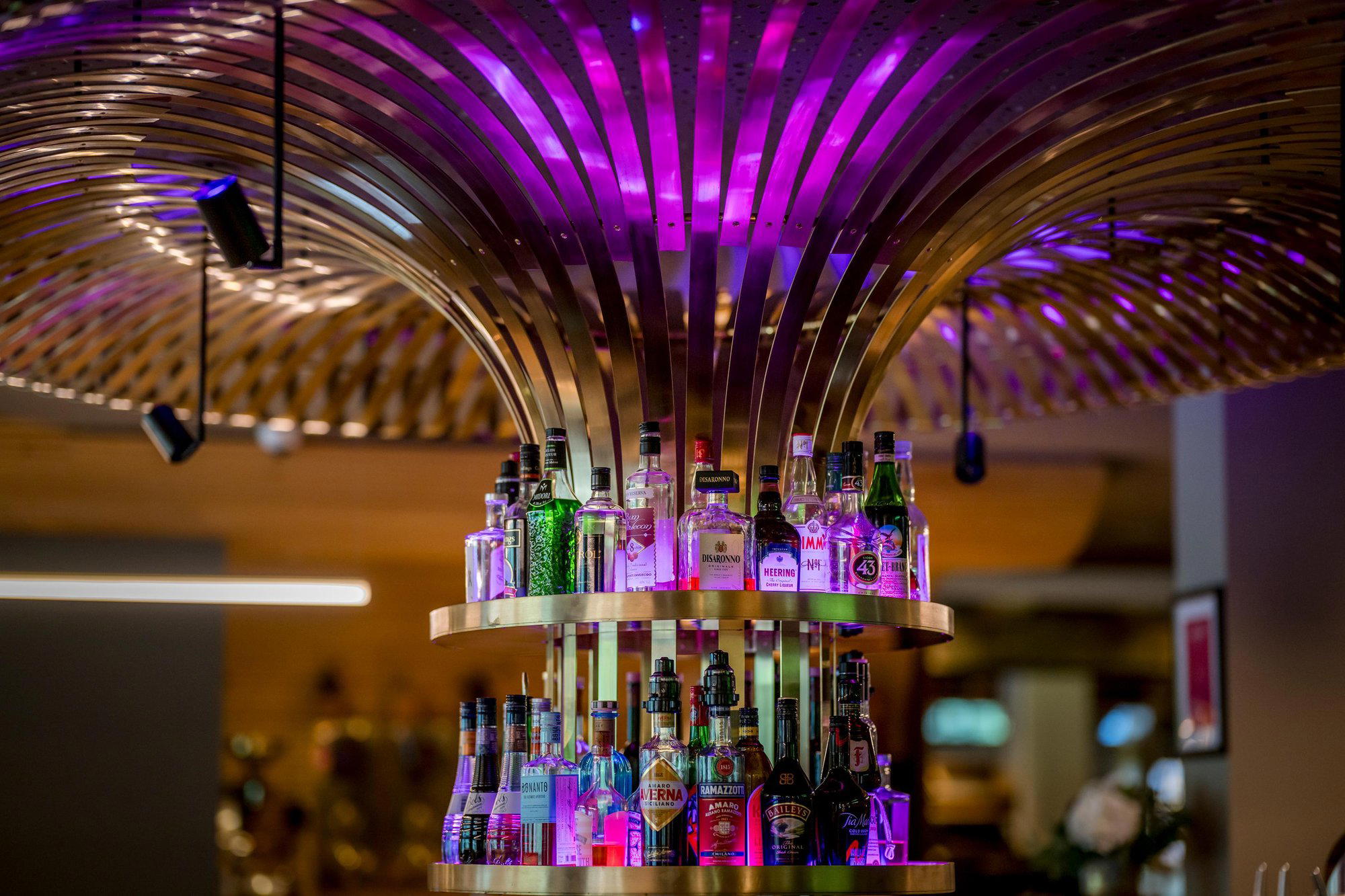
Warm alpine lighting with open fireplaces, cozy wood-paneled interiors, and a relaxing spa atmosphere praised for its tranquility and luxury.