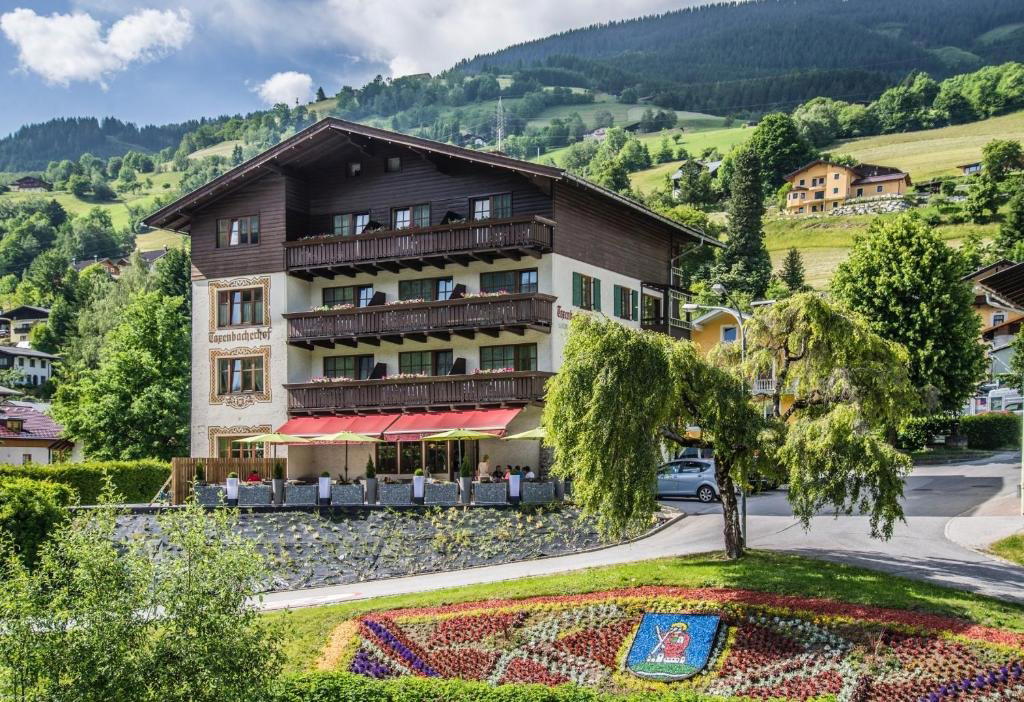
Die Schatzarei sits on Unterbergstraße in the Salzburg alpine valley of Grossarl, a village where the farming and hunting traditions of the Pongau region have long shaped what ends up on the plate. The address places it within a cluster of destination dining options that draw visitors from across the Austrian Alps, including Edelweiß Mountain Cuisine and Nesslerhof nearby.
Pearl is the En Primeur Club membership app — saves, bookings, and concierge access live there. Same editors, same standards.
- Address
- Unterbergstraße 55, 5611 Großarl, Austria
- Phone
- +434364142640
- Website
- tauernhof.com
- Directions
- Get directions
 Saves & bookings on Pearl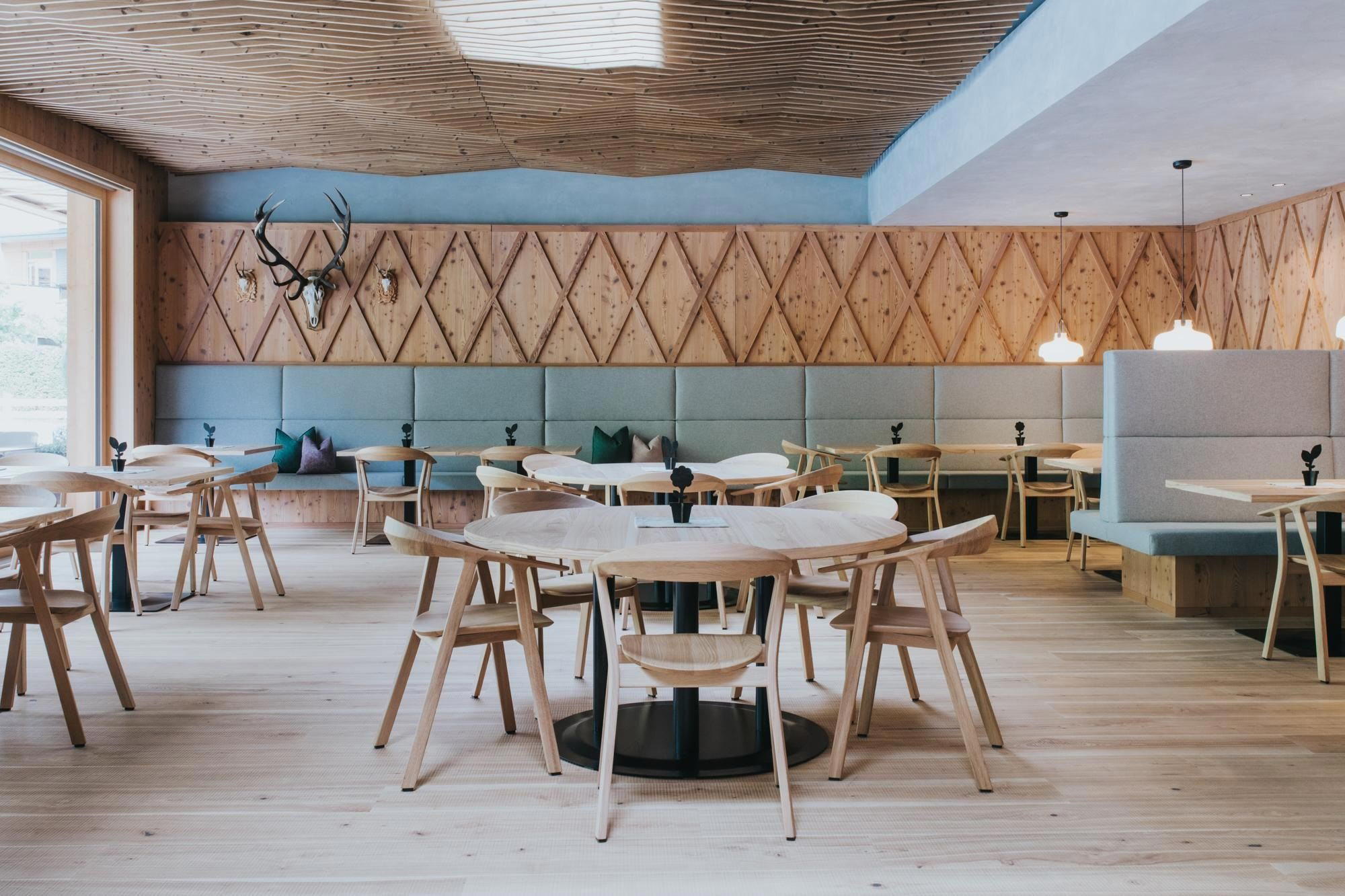
Where the Valley Feeds the Kitchen
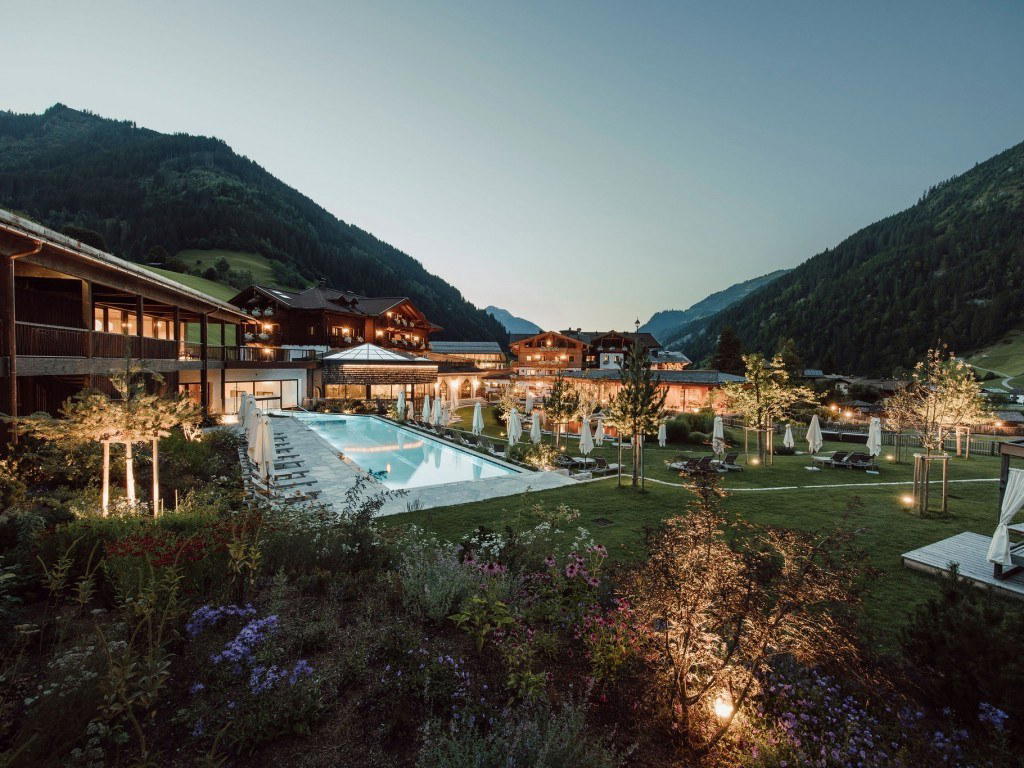
The Grossarl valley, tucked into the Salzburger Pongau between the ridgelines of the Hohe Tauern foothills, operates on a different rhythm to Austria's better-publicised dining corridors. The farms here are small, the grazing altitude is high, and the seasonal logic of what is available dictates what a kitchen can credibly put forward. This is the context in which Die Schatzarei on Unterbergstraße 55 sits: a Grossarl restaurant serving Creative Regional Austrian cuisine at about $25 per person, where the surrounding landscape is not backdrop but supply chain.
That sourcing logic is central to understanding why alpine valley dining in Austria has gained traction beyond the ski-holiday circuit. Venues from Döllerer in Golling an der Salzach to Obauer in Werfen have built reputations on the argument that mountain-region produce, treated with precision rather than rusticity, can hold its own against urban fine dining. Die Schatzarei occupies that same regional conversation, in a valley that has its own concentration of destination kitchens worth tracking across a visit.
The Grossarl Dining Cluster
Grossarl is not a large town, but the dining options available within it reflect the Austrian alpine model of concentrated quality in small communities. Edelweiß Mountain Cuisine, Nesslerhof, and Sirloin Grill & Dine each occupy distinct positions in the local offer. That variety within a single valley means a visitor spending two or three nights in the area can assemble a genuinely varied dining programme without leaving the municipality. Die Schatzarei at Unterbergstraße 55 is one point on that map, and understanding it requires placing it against the others rather than reading it in isolation.
This pattern of alpine clustering repeats across the Salzburg and Tyrol regions. Gourmetrestaurant Tannenhof in Sankt Anton am Arlberg and Griggeler Stuba in Lech demonstrate how ski-season footfall has provided the economic base for kitchens that now draw visits in summer as well. Kräuterreich by Vitus Winkler in Sankt Veit im Pongau, just north of Grossarl in the same Pongau district, shows how herb-driven alpine cooking has found an audience willing to travel specifically for the sourcing story rather than the ski infrastructure.
Ingredient Sourcing as the Organizing Principle
The Pongau's altitude range, from valley floor meadows at roughly 900 metres to summer grazing pastures above 1,500 metres, produces a particular character of beef, lamb, and dairy. The grass-to-product chain is short in this part of Salzburg. Cattle graze at elevations that affect fat distribution and flavour intensity in ways that lowland farming does not replicate. For any kitchen working in this valley, the available raw material sets a baseline that is difficult to dismiss.
That sourcing argument has become the dominant narrative for serious Austrian alpine restaurants over the past decade. Steirereck im Stadtpark in Vienna built part of its international standing on a sustained relationship with small Austrian producers, demonstrating that a sourcing-first kitchen strategy could carry two Michelin stars in the Austrian context. Regionally, Ois in Neufelden and Schwarzer Adler in Hall in Tirol both operate with similar local-produce logic, mapping their menus to what the surrounding agricultural calendar makes available. The restaurant sits inside that same Austrian regional kitchens tradition, where the question is not whether to source locally but how precisely to execute what local sourcing delivers.
The international comparison is instructive. Kitchens at Lazy Bear in San Francisco and Le Bernardin in New York City have built their reputations around a different kind of supply-chain rigour: one tied to ocean and northern California growing regions respectively. The Pongau alpine version is narrower in geographic scope but no less specific in its logic. It simply draws from a tighter radius and a more vertical elevation range.
Reading the Region Through its Kitchens
Austrian alpine dining has split over the past fifteen years into two broad postures. The first uses regional produce as the foundation for classical Viennese or French-influenced technique, treating the ingredients as raw material for a polished international idiom. The second insists on a more literal regionalism, where presentation and preparation conventions stay close to the alpine heritage of the dish. Landhaus Bacher in Mautern an der Donau and Taubenkobel in Schützen am Gebirge each represent versions of the first posture, translating Austrian regional produce into something that reads across an international dining reference frame. Stüva in Ischgl and Restaurant 141 by Joachim Jaud in Mieming sit closer to the second, using alpine setting and ingredients as both context and content.
The Grossarl valley's agricultural character and the venue's address on Unterbergstraße suggest an orientation toward the valley's own production rather than an outward-facing urban dining register. That is consistent with what the Pongau region delivers as a dining destination: kitchens that take full advantage of what is immediately around them rather than importing a style from outside.
Planning a Visit
The village functions primarily as a ski resort in winter and a hiking destination in summer, with dining options distributed across both seasons. The address at Unterbergstraße 55 places the venue in the southern part of the valley approach, away from the main resort centre.
Fast Comparison
Comparable venues nearby, for context on price, style, and recognition.
| Venue | Cuisine | Price | Notes |
|---|---|---|---|
| Die SchatzareiThis venue — the venue you are viewing | Creative Regional Austrian | $$ | Not listed |
| Edelweiß Mountain Cuisine | Austrian Mountain Cuisine with Pizza | $$$ | Grossarl |
| Nesslerhof | Modern Alpine Cuisine | $$$$ | Grossarl |
| Sirloin Grill & Dine | Grill Steakhouse | $$$$ | Grossarl |
| Rosemialm | Austrian Alpine | $$ | Aich |
| Panoramagasthof Druckerhof | Traditional Austrian with Panoramic Views | $$ | Unterach am Attersee |
Continue exploring
More in Grossarl
Restaurants in Grossarl
Browse all →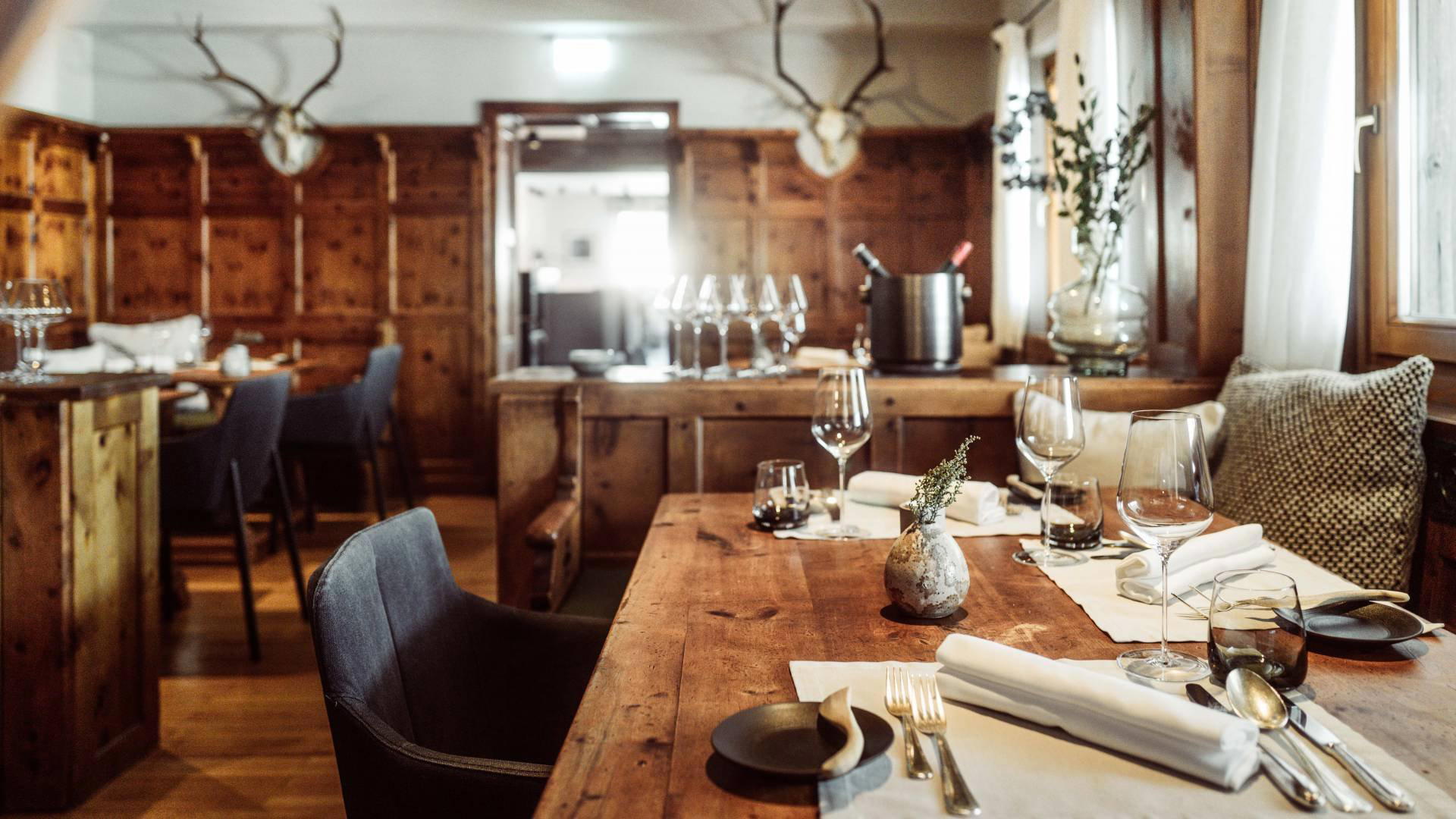
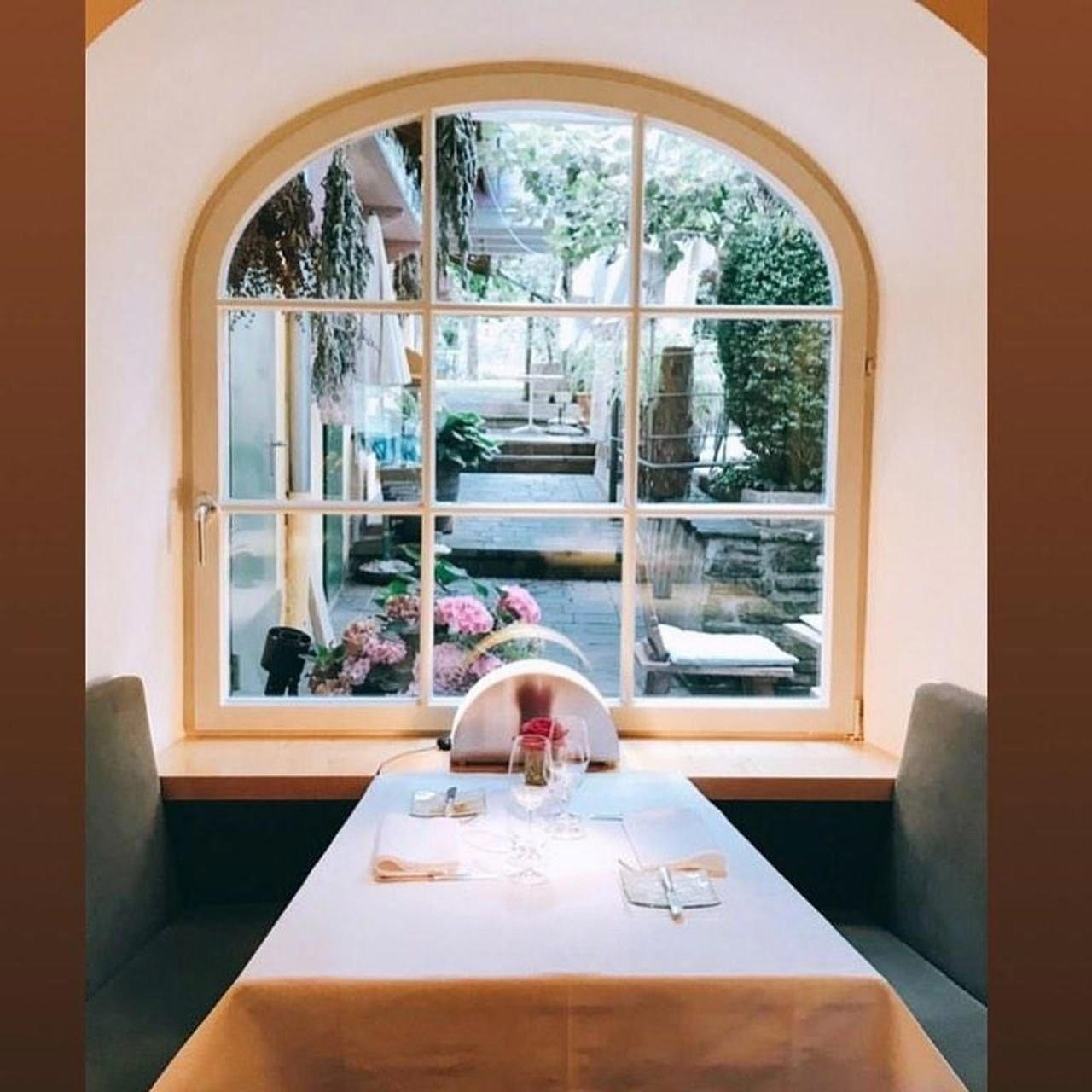
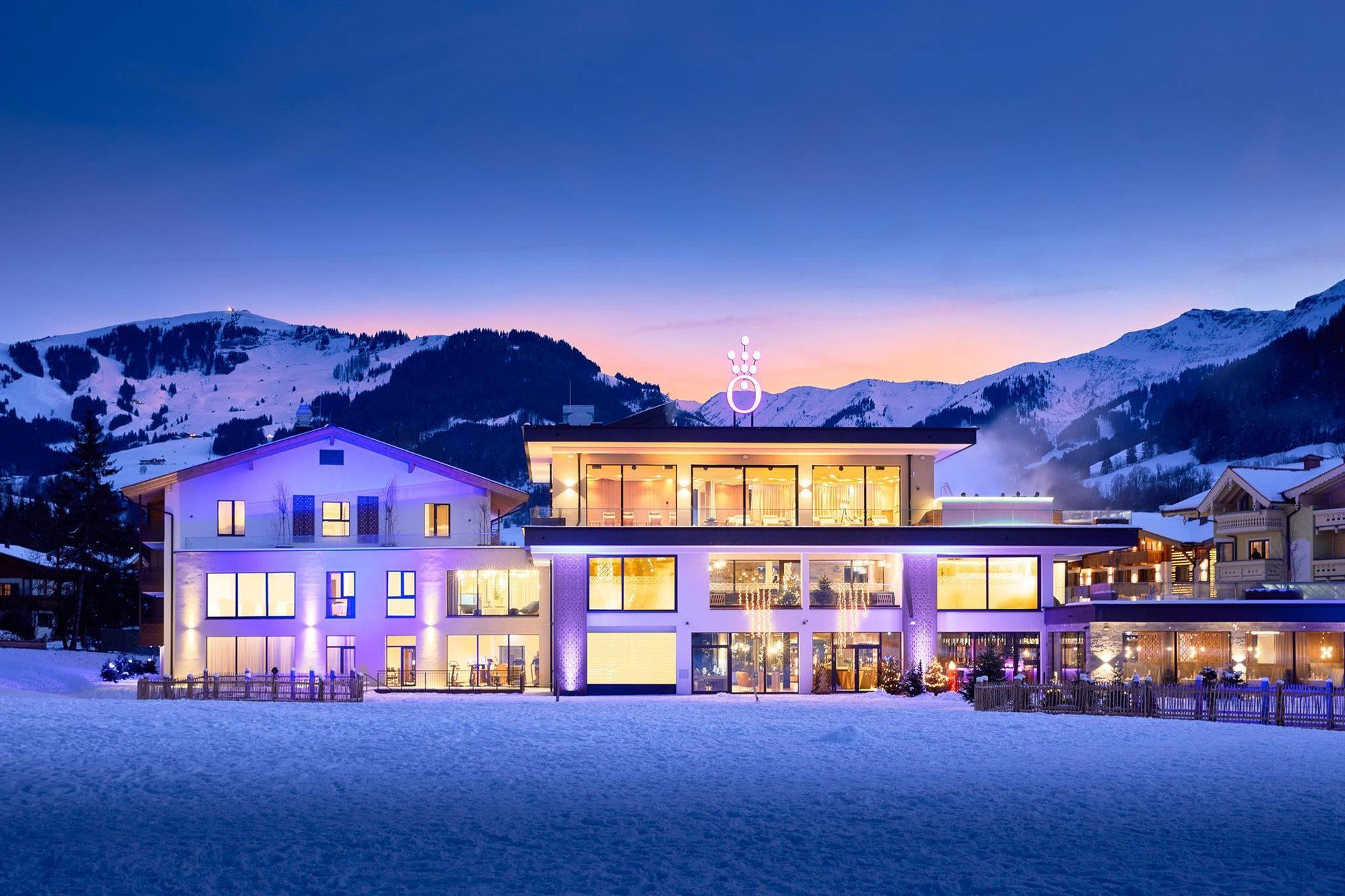
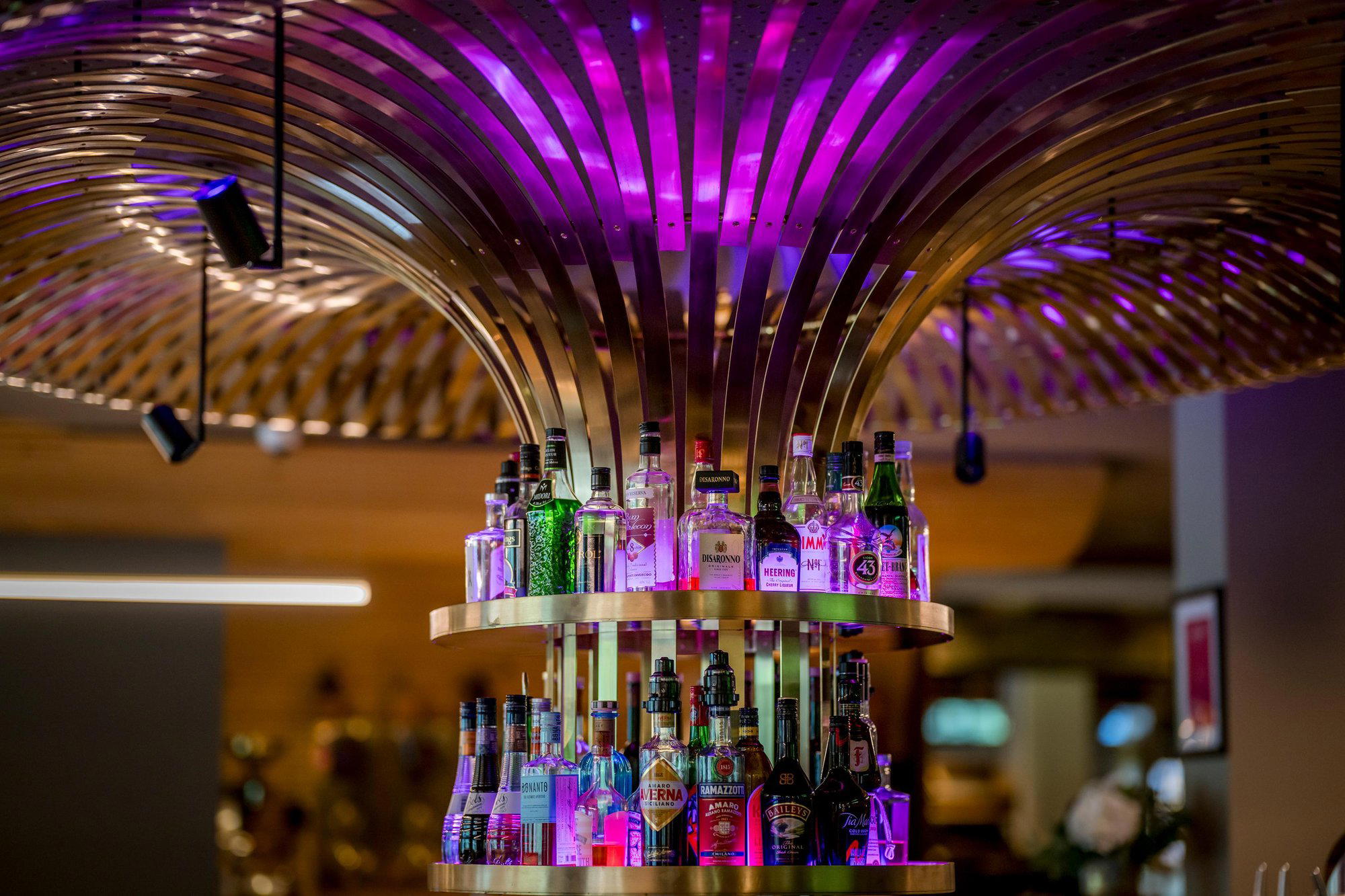
Bars in Grossarl
Browse all →

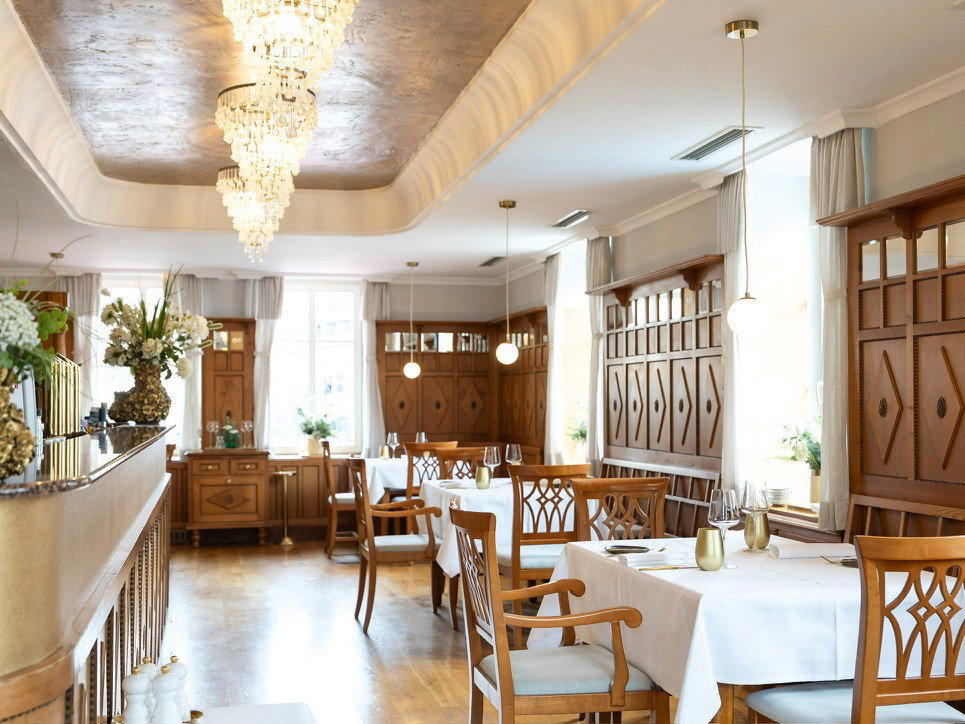
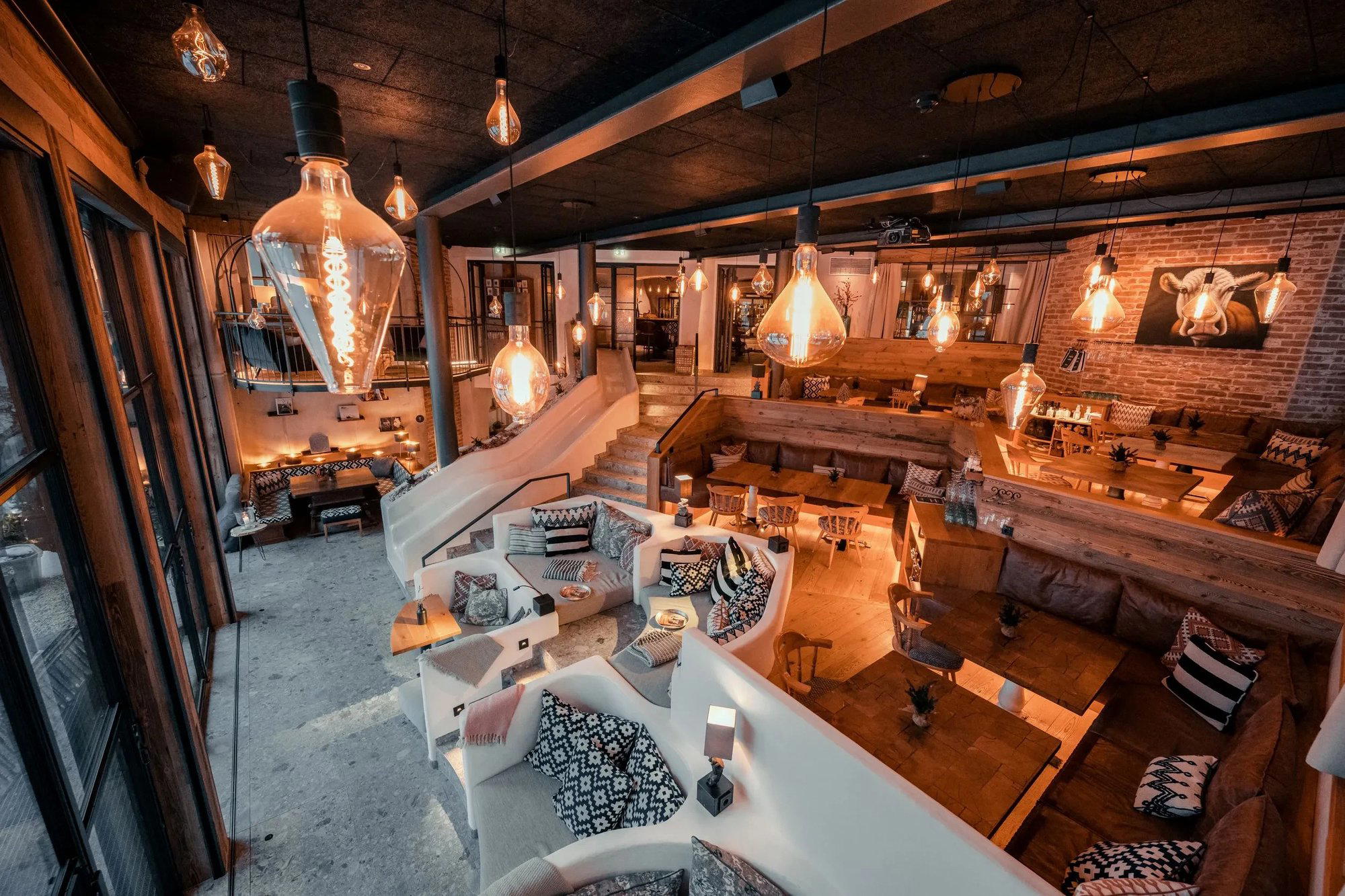
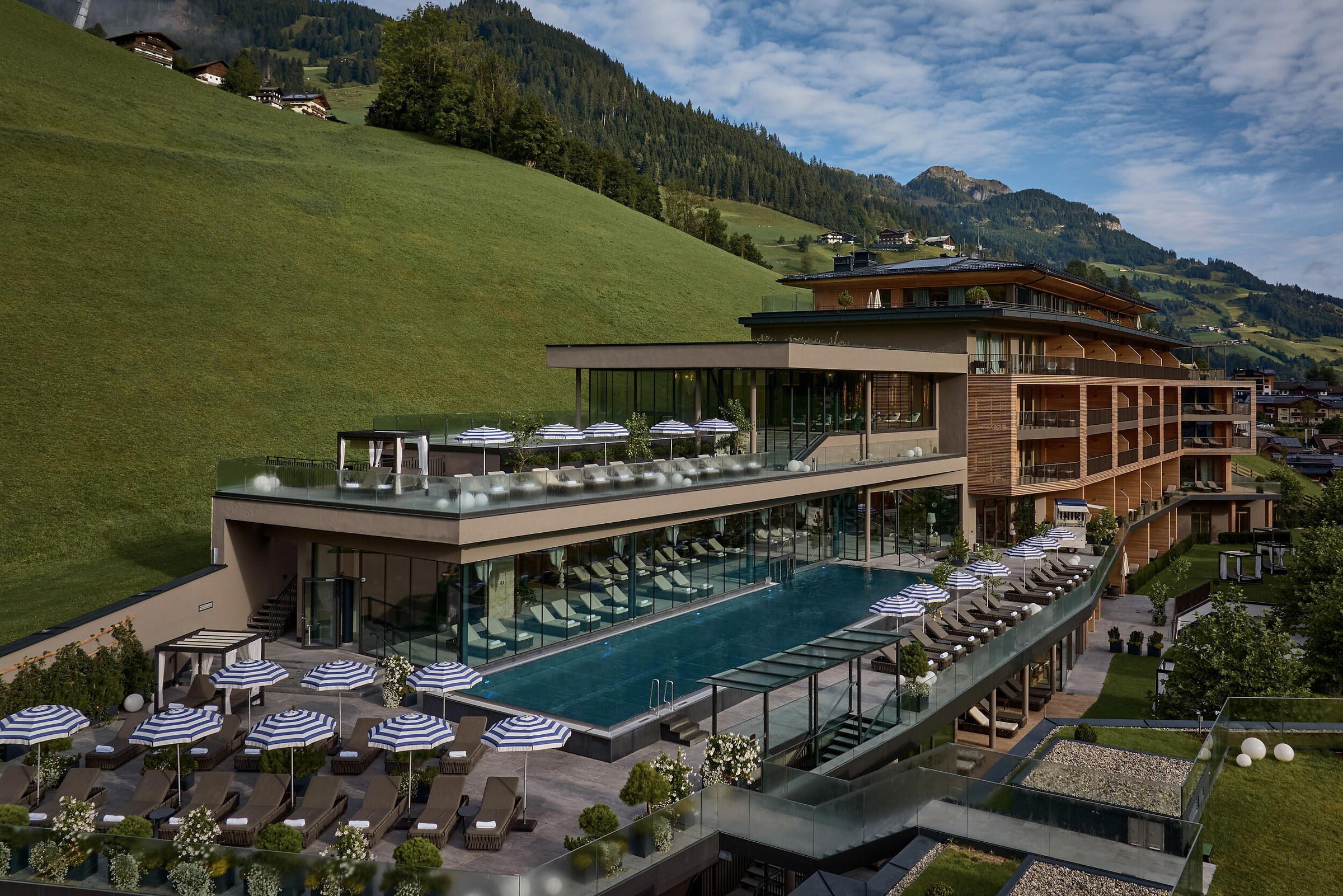
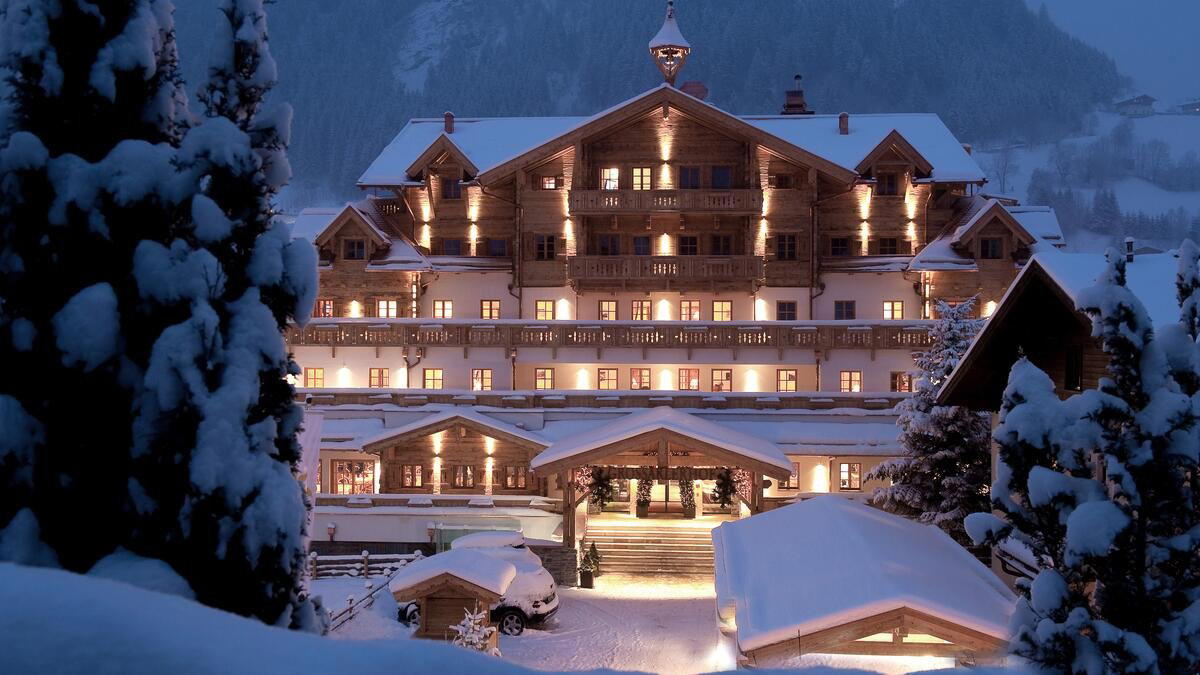
Hotels in Grossarl
Browse all →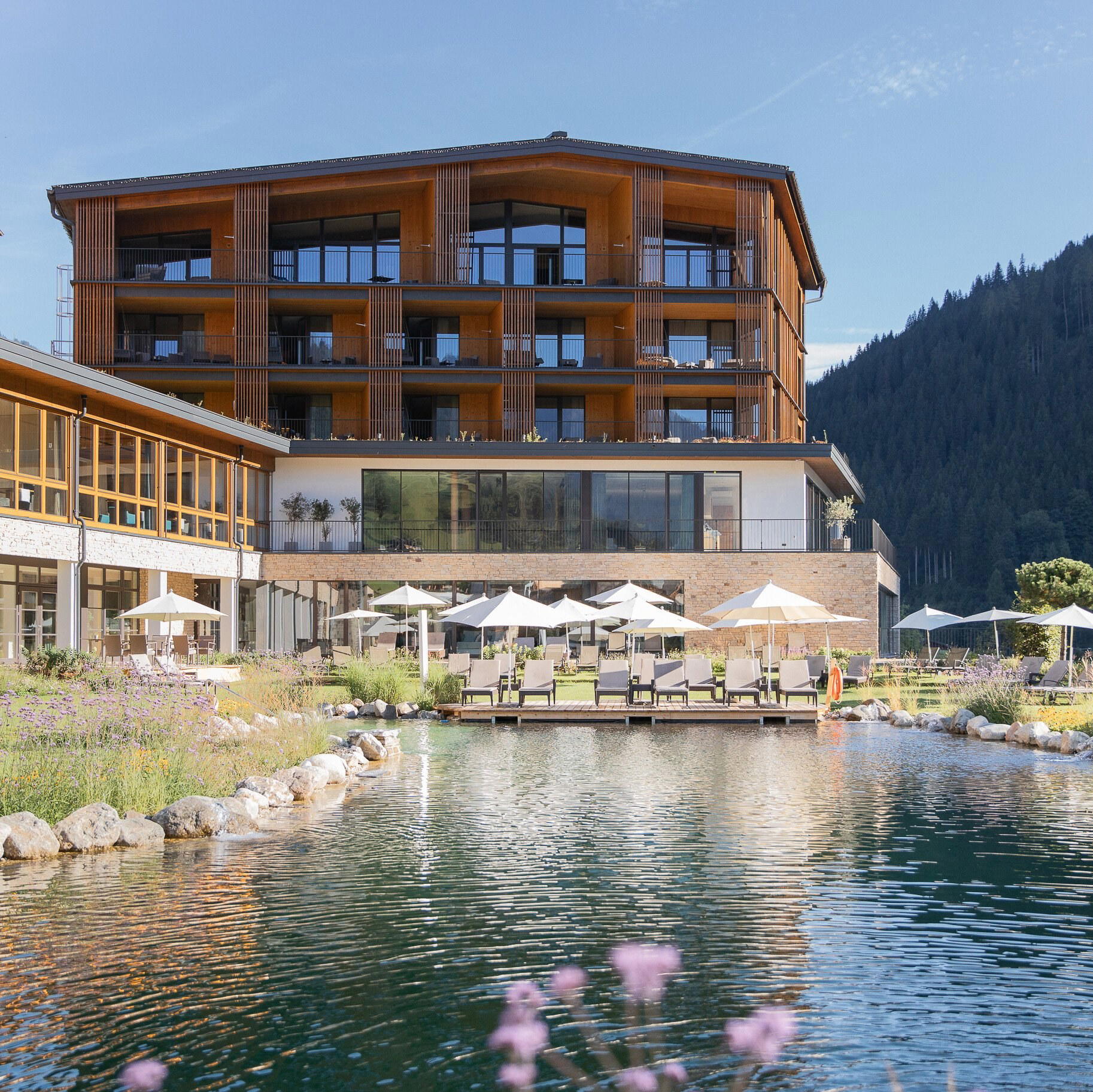
Wineries in Grossarl
Browse all →
At a Glance
- Cozy
- Rustic
- Scenic
- Family
- Casual Hangout
- Hotel Restaurant
- Local Sourcing
- Mountain
Current opening hours
- Monday
- 11 AM–11 PM
- Tuesday
- 11 AM–11 PM
- Wednesday
- 11 AM–11 PM
- Thursday
- 11 AM–11 PM
- Friday
- 11 AM–11 PM
- Saturday
- 11 AM–11 PM
- Sunday
- 11 AM–11 PM
Hours can change for holidays and private events. Last verified .
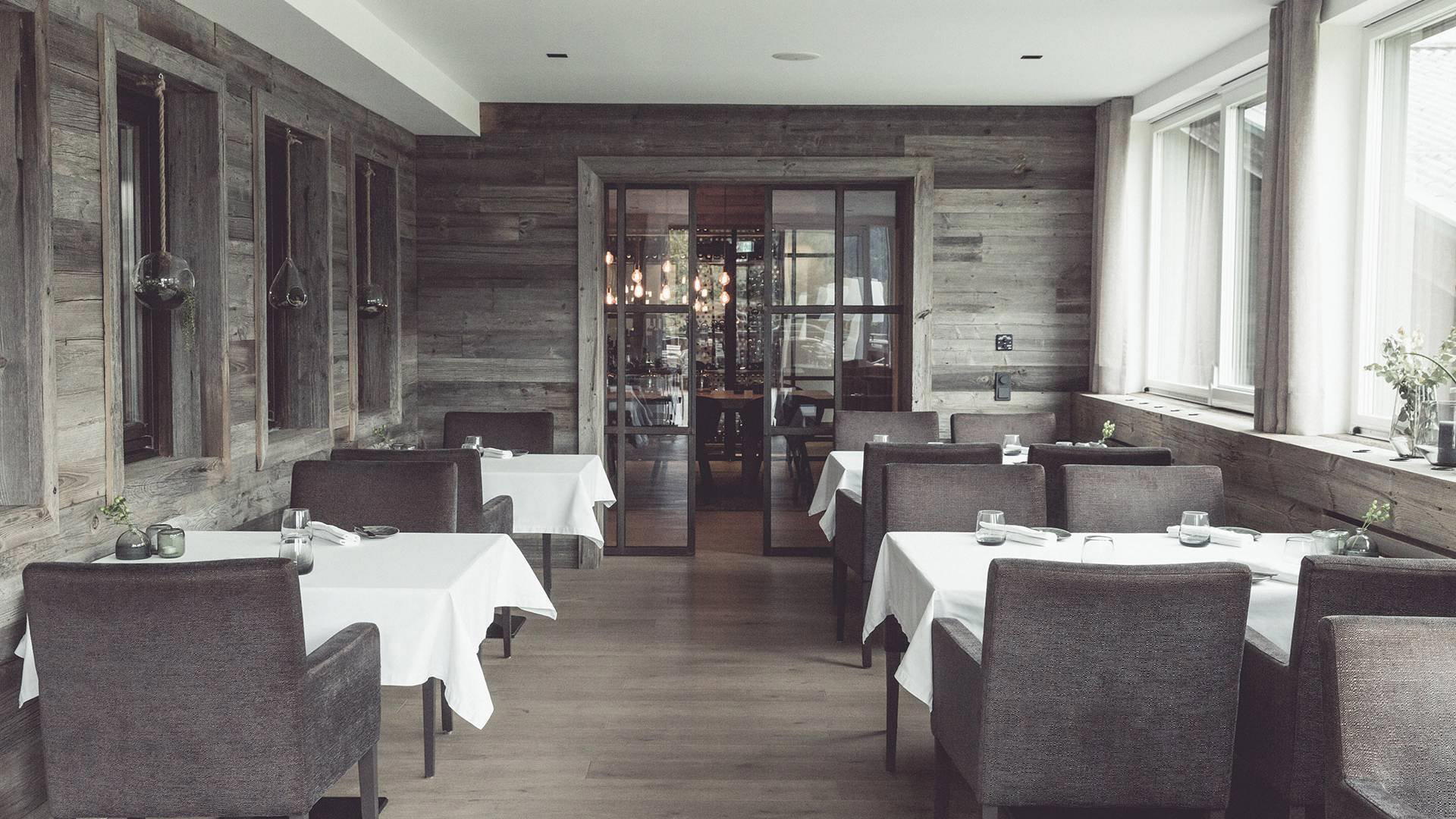
Cozy atmosphere with wooden beams, red benches, and an easy-going vibe ideal for conversation.