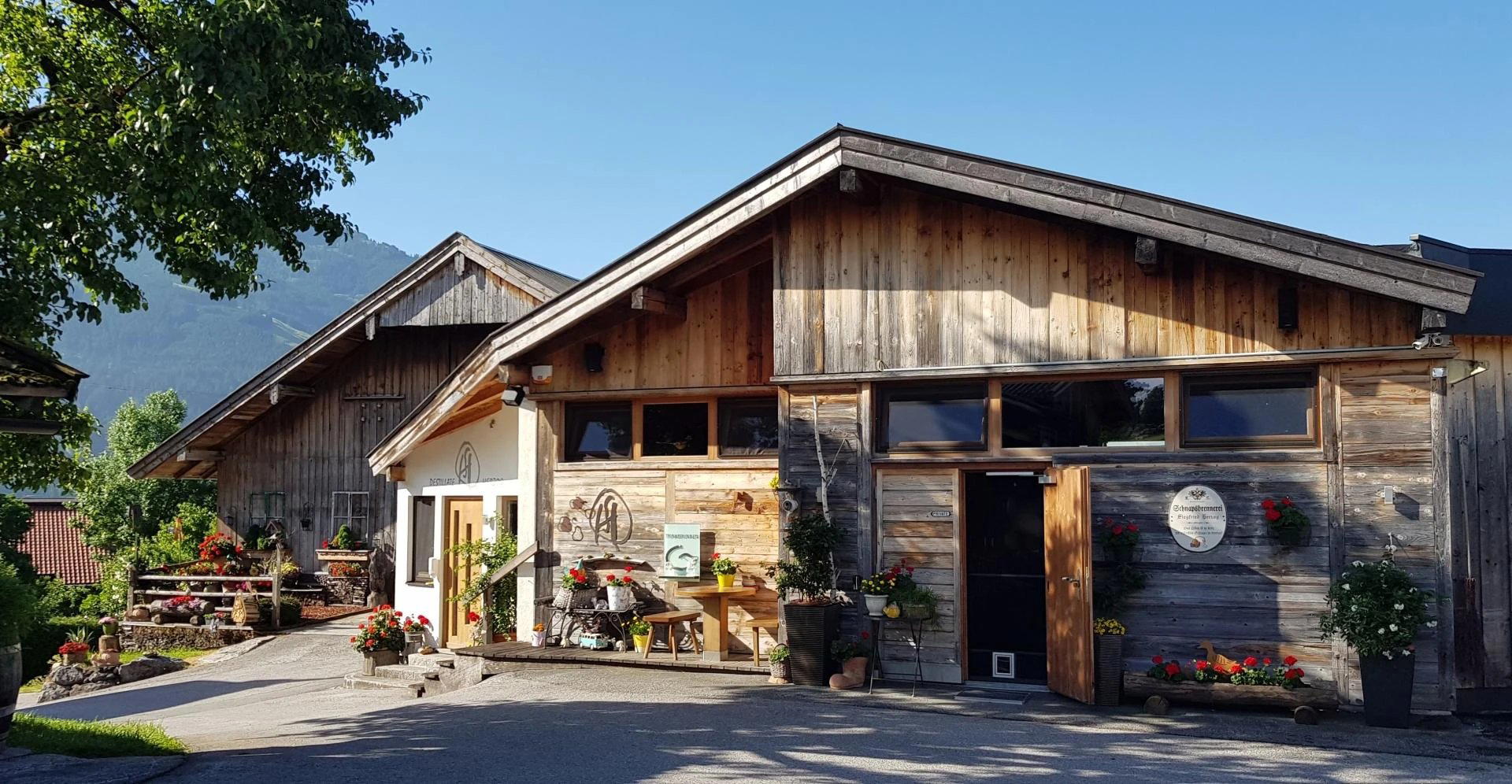
Brennerei Durzbauer operates out of the Alpine corridor near Bad Hofgastein, earning a Pearl 1 Star Prestige in 2025, a signal that serious craft distillation has taken root in one of Austria's more remote mountain valleys. For visitors already bound for the Salzburg Alps, it represents a compelling case for the region's growing identity as a producer of spirits with genuine alpine character.
Pearl is the En Primeur Club membership app — saves, bookings, and concierge access live there. Same editors, same standards.
- Address
- Schneebergweg 1, 5630 Bad Hofgastein, Austria
 Saves & bookings on Pearl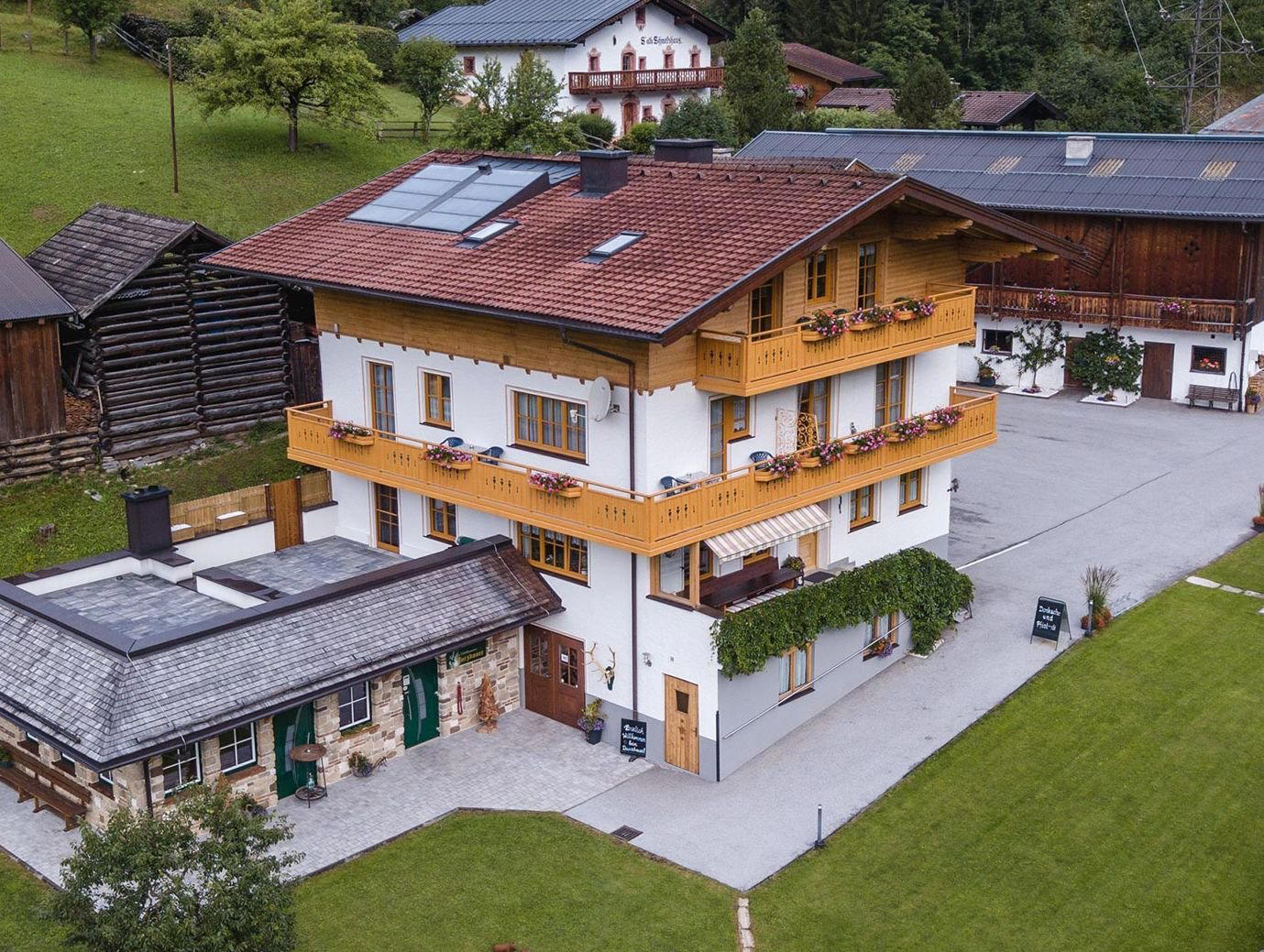
Alpine Distillation and the Salzburg Mountain Tradition
Austria's craft spirits sector has expanded quietly but with real momentum over the past decade. The country's distilling tradition runs deep in rural alpine communities, where surplus fruit, grain, and foraged botanicals have long been converted into schnapps and eau-de-vie at farm level. Small producers operating in the high valleys of Salzburg province are working with a wider audience. Brennerei Durzbauer, addressed at Schneebergweg 1 in Bad Hofgastein, is a distillery with a 4.9 Google rating from 388 reviews.
The Salzburg alpine corridor sits at significant elevation, with a climate defined by cold winters, short growing seasons, and intense summer sun compressed into narrow valley floors. These are not conditions that produce abundance, but they can produce concentration. Fruit grown at altitude develops differently from lowland equivalents: higher acidity, tighter skins, and aromatic compounds shaped by temperature stress. For distillers, this translates into raw material with a specific regional signature, one that the leading producers in this zone choose to foreground rather than correct. That choice, when consistently made, is what separates a terroir-driven alpine distillery from a generic rural producer.
What the Pearl 1 Star Prestige Signals
Award systems in the Austrian spirits world operate differently from the Michelin-style restaurant hierarchy most international visitors know. The Pearl Prestige recognition functions as a credentialing mechanism within a producer tier that values craft specificity over industrial scale. A 1 Star Prestige entry in 2025 positions Brennerei Durzbauer among producers that have cleared a defined quality threshold, not a heritage institution with decades of documented recognition, but a distillery whose current output has earned external validation. For context within Austria's broader craft production scene, comparable distilleries include operations like Weingut Scheiblhofer Distillery in Andau and 1310 Spirit of the Country Distillery in Sierning, each operating from distinct regional raw materials. Huetter's alpine positioning differentiates it from both.
The distillery sits in a part of Austria that international spirits tourism has not fully mapped. While wine regions like the Wachau attract visitors familiar with names such as Weingut Emmerich Knoll in Dürnstein and Weingut Bründlmayer in Langenlois, the Salzburg alpine producers occupy a different register entirely. They are not competing on varietal prestige or appellational marketing. They are competing on the specificity of place, on whether the spirit in the glass could have come from anywhere else, or whether it carries something irreducibly local.
The Terroir Case for Mountain Spirits
Terroir as a concept travels beyond wine more readily in alpine contexts than in most. The water source alone in a high-altitude distillery carries significant implications: mineral composition, temperature, and pH all affect fermentation and dilution in ways that lowland producers rarely have to consider as variables. Add to this the character of locally grown or foraged botanicals, the temperature fluctuations during maturation, and the barometric pressure differences that can affect still behaviour, and the case for place-specific distillation in mountain environments becomes concrete rather than romantic.
Austria has a documented tradition of fruit distillation in its alpine provinces, particularly with stone fruits: apricots from the Wachau, plums from Styria, and the wild berries and mountain herbs that define higher-altitude production. Producers at elevation in Salzburg province have access to raw materials that are simply not replicable at lower altitudes. The question for any given distillery is whether it is actively working with those materials as a point of distinction, or whether the alpine address is incidental to a more generic production approach. Brennerei Durzbauer's 2025 recognition suggests the former.
For a broader view of how Austrian producers across categories are approaching place-based production, the range is instructive. On the wine side, Weingut Kracher in Illmitz has made the specific conditions of the Neusiedlersee, its shallow lake, its morning mists, its botrytis climate, central to its identity. Weingut Wohlmuth in Kitzeck works within the steep slate vineyards of southern Styria with a similarly site-specific logic. The distilling parallel in mountain Salzburg is less documented internationally, but the underlying principle, that place shapes product in ways worth seeking out, applies with equal force.
Visiting the Region: Practical Framing
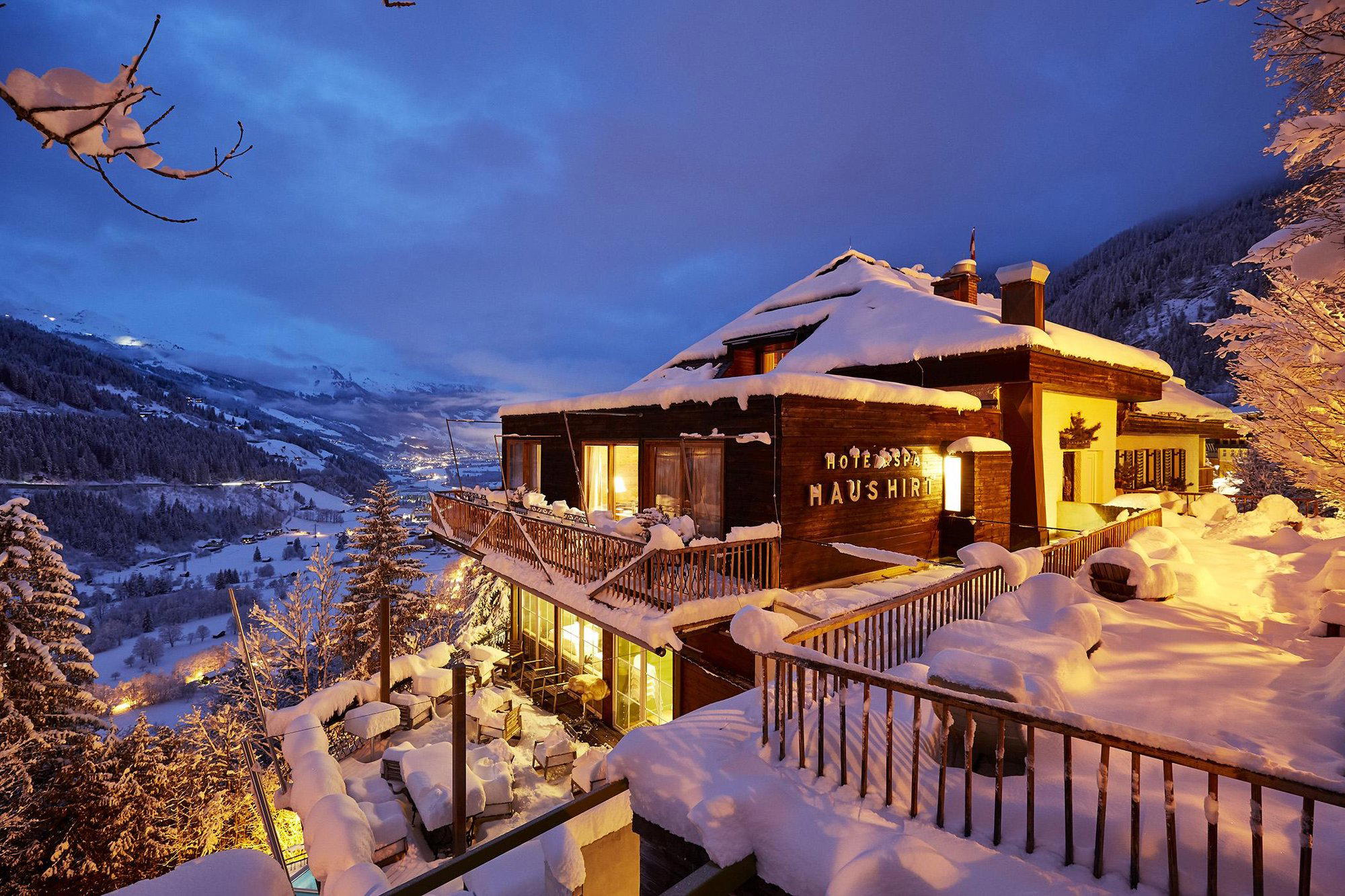
Bad Hofgastein sits in the Gastein Valley, a long alpine corridor south of Salzburg city that has historically drawn visitors for its thermal waters and skiing infrastructure. Zederhaus, from which Brennerei Durzbauer draws its association, lies in the Lungau region, a high plateau in the southeastern corner of Salzburg province that holds UNESCO biosphere status and sits at an average elevation above 1,000 metres. Getting to this part of Austria requires a deliberate commitment: from Salzburg, the drive south takes approximately 90 minutes under normal conditions, with the final approach into the Lungau rising sharply. It rewards visitors who have structured their itinerary around it.
The address on record is Schneebergweg 1, 5630 Bad Hofgastein. For visitors building a broader Austrian spirits itinerary, combining the alpine Salzburg producers with a western approach through A. Batch Distillery in Bergheim or the 1404 Manufacturing Distillery in Sankt Peter-Freienstein creates a logical regional circuit. Those approaching from Vienna might also consider the 1516 Brewing Company Distillery in Vienna or Abfindungsbrennerei Franz in Leithaprodersdorf as bookends to a longer southern Austrian run.
Seasonal timing matters considerably in this part of the country. The Gastein Valley and Lungau are winter destinations at one level and summer hiking regions at another. The distillery is in current active operation. Visiting during the autumn harvest and post-harvest period, roughly September through November, aligns with the cycle of fruit distillation in alpine Austria, when fresh-pressed and fermented material moves through the still and producers are most likely to be engaged with active production rather than resting stock.
Those interested in Austrian spirits more broadly will find useful reference points at Weingut Pittnauer in Gols and Weingut Heinrich Hartl in Oberwaltersdorf, producers whose wine-adjacent work reflects similar commitments to Austrian terroir specificity. For those whose reference point is Scotch, Aberlour in Aberlour offers a useful comparative lens on what elevation and water source mean to distilled spirit character. Accendo Cellars in St. Helena represents a very different climatic logic but a similar commitment to place as the primary argument.
Comparison Snapshot
Comparable venues nearby, for context on price, style, and recognition.
| Venue | Cuisine | Price | Notes |
|---|---|---|---|
| Brennerei DurzbauerThis venue — the venue you are viewing | Winery | , | |
| Brennerei Weigand | Winery | , | Steyr |
| 5020 Koudelka-Sturm Distillery | Winery | , | Salzburg |
| Brennerei Mairhofer | Winery | , | St. Johann in Tirol |
| Stock Austria Distillery | Winery | , | Vienna |
| Stroh Austria Distillery | Winery | , | Klagenfurt |
Continue exploring