Erlhof

Erlhof holds a Michelin Plate for 2024 and 2025, placing it among the small tier of Zell am See restaurants that take regional Austrian cuisine seriously enough to earn consistent recognition. Positioned on Dreifaltigkeitsgasse in the town centre, it operates at the €€€ price point where ingredient sourcing and kitchen discipline define the gap between restaurants that earn plates and those that don't.
Pearl is the En Primeur Club membership app — saves, bookings, and concierge access live there. Same editors, same standards.
- Address
- Dreifaltigkeitsgasse 2, 5700 Zell am See, Austria
- Phone
- +43 6542 72502
- Website
- steinerwirt.com
- Directions
- Get directions
 Saves & bookings on Pearl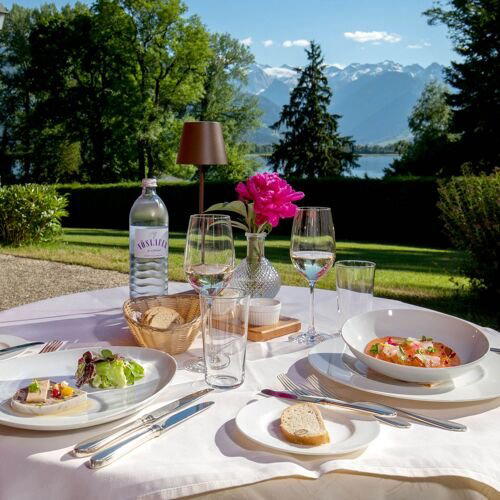
Where the Salzburg Alps Meet the Plate
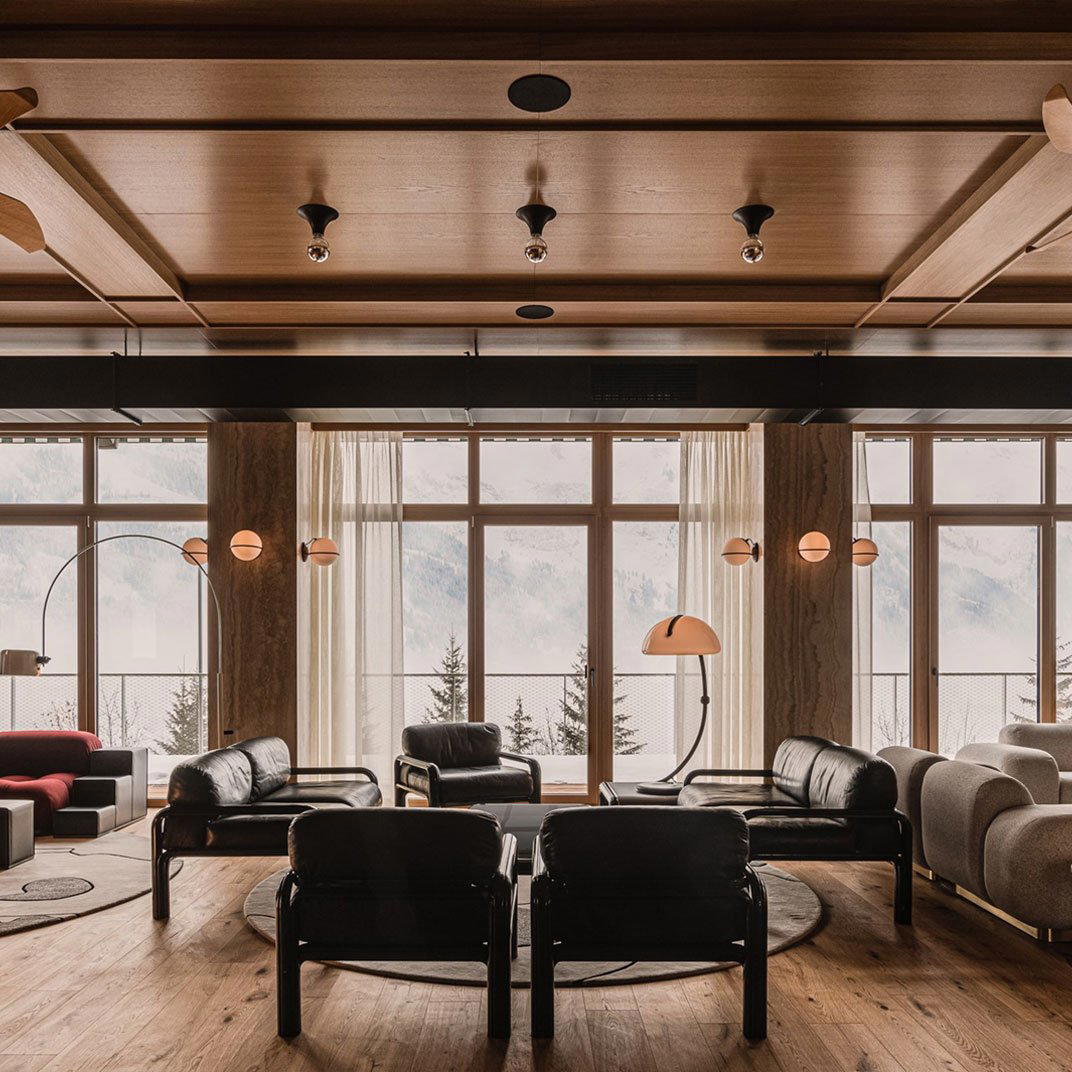
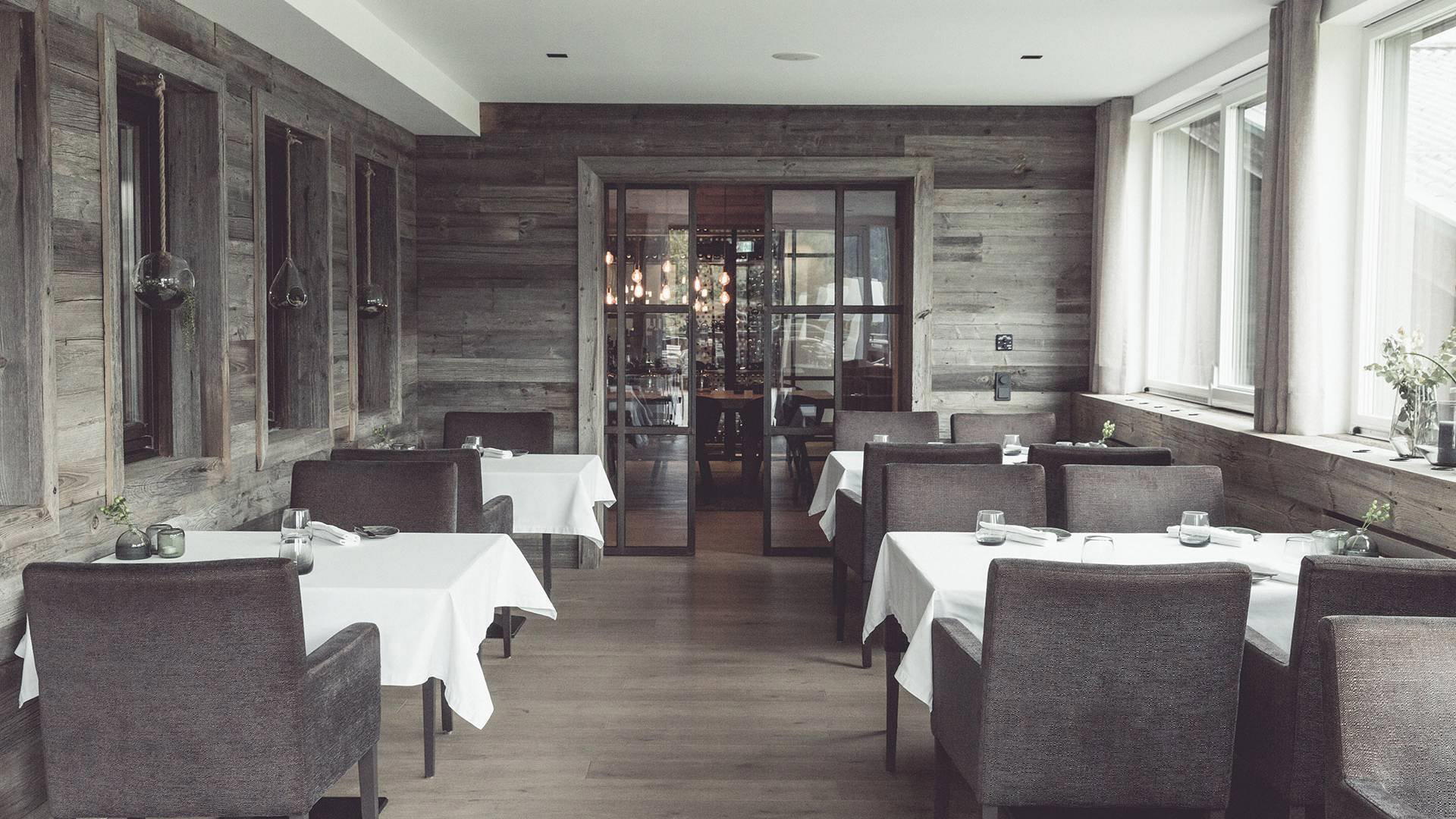
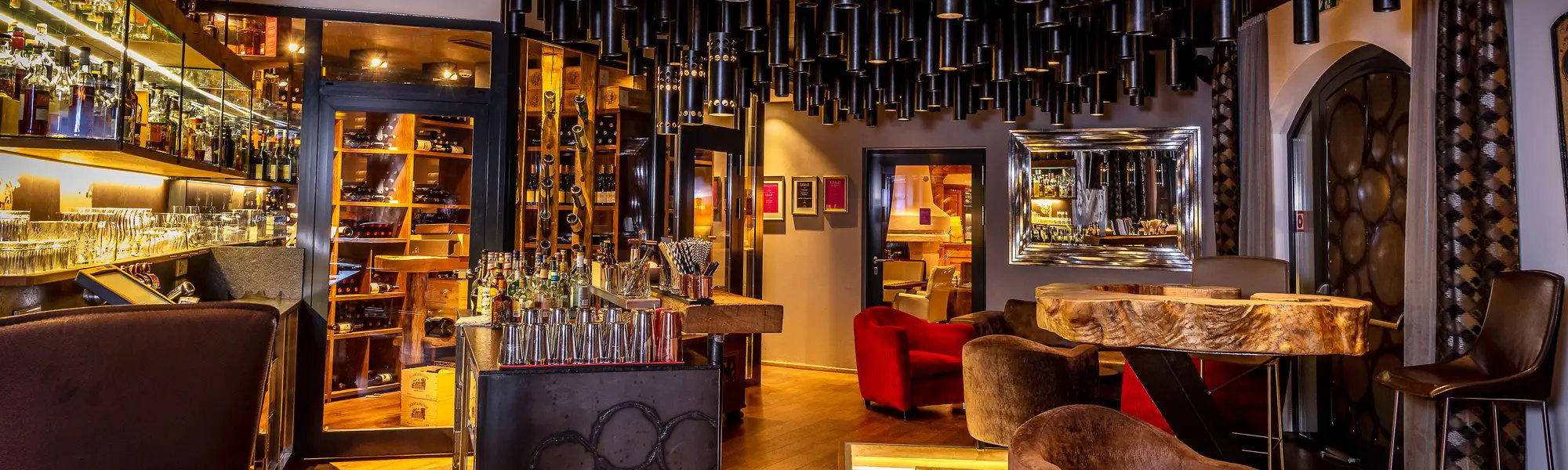
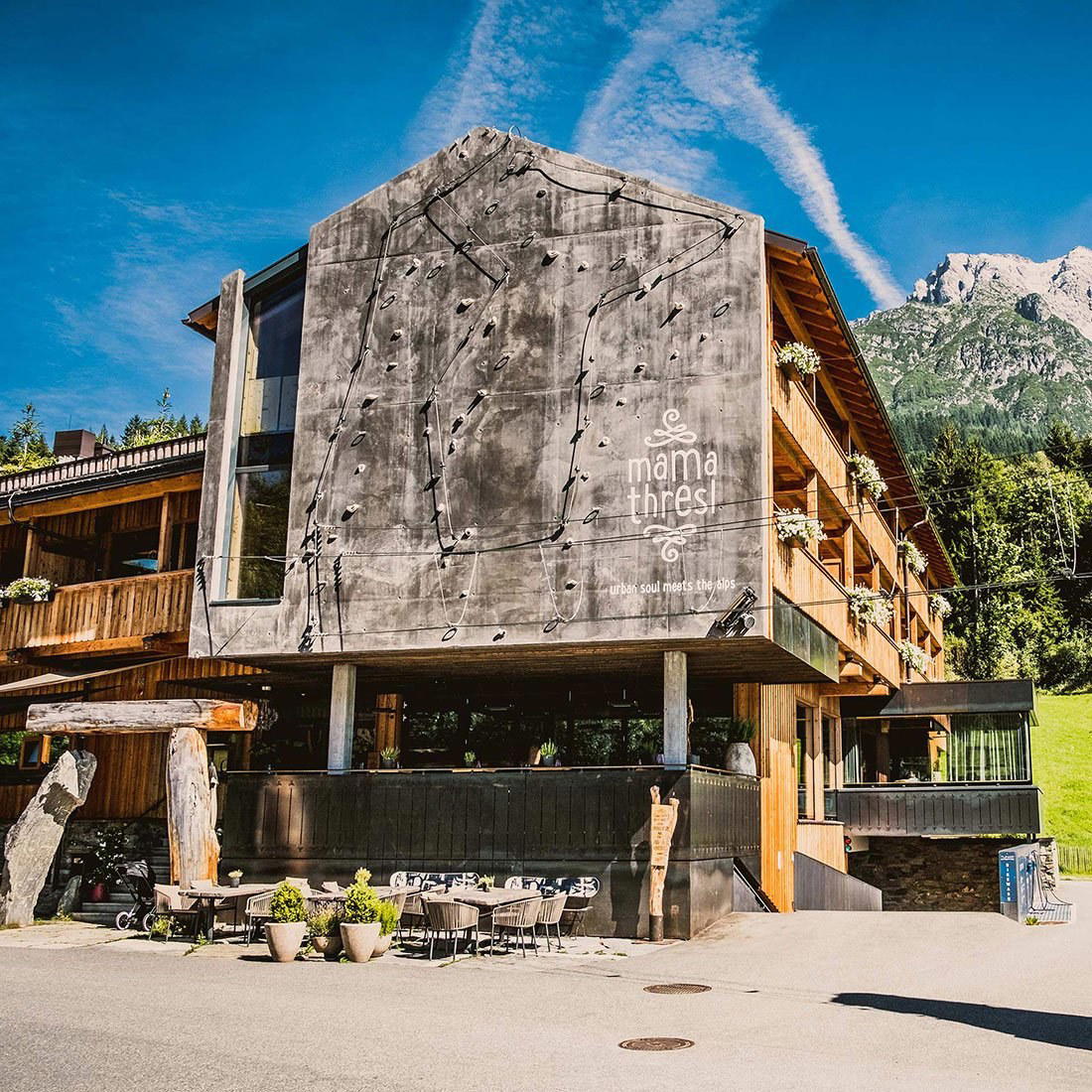
Dreifaltigkeitsgasse is a quieter address than Zell am See's lakefront promenade, and that distance from the tourist circuit is part of what defines Erlhof's register. The building reads as the kind of Austrian interior that takes its cues from the surrounding landscape rather than from international hotel design: wood-warm, grounded, with the low-hum atmosphere of a room where the cooking is taken seriously and the guests arrive expecting it to be. In the Salzburg region, that combination of physical setting and kitchen ambition is not accidental. It reflects a broader pattern across Alpine Austria, where particularly credible regional tables tend to sit slightly apart from the high-season crowd.
The Sourcing Logic Behind Austrian Regional Cuisine
The Michelin Plate, awarded to Erlhof in both 2024 and 2025, signals something specific: a kitchen that meets the guide's threshold for good cooking. In the context of Zell am See, where the restaurant field skews heavily toward hotels and seasonal operators, that sustained recognition over two consecutive years points to consistent execution rather than a single-season spike. The Plate designation in Austria functions as a quality floor, not a ceiling, and the renewal in 2025 confirms the kitchen has held its standard.
Austrian regional cuisine at this level is almost always an argument about sourcing. The Salzburg Pinzgau valley, which frames Zell am See to the south and west, produces dairy, beef, and game that have defined the cooking of this area for generations. Pinzgauer cattle, a heritage breed tied to the high Alpine pastures, yield beef with a fat structure that differs measurably from lowland breeds. Freshwater fish from the Zeller See itself and from the broader Salzach watershed feed into menus that treat the lake as a larder rather than a backdrop. Kitchens working at the Michelin Plate level in this region are expected to use these materials with literacy, not just list them on a menu as regional decoration.
That distinction matters when comparing Erlhof to Austrian tables operating at higher price tiers. Döllerer in Golling an der Salzach, two Michelin stars and priced at €€€€, pushes regional sourcing into a more technically ambitious register. Obauer in Werfen holds a long-established reputation for applying fine-dining discipline to Salzburg's larder. Erlhof operates at a different price point and ambition level, but the underlying sourcing logic is the same: this part of Austria produces ingredients worth cooking seriously, and the restaurants that earn recognition here are the ones that treat that premise as a genuine constraint rather than a marketing convenience.
Zell am See's Restaurant Tier and Where Erlhof Sits
Zell am See attracts a year-round visitor base split between winter skiers and summer lake tourists, and the restaurant market reflects that dual seasonality. The majority of the town's dining options calibrate to volume and accessibility rather than kitchen precision. The Michelin-recognised tier is thin: Erlhof sits in the small cohort of addresses in the immediate area where the guide has found something worth noting. That peer group is worth mapping. MAYER's Restaurant, also in Zell am See, represents the Classic Cuisine end of the local fine-dining range. Between these addresses, visitors can construct a credible picture of what serious cooking looks like in this part of the Salzburg Alpenland.
For context further afield, the Austrian Alpine dining circuit includes tables like Gourmetrestaurant Tannenhof in Sankt Anton am Arlberg and Griggeler Stuba in Lech, both of which demonstrate how Alpine resort towns can support kitchens operating well above the seasonal-tourist baseline. Kräuterreich by Vitus Winkler in Sankt Veit im Pongau takes the herb and forage angle of Salzburg-region cooking into a more specialist frame. Erlhof's positioning within this wider circuit is as a regionally grounded address at a price point, €€€, that sits below the starred Alpine houses but above the ski-lodge comfort-food tier that dominates much of the area's hospitality.
Regional Cuisine in the Austrian Culinary Hierarchy
Austria's fine-dining hierarchy has consolidated significantly around Vienna at the leading end, with tables like Steirereck im Stadtpark defining what three-Michelin-star Austrian cooking looks like at a national level. Outside the capital, the strongest regional argument for Austrian cuisine runs through Salzburg province and Styria, where producers and chefs have maintained a conversation about native ingredients that dates back decades. Ikarus in Salzburg operates from a different premise, its rotating guest-chef format designed to import international reference points rather than deepen local ones, but its presence in the region confirms that Salzburg province supports a sophisticated dining audience. Landhaus Bacher in Mautern an der Donau represents the classic Austrian country-house model at two Michelin stars, a point of comparison for understanding how the regional tradition scales.
The broader Swiss and Austrian regional-cuisine category has also produced comparable addresses worth noting for context: Fahr in Künten-Sulz and Gannerhof in Innervillgraten both operate within the Alpine regional tradition, where the sourcing radius is tight and the seasonal calendar governs the menu's range. Ois in Neufelden and Restaurant 141 by Joachim Jaud in Mieming extend the picture of how Austrian regional kitchens at different price points and locations approach the same underlying question of what local cooking means when done with care.
Planning a Visit
Erlhof sits at Dreifaltigkeitsgasse 2 in central Zell am See, walkable from the main train station and the lake. The €€€ price point puts it in a bracket where a full meal will require a considered budget rather than casual spend, consistent with the Michelin Plate positioning.3 rating across 1,401 reviews. Booking ahead is advisable for weekend evenings, particularly during the ski season from December through March and the summer lake season from June through August, when Zell am See's capacity for serious dining is stretched thinnest relative to visitor numbers. For the full range of dining, drinking, and staying options in the area, see our full Zell am See restaurants guide, our Zell am See hotels guide, our Zell am See bars guide, our Zell am See wineries guide, and our Zell am See experiences guide.
What do regulars order at Erlhof?
Without verified menu data in the record, specific dish recommendations fall outside what can be stated reliably here. What the Michelin Plate and regional cuisine designation do confirm is that the kitchen is oriented toward Salzburg Alpenland ingredients: dairy, game, freshwater fish, and seasonal produce from the valley floors and high pastures. In this category and price tier, regulars at Michelin-recognised Austrian regional tables typically anchor their orders to whatever reflects the current season most directly, since the sourcing calendar is the organizing principle behind the menu rather than a fixed house signature.
Quick Comparison
Comparable venues nearby, for context on price, style, and recognition.
| Venue | Cuisine | Price | Awards | Notes |
|---|---|---|---|---|
| ErlhofThis venue — the venue you are viewing | Traditional Austrian Regional Cuisine | $$$ | Michelin Plate | Not listed |
| Zum Hirschen | Traditional Austrian | $$ | Not listed | old town |
| Two Timez | Alpine Austrian with International Options | $$$ | Not listed | Zell am See city center |
| Steinerwirt | Modern Austrian | $$ | Not listed | Zell am See center |
| Salzburgerstube | Modern Austrian Fine Dining | $$$$ | Not listed | Zell am See |
| Speisenmeisterei | Mediterranean-Asian Fine Dining | $$$$ | Not listed | Thumersbach |
Recognition history
Dated appearances from independent guides and award organizations, with the underlying list record or original source where available.
Michelin Plate
Michelin
Michelin Plate
Michelin
Continue exploring
More in Zell am See
Restaurants in Zell am See
Browse all →
Bars in Zell am See
Browse all →


At a Glance
- Rustic
- Cozy
- Scenic
- Classic
- Date Night
- Special Occasion
- Family
- Terrace
- Historic Building
- Hotel Restaurant
- Extensive Wine List
- Local Sourcing
- Waterfront
- Mountain
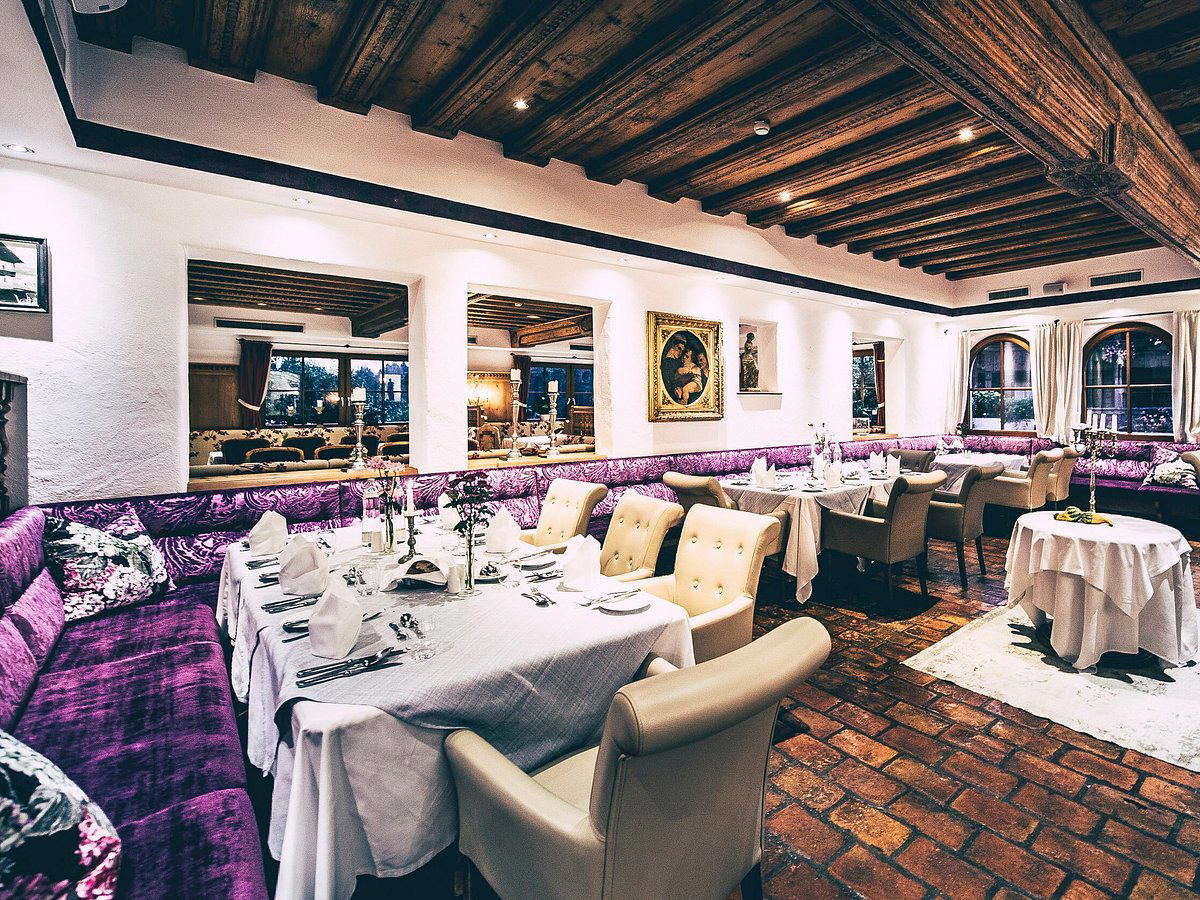
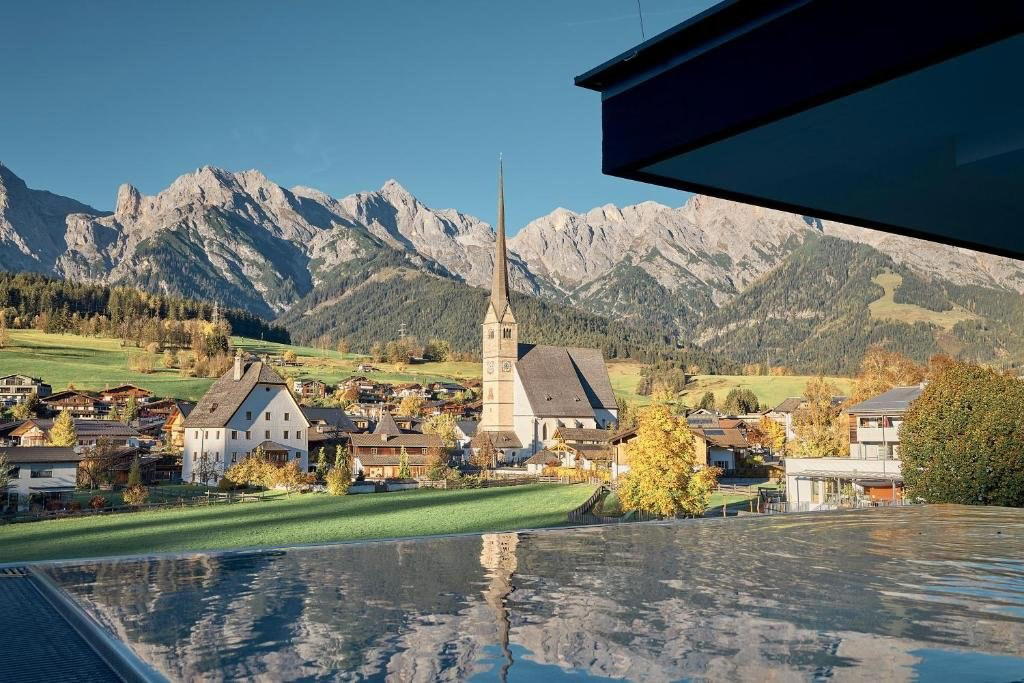
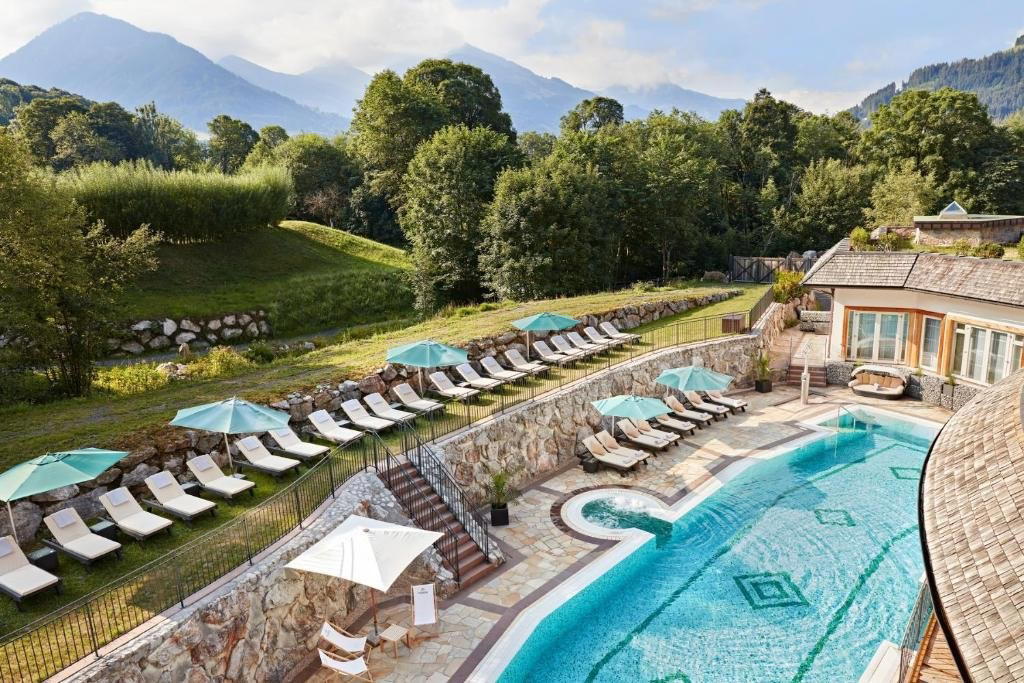
Cozy rustic vault interior with warm, gemütlich atmosphere and summer sun terrace overlooking Lake Zell.