

A Michelin Bib Gourmand holder for consecutive years, Nerina has served the Val di Non for more than five decades under the Di Nuzzo family. The kitchen draws on Trentino staples, casolèt cheese, Valsugana maize, mortandela salami, alongside produce from the restaurant's own vegetable garden, keeping prices at the accessible end of the regional dining spectrum while maintaining consistent recognition from the Guide Rouge.
Pearl is the En Primeur Club membership app — saves, bookings, and concierge access live there. Same editors, same standards.
- Address
- Via Alcide Degasperi, 31, 38010 Romeno TN, Italy
- Phone
- +39 0463 510111
- Website
- albergonerina.it
- Directions
- Get directions
 Saves & bookings on Pearl
Where the Val di Non Eats
The Val di Non sits in the southern reaches of the Alps, a valley better known for its apple orchards than its restaurant scene. In that context, the longevity of a family-run trattoria holding Michelin recognition carries real weight. Nerina, on Via Alcide Degasperi in Romeno, has been operated by the Di Nuzzo family for more than 50 years, a tenure that places it in a small cohort of multigenerational Italian restaurants where consistency, not reinvention, is the editorial point.
Italy's most decorated dining rooms, Osteria Francescana in Modena, Enoteca Pinchiorri in Florence, Enrico Bartolini in Milan, operate in a different tier entirely, built around creative ambition and price points to match. Nerina belongs to a quieter tradition: the regional trattoria that earns its place not through innovation but through fidelity to local produce and a cooking style that accumulates trust over decades. That is the tradition the Bib Gourmand was designed to recognise.
The Trentino Table: What the Kitchen Draws On
Trentino-Alto Adige sits at a culinary crossroads between Italian and Central European traditions. The region's larder is specific: mountain dairy, cured meats with a distinct Alpine character, polenta made from local maize varieties, and produce shaped by altitude and short growing seasons. Nerina draws directly from that inventory.
Casolèt, the semi-soft cow's milk cheese produced in the Val di Sole and surrounding valleys, appears as a house reference point. Mortandela, a smoked and spiced pork product typical of the Val di Non itself, is another. Valsugana maize, grown in the valley to the east, grounds the kitchen in a specifically Trentine agricultural identity rather than a generic northern-Italian one. Alongside these named regional products, the kitchen draws on its own vegetable garden, a practice common among Trentino's more attentive trattorias and one that ties menu timing to what is actually in the ground.
Occasional influences from elsewhere in Italy appear, according to the restaurant's Michelin entry, which prevents the menu from becoming a strict regionalist exercise. This is a practical approach: it reflects how Italian family kitchens have always worked, absorbing techniques and ingredients from other regions while keeping the local pantry at the centre.
Fifty Years and a Single Kitchen
In the broader Italian restaurant ecology, the multigenerational family restaurant is common in name but increasingly rare in practice. The economic pressures of rural dining, thin margins, seasonal tourist traffic, limited access to premium ingredient supply chains, have closed many of the trattorias that defined postwar Italian food culture. Those that survive past the 50-year mark have, almost by definition, solved a problem that defeats most: they have made the local community want to return, not just visitors passing through.
Nerina's record sits alongside a handful of similarly durable regional Italian institutions. Dal Pescatore in Runate is one cited example of a family restaurant that grew into multi-Michelin recognition over generations. Casa Perbellini 12 Apostoli in Verona carries similar generational weight in the Veneto. Nerina operates at a different price point and with different ambitions, the single € price tier and the Bib Gourmand rather than a star confirm the positioning, but the underlying argument is the same: sustained quality in a regional kitchen is harder than it looks, and the evidence for it accumulates over decades, not seasons.
For context on the Alpine regional tradition specifically, the cooking at Gannerhof in Innervillgraten and Fahr in Künten-Sulz represent similar commitments to mountain-region produce in the broader Alpine arc, though each operates within its own national and sub-regional context.
Simplicity as a Critical Position
The Michelin description of Nerina uses three words as its organising principle: simplicity, hospitality, and informality. In a guide that can appear to reward complexity and formality, that framing is itself a statement. The Bib Gourmand category was introduced precisely to counter any reading of the Guide as only relevant to formal fine dining, and particularly credible holders of that designation are places where the informality is structural, not performative.
At the single-euro price tier, Nerina positions against the broader Italian mountain-restaurant market rather than against the starred kitchens in Trentino's larger towns. That is the right comparison set. At the upper end of the regional spectrum, Atelier Moessmer Norbert Niederkofler in Brunico represents the Alpine region's fine dining ceiling, a different exercise entirely, built around tasting menus and a philosophy of Alpine ecology as culinary framework. Nerina's value proposition runs in a different direction: accessible pricing, a menu grounded in named local products, and a dining room where the family has been setting the tone for longer than most of its guests have been eating out.
Planning a Visit
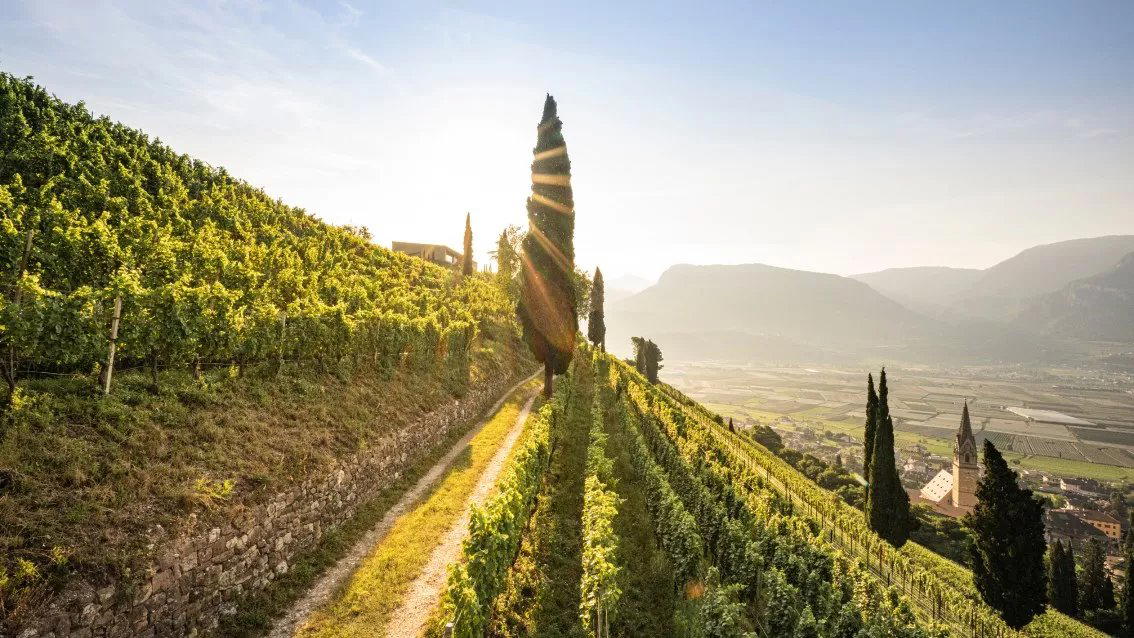
Romeno is a small comune in the Val di Non, accessible by road from Trento (roughly 40 kilometres north) and from the Lago di Santa Giustina reservoir area. The valley is apple-growing country, which means late summer and autumn bring the fullest expression of the local agricultural calendar, a reasonable consideration for timing a visit if the vegetable garden is a factor in the menu. Direct contact via the address on Via Alcide Degasperi, 31 is advisable before making the journey, particularly given the rural location. The single-euro price designation points to a meal that stays well below the €40-per-person threshold for a two-course sitting, making it one of the more accessible Michelin-recognised experiences in the Trentino-Alto Adige region.
Elsewhere in northern Italy, Le Calandre in Rubano, Piazza Duomo in Alba, Reale in Castel di Sangro, Uliassi in Senigallia, and Quattro Passi in Marina del Cantone represent the wider Italian fine dining context for readers building a longer itinerary.
At-a-Glance Comparison
Comparable venues nearby, for context on price, style, and recognition.
| Venue | Cuisine | Price | Awards | Notes |
|---|---|---|---|---|
| NerinaThis venue — the venue you are viewing | Traditional Italian Slow Food | $$ | Bib Gourmand | Not listed |
| Vögele | Traditional South Tyrolean | $$ | Bib Gourmand | old town |
| Hostaria Viola | Traditional Mantuan Italian | $$ | Bib Gourmand | Castiglione delle Stiviere |
| Ostaria Tyrol | Traditional Trentino Tyrolean | $$ | Bib Gourmand | centre |
| Foresta | Traditional Trentino Italian | $$ | Bib Gourmand | Moena |
| Osteria Platzegg | Traditional South Tyrolean | $$$ | Bib Gourmand | San Michele |
Recognition history
Dated appearances from independent guides and award organizations, with the underlying list record or original source where available.
Michelin Bib Gourmand
Michelin
Michelin Bib Gourmand
Michelin
Wine Spectator Award of Excellence
Wine Spectator
Michelin Bib Gourmand
Michelin
Continue exploring
More in Romeno
Restaurants in Romeno
Browse all →
Bars in Romeno
Browse all →
Hotels in Romeno
Browse all →

At a Glance
- Cozy
- Rustic
- Intimate
- Date Night
- Special Occasion
- Standalone
- Extensive Wine List
- Farm To Table
- Local Sourcing
- Biodynamic
Current opening hours
- Monday
- 12–2 PM, 7–9 PM
- Tuesday
- Closed
- Wednesday
- 12–2 PM, 7–9 PM
- Thursday
- 12–2 PM, 7–9 PM
- Friday
- 12–2 PM, 7–9 PM
- Saturday
- 12–2 PM, 7–9 PM
- Sunday
- 12–2 PM, 7–9 PM
Hours can change for holidays and private events. Last verified .
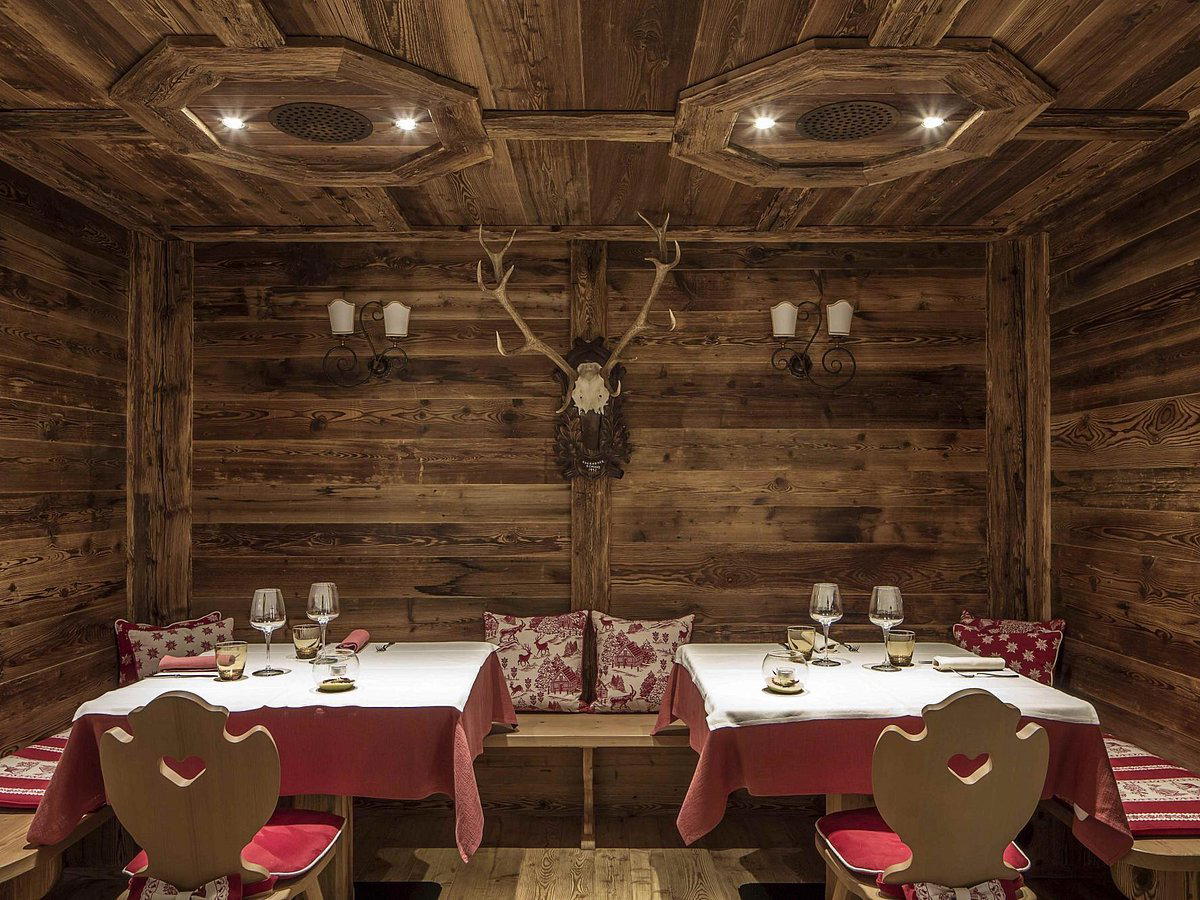
Warm family atmosphere with focus on quality local flavors in a cozy inn setting.