
A small Chinese restaurant in Chikusa Ward, Nanohana sits in the Nagoya category where regulars matter as much as awards. Its Tabelog Chinese EAST 100 selection for 2026, compact 14-seat room, fish-focused cooking, wine, and family-friendly tone point to a local dining rhythm rather than a destination built around spectacle.
Pearl is the En Primeur Club membership app — saves, bookings, and concierge access live there. Same editors, same standards.
- Address
- Japan, 〒464-0071 Aichi, Nagoya, Chikusa Ward, Wakamizu, 3 Chome−18−2 ライフコア若水
- Phone
- +81 52-712-1182
- Website
- tabelog.com
 Saves & bookings on Pearl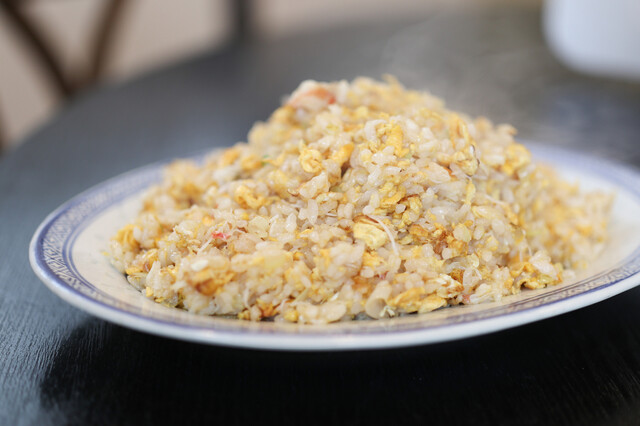
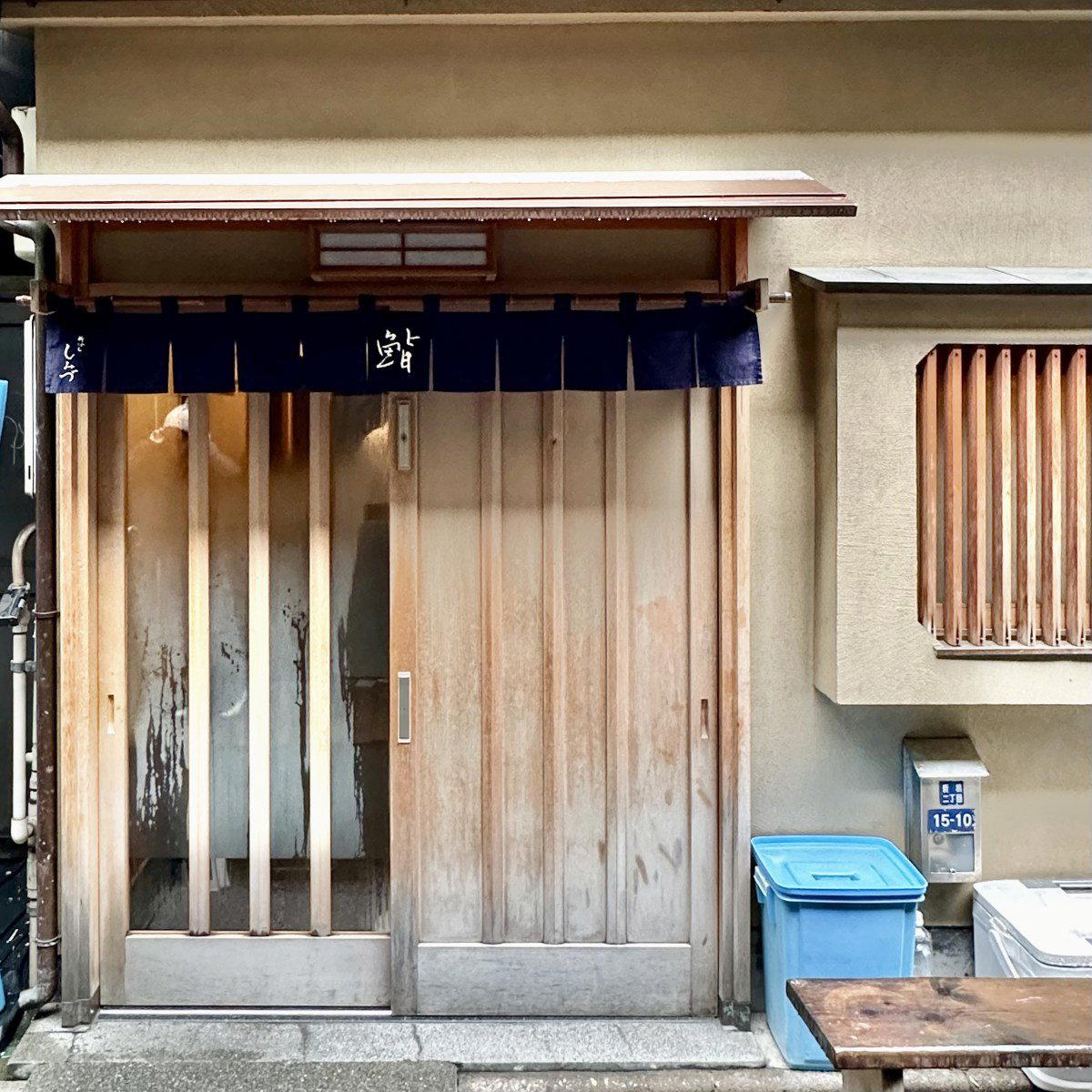
Approach in Wakamizu and the mood is residential before it is restaurant-driven: low-rise Nagoya, a house-restaurant setting, and the quieter tempo of Chikusa Ward rather than the station-front theatre of Sakae or Nagoya Station. That matters. In a city where Chinese dining ranges from hotel banquet rooms to counter-like neighbourhood rooms, the smaller address changes the contract between kitchen and diner. Regulars are not coming for a grand entrance; they are returning for familiarity, restraint, and a room scaled to repeat use.
Nanohana belongs to the practical, local-facing side of Nagoya’s Chinese scene, but its recognition puts it in a more selective frame. Selection for Tabelog Chinese EAST 100 in 2026, alongside earlier selections in 2024, 2023, and 2021, gives the restaurant a public marker that goes beyond neighbourhood affection. The score attached to the listing, 3.68, is less important than the pattern: repeated inclusion signals consistency in a category where flashier openings can fade quickly.
A 14-seat Chinese room shaped by regulars, not ceremony
Nagoya rewards restaurants that can become part of a weekly or monthly circuit. The city’s dining culture has room for polished special-occasion rooms, but it also protects small operators that deliver recognizable value without turning dinner into a production. A 14-seat layout, arranged as two tables for four and two tables for three, makes Nanohana feel closer to a private conversation than a banquet-style Chinese restaurant. That capacity also explains why the room reads as a regulars’ address: small places build memory quickly, and repeat diners learn the cadence of service, the kinds of dishes to ask about, and the rhythm of the kitchen.
The useful comparison is not with every Chinese restaurant in Japan, but with Nagoya’s own split between ambitious set-menu dining and modestly priced specialist rooms. Kajikawa operates in a higher spend bracket, while LECRIN DE YUMIKO sits closer to a casual price tier among local comparison points. Nanohana occupies a different lane: Chinese cooking with a fish emphasis, wine on the drinks side, and a house-restaurant format that keeps the experience intimate without pushing it into luxury dining language.
That fish emphasis is a meaningful clue. In Japanese Chinese dining, seafood has long been a bridge between Cantonese technique, local sourcing habits, and the Japanese preference for seasonality and clean sequencing. The restaurant’s stated focus on fish places it inside that hybrid tradition rather than the heavier image of oil-rich, banquet-style Chinese cooking. No single named dish needs to carry the story; the stronger signal is category discipline. Regulars often return to restaurants that know their lane, and here that lane be compact, approachable Chinese cooking with enough specificity to earn repeat recognition.
Where Nagoya's Chinese dining becomes personal
Chikusa Ward is useful context because it removes the pressure of downtown dining performance. Ikeshita and the surrounding residential pockets support places that work for friends, families, and repeat local use. The restaurant is listed as children-welcome and family-friendly, with private rooms unavailable, which points to a democratic room rather than a closed-off dining club. For travelers, that kind of setting can be more revealing than a formal tasting counter: it shows what a city chooses for ordinary occasions when quality still matters.
The absence of an official website also fits a certain Japanese neighbourhood-restaurant pattern. Some restaurants build their reputation through reservation habits, review ecosystems, and repeat clientele rather than brand architecture. For visitors used to polished digital booking flows, that can feel old-fashioned; in Japan, it is often a sign that the dining room’s real currency is regularity. Lunch is not reservable, dinner accepts reservations, and payment customs remain specific, with no credit cards or electronic money and PayPay accepted. Those details belong to planning rather than romance, but they also say something about the room: this is not a frictionless internationalized restaurant designed primarily for inbound dining.
Within a Nagoya itinerary, the decision is less about chasing a trophy and more about choosing scale. Travelers comparing categories across the city can start with Our full Nagoya restaurants guide, then decide whether the night calls for small-room Chinese, higher-budget Japanese dining, or a more casual local meal. For broader city planning, pair that with Our full Nagoya hotels guide, Our full Nagoya bars guide, Our full Nagoya wineries guide, and Our full Nagoya experiences guide.
How to read the award signal without overreading it
Tabelog’s Hyakumeiten lists are useful because they map depth, not just luxury. A Chinese EAST 100 selection does not mean the restaurant is trying to compete with grand dining rooms on theatre or price. It means diners have repeatedly found enough quality and identity for the restaurant to sit among a curated regional group. For Nagoya, that is a helpful corrective: the city’s strongest meals are not always the ones with the loudest international profile.
The regulars’ perspective is the right one here. A small Chinese restaurant with limited seating, no private rooms, a non-smoking policy, fish-forward cooking, wine, and repeated Tabelog recognition is built for people who know what they want before they sit down. Visitors should approach it the same way: not as a chef-driven spectacle, but as a compact Nagoya room where the value lies in confidence, consistency, and the kind of local trust that accumulates over multiple years.
For readers building a wider Japan dining map, useful contrasts include 1022, 451, Aaron, Alan., and All Day Dining Montmartre. Beyond Nagoya, the range widens from -Grilled beef Sukiyaki- KAMAKURA TANUKIAN 鎌倉 たぬき庵 in Kamakura and. 鮪と炭火焼き うお炭 秋葉原店 in Tokyo to.cafe in Osaka.know in Kumamoto, (Shoku) Vietnam in Kawasaki, [Curry Senmon Ten] Maruyama Kyoju. in Sapporo, Jōdo Saké Bar in Los Angeles, and Onigiri Time in Pasadena.
Reputation First
Comparable venues by cuisine and category.
| Venue | Cuisine | Price | Notes |
|---|---|---|---|
| NanohanaThis venue — the venue you are viewing | Cozy Neighborhood Chinese | $$ | Not listed |
| Joe's Kitchen | Traditional Chinese | $$ | Naka |
| China Sichuan Kinsui En | Authentic Sichuan Chinese | $$ | Kita |
| Yaba Misen | Spicy Taiwan Ramen & Taiwanese-Chinese | $$ | Naka |
| rokuhachikyuujuuba | Modern Sichuan Chinese Tavern | $$ | Higashi |
| Chinese Ryori Ryujo | Modern Cantonese Chinese in a luxury Nagoya hotel | $$$ | Naka |
Recognition history
Dated appearances from independent guides and award organizations, with the underlying list record or original source where available.
Tabelog 100 #47 · No. 47
Tabelog · Tabelog 100 - Chinese cuisine - EAST - 2026
Continue exploring
More in Nagoya
Restaurants in Nagoya
Browse all →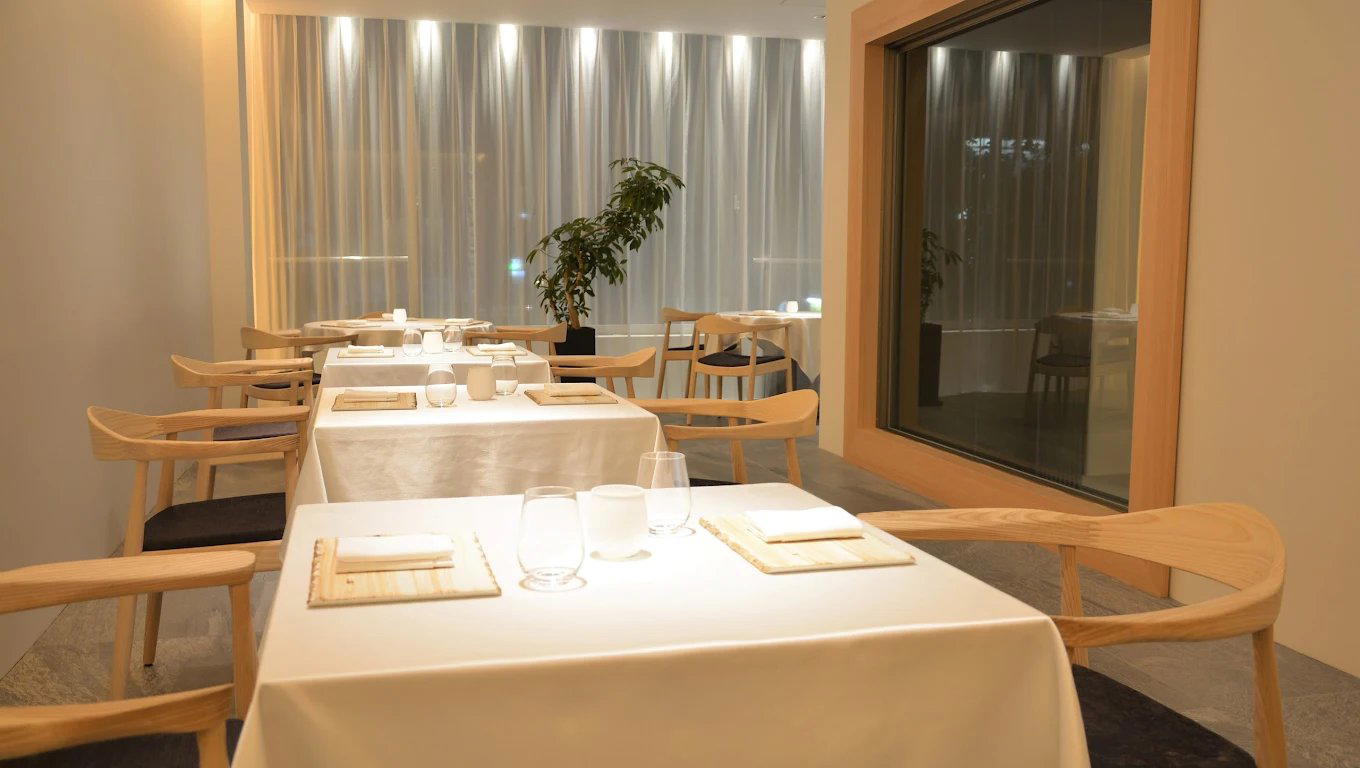

At a Glance
- Cozy
- Quiet
- Family
- Casual Hangout
- Solo
- Standalone
Current opening hours
- Monday
- 11:30 AM–1:30 PM, 5:30–8:30 PM
- Tuesday
- 11:30 AM–1:30 PM
- Wednesday
- 11:30 AM–1:30 PM, 5:30–8:30 PM
- Thursday
- Closed
- Friday
- 11:30 AM–1:30 PM, 5:30–8:30 PM
- Saturday
- 11:30 AM–1:30 PM, 5:30–8:30 PM
- Sunday
- 11:30 AM–1:30 PM, 5:30–8:30 PM
Hours can change for holidays and private events. Last verified .
A tiny, relaxed house-restaurant in a residential area with a calm, cozy atmosphere; non-smoking, simple decor, and an intimate feel that suits families and small groups rather than large, noisy parties.