
Chinese Ryori Ryujo places Cantonese cooking inside Nagoya’s polished hotel-dining tradition, with Sichuan and dim sum elements broadening the frame. Its Tabelog 100 Chinese cuisine EAST selections in 2024 and 2026 give it clear recognition beyond the city, while the room’s private-room structure and family-friendly setup make it more adaptable than many formal Chinese restaurants in Japan.
Pearl is the En Primeur Club membership app — saves, bookings, and concierge access live there. Same editors, same standards.
- Address
- 1 Chome-19-30 Nishiki, Naka Ward, Nagoya, Aichi 460-8608, Japan
- Phone
- +81 52-231-7747
- Website
- nagoyakankohotel.co.jp
 Saves & bookings on Pearl
Hotel Chinese dining in Japan has its own grammar: carpeted calm, composed service, and a room designed for business tables, family occasions, and multi-generational meals rather than counter-theatre. In Nagoya, that format carries particular weight. The city’s dining culture has long prized hospitality that works across purposes, from weekday lunches to formal dinners, and Chinese Ryori Ryujo fits that civic rhythm rather than chasing the narrower drama of tasting-menu minimalism.
The cooking is framed as Chinese, with Cantonese, Sichuan, dim sum, and yum cha references sitting under one roof. That matters because Chinese dining in Japan is rarely a single regional proposition. Cantonese technique often supplies the banquet logic and seafood fluency; Sichuan brings heat, aroma, and fermented depth; dim sum provides a social, shareable register. The stronger hotel restaurants understand that range as a cultural language, not a grab bag.
Cantonese structure, Nagoya hotel polish, and a wider Chinese repertoire
Cantonese cuisine has a long history of adaptation in Japan, especially in major hotels where Chinese restaurants became reliable settings for celebrations, corporate dining, and meals involving several generations. The format rewards balance: dishes need enough refinement for formal occasions, enough familiarity for mixed groups, and enough range to justify a full table rather than a quick stop. Ryujo’s positioning inside that tradition is the point. The meal is less about chef-as-performer than about sequencing, sharing, and the social contract of the Chinese table.
The Tabelog 100 Chinese cuisine EAST selections in 2024 and 2026 place it in a recognised regional field, not merely a local hotel amenity. Tabelog’s Chinese lists are useful in cities such as Nagoya because Michelin coverage and Western media attention can underrepresent hotel Chinese rooms, even when those rooms anchor serious dining for residents. A 3.66 Tabelog score also signals a restaurant judged in the competitive Japanese user-review environment, where hotel polish alone rarely carries a room into award conversation.
Within Nagoya, this puts the restaurant in a different decision set from places built around a single genre or counter format. Hyoshigi Oden, Kuretake, Shouryu Teppanyaki, and Kreis speak to other parts of the city’s dining map: oden, Japanese cooking, teppanyaki, or a more compact price-band proposition. Ryujo’s appeal is breadth and occasion-management. It is the Chinese room for diners who want formal structure without surrendering the flexibility of shared dishes, private rooms, and a menu that can move between Cantonese calm and Sichuan intensity.
The room suits groups, families, and meals that need privacy
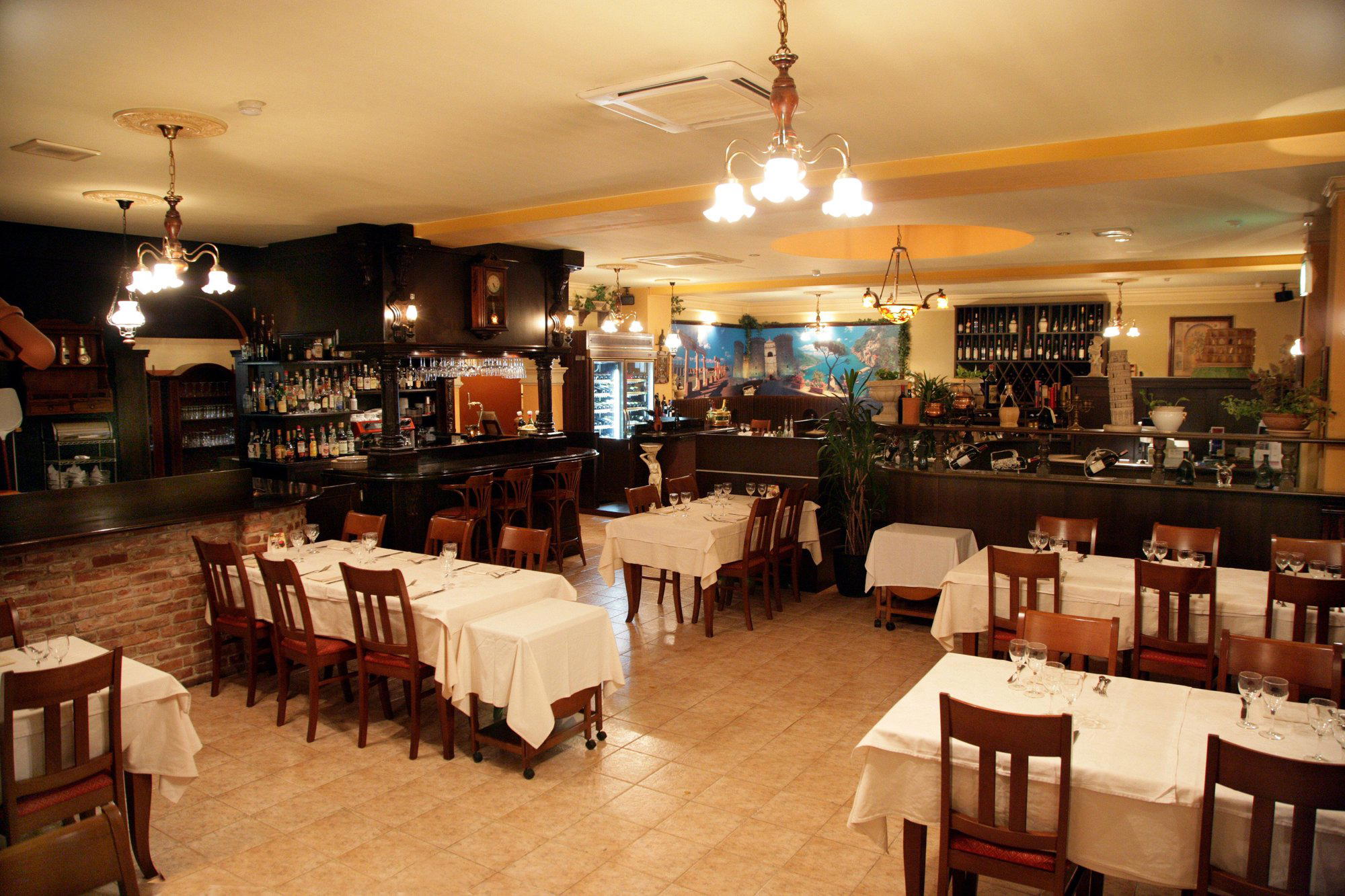
Japanese hotel restaurants often reveal their purpose through room planning before food arrives. Here, the 60-seat scale and private rooms for two, four, six, and eight people make the format unusually useful for Nagoya visitors dining with children, older relatives, or colleagues. A separate room fee applies and varies by room, which is precisely the kind of detail that changes the value calculation for a small dinner versus a larger occasion.
The family-friendly signals are unusually explicit for this tier: babies, preschoolers, and school-age children are welcome; kids’ menu availability and stroller access make the room easier to use than many formal restaurants in Japan. That does not turn the experience casual. It means the hospitality model is built for real-life dining rather than a narrow adult-only script. For travellers, that distinction is practical. Nagoya is often visited for business, rail connections, design, manufacturing culture, and family itineraries rather than purely restaurant-led trips, so a serious Chinese table that can handle mixed ages has genuine utility.
Accessibility and comfort add to the same reading. Wheelchair access, free Wi-Fi, non-smoking operation, and hotel parking support a restaurant intended for repeat local use as much as destination dining. Drink service covers shochu, wine, and cocktails, another sign of a room designed to accommodate different drinking habits at the same table. The English multilingual menu also lowers friction for overseas diners, especially in a city where high-end dining can still be more domestically oriented than Tokyo or Kyoto.
How to place it in a Nagoya itinerary
Ryujo makes sense when the meal needs composure, recognition, and a format that can absorb several preferences. It is not the choice for a loud night of bar-hopping or a chef-counter performance. It is better read as Nagoya’s hotel-Chinese tradition expressed with award-list credibility: a room for a family lunch, a business dinner, or a celebratory table where Cantonese structure and broader Chinese references can carry the evening.
For readers mapping the city beyond one reservation, Our full Nagoya restaurants guide gives the clearest local dining frame, while Our full Nagoya hotels guide, Our full Nagoya bars guide, Our full Nagoya wineries guide, and Our full Nagoya experiences guide help place the meal inside a broader stay. Nearby city dining pages such as 1022, 451, Aaron, Alan., and All Day Dining Montmartre show how varied Nagoya’s hotel and restaurant ecosystem has become.
Travellers comparing Japanese dining formats across regions may also find useful contrasts in -Grilled beef Sukiyaki- KAMAKURA TANUKIAN 鎌倉 たぬき庵 in Kamakura. 鮪と炭火焼き うお炭 秋葉原店 in Tokyo.cafe in Osaka.know in Kumamoto, (Shoku) Vietnam in Kawasaki, [Curry Senmon Ten] Maruyama Kyoju. in Sapporo, Jōdo Saké Bar in Los Angeles, and Onigiri Time in Pasadena. The useful comparison is not cuisine-for-cuisine, but format: counter, café, specialist bar, hotel room, and family-capable dining each solve a different travel problem.
Budget and Context
Nearby venues at a similar price tier for orientation.
| Venue | Cuisine | Price | Notes |
|---|---|---|---|
| Chinese Ryori RyujoThis venue — the venue you are viewing | Not listed | $$$ | Not listed |
| MASA'S KITCHEN Nagoya JR geeto tawaa | Nakamura, Modern Chinese & Sichuan | $$$ | Not listed |
| Le Chinois SANO Nagoya | Not listed | $$$ | Naka, Nouvelle Chinese (Modern Cantonese) |
| Shaotsai Iedie | Higashi, Authentic Sichuan Chinese | $$ | Not listed |
| Shisen Sai Hiro | Meitō, Sichuan Chinese | $$ | Not listed |
| 1022 | Nishi, Modern Chinese Fine Dining | $$$$ | Not listed |
Recognition history
Dated appearances from independent guides and award organizations, with the underlying list record or original source where available.
Tabelog 100 #19 · No. 19
Tabelog · Tabelog 100 - Chinese cuisine - EAST - 2026
Continue exploring
More in Nagoya
Restaurants in Nagoya
Browse all →
At a Glance
- Elegant
- Modern
- Sophisticated
- Romantic
- Business Dinner
- Celebration
- Date Night
- Group Dining
- Family
- Special Occasion
- After Work
- Private Dining
- Hotel Restaurant
- Extensive Wine List
- Sommelier Led
- Local Sourcing
Current opening hours
- Monday
- 11:30 AM–2:30 PM, 5–9:30 PM
- Tuesday
- 11:30 AM–2:30 PM, 5–9:30 PM
- Wednesday
- 11:30 AM–2:30 PM, 5–9:30 PM
- Thursday
- 11:30 AM–2:30 PM, 5–9:30 PM
- Friday
- 11:30 AM–2:30 PM, 5–9:30 PM
- Saturday
- 11:30 AM–2:30 PM, 5–9:30 PM
- Sunday
- 11:30 AM–2:30 PM, 5–9:30 PM
Hours can change for holidays and private events. Last verified .
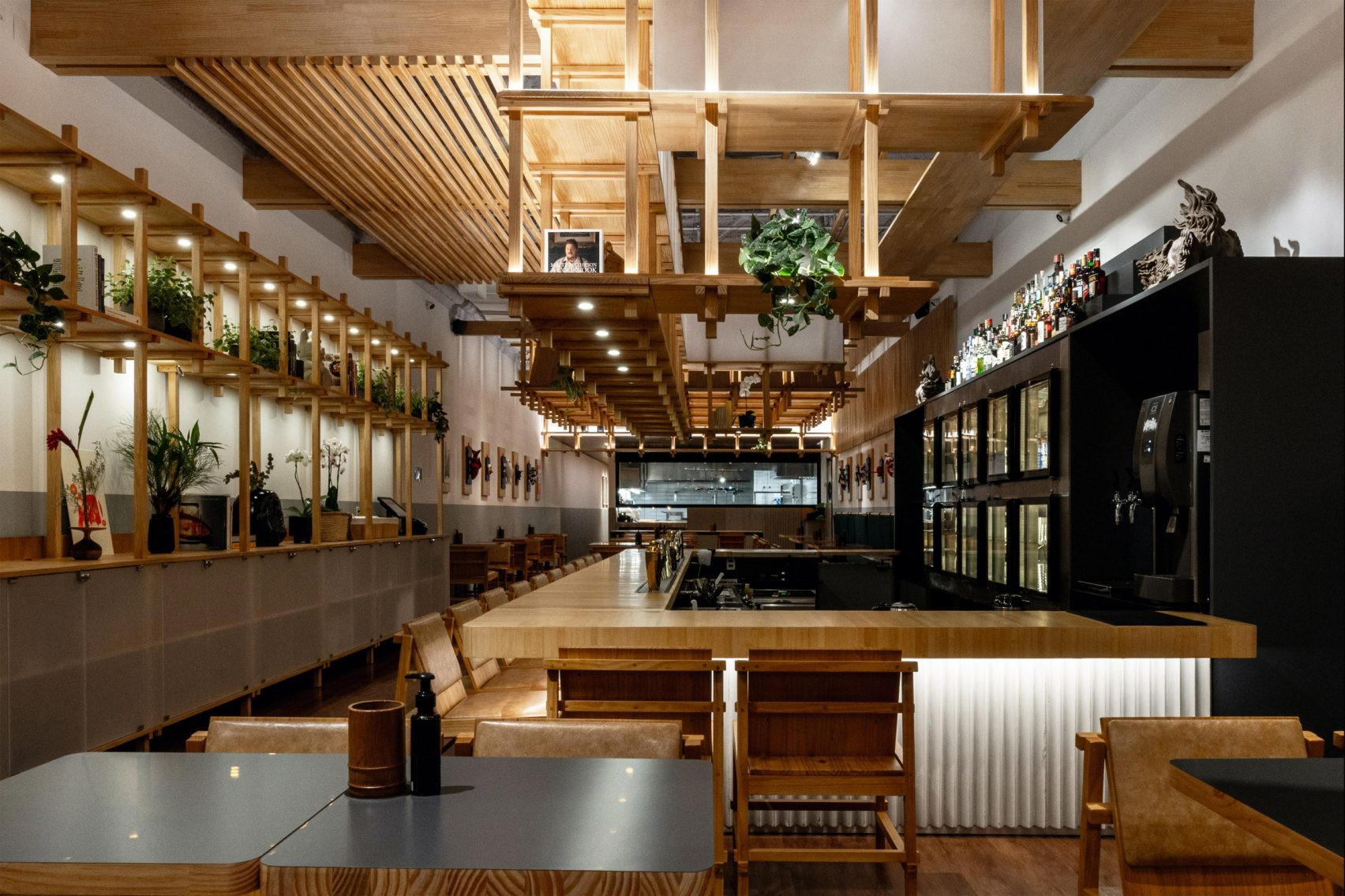
Hotel Chinese restaurant with an upscale yet warm atmosphere, combining traditional Chinese design elements and art with contemporary lighting and private rooms that feel calm and refined rather than noisy.