
China Sichuan Kinsui En brings Sichuan, Chinese hot pot, and tantan-men into Nagoya’s Amagasaka orbit with the credibility of Tabelog’s Chinese EAST 100 selection in 2026 and 2024. Its appeal is less about luxury signaling than about a compact, counter-including room where regional Chinese cooking earns serious attention at everyday Japanese restaurant prices.
Pearl is the En Primeur Club membership app — saves, bookings, and concierge access live there. Same editors, same standards.
- Address
- Japan, 〒462-0835 Aichi, Nagoya, Kita Ward, Sugimura, 1 Chome−1−7 ハートイン尼ケ坂 1F
- Phone
- +81 52-912-6699
- Website
- instagram.com
 Saves & bookings on Pearl
Amagasaka is not the stage Nagoya visitors usually choose for a serious Chinese meal, which is why the address matters. The setting is modest, near the station, and scaled for a small room rather than a hotel dining floor. That contrast gives China Sichuan Kinsui En its editorial interest: Sichuan cooking with recognized critical traction, delivered in a neighborhood format that reads local before destination dining.
Nagoya’s restaurant conversation often tilts toward miso-katsu, hitsumabushi, kishimen, and deep coffee-shop culture. Chinese cooking occupies a different register: less tied to visitor checklists, more to regular dining, family meals, and compact specialist shops. In that context, a Sichuan address appearing in Tabelog’s Chinese cuisine EAST 100 in both 2024 and 2026 is a meaningful signal. It places the restaurant in a judged field beyond Nagoya’s local habits and within eastern Japan’s broader Chinese dining circuit.
Sichuan recognition in a city better known for Nagoya-meshi
Read the award not as a trophy, but as a sorting mechanism. Tabelog’s Chinese EAST 100 tends to reward restaurants that make a clear case within the category, not places serving broad, crowd-safe Chinese menus. Here the listed categories are Sichuan, Chinese hot pot, and tantan-men, giving the kitchen a defined lane. The restaurant’s public positioning also points to Sichuan doubanjiang and Sichuan pepper, ingredients that matter because the cuisine depends on layered heat, fermented depth, and the numbing quality of ma rather than simple chilli force.
That specificity separates it from generic chuka dining, the Japanese-Chinese comfort category built around ramen, gyoza, fried rice, and set meals. Sichuan cooking in Japan can be softened into sweetness and heat without structure; better examples keep the balance between oil, bean paste, aromatics, and peppercorn lift. China Sichuan Kinsui En is interesting because its recognition comes in a casual price tier, not as a high-design tasting-menu restaurant. It is a useful reminder that serious regional cooking in Japan often lives outside the luxury frame.
Within Nagoya’s comparison set, price also changes the reading. TETRA CONTA sits in a lower listed bracket, Mitsumura occupies a higher everyday bracket, and La Violetta moves into a separate special-occasion tier. China Sichuan Kinsui En belongs to the affordable specialist category, where the decision is less about ceremony than whether a kitchen can justify attention through focus. That is the strongest argument for going: not grandeur, but category discipline backed by repeated recognition.
A compact specialist room, not a destination-drama restaurant
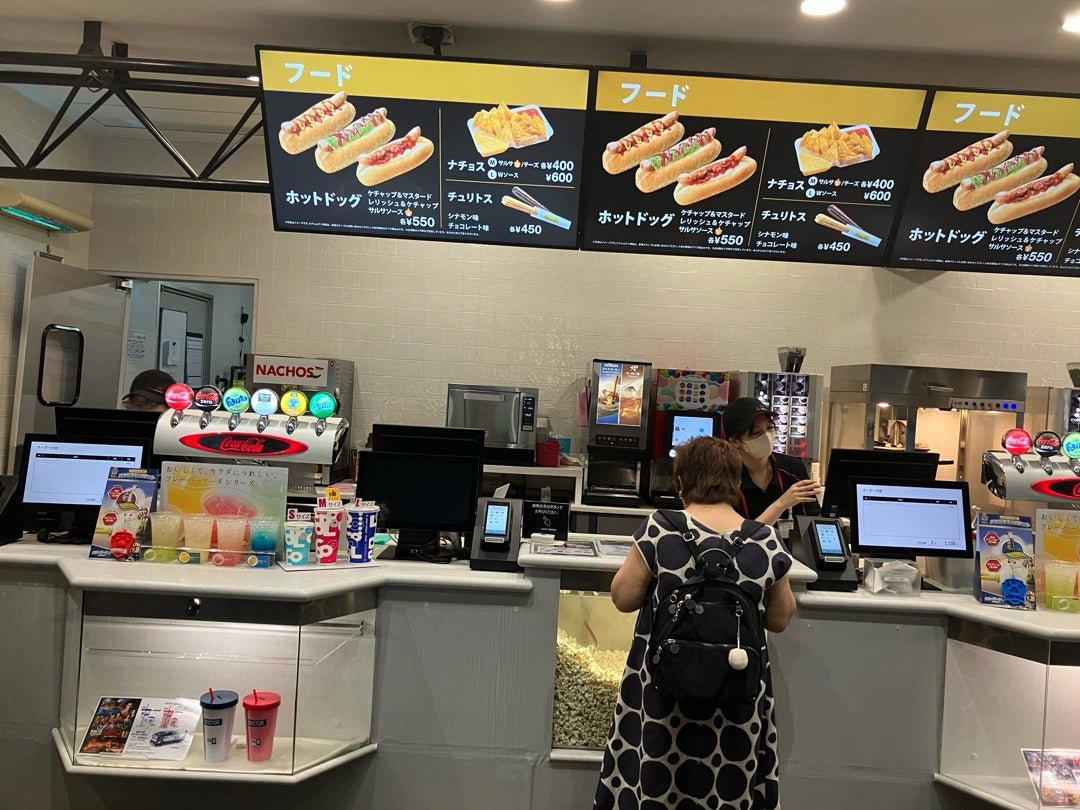
The room’s scale matters. Seventeen seats and counter seating place the experience closer to a neighborhood specialist than a banquet restaurant, even though private use is listed for groups up to 20. The small footprint shapes expectations. This is not a Chinese restaurant built around elaborate table theater or sprawling multi-family dining rooms. It is better read as a tightly run local address where the kitchen’s Sichuan identity does the heavy lifting.
The restaurant is marked as family friendly and solo dining friendly, a pairing that says a lot about the Japanese format. Counter seats suit one-person meals, while accessible pricing keeps it in reach for families rather than only enthusiasts chasing award lists. Children are welcome, and private rooms are not part of the setup, so the atmosphere should be read as informal and close-range rather than hushed. For a visitor, that distinction is useful: this is a place to fold into a Nagoya day, not a room for an evening of ceremony.
Strongest order, based on public category signals, should stay within its Sichuan frame: Sichuan dishes, hot pot, and tantan-men rather than treating the menu as a general Chinese safety net. Public descriptions also note an emphasis on fish, another point of interest in a city where many visitors default to meat-heavy local staples. No single dish needs to carry the argument. The case rests on Sichuan technique, compact scale, and repeat recognition suggesting category consistency.
How to place it in a Nagoya itinerary
For travelers using Nagoya as more than a rail junction, this address widens the city’s dining map beyond the usual central-area circuit. Amagasaka sits away from the densest visitor corridors, so the meal makes most sense for readers comfortable moving by local rail or taxi rather than staying pinned to Nagoya Station. The address is also practical for a lower-stakes meal: prices are listed in the JPY 1,000 to JPY 1,999 range for both lunch and dinner, a rare bracket for a restaurant with this kind of Tabelog category recognition.
Payment and planning deserve attention because the format is casual rather than international-hotel polished. Credit cards and electronic money are not accepted, while PayPay is listed; visitors without Japanese mobile payment access should treat cash as the sensible default. Reservations are available, and arrivals more than 10 minutes late may be canceled, consistent with a small room where one empty table affects service. Parking is not available, another reason to approach it as a rail-linked neighborhood meal.
Readers building a broader Nagoya plan can place the restaurant alongside other local choices such as 1022, 451, Aaron, Alan., and All Day Dining Montmartre. For a wider city read, use Our full Nagoya restaurants guide, then cross-check the trip with Our full Nagoya hotels guide, Our full Nagoya bars guide, Our full Nagoya wineries guide, and Our full Nagoya experiences guide. Readers comparing Japanese casual-specialist formats beyond Aichi can also look at -Grilled beef Sukiyaki- KAMAKURA TANUKIAN 鎌倉 たぬき庵 in Kamakura. 鮪と炭火焼き うお炭 秋葉原店 in Tokyo.cafe in Osaka.know in Kumamoto, (Shoku) Vietnam in Kawasaki, [Curry Senmon Ten] Maruyama Kyoju. in Sapporo, Jōdo Saké Bar in Los Angeles, and Onigiri Time in Pasadena.
Cuisine Context
Comparable venues in the metro at similar price points.
| Venue | Cuisine | Price | Notes |
|---|---|---|---|
| China Sichuan Kinsui EnThis venue — the venue you are viewing | Authentic Sichuan Chinese | $$ | Not listed |
| Nanohana | Cozy Neighborhood Chinese | $$ | Chikusa |
| Chinese Sai Tanaka | Chinese Tantan-men & noodle shop | $$ | Midori |
| Chinese Meisai Rekishin | Chinese Fine Dining | $$$ | Nishi |
| toraneko | Cantonese-inspired Creative Chinese | $$$ | Higashi |
| Chuka Kappo Warajin | Chinese kappo with Japanese sensibility | $$$ | Nakamura |
Recognition history
Dated appearances from independent guides and award organizations, with the underlying list record or original source where available.
Tabelog 100 #78 · No. 78
Tabelog · Tabelog 100 - Chinese cuisine - EAST - 2026
Continue exploring
More in Nagoya
Restaurants in Nagoya
Browse all →

At a Glance
- Cozy
- Lively
- Family
- Group Dining
- Casual Hangout
- Solo
- Standalone
Current opening hours
- Monday
- Closed
- Tuesday
- 11 AM–1:30 PM, 5:30–9 PM
- Wednesday
- 11 AM–1:30 PM, 3:30–9 PM
- Thursday
- 11 AM–1:30 PM, 5:30–9 PM
- Friday
- 11 AM–1:30 PM, 3:30–9 PM
- Saturday
- 11 AM–1:30 PM, 5:30–9 PM
- Sunday
- 11 AM–1:30 PM, 5:30–9 PM
Hours can change for holidays and private events. Last verified .
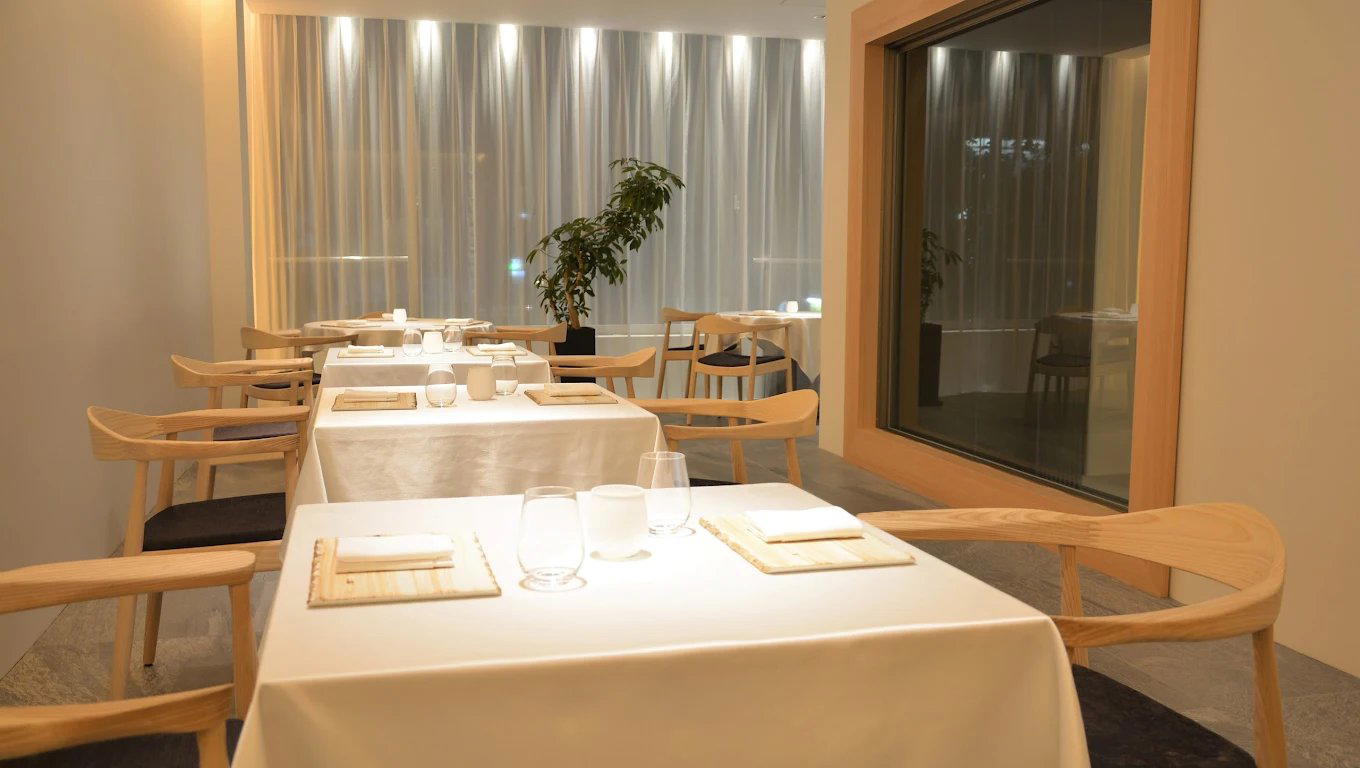
A compact, neighborhood Chinese restaurant atmosphere with simple décor and a relaxed, homely feel, focused on hearty Sichuan dishes rather than design-driven interiors.