Musume
On Flora Street in Dallas's Arts District, Musume occupies a dining tier where Japanese culinary tradition meets the cultural ambition of one of Texas's most rapidly evolving restaurant corridors. The address at 2330 Flora St places it within walking distance of the Nasher Sculpture Center and the Wyly Theatre, a neighbourhood that increasingly anchors Dallas's serious dining conversation alongside neighbours like Tatsu Dallas and Mamani.
 Discover on Pearl
Pearl is the En Primeur Club membership app — saves, bookings, and concierge access live there. Same editors, same standards.
- Address
- 2330 Flora St #100, Dallas, TX 75201
- Phone
- +12148718883
- Website
- musumedallas.com
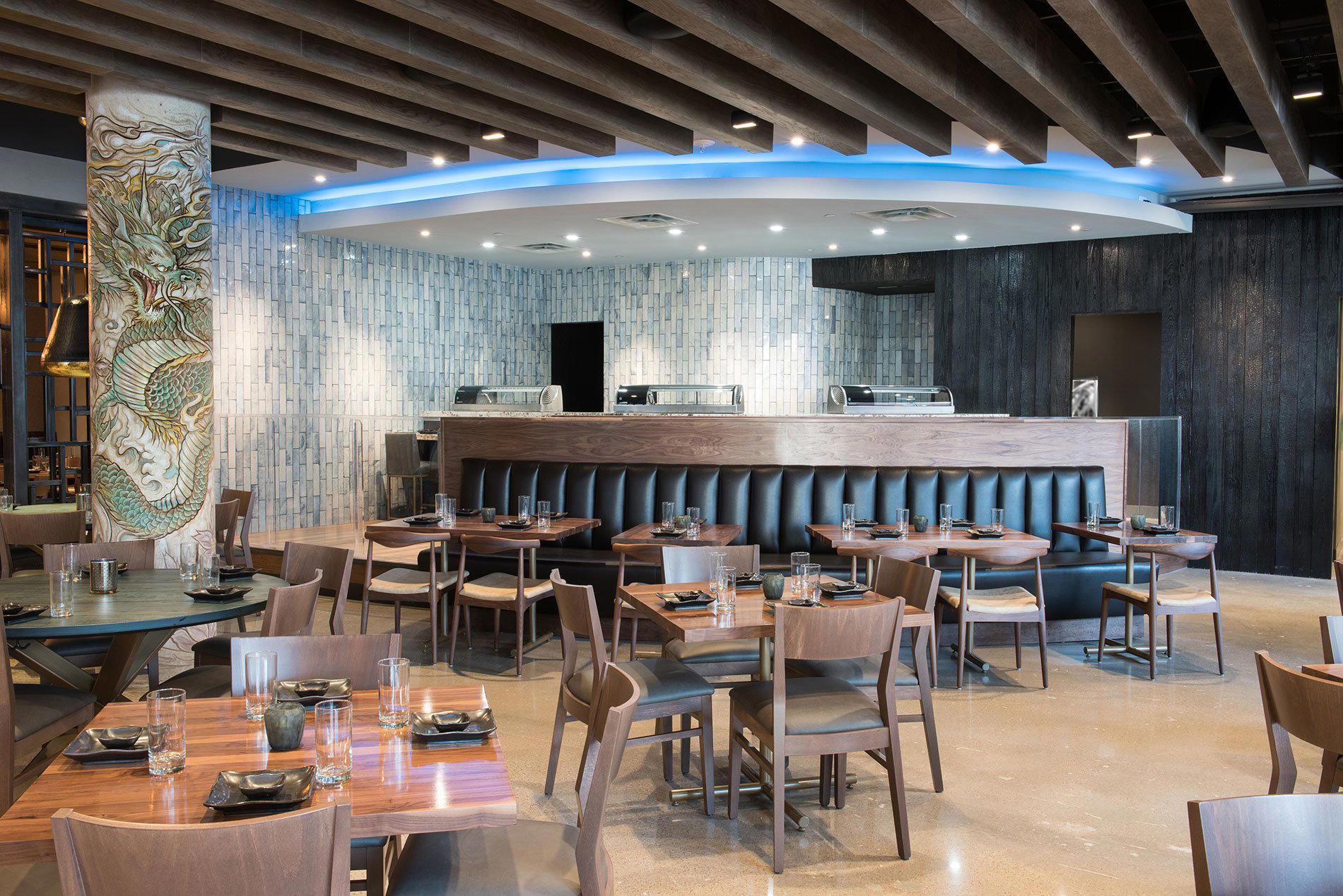
Where Flora Street's Cultural Ambitions Meet Japanese Tradition
Dallas's Arts District has spent the better part of a decade positioning itself as something more than a museum corridor. The stretch of Flora Street running past the Nasher Sculpture Center and the AT&T; Performing Arts Center now anchors a dining scene where the architecture of the neighbourhood, all poured concrete and curated public space, sets expectations that the restaurants on it have had to meet. Musume, at 2330 Flora St, is a Japanese restaurant in Dallas's Arts District with a price point around $60 per person, and the surrounding context does a great deal of the framing before a guest walks through the door.
Japanese dining in Dallas has historically clustered around two poles: the fast-casual end of the market and a handful of higher-end izakaya and omakase formats that draw heavily from the city's professional class. Tatsu Dallas represents the latter category at its most deliberate, with a Japanese format built around sustained sourcing discipline. Musume enters that conversation from the Flora Street address, a location that carries its own gravitational pull toward a more gallery-minded, occasion-driven guest.
The Cultural Architecture of Japanese Dining in Texas
Understanding what a restaurant like Musume represents in Dallas requires some sense of how Japanese culinary traditions have travelled, and what gets retained or reinterpreted in the process. Japan's food culture operates on principles of seasonality, sourcing specificity, and format integrity that are difficult to replicate at scale outside of Japan. The omakase model, for instance, survives transplantation leading when the sourcing relationships and counter discipline remain intact. Izakaya formats, by contrast, travel more fluidly, because their social structure adapts to different hospitality cultures without losing the essential logic of small plates, drink pairing, and extended sitting time.
Across the American dining scene, the cities that have absorbed Japanese food culture most seriously, New York, Los Angeles, San Francisco, have done so by building density: enough venues in the same tier that the traditions can reference each other and sharpen collectively. Dallas is at an earlier stage of that process. The presence of serious Japanese dining addresses on Flora Street and the surrounding Arts District marks a genuine shift. For context on how Japanese-influenced ambition plays out at the highest American levels, Atomix in New York City demonstrates what happens when Korean-Japanese culinary dialogue becomes the organising principle of a fine dining program, a useful point of comparison for any Arts District restaurant drawing on East Asian traditions.
Flora Street in the Broader Dallas Dining Conversation
The Flora Street address places Musume in immediate proximity to some of Dallas's more considered dining options. Mamani operates in the same neighbourhood with its own distinct culinary identity, and the district has developed enough critical mass that a pre-theatre or post-gallery dinner in the Arts District is now a complete proposition rather than a compromise. That density matters: guests who plan an evening around the Wyly or the Winspear can now build a dining sequence, whether that means a lighter start at 360 Brunch House or a more committed sit at a higher-price-tier address.
The Arts District comparable set also includes 3Eleven Kitchen and Cocktails, which operates in the zone between casual and occasion-driven dining that much of the corridor occupies. For guests coming from the steakhouse and Southwestern traditions that have long defined Dallas dining, addresses like 12 Cuts Brazilian Steakhouse represent a different protein-focused register entirely. Musume's Japanese framework positions it as a counterpoint to that tradition: lighter technique, different sourcing logic, and a format that rewards slower eating.
How Dallas Compares to America's Serious Dining Cities
Dallas has spent years building toward a dining culture that can sit alongside Chicago, San Francisco, and New York without apology. The city now has addresses that would hold their own in any American market. Nationally, the reference points for serious American fine dining include Le Bernardin in New York City, Alinea in Chicago, The French Laundry in Napa, and Lazy Bear in San Francisco. At the farm-sourcing end of that spectrum, Single Thread Farm in Healdsburg and Blue Hill at Stone Barns in Tarrytown represent what happens when sourcing becomes the structural logic of the entire dining program. Dallas is not yet producing that tier of venue at volume, but the Arts District concentration suggests the city is closing the gap.
For comparison across the Southern and Southwestern markets, Emeril's in New Orleans has long represented a certain kind of serious American regional cooking. Further west, Providence in Los Angeles and Addison in San Diego anchor the California end of the precision dining conversation. The Inn at Little Washington remains one of the most sustained expressions of American fine dining ambition on the East Coast. Against that national backdrop, Dallas's Japanese dining tier, including Musume's Flora Street address, represents a genuine entry point into a conversation that the city is taking increasingly seriously.
International context is also worth noting. The kind of Japanese-European culinary dialogue that 8 1/2 Otto e Mezzo Bombana in Hong Kong exemplifies in Asia has influenced how Japanese culinary traditions travel globally, including how they settle into American cities at some distance from either coast.
Know Before You Go
Neighbourhood: Arts District
Nearby landmarks: Nasher Sculpture Center, AT&T; Performing Arts Center, Wyly Theatre
Price range: About $60 per person
Reservations: Recommended
Leading approach: Smart casual attire fits the room
Recognition, Side-by-Side
Comparable venues nearby, for context on price, style, and recognition.
| Venue | Cuisine | Price | Awards | Notes |
|---|---|---|---|---|
| MusumeThis venue — the venue you are viewing | Modern Japanese Sushi and Fusion | $$$ | , | |
| Manpuku Japanese BBQ Dallas | Japanese Yakiniku BBQ | $$$ | , | Belmont |
| Little Katana | Asian-Fusion Sushi | $$$ | , | Uptown |
| Avanti Restaurant | Italian-Mediterranean | $$$ | , | State Thomas |
| Montlake Cut | Pacific Northwest Seafood | $$$ | , | Devonshire |
| Cafe Nubia | Mediterranean & African Fusion | $$$ | , | Timberglen |
Continue exploring
More in Dallas
Restaurants in Dallas
Browse all →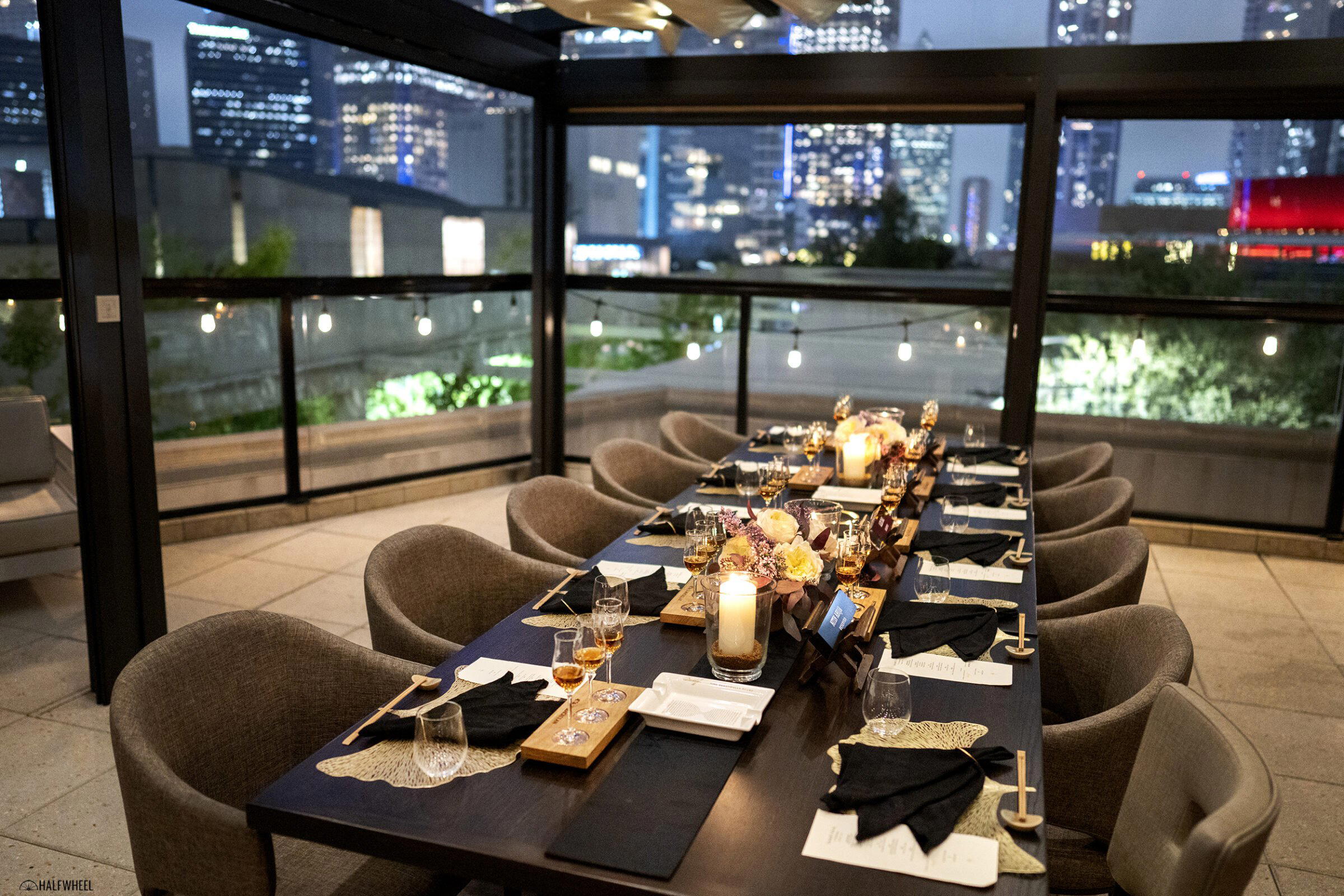
Bars in Dallas
Browse all →
Hotels in Dallas
Browse all →
At a Glance
- Modern
- Trendy
- Sophisticated
- Date Night
- Group Dining
- Special Occasion
- Private Dining
- Sake Program
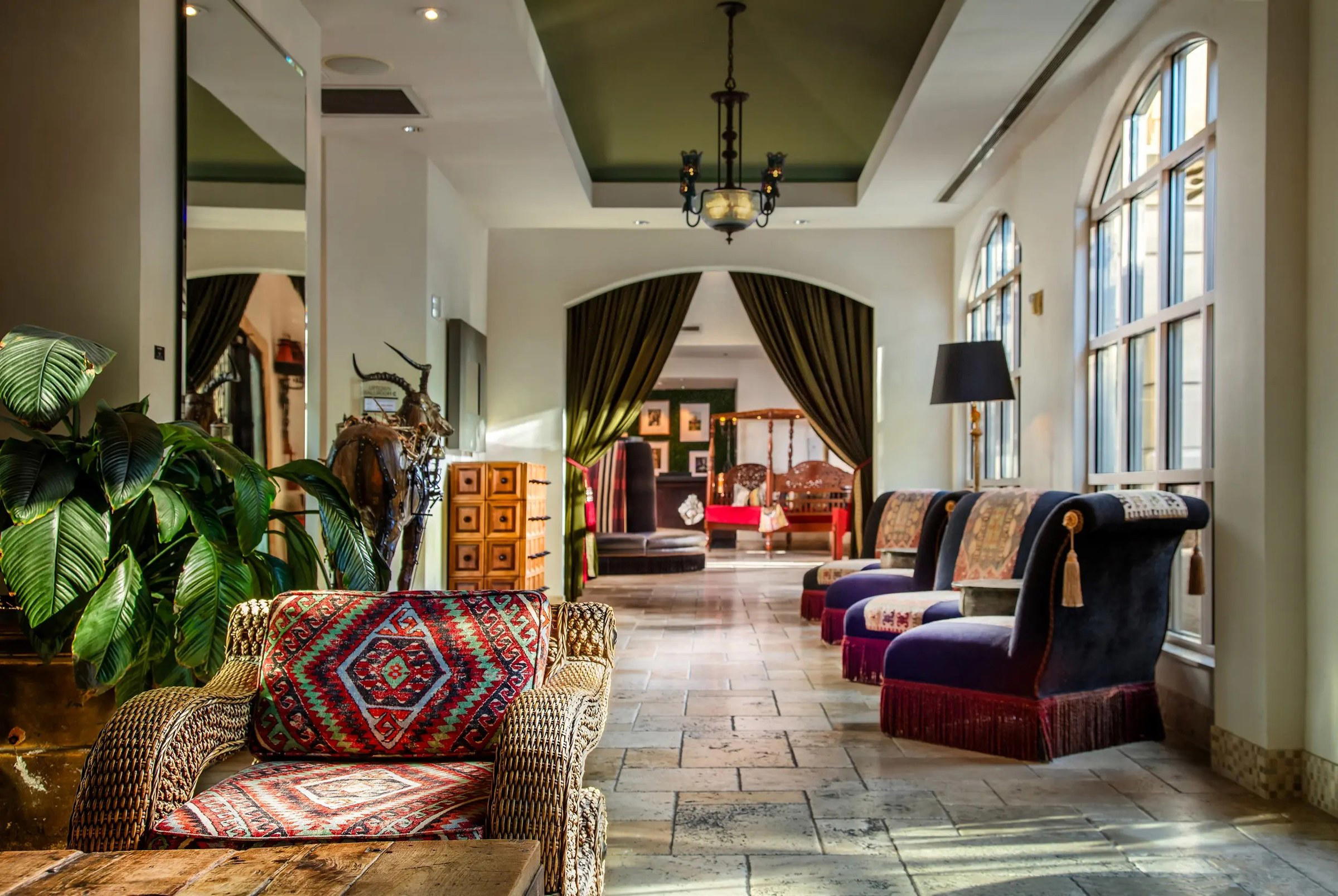
Relaxed, cool, modern dining room with moody, romantic atmosphere and beautiful lounge decor.