Manpuku Japanese BBQ Dallas
Our verdict
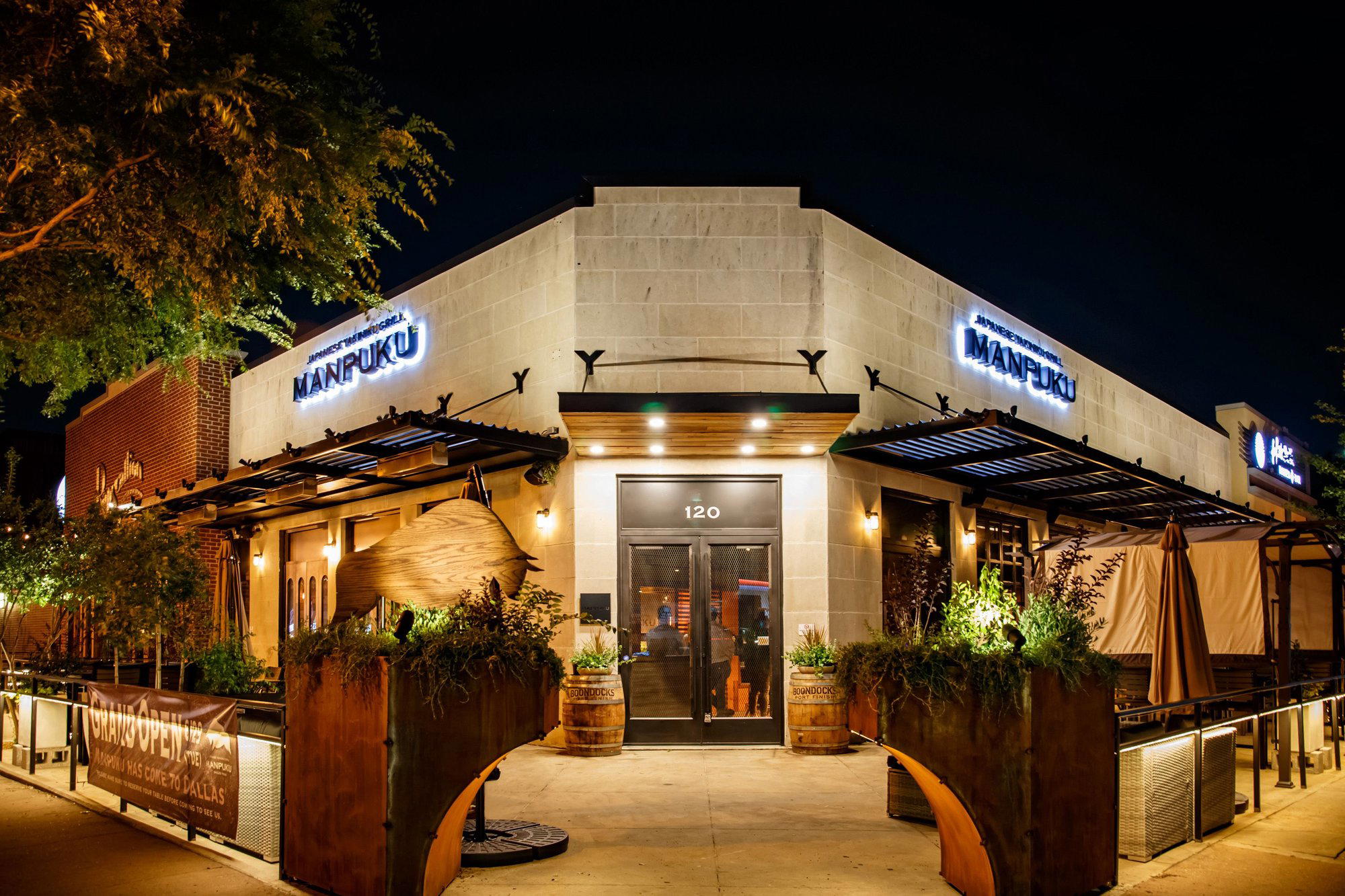
Manpuku Japanese BBQ Dallas focuses on Japanese yakiniku BBQ, with an open kitchen, sake program, and dinner as the clear meal fit on Greenville Avenue.

Pearl is the En Primeur Club membership app, where members save venues, book tables and use the concierge.
The menu
What to order
- Tokyo Style Beef Tongue
- Negi Shio Yakiniku
Greenville Avenue After Dark: The Case for Japanese BBQ in Dallas
On the Lower Greenville strip, where the foot traffic runs late and the dining options cycle through genres quickly, Manpuku Japanese BBQ occupies 2023 Greenville Ave with a format that asks something specific of its guests: engagement. Japanese barbecue, or yakiniku, is not passive dining. Diners cook their own meat over a tabletop grill, managing heat and timing themselves, which changes the social rhythm of a meal in ways that more conventional restaurant formats do not. In a city where the dining conversation often centres on Southwestern steakhouse traditions or the Italian-leaning dining rooms of Bishop Arts, Manpuku represents a different mode of eating out entirely.
Where the Format Fits in Dallas's Broader Grill Tradition
Dallas has a legitimate claim to grill culture. The city supports a serious steakhouse tier, a competitive barbecue scene anchored by places like Cattleack Barbeque, and a growing Japanese dining presence that runs from soba counters to omakase rooms. Yakiniku sits at a specific intersection of those traditions: it shares the protein-forward focus of Texan grill culture but imports Japanese precision in butchery, cut selection, and dipping sauce composition. For anyone arriving from a meal at Tatsu Dallas, where the Japanese dining sensibility runs through a more formal tasting format, Manpuku offers a looser, more participatory alternative within the same culinary tradition.
Compared to the Korean BBQ format, which shares the tabletop grill mechanic but differs sharply in marinade tradition and banchan structure, yakiniku tends toward thinner cuts, more restrained seasoning, and a heavier emphasis on the quality of the base ingredient over the sauce. That difference matters when planning a meal: at a yakiniku table, the meat is the variable worth focusing on, not the condiment array.
The Logistics of Eating Here
Lower Greenville operates on a different planning logic than, say, the West Village or Uptown. Parking requires patience on weekend evenings when the strip is at capacity, and the neighbourhood draws a mixed crowd that skews younger than the Katy Trail dining corridor. For visitors who want to anchor Manpuku into a broader Dallas evening, the surrounding stretch of Greenville offers enough before-and-after options to build a full itinerary. Nearby venues like 360 Brunch House and 3Eleven Kitchen and Cocktails frame the neighbourhood's range. For a broader read of where this fits in the city's dining picture, the full Dallas restaurants guide maps the competitive set across neighbourhoods and cuisines.
On the reservation question: yakiniku restaurants in this price and format tier in American cities often run a walk-in option alongside a reservations track, but the Friday-Saturday window on Greenville is competitive.
What the Menu Logic Demands
At a yakiniku table, ordering strategy matters more than at a conventional restaurant. The format rewards incremental ordering: beginning with leaner cuts to calibrate the grill, progressing to fattier pieces as confidence with the heat builds, and finishing with something that benefits from a rested, well-seasoned grate. Rushing through a single large order at the outset rarely produces the leading results. That progression logic is worth knowing before you sit down, particularly for diners more familiar with Korean BBQ's communal all-at-once style.
Dallas's own Japanese scene, anchored by counters like Tatsu Dallas, has developed enough critical mass that yakiniku represents a logical extension rather than a novelty. Diners curious about how different formats compare across the premium American dining tier can cross-reference with venues like Le Bernardin in New York City, Alinea in Chicago, Lazy Bear in San Francisco, The French Laundry in Napa, Providence in Los Angeles, Blue Hill at Stone Barns in Tarrytown, Addison in San Diego, The Inn at Little Washington, Single Thread Farm in Healdsburg, Emeril's in New Orleans, or 8 1/2 Otto e Mezzo Bombana in Hong Kong to understand where participatory format dining sits relative to the tasting-menu tier.
Within Dallas's Japanese dining options, Manpuku occupies a distinct format tier. The city's upper end of Japanese dining runs through izakaya-style venues like Tatsu Dallas and Tei-An, where the price and formality are calibrated accordingly. Yakiniku, as a format, typically sits in a middle band: the experience is participatory and social rather than chef-driven, which affects both the price logic and the appropriate group size. Manpuku's Greenville address also places it geographically apart from the Uptown and Arts District dining clusters, which influences both the crowd it draws and the walk-in accessibility relative to venues in denser, higher-rent corridors.
For those building a broader Dallas dining programme, the city offers strong alternatives across categories. Mamani and 12 Cuts Brazilian Steakhouse represent two different takes on the grill-centred dining format, and both serve as useful points of comparison when thinking about what differentiates the yakiniku approach from Western grill traditions. The participatory element of yakiniku tends to lengthen the meal and increase the conversational quality of the table, which makes it a strong option for groups that want a dinner to run at its own pace rather than be orchestrated by kitchen timing.
Planning Your Visit
The Greenville Ave address is accessible by car, with street parking available along and adjacent to the strip, though weekend evenings tighten supply. The neighbourhood operates late, which makes Manpuku viable for a later seating if the evening schedule demands flexibility. Diners with dietary restrictions or allergy concerns should contact the venue in advance rather than relying on menu assumptions: yakiniku marinades and dipping sauces frequently contain sesame, soy, and other allergens that may not be immediately visible in a menu description. For the most current hours, booking options, and contact details, checking directly with the restaurant is the reliable approach, as third-party listing data in this category can lag behind operational changes.
Frequently asked questions
What should I eat at Manpuku Japanese BBQ Dallas?
Yakiniku dining rewards a sequenced approach: start with leaner cuts to get a feel for the grill heat, move toward fattier options as the session progresses, and use the dipping sauces as accent rather than as the central flavour. The strongest version of a yakiniku meal is one where the quality of the base cuts carries the experience. For context on how Japanese cuisine is represented across Dallas, Tatsu Dallas operates in the same culinary tradition at a different format and price tier.
Do I need a reservation for Manpuku Japanese BBQ Dallas?
Walk-ins are often feasible for small parties on weeknights and earlier weekend seatings, but Greenville Ave draws significant foot traffic on Friday and Saturday evenings. Groups of three or more planning a weekend dinner should attempt to book ahead. The venue sits in a competitive dining strip where wait times can extend without a booking, particularly after 7 pm. For a broader sense of Dallas dining logistics, the full Dallas restaurants guide provides neighbourhood context.
What is Manpuku Japanese BBQ Dallas leading at?
The format itself is the primary draw: a tabletop grill experience grounded in Japanese yakiniku tradition, where diners control the cook and the pace of the meal. Within Dallas's Japanese dining tier, which includes formal izakaya counters and soba-focused venues, the interactive grill format occupies a specific niche that differs from both the tasting-menu model and the casual ramen or sushi categories. For a different angle on Japanese dining in the city, Tatsu Dallas represents the more chef-directed end of the spectrum.
How does Manpuku Japanese BBQ Dallas handle allergies?
Yakiniku formats typically involve marinades and sauces that contain common allergens including soy, sesame, and sometimes wheat. Do not rely on menu boards or third-party descriptions to catch specific allergens: a direct conversation with the kitchen is the appropriate step for anyone managing a serious allergy in this format. Dallas's dining scene across categories, including venues like Mamani, has become more allergy-aware in recent years, but yakiniku-specific protocols vary by operator.
Does Manpuku Japanese BBQ Dallas justify its prices?
Price justification in the yakiniku format depends heavily on cut quality and the participatory experience value rather than kitchen labour or tasting-menu architecture. Japanese BBQ, when the sourcing is honest, delivers value through ingredient transparency: the diner sees exactly what they are cooking. Compared to the $$$$ tier occupied by Dallas's leading Japanese dining options, yakiniku typically runs in a middle band where the social format and meat quality carry the equation. For a calibration point at the upper end of Dallas dining, Tatsu Dallas operates at the premium tier.
How does Manpuku compare to Korean BBQ options in Dallas?
The comparison comes up often because both formats share the tabletop grill mechanic, but the culinary logic diverges in important ways. Yakiniku, the Japanese tradition Manpuku draws from, emphasises thinner cuts, less aggressive marination, and a stronger emphasis on the base ingredient's own character. Korean BBQ, by contrast, tends toward bolder marinades, a wider array of accompaniments, and a more communal table style. For Dallas diners who have experience with the Korean BBQ format concentrated in the Carrollton and Plano corridors north of the city, Manpuku on Greenville Ave offers a useful point of comparison that sits within the same grill-at-table category but operates by different flavour and structural principles.
Recognition Snapshot
Comparable venues nearby, for context on price, style, and recognition.
| Venue | Cuisine | Price | Awards | Notes |
|---|---|---|---|---|
| Manpuku Japanese BBQ DallasThis venue (the venue you are viewing) | Japanese Yakiniku BBQ | $50–100 | Not listed | Not listed |
| Black Ship Little Katana | Contemporary Asian Fusion with Japanese Sushi | $30–50 | Not listed | Reunion District |
| 4525 Cole Ave | Asian-Fusion Sushi & Steakhouse | $50–100 | Not listed | Oak Lawn |
| Haywire | Texas Farm-to-Fork Steakhouse | $30–50 | Not listed | Victory Park |
| Little Blue Bistro | Seasonal European-leaning Wine Bar & Bistro | $50–100 | Wine Enthusiast Best Wine Restaurants | Bishop Arts District |
| Ramble Room | Classic American Bistro | $30–50 | Not listed | Greenville Ave |
Continue exploring
More in Dallas
Restaurants in Dallas
All restaurants in Dallas →
Bars in Dallas
All bars in Dallas →

Details
- Lively
- Trendy
- Modern
- Group Dining
- Casual Hangout
- Celebration
- Open Kitchen
- Sake Program
- A La Carte
- Prix Fixe
- Sake
- Japanese Beer
Current opening hours
- Monday
- Closed
- Tuesday
- 5–10 PM
- Wednesday
- 5–10 PM
- Thursday
- 5–10 PM
- Friday
- 5–11 PM
- Saturday
- 5–11 PM
- Sunday
- 5–10 PM
Hours can change for holidays and private events. Hours as of .
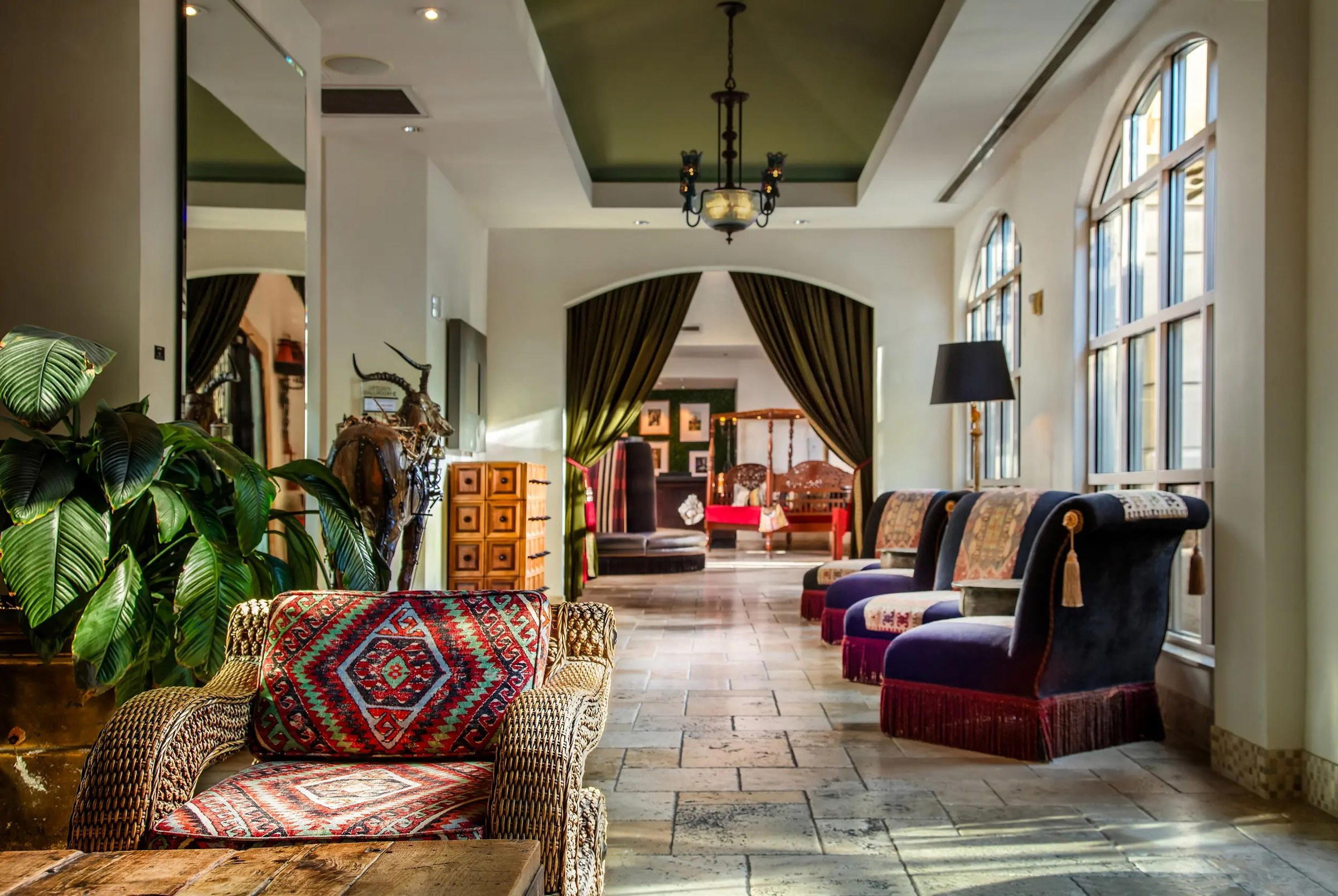
Energetic and interactive atmosphere centered around tableside grilling with warm Japanese hospitality.