Fearing's




Fearing's at The Ritz-Carlton Dallas sits at the serious end of the city's Southwestern dining tier, earning consecutive Michelin Plate recognition in 2024 and 2025 and an Opinionated About Dining North America ranking. Chef Dean Fearing draws on Southern and barbecue traditions rooted in regional sourcing, placing the restaurant firmly in Dallas's premium American dining conversation.
Pearl is the En Primeur Club membership app — saves, bookings, and concierge access live there. Same editors, same standards.
- Address
- 2121 McKinney Ave, Dallas, TX 75201
- Phone
- (214) 922-4848
- Website
- fearingsrestaurant.com
- Directions
- Get directions
 Saves & bookings on Pearl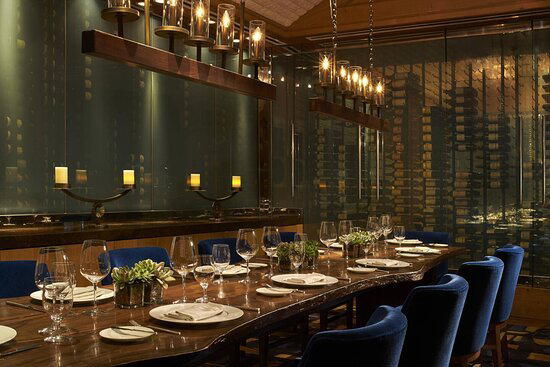
Where the Southwest Comes to the Table
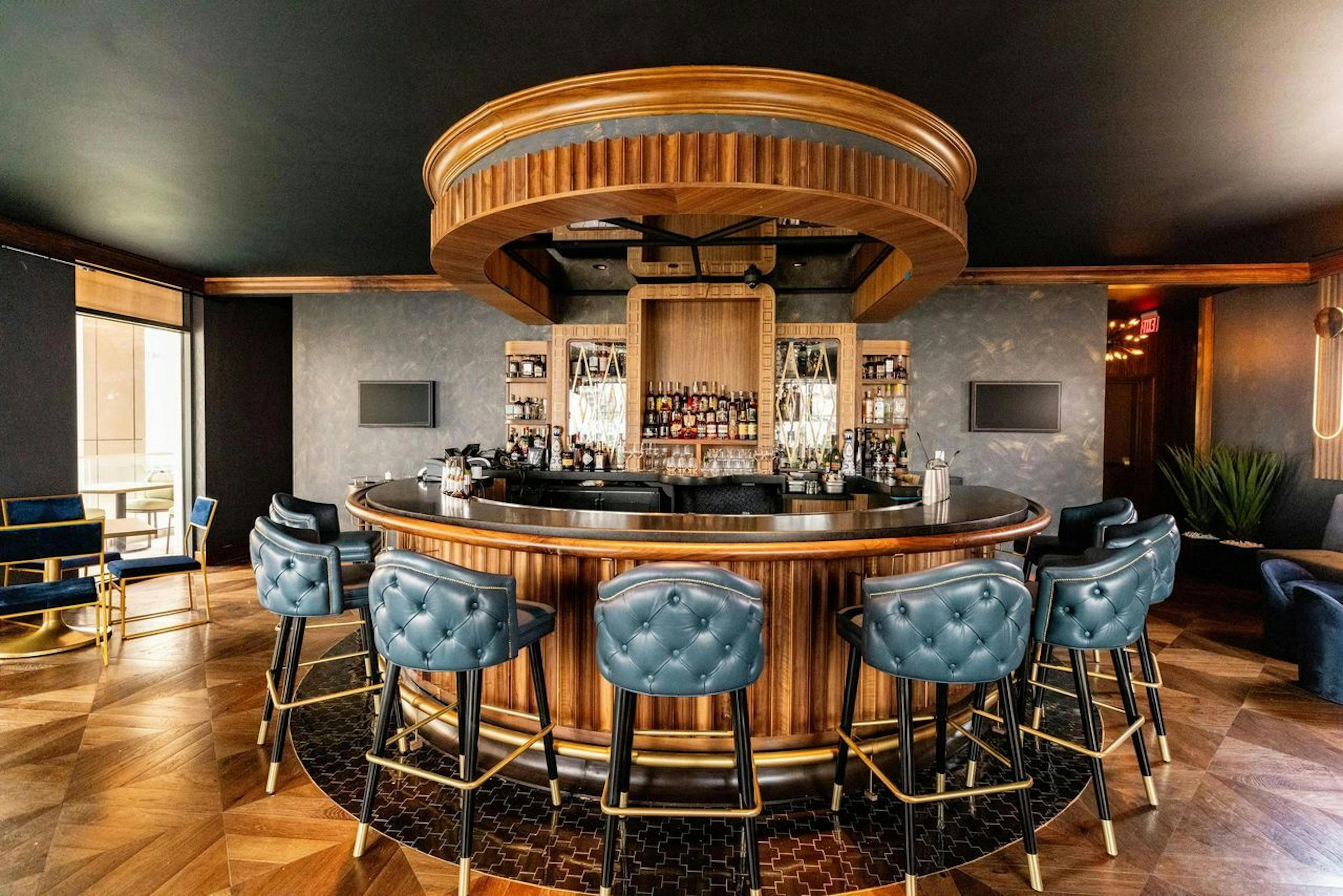
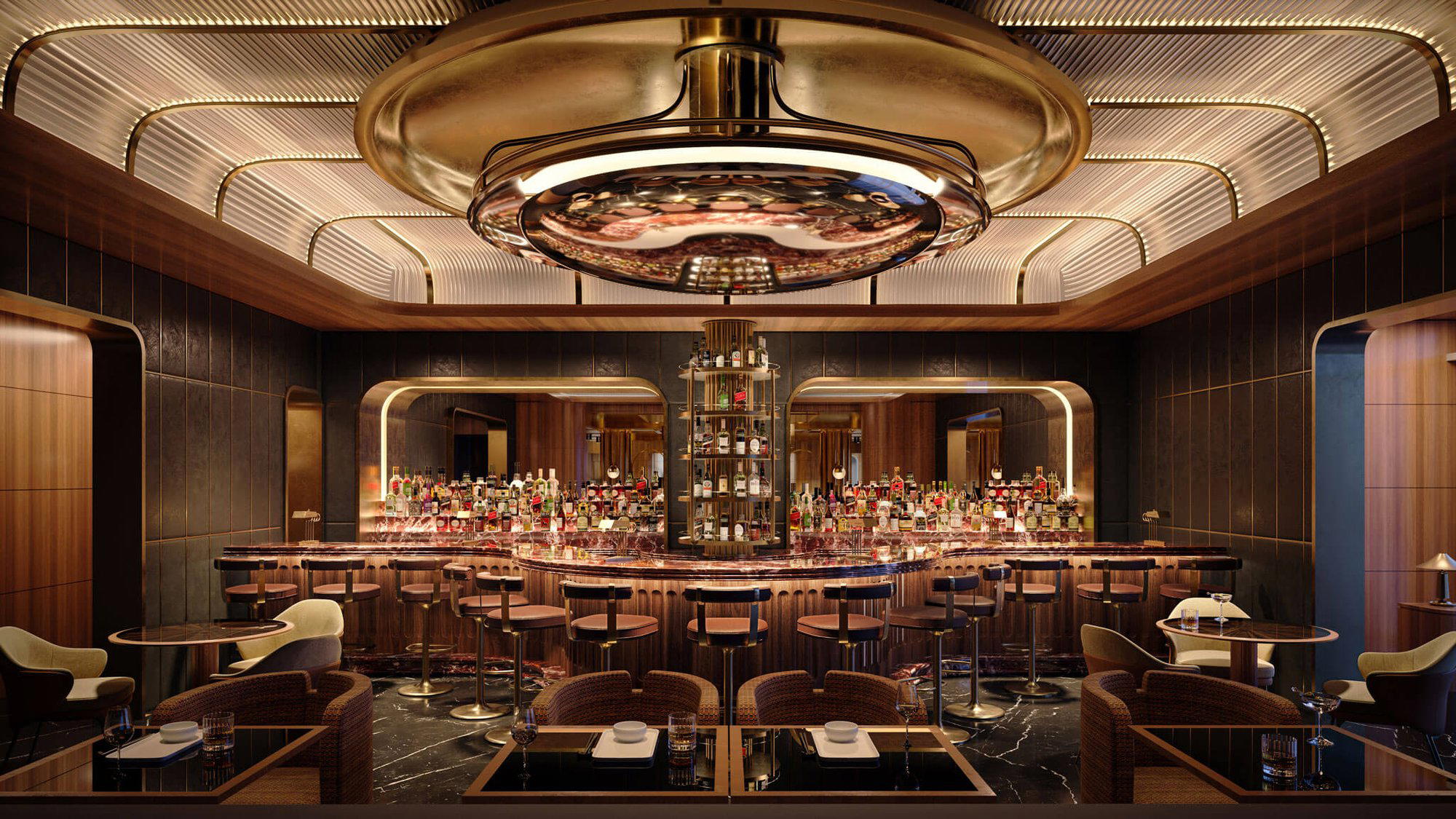
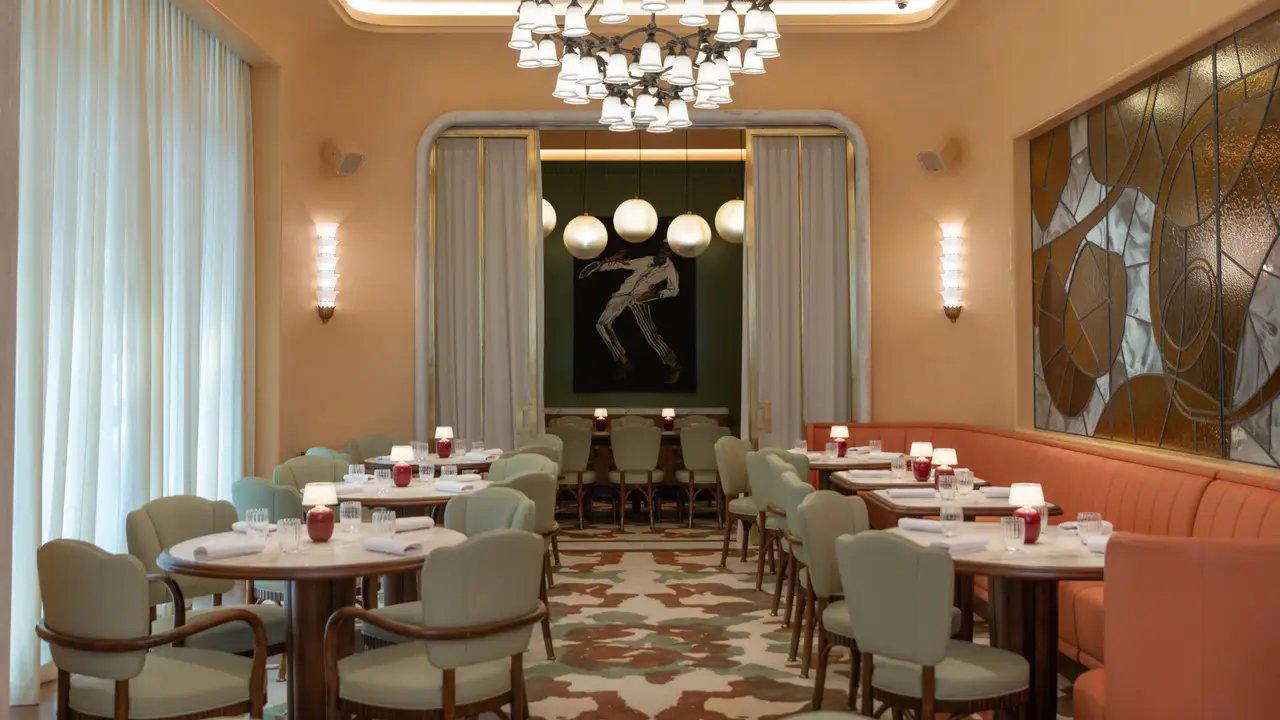
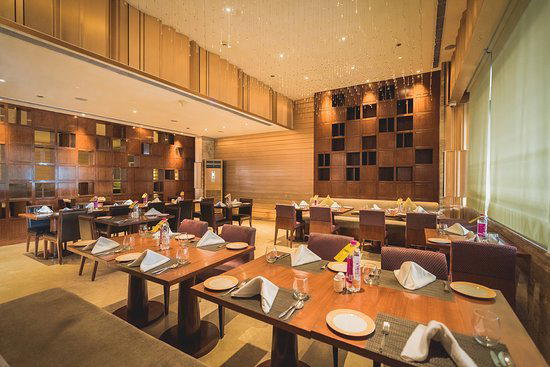
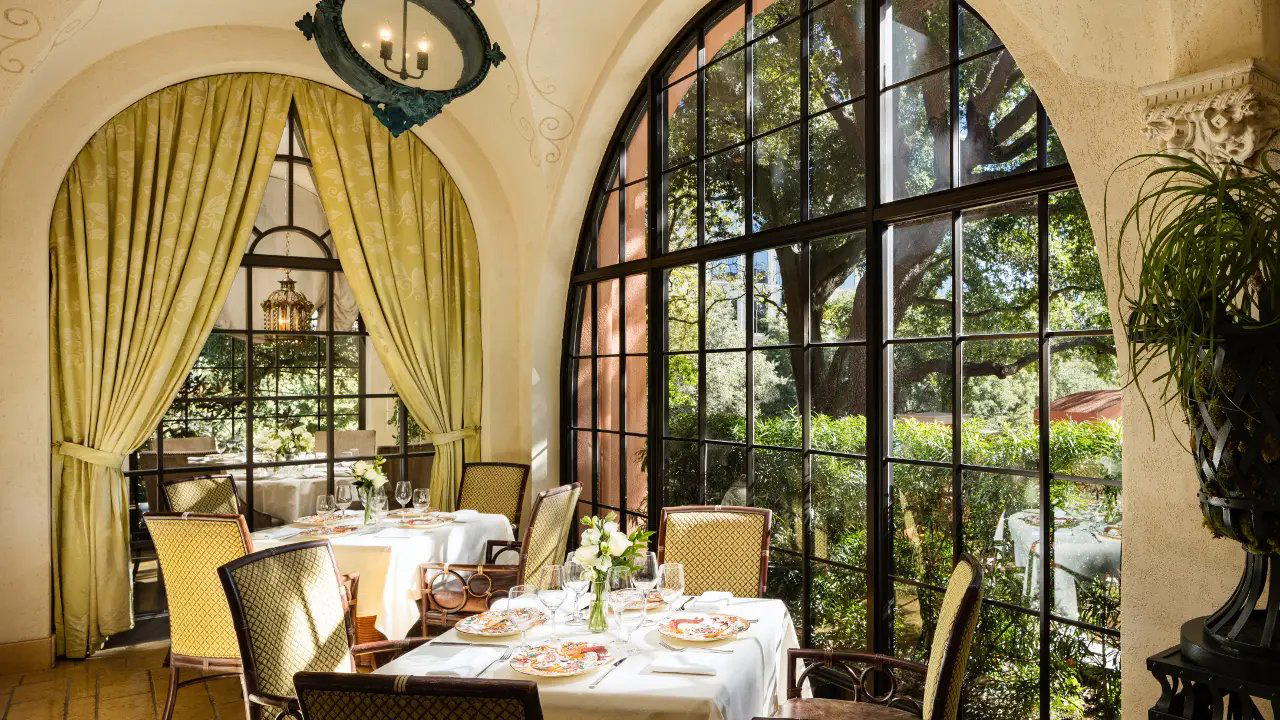
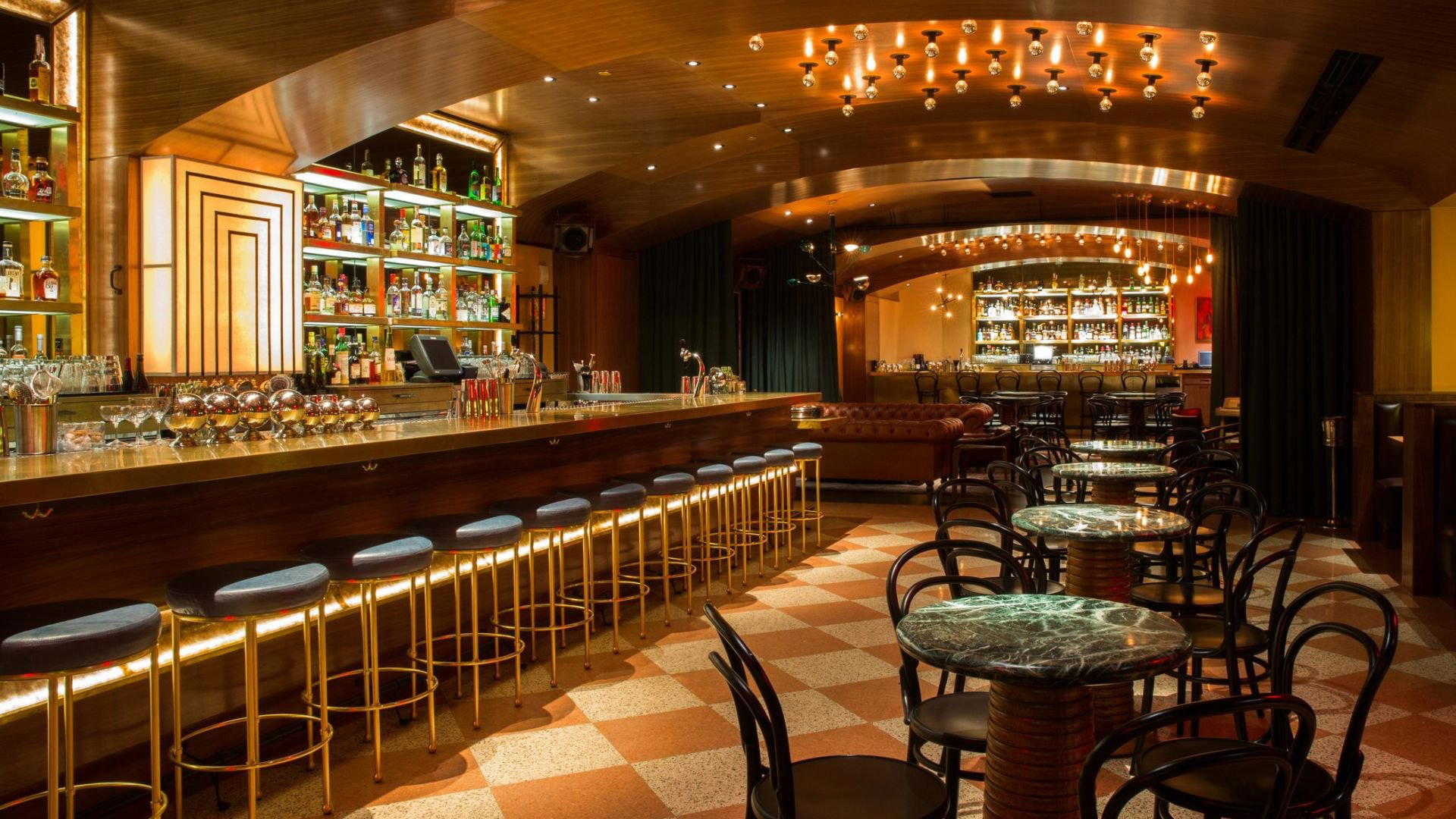
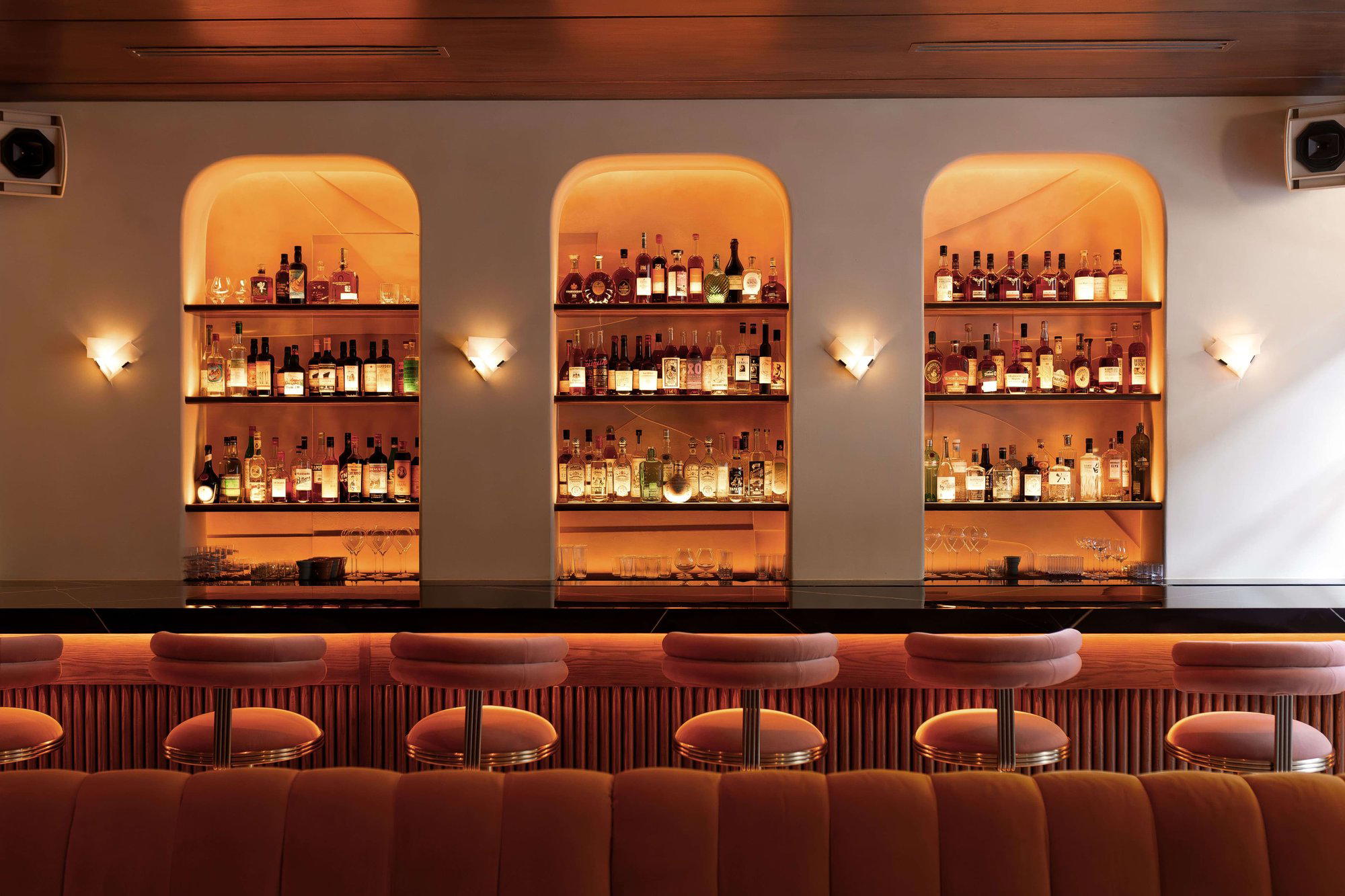
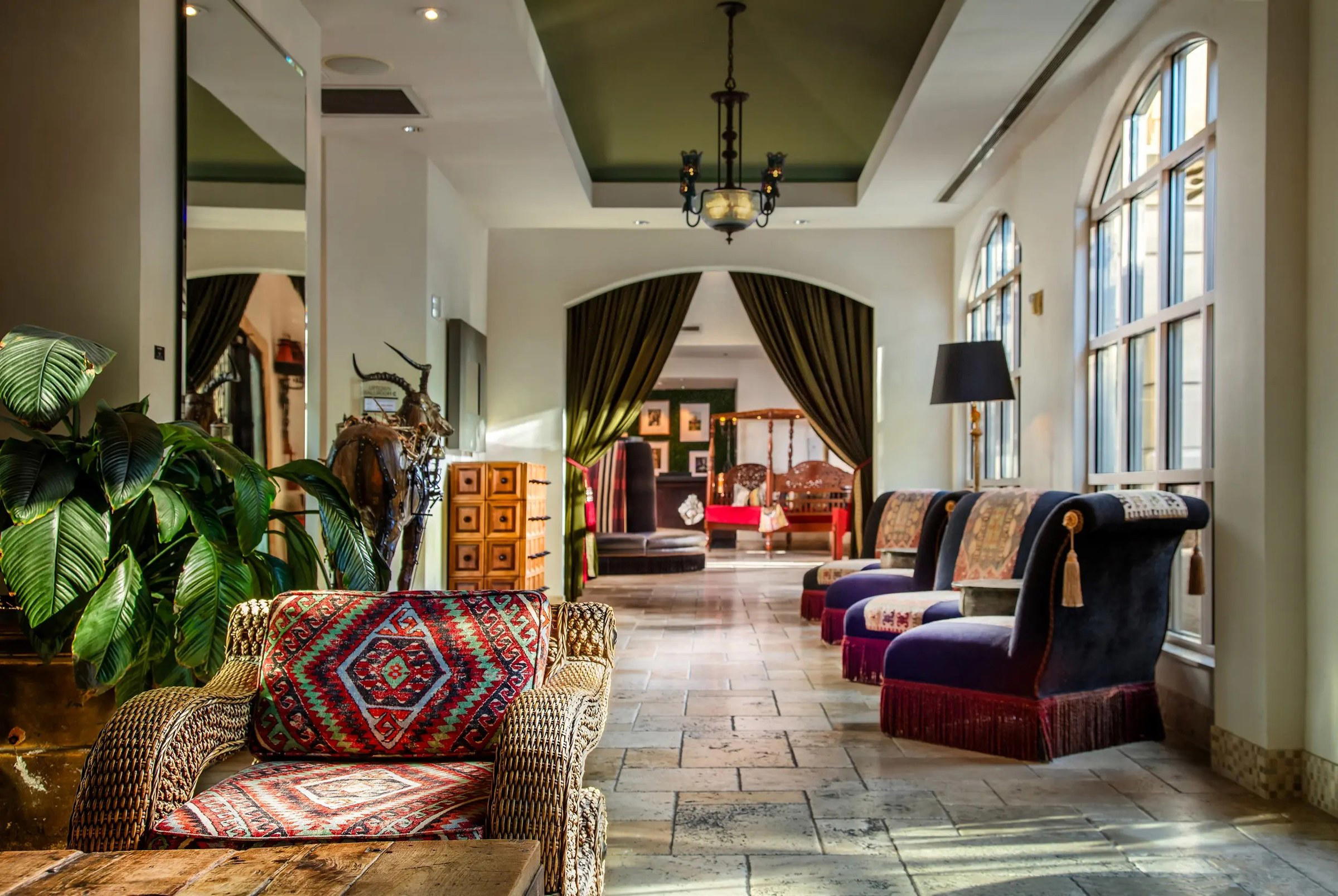
The lobby corridor of The Ritz-Carlton Dallas does what luxury hotels do: it signals a transition. By the time you reach Fearing's, the tone has shifted from hotel grandeur to something more particular. The room reads warm rather than formal, with an energy that runs closer to a confident regional American restaurant than a stiff hotel dining room. That distinction matters in Dallas, where the gap between hotel-adjacent dining and genuinely committed cooking has historically been wide.
Southwestern cuisine as a restaurant category has had a complicated trajectory in American dining. It peaked in critical attention during the 1980s and early 1990s, then receded as broader trends moved toward Italian minimalism, then Japanese technique, then the farm-to-table movement that reframed regional American cooking entirely. What survived that cycle were the restaurants serious enough about sourcing and culinary identity to stay relevant across shifts in critical fashion. Fearing's sits in that cohort, holding Michelin Plate recognition in both 2024 and 2025 and an Opinionated About Dining ranking among North America's leading restaurants, which places it in identifiable company at the top of the Dallas dining tier.
The Sourcing Argument
The editorial case for Southwestern cooking has always rested on ingredient proximity. The region's larder, chiles from New Mexico, game from Texas Hill Country, Gulf seafood within reach, mesquite and pecan wood as cooking fuel, gives a committed kitchen direct access to flavors that can't be approximated through import substitution. This is the opposite of, say, the classical French model, where technique is sovereign and ingredient geography is secondary. At Fearing's, the sourcing logic runs through the menu's identity: Southern food and barbecue traditions serve as the organizational principle, and those traditions are fundamentally about what grows and what smokes well in this specific geography.
This matters when placing Fearing's against the broader Dallas fine dining scene. Restaurants like Mamani work through a different regional identity entirely, while Tatsu Dallas and Barsotti's (Italian) draw on imported culinary traditions. Even Al Biernat's, Dallas's established steakhouse institution, treats the Texas ingredient base as raw material for a format that could theoretically operate elsewhere. Fearing's makes a more specific claim: that the Southwest is a culinary tradition worth defending at the same price tier as any of those options.
At the $$$$ price tier, that claim carries some weight. The restaurants that operate here, from Le Bernardin in New York City to The French Laundry in Napa to Alinea in Chicago, are making arguments through their kitchens about what cooking can do. Fearing's argument is regional and historical: that Southwestern and Southern traditions, grounded in specific sourcing, belong in that conversation. The Michelin Plate recognition, while not a starred ranking, signals that the argument is taken seriously by international critical infrastructure.
Dean Fearing in Context
Chef Dean Fearing's presence at the helm represents a specific strand of American culinary history. The Dallas fine dining scene of the 1980s and 1990s produced a generation of chefs who built national reputations from regional platforms, at a time when the critical assumption was that serious American cooking happened in New York or California. That generation's legacy is now visible in how seriously Dallas takes its own dining identity, and Fearing's functions partly as an anchor for that self-perception. The restaurant's conceptual grounding in the chef's family traditions, specifically grandmothers' approaches to Southern food and barbecue, keeps the sourcing argument personal rather than academic. It connects Texan ingredient culture to actual cooking memory, which is a different kind of authority than technique alone.
The Dallas Premium Tier in Practice
Dallas operates a two-speed premium dining economy. The city's steakhouse culture is well-documented and heavily trafficked by expense-account visitors. The more considered tier, which includes Casa Brasa and the higher-end Japanese rooms, draws a different clientele with different expectations about pacing, sourcing transparency, and kitchen ambition. Fearing's occupies a specific position in that second tier: it's committed to regional American cooking at a level of seriousness that places it alongside, not below, the nationally recognized rooms in other cities. The OAD 2024 ranking at #532 North America and the 2023 Recommended designation confirm consistent external recognition across multiple assessment cycles, which is a more reliable signal than a single year's placement.
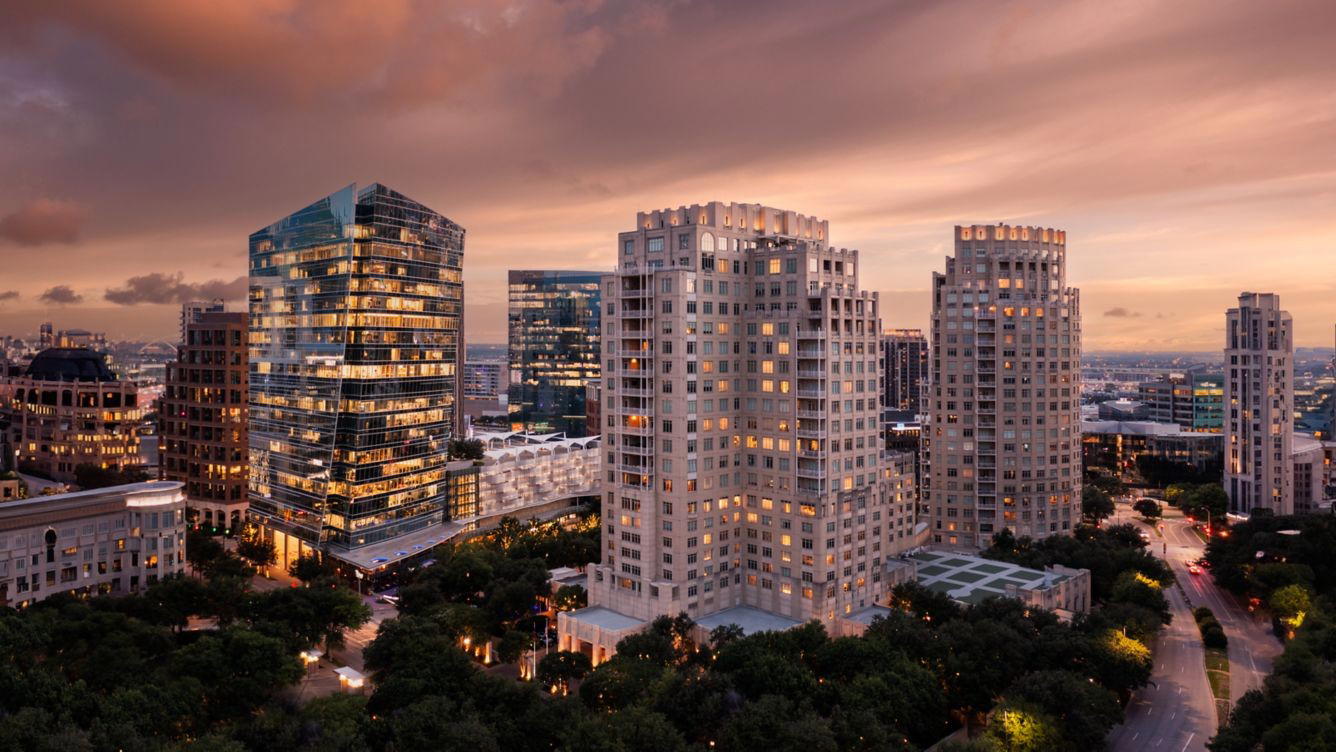
The practical shape of a visit follows a three-service day: breakfast and brunch run through morning, lunch occupies midday, and dinner begins at 5:30 pm most evenings, with Sunday service ending slightly earlier at 9 pm. That dinner window is when the kitchen operates at full depth. The address at 2121 McKinney Ave places the restaurant in Dallas's Uptown district, which is the neighborhood where the city's premium dining and hotel infrastructure concentrates. For visitors building a broader Dallas itinerary, our full Dallas hotels guide covers the accommodation layer, and our full Dallas bars guide maps what comes after dinner. The wider dining context is in our full Dallas restaurants guide, with supplementary coverage in our full Dallas wineries guide and our full Dallas experiences guide.
Placing Fearing's in the National Conversation
The American regional fine dining category has become more crowded and more technically ambitious over the past decade. Restaurants like Lazy Bear in San Francisco and Single Thread Farm in Healdsburg have redefined what regional sourcing can look like when paired with tasting-menu formats and precision kitchen culture. Atomix in New York City and 8 1/2 Otto e Mezzo Bombana (Hong Kong) in Hong Kong represent the international end of the same ambition. Emeril's in New Orleans occupies a parallel position to Fearing's in a different Southern city: a chef-driven, regionally anchored room that has maintained critical relevance across decades of shifting dining culture.
What Fearing's demonstrates is that Southwestern cooking, grounded in specific sourcing geography and family tradition rather than imported technique, can hold its own across that kind of comparison. The consecutive Michelin recognition and multi-year OAD presence confirm it isn't coasting on reputation. In a city where Tatsu Dallas represents the Japanese precision end of the $$$$ tier, Fearing's holds the regional American position with a level of conviction that the ingredient sourcing argument rewards.
Frequently Asked Questions
- What's the must-try dish at Fearing's? The restaurant doesn't publish a fixed signature dish in available records, but the kitchen's organizing principles, Southern tradition, barbecue technique, and regional Southwestern sourcing, point toward preparations that use Texas-specific ingredients: chile-based sauces, wood-smoked proteins, and Gulf-influenced seafood. Chef Dean Fearing's documented connection to his grandmothers' Southern cooking traditions suggests that slower, more process-intensive preparations reflect the kitchen's real depth. The dinner service, running from 5:30 pm and supported by the Michelin Plate recognition in 2024 and 2025, is the context in which those preparations appear at full commitment.
The Quick Read
| Venue | Cuisine | Price |
|---|---|---|
| Fearing'sThis venue — the venue you are viewing | Southwestern, American | $$$$ |
| Lucia | Italian | $$$ |
| Tei-An | Izakaya, Japanese | $$$$ |
| Tatsu Dallas | Japanese | $$$$ |
| Cattleack Barbeque | Barbecue | $$ |
| Gemma | American | $$$ |
Recognition history
Dated appearances from independent guides and award organizations, with the underlying list record or original source where available.
Forbes 4-Star
Forbes
Opinionated About Dining Top Restaurants in North America Recommended
Opinionated About Dining
Wine Spectator Award of Excellence
Wine Spectator
Michelin Plate
Michelin
Michelin Plate
Michelin
Opinionated About Dining Top Restaurants in North America Ranked #532
Opinionated About Dining
Opinionated About Dining Top Restaurants in North America Recommended
Opinionated About Dining

At a Glance
- Elegant
- Sophisticated
- Well Known
- Date Night
- Business Dinner
- Special Occasion
- Hotel Restaurant
- Private Dining
- Extensive Wine List
- Craft Cocktails
- Local Sourcing
Current opening hours
- Monday
- 7–11 AM, 11:30 AM–2 PM, 5:30–10 PM
- Tuesday
- 7–11 AM, 11:30 AM–2 PM, 5:30–10 PM
- Wednesday
- 7–11 AM, 11:30 AM–2 PM, 5:30–10 PM
- Thursday
- 7–11 AM, 11:30 AM–2 PM, 5:30–10 PM
- Friday
- 7–11 AM, 11:30 AM–2 PM, 5:30–10 PM
- Saturday
- 7–11 AM, 11:30 AM–2 PM, 5:30–10 PM
- Sunday
- 7–10:30 AM, 11 AM–2 PM, 5:30–9 PM
Hours can change for holidays and private events. Last verified .
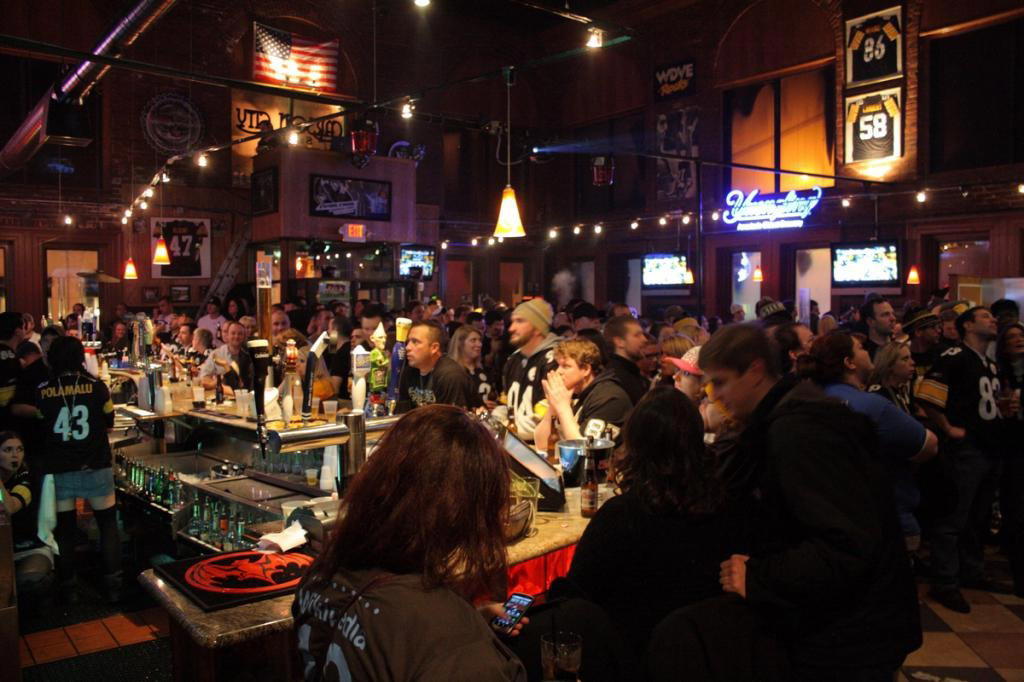
Elegant and dramatic with a handsome, traditional steakhouse look, featuring gorgeous dining rooms, though some guests note it can be loud and lively.
Know Before You Go
- Getting there
- 2121 McKinney Ave, Dallas, TX 75201