Herman Marshall Distillery

Herman Marshall Distillery operates from Wylie, Texas, just outside Garland, earning a Pearl 1 Star Prestige recognition in 2025. The distillery represents the growing craft spirits movement taking root in North Texas, where distillers are translating local grain character and climate into American whiskey. It sits in a regional tier that rewards patient visitors willing to look beyond the state's more established production centers.
 Discover on Pearl
Pearl is the En Primeur Club membership app — saves, bookings, and concierge access live there. Same editors, same standards.
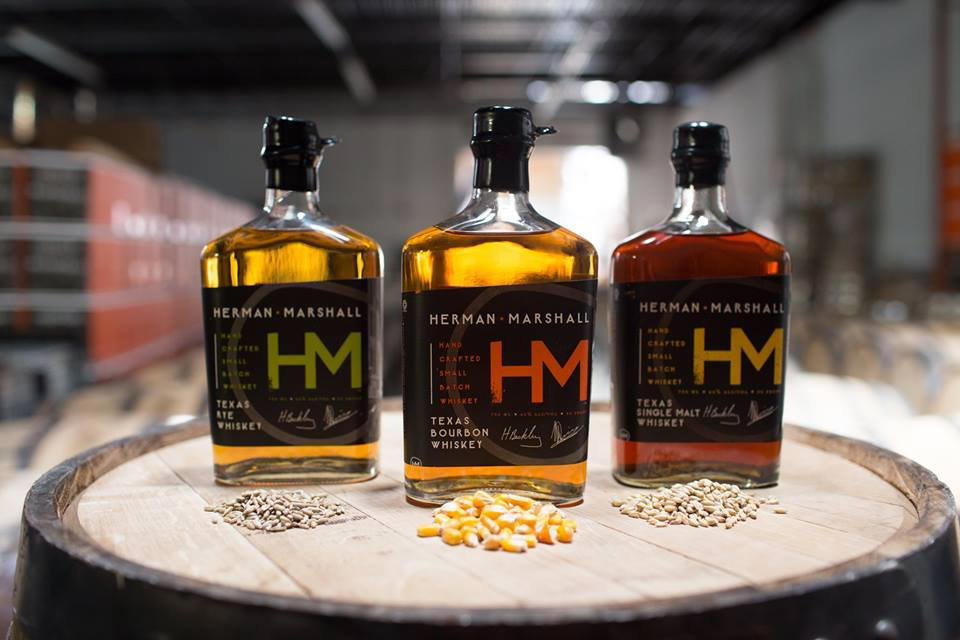
North Texas Whiskey, Rooted in Place
Herman Marshall Distillery is an American distillery in Wylie, Texas, at 703 N State Hwy 78, and it received a Pearl 1 Star Prestige recognition in 2025. The built environment is practical rather than picturesque, a working-class commercial corridor lined with auto shops, feed suppliers, and the kind of businesses that keep a growing Texas suburb running. Herman Marshall Distillery sits within that vernacular, at 703 N State Hwy 78, and that setting is not incidental. It reflects a broader truth about where American craft distilling has taken hold in the last decade: not in destination wine country or refurbished warehouse districts, but in working communities where grain is close, land is affordable, and the production ethic hasn't been filtered through hospitality marketing.
In 2025, the distillery received a Pearl 1 Star Prestige recognition. That credential places Herman Marshall in a peer set defined less by geography and more by production seriousness, distilleries earning similar recognition tend to share a commitment to process discipline over brand theatrics. For the visitor, the address and the award together frame the experience before you've tasted a pour: this is a place that earns attention through the liquid, not the postcard backdrop.
The North Texas Grain Belt and What It Produces
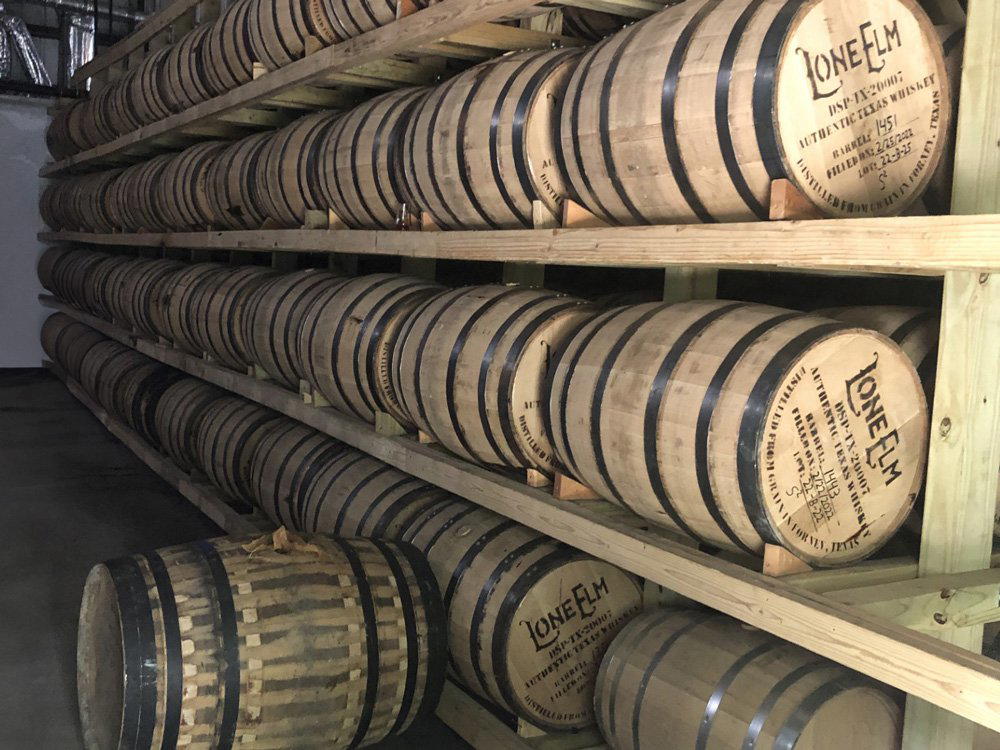
American whiskey's ongoing regionalization has made terroir a more legitimate conversation in distilling than it was even a decade ago. Texas presents a specific production challenge and opportunity: extreme heat accelerates barrel aging, compressing in months what Kentucky achieves over years, while summer temperatures that regularly exceed 100°F drive the spirit deeper into wood grain during expansion cycles. The result, when managed with care, is whiskey with pronounced barrel influence and a structural warmth that is distinctly Texan rather than a regional imitation of Tennessee or Kentucky production.
That climatic intensity has defined the identity of the state's serious distilleries. Producers working in this environment are not competing with Bourbon Belt operations on identical terms, they are making a different argument about what whiskey can be when ambient heat is an active production variable rather than something to mitigate. Herman Marshall operates within this framework, and the Pearl 1 Star recognition in 2025 suggests the approach is generating results worth critical attention. Visitors approaching the distillery with a reference point from Accendo Cellars in St. Helena or Adelaida Vineyards in Paso Robles, both operations where place materially shapes output, will recognize the underlying logic even across categories.
Where Herman Marshall Sits in the Texas Craft Tier
Texas craft distilling has matured past its initial boom-and-attrition phase. The operations that survived the first decade of growth are, in general, the ones that treated production seriously from the start rather than leaning on Texas branding as a substitute for craft discipline. The state now has a recognizable upper tier of distilleries that can stand in national company without the qualification of regional novelty. A Pearl 1 Star Prestige recognition in 2025 positions Herman Marshall within that tier.
For context, the credential aligns Herman Marshall with a class of American craft producers whose recognition is category-specific and earned through product quality. This is the same evaluative logic applied to winemakers earning regional distinction at places like Adelsheim Vineyard in Newberg or Alban Vineyards in Arroyo Grande: the recognition attaches to the liquid and what it demonstrates about place and process, not to the narrative surrounding the producer.
That framing matters practically. Visitors who have developed palates for place-expressive wines from producers like Alexander Valley Vineyards in Geyserville or Alpha Omega Winery in Rutherford will find the same interpretive exercise available in evaluating a Texas distillery: what does the production environment contribute to the final product, and how deliberate is the producer's response to it?
Planning a Visit from Garland
The distillery's address, 703 N State Hwy 78, Wylie, TX 75098, places it on the eastern fringe of the Garland-Wylie corridor, most efficiently reached by car. Public transit does not serve this stretch meaningfully, and the highway setting assumes arrival by vehicle.
The most practical approach for first-time visitors is to combine the distillery with broader exploration of the Garland area. The distillery sits close enough to the city's commercial center that a half-day circuit is feasible. For those building a fuller North Texas itinerary, the Garland area guide covers the surrounding dining options across price points and cuisine types. The contrast between Herman Marshall's highway-industrial setting and the more polished destination distilleries in the Hill Country or Austin metro is itself informative, this is production-floor craft rather than hospitality-led tourism, and the visit reflects that priority.
Craft Spirits in a Wine-Literate Frame
Visitors who regularly engage with American wineries, from Andrew Murray Vineyards in Los Olivos to Artesa Vineyards and Winery in Napa, bring a useful framework to a distillery visit even when the category is different. The questions that matter are the same: How does the production environment shape the product? What does the maker's intervention add or subtract? How does the result compare to peers operating under similar constraints?
In whiskey, those questions resolve around grain source, distillation method, barrel selection, entry proof, and the specific aging conditions of the warehouse. Texas heat means that a spirit entering a new charred oak barrel in May may be a fundamentally different product after eighteen months than the same spirit would be in a temperature-moderated Kentucky rickhouse. The better Texas distilleries have learned to read those variables rather than fight them, and the Pearl 1 Star recognition suggests Herman Marshall is operating in that category. For comparative reference across fermented and distilled beverage production that takes place of origin seriously, producers like Au Bon Climat in Santa Barbara, Aubert Wines in Calistoga, B.R. Cohn Winery in Glen Ellen, and Babcock Winery and Vineyards in Lompoc each demonstrate the same underlying argument in wine form: place is not backdrop, it is ingredient.
That argument is the right lens for Herman Marshall. The distillery is not marketing terroir in the wine sense, but the physical conditions of production in Wylie, Texas, are active in every bottle that leaves the facility. A Pearl 1 Star Prestige in 2025 confirms the execution is meeting a credible standard. For visitors building knowledge of American craft spirits through serious producers, it warrants the detour. Those interested in the longer tradition of distilling craft in other production regions can also explore Aberlour in Aberlour and Achaia Clauss in Patras for context on how place and craft intersect across global production traditions.
Continue exploring