Mamani

Mamani earned a Michelin star in 2025, placing it among a small cohort of Dallas restaurants recognized at that level. Located on Howell Street in the Uptown corridor, it represents the city's growing argument that fine dining here runs on its own terms rather than in imitation of coastal models. For anyone tracking where Dallas dining is heading, Mamani is a primary data point.
Pearl is the En Primeur Club membership app — saves, bookings, and concierge access live there. Same editors, same standards.
- Address
- 2681 Howell St BU4, Dallas, TX 75204
- Phone
- (469) 455-1435
- Website
- mamanirestaurant.com
- Directions
- Get directions
 Saves & bookings on Pearl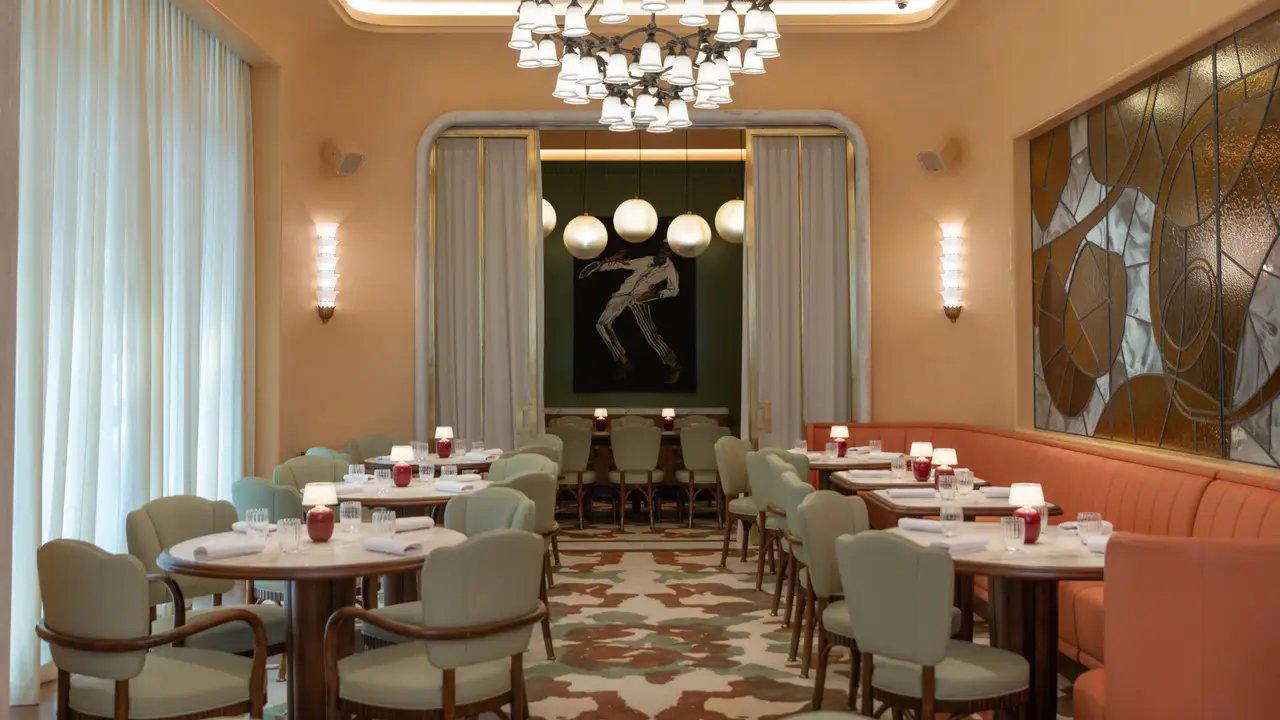
A New Coordinate on the Dallas Fine Dining Map
Dallas has spent the better part of a decade building a fine dining argument that doesn't defer to New York or San Francisco for its terms of reference. The city's Michelin recognition, which arrived formally in 2024 and expanded in 2025, gave that argument official architecture. Mamani, awarded one Michelin star in 2025, sits inside that new structure as one of the addresses that earned Dallas its credibility with the guide.
The restaurant occupies a suite address at 2681 Howell St in the Uptown corridor, a neighborhood that has absorbed a significant concentration of serious dining over the past several years. Uptown's dining character sits somewhere between Cedar Springs' late-night energy and the older-money formality of Highland Park, which gives restaurants in this zone a degree of latitude: they can run ambitious menus without the pressure of performing for a strictly formal crowd. Mamani reads as a beneficiary of that positioning.
Where the Sourcing Argument Begins
The ingredient-sourcing conversation in American fine dining has matured considerably since the farm-to-table framing of the early 2010s. What the better kitchens now do is less a marketing gesture and more a supply-chain commitment: specific producer relationships, seasonal rigidity, and menus that shift when the source material shifts rather than when the calendar dictates. That model requires both the infrastructure to sustain those relationships and the kitchen confidence to let sourcing rather than concept drive the plate.
In Texas, that infrastructure exists in a form that most coastal cities can't replicate at scale. The state's agricultural reach, from Gulf Coast seafood corridors to Hill Country ranching to South Texas citrus, gives kitchens in Dallas access to sourcing depth that is genuinely broader than what a New York kitchen can draw on domestically. The restaurants that use that access seriously — rather than as a tagline — tend to produce food with a regional specificity that imported fine dining frameworks can't generate. Mamani's Michelin recognition in 2025 places it in the tier of Dallas kitchens where that specificity is being taken seriously.
For context on the competitive set: a Michelin star in Dallas puts Mamani in the same conversation as kitchens like Tatsu Dallas, which operates at the $$$$ price tier with a Japanese framework, and distinguishes it from excellent but differently positioned restaurants like Cattleack Barbeque, where the sourcing story is entirely different in register. Nationally, the comparison set for a one-star address earning recognition in a newly mapped city would include earlier-stage recognized kitchens at places like Lazy Bear in San Francisco or Atomix in New York City, restaurants where the sourcing commitment was part of what the star was acknowledging.
The Michelin Signal and What It Implies
A first Michelin star in a newly mapped market carries different weight than the same award in a city with decades of guide history. In New York, a single star can denote a neighborhood bistro doing solid work. In Dallas 2025, the same award is being applied more selectively, to kitchens the guide is identifying as representing the city's ceiling. That ceiling-setting function makes Mamani's star a stronger signal than the number alone suggests.
For comparison: when Michelin moved into cities like Chicago, it initially starred restaurants that went on to define what serious American dining meant for a generation. Alinea in Chicago is the canonical example of a market-entry recognition that proved directional rather than decorative. Dallas's guide history is too short to know whether 2025's starred class will carry that significance, but the structural conditions, a food economy with genuine sourcing depth, a dining public that has absorbed several years of ambitious openings, and a Michelin editorial team applying scrutiny rather than goodwill, suggest the recognitions are earned rather than promotional.
Other recognized kitchens in Dallas and the broader Texas food conversation, including Al Biernat's and Casa Brasa, operate in distinct registers, steakhouse tradition and wood-fire cooking respectively, that illustrate how wide the city's serious dining range has become. Mamani enters this map as a different kind of address, one whose star positions it closer to the precision-cooking end of the spectrum.
Dallas in Its Regional and National Context
The useful frame for understanding Mamani is not just the Dallas restaurant scene but the broader shift in American fine dining geography. For most of the twentieth century, the country's reference kitchens were concentrated on the coasts: Le Bernardin in New York City, The French Laundry in Napa, Single Thread Farm in Healdsburg. The interior of the country had serious kitchens, Emeril's in New Orleans being the obvious Southern example, but the critical gravity was coastal.
That distribution has been shifting. Michelin's expansion into Dallas, Houston, and other non-coastal markets is partly a business decision, but it also reflects a genuine change in where the cooking talent, investment, and agricultural infrastructure are converging. Texas sits at a productive intersection of all three. A kitchen earning recognition in this environment is working with real materials, not borrowed prestige.
Internationally, the trajectory resembles what happened in Asian markets over the past two decades, where local sourcing specificity became the argument for why a Hong Kong kitchen or a Tokyo counter deserved recognition on its own terms. 8½ Otto e Mezzo Bombana in Hong Kong is an example of a kitchen that earned multiple stars partly by using its market position to access ingredients a European kitchen simply couldn't. The Texas fine dining argument has a structurally similar logic.
Dining Around Mamani
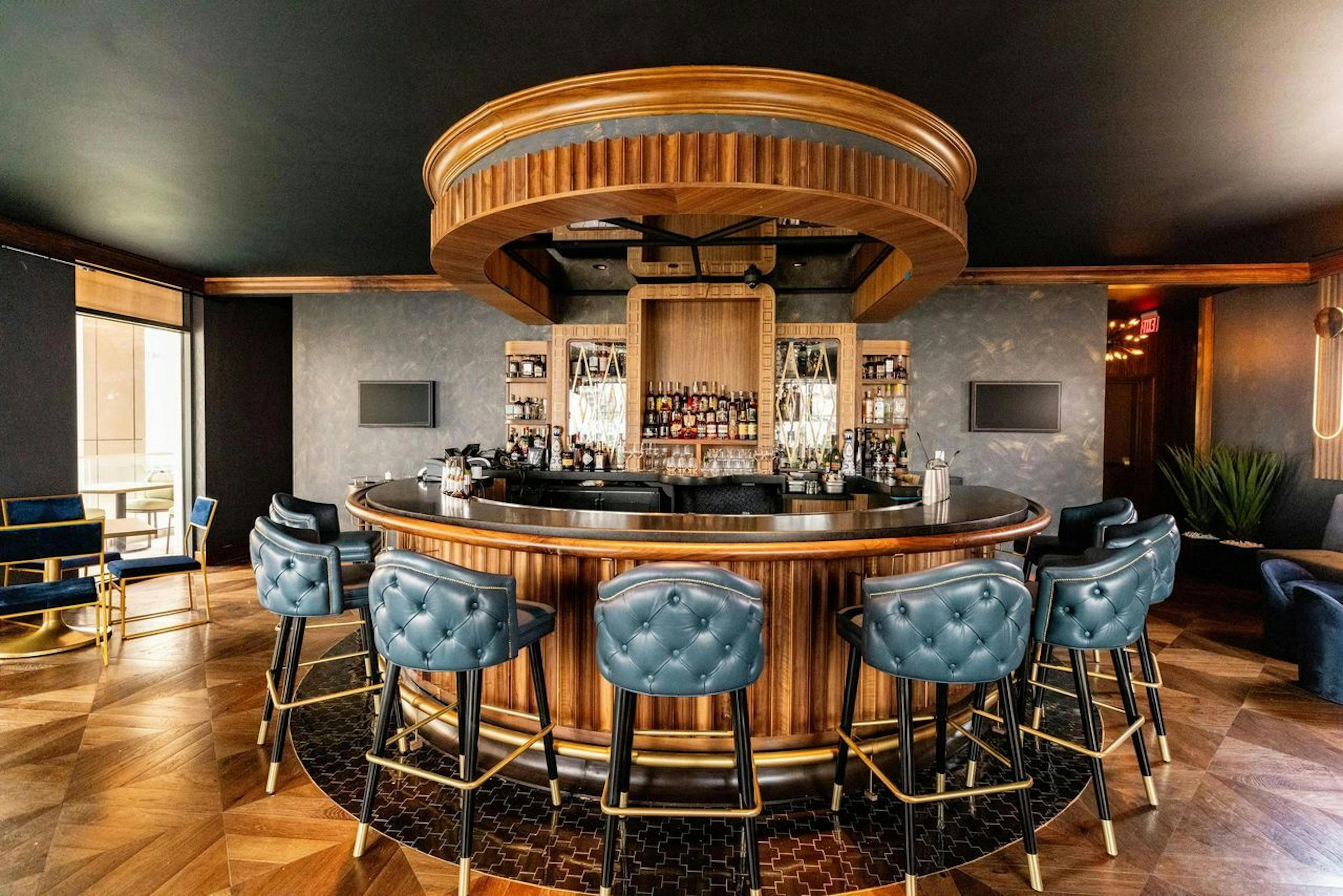
The Uptown address places Mamani within reach of a broader evening in a neighborhood with genuine range. Barsotti's operates nearby in the Italian tradition, and the area's bar scene gives pre- or post-dinner options without requiring significant travel. For visitors building a Dallas itinerary rather than a single night, the full Dallas restaurants guide covers the range of options across price tiers and cuisine types. The Dallas hotels guide and Dallas bars guide round out the practical planning; the Dallas experiences guide and Dallas wineries guide are worth consulting for visitors spending more than a night or two.
Planning Your Visit
Mamani is located at 2681 Howell St BU4, Dallas, TX 75204, in Uptown. Given its 2025 Michelin star status in a newly mapped market, booking lead times have likely extended considerably since the guide's announcement, starred restaurants in recently mapped cities typically see immediate and sustained reservation pressure. Advance booking is advisable; checking directly via the restaurant's current reservation channel is the only reliable way to confirm availability and current format, as operational details shift with a kitchen at this stage of its recognition. Visitors comparing price tiers should note that Mamani's star positioning places it in the upper bracket of Dallas dining, alongside addresses like Tatsu Dallas rather than the mid-range tier.
Comparison Snapshot
| Venue | Cuisine | Price | Awards |
|---|---|---|---|
| MamaniThis venue — the venue you are viewing | Michelin 1 Star (2025) | This venue | Not listed |
| Lucia | Italian | $$$ | Italian, $$$ |
| Tei-An | Izakaya, Japanese | $$$$ | Izakaya, Japanese, $$$$ |
| Fearing's | Southwestern, American | $$$$ | Southwestern, American, $$$$ |
| Tatsu Dallas | Japanese | $$$$ | Michelin 1 Star |
| Cattleack Barbeque | Barbecue | $$ | Barbecue, $$ |
Recognition history
Dated appearances from independent guides and award organizations, with the underlying list record or original source where available.
Michelin 1 Star
Michelin

At a Glance
- Elegant
- Romantic
- Sophisticated
- Modern
- Date Night
- Celebration
- Special Occasion
- Business Dinner
- Open Kitchen
- Private Dining
- Design Destination
- Extensive Wine List
- Craft Cocktails
- Sommelier Led
- Local Sourcing
- Sustainable Seafood
Current opening hours
- Monday
- 5–9:30 PM
- Tuesday
- 5–9:30 PM
- Wednesday
- 5–9:30 PM
- Thursday
- 5–9:30 PM
- Friday
- 5–10 PM
- Saturday
- 5–10 PM
- Sunday
- 5–9 PM
Hours can change for holidays and private events. Last verified .
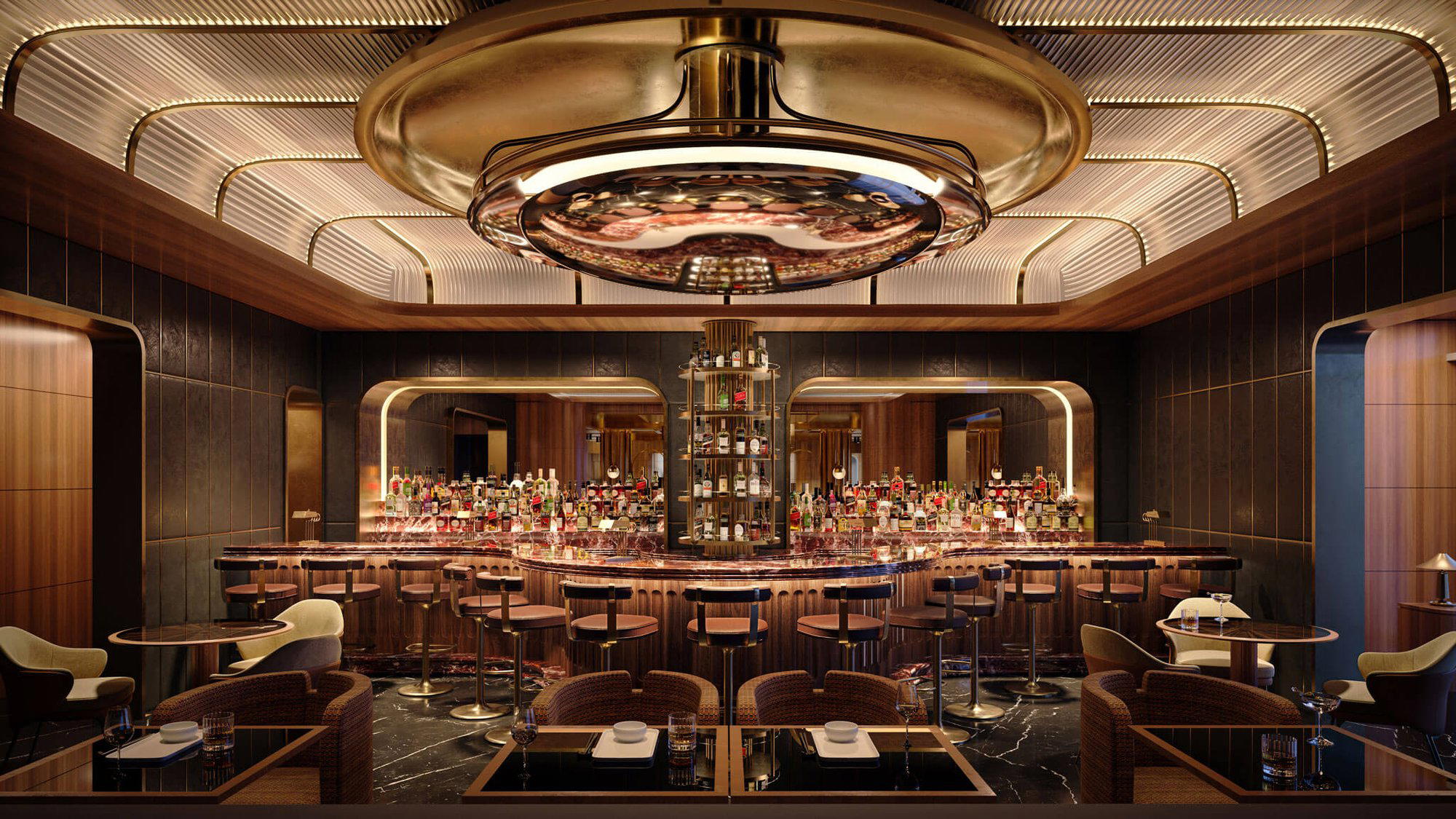
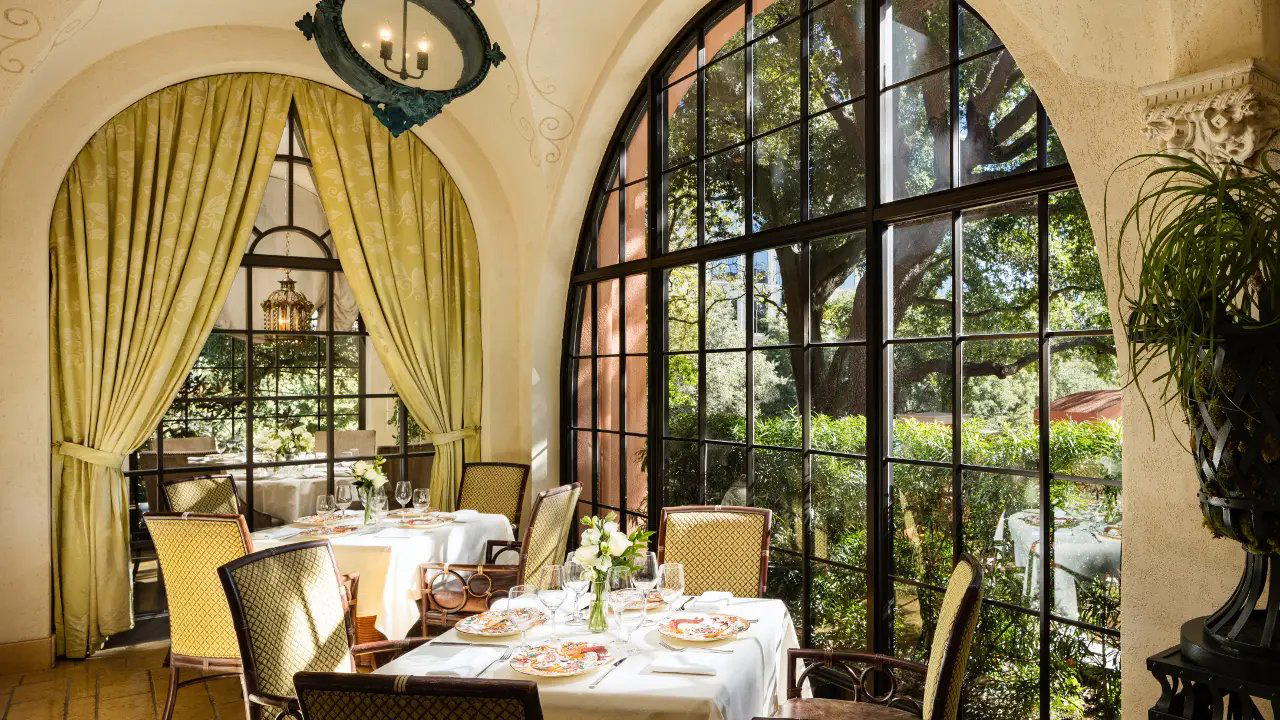
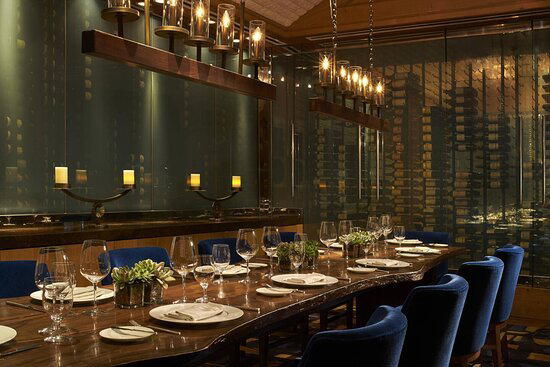
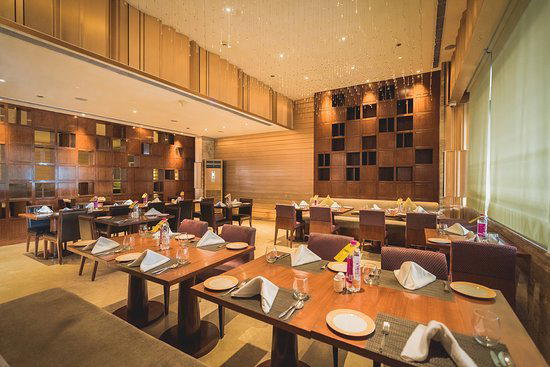
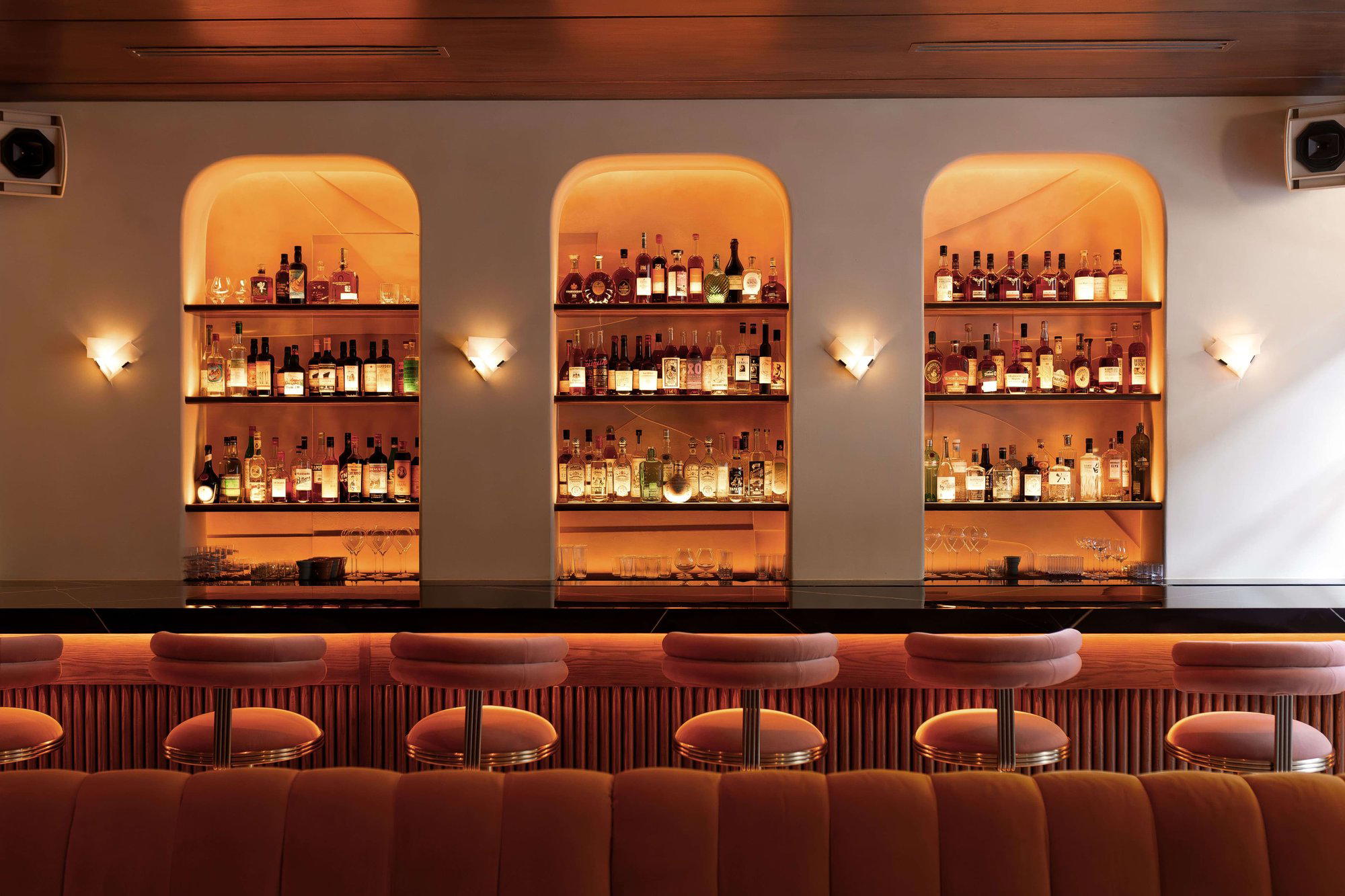
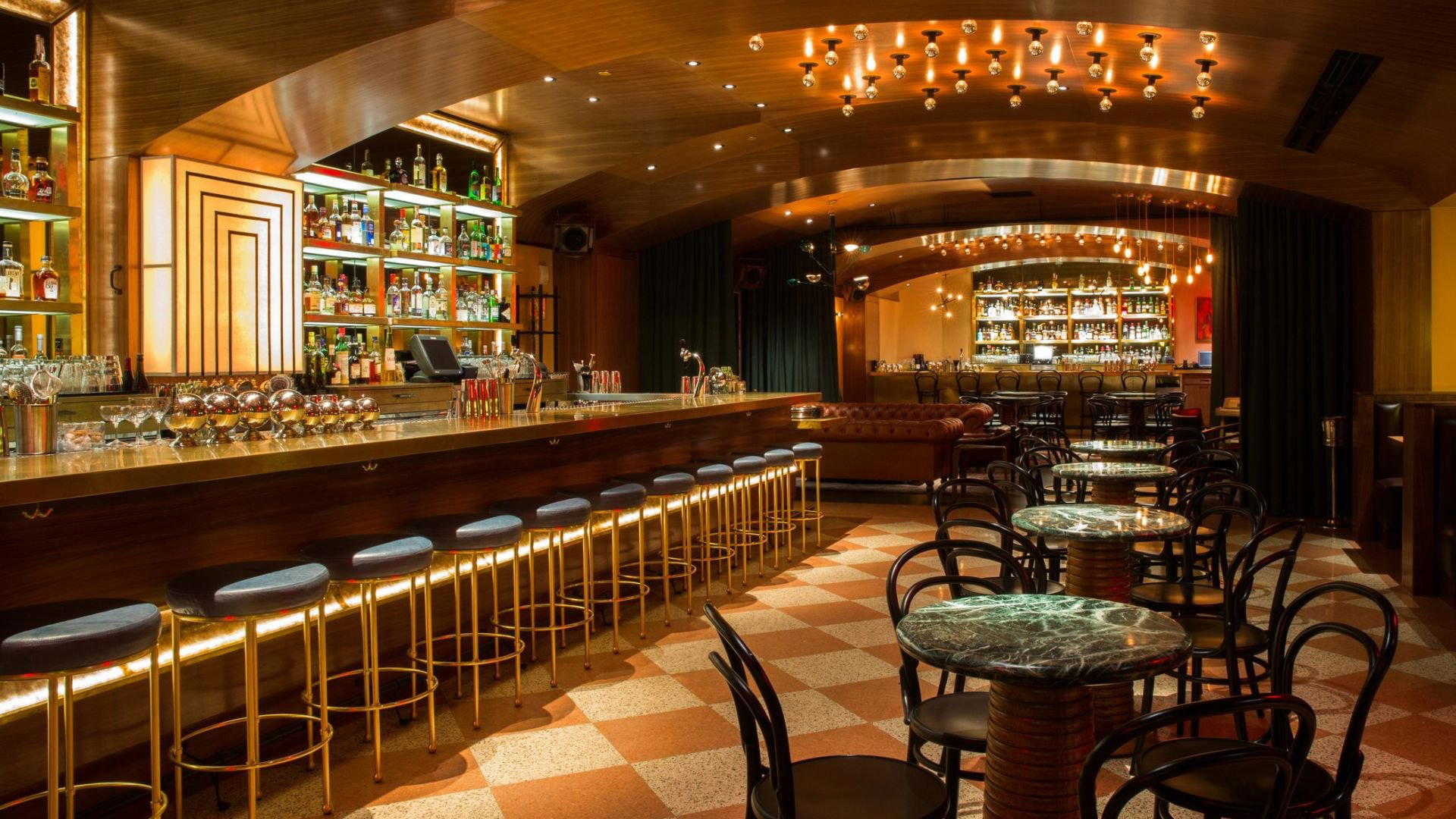
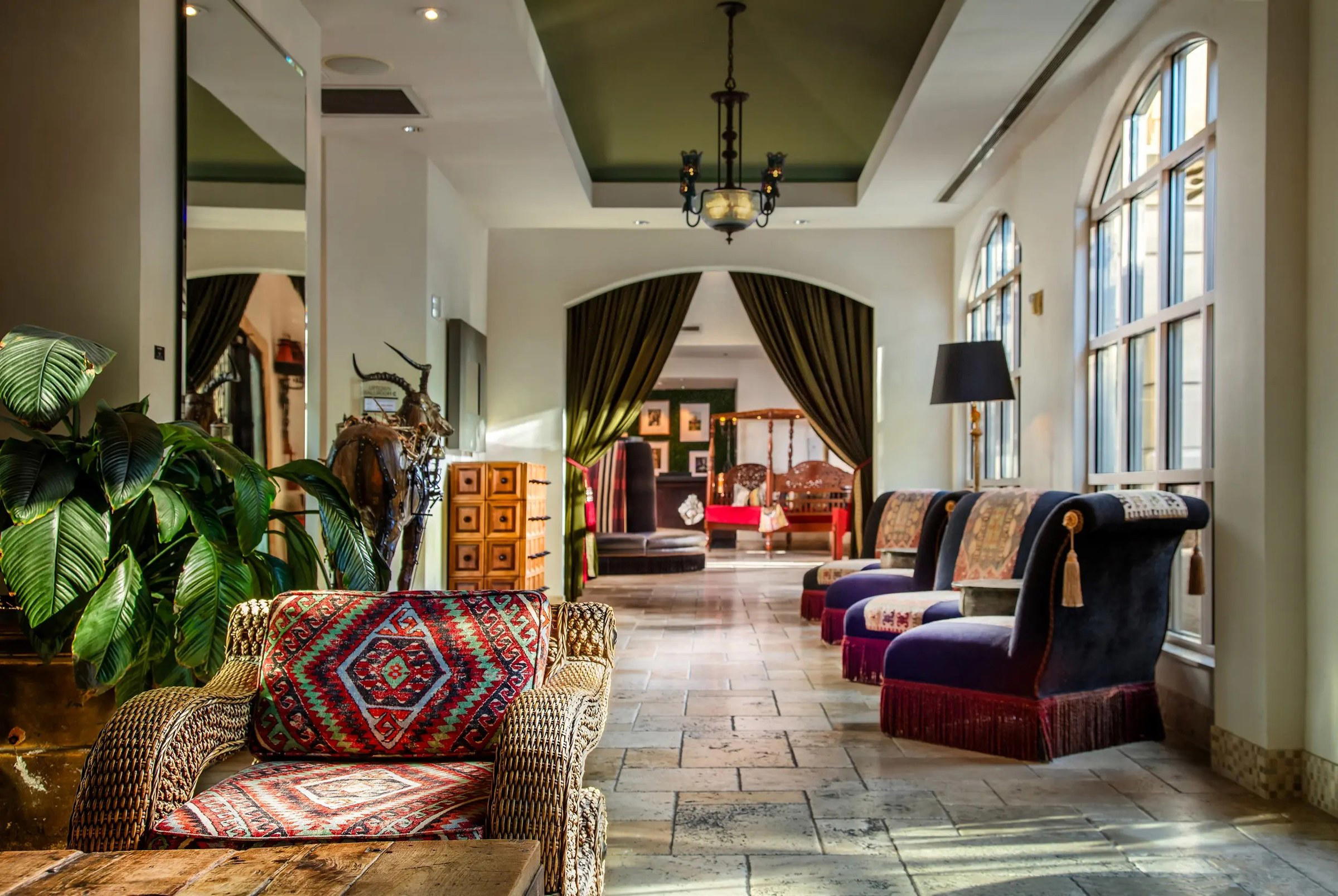
Elegant and comfortable dining room with peach tones, coved ceilings, patterned carpets, and an open kitchen view; lush greenery on the patio creates a Riviera-inspired atmosphere.
Know Before You Go
- Getting there
- 2681 Howell St BU4, Dallas, TX 75204