Lone Elm (Five Points Distilling)

Lone Elm at Five Points Distilling sits in Forney, Texas, holding a Pearl 2 Star Prestige rating for 2025. The operation represents a growing class of Texas producers working outside established wine corridors, where craft credibility is built on product quality rather than regional reputation. It belongs on any considered tour of the Dallas-area drinks scene.
Pearl is the En Primeur Club membership app — saves, bookings, and concierge access live there. Same editors, same standards.
- Address
- 8575 Union Hill Rd, Forney, TX 75126
- Phone
- +1 214-430-4147
- Website
- lone-elm.com
 Saves & bookings on Pearl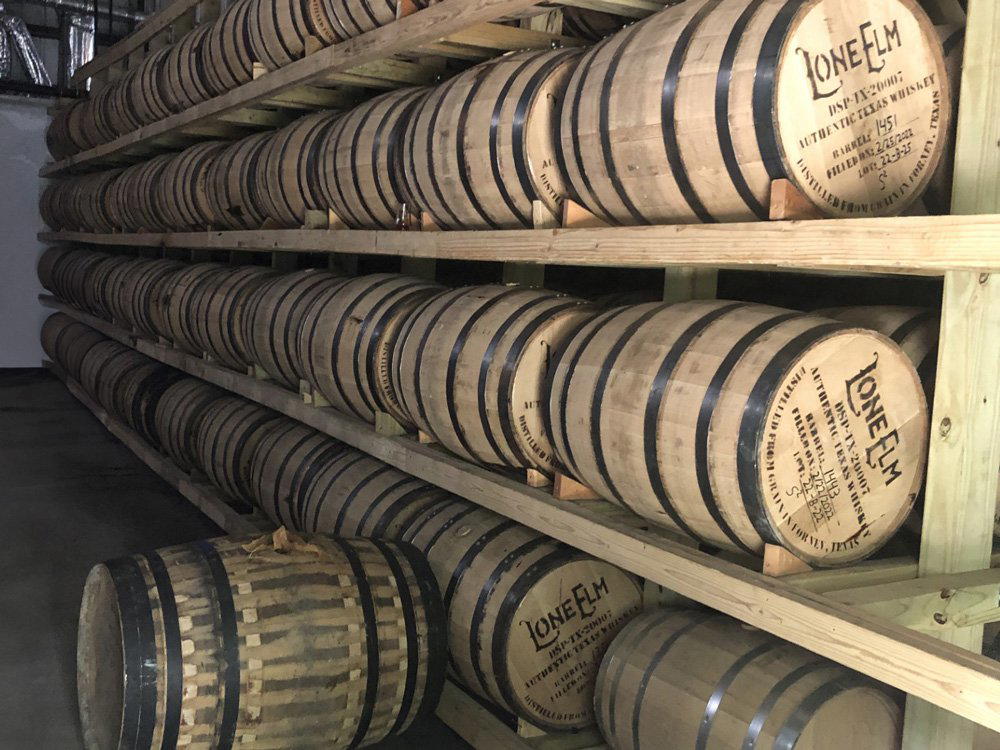
East of Dallas, Outside the Wine Corridor
Most serious American wine and spirits production clusters around a handful of well-mapped corridors: the North Coast of California, the Willamette Valley, the Texas Hill Country. Forney, Texas, a city roughly 25 miles east of Dallas, does not appear on that standard itinerary. That positioning is exactly what makes Lone Elm at Five Points Distilling an instructive data point about where American craft production is heading. The 2025 Pearl 2 Star Prestige rating the operation carries is awarded on product merit, not on zip code, and merit-based recognition is what distinguishes producers serious enough to operate at this tier from the broader field.
Atmosphere and Physical Setting
The address at 8575 Union Hill Rd places Lone Elm in a working landscape rather than a curated tourist strip. That is not a criticism; it is context. Across American craft distilling, a growing number of operations have deliberately planted themselves in agricultural or semi-industrial settings precisely because the physical environment reflects the production ethos: less performance, more process. Visitors arriving at Five Points Distilling approach through surroundings that read as genuinely local rather than staged, which sets a different register than, say, a Napa tasting room designed for photographs. The experience begins at the perimeter, not at a reception desk. What the space communicates before a visitor steps inside is that the production itself is the point, not the theater built around it.
Operations at this tier in non-destination markets frequently run by appointment or on limited public hours, and the atmosphere will read quite differently from a high-volume tasting room designed for tourist throughput. Confirming visit arrangements directly before traveling is the reliable approach.
Terroir and the Texas Production Question
The editorial angle that matters most for any serious producer outside an established appellation is the terroir question: what does the land, the climate, and the local agricultural environment actually contribute to what ends up in the glass? Texas presents a genuinely complicated answer. The Hill Country, three hours to the southwest, has built the stronger public reputation for Texas wine, with producers there working through real challenges of heat, drought variability, and soil heterogeneity to produce wines with a distinct regional signature. Paso Robles producers like Adelaida Vineyards or Rhone-focused houses like Alban Vineyards in Arroyo Grande have gone through comparable processes of building regional credibility around challenging growing conditions.
Forney sits in a different ecological zone from the Hill Country, in the Blackland Prairie region east of Dallas, where clay-heavy soils and higher annual humidity create a production environment quite different from the calcarious limestone and semi-arid conditions that define much of Texas wine country. For a distilling operation, the terroir conversation shifts somewhat: grain sourcing, water chemistry, and barrel aging conditions all carry environment-specific meaning, even when grapes are not the primary input. Operations in similar latitudes across the American South have demonstrated that climate affects spirit character as directly as it affects wine, particularly through accelerated barrel interaction in high-heat summers. The Pearl 2 Star recognition Lone Elm holds suggests that whatever the local conditions contribute, the distillery is working them productively.
For comparison, the California producers building prestige credentials through terroir specificity, from Accendo Cellars in St. Helena to Aubert Wines in Calistoga, have spent decades encoding place into product and building the editorial record that supports their positioning. Texas producers at this craft tier are earlier in that same cycle, which means there is more interpretive work for the visitor to do, and often more to learn from the conversation at the source.
Where Lone Elm Sits in the Wider Craft Tier
A Pearl 2 Star Prestige rating in 2025 places Lone Elm in a field that rewards consistency, technical discipline, and clear product identity. That is not the same as being a volume leader or a regional brand with wide distribution; it is recognition that targets the quality of the core product itself. Across the American craft spirits and wine sector, that distinction matters. Many operations build name recognition before building product quality; the producers that attract prestige-tier recognition typically run the sequence in the other direction.
The comparison set that is most instructive here is not the large Texas wine brands or the national spirits labels with marketing budgets and retail presence everywhere. It is the smaller-production, quality-first operations that have earned recognition in niche categories without the support of an established appellation name. Andrew Murray Vineyards in Los Olivos built a serious Rhone-variety reputation in a California region that needed convincing; Artesa Vineyards and Winery in Napa operates at a tier where product quality and architectural seriousness combine to support premium positioning. Lone Elm is operating in a market where that kind of deliberate quality positioning is still rare enough to be noticed.
For those tracking the broader American spirits geography, operations like Adelsheim Vineyard in Newberg, Alexander Valley Vineyards in Geyserville, and Alpha Omega Winery in Rutherford illustrate how regional credibility compounds over time once quality signals are established consistently. The trajectory at Lone Elm points in that direction, even if the timeline is still early. Other producers worth tracking for how craft operations build prestige outside marquee regions include Au Bon Climat in Santa Barbara, Babcock Winery and Vineyards in Lompoc, B.R. Cohn Winery in Glen Ellen, and international operations like Aberlour and Achaia Clauss, where place and product have become genuinely inseparable over time.
Planning a Visit
Forney is reachable from Dallas in under 30 minutes by road, making it a practical half-day trip. Contact Five Points Distilling directly before planning travel. The Pearl 2 Star recognition is a signal worth acting on, but it rewards visitors who do the coordination work upfront.
Comparable Spots, Quickly
Comparable venues nearby, for context on price, style, and recognition.
| Venue | Cuisine | Price | Notes |
|---|---|---|---|
| Lone Elm (Five Points Distilling)This venue — the venue you are viewing | wheat | $$ | |
| Viña Leyda | Pinot Noir, Sauvignon Blanc | $$ | San Antonio |
| Herman Marshall Distillery | Winery | , | Garland |
| Brennan Vineyards | Winery | , | Comanche |
| Bendt Distilling Co. | corn, wheat | $$ | Old Town Lewisville |
| Lost Draw Cellars | Tempranillo, Sangiovese | $$ | Downtown Fredericksburg |
Continue exploring
More in Forney
Wineries in Forney
Browse all →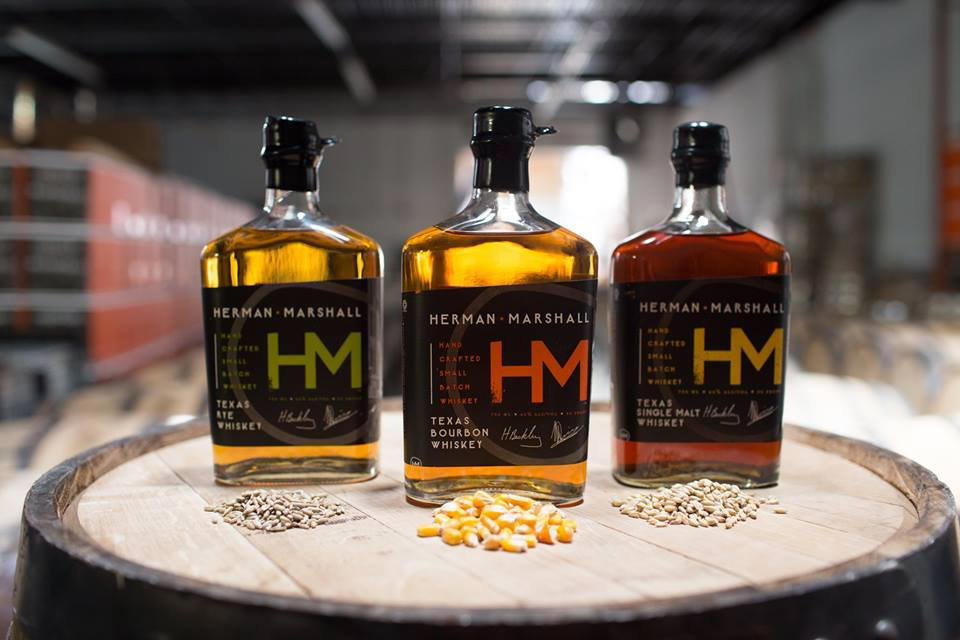
Bars in Forney
Browse all →
Restaurants in Forney
Browse all →
At a Glance
- Rustic
- Cozy
- Intimate
- Group Outing
- Celebration
- Private Tasting
- Sustainable
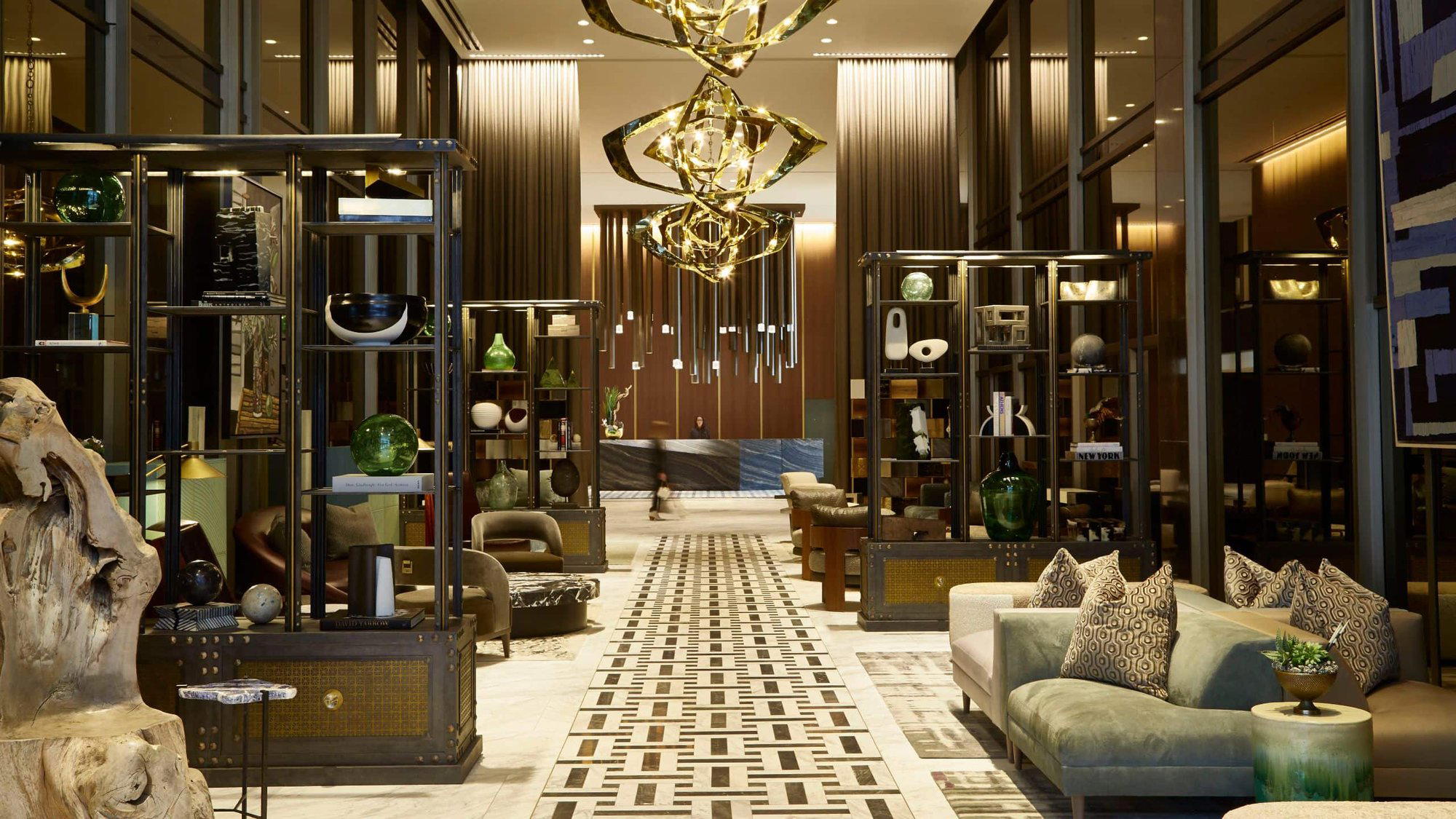
Lovely cedar planked bar with a welcoming Texas country feel, conducive to good conversation.