Fairmont Dallas
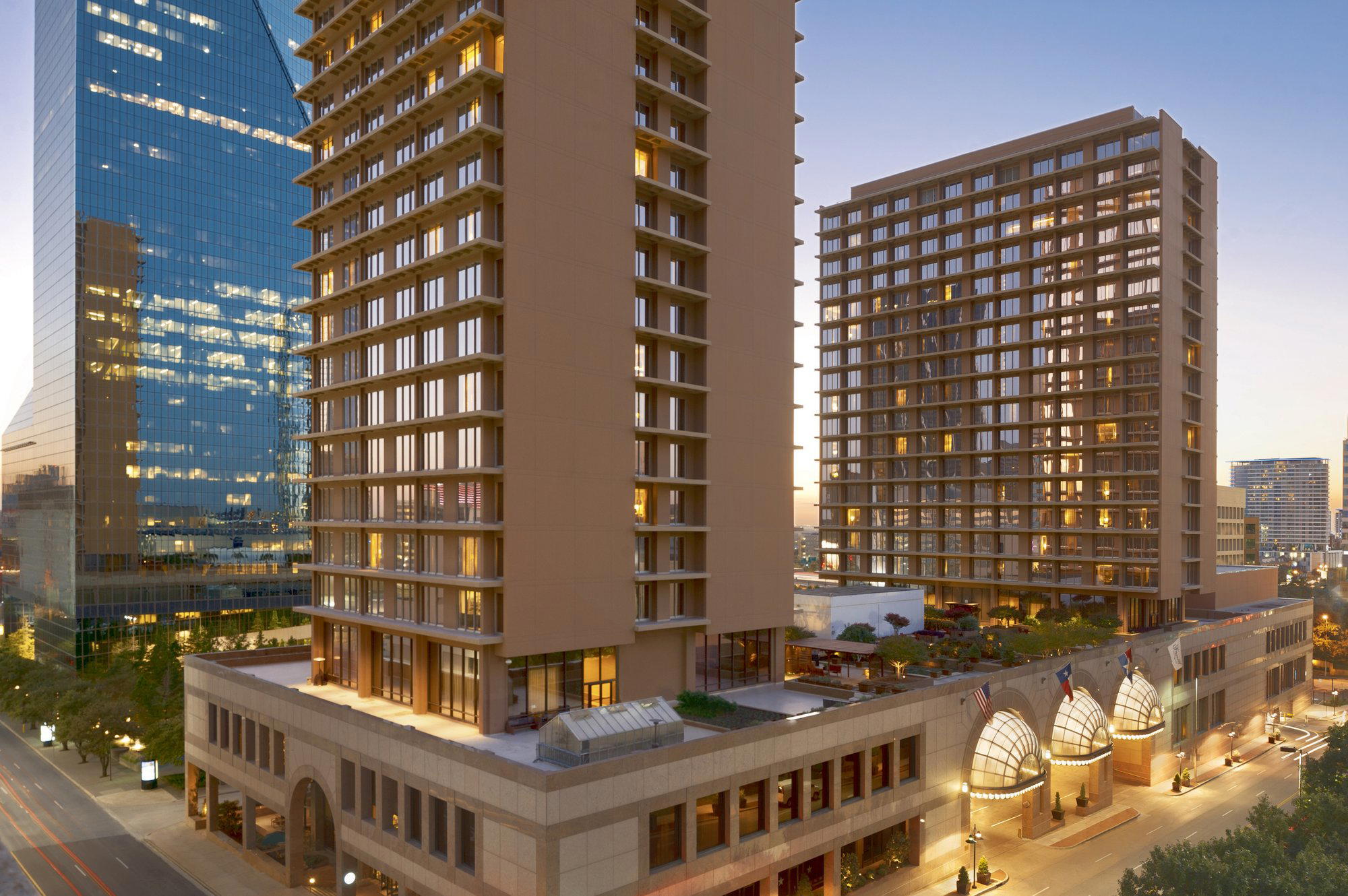
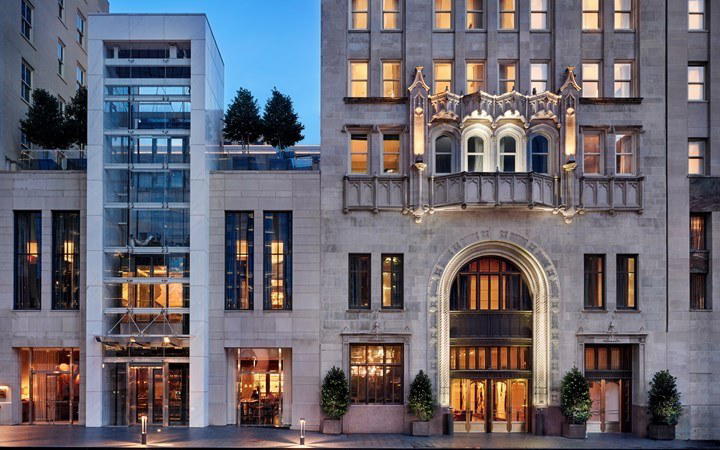
The Fairmont Dallas occupies a prominent address at 1717 N Akard St in the heart of downtown, placing guests within walking distance of the Arts District and the city's main business corridors. As one of downtown Dallas's larger full-service hotels, it operates as a base for both corporate and leisure travelers who want proximity to the convention center and Uptown without the boutique scale of newer independents.

Pearl is the En Primeur Club membership app, where members save venues, book tables and use the concierge.
Downtown Dallas and the Full-Service Hotel Tier
Dallas's hotel market has bifurcated sharply over the past decade. On one side sit the design-led independents, properties like Casa Duro and Hotel Swexan, that have carved a niche through architecture, food programming, and a deliberately limited key count. On the other side, the large full-service flagships anchor the downtown core, offering convention-scale infrastructure, multiple dining outlets, and the loyalty-point infrastructure that corporate travelers expect. The Fairmont Dallas, at 1717 N Akard Street, belongs firmly to this second category. It is a downtown anchor in the traditional sense: a tall, recognizable tower in the central business district that functions as a self-contained operation rather than a neighborhood embed.
That positioning is neither a criticism nor a compliment by itself. For certain trips, a long weekend that includes a conference, or a visit timed around an event at the Kay Bailey Hutchison Convention Center a short walk south, a full-service downtown hotel is the logical base. The question worth asking is how the Fairmont Dallas performs within that tier, and how it sits relative to Dallas's broader premium hotel supply.
The Dining Programme as a Differentiator
For large-format hotels operating in competitive downtown markets, the food and beverage programme has become the primary battlefield for differentiation. A lobby bar with a credible cocktail list and a restaurant that holds its own against the standalone dining scene can shift a property from a functional layover to a destination in its own right. This shift is visible across premium hotel markets nationally: compare how Raffles Boston has positioned its food and beverage offering as a reason to visit independent of a room booking, or how The Fifth Avenue Hotel in New York City has used its restaurant to anchor a broader dining identity.
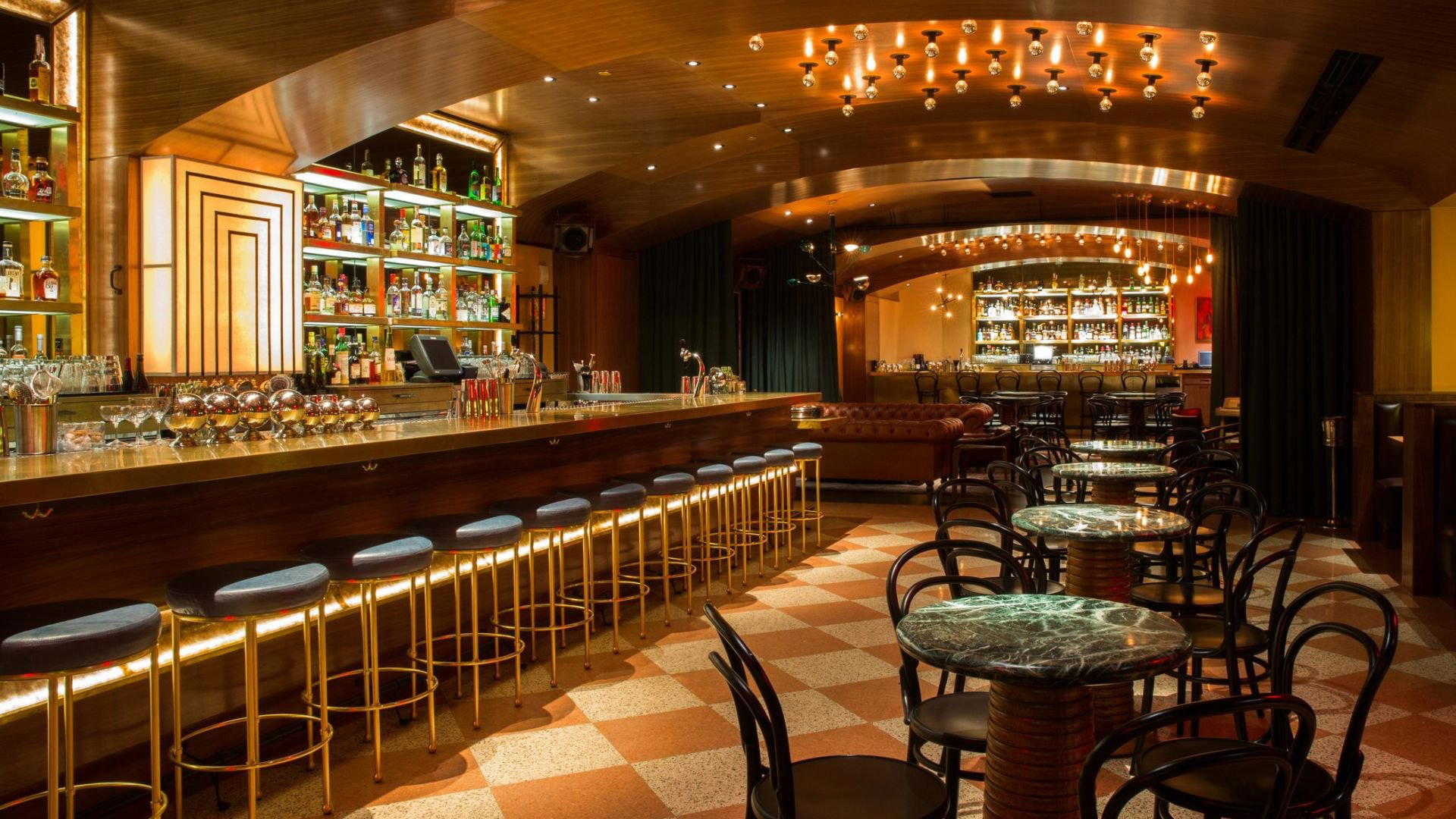
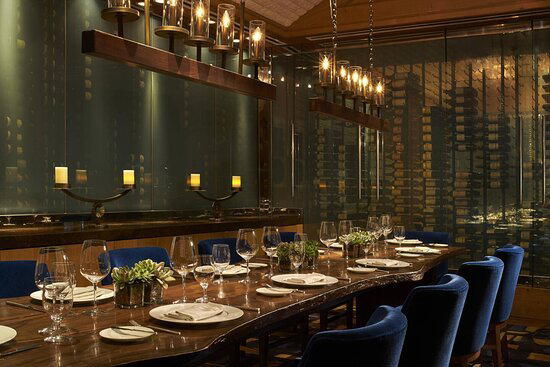
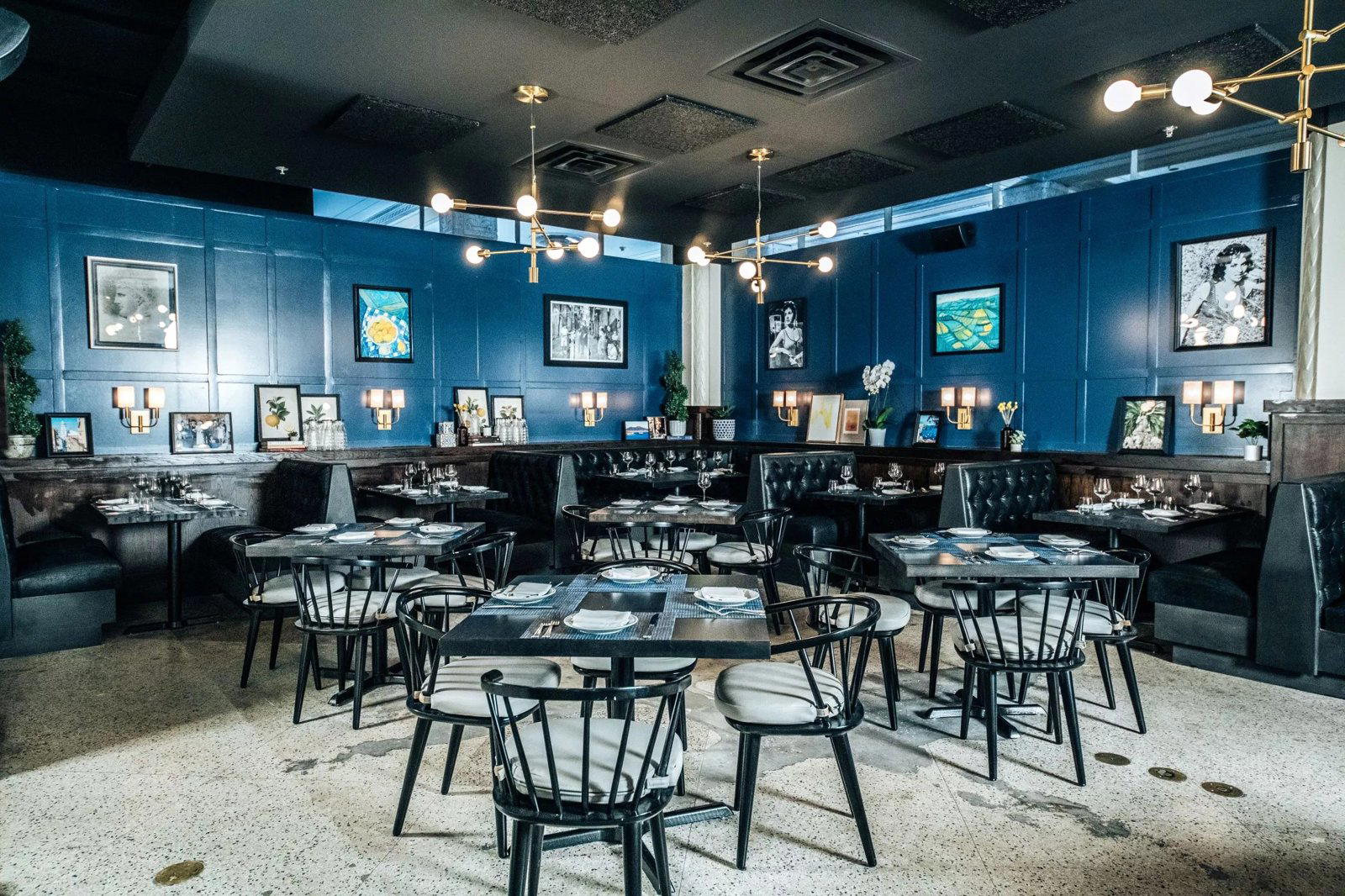
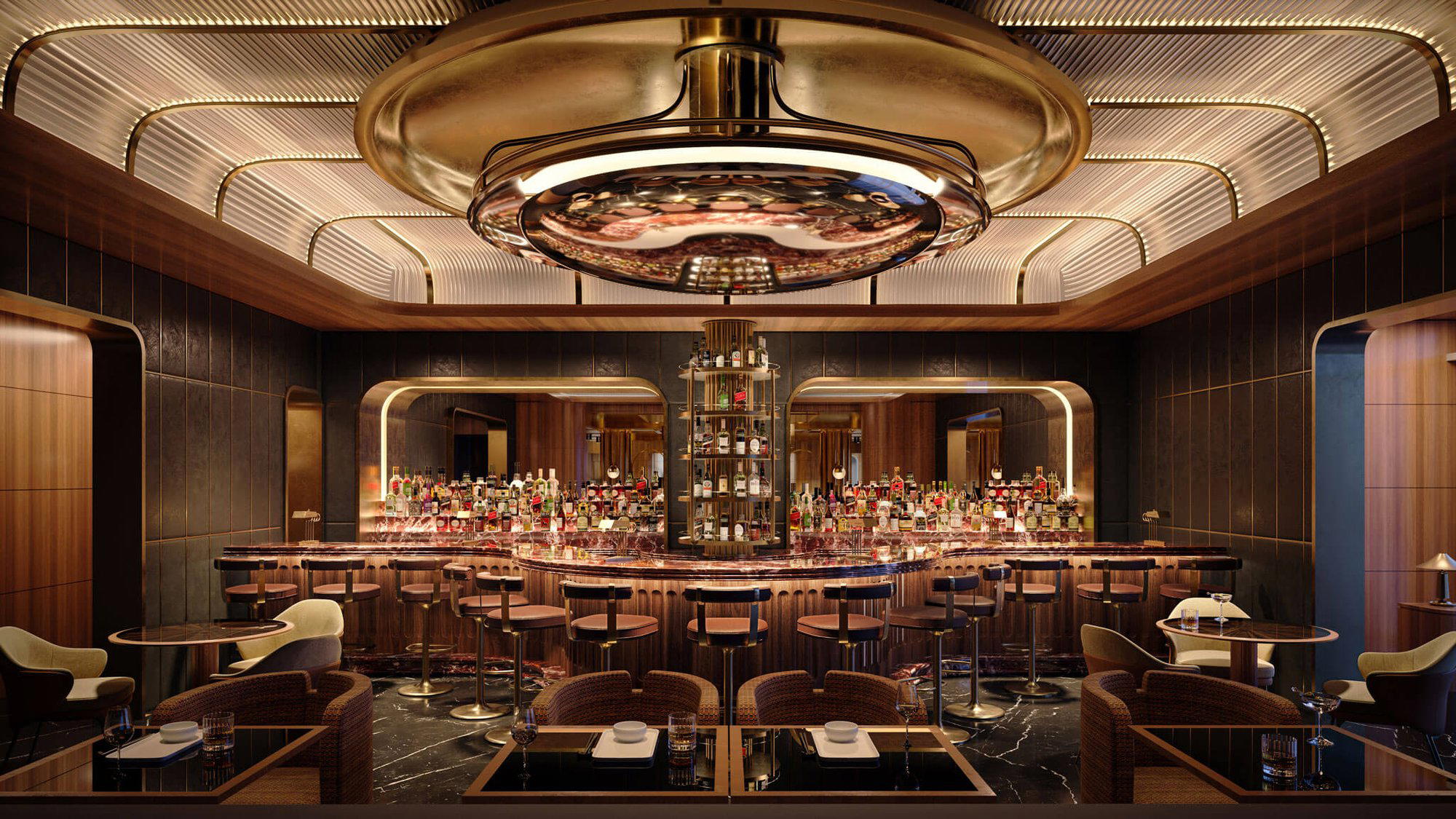
The Fairmont Dallas operates dining outlets within the property, as is standard for a hotel of its scale and category. What the address does offer is convenience: guests eating on-site avoid the need to navigate downtown Dallas's uneven walkability after a long day, which matters more in a Texas summer than it would in, say, a denser Northern city. For guests who plan to eat out extensively, our full Dallas restaurants guide covers the broader scene, including the Arts District dining corridor that sits within easy reach of the hotel.
Placing the Fairmont in Dallas's Competitive Set
The comparison set for the Fairmont Dallas in the premium downtown tier includes the Hotel Crescent Court, which anchors the Crescent complex in Uptown, and the JW Marriott Dallas Arts District, which has positioned itself directly against the cultural calendar of the Nasher Sculpture Center and the AT&T; Performing Arts venues. The Hilton Anatole operates at an even larger scale in the Design District. Each of these properties makes a different geographic and experiential argument. The Fairmont's argument is centrality: the N Akard Street address places it between downtown's financial core and the Arts District, with DART's St. Paul Station nearby for those choosing to move around the city without a car.
For travelers whose frame of reference includes design-forward properties like Hotel Zaza Dallas or the independently spirited HALL Arts Hotel Dallas, the Fairmont operates in a different register. It is a large-footprint, brand-affiliated property that prioritizes reliability and scale over editorial distinctiveness. Neither approach is categorically superior; they answer different travel briefs.
At the upper end of Dallas's hotel supply, the Rosewood Mansion on Turtle Creek occupies a category of its own: a historic property with a dining programme that has defined Dallas's luxury hospitality identity for decades. That's a different competitive tier from the downtown tower segment, and the two properties are not directly substitutable.
Context in the Wider American Premium Hotel Market
Travelers who move between American premium hotel markets will recognize the Fairmont brand as occupying a consistent tier: above the standard full-service tier, below the ultra-luxury independents. Within Fairmont's own portfolio globally, there is significant variation in ambition. Some Fairmont properties have invested heavily in culinary identity and design specificity. Others operate primarily as large-scale, reliable urban anchors. Without current confirmed data on the Dallas property's specific food and beverage programme or room product, placing it precisely within the brand's internal hierarchy is difficult.
For context, the wider American market includes properties across a broad range of formats: from destination retreats like Amangiri in Canyon Point and Post Ranch Inn in Big Sur, to urban flagships in dense markets, to farm-to-table-driven inns like SingleThread Farm Inn in Healdsburg. The Fairmont Dallas is none of those things; it is a downtown business hotel with full-service infrastructure, operating in a market where that format still carries real demand.
Planning Your Stay
The hotel sits at 1717 N Akard St in the downtown core, within a manageable walk of the Dallas Arts District and the Klyde Warren Park that connects downtown to Uptown. For travelers arriving by air, Dallas Love Field is approximately 15 minutes by car in normal traffic, while Dallas/Fort Worth International sits further out and requires either a taxi or rideshare for most hotel guests. The DART rail network provides an alternative to driving, with stops accessible from the hotel's immediate neighborhood.
Booking through the Fairmont's loyalty programme, Accor Live Limitless, is the standard route for rate optimization and room preference requests. As with most full-service downtown hotels in this tier, rates fluctuate significantly around convention calendar dates, and the Kay Bailey Hutchison Convention Center's schedule is worth checking before locking in dates if rate sensitivity matters. Travelers planning around the Dallas arts calendar, particularly the fall season at the Winspear Opera House or the AT&T; Performing Arts Center, should note that the hotel's address makes it a reasonable walking-distance base for evening programming.
Price Lens
A quick peer reference to anchor this venue in its category.
| Venue | Price | Awards |
|---|---|---|
| Fairmont DallasThis venue (the venue you are viewing) | Not listed | Not listed |
| Rosewood Mansion on Turtle Creek | $500–750 | 1 Michelin Key · La Liste Top Hotels |
| The Ritz-Carlton Dallas, Las Colinas | $300–500 | 1 Michelin Key · La Liste Top Hotels |
| The Ritz-Carlton, Dallas | Not listed | La Liste Top Hotels · Forbes 5-Star |
| Casa Duro | $300–500 | 1 Michelin Key |
| Hotel Swexan | Not listed | 1 Michelin Key · Mr & Mrs Smith Seal of Approval |
Continue exploring
More in Dallas
Hotels in Dallas
All hotels in Dallas →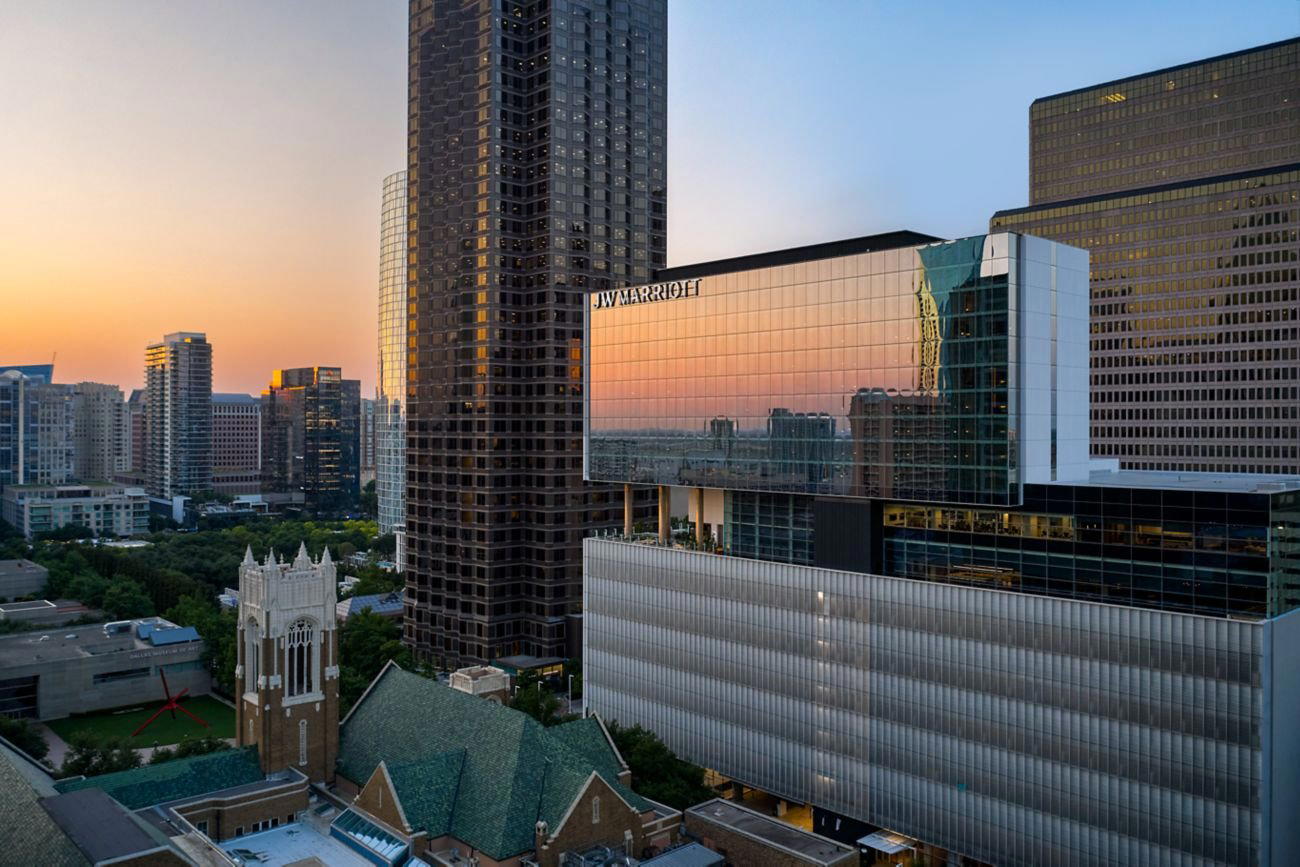
Details
- Elegant
- Classic
- Sophisticated
- Well Known
- Business Trip
- Family Vacation
- Weekend Escape
- Rooftop Pool
- Historic Building
- Panoramic View
- Pool
- Spa
- Fitness Center
- Room Service
- Concierge
- Business Center
- Valet Parking
- Wi Fi
- Skyline
- Wheelchair Accessible
- Elevator
- Step Free Entrance
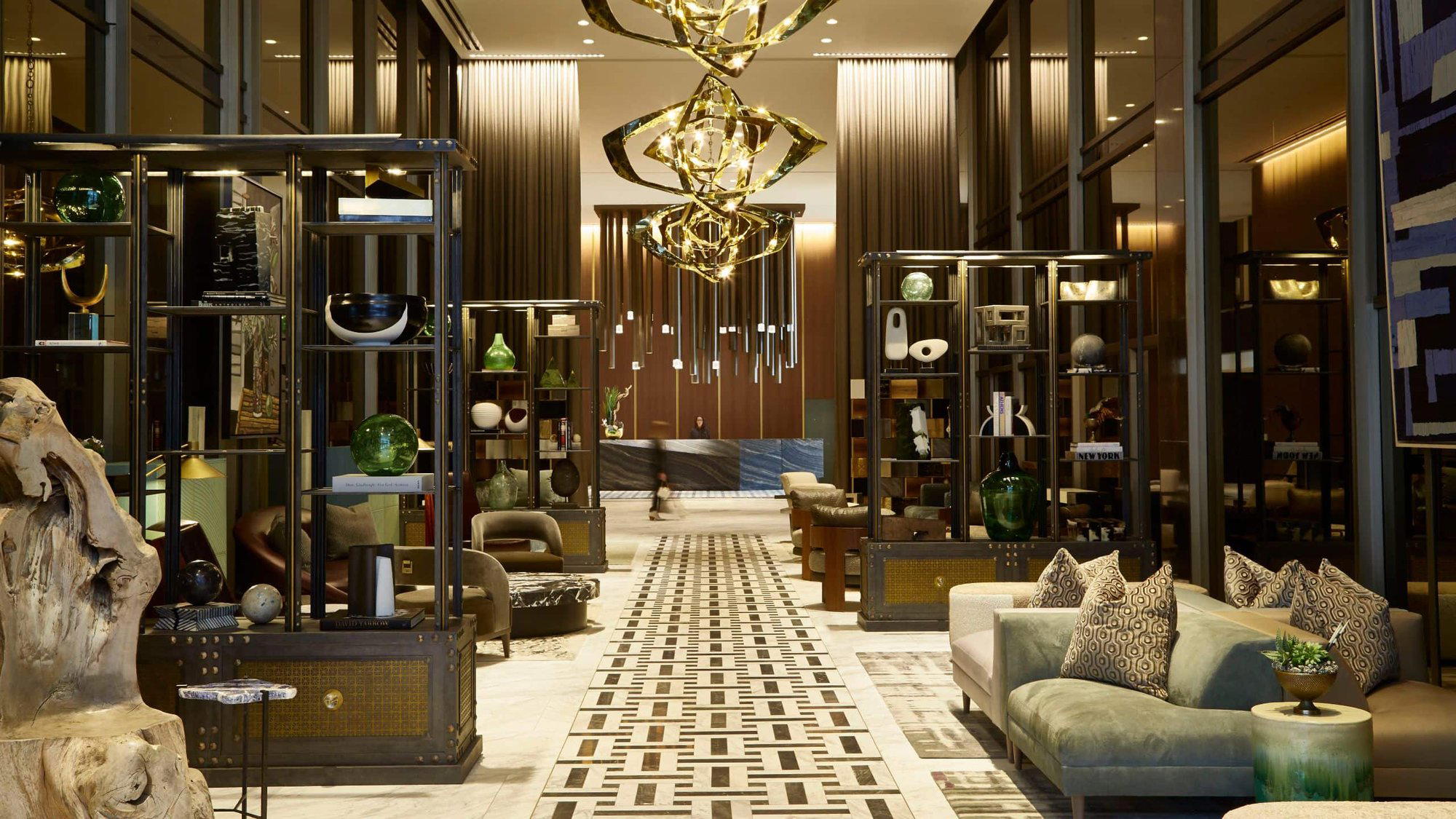
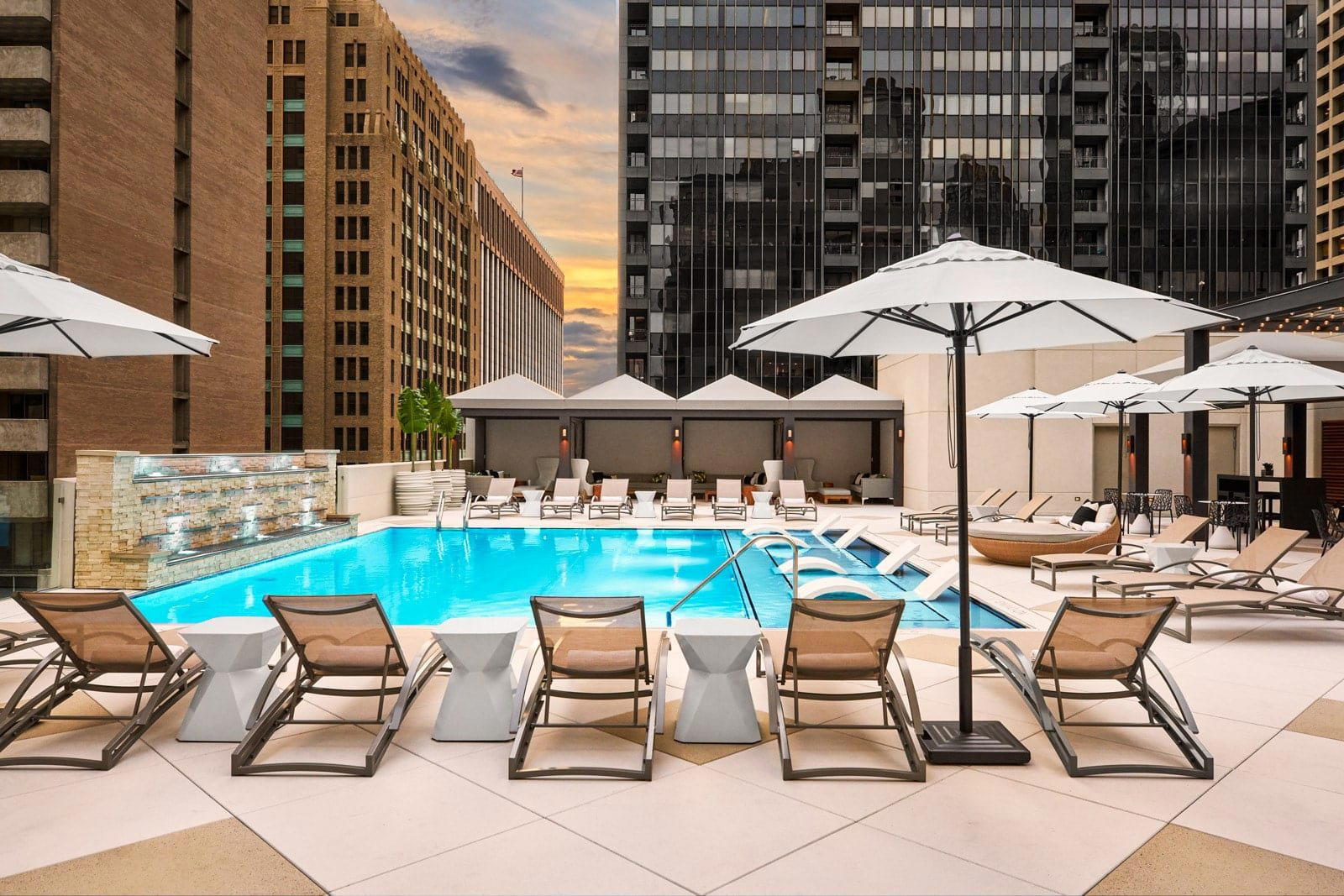
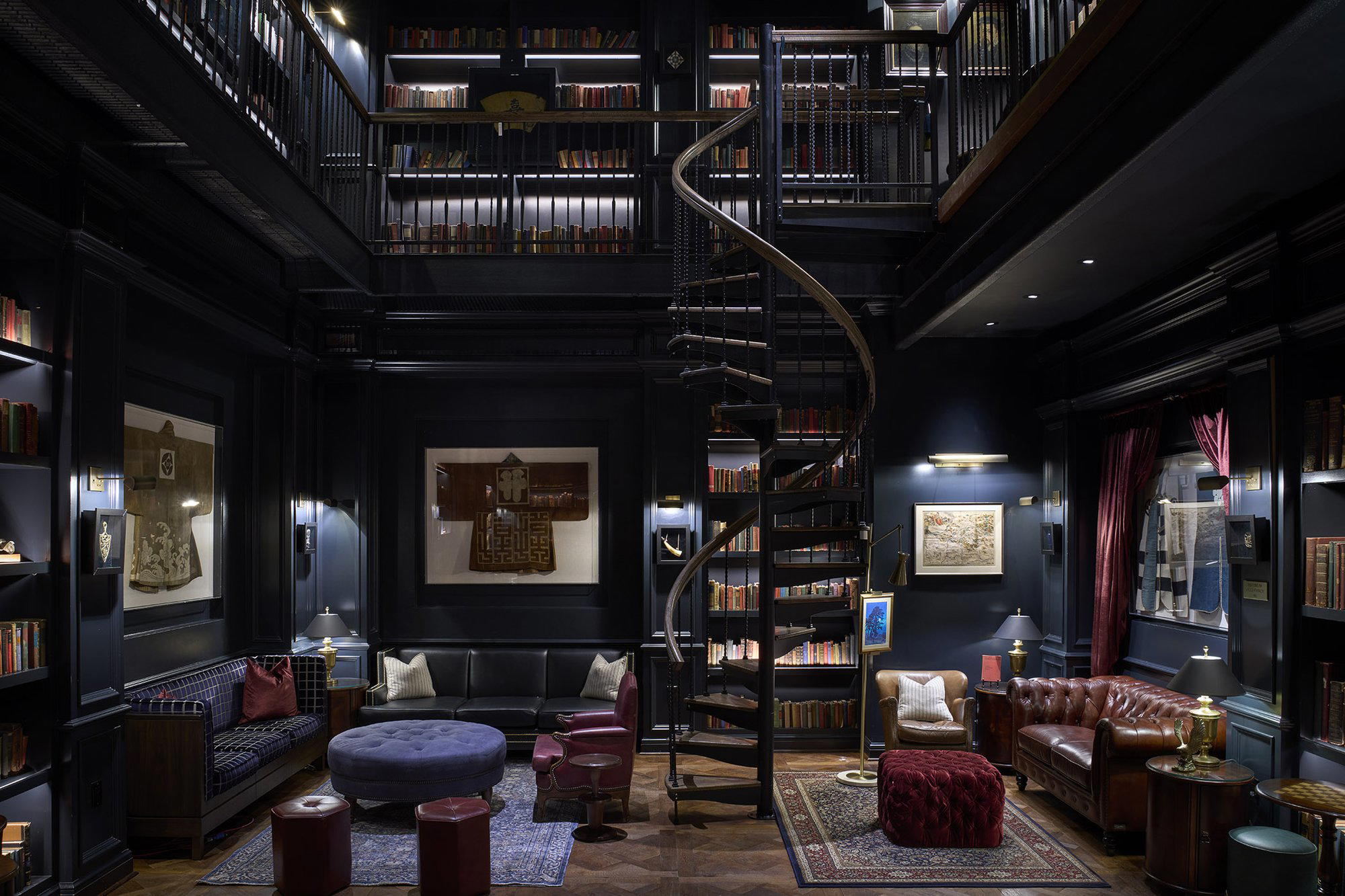
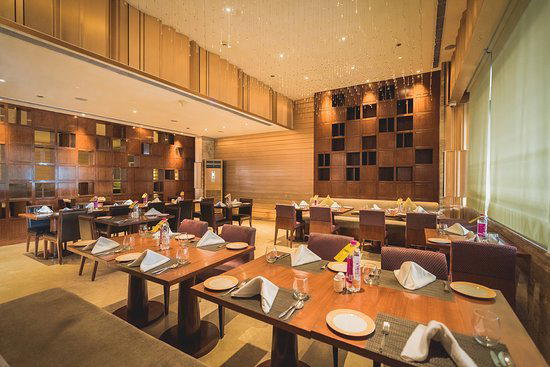
Timeless elegance with retro architectural flourishes, bold contemporary artworks, and sweeping city views from floor-to-ceiling windows.