Tatsu Dallas

Tatsu Dallas holds consecutive Michelin stars (2024 and 2025) and operates from a Deep Ellum address on Elm Street, running a counter-format Japanese program Tuesday through Saturday. At the top of Dallas's $$$$-tier Japanese dining, it draws comparisons to Tei-An as the two anchors of serious Japanese cooking in the city. Reservations are tightly held and the format rewards guests who come with patience and attention.
Pearl is the En Primeur Club membership app — saves, bookings, and concierge access live there. Same editors, same standards.
- Address
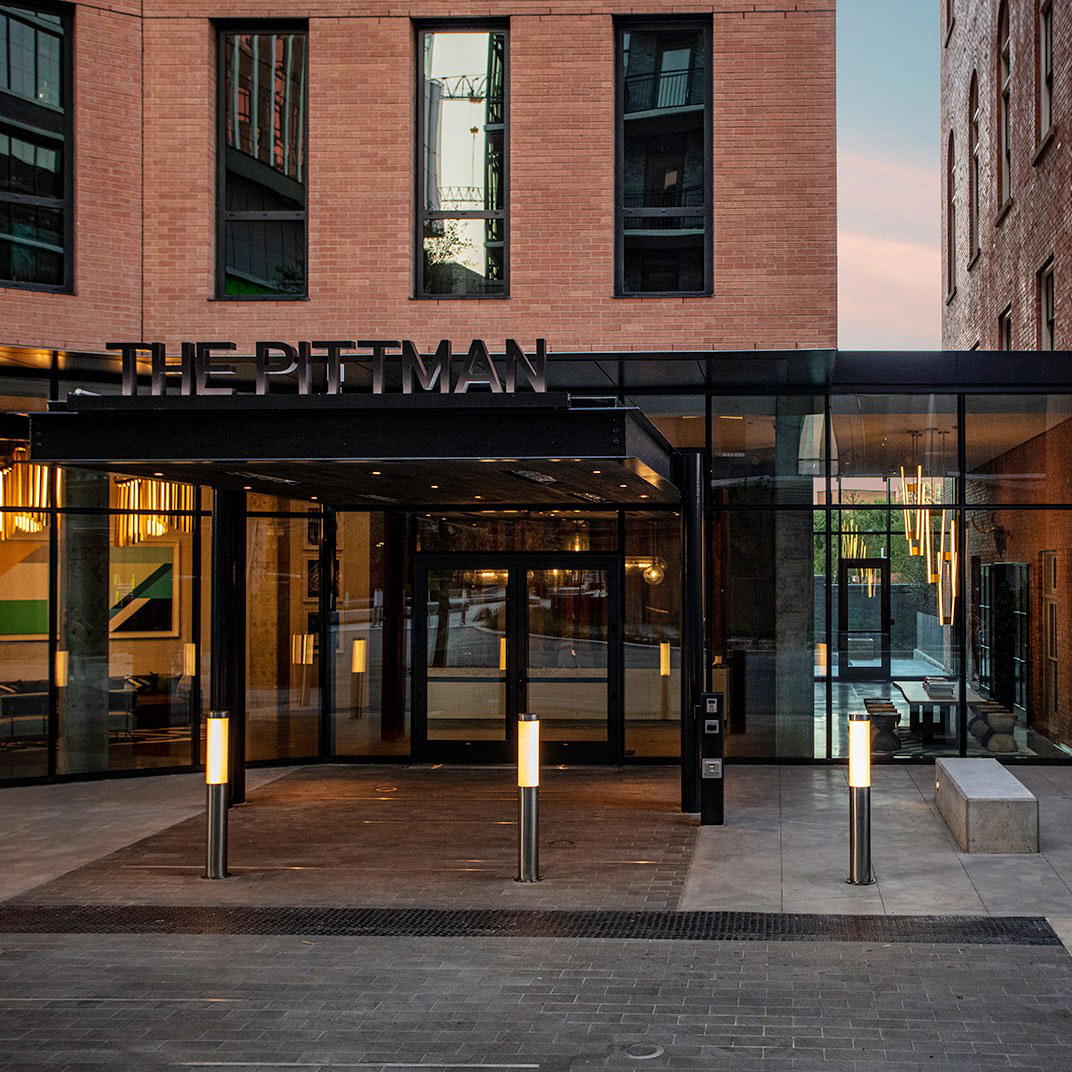
- 3309 Elm St ste 120, Dallas, TX 75226
- Phone
- (469) 271-7710
- Website
- tatsu-dallas.com
- Directions
- Get directions
 Saves & bookings on Pearl
Counter Theater in Deep Ellum
Dallas has developed a small but serious cluster of Japanese dining that sits well above the mid-market sushi roll format. At the top of that cluster, the counter-format experience has become the reference point — a style where the cooking surface is the stage, the chef is the performer, and proximity to the preparation is the whole point. Deep Ellum, the city's historically music- and arts-driven corridor, has proven a credible address for that kind of concentrated dining. The neighborhood's low-rise industrial bones and walkable density create the conditions that serious counter restaurants tend to prefer: intimate scale, local regularity, and an audience that comes to pay attention rather than be seen.
Tatsu Dallas sits at 3309 Elm Street inside that context, and its back-to-back Michelin stars — awarded in 2024 and again in 2025, confirm a position that locals with strong Japanese dining instincts had already assigned it. In the city's $$$$-tier Japanese category, only Tei-An occupies a similarly refined critical position, making Tatsu one of two restaurants carrying the weight of what serious Japanese cooking looks like in Dallas.
The Logic of Live Preparation
The counter format, whether omakase, teppanyaki, or some synthesis of the two, imposes a discipline on the kitchen that open-room dining does not. There is no distance between the cook and the guest, no behind-the-scenes correction, no re-plating that happens out of view. Every motion is observable. The fire, the knife work, the sequencing of courses: all of it happens within arm's reach. Japanese counter traditions treat this proximity not as theater for its own sake but as a form of transparency, the preparation is the communication, and the guest's attention is expected in return.
That live-preparation model is relatively rare at the Michelin level in American cities. Lazy Bear in San Francisco and Alinea in Chicago both involve performative elements, but their formats are distinctly Western in conception. The Japanese counter tradition, as practiced at high-recognition venues in Tokyo such as Myojaku and Azabu Kadowaki, places the chef's technique at the center of the meal's meaning, not the decor, not the room, not the narrative. Tatsu operates within that tradition, not as an adaptation of it. That distinction matters when assessing what the Michelin recognition is actually rewarding.
Where Tatsu Sits in the Dallas Dining Field
Dallas's Michelin-recognized tier, which has grown in the years since the guide extended its Texas coverage, now includes a spread of cuisines and formats. Mamani and Al Biernat's represent very different registers of that recognition, and the city's broader restaurant community spans Italian at Barsotti's, wood-fire Brazilian at Casa Brasa, and the celebrated low-and-slow program at Cattleack Barbeque. Within that field, Tatsu occupies a specific niche: counter-format Japanese at the city's highest critical tier, operating in the $$$$ bracket and designed for guests who understand what that format demands of them as participants.
The comparison set relevant to Tatsu is not primarily local. Counter-format Japanese at the Michelin one-star level in American cities operates against a national peer group that includes high-recognition omakase and teppanyaki programs in New York, San Francisco, and Chicago. In that frame, Tatsu's consecutive star awards position it as the counterpart to venues like Le Bernardin in New York City or The French Laundry in Napa in terms of critical standing within their respective cuisines, not in style or format, but in the weight of sustained institutional recognition. Single Thread Farm in Healdsburg provides another useful point of comparison: a tightly controlled, Japanese-influenced fine dining program in an American city that earns its recognition through precision and restraint rather than scale. Emeril's in New Orleans represents a different trajectory entirely, a high-profile American dining institution, but the contrast is instructive: Tatsu's recognition is built on craft density rather than celebrity footprint.
Tuesday Through Saturday: The Operating Window
Michelin-starred counter restaurants in the United States tend to run compressed weekly schedules as a function of the format's labor intensity. Tatsu is closed Mondays and Sundays, with service running Tuesday through Saturday from 5:30 PM to 10 PM. That six-hour window, five nights a week, is the entirety of the restaurant's public-facing program. The limited schedule concentrates demand and reflects the operational reality of a kitchen format where the chef's physical presence at the counter is non-negotiable rather than optional.
The address, Suite 120 at 3309 Elm Street, places the restaurant in the commercial fabric of Deep Ellum, accessible by car with street and lot parking common to the neighborhood. For those planning broader Dallas evenings, the corridor's concentration of bars and music venues means pre- or post-dinner options are within walking distance. Those looking to extend a Dallas dining exploration beyond the restaurant tier can find EP Club's full coverage of the city through our [Dallas restaurants guide](), [Dallas bars guide](), [Dallas hotels guide](), [Dallas wineries guide](), and Dallas experiences guide.
What the Stars Are Actually Measuring
Michelin's one-star designation, as the guide applies it globally, signals cooking of high quality that justifies a special trip within a region. Two consecutive awards at the same venue carry additional weight: they eliminate the possibility of a debut-year anomaly and confirm that the kitchen is operating at a consistent level rather than peaking around an inspection cycle. At Tatsu, that consistency across 2024 and 2025 suggests the format is stable, the sourcing is reliable, and the execution at the counter meets a standard that survives repeat evaluation.
For counter-format Japanese specifically, Michelin recognition in an American city carries particular significance. The guide's French origins mean its evaluators are not instinctively advantaged in assessing Japanese cuisine, which makes sustained recognition of this format in Dallas a meaningful signal rather than a reflexive category award.
Planning a Visit
Given the five-night schedule and the counter format's inherent capacity constraints, advance booking is the operational expectation rather than the exception. The $$$$ price designation places Tatsu at the top of Dallas's restaurant pricing tier, where a meal is a deliberate expenditure rather than a casual one. The format rewards guests who arrive without time pressure, counter dining at this level is sequenced and unhurried, and the full arc of the meal is part of what the kitchen is composing. Arriving at 5:30 PM on a weekday, when the pace of the room is building rather than peaked, is often the preferred entry point for first visits at counter venues of this type.
Guests with broader appetites for the city's serious dining will find that the Michelin-recognized tier in Dallas now offers genuine variety: from Tatsu's Japanese counter precision to the range covered in our full guide to [Dallas restaurants](). The city's fine dining field, while younger than New York's or San Francisco's institutional base, has developed enough critical mass that a multi-day itinerary can be built around it without repetition.
Reputation Context
| Venue | Cuisine | Price | Awards |
|---|---|---|---|
| Tatsu DallasThis venue — the venue you are viewing | Japanese | $$$$ | Michelin 1 Star |
| Lucia | Italian | $$$ | Italian |
| Tei-An | Izakaya, Japanese | $$$$ | Izakaya, Japanese |
| Fearing's | Southwestern, American | $$$$ | Southwestern, American |
| Cattleack Barbeque | Barbecue | $$ | Barbecue |
| Gemma | American | $$$ | American |
Recognition history
Dated appearances from independent guides and award organizations, with the underlying list record or original source where available.
Michelin 1 Star
Michelin
Michelin 1 Star
Michelin



At a Glance
- Intimate
- Elegant
- Sophisticated
- Quiet
- Modern
- Date Night
- Special Occasion
- Celebration
- Chefs Counter
- Open Kitchen
- Sake Program
- Local Sourcing
Current opening hours
- Monday
- Closed
- Tuesday
- 5:30–10 PM
- Wednesday
- 5:30–10 PM
- Thursday
- 5:30–10 PM
- Friday
- 5:30–10 PM
- Saturday
- 5:30–10 PM
- Sunday
- Closed
Hours can change for holidays and private events. Last verified .
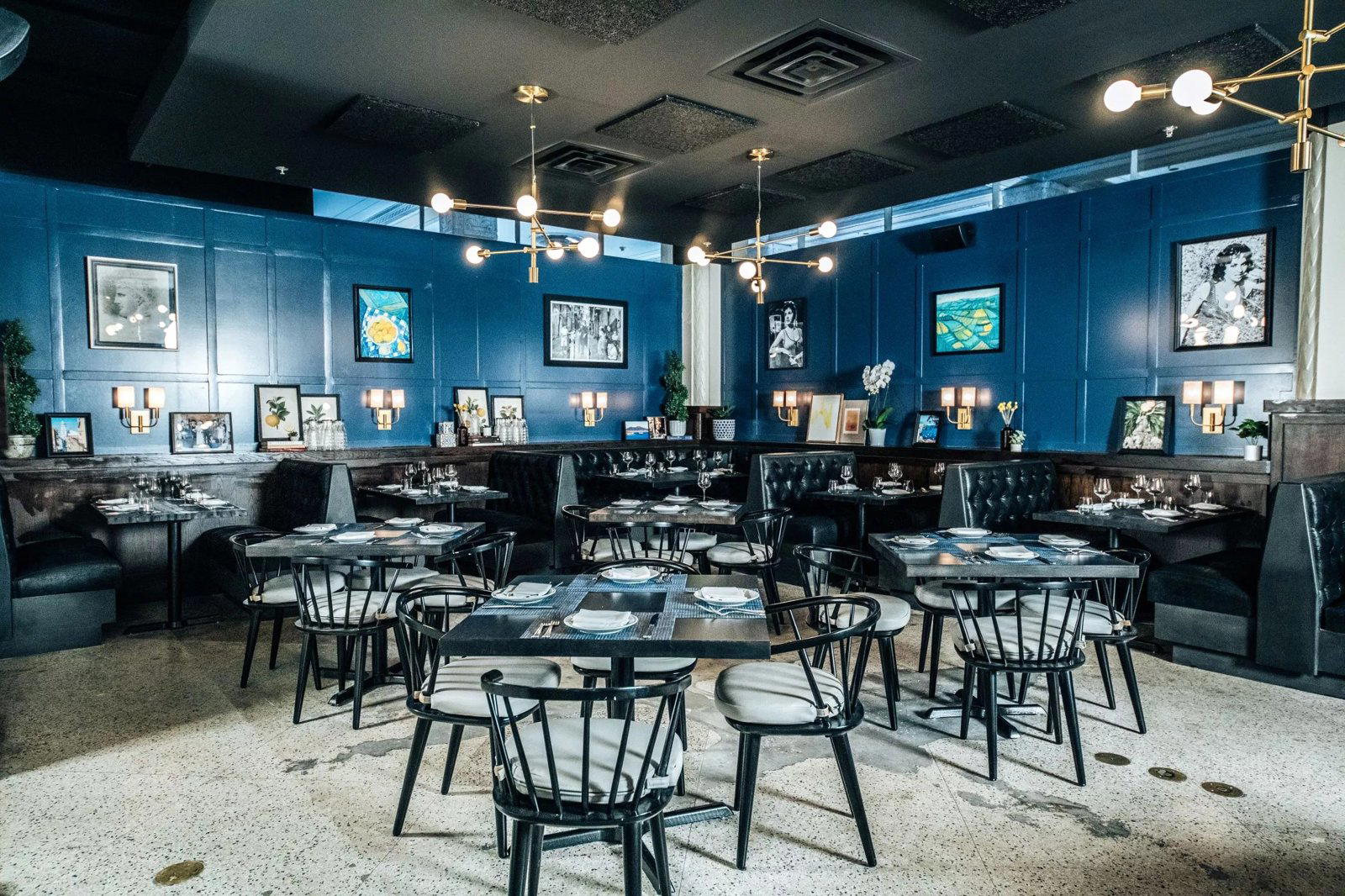
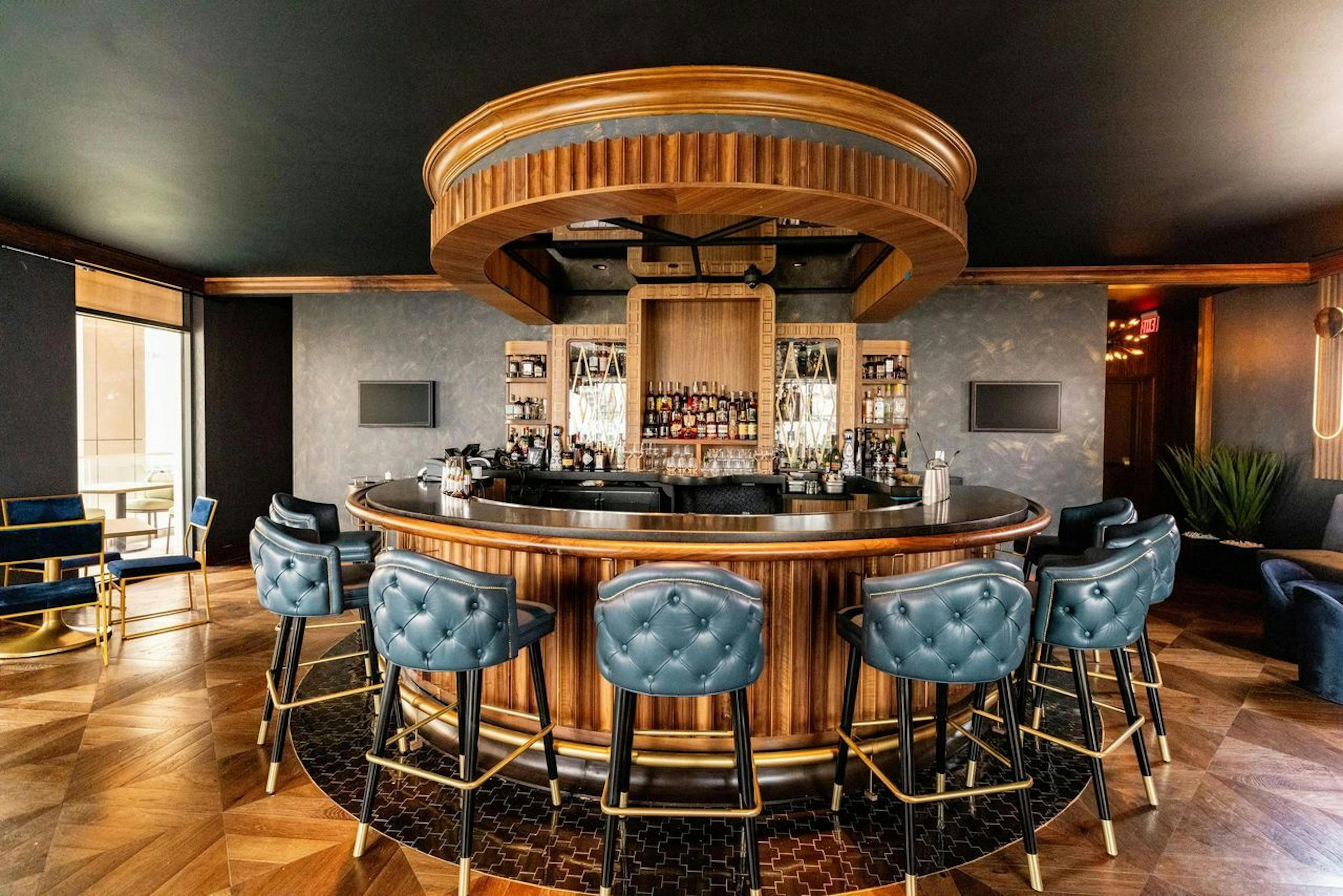
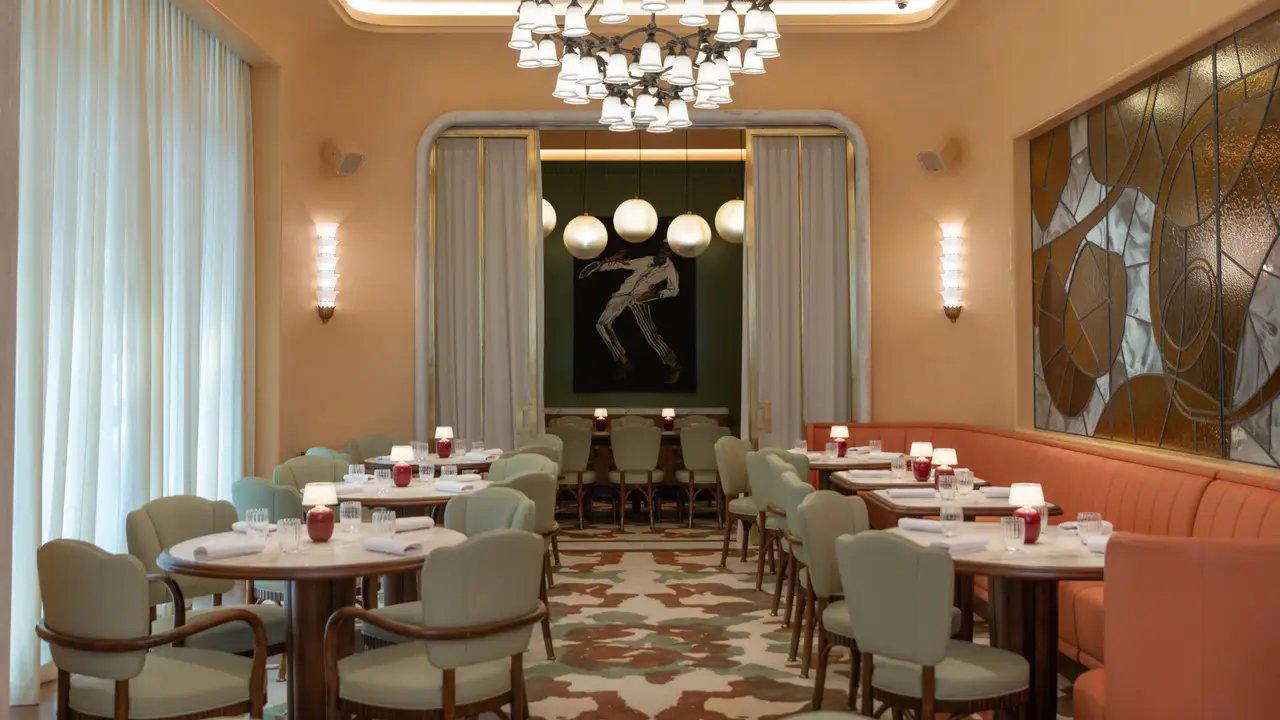
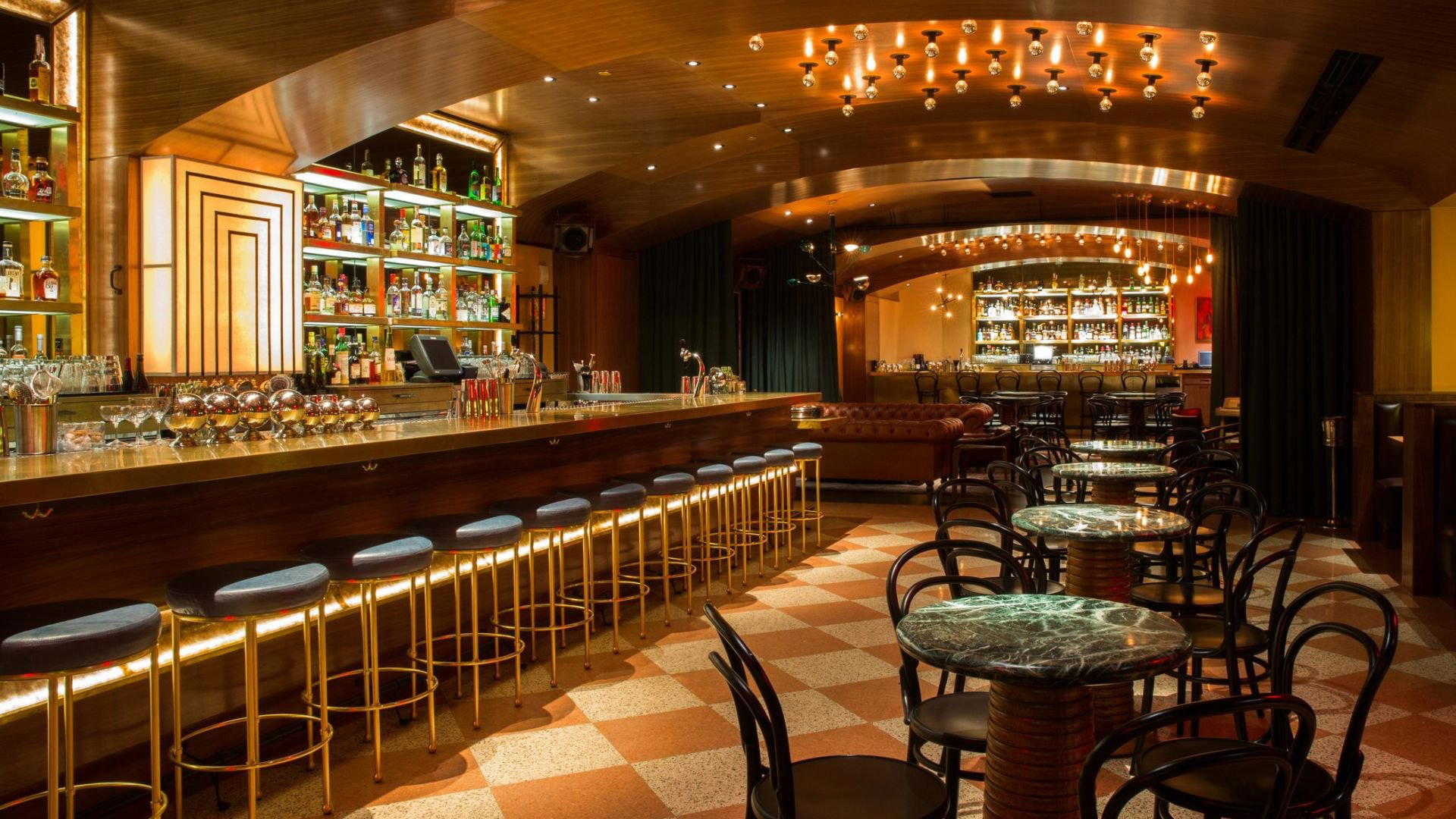
Intimate 10-seat sushi counter in a quiet, ceremonial setting with hotel-like decor, focused attention on the chef's craft.
Know Before You Go
- Getting there
- 3309 Elm St ste 120, Dallas, TX 75226