Cafe Nubia
Cafe Nubia occupies a strip-mall address on Rosemeade Parkway in north Dallas, but the address undersells what the room delivers. In a city where African dining is chronically underrepresented, Cafe Nubia holds a distinct position. Arrive with appetite and patience: the kitchen sequences its food in a way that rewards diners who let the meal unfold at its own pace.
Pearl is the En Primeur Club membership app — saves, bookings, and concierge access live there. Same editors, same standards.
- Address
- 3920 Rosemeade Pkwy #100, Dallas, TX 75287
- Phone
- +14692258405
- Website
- cafenubiadfw.com
- Directions
- Get directions
 Saves & bookings on Pearl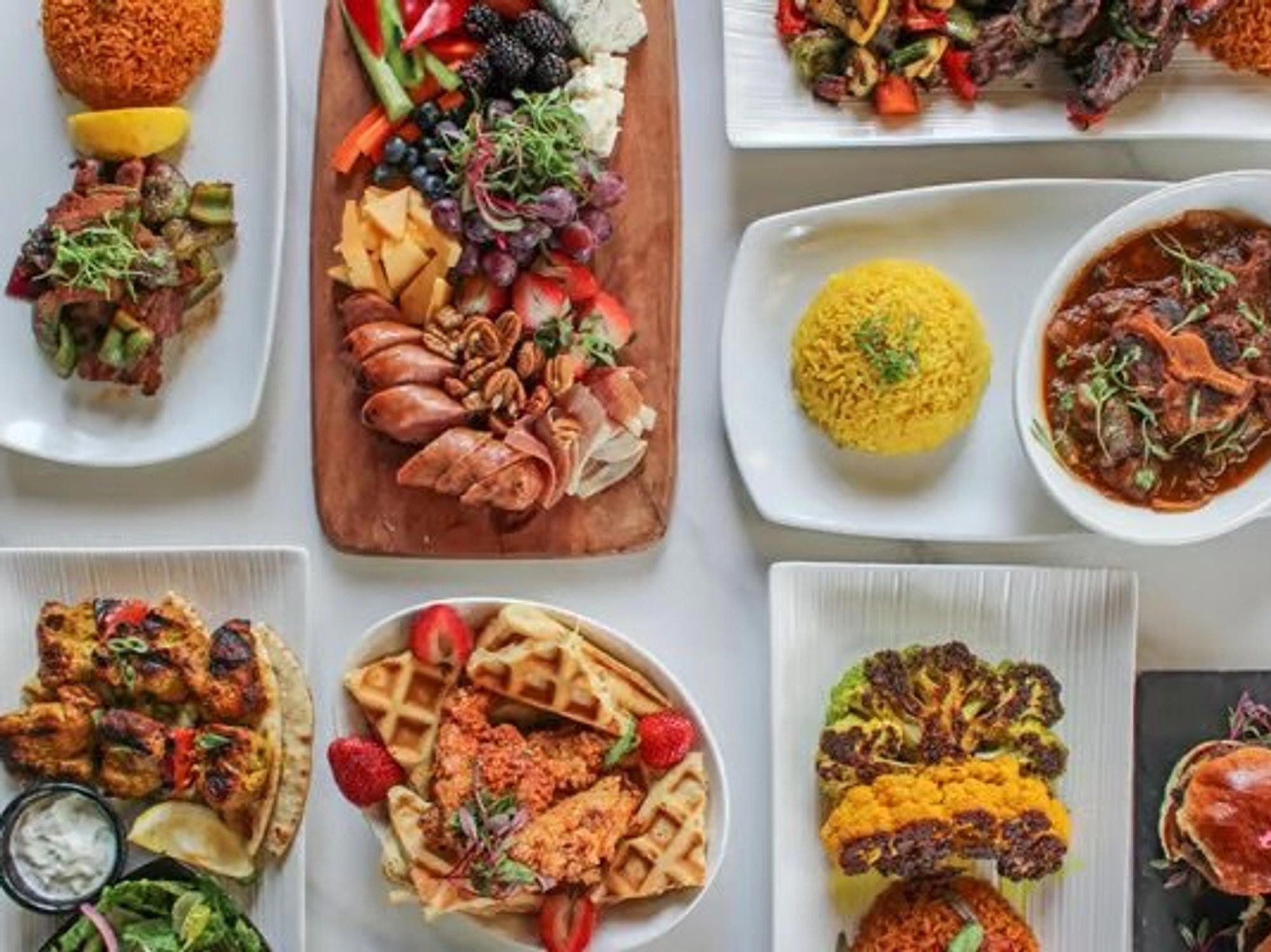
North Dallas and the Slow Arrival of African Cuisine
Dallas has spent the better part of two decades building a restaurant identity around Tex-Mex, Texas barbecue, and an increasingly serious fine-dining tier. That fine-dining conversation runs through places like Mamani and Tatsu Dallas, where the tasting-menu format and the price point signal a particular kind of ambition. What the city has been slower to develop is a serious African dining presence, the kind that earns regular coverage in the food press and a loyal cross-cultural following. Cafe Nubia, at 3920 Rosemeade Parkway in the far north of the city, sits inside that gap. The Rosemeade corridor is suburban in character, the kind of strip-mall address that Dallas's most compelling ethnic restaurants have always occupied, partly because the rents allow a kitchen to prioritize food over theatre.
The name Nubia references the ancient civilization that stretched across what is now southern Egypt and northern Sudan, a geographical and cultural reach that shapes the identity of several northeast African cuisines. That reference point matters for how you approach the menu: this is not a broad pan-African proposition but something more specific, rooted in the flavors and communal rhythms of the Nile corridor. In a national dining context where tasting-menu culture has concentrated around restaurants like Le Bernardin in New York City, Lazy Bear in San Francisco, and The French Laundry in Napa, the multi-course logic of a communal African meal operates on a different but equally coherent principle: shared plates arrive in waves, each building on the last, the bread serving as utensil and punctuation throughout.
How the Meal Unfolds
The sequencing logic at Cafe Nubia follows the hospitality conventions of northeast African dining, which are more structured than they might initially appear. A meal does not arrive as individual plates stacked in isolation. It moves. The early phase tends toward lighter preparations, lentil-based dishes, vegetable stews, and fermented accompaniments that open the palate before the heavier meat-centered courses arrive. That progression mirrors the logic that drives celebrated tasting formats at places like Smyth in Chicago or Atomix in New York City, even if the aesthetic register is entirely different.
Injera, the fermented flatbread that doubles as plate and utensil in Ethiopian and Eritrean traditions, functions as the structural element of the meal. Its sourness is not incidental; it is calibrated to balance the richness of the wots (stews) and the fat content of the meat dishes. Ordering without understanding this relationship produces a different meal than ordering with it. At Cafe Nubia, the communal platter format means the kitchen is making sequencing decisions on behalf of the table, which is precisely what a good tasting-menu kitchen does, whether the frame is French, Korean, or northeast African.
Dallas diners accustomed to the format at 12 Cuts Brazilian Steakhouse, where meat arrives in continuous waves until you signal otherwise, will recognize the underlying hospitality logic even if the flavors read differently. The principle of managed abundance, where the kitchen controls the rhythm rather than the diner ordering a la carte, is what connects these formats across cultures.
The Room and the Neighborhood
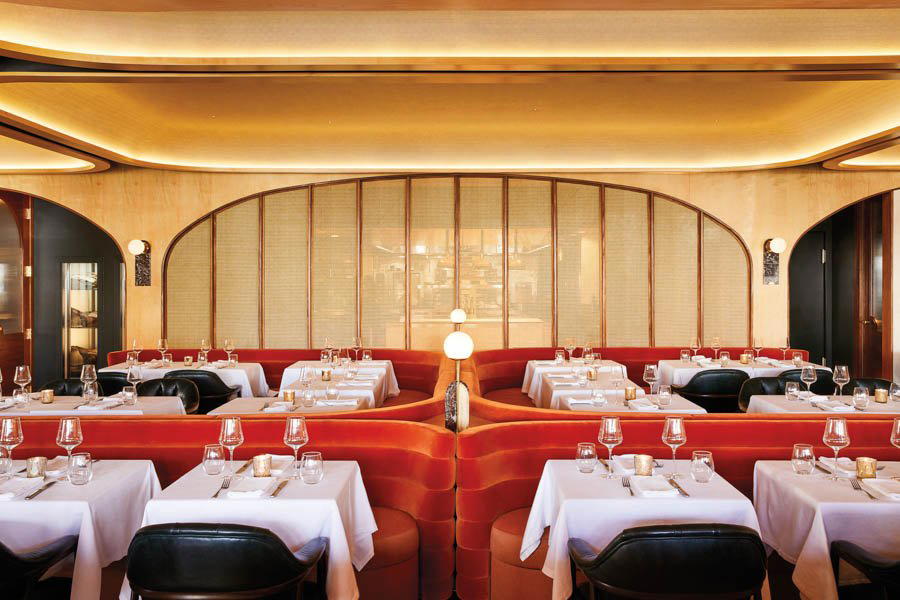
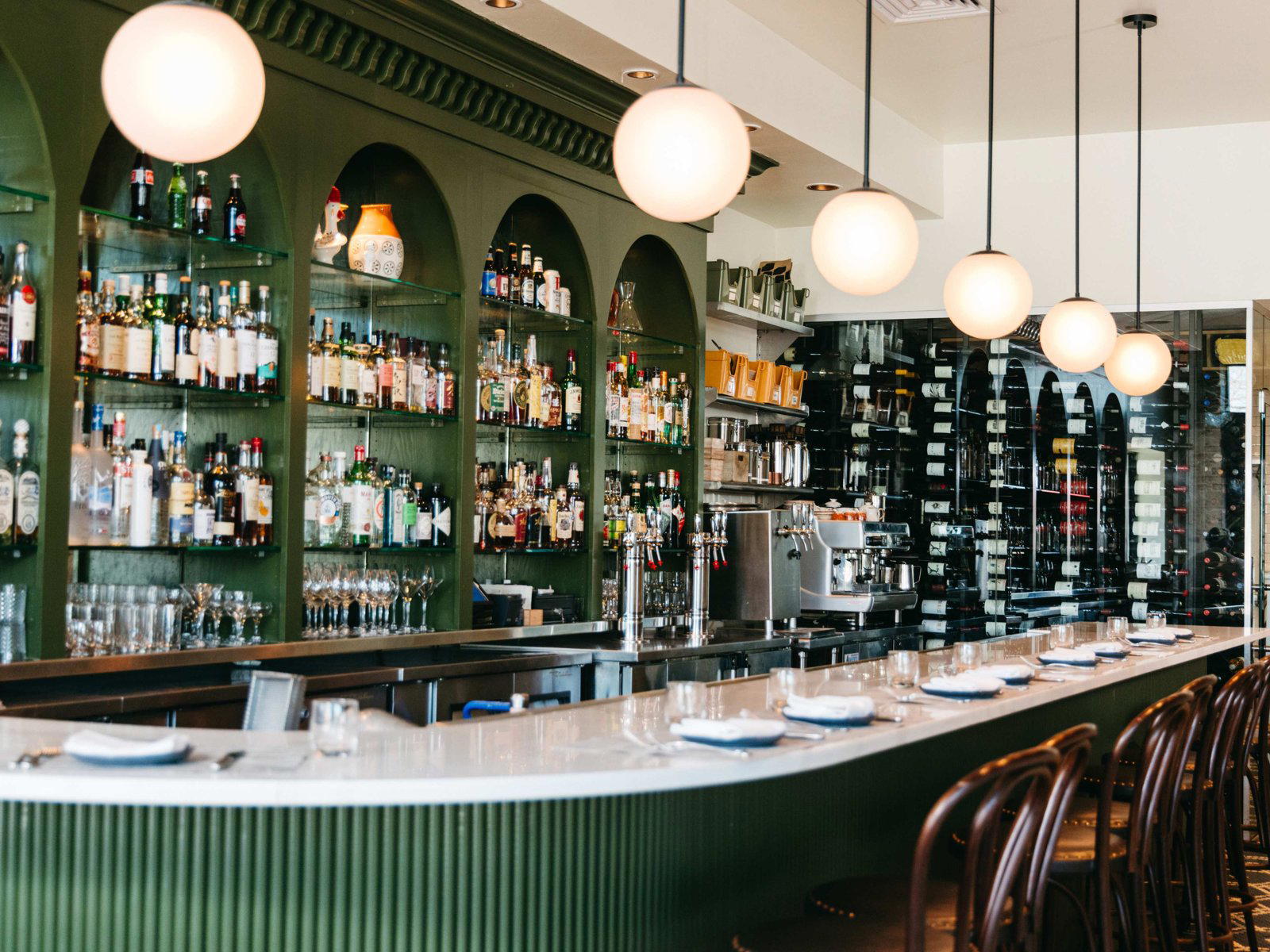
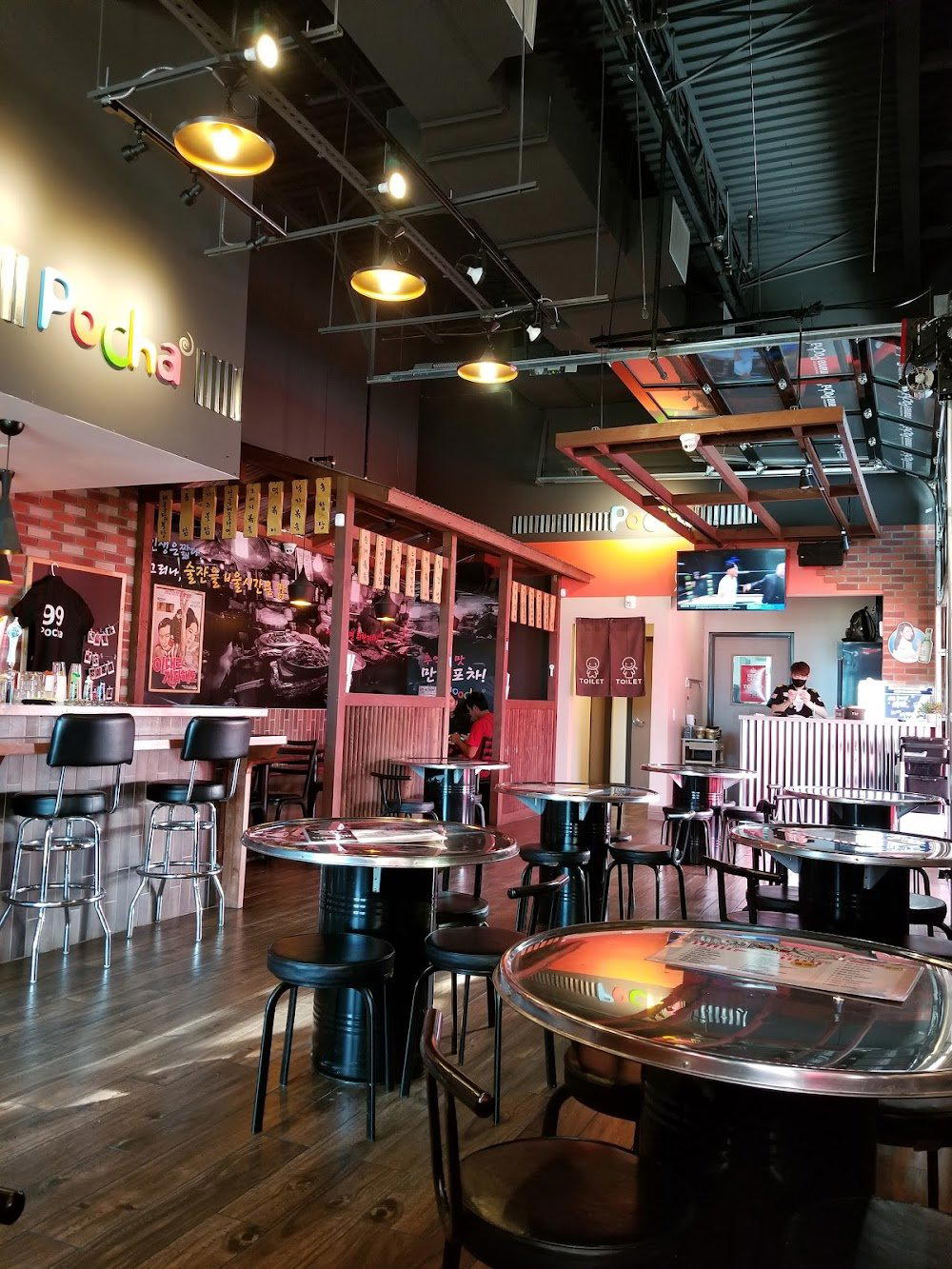
The Rosemeade Parkway address places Cafe Nubia in a part of Dallas that does not appear on most restaurant itineraries. North Dallas's strip-mall dining scene has historically been where the city's immigrant communities opened the restaurants they wanted to eat at rather than the restaurants they thought the food press wanted to review. That distinction produces a different kind of cooking. The room reflects that priority: the decor is functional rather than designed, the seating is comfortable without being curated, and the background noise is the sound of a full house rather than a sound system. Diners looking for the design-forward experience offered by, say, Blue Hill at Stone Barns in Tarrytown or Single Thread Farm in Healdsburg are operating in a different category entirely. Cafe Nubia's register is neighborhood restaurant, not destination dining room, and the food makes more sense understood in that frame.
For Dallas visitors building a broader itinerary, Cafe Nubia fits naturally alongside other north Dallas options like 360 Brunch House and 3Eleven Kitchen and Cocktails, venues that serve their communities first and destination diners second. That ordering of priorities is not a limitation. It is a quality signal. Our full Dallas restaurants guide maps the city's dining geography more completely, including the gap between the downtown fine-dining tier and the suburban ethnic dining scene that Cafe Nubia represents.
Where Cafe Nubia Sits in the Broader Picture
Positioning Cafe Nubia against the fine-dining tier, against places like Addison in San Diego, Providence in Los Angeles, Emeril's in New Orleans, The Inn at Little Washington, or Atelier Moessmer Norbert Niederkofler in Brunico, misses the point. The relevant comparison set is the tier of serious, community-rooted ethnic restaurants that American cities consistently undervalue until a food critic notices them a decade after the regulars already knew. Dallas has its own version of that story playing out in several cuisines. African dining is among the less-charted chapters.
The city's dominant dining narrative still runs through its steakhouses and its Tex-Mex institutions, with a growing fine-dining layer that includes Tei-An, Fearing's, and Lucia in the mid-to-upper price brackets. Cafe Nubia operates at a different price point and with a different set of ambitions, but its contribution to the city's dining range is not minor. It represents a cuisine and a communal eating format that most Dallas restaurants do not attempt.
Know Before You Go
- Address: 3920 Rosemeade Pkwy #100, Dallas, TX 75287
- Getting there: North Dallas; drive or rideshare recommended. Limited public transit access to this corridor.
- Calling ahead is advisable, particularly for groups, given the communal platter format.
- Format: Communal dining; shared platters designed for the table rather than individual plates.
- Timing: Allow more time than a standard restaurant visit. The sequencing of a northeast African communal meal is not designed for speed.
- Comparable community-rooted ethnic restaurants in this Dallas tier typically run at mid-range price points.
How Cafe Nubia Dallas compares with similar nearby venues.
| Venue | Cuisine |
|---|---|
| Knife | Steakhouse |
At a Glance
- Trendy
- Lively
- Modern
- Cozy
- Brunch
- Group Dining
- Casual Hangout
- Celebration
- Open Kitchen
- Terrace
- Live Music
- Craft Cocktails
Current opening hours
- Monday
- Closed
- Tuesday
- Closed
- Wednesday
- 4–11 PM
- Thursday
- 4 PM–12 AM
- Friday
- 4 PM–2 AM
- Saturday
- 11 AM–2 AM
- Sunday
- 11 AM–11 PM
Hours can change for holidays and private events. Last verified .
Coastal-inspired patio with murals, comfy covered outdoor seating, and lively lounge atmosphere with live entertainment on weekends.
Know Before You Go
- Getting there
- 3920 Rosemeade Pkwy #100, Dallas, TX 75287