Murnockerl sits on the Mur river corridor in Gralla, southern Styria, a region where ingredient provenance carries as much weight as technique. The address places it squarely in Austria's agricultural heartland, where the interplay between local producers and kitchen discipline shapes what ends up on the plate. For travellers moving through Styria beyond Graz, it represents a local reference point worth seeking out.
Pearl is the En Primeur Club membership app — saves, bookings, and concierge access live there. Same editors, same standards.
- Address
- Obere Murstraße 21, 8431 Gralla, Austria
- Phone
- +436641275400
- Website
- murnockerl-gourmet.at
- Directions
- Get directions
 Saves & bookings on Pearl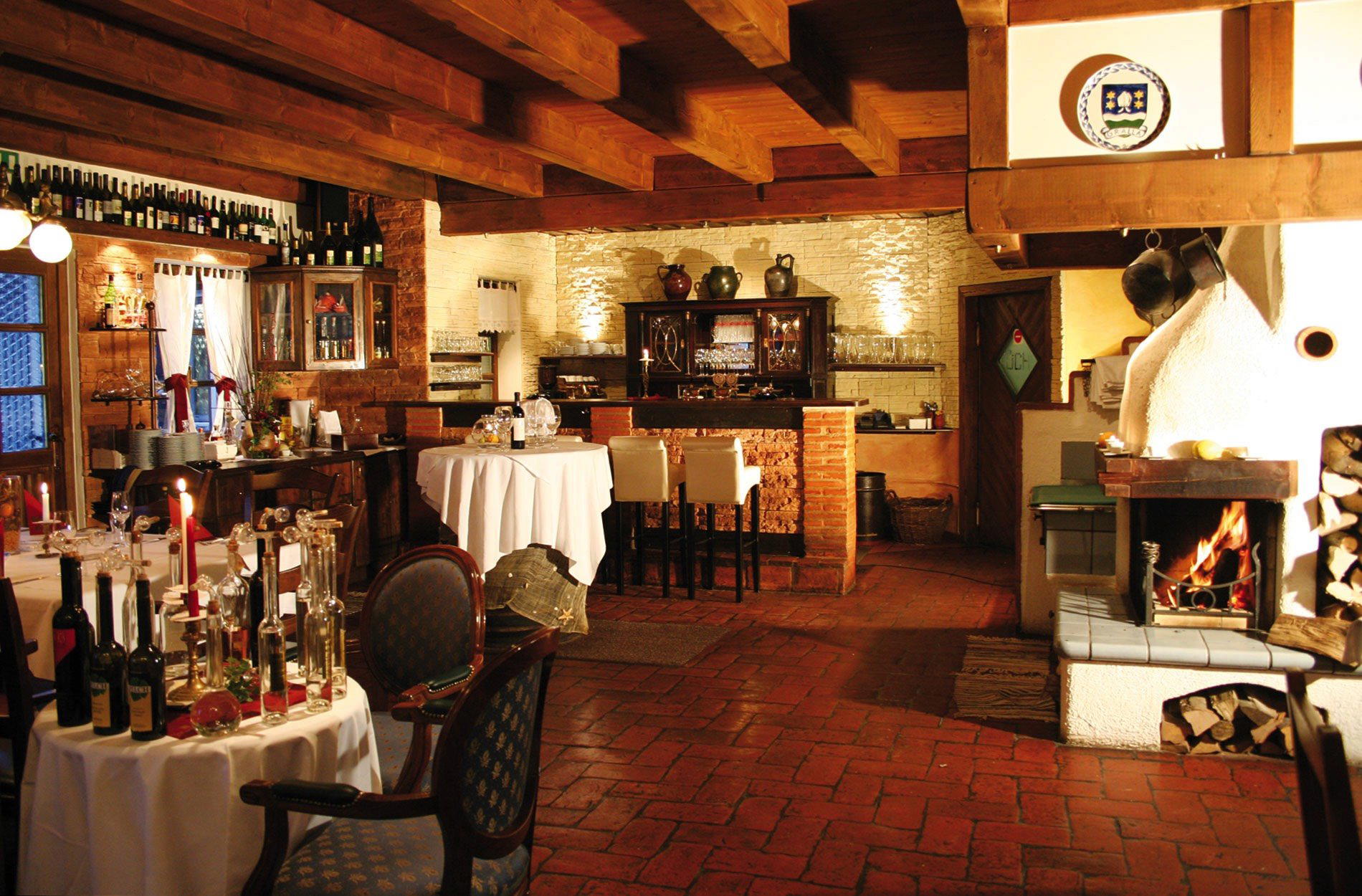
The Mur Valley Table: Sourcing, Season, and Southern Styria
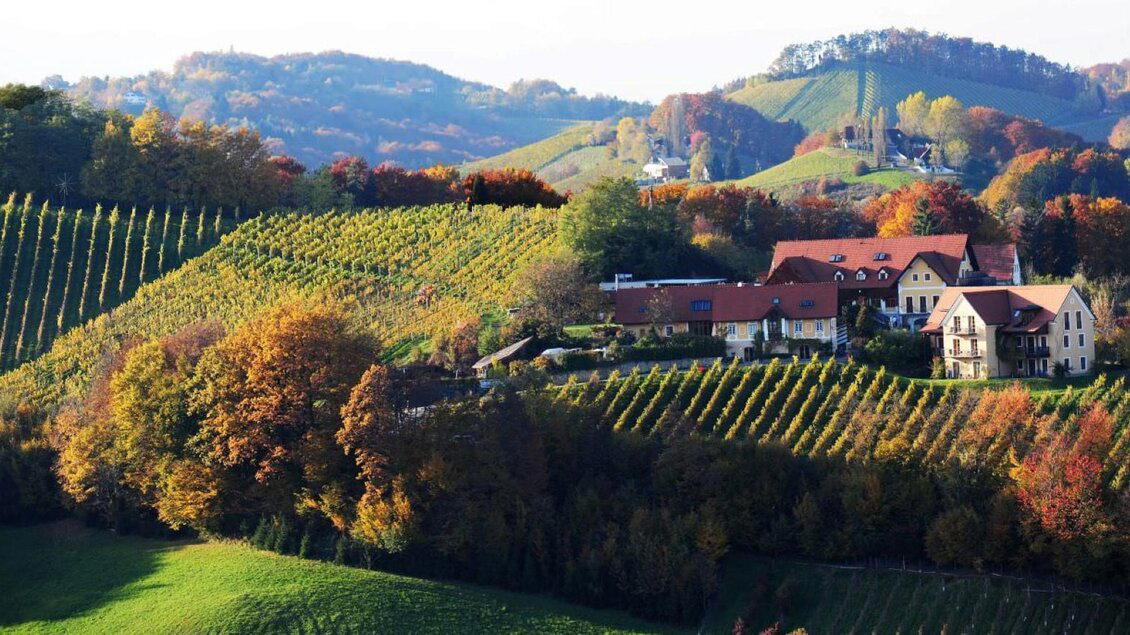
Southern Styria operates by a different set of rules than the grand dining rooms of Vienna or Salzburg. The Mur river corridor, running through villages like Gralla, sits in one of Austria's most productive agricultural zones: pumpkin fields, apple orchards, and wine slopes that descend into Slovenia's border territory. In this part of the country, the distance between farm and kitchen is often measured in kilometres rather than supply chains, and that compression shapes what regional cooking can do in ways that urban restaurants spend considerable effort trying to replicate. Murnockerl, addressed at Obere Murstraße 21 in Gralla, occupies a position inside this tradition rather than commenting on it from a distance.
Murnockerl is a restaurant in Gralla, Austria, serving Traditional Austrian with Modern Twists at a €€ price point. The approach to the address tells you something before you reach the door. Gralla is not a dining destination in the way that Schützen am Gebirge is for Taubenkobel or Golling for Döllerer. There are no hotel concierges steering guests here, no tourist infrastructure softening the arrival. The Mur runs close; the agricultural flatland stretches around the village with a matter-of-fact quality. A restaurant in this environment either earns its place through consistent quality or it does not last. The setting creates a natural filter.
Ingredient Provenance in Austrian Regional Cooking
To understand why sourcing matters so specifically in southern Styria, it helps to look at what the region produces and how Austrian cooking has historically treated it. Styrian pumpkin seed oil, with its protected designation of origin, is one internationally recognised output, but the agricultural picture is considerably broader. The area's climate, warmer and more Mediterranean-influenced than the alpine north, supports soft fruit, herbs, river fish, and a wine culture that runs from Sauvignon Blanc into the orange-wine registers that have attracted significant international attention over the past decade.
Austrian regional restaurants in this tier generally split between those that treat local sourcing as a marketing frame and those that build their menus around what is actually available from named producers in a given week. The latter approach is harder to execute and harder to communicate, but it produces food that is genuinely calibrated to place. The leading evidence for which camp a kitchen belongs to usually shows up in the precision of the seasonal transitions rather than in the menu descriptions themselves. Kitchens with genuine producer relationships change faster, with less hedging, because they know what's coming before it arrives.
This is the tradition that addresses like Obere Murstraße 21 operate within. The Mur valley's proximity to smaller-scale farming, different in character from the industrialised agriculture further north, means that sourcing from within a tight radius is a practical reality rather than an aspiration. Austria's dining scene has produced significant regional expressions of this discipline: Kräuterreich by Vitus Winkler in Sankt Veit im Pongau built an entire format around kitchen garden production, while Landhaus Bacher in Mautern an der Donau has maintained decades of sourcing discipline in its Danube valley setting. Gralla's positioning in the Mur corridor places Murnockerl in a regional tier below those reference points in terms of profile, but within the same underlying logic.
The Styrian Dining Context
Austria's fine dining conversation tends to concentrate on a handful of highly awarded addresses. Steirereck im Stadtpark in Vienna holds the national flag at the summit of international rankings, operating at a €€€€ price point with creative cuisine that still draws on Styrian and Austrian producers. Ikarus in Salzburg runs a guest-chef residency format that has brought international sourcing philosophies into conversation with Austrian kitchen discipline. These addresses represent one end of the Austrian restaurant range.
Further down the scale, in villages and smaller towns, a different kind of table operates. Murnockerl fits that local dining pattern in Gralla. The Gasthof tradition, rooted in hospitality for local communities and regional travellers rather than destination diners, remains the dominant format in places like Gralla. These are not lesser ambitions. They reflect a different relationship between kitchen and community, one in which ingredient sourcing is a practical conversation with nearby producers rather than a curatorial exercise. When Obauer in Werfen or Ois in Neufelden earn recognition at the national level, it is partly because they navigate this tension between local rootedness and broader culinary ambition with particular clarity. The regional Styrian tier has its own version of that tension, and Gralla sits inside it.
For context on what ingredient-led dining looks like at the technical end of the Austrian spectrum, the contrast with internationally recognised kitchens is instructive. Le Bernardin in New York built its reputation on sourcing discipline applied to seafood at a €€€€ price point, while Atomix in New York operates in a register where producer provenance is treated as explicit narrative. Austrian regional kitchens rarely operate with that level of front-of-house communication around sourcing, but the underlying commitment to ingredient quality in the Mur valley operates from the same starting point: proximity produces flavour that technique alone cannot manufacture.
Planning a Visit to Gralla
Gralla sits roughly 30 kilometres south of Graz along the Mur river, accessible by road with the journey taking under 40 minutes from the city centre. Graz itself operates as the logical base, with Artis representing the city's more formal dining tier. Travellers combining Graz with a southern Styria circuit, taking in the wine roads that descend toward the Slovenian border, will find Gralla a natural stop rather than a detour. The address at Obere Murstraße 21 is the practical anchor; check current contact details before travelling.
Seasonal timing matters in this part of Styria. Autumn, when pumpkin harvest and wine pressing overlap, produces one concentrated version of what the region does at the table. Spring brings river fish and early vegetable growth. The agricultural rhythm of the Mur valley makes visits at those pivot points between seasons particularly rewarding, since kitchens working with local producers transition their menus faster and with more specificity than those operating on broader supply relationships.
For travellers covering more of Austria's regional dining, the country's alpine restaurants offer a different but related sourcing logic: Griggeler Stuba in Lech, Gourmetrestaurant Tannenhof in Sankt Anton am Arlberg, and Stüva in Ischgl all operate within tight alpine sourcing geographies. Schwarzer Adler in Hall in Tirol and Restaurant 141 by Joachim Jaud in Mieming extend that Tyrolean context. Atelier Fischer in Sankt Gilgen works within the Salzkammergut lake district's own produce logic. Gralla and the Mur valley represent the southern Styrian entry point into a country where geography and ingredient sourcing are inseparable.
At-a-Glance Comparison
Comparable venues nearby, for context on price, style, and recognition.
| Venue | Cuisine | Price | Notes |
|---|---|---|---|
| MurnockerlThis venue — the venue you are viewing | Traditional Austrian with Modern Twists | $$ | Not listed |
| Restaurant Schrott | Austrian Gastropub | $$ | Hirnsdorf |
| Wirtshaus im Stainzerhof | Styrian Regional Austrian | $$ | Stainz |
| Stadlmaier-Alm | Traditional Austrian Buschenschank | $$ | Klein-Gößgraben |
| Emmy im Schloss Gamlitz | Styrian Austrian Regional | $$ | Gamlitz |
| Frankowitsch | Austrian Deli Brötchen | $$ | Innere Stadt |
Continue exploring
More in Gralla
Restaurants in Gralla
Browse all →
Bars in Gralla
Browse all →
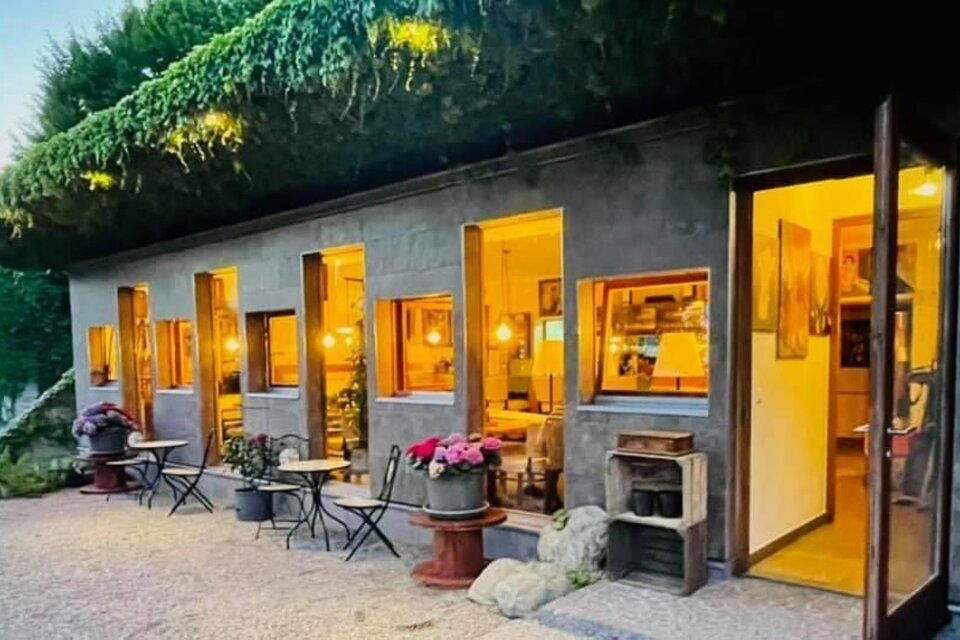
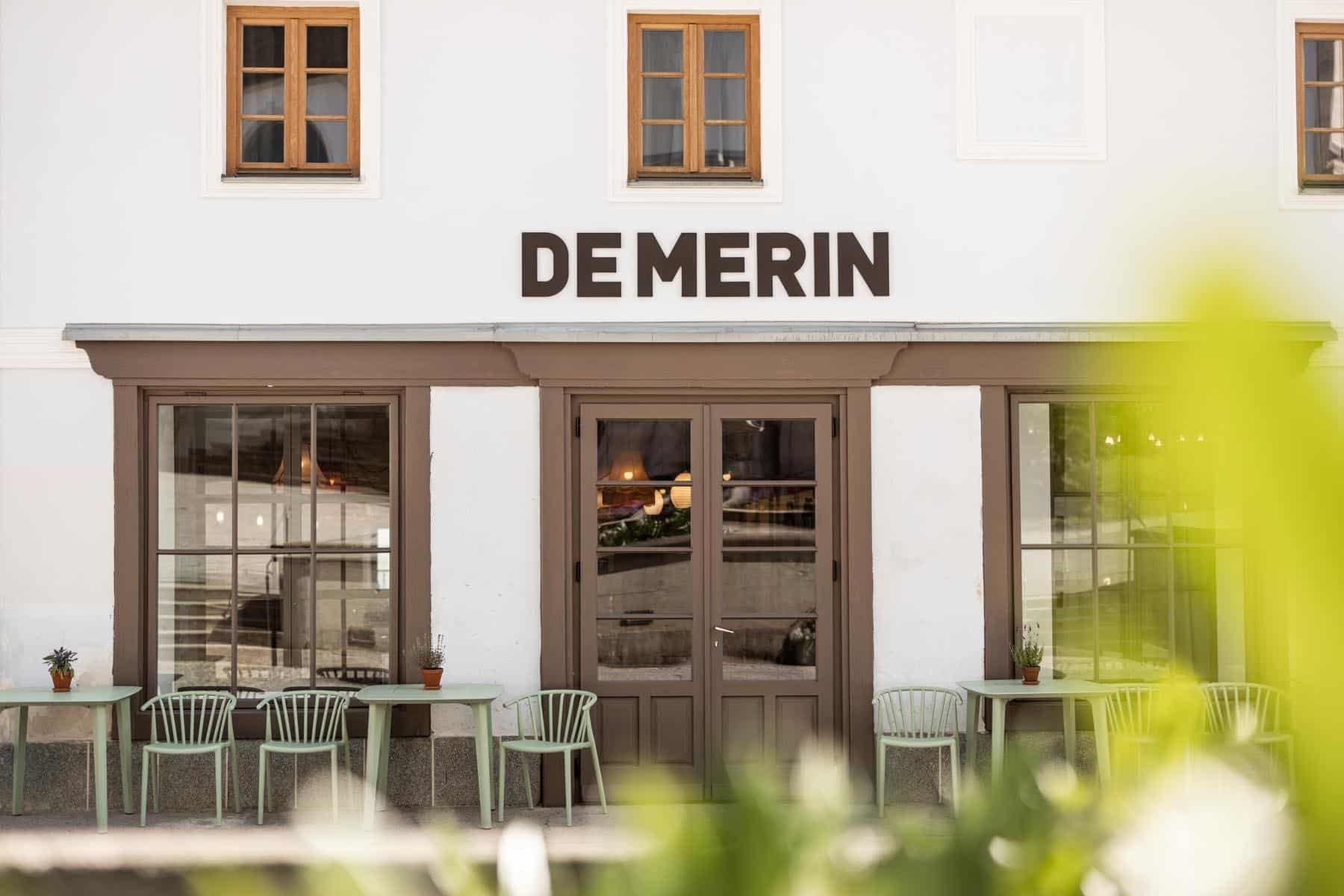
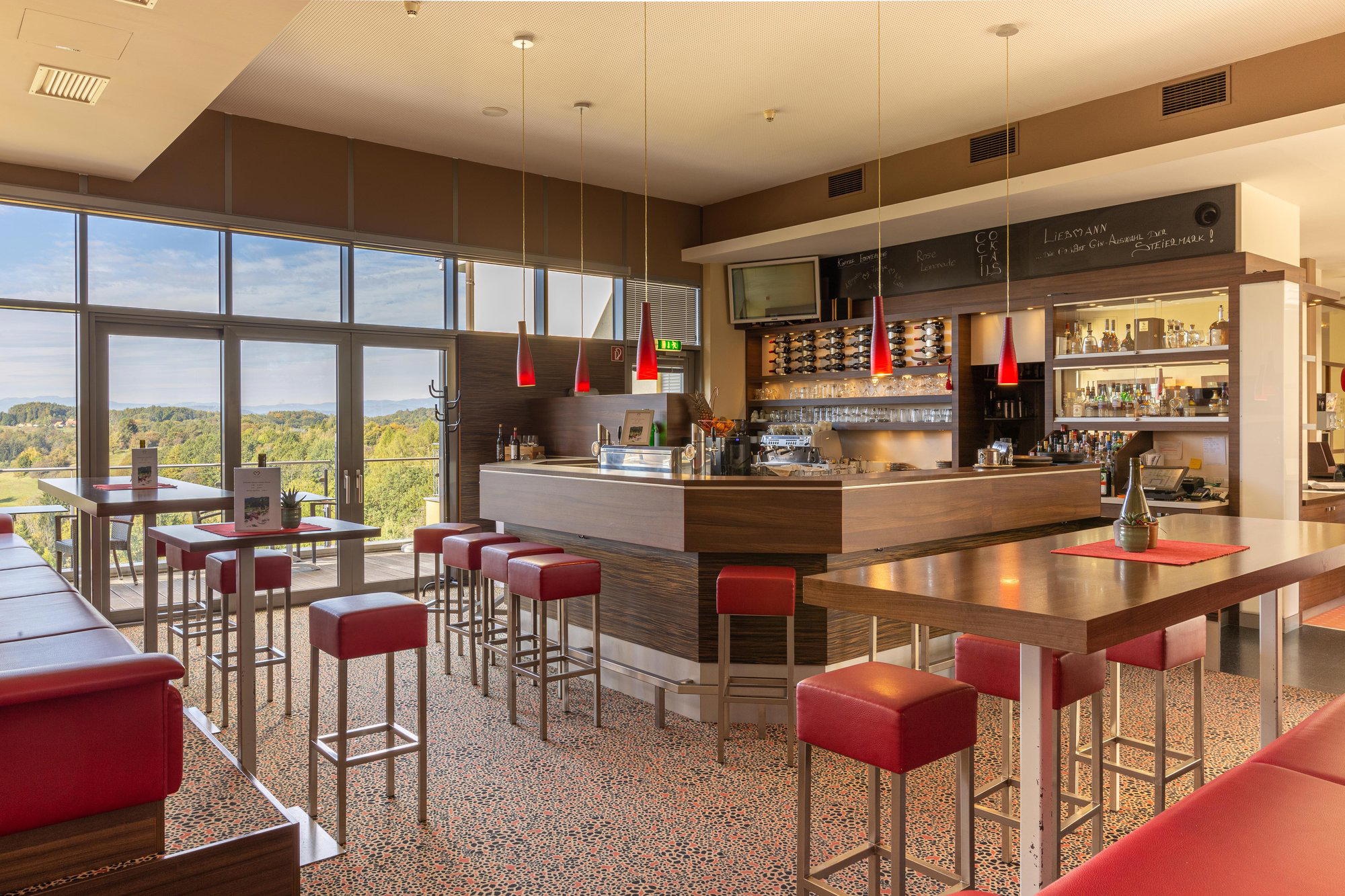
Hotels in Gralla
Browse all →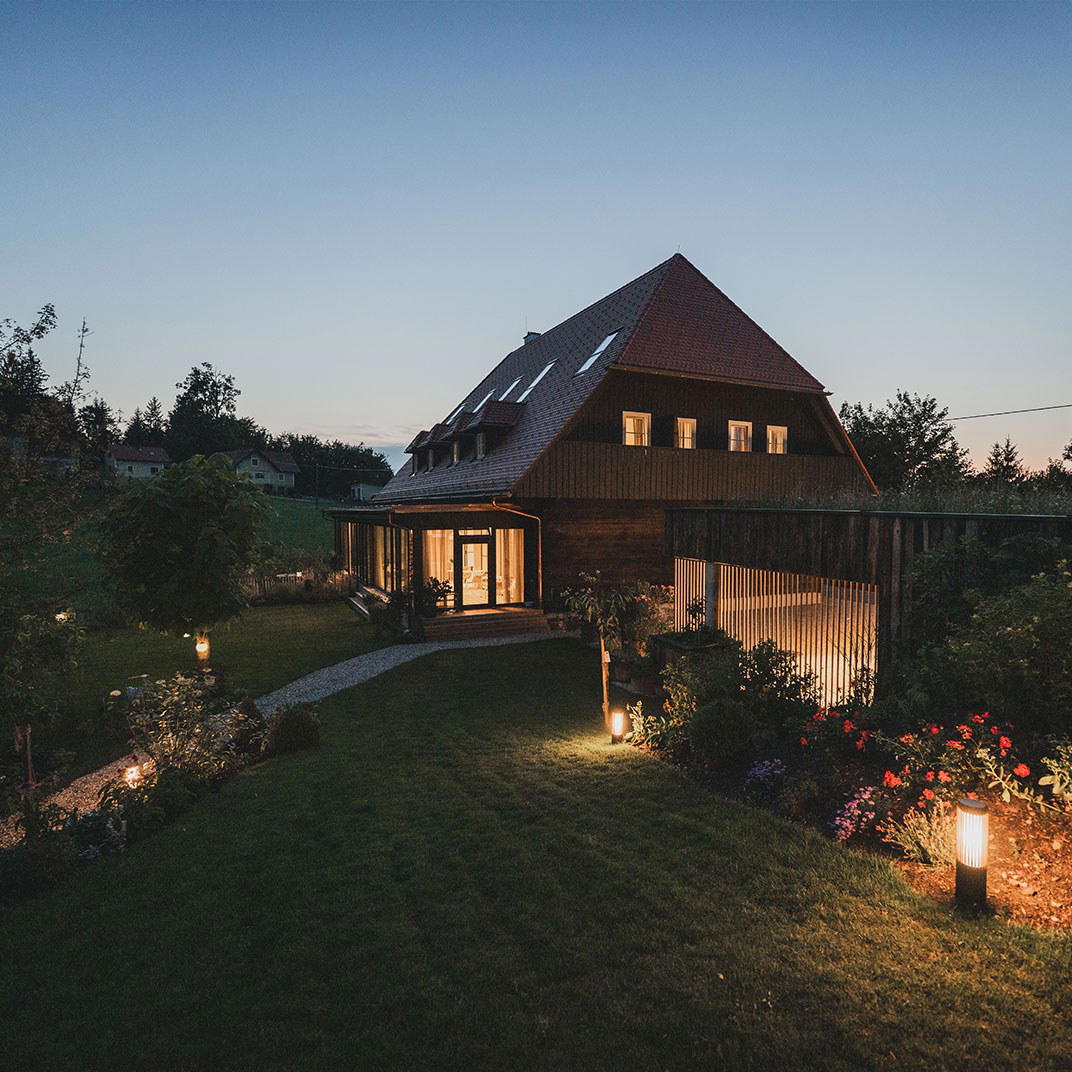


At a Glance
- Cozy
- Charming
- Rustic
- Casual Hangout
- Family
- Historic Building
- Local Sourcing
Current opening hours
- Monday
- Closed
- Tuesday
- Closed
- Wednesday
- 5–11:45 PM
- Thursday
- 5–11:45 PM
- Friday
- 5–11:45 PM
- Saturday
- 11 AM–11:45 PM
- Sunday
- 11 AM–4 PM
Hours can change for holidays and private events. Last verified .
Cozy and charming atmosphere in a picturesque half-timbered house.