
MUNCH'S BURGER SHACK belongs to Tokyo’s serious burger tier rather than its casual fast-food lane, with repeated selection for Tabelog Hamburger 100 including 2026. In Shiba, the appeal is the city’s precise approach to an American format: a burger shop with dining-bar signals, vegetable attention, vegetarian options, wine and cocktails, and a room built for more than a quick counter stop.
Pearl is the En Primeur Club membership app — saves, bookings, and concierge access live there. Same editors, same standards.
- Address
- Japan, 〒105-0014 Tokyo, Minato City, Shiba, 2 Chome−26−1 Ismart, 1F・2F
- Phone
- +81 3-6435-3166
- Website
- munchs.jp
 Saves & bookings on Pearl
Shiba is not the Tokyo district most visitors associate with burgers. The area feels more like office blocks, temple edges, and residential calm than late-night Americana, which is why the city’s burger culture is interesting here. Tokyo often treats imported formats with the discipline reserved for narrower Japanese categories: sourcing matters, consistency matters, and a casual dish can be judged as severely as sushi or yakitori.
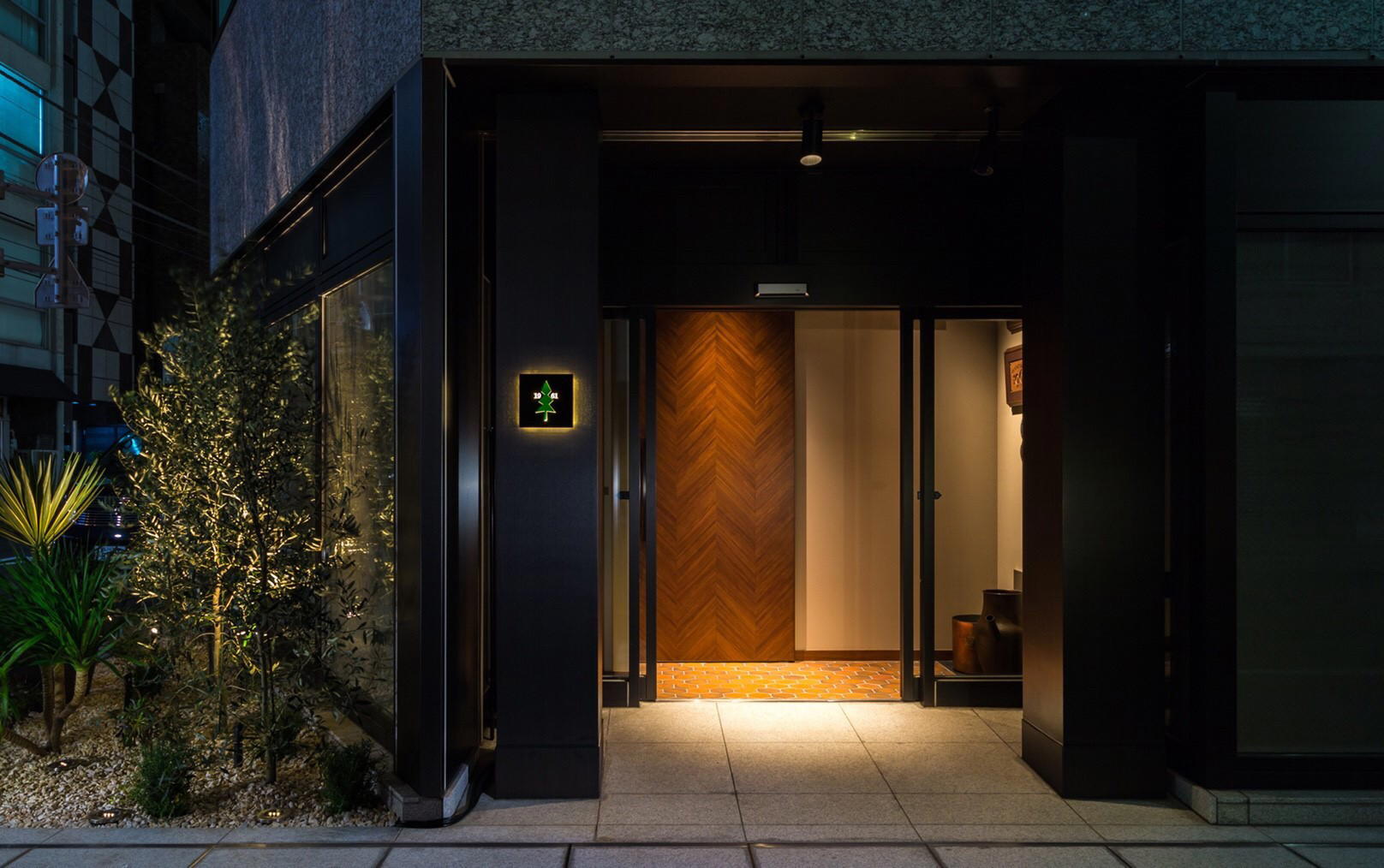
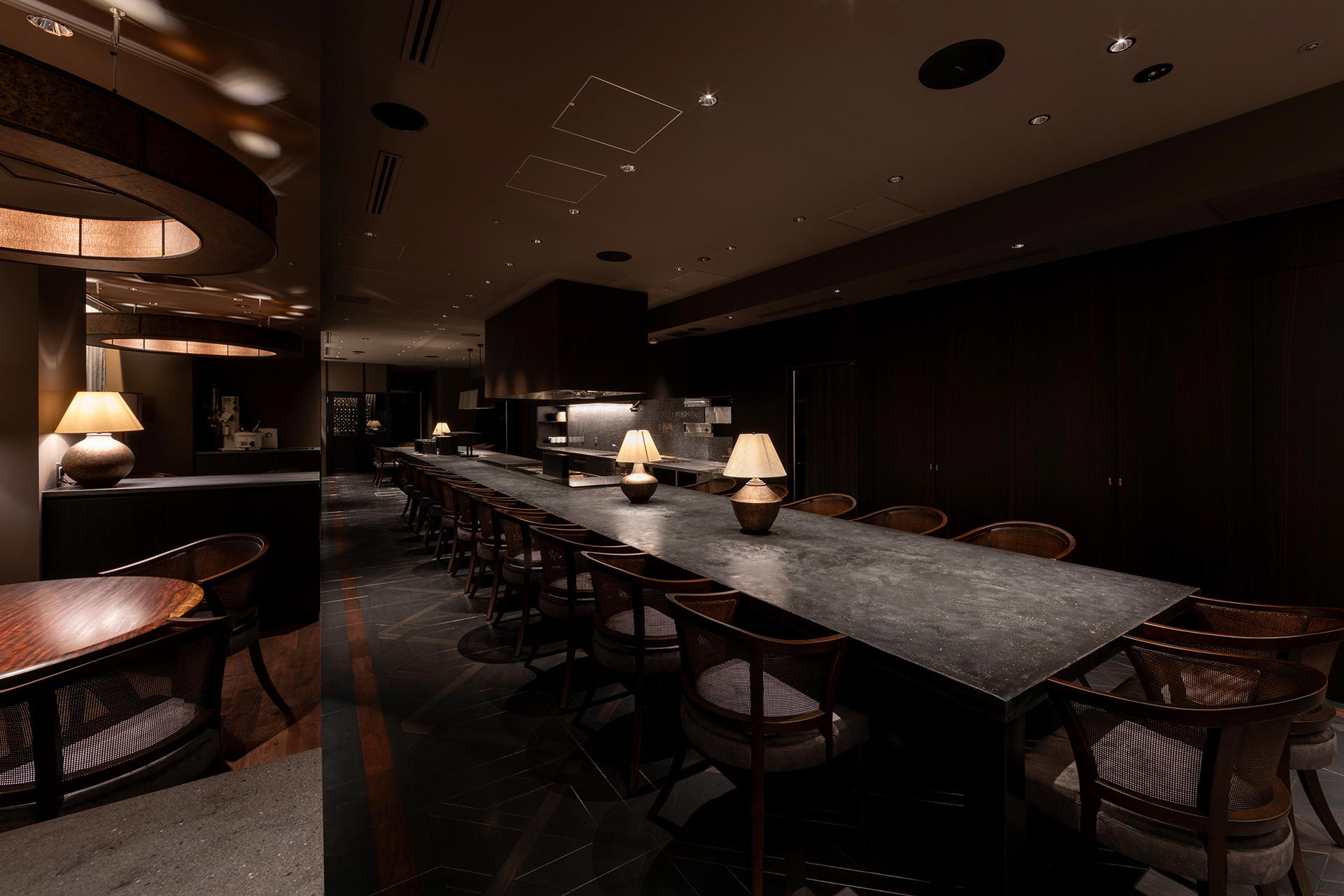
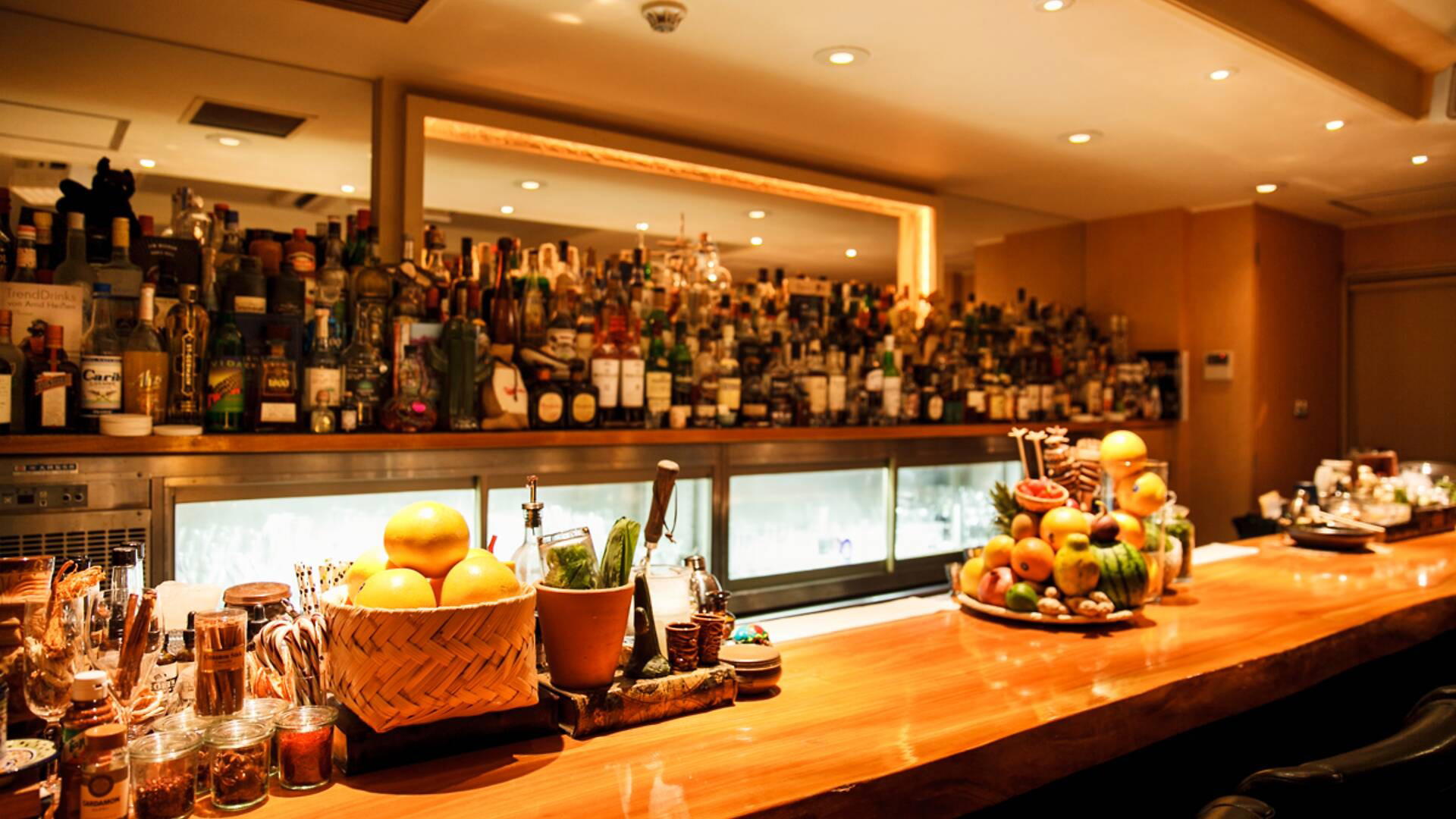
MUNCH'S BURGER SHACK belongs to that scene. The room spans two floors, with 40 seats and sofa seating on the first floor, landing closer to a compact dining bar than a grab-and-go counter. In Tokyo, better hamburger shops often work this way: American in category, Japanese in control, and built around a slower meal than the word “shack” implies.
Tokyo's burger craft, filtered through Shiba restraint
The serious Tokyo hamburger has moved beyond novelty. In a city where wagyu counters, tonkatsu specialists, curry shops, ramen counters, and kissaten all compete for lunch, a burger shop must justify itself through more than size. The leading examples focus on proportion, vegetable handling, and drinks that let the meal behave like dinner rather than convenience food.
Here, the public category says a lot: hamburger, American, dining bar. That places the kitchen apart from chains and away from the tasting-menu economy dominating much of Tokyo’s international dining conversation. Wine and cocktails reinforce the evening use case, while attention to vegetables and vegetarian options broadens the brief beyond beef. In a city where specialist counters are often narrow by design, that flexibility is part of how Tokyo adapts American food without making it generic.
The clearest external signal is repeat recognition. Selection for Tabelog Hamburger 100 in 2017, 2018, 2019, 2021, 2022, 2024, and 2026 places the restaurant among durable burger specialists rather than a trend. Its Tabelog score of 3.76 is useful context in Japan, where user ratings are famously conservative. Numbers do not explain the cooking, but they show sustained local attention in a large casual category.
That field matters. Tokyo diners can choose precision sushi such as . 鮪と炭火焼き うお炭 秋葉原店, theatrical neighborhood formats like 12/10 Shinjuku ten, skewers at 124. KAGURAZAKA (Yakitori), graphic cafés such as 2D Cafe, and curry specialists including 3 Chome no Curry Ya San. A burger address in that ecosystem must compete on specificity, not nostalgia.
Ingredients carry the argument, not American diner cosplay
The better Tokyo burger shops succeed when they avoid cartoon America. The lesson is visible across the city’s food culture: imported dishes earn permanence when local expectations reshape them. Pizza, curry, coffee, and pâtisserie passed through that filter. Burgers follow the same route when the kitchen treats vegetables as architecture rather than garnish, gives non-meat diners a real path, and lets drinks pull the experience into dinner territory.
That is the useful reading of MUNCH'S BURGER SHACK. The point is not that Tokyo discovered the hamburger; it is that the city built a demanding audience for a format many places treat casually. Vegetable emphasis matters because burgers depend on balance. Bread, patty, sauce, leaves, and acid can collapse into weight if one element dominates. A dining-bar setting also changes expectations: a burger can sit beside wine or cocktails without seeming incidental.
The Shiba address sharpens the contrast. Nearby dining ranges from practical Japanese set meals to more formal rooms, with comparison venues including sushi at Sanosushi, Japanese cooking at Edomae Shibahama and 江戸前芝浜, and izakaya-style drinking at Taishu Sakaba Souya. Against that backdrop, a hamburger specialist is not competing with fast food; it is competing for a meal slot in a neighborhood where diners already understand category discipline.
There is practical urban logic too. Forty seats across two levels gives the room more elasticity than a tiny counter, while private use of the first floor for up to 20 people suits small gatherings as well as casual meals. Children and strollers are accommodated, pets can be discussed in advance, and takeout and delivery are part of the service mix. Tokyo’s stronger casual restaurants often succeed by being usable, not merely admired.
How to place it in a Tokyo eating plan
This is not evidence that Tokyo has become Americanized. It proves the opposite: the city absorbs a foreign format, narrows the margin for error, and turns a familiar dish into a specialist category. The repeated Tabelog Hamburger 100 selections make it credible for travelers who know Tokyo’s high-end dining circuit and want to understand its mid-priced craft-food culture.
The strongest case is lunch or early dinner during a day built around Minato and the bay-side corridor, rather than a cross-city pilgrimage for one plate. Shiba’s calmer rhythm suits the format, and the dining-bar setup works for a casual evening when sushi counters and kaiseki rooms feel too formal. For a broader read on the city, pair this address with EP Club’s full Tokyo restaurants guide, then map drinking, hotels, cellars, and cultural planning through the Tokyo bars guide, Tokyo hotels guide, Tokyo wineries guide, and Tokyo experiences guide.
Travelers building a wider Japan food itinerary can use it as a counterpoint to regional specialists such as -Grilled beef Sukiyaki- KAMAKURA TANUKIAN 鎌倉 たぬき庵 in Kamakura.cafe in Osaka.know in Kumamoto, (Shoku) Vietnam in Kawasaki, [Curry Senmon Ten] Maruyama Kyoju. in Sapporo, and [ki:] in Kyoto. The logic travels overseas too: compare the category focus with Jōdo Saké Bar in Los Angeles or Onigiri Time in Pasadena, where Japanese formats are reframed abroad. In Shiba, the direction runs the other way: an American staple becomes a Tokyo specialist meal.
Price Lens
Comparable venues to place this listing in its category.
| Venue | Cuisine | Price | Notes |
|---|---|---|---|
| MUNCH'S BURGER SHACKThis venue — the venue you are viewing | Minato, Craft American-style burger shop | $$ | Not listed |
| マティーニバーガー | Shinjuku, NY-Style American Burgers | $$ | Not listed |
| SHOGUN BURGER Shinjuku ten | Shinjuku, Wagyu smash burgers & fries | $$ | Not listed |
| Viva la Burger | Not listed | $$ | Toshima, Gourmet American-style burgers and bar |
| CRUZ BURGERS & CRAFT BEERS | Shinjuku, Gourmet burgers & craft beer | $$ | Not listed |
| AS CLASSICS DINER KOMAZAWA | Meguro, Classic American diner & burgers | $$ | Not listed |
Recognition history
Dated appearances from independent guides and award organizations, with the underlying list record or original source where available.
Tabelog 100 #86 · No. 86
Tabelog · Tabelog 100 - Hamburger - 2026





At a Glance
- Lively
- Cozy
- Trendy
- Casual Hangout
- Solo
- Family
- After Work
- Group Dining
- Standalone
- Beer Program
- Local Sourcing
Current opening hours
- Monday
- Closed
- Tuesday
- Closed
- Wednesday
- 11 AM–2:30 PM, 5:30–8 PM
- Thursday
- 11 AM–2:30 PM, 5:30–8 PM
- Friday
- 11 AM–2:30 PM, 5:30–8 PM
- Saturday
- 11 AM–3 PM, 5:30–8 PM
- Sunday
- 11 AM–3 PM, 5:30–8 PM
Hours can change for holidays and private events. Last verified .
Casual and energetic neighborhood burger shack with compact two-floor seating, the feel of a specialist American-style burger joint, and a focus on the sizzle and aroma of freshly grilled, juicy patties rather than decor or views.