
Tabelog 100 #48
Our verdict
A compact burger counter in Shinjuku's Nakazatocho district, マティーニバーガー sits within a neighbourhood that has long balanced residential quiet with a local dining pulse. The format points toward the tighter, craft-focused end of Tokyo's casual food spectrum, where ingredient sourcing and consistency carry more weight than scale or spectacle.

Pearl is the En Primeur Club membership app, where members save venues, book tables and use the concierge.
The menu
What to order
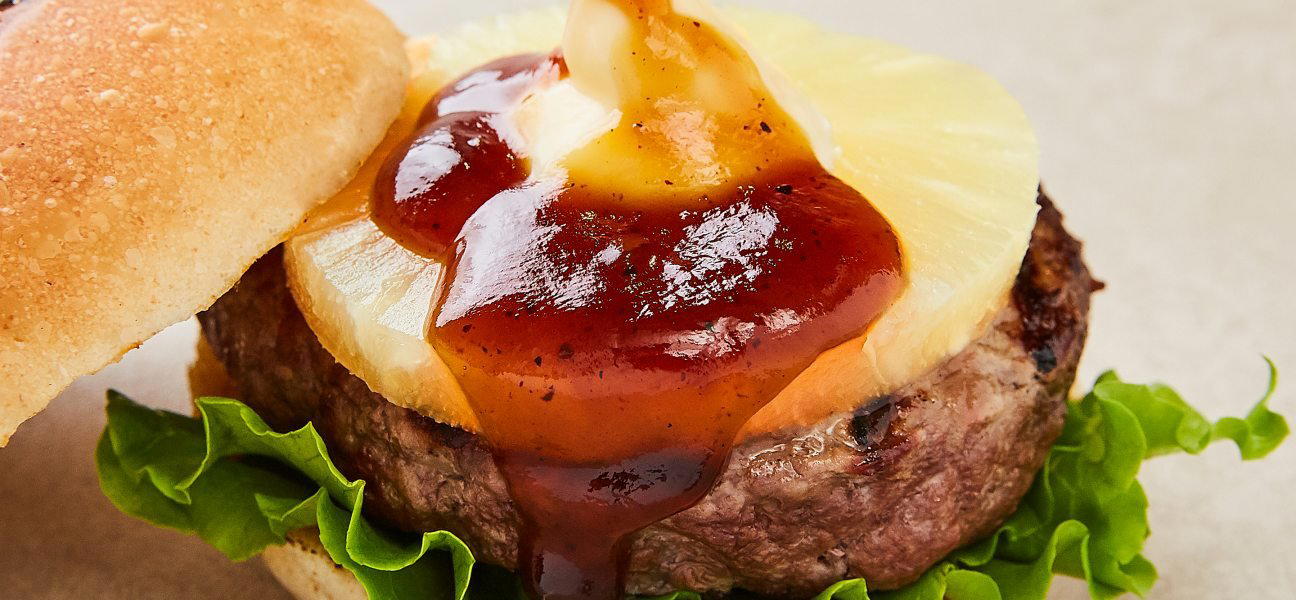
- Brooklyn Burger
- Avocado Cheese Burger
- Bacon Cheeseburger
- Onion Mushroom Burger
Shinjuku's Quieter Side: Where Nakazatocho Fits in Tokyo's Casual Dining Map
Tokyo's most discussed restaurant addresses cluster around Ginza, Minami-Aoyama, and Nishi-Azabu, where the concentration of Michelin-rated rooms is among the highest of any city in the world. That density at the leading end, counters like Harutaka for sushi or RyuGin for kaiseki, sets a reference point against which everything else in the city is implicitly measured. But the more revealing dining story in Tokyo has always played out at the other end of the register: the small, neighbourhood-rooted counters and casual kitchens that serve the people who actually live in the city's residential wards rather than those visiting specifically to eat. Shinjuku City's Nakazatocho sits in that second category. The address puts マティーニバーガー at some distance from the frantic commercial energy of Shinjuku Station itself, in a zone where the rhythm is domestic rather than touristic.
That positioning matters because it shapes everything about how a place like this operates. Casual burger formats in Tokyo have evolved considerably over the past two decades. Where early iterations were either Americanised fast-food approximations or very expensive wagyu-forward interpretations aimed at a luxury market, the middle ground has developed its own logic: tighter menus, more deliberate sourcing, and a spatial intimacy that suits the neighbourhood rather than the destination diner. See, for contrast, how high-end French addresses such as L'Effervescence or Sézanne operate at a completely different register of expectation and logistics. The casual end of the market has its own discipline, just expressed differently.
The Atmosphere That Nakazatocho Produces
Neighbourhoods like Nakazatocho generate a particular sensory baseline. Away from the pachinko parlours and neon compression of central Shinjuku, the area retains a residential texture: narrower streets, smaller storefronts, cooking smells that drift from domestic kitchens rather than extraction fans. A burger counter in this context is not performing for the camera. The sounds are ambient rather than curated: the short-order tempo of a small kitchen, the overlap of nearby conversation, the low hum of a neighbourhood in the middle of its evening. This is the atmosphere that places like マティーニバーガー occupy by virtue of where they are, and it is a significantly different proposition from a designed dining room in Roppongi or a counter that has been reviewed into a destination. Tokyo's food culture is large enough to hold both registers without contradiction.
Japan's broader casual dining scene has historically rewarded this kind of low-profile consistency. The neighbourhood kissaten, the ramen-ya, the tonkatsu shop that has been open for thirty years without a press profile, these formats share a logic of operational focus over promotional ambition. A burger counter operating in Nakazatocho connects to that tradition even if the specific product is American in origin. The craft is in the execution and the steadiness, not in the marquee. For readers who have covered the higher end of Tokyo's scene through venues like Crony or want broader context across Japan's dining cities, our full Tokyo restaurants guide maps the range in detail.
Situating マティーニバーガー Within Japan's Wider Casual Food Conversation
One useful lens for understanding any Tokyo casual venue is to place it against the national spread. Japan's dining culture does not compress neatly into a Tokyo-centric model. HAJIME in Osaka and Gion Sasaki in Kyoto represent their cities' respective fine-dining peaks, but the more instructive comparisons for a neighbourhood burger counter are the local, low-key addresses that sustain regular trade: places like Goh in Fukuoka, akordu in Nara, or regional addresses such as 一本木 石川製 in Nanao, 夕付山乃 in Sapporo, 湖南厨戵 in Takashima, 庄羽屋 in Nishikawa Machi, Birdland in Sakai, and Bistro Ange in Toyohashi. The pattern across all of these is that sustained local relevance in Japan requires a level of operational reliability that tends to be undervalued in the press coverage that gravitates toward the spectacular.
At the international end of comparison, the rigour that defines Tokyo's casual dining at its most serious can be understood in relation to what sustained quality means for acclaimed rooms like Le Bernardin in New York City or the Korean-American precision of Atomix. These are obviously different in price tier and format, but they share the underlying discipline: repetition executed without drift. That is the standard Tokyo's neighbourhood food culture has always quietly upheld.
Planning a Visit
Frequently Asked Questions
- What do regulars order at マティーニバーガー?
- Can I walk in to マティーニバーガー?
- No confirmed booking method or reservation policy is recorded for マティーニバーガー. In Tokyo's casual dining sector, particularly at neighbourhood counters operating outside the fine-dining tier, where addresses like Harutaka at the high end require advance booking months out, walk-in access is common. The Nakazatocho address and casual format support the likelihood of walk-in availability, but peak hours on weekday evenings and weekends can create short waits at popular small counters. Arriving slightly before the dinner opening or during off-peak afternoon hours reduces that risk.
- Is マティーニバーガー the kind of place worth travelling across Shinjuku for, or is it primarily a local spot?
- Based on the Nakazatocho address and the casual format, マティーニバーガー operates within Tokyo's residential neighbourhood dining tradition rather than as a destination venue positioned to attract cross-city or international visitors in the way that Michelin-cited rooms in Ginza or Roppongi do. For travellers already moving through northern Shinjuku City, it fits logically into an itinerary; for those anchored in central Tokyo, it is more naturally the domain of the local regular than the visiting diner plotting a specific route.
Frequently asked questions
Where exactly is マティーニバーガー?
マティーニバーガー is located at Japan, 〒162-0804 Tokyo, Shinjuku City, Nakazatocho, 31, Tokyo.
Is マティーニバーガー worth visiting from central Shinjuku?
The venue sits at Nakazatocho 31 in Shinjuku City, roughly within the wider Shinjuku ward but away from the station cluster that defines most visitors' experience of the area. For anyone already exploring the quieter residential corridors north of central Shinjuku, the detour is low-cost. No awards or critical recognition is currently documented for the venue, so the visit is better framed as neighbourhood curiosity than destination dining.
What do regulars order at マティーニバーガー?
The venue name references both a cocktail and a burger format, suggesting the house burger and a martini-style drink are the anchors of the menu. Nakazatocho 31 is a residential address in Shinjuku City, placing this in a local, repeat-visitor neighbourhood where regulars typically gravitate toward a signature item rather than rotating specials. Without a published menu on record, the safest assumption is that the burger itself is the draw.
Can I walk in to マティーニバーガー?
No booking contact or reservation system is documented for マティーニバーガー, and the Nakazatocho 31 address sits in a low-footfall residential pocket of Shinjuku City rather than a high-traffic dining strip. Walk-in capacity at venues in this type of location tends to be modest, so arriving off-peak, mid-afternoon or early evening on a weekday, is the practical approach.
Comparable Options
Comparable venues nearby, for context on price, style, and recognition.
| Venue | Cuisine | Price | Awards | Notes |
|---|---|---|---|---|
| マティーニバーガーThis venue (the venue you are viewing) | NY-Style American Burgers | $20–30 | Tabelog 100 #48 | Not listed |
| FIRE HOUSE | American-style Gourmet Burgers | $10–20 | Tabelog 100 #55 | Bunkyō |
| Burger Mania Shirokane ten | American-style Burger Cafe | $20–30 | Tabelog 100 #25 | Minato |
| 7025 Franklin Avenue | American Hamburgers | $20–30 | Tabelog 100 #71 | Shinagawa |
| ハードロックカフェ 東京 | American Rock Cafe Burgers & Grill | $30–50 | Not listed | Minato |
| Shiomi Skippers | Casual Burger & Grill | $20–30 | Tabelog 100 #98 | Kōtō |
Recognition history
Dated appearances from independent guides and award organizations, with the underlying list record or original source where available.
Tabelog 100 #48 · No. 48
Tabelog · Tabelog 100 - Hamburger - 2026
Continue exploring
More in Tokyo
Restaurants in Tokyo
All restaurants in Tokyo →


Bars in Tokyo
All bars in Tokyo →






Details
- Trendy
- Modern
- Cozy
- Casual Hangout
- Date Night
- After Work
- Open Kitchen
- Craft Cocktails
- Sake Program
- A La Carte
- Martinis
Current opening hours
- Monday
- 11 AM–9 PM
- Tuesday
- 11 AM–9 PM
- Wednesday
- 11 AM–9 PM
- Thursday
- 11 AM–9 PM
- Friday
- 11 AM–9 PM
- Saturday
- 11 AM–9 PM
- Sunday
- 11 AM–9 PM
Hours can change for holidays and private events. Hours as of .
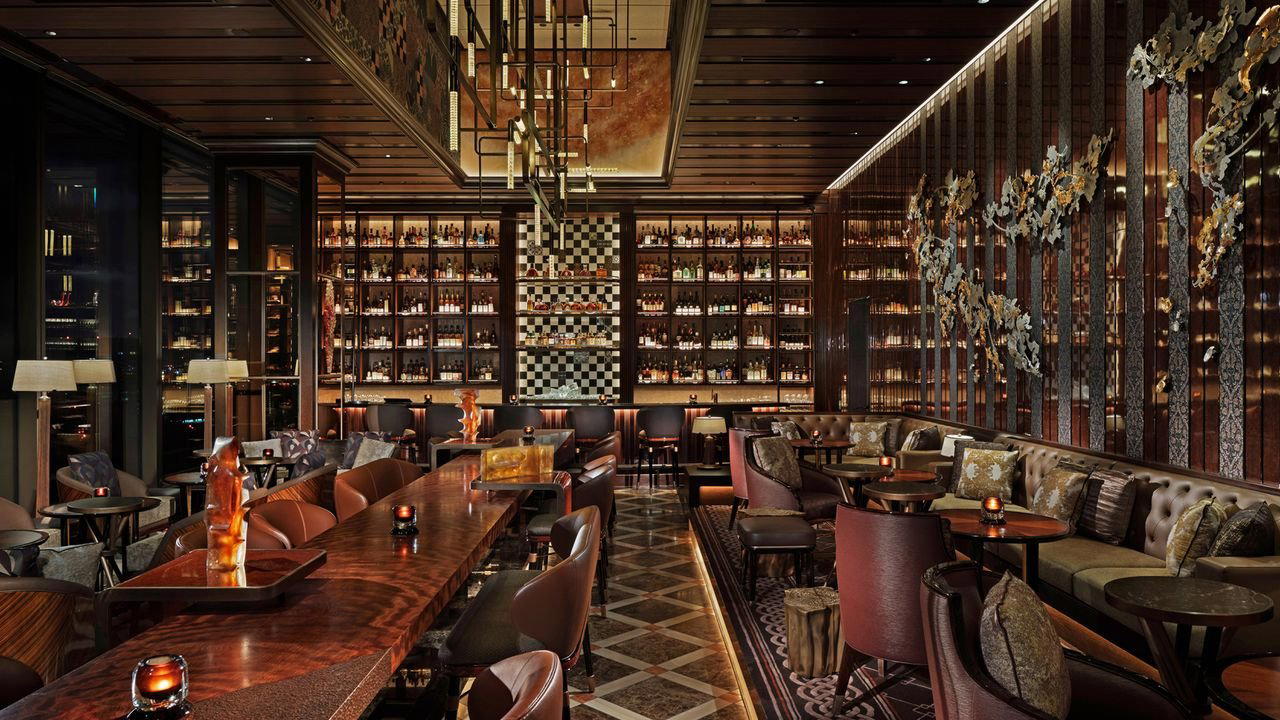
Modern and refined space with a bar-like atmosphere, praised for its casual yet sophisticated vibe suitable for dates or after-work drinks.