MULA Restaurante sits in Madrid's Chamartín district, placing it among the quieter but increasingly serious dining addresses north of the city centre. In a Madrid restaurant scene that rewards those who look beyond the obvious, MULA occupies a residential corner of the city where the cooking tends to speak more directly than the setting does. Worth tracking for anyone assembling a serious Madrid itinerary.
Pearl is the En Primeur Club membership app — saves, bookings, and concierge access live there. Same editors, same standards.
- Address
- Restaurante Mula, Pl. de Valparaíso, 3, Chamartín, 28016 Madrid, Spain
- Phone
- +34914579139
- Website
- mularestaurante.es
- Directions
- Get directions
 Saves & bookings on Pearl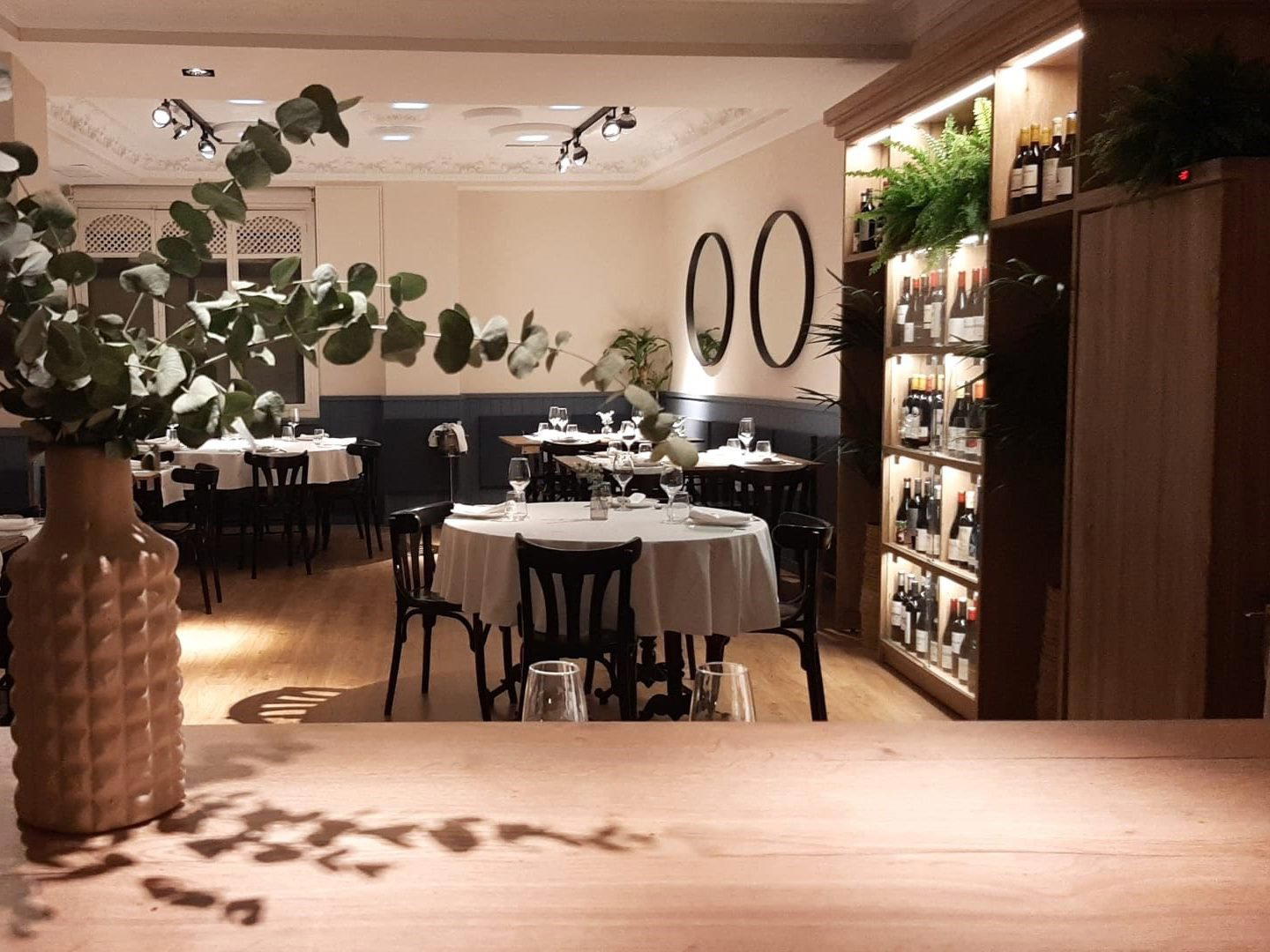
A Quieter Corner of Madrid's Dining Map
Madrid's restaurant geography has always been uneven. The gravitational pull of the centre, Malasaña, and Chueca draws the loudest coverage, while Chamartín — the northern district where MULA Restaurante sits on Plaza de Valparaíso — operates at a lower frequency. That gap between attention and quality is, in dining cities everywhere, where interesting things tend to happen. Residential neighbourhoods force restaurants to earn repeat visits from people who live nearby, not just first-timers working through a list. The cooking, over time, becomes less performative and more direct.
Chamartín itself is worth understanding before you arrive. It is a predominantly upper-middle-class residential area, home to corporate headquarters and embassies, with a local dining culture that skews toward reliability and craft over spectacle. It sits well north of the Paseo del Arte museum corridor and the tourist-facing tapas economy of La Latina. Getting here from the city centre takes roughly fifteen to twenty minutes by metro on the line 10 or 9 corridors, or a short taxi ride. The neighbourhood rewards the detour for those who read that distance as a filter rather than a deterrent.
Where MULA Sits in Madrid's Competitive Field
Madrid's fine dining tier has consolidated around a recognisable set of addresses in recent years. DiverXO operates at the extreme end of the progressive spectrum, with three Michelin stars and a format that has no obvious peer in Spain. Coque anchors the serious creative-Spanish tradition. Deessa and DSTAgE represent the modern Spanish creative current at the starred level, while Paco Roncero occupies its own technically rigorous position. MULA's address in Chamartín places it outside that central cluster, which shapes both its competitive set and its audience. Restaurants in residential districts like this one typically build their reputations through a different mechanism: neighbourhood trust, word of mouth among local residents, and a cooking style that holds up across multiple visits rather than delivering a single theatrical impression.
For broader context on where MULA fits within the full arc of Spanish serious dining, it is useful to hold in mind what is happening elsewhere in the country. El Celler de Can Roca in Girona, Arzak in San Sebastián, and Azurmendi in Larrabetzu have set the international reference points for what Spanish creative cooking looks like at its most decorated. Mugaritz in Errenteria and Quique Dacosta in Dénia push at the conceptual edge. Martin Berasategui in Lasarte-Oria, Cocina Hermanos Torres in Barcelona, Ricard Camarena in València, Aponiente in El Puerto de Santa María, and Atrio in Cáceres fill out a national picture in which serious cooking is distributed across many cities and regions, not concentrated in the capital. Madrid's own contribution to that map is real but operates differently from the Basque Country's culinary density. A Chamartín address, then, is not a disadvantage, it is a different kind of signal.
The Atmosphere and Physical Experience
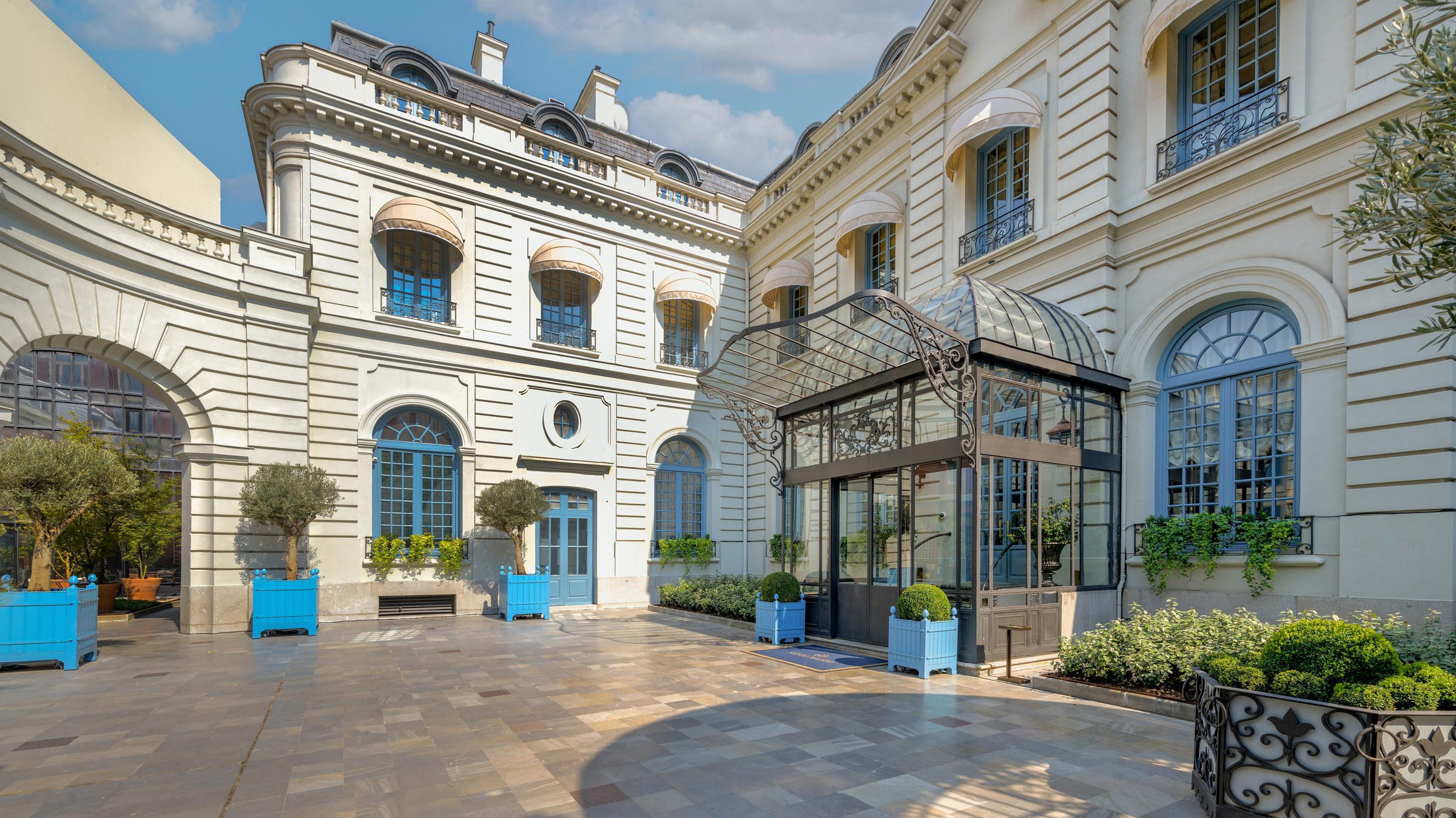
Plaza de Valparaíso is a quiet residential square, the kind that feels unhurried even at peak evening hours. Approaching MULA from the street, the setting carries none of the designed drama that Madrid's more central destinations deploy, no neon, no theatrical entrance, no queue management visible from the pavement. This is a neighbourhood restaurant in the truest sense of the phrase, which means the atmosphere inside is likely shaped by the rhythms of local dinner rather than the compressed energy of destination dining.
In Spanish restaurant culture, the evening meal runs late by northern European and North American standards. Madrid kitchens typically open for dinner at 9pm and tables can turn as late as midnight. Arriving at 9pm often means dining alongside early locals; by 10pm the room fills properly. The sound profile of a Chamartín dining room at that hour, in a residential rather than tourist-facing setting, tends toward conversation-led warmth rather than the ambient soundtrack engineering that has become common in higher-profile venues. These are generalisations about the district's character rather than confirmed specifics about MULA's interior, but they hold for the neighbourhood type consistently enough to inform your expectations.
Planning Your Visit
Because verified operational details for MULA are limited in current public records, the most reliable approach is to contact the restaurant directly through its listing at Plaza de Valparaíso, 3, Chamartín, 28016 Madrid, or to check current reservation availability through the main Spanish restaurant booking platforms, where properties of this neighbourhood profile typically list. Address: Pl. de Valparaíso, 3, Chamartín, 28016 Madrid, Spain. Getting there: Chamartín is served by metro lines 1, 8, and 10; the Plaza de Castilla interchange is the main northern hub, with local connections covering the residential streets around Valparaíso. Timing: Aim for a 9pm or 9:30pm reservation to align with the natural rhythm of Madrid dinner service. Booking: Given the neighbourhood's residential character and likely limited covers, advance booking is advisable; the specific lead time required will depend on current demand, which is best confirmed directly.
For anyone building a fuller Madrid dining itinerary, our full Madrid restaurants guide maps the city's dining geography across price tiers and neighbourhoods. Internationally, those curious about how Spanish residential-district restaurants compare to serious neighbourhood dining in other culinary cities might look at Le Bernardin in New York City or Atomix in New York City for reference points on how a city's serious dining addresses distribute themselves beyond the obvious central hubs.
How MULA Restaurante Madrid compares with similar nearby venues.
| Venue | Cuisine | Price |
|---|---|---|
| La Tajada | Contemporary | Not listed |
| VelascoAbellà | Farm to table | €€€ |
Continue exploring
More in Madrid
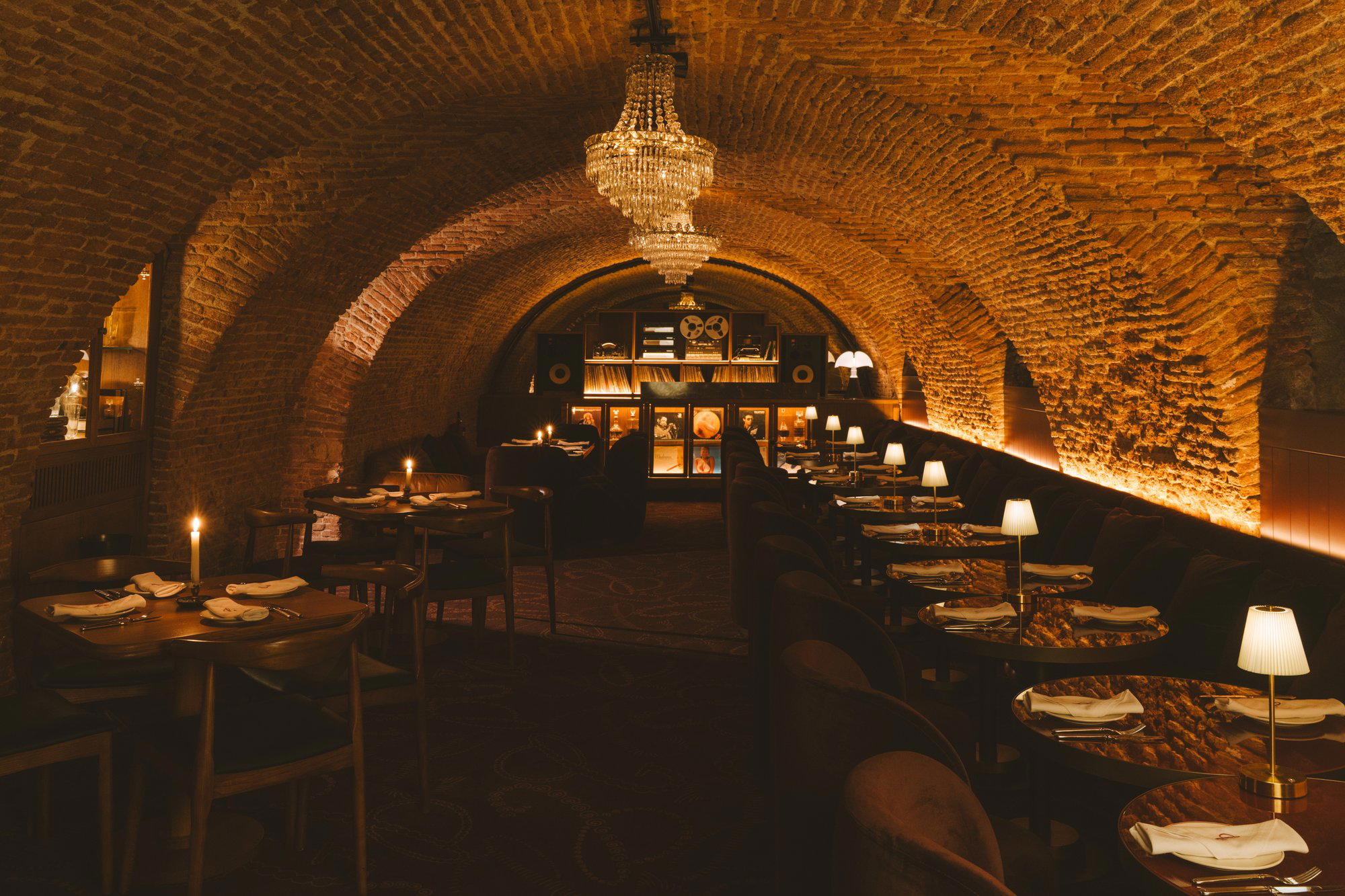
Restaurants in Madrid
Browse all →
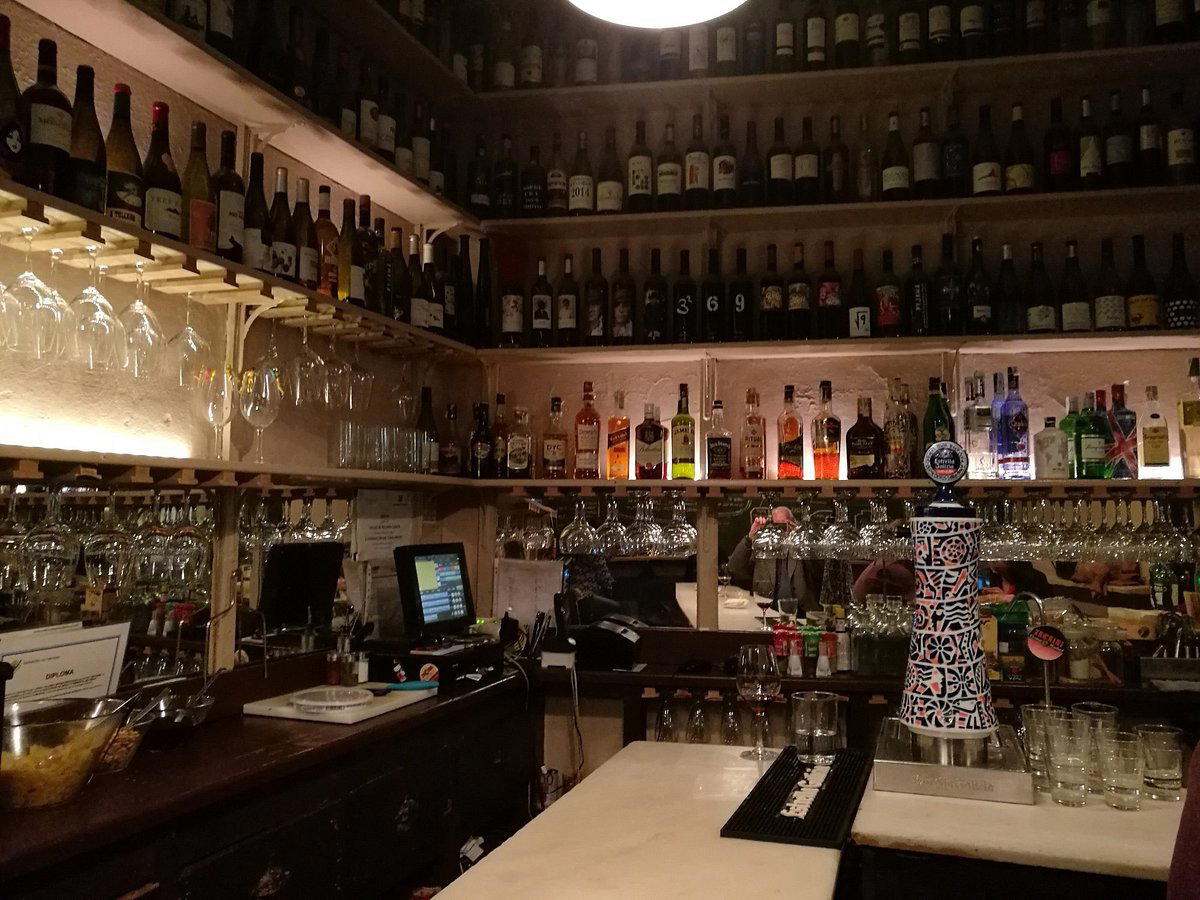
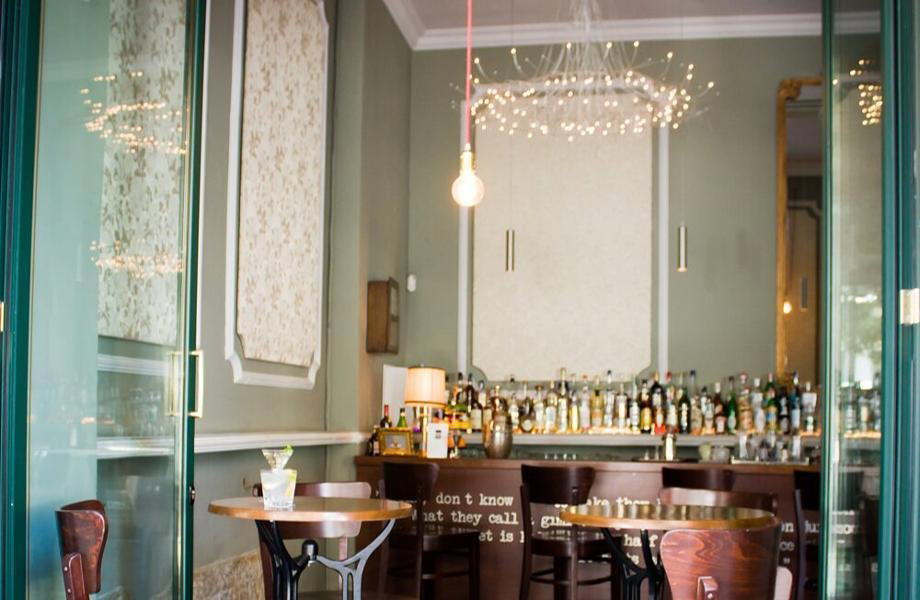
Bars in Madrid
Browse all →
Hotels in Madrid
Browse all →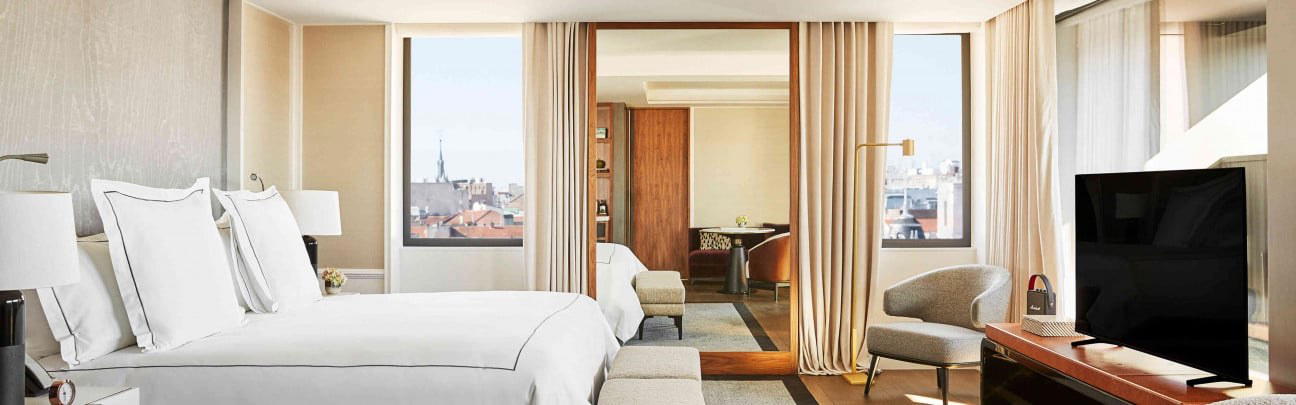

At a Glance
- Cozy
- Elegant
- Intimate
- Family
- Group Dining
- Celebration
- Terrace
- Open Kitchen
- Extensive Wine List
- Local Sourcing
- Street Scene
- Garden
Current opening hours
- Monday
- Closed
- Tuesday
- 12–5 PM
- Wednesday
- 12 PM–12 AM
- Thursday
- 12 PM–12 AM
- Friday
- 12 PM–12 AM
- Saturday
- 12 PM–12 AM
- Sunday
- 12–5 PM
Hours can change for holidays and private events. Last verified .
Cozy and stylish with a welcoming, relaxed atmosphere ideal for family and friends.
Know Before You Go
- Getting there
- Restaurante Mula, Pl. de Valparaíso, 3, Chamartín, 28016 Madrid, Spain