Mr. Sushi
Our verdict
Located in Ridgewood, Queens, 58-22 Myrtle Ave occupies a neighbourhood that has become one of New York's more closely watched dining corridors as operators push east from Bushwick. The address sits at a price tier and format well below Manhattan's four-star circuit, drawing comparisons to the outer-borough independent scene rather than the Michelin-decorated rooms of Midtown.

Pearl is the En Primeur Club membership app — saves, bookings, and concierge access live there. Same editors, same standards.
- Address
- 58-22 Myrtle Ave, Ridgewood, NY 11385
- Phone
- (929) 295-0286
- Hours
- Mon–Thu 11:30 AM–10:30 PMFri–Sat 11:30 AM–11 PMSun 12–10 PM
- Website
- mrsushiny.com
- Directions
- Get directions
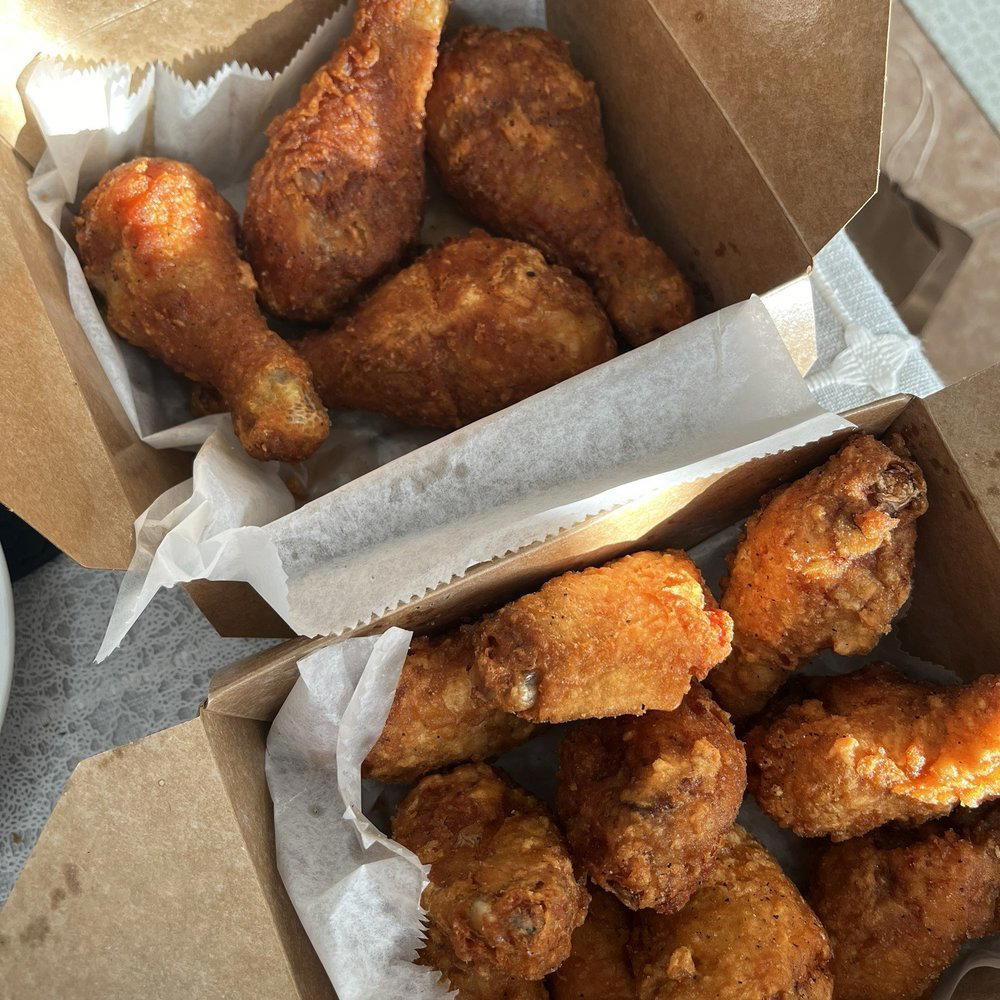
The menu
What to order
- Zacusca
- Spinach pie
- Burek
- Goat gouda
- Smoked trout
- Bulk olives
Ridgewood and the Outer-Borough Shift
New York's dining geography has been moving incrementally eastward for more than a decade. The progression from Williamsburg into Bushwick, and then across the Queens border into Ridgewood, mirrors a pattern repeated in cities where real estate pressure forces operators to seek cheaper square footage without sacrificing proximity to a motivated, food-curious customer base. Myrtle Avenue, which runs through the heart of Ridgewood, has absorbed a particular tier of this migration: independent operators with specific culinary points of view who cannot or will not absorb the overhead of a Manhattan or North Brooklyn address.
That context matters when placing 58-22 Myrtle Ave. The address sits in a corridor where the dining conversation has shifted away from spectacle and toward specificity. The rooms that have drawn attention in this stretch of Queens tend to be small, operator-driven, and built around a legible identity rather than a broad menu designed to satisfy every table. That is the environment in which this venue sits, and it is the right frame for assessing what it offers and what it asks of a visitor.
The contrast with Manhattan's heavily credentialed upper tier is useful. Restaurants like Le Bernardin, Per Se, and Masa operate in a category defined by Michelin recognition, tasting-menu formats, and price points that place a single dinner well above the monthly rent of a Ridgewood apartment. The Korean progressive rooms of Atomix and Jungsik New York occupy a similarly rarefied bracket. 58-22 Myrtle Ave operates in a different register entirely, one where the value proposition is built on neighbourhood integration and culinary directness rather than on awards architecture.
Sustainability as a Structural Choice, Not a Marketing Layer
Across the American independent restaurant scene, sustainability has split into two distinct approaches. The first is performative: recyclable packaging, a line on the menu about local sourcing, perhaps a seasonal notation. The second is structural: where sourcing, waste management, and ecological accountability are built into the operating model from the ground up, not added afterward as positioning. The operators who take the second path tend to be found in exactly the kind of outer-borough, community-embedded addresses that Myrtle Avenue now represents.
Restaurants built around ethical sourcing and waste reduction across the United States have established a clear template. Blue Hill at Stone Barns in Tarrytown made farm-to-table a rigorous practice rather than a slogan, operating with an on-site farm that determines the menu rather than merely informing it. Single Thread Farm in Healdsburg built an entire hospitality model around a working farm and hyper-seasonal precision. Providence in Los Angeles has long anchored its seafood sourcing to sustainability certifications that go beyond the standard supplier relationship. These are the reference points that define what serious environmental commitment looks like in a fine-dining context.
The outer-borough New York model tends to express similar values at a different scale. Smaller kitchens generate less waste by default, and shorter supply chains between a neighbourhood operator and a regional producer are easier to maintain than the logistics required to sustain a 100-seat Manhattan dining room at volume. The Ridgewood corridor, with its lower overhead and operator-owner structure, is a natural home for this kind of practice. Whether any individual operator on Myrtle Avenue is making formal commitments in this direction requires specific confirmation, but the structural conditions are present.
The American Sustainability Benchmark
Across the broader American independent scene, the venues that have turned environmental accountability into a genuine competitive identity share certain operational characteristics. Lazy Bear in San Francisco built a communal-table format that reduces waste through portion control and shared service. Alinea in Chicago has invested in zero-waste kitchen protocols despite operating at the highest end of the tasting-menu tier. The French Laundry in Napa maintains an on-site garden that supplies a significant portion of its produce. Addison in San Diego has built sourcing relationships with regional producers in a way that integrates local ecology into its menu logic.
Regionally, Emeril's in New Orleans, Bacchanalia in Atlanta, and The Inn at Little Washington have each, in different ways, engaged with sourcing ethics as a culinary value rather than a compliance exercise. At the international end of this spectrum, Alain Ducasse at Louis XV in Monte Carlo famously removed meat from its tasting menu as a deliberate ecological statement, while 8½ Otto e Mezzo Bombana in Hong Kong has engaged with responsible sourcing across its seafood and produce categories.
The point of these comparisons is not to place 58-22 Myrtle Ave in the same category as three-Michelin-star rooms. It is to sketch the range of what serious environmental engagement looks like across different price points and formats, so that a visitor to the Ridgewood address can calibrate expectations against the broader field.
Placing the Address
Ridgewood sits at the Queens-Brooklyn border, accessible by the M train at Forest Avenue or Fresh Pond Road, both within reasonable walking distance of Myrtle Avenue. The neighbourhood retains a strong residential character, with a dining scene that has developed alongside its population rather than in advance of it. This means the rhythm of service, the price expectations, and the relationship between operator and guest tend to differ materially from what a visitor encounters in a purpose-built dining destination. For a more complete picture of where this address sits within the broader New York dining scene, see our full New York City restaurants guide.
The venue data available for 58-22 Myrtle Ave does not include cuisine type, pricing, hours, or booking method. Visitors should confirm operational details directly before travelling to the address, particularly given the independent character of the Ridgewood corridor, where hours and formats can shift without notice.
Planning Your Visit
Ridgewood dining tends to reward visits on weekday evenings, when the neighbourhood operates at its own pace rather than absorbing an influx from other boroughs. The M train runs directly through the area and is the most reliable route from Midtown Manhattan.
Quick reference: 58-22 Myrtle Ave, Ridgewood, NY 11385. M train to Forest Avenue or Fresh Pond Road. Confirm hours and booking directly with the venue.
Frequently asked questions
How do I find 58-22 Myrtle Ave?
58-22 Myrtle Ave is located at 58-22 Myrtle Ave, Ridgewood, NY 11385, New York City.
Is 58-22 Myrtle Ave in Ridgewood worth visiting from Manhattan or central Brooklyn?
The M train reaches Forest Avenue and Fresh Pond Road, both within walking distance of the Myrtle Ave address, making the transit case straightforward from Williamsburg or Midtown. Ridgewood has drawn a wave of independent operators that have not yet attracted the reservation pressure seen in more established outer-borough dining corridors, which is the practical argument for making the trip now.
What's the signature dish at 58-22 Myrtle Ave?
The venue sits in Ridgewood, a Queens-Brooklyn border neighbourhood whose independent dining scene skews toward ingredient-focused, owner-operated kitchens.
How far ahead should I plan for 58-22 Myrtle Ave?
Ridgewood dining at this address operates outside the high-turnover reservation systems common in Manhattan and North Brooklyn. Weekday evenings at this part of Myrtle Ave tend to move at the neighbourhood's own pace, which generally means less lead time than comparable spots in Williamsburg or the Lower East Side. Confirming current booking windows directly with the venue is advisable.
What's the signature at 58-22 Myrtle Ave?
What is clear is the address itself: Ridgewood's position at the Queens-Brooklyn line, accessible via the M train, places this spot within a neighbourhood that has been accumulating serious independent operators over the past several years.
At a Glance
Comparable venues nearby, for context on price, style, and recognition.
| Venue | Cuisine | Price | Notes |
|---|---|---|---|
| Mr. SushiThis venue — the venue you are viewing | Balkan & Mediterranean Specialty Market | $10–20 | Not listed |
| TRU Astoria | Mediterranean-Latin Fusion | $20–30 | Astoria (North)-Ditmars-Steinway, Mediterranean-Latin Fusion |
| Omar Mediterranean Cuisine | Mediterranean Charcoal Grill | $20–30 | East Midtown-Turtle Bay, Mediterranean Charcoal Grill |
| Olive Tree Cafe | Mediterranean & American | $20–30 | Greenwich Village, Mediterranean & American |
| taïm mediterranean kitchen | Mediterranean Street Food | Not listed | West Village, Mediterranean Street Food |
| Pulperia Latin Mediterranean Kitchen | Latin Mediterranean | Not listed | Hell's Kitchen, Latin Mediterranean |
Continue exploring
More in New York City
Restaurants in New York City
Browse all →
Bars in New York City
Browse all →
Hotels in New York City
Browse all →
Details
- Cozy
- Casual Hangout
- Solo
- Local Sourcing
- Buffet
- Coffee
- Specialty Beverages
- Vegetarian Friendly
Current opening hours
- Monday
- 11:30 AM–10:30 PM
- Tuesday
- 11:30 AM–10:30 PM
- Wednesday
- 11:30 AM–10:30 PM
- Thursday
- 11:30 AM–10:30 PM
- Friday
- 11:30 AM–11 PM
- Saturday
- 11:30 AM–11 PM
- Sunday
- 12–10 PM
Hours can change for holidays and private events. Last verified .
Bright, welcoming, and treasure-trove-like with friendly staff and an eclectic mix of imported spices, teas, dried goods, and prepared foods displayed throughout the compact space.