Pulperia Latin Mediterranean Kitchen
On Restaurant Row in Midtown West, Pulperia Latin Mediterranean Kitchen brings together the culinary traditions of Latin America and the Mediterranean at 338 W 46th St. The menu draws on shared coastal ingredients and techniques that link Iberian and Latin American cooking, placing it in a mid-tier bracket of culturally driven dining in a neighborhood better known for pre-theater volume than culinary depth.
Pearl is the En Primeur Club membership app — saves, bookings, and concierge access live there. Same editors, same standards.
- Address
- 338 W 46th St, New York, NY 10036
- Phone
- +16466698984
- Website
- pulperianewyork.com
- Directions
- Get directions
 Saves & bookings on Pearl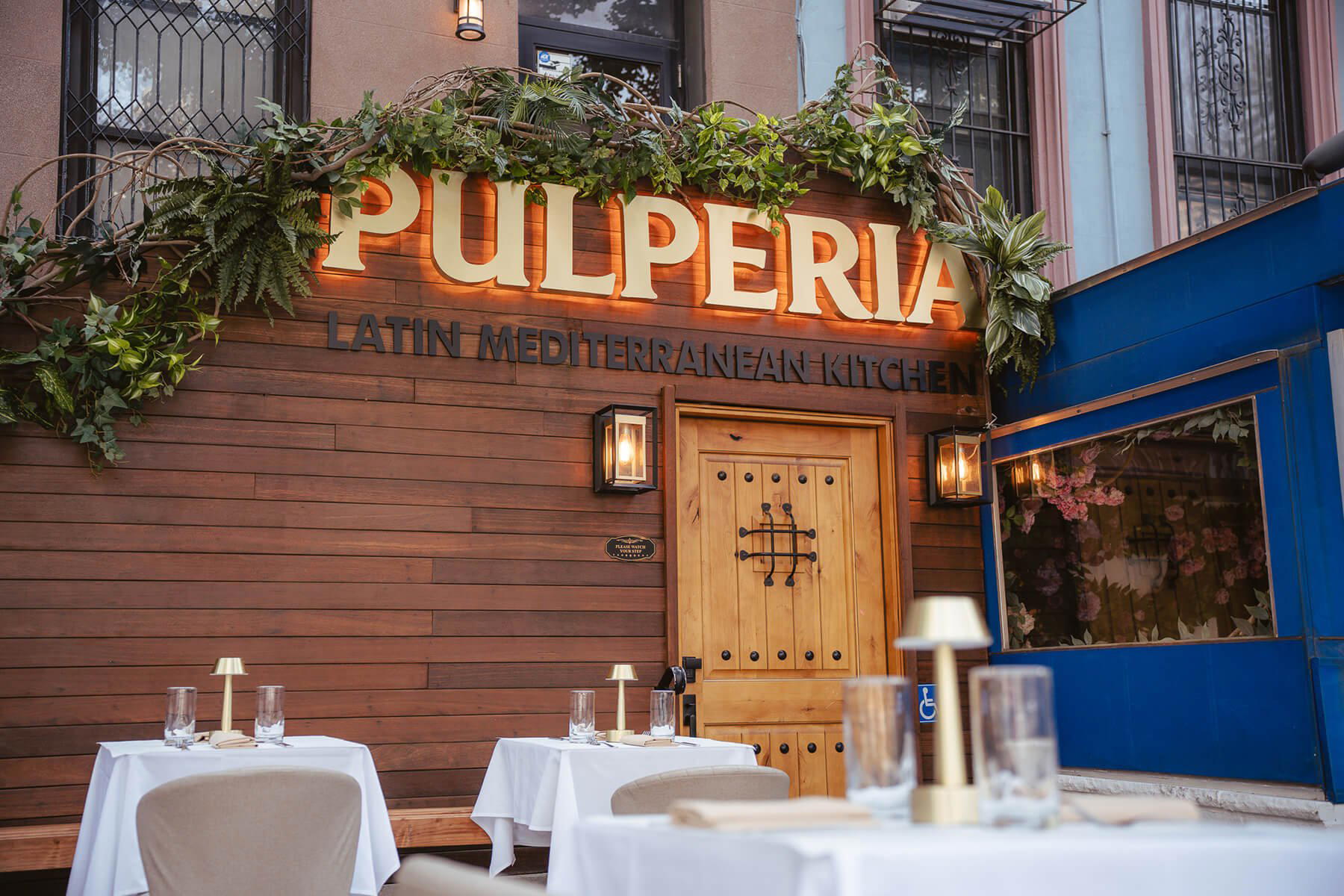
Where Two Coastal Traditions Meet on Restaurant Row
West 46th Street between Eighth and Ninth Avenues has carried the nickname Restaurant Row since at least the 1970s, when a concentration of pre-theater dining rooms made it the default stop for Broadway audiences. The block has evolved unevenly since then: some addresses still trade on convenience and volume, others have sharpened their editorial point of view. Pulperia Latin Mediterranean Kitchen is a restaurant at 338 W 46th St in New York City, serving Latin Mediterranean cuisine.
That argument has become more coherent as food culture in New York has matured. The city's restaurant scene, which once organized itself around rigid national categories, now accommodates hybrid frameworks more readily. Venues like Atomix and Jungsik New York have demonstrated that a cuisine rooted in one national tradition but filtered through a contemporary lens can hold serious critical attention. The Latin-Mediterranean axis at Pulperia operates on a different register, less technically formalist, but grounded in a pairing that has genuine geographic and historical logic.
The Cultural Argument Behind the Menu
The connection between Latin American and Mediterranean cooking is not arbitrary. Spain and Portugal exported their culinary vocabulary to the Americas over several centuries: olive oil, salt cod, chickpeas, cured meats, and the technique of slow-building sauces using sofrito as a base. What returned across the Atlantic was transformed by indigenous ingredients, African influences, and the specific climates of the Caribbean, South America, and Central America. The result is a set of parallel traditions that share grammar but speak different dialects.
Pulperia's format engages that history at the level of the plate. The word pulperia itself carries historical weight: in the 18th and 19th centuries, a pulpería was a general store and tavern common across South America and the Río de la Plata region, a place where goods, food, and conversation circulated together. Using that term as a name signals an awareness of cultural reference rather than a generic fusion pitch. Whether the execution lives up to that framing is the question any serious diner will bring to the table.
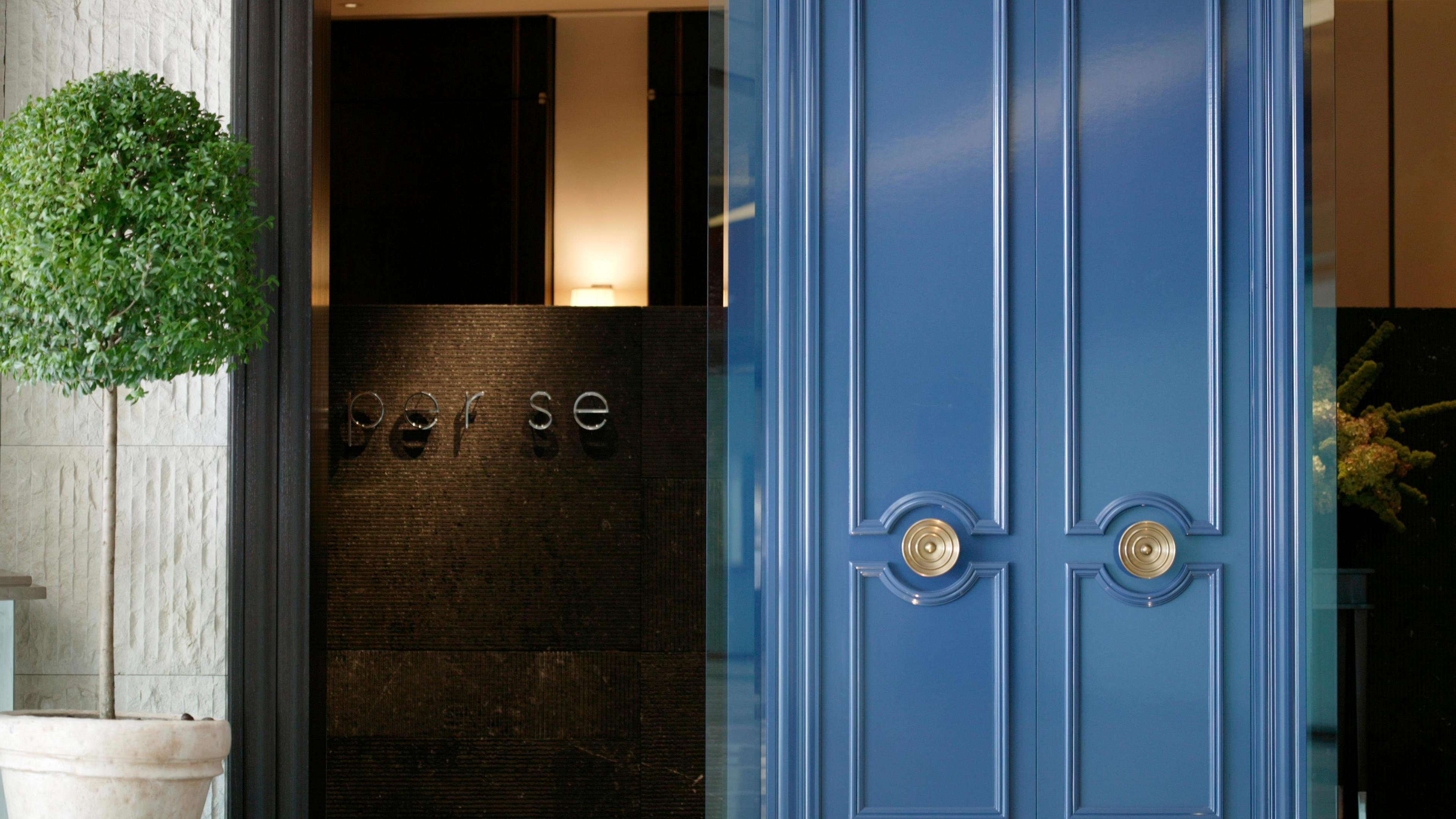
In a city where the Mediterranean category spans everything from upscale Greek seafood to fast-casual falafel, and where Latin American dining ranges from high-concept Peruvian to neighborhood Dominican, a kitchen that holds both traditions in productive tension is working with real complexity. The comparison set for this kind of concept is not the four-star French rooms on the West Side, such as Le Bernardin or Per Se, but rather the mid-tier restaurants that treat cultural specificity as their primary credential.
Midtown West and the Pre-Theater Question
Location shapes audience, and Midtown West dining operates under the gravitational pull of Lincoln Center and the Broadway theater district. The pre-theater window, roughly 5:30 to 7:30 pm, dictates pace and sequencing in ways that a West Village or Lower East Side restaurant never has to accommodate. For a concept with cultural ambitions, this is a structural challenge: the time pressure of a pre-theater crowd can flatten the kind of exploratory ordering that a cross-cultural menu benefits from.
The better comparison point is what has happened to culturally hybrid concepts in other American cities. In New Orleans, Emeril's demonstrated that regional identity could anchor a serious dining room over decades. In San Francisco, Lazy Bear built a format around communal eating and transparency that attracted a specific and committed audience. In Chicago, Alinea constructed its entire identity around a singular technical vision. Pulperia's challenge is different: it is working with an identity rooted in two broad and historically entangled traditions, in a neighborhood where the default audience is time-constrained and the competition is volume-driven.
That context is worth holding onto when assessing what the restaurant is trying to do. A culturally serious concept in a convenience-dominated block is swimming against the current, and the menu choices that signal that seriousness matter more here than they would in a neighborhood where the audience arrives already primed for exploration.
How Pulperia Fits the Broader New York Conversation
New York's restaurant culture has expanded its frame of reference significantly over the past decade. The dominance of French technique as the default mark of seriousness has given way to a more plural hierarchy, where Korean, Japanese, and now various Latin American traditions carry critical weight on their own terms. Masa anchors one end of the Japanese omakase spectrum; the Korean fine dining rooms clustered in Midtown have built a credible peer tier of their own.
Latin American cooking has been slower to gain the same kind of critical infrastructure in New York, despite the city's deep population of Latin American communities and the corresponding depth of informal and neighborhood cooking. The upscale or concept-driven end of Latin American dining remains underdeveloped relative to its cultural weight in the city. A restaurant that takes both Latin American and Mediterranean traditions seriously, and frames the connection historically rather than as a marketing shortcut, occupies a gap that the market has not yet filled cleanly.
For comparison beyond New York, the restaurants that have built durable identities around cultural synthesis rather than national purity tend to be the ones that commit most deeply to the specific culinary logic of the pairing. Blue Hill at Stone Barns built its identity around a specific agricultural relationship. Addison in San Diego and Providence in Los Angeles each anchored their identities in regional and seasonal specificity. The Latin-Mediterranean framework at Pulperia has equivalent depth available to it, if the kitchen presses into the historical connections rather than treating them as decorative.
Planning Your Visit
Address: 338 W 46th St, New York, NY 10036. Neighborhood: Restaurant Row, Midtown West, within walking distance of the Broadway theater district. Timing: Mon to Fri, 4 to 11 PM; Sat, 12 PM to 12 AM; Sun, 12 to 11 PM. Reservations: Recommended. Budget: Moderate. Dress: Smart casual.
Booking and Cost Snapshot
Comparable venues nearby, for context on price, style, and recognition.
| Venue | Cuisine | Price | Notes |
|---|---|---|---|
| Pulperia Latin Mediterranean KitchenThis venue — the venue you are viewing | Hell's Kitchen, Latin Mediterranean | $$ | Not listed |
| Glasserie | Not listed | $$ | Greenpoint, Mediterranean with Middle Eastern influences |
| Gigi’s | Not listed | $$$ | Greenpoint, Hudson Valley Mediterranean Trattoria |
| Dukagjini Burek | Not listed | $ | Bronxdale, Traditional Albanian/Kosovar burek bakery |
| Motek NY | Not listed | $$$ | Midtown South-Flatiron-Union Square, Modern Mediterranean (Kosher-Style) |
| Pierre Loti | Not listed | $$ | East Midtown-Turtle Bay, Mediterranean Wine Bar with Turkish Influences |
Continue exploring
More in New York City
Restaurants in New York City
Browse all →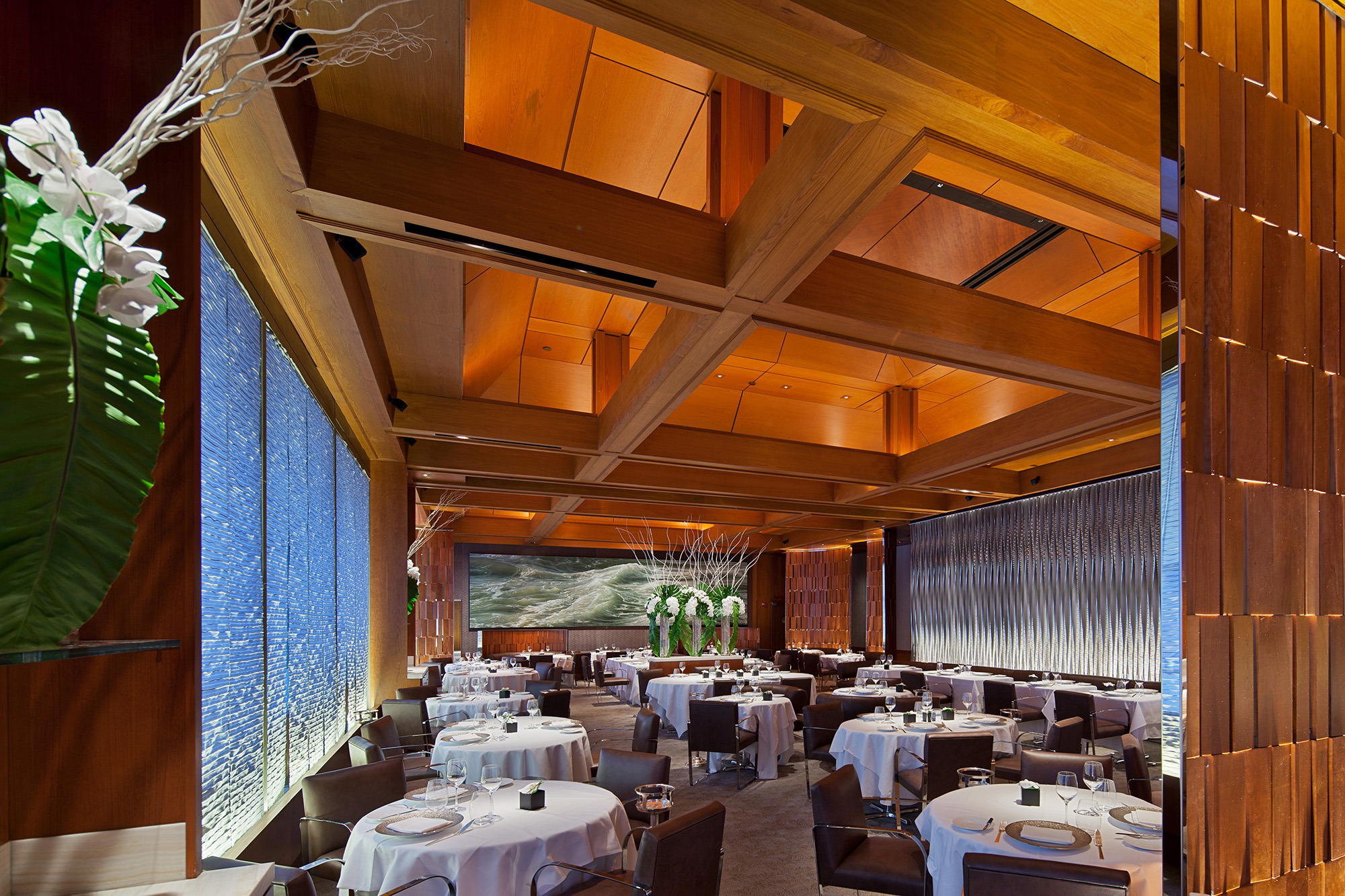
Bars in New York City
Browse all →



Hotels in New York City
Browse all →







At a Glance
- Lively
- Rustic
- Trendy
- Energetic
- Date Night
- Group Dining
- Casual Hangout
- Open Kitchen
- Craft Cocktails
Current opening hours
- Monday
- 4–11 PM
- Tuesday
- 4–11 PM
- Wednesday
- 4–11 PM
- Thursday
- 4–11 PM
- Friday
- 4–11 PM
- Saturday
- 12 PM–12 AM
- Sunday
- 12–11 PM
Hours can change for holidays and private events. Last verified .
Warm, rustic-modern atmosphere well-suited for pre-theater dinners and gatherings.