Mr. Noodle Chen on Willdenowstraße occupies a corner of Wedding that Berlin's noodle-focused dining scene rarely discusses at the level it deserves. The address sits within a neighbourhood where independent operators increasingly define the area's food character, and where sourcing decisions tend to be visible rather than buried in marketing. Precise details on format and price are not yet publicly confirmed.
Pearl is the En Primeur Club membership app — saves, bookings, and concierge access live there. Same editors, same standards.
- Address
- Willdenowstraße 12, 13353 Berlin, Germany
- Phone
- +4917677802578
- Website
- mrnoodlechen.de
- Directions
- Get directions
 Saves & bookings on Pearl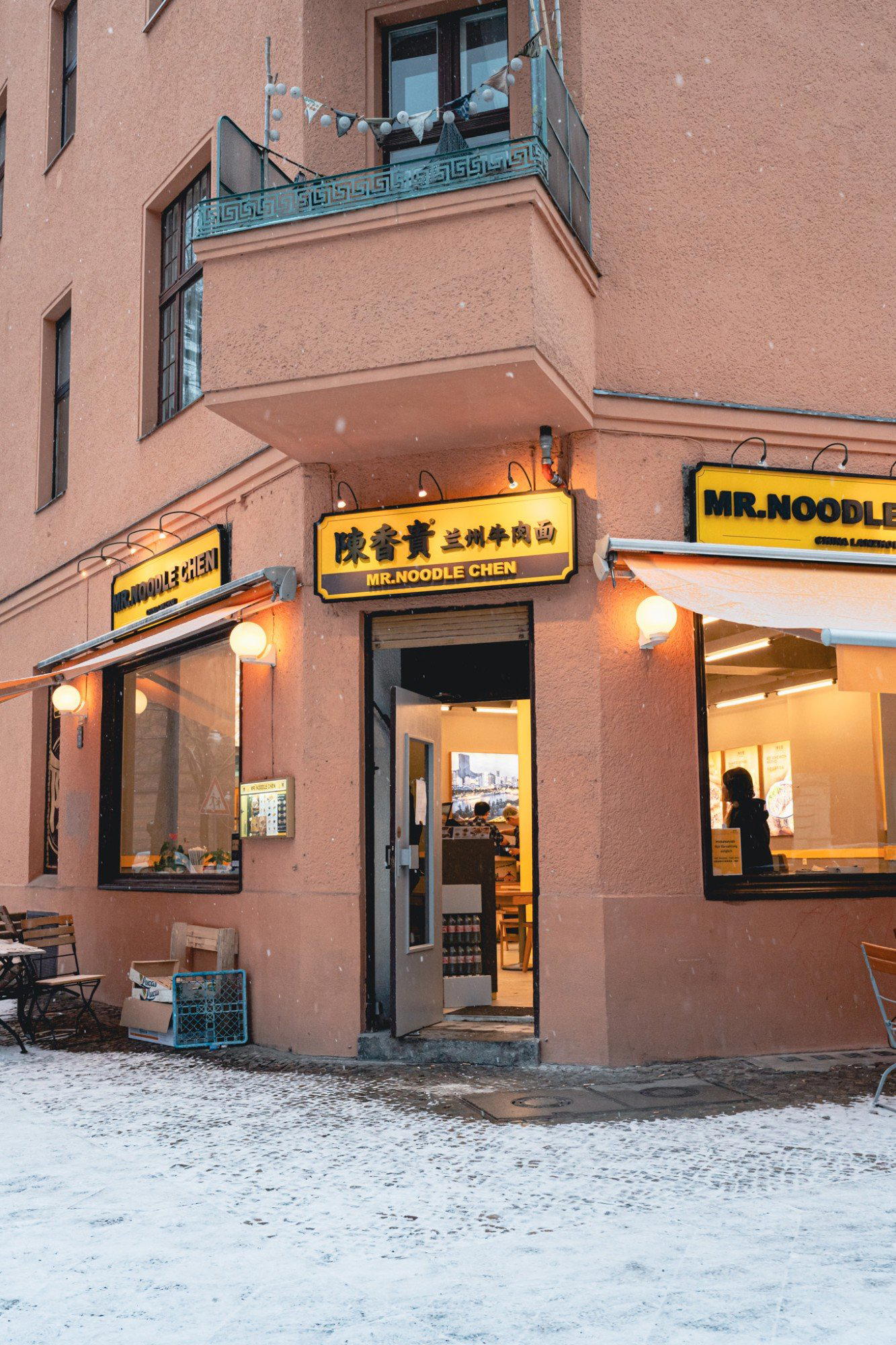
Wedding's Quiet Shift and Where Noodle Culture Fits In
Berlin's northern districts have spent the better part of a decade reorienting around independent food operators willing to work at smaller margins and with more deliberate sourcing choices than their Mitte counterparts. Wedding, where Willdenowstraße 12 sits, is part of that pattern. The neighbourhood draws operators for whom rent economics allow a different kind of discipline: fewer covers, tighter ingredient relationships, and a format that doesn't need to chase volume to survive. Mr. It belongs to that address and, by extension, to that broader set of conditions shaping what independent noodle-focused dining looks like in this city.
Noodle culture in Berlin has historically occupied an informal register, quick-service formats, high throughput, low price points. The more considered end of the spectrum, where sourcing and production method become part of the proposition, remains a smaller tier. At that scale, questions about environmental impact and supply chain transparency tend to surface, because operators can control where flour comes from, how broths are produced, and what happens to waste at the end of a service.
The Sustainability Argument for Noodle-Led Kitchens
Across European cities, noodle and broth-based kitchens have attracted attention from a sustainability standpoint for reasons that aren't always obvious. A well-run broth operation is, structurally, a low-waste kitchen: bones, aromatics, and vegetable trim that would otherwise be discarded become the foundation of the menu. When that logic is applied consistently, the environmental footprint per dish can be materially lower than protein-forward European fine dining formats, where the sourcing chain is longer and the yield from raw ingredients is often lower.
The broader Berlin fine dining circuit has moved steadily in this direction. Nobelhart & Schmutzig has made hyper-regional sourcing a structural commitment rather than a talking point, working with named producers and publishing those relationships openly. Rutz has pursued a similar emphasis through its wine program and ingredient sourcing. FACIL operates within a hotel context but maintains sourcing standards that align it with the independent operator conversation. These venues sit at the €€€€ tier and hold Michelin recognition; they represent the upper ceiling of what Berlin's sustainability-led dining conversation currently looks like.
What Mr. Noodle Chen represents is a different node in that same conversation, one operating in a noodle format rather than a tasting menu format, in a neighbourhood where the economics are different and the clientele is more local than destination-driven. The editorial interest lies precisely there: sustainability arguments in dining are easier to make when the price point is high. The more instructive test is whether those same commitments hold at the accessible end of the market.
Willdenowstraße as Address and Context
Willdenowstraße sits in the south of Wedding, close to the border with Moabit. The area has seen consistent independent food operator activity over the past several years, with small-format restaurants and specialty food concepts establishing themselves in spaces that would have been retail or low-margin food service a decade ago. The street itself is residential in character, which means operators here are accountable to a local clientele in a way that restaurants in higher-traffic tourism corridors are not. That accountability tends to reinforce sourcing honesty: you cannot change your suppliers quietly when the same twenty people are eating at your counter three times a week.
For visitors arriving from the city's more established dining districts, the journey to this address is part of what makes it editorially relevant. Berlin's food geography has expanded well beyond the postcode concentration of Prenzlauer Berg and Mitte. The venues worth tracking are now distributed across districts that require deliberate navigation, and Wedding is increasingly part of that distribution. The U6 line reaches Wedding directly, with Seestraße and Wedding stations both within reasonable walking distance of Willdenowstraße 12.
How This Address Sits Against Berlin's Broader Noodle and Asian Dining Scene
Berlin's Chinese and Chinese-influenced dining has a more developed critical conversation than it did five years ago, in part because Restaurant Tim Raue demonstrated that Asian-inflected cuisine could hold Michelin recognition in a German context. That legitimization created space for a more serious reading of operators across price tiers. The conversation is no longer solely about fine dining interpretation; it includes noodle-forward operators who apply similar levels of ingredient attention at a more accessible price point.
At the creative dessert end of the spectrum, CODA Dessert Dining demonstrates how Berlin supports format experimentation that would struggle to find an audience in more conservative European food cities. That appetite for format experimentation extends to the noodle space, where what a kitchen chooses to make in-house versus source externally, and what it does with the byproducts of production, becomes a meaningful editorial question.
Germany's Fine Dining Circuit for Comparison
For readers using Berlin as a base for wider German dining exploration, the national circuit includes several addresses worth placing alongside the city's independent operators. Aqua in Wolfsburg, Schwarzwaldstube in Baiersbronn, and Vendôme in Bergisch Gladbach sit at the summit of Germany's Michelin-recognized tier. JAN in Munich, ES:SENZ in Grassau, and Victor's Fine Dining by Christian Bau in Perl round out the regional spread. Waldhotel Sonnora in Dreis, Restaurant Haerlin in Hamburg, Schanz in Piesport, and Bagatelle in Trier extend the map further. These venues represent the tasting menu and classical European tradition; they are the comparison set against which independent noodle-focused operators in Berlin operate in a completely different register, which is partly what makes the latter editorially interesting.
Internationally, Le Bernardin in New York and Atomix in New York represent the kind of rigorous sourcing and format discipline that has raised the standard for what serious dining looks like at the summit tier. The influence of that standard eventually reaches smaller operators in cities like Berlin, even when the price point and format are entirely different.
Planning Your Visit
| Detail | Mr. Noodle Chen | Nobelhart & Schmutzig | Rutz |
|---|---|---|---|
| Address | Willdenowstraße 12, Wedding | Friedrichstraße 218, Mitte | Chausseestraße 8, Mitte |
| Price Tier | €€ | €€€€ | €€€€ |
| Format | Noodle-focused | Fixed menu, hyper-regional | Modern European tasting |
| Booking | Walk-in friendly | Advance booking required | Advance booking required |
| Awards | None listed | Michelin-recognized | Michelin-recognized |
Mr. Noodle Chen is walk-in friendly and open daily: Monday to Thursday from 11:30 AM to 2 PM and 5 to 9 PM, Friday to Sunday from 11:30 AM to 2 PM and 5 to 9:30 PM.
Cost Snapshot
Comparable venues nearby, for context on price, style, and recognition.
| Venue | Cuisine | Price | Notes |
|---|---|---|---|
| Mr. Noodle ChenThis venue — the venue you are viewing | Wedding, Lanzhou Hand-Pulled Noodles | $$ | Not listed |
| Da Jia Le | Not listed | $$ | Schoneberg, Authentic Northeastern Chinese (Dongbei) |
| Lychee | Not listed | $$ | Wilmersdorf, Modern Chinese with Szechuan |
| Restaurant Hotspot | Not listed | $$ | Wilmersdorf, Authentic Sichuan & Jiangsu Chinese |
| Weltwirtschaft | Not listed | $$ | Moabit, Italian-Inspired Global with Pizza |
| Krunsch Arepas | Tiergarten, Authentic Venezuelan Arepas | $$ | Not listed |
Continue exploring
More in Berlin
Restaurants in Berlin
Browse all →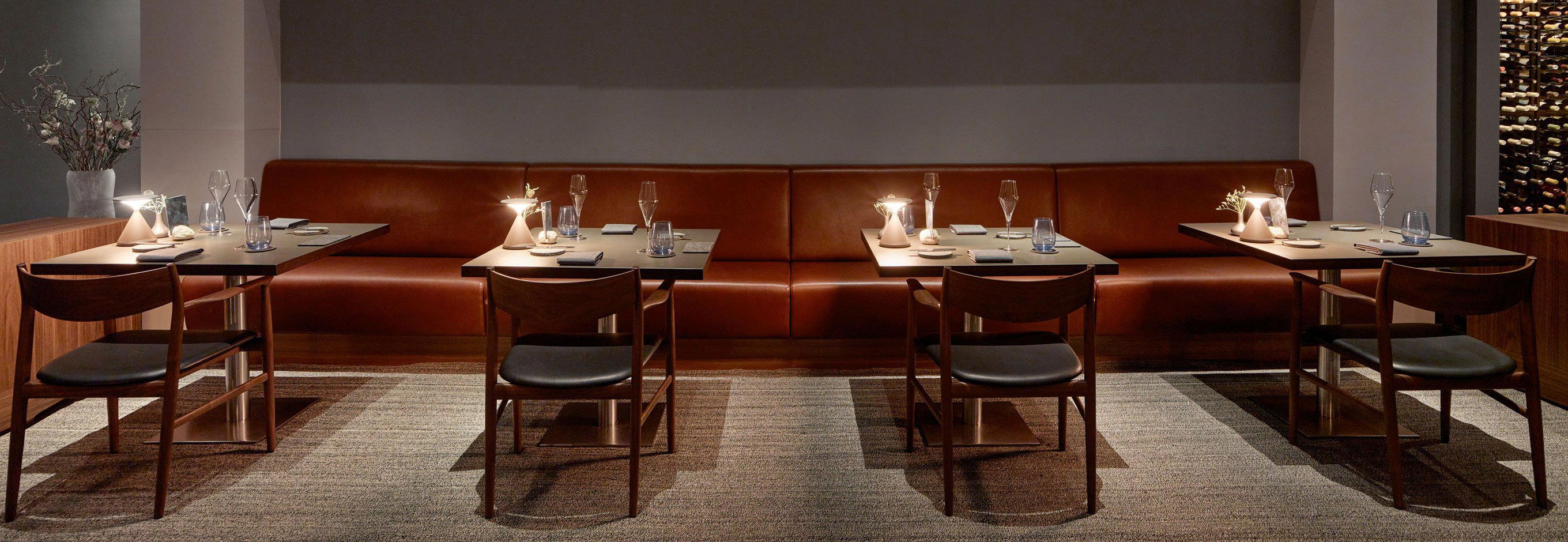
Bars in Berlin
Browse all →
Hotels in Berlin
Browse all →

At a Glance
- Casual
- Trendy
- Casual Hangout
- Open Kitchen
Current opening hours
- Monday
- 11:30 AM–2 PM, 5–9 PM
- Tuesday
- 11:30 AM–2 PM, 5–9 PM
- Wednesday
- 11:30 AM–2 PM, 5–9 PM
- Thursday
- 11:30 AM–2 PM, 5–9 PM
- Friday
- 11:30 AM–2 PM, 5–9:30 PM
- Saturday
- 11:30 AM–2 PM, 5–9:30 PM
- Sunday
- 11:30 AM–2 PM, 5–9:30 PM
Hours can change for holidays and private events. Last verified .
Casual and lively with an open kitchen view of hand-pulled noodle preparation, offering a bold and comforting Chinese atmosphere.