
A Michelin Plate-recognised tempura counter in Taipei's Da'an District, Motoichi runs an omakase format across 16 counter seats split between two rooms. Seasonal ingredients arrive in a light, grease-free batter with clean, defined textures. For Taipei diners seeking the discipline of a Japanese specialist kitchen applied to tempura, this is a serious address.
Pearl is the En Primeur Club membership app — saves, bookings, and concierge access live there. Same editors, same standards.
- Address
- 106, Taiwan, Taipei City, Da’an District, Alley 27, Lane 216, Section 4, Zhongxiao E Rd, 11號1樓
- Phone
- +886 2 2778 3380
- Website
- instagram.com
- Directions
- Get directions
 Saves & bookings on Pearl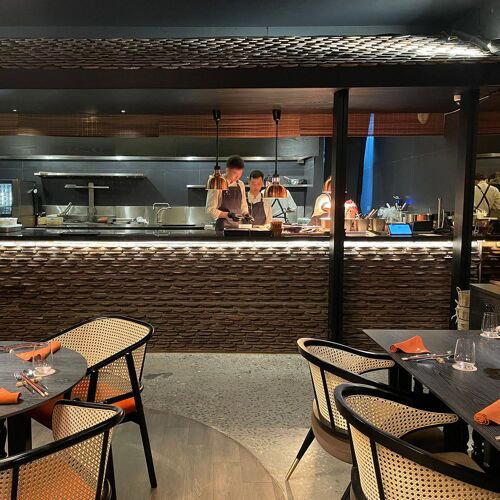
Counter Culture: Tempura as Precision Craft in Taipei
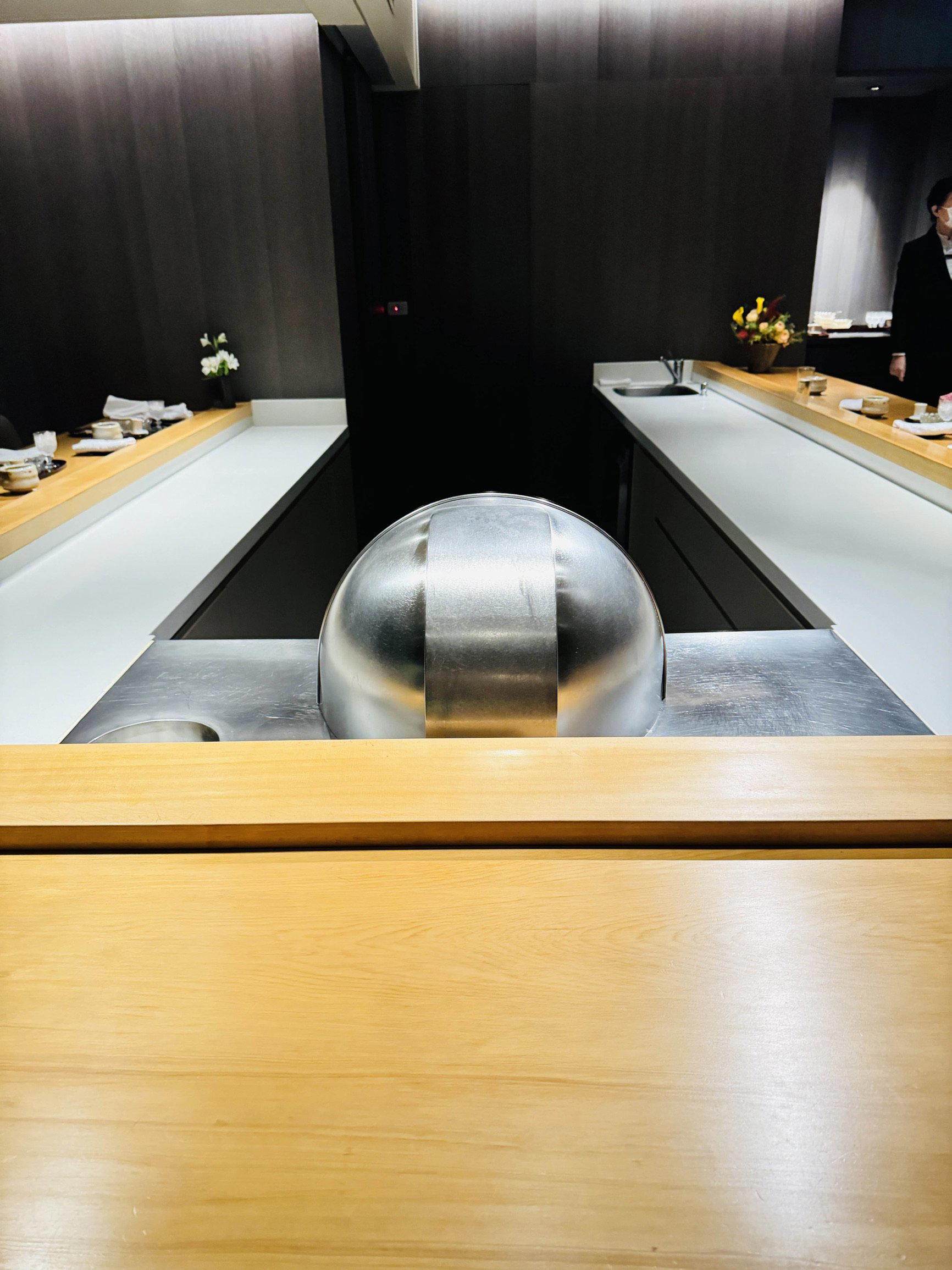
There is something clarifying about a tempura counter. The fryer is visible. The oil temperature is not a secret. The chef's timing, the seconds between immersion and extraction, determines everything, and you watch it happen from two feet away. At Motoichi, tucked into Alley 27 off Zhongxiao East Road Section 4 in Da'an District, that transparency is the whole point. The address is not easy to find on a first visit, set back from the main artery in the kind of low-rise residential lane that Taipei's serious dining rooms often favour for reasons of rent as much as atmosphere. Sixteen counter seats, divided between two rooms, mean the kitchen is never performing for a crowd.
Tempura's Disciplined Tradition and Its Taipei Translation
Tempura arrived in Japan via Portuguese missionaries in the sixteenth century, a frying technique adapted and then refined over centuries into something that bears little resemblance to its origin. The Edo-period street stall version, seafood and vegetables fried quickly for labourers and merchants, gradually migrated indoors, grew more considered, and by the postwar decades had produced the omakase tempura counter as a distinct high-end format in Tokyo, Osaka, and Kyoto. What distinguishes the specialist counter from the casual tempura restaurant is the sequence: ingredients chosen by the kitchen, presented in a progression that moves from lighter to richer flavours, each piece fried and served immediately, never held.
Taiwan has absorbed Japanese culinary discipline through decades of proximity and cross-cultural movement. Taipei's fine dining scene now includes several formats borrowed directly from Japanese counter traditions, sushi omakase, kaiseki, and tempura among them, but the tempura counter remains the rarer category. Mudan Tempura and Tempura Sugimura occupy the same specialist tier. Motoichi holds a Michelin Plate recognition for 2025.
What the Format Delivers
The omakase structure at Motoichi means the kitchen controls the sequence, the pacing, and the selection. Seasonal ingredients, the term is not decorative here; it describes a procurement logic tied to what the kitchen judges to be at peak condition, are coated in a light batter and fried to a finish that the venue's Michelin assessment describes as neither greasy nor overdone, with textures that remain defined rather than collapsed. The counter placement gives every guest a direct line of sight to the frying station, which is the point of this format: the theatre is the cooking itself, not a performance layered on top of it.
Sixteen seats across two rooms represents a small but not micro footprint by Taipei counter standards. The split-room configuration allows the kitchen to serve two groups with some separation, which affects the pacing dynamic. Counter dining at this price tier in Taipei, Motoichi sits in the leading price bracket alongside peers like logy, Le Palais, and Taïrroir, carries the expectation of individual attention rather than a shared banquet pace. The room count here is a practical solution to that expectation within a single small venue.
Taipei's Fine Dining Architecture and Where Tempura Sits
Taipei's high-end restaurant scene has matured considerably over the past decade, accumulating Michelin recognition across multiple cuisine categories since the guide's Taiwan launch in 2018. The dominant formats at the leading end have been Cantonese and Taiwanese contemporary, with a growing cohort of European-trained kitchens and Japanese specialist counters filling adjacent positions. Tempura as a standalone fine dining category occupies a precise niche: it requires significant technical investment in equipment and sourcing, limits menu flexibility compared to a full tasting kitchen, and depends on a relatively narrow range of ingredients doing most of the work. That focus is a constraint that the leading practitioners turn into an argument for the format's rigour.
For context on how this category performs across Japanese cities, Numata in Osaka, Shunsaiten Tsuchiya in Osaka, and Tempura Ginya in Tokyo represent the benchmark formats in their respective markets. Taipei's tempura counters, Motoichi among them, have developed within the context of that Japanese specialist tradition while drawing on Taiwan's own seasonal produce. The island's agricultural calendar, its subtropical climate producing different seasonal rhythms than Japan's temperate growing regions, gives Taipei's tempura kitchens access to a sourcing range that differs from their Japanese counterparts in ways that matter to the omakase sequence.
Booking and the Da'an Address
Da'an District is Taipei's most concentrated zone for serious independent restaurants. The neighbourhood's grid of residential lanes running off the main commercial roads, Zhongxiao East Road, Fuxing South Road, Anhe Road, hosts a disproportionate share of the city's counter dining formats, in part because the lane-side commercial spaces offer the kind of intimate scale that a 16-seat operation requires. Motoichi's position in Alley 27 off Section 4 of Zhongxiao East Road places it within easy reach of the Zhongxiao Dunhua MRT station, which makes it accessible without requiring a taxi from the central hotel corridor.
That combination of public approval and guide recognition across a relatively contained review base suggests a consistent rather than variable experience. Booking lead times for Michelin-recognised counters in Taipei's Da'an neighbourhood typically run several weeks ahead for prime evening slots; this is not a walk-in format, and the 16-seat capacity means availability tightens quickly around weekends.
Readers planning a broader itinerary through Taiwan's serious restaurant circuit can find context across other cities: JL Studio in Taichung, GEN in Kaohsiung, A Cun Beef Soup on Baoan Road in Tainan, Akame in Wutai Township, and Volando Urai Spring Spa and Resort in Wulai District each anchor different points on the island's dining map.
Know Before You Go
- Address: 11F-1, Alley 27, Lane 216, Section 4, Zhongxiao East Road, Da'an District, Taipei City 106
- Cuisine: Tempura omakase
- Price range: $$$$
- Seats: 16 counter seats across two rooms
- Awards: Michelin Plate 2025 5 / 5 (70 reviews)
- Nearest MRT: Zhongxiao Dunhua (approx. walking distance via Alley 27)
- Booking: Advance reservation strongly recommended; prime weekend slots fill several weeks ahead
What It’s Closest To
Comparable venues nearby, for context on price, style, and recognition.
| Venue | Cuisine | Price | Awards | Notes |
|---|---|---|---|---|
| MotoichiThis venue — the venue you are viewing | Modern Japanese Tempura Omakase | $$$$ | Michelin 1 Star | Not listed |
| Sushi Kajin | Edo-Style Omakase | $$$$ | Michelin 1 Star | Zhongji |
| Eika | Modern Japanese Kappo with Taiwanese Influences | $$$$ | Michelin 1 Star | Yanping |
| aMaze | Modern Jiangzhe Fine Dining | $$$$ | Michelin 1 Star | Chenggong |
| Ad Astra | Contemporary Japanese Omakase with Global Influences | $$$$ | Michelin 1 Star | Zhongshan |
| Hosu | Modern Taiwanese Contemporary | $$$$ | Michelin 1 Star | Dunhuang |
Recognition history
Dated appearances from independent guides and award organizations, with the underlying list record or original source where available.
Michelin 1 Star
Michelin
Michelin 1 Star
Michelin
Continue exploring
More in Taipei
Restaurants in Taipei
Browse all →
Bars in Taipei
Browse all →
Hotels in Taipei
Browse all →
Wineries in Taipei
Browse all →
At a Glance
- Intimate
- Elegant
- Minimalist
- Sophisticated
- Date Night
- Special Occasion
- Chefs Counter
- Open Kitchen
- Sake Program
Current opening hours
- Monday
- Closed
- Tuesday
- 11:45 AM–3 PM, 6–10 PM
- Wednesday
- 11:45 AM–3 PM, 6–10 PM
- Thursday
- 11:45 AM–3 PM, 6–10 PM
- Friday
- 11:45 AM–3 PM, 6–10 PM
- Saturday
- 11:45 AM–3 PM, 6–10 PM
- Sunday
- Closed
Hours can change for holidays and private events. Last verified .
Intentionally understated with focus on the chef's craft, soft lighting, and serene atmosphere allowing immersion in the sensory details of tempura preparation.