
MOT brings Kyoto’s small-counter dining discipline to Thai cooking in Kamigyo, close to Kuramaguchi rather than the city’s heavier tourist corridors. Its six-seat, reservation-only format and 2024 Tabelog 100 selection for Asian and ethnic cuisine in western Japan place it in a narrow bracket: intimate, structured, and better read as a Kyoto house-restaurant experience than a casual Thai stop.
Pearl is the En Primeur Club membership app — saves, bookings, and concierge access live there. Same editors, same standards.
- Address
- Japan, 〒602-0895 Kyoto, Kamigyo Ward, Kamigoryomaecho, 409-2
- Phone
- +81 70-8434-7669
- Website
- mymot.jp
 Saves & bookings on Pearl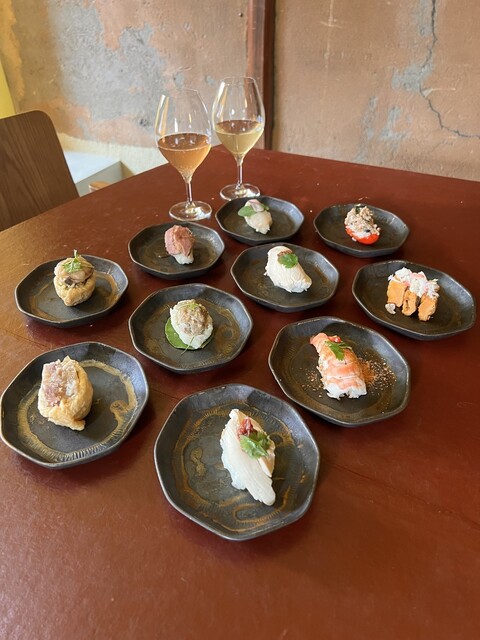
Approach in Kamigyo and the mood changes from central Kyoto’s department-store dining to a quieter northern rhythm: low residential streets, temple edges, and the Karasuma Line carrying regulars rather than sightseeing crowds. In that setting, a small house restaurant can feel more serious than theatrical. MOT fits that Kyoto pattern, using scale and restraint to frame Thai cooking within the city’s appetite for counter-led precision.
Kyoto has long absorbed outside cuisines through a local grammar of seasonality, reservation discipline, and compact rooms. Thai food here is not competing with the city’s ramen queues or kaiseki institutions on spectacle. It occupies a narrower lane: spice, acidity, herbs, and heat filtered through the expectations of a city that values pacing and control. That is the useful way to read this restaurant. The point is not novelty for its own sake, but how an Asian cuisine category can sit inside Kyoto’s small-format dining culture without becoming either izakaya-casual or hotel-polished.
Thai cooking in Kyoto's small-counter register
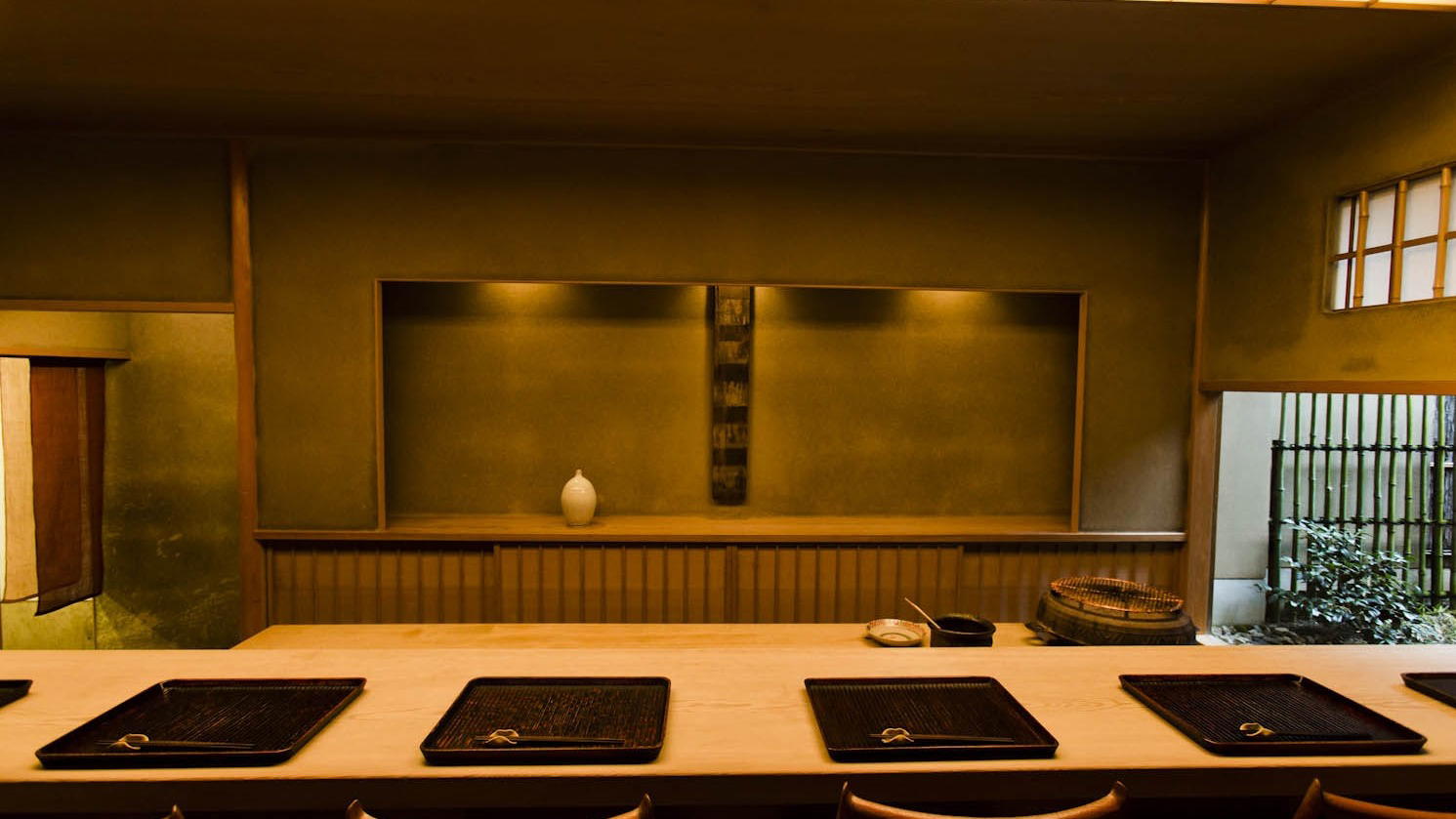
The six-seat format matters. In Kyoto, counter dining often signals more than intimacy; it changes the implied contract between kitchen and guest. There is less room for menu sprawl, less tolerance for vague pacing, and more attention paid to how a meal develops across courses. MOT’s reservation-only model places it closer to the city’s specialist counters than to the everyday Thai restaurants found around transit hubs or university neighbourhoods.
Its selection for the 2024 Tabelog 100 in the Asian cuisine and ethnic cuisine category for western Japan gives the restaurant a public marker within a field that is often harder for visitors to parse than sushi, tempura, or kaiseki. Tabelog’s category structure is imperfect as criticism, but it is useful as a signal: this is being judged among regional Asian and ethnic-cuisine specialists, not simply as another Kyoto dining room with a fashionable address.
The drink cues also place the meal within Kyoto rather than Bangkok mimicry. Sake and a wine-conscious program suggest a dining-room logic built for pairing and course progression, not only for beer-and-chilli comfort. That distinction matters in a city where international cuisines often succeed when they accept Kyoto’s formal habits instead of fighting them.
Why Kamigyo changes the experience
Kamigyo is not Gion, Pontocho, or the Kyoto Station orbit, and that difference does useful work. The area’s dining character is less performative: old textile districts, imperial and temple geography, residential streets, and restaurants that rely on intention rather than passing footfall. A small Thai counter here reads differently from one in a nightlife district. It asks guests to treat the meal as the plan, not as a convenient add-on between bars.
That location also sharpens the comparison with Kyoto’s Japanese dining spectrum. Ikkon Uehara, Tokuha Motonari, and Nishijin Fujiyoshi represent more familiar Japanese reference points at varying price tiers, while Kanga-an Temple sits in a more explicitly cultural frame. MOT belongs to a different conversation: how Kyoto’s serious-dining format can accommodate cuisines outside the Japanese canon without sanding away their identity. The result is a useful counterweight to the assumption that the city’s better meals must be kaiseki, sushi, soba, or wagashi.
For a broader Kyoto itinerary, it pairs intellectually with restaurants that show other sides of the city’s range: 3TOKU6MI Shijo karasuma ten for a central address, 551蓬莱 for Kansai comfort food, [ki:] for another contemporary Kyoto register, Abbesses for French inflection, and Aburi Mochi Honke Nemoto Kazariya for an older sweet-shop tradition. For citywide planning, use Our full Kyoto restaurants guide alongside Our full Kyoto hotels guide, Our full Kyoto bars guide, Our full Kyoto wineries guide, and Our full Kyoto experiences guide.
Who should put it on the Kyoto schedule
This is a strong fit for diners who have already done the obvious Kyoto categories and want a meal that reflects the city’s formality without repeating its classic repertoire. The small room and counter seating make it better suited to focused dining than loose group socialising. Solo diners are explicitly within the restaurant’s comfort zone, which is useful in Kyoto, where many higher-end rooms are implicitly built around couples or small parties.
The practical judgement is simple: treat it as a planned meal in northern Kyoto, not a fallback. The restaurant’s small capacity, reservation-only structure, and limited weekly operating pattern put pressure on timing. For travellers moving through Kyoto with a tight temple-and-dining schedule, that makes the Kamigyo geography part of the decision rather than a footnote.
Readers comparing Japanese regional dining beyond Kyoto can triangulate the category more broadly through -Grilled beef Sukiyaki- KAMAKURA TANUKIAN 鎌倉 たぬき庵 in Kamakura. 鮪と炭火焼き うお炭 秋葉原店 in Tokyo.cafe in Osaka.know in Kumamoto, (Shoku) Vietnam in Kawasaki, and [Curry Senmon Ten] Maruyama Kyoju. in Sapporo. For North American contrasts in Japanese-adjacent casual formats, Jōdo Saké Bar in Los Angeles and Onigiri Time in Pasadena show how context changes expectations around format, price, and occasion.
Just the Basics
Side-by-side context: comparable cuisine and price.
| Venue | Cuisine | Price | Notes |
|---|---|---|---|
| MOTThis venue — the venue you are viewing | Kamigyō, Seasonal Thai Regional Omakase | $$$ | Not listed |
| Planca Ken | Higashiyama, Kyoto Gion Teppanyaki | $$$ | Not listed |
| Hotel De Ogawa | Shimogyō, Traditional Japanese Izakaya | $$$ | Not listed |
| 前田 | Not listed | $$$ | Higashiyama, Traditional Kyoto Saba Sushi |
| Sobaya Nikola | Not listed | $$$ | Kamigyō, Modern soba restaurant with sake & wine pairing |
| 釜座 長島 | Nakagyō, Traditional Kaiseki | $$$ | Not listed |
Recognition history
Dated appearances from independent guides and award organizations, with the underlying list record or original source where available.
Tabelog 100 #49 · No. 49
Tabelog · Tabelog 100 - Asian cuisine / Ethnic cuisine - WEST - 2024
Continue exploring
More in Kyoto
Restaurants in Kyoto
Browse all →
Bars in Kyoto
Browse all →
Hotels in Kyoto
Browse all →
Wineries in Kyoto
Browse all →
At a Glance
- Intimate
- Cozy
- Elegant
- Special Occasion
- Date Night
- Business Dinner
- Group Dining
- Design Destination
- Standalone
- Local Sourcing
Current opening hours
- Monday
- 12–3 PM
- Tuesday
- Closed
- Wednesday
- Closed
- Thursday
- Closed
- Friday
- Closed
- Saturday
- 8 AM–3 PM
- Sunday
- 12–3 PM
Hours can change for holidays and private events. Last verified .
An intimate, reservation-only dining room with refined Japanese minimalist touches, quietly showcasing colorful Thai dishes; the atmosphere is calm and focused on the course experience rather than bustle, more like a small chef-driven destination than a casual Thai eatery.