Moshi Moshi Sushi
Moshi Moshi Sushi at Liverpool Street Station sits within one of London's busiest transit hubs, where the rhythms of a working commuter terminal frame an accessible Japanese counter format. The location places it in a distinct tier from the capital's destination sushi rooms, offering a different kind of ritual, faster, more immediate, shaped by the station's own tempo.
Pearl is the En Primeur Club membership app — saves, bookings, and concierge access live there. Same editors, same standards.
- Address
- 24, Liverpool Street Station, Liverpool St, London EC2M 7PY, United Kingdom
- Phone
- +442072473227
- Website
- moshimoshi.co.uk
- Directions
- Get directions
 Saves & bookings on Pearl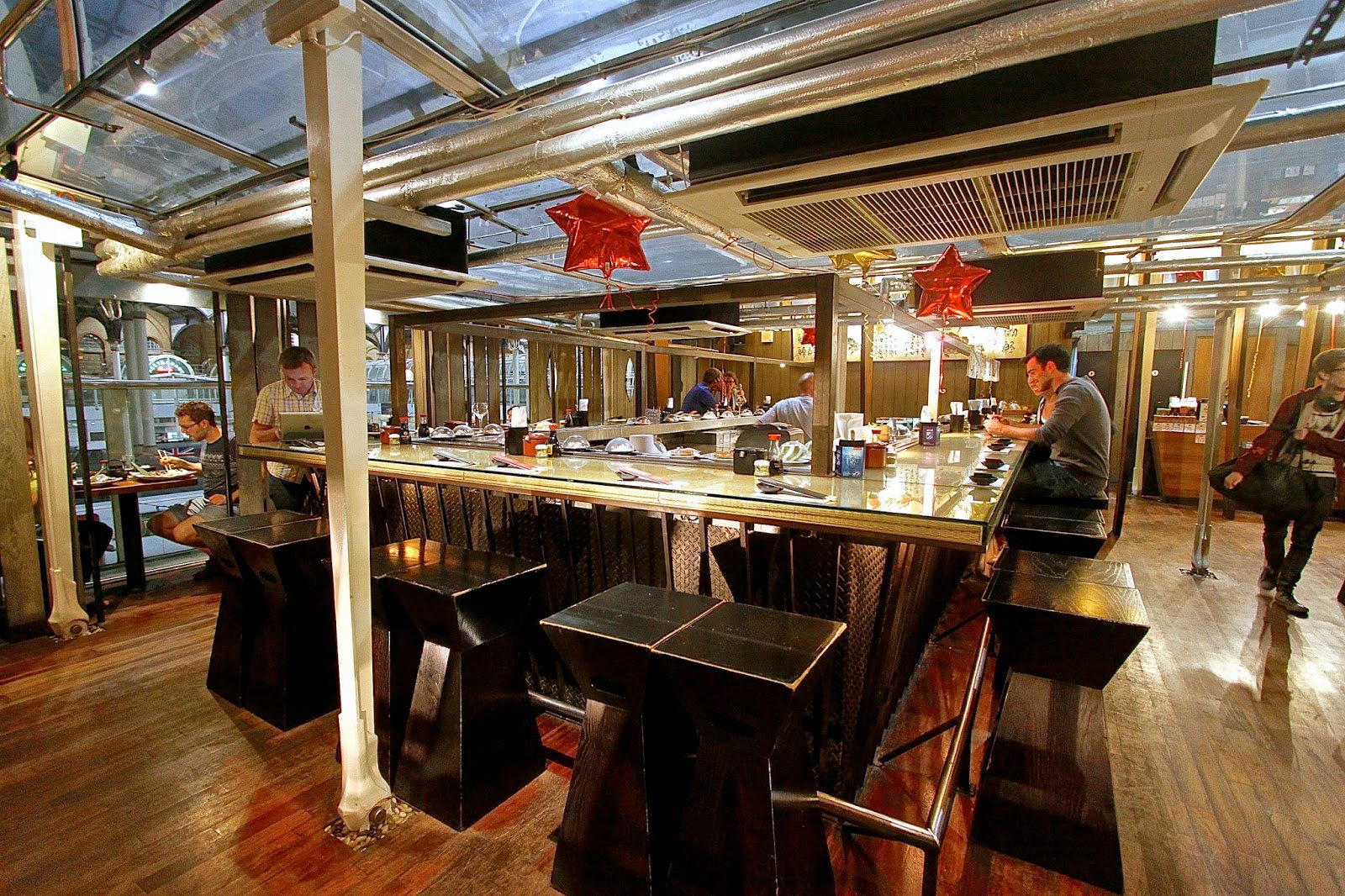
Sushi in the Flow of the City
London's sushi scene divides along clear lines. At one end sit the high-commitment omakase counters, intimate, reservation-led rooms where the meal is structured around extended sequences and counter theatre. At the other end, a different format has quietly matured: accessible Japanese concepts embedded in transport infrastructure, serving a lunch and early-evening crowd that wants something meaningfully better than a supermarket tray but isn't arranging their evening around a tasting menu. Moshi Moshi Sushi, positioned inside Liverpool Street Station, is a conveyor belt sushi restaurant in London.
Liverpool Street is one of the capital's highest-throughput rail terminals, connecting the City of London to East Anglia and the Elizabeth line interchange. The station sees a working population rather than a tourist one, finance, law, tech, the dense office cluster of the Square Mile and Broadgate. Sushi, as a format, translates well into that context: it is quick when it needs to be, visually transparent, and broadly accepted across dietary lines. The ritual here is shaped by the building itself, where concourse noise and departure boards set the pace rather than the kitchen's preference.
The Dining Ritual at a Commuter Counter
The customs of eating at a station-based sushi concept are different enough from conventional restaurant etiquette to be worth spelling out. There is no arc of an evening to manage. The decision window is short, the format is typically conveyor-belt or over-counter, and the relationship between diner and kitchen is transactional rather than conversational. That is not a criticism, it is a structural fact of the format, and it creates its own kind of discipline.
Kaiten-zushi, the conveyor-belt format that Moshi Moshi Sushi helped introduce to the UK in the 1990s, carries a particular logic: dishes are priced by plate colour or size, the menu rotates physically through the room, and the diner controls the pace entirely. It is one of the few dining formats where the guest has full editorial authority over their meal from start to finish. In Japan, the format operates across a wide quality range, from budget chain operations in shopping centres to technically serious operations using sourced fish. In London, the format arrived alongside a broader popularisation of Japanese food in the 1990s, when Nobu at the Metropolitan had just opened and the city's appetite for Japanese food outside Japantown Soho was new enough to feel like news.
Moshi Moshi holds a specific position in that history. The original venue helped bring conveyor-belt sushi to the UK, shaping expectations for fast-casual Japanese dining in London. That provenance matters not for sentimentality but for context: this is a format that shaped what Londoners expect from fast-casual Japanese food, long before that phrase existed as a category.
Where This Sits in the London Sushi Conversation
The London sushi tier above this one is now substantially more expensive and commitment-heavy. Counter omakase rooms at the destination level price against comparable venues in Tokyo and New York, the kind of format where a booking three months out is standard and the meal runs to ten-plus courses over two hours. That world and the Liverpool Street counter world do not compete; they address different decisions entirely.
For readers whose sushi reference points in London include the formal dining rooms of the West End or Mayfair, or those who benchmark against Michelin-recognised European restaurants like CORE by Clare Smyth, Restaurant Gordon Ramsay, Sketch, The Lecture Room and Library, The Ledbury, or Dinner by Heston Blumenthal, Moshi Moshi operates on a different register. The comparison is not between quality tiers so much as between dining formats, structured occasion dining versus embedded urban eating.
Comparable sushi-accessible formats in major cities tend to perform leading when anchored to commuter infrastructure, and London supports that pattern. The City's lunch hour is short and expensive in time terms; a counter that delivers reliable Japanese food in under thirty minutes competes less with other restaurants and more with the diner's alternative of eating at their desk.
Outside London, the UK has a separate fine dining conversation anchored in destination restaurants at country house hotels and remote village locations: Waterside Inn in Bray, Le Manoir aux Quat'Saisons in Oxford, L'Enclume in Cartmel, Moor Hall in Aughton, Gidleigh Park in Chagford, Hand and Flowers in Marlow, hide and fox in Saltwood, Midsummer House in Cambridge, Opheem in Birmingham, and Restaurant Andrew Fairlie in Auchterarder. Internationally, destination counter formats like Le Bernardin in New York City or the Korean tasting format at Atomix in New York City represent the high-commitment end of similar ingredient-led precision. Moshi Moshi occupies the opposite pole of that spectrum, proximity and access over pilgrimage.
Timing and Practical Planning
A station-embedded venue at Liverpool Street is most useful at specific windows of the day. The lunch peak in the City runs approximately noon to 1:30pm on weekdays; the early-evening pre-departure window runs from 5pm. Shoulder hours, mid-morning, mid-afternoon, typically offer the least pressure and the quickest turnaround. Weekend foot traffic at Liverpool Street is lower than weekday commuter volumes, which changes the pace of service noticeably.
Autumn and winter are worth considering from a fish quality standpoint: many cold-water species used in sushi, sea bass, mackerel, various white fish, peak in colder months, which aligns the season with heavier City working patterns. Spring, when daylight extends and the City's outdoor eating options increase, shifts some of the lunch traffic away from counter formats.
Reservations: Walk-in format typical for conveyor-belt and counter sushi operations of this type; confirm current booking policy directly with the venue. Location: 24 Liverpool Street Station, London EC2M 7PY, accessible directly from Liverpool Street underground and National Rail concourse. Dress: No dress code. Budget: Station-based kaiten-zushi formats in London typically price at mid-casual range; verify current plate pricing at point of visit.
City Peers
Comparable venues nearby, for context on price, style, and recognition.
| Venue | Cuisine | Price | Notes |
|---|---|---|---|
| Moshi Moshi SushiThis venue — the venue you are viewing | Conveyor Belt Sushi | $$ | Not listed |
| AUN | Modern Japanese Izakaya | $$ | Stoke Newington |
| Sticks'n'Sushi | Japanese-Danish Sushi & Yakitori | $$ | Nine Elms |
| Kisaku | Authentic Japanese Sushi & Grill | $$ | Acton Green |
| wagamama royal festival hall | Pan-Asian Ramen & Noodles | $$ | South Bank |
| TEMAKI | Modern Japanese Handroll Bar | $$ | Brixton |
Continue exploring
More in London
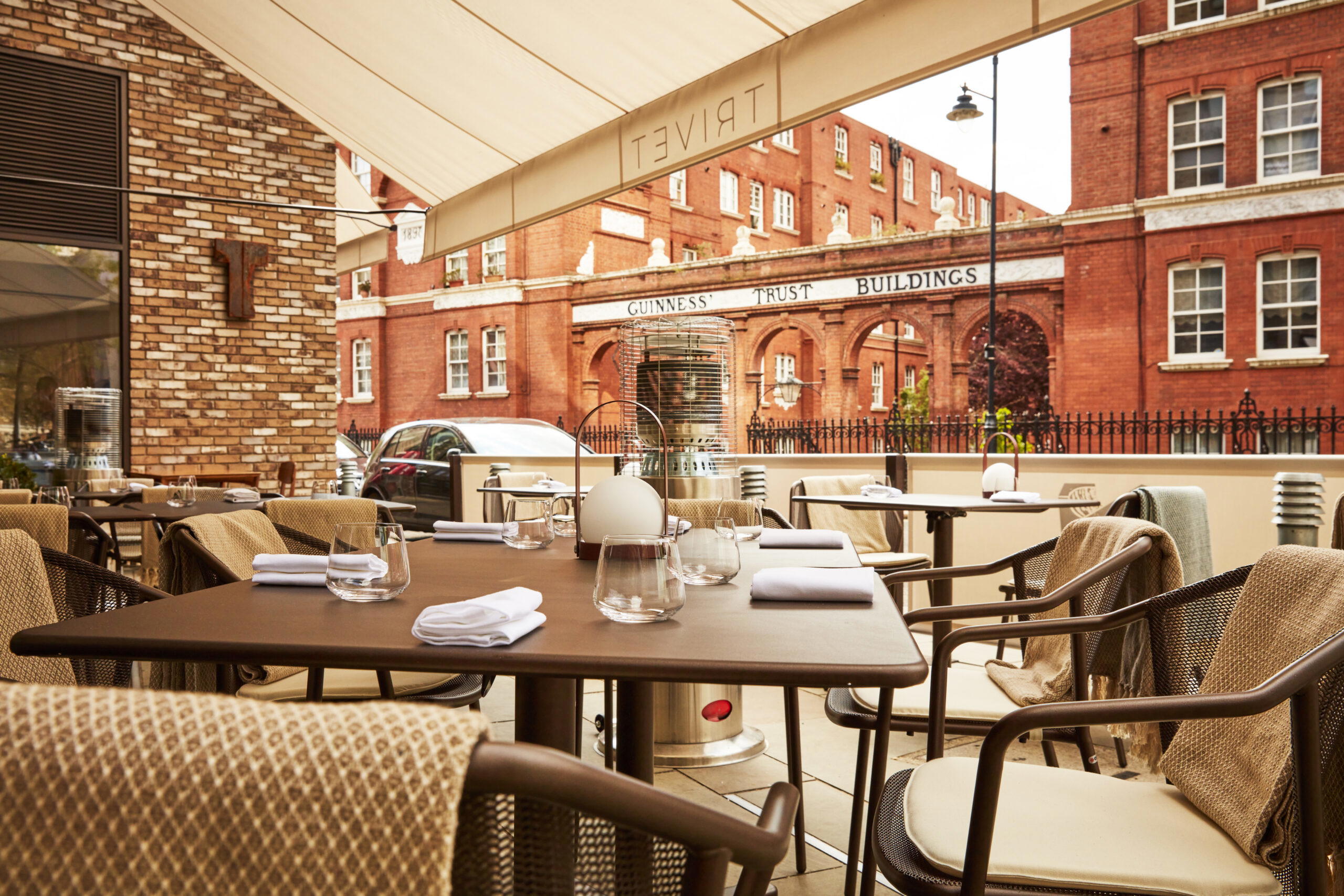
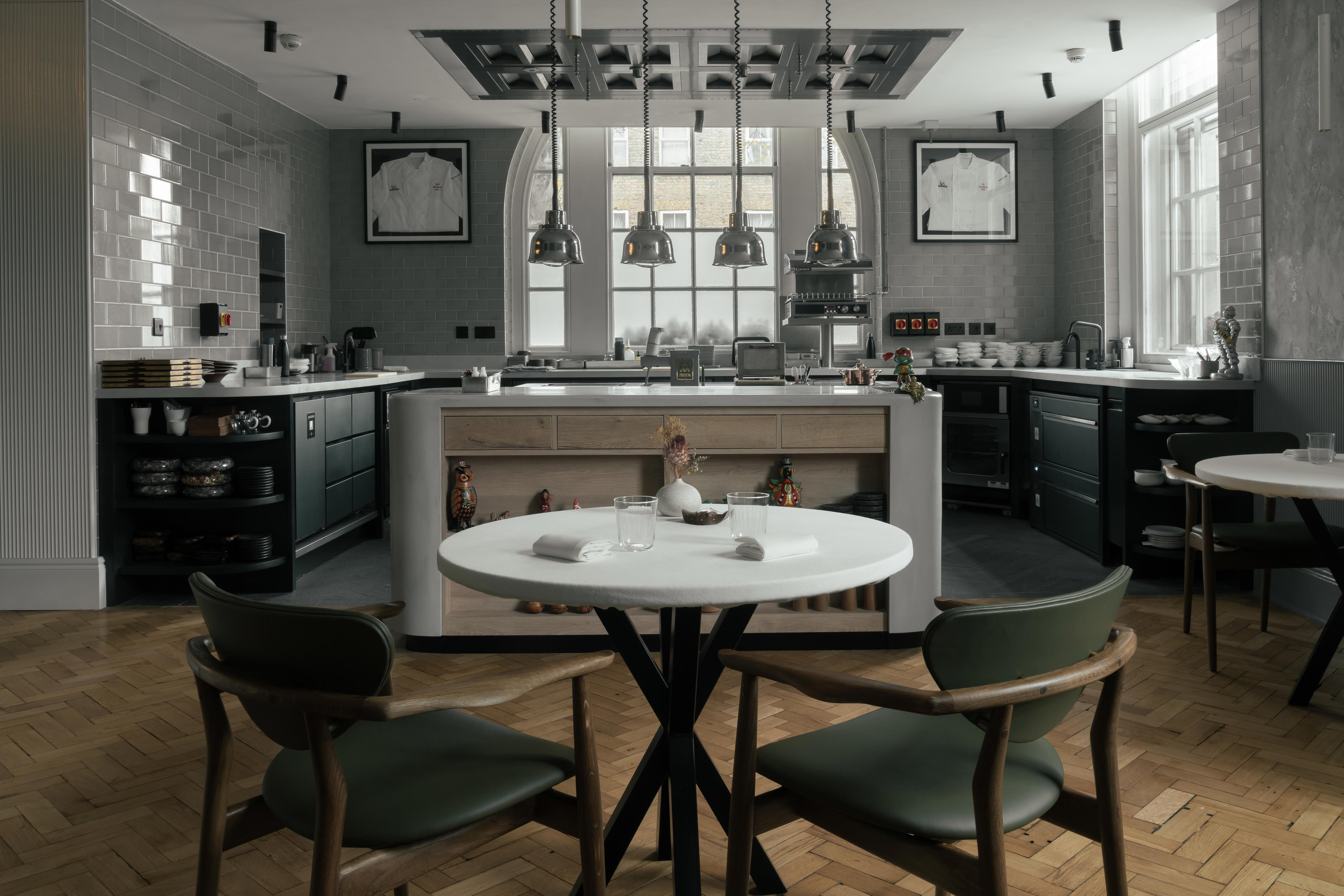
Restaurants in London
Browse all →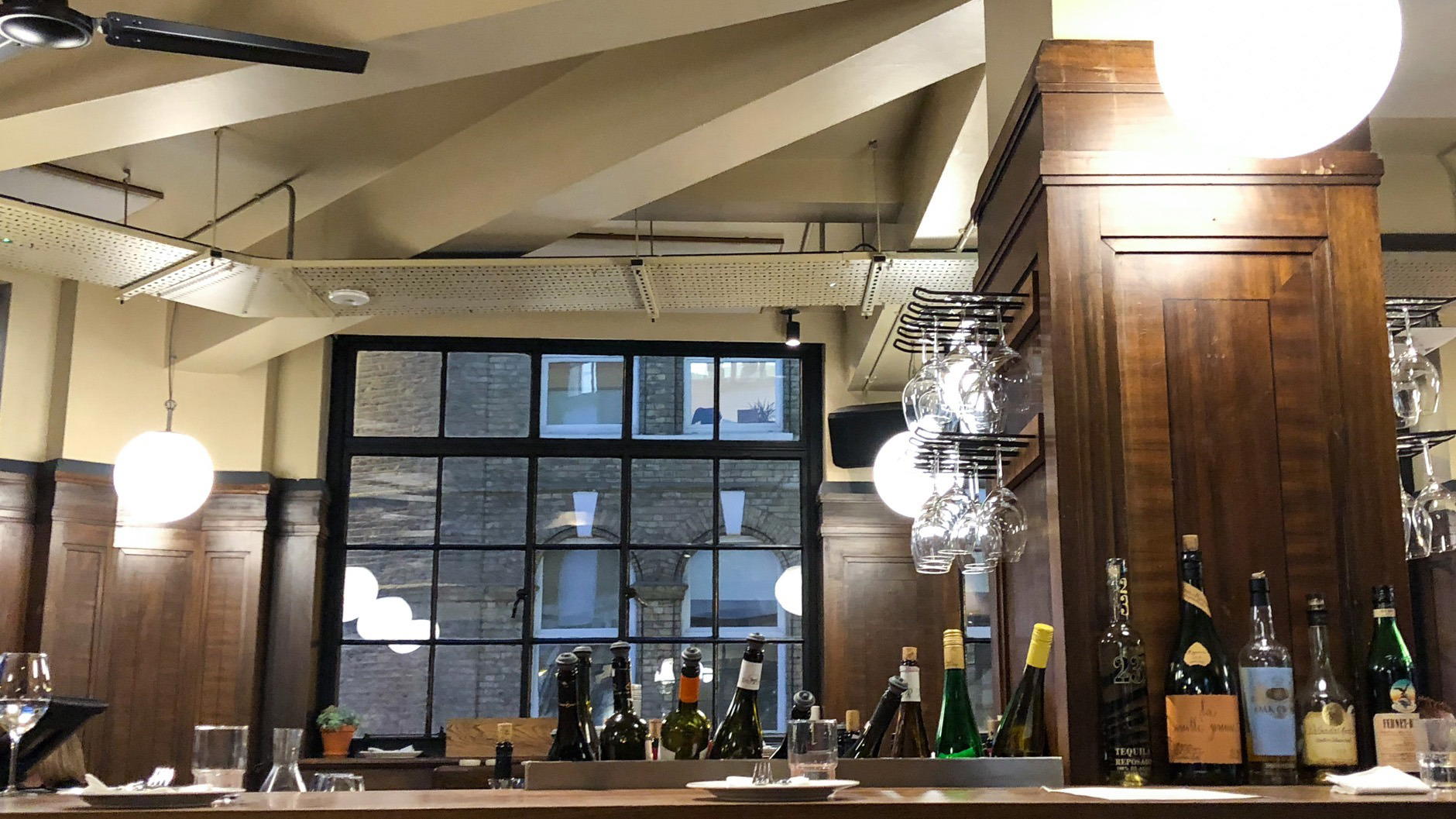
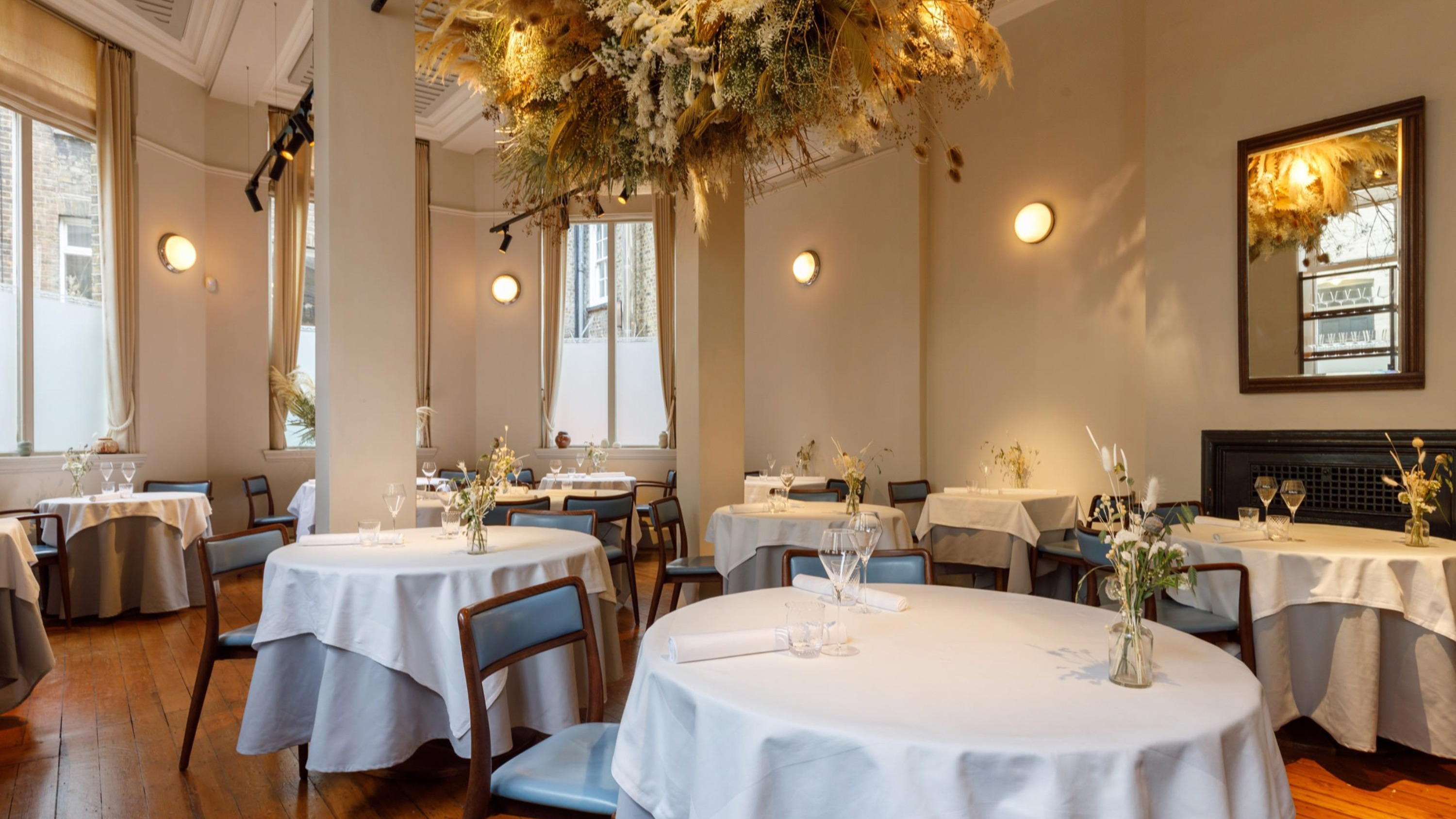
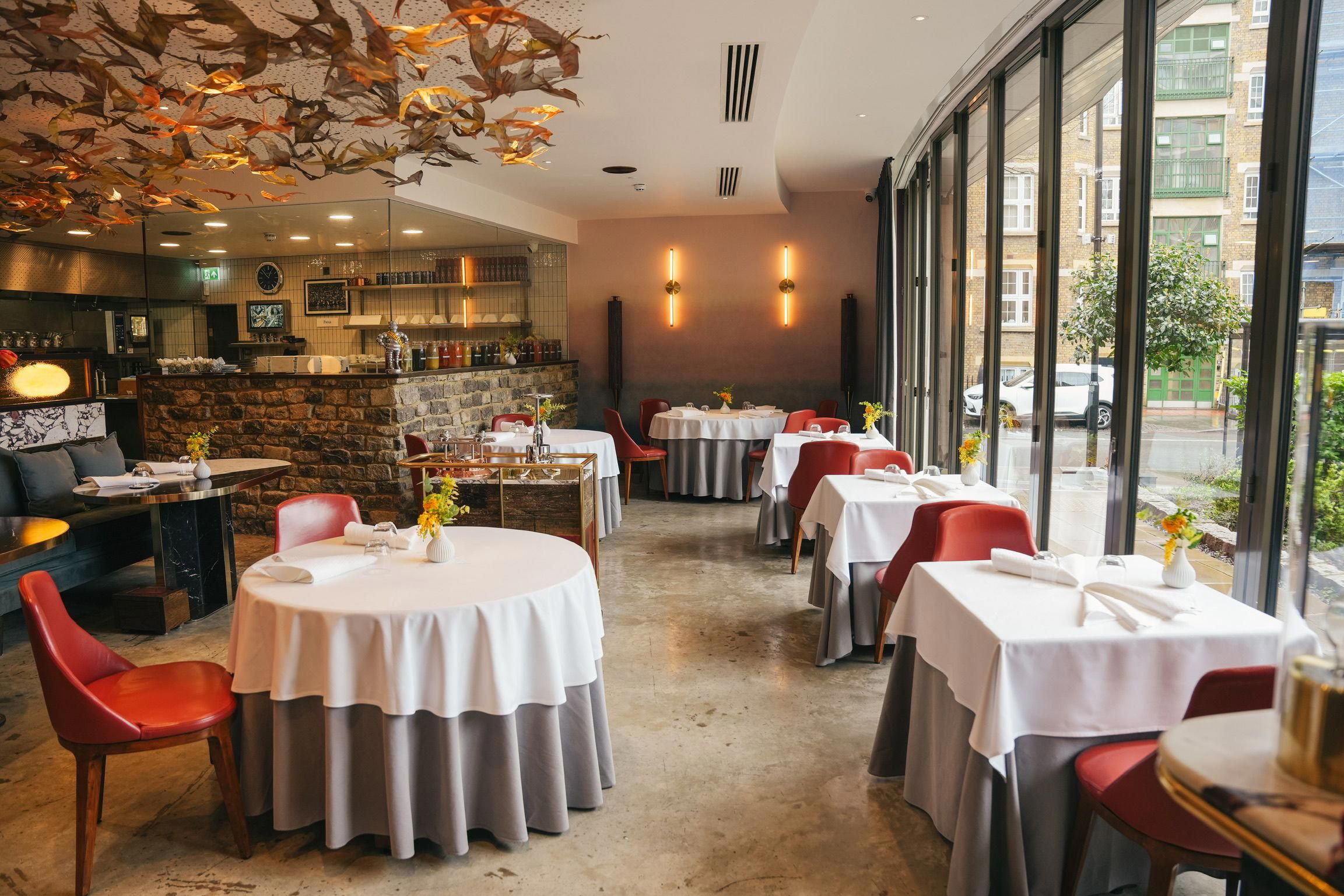
Bars in London
Browse all →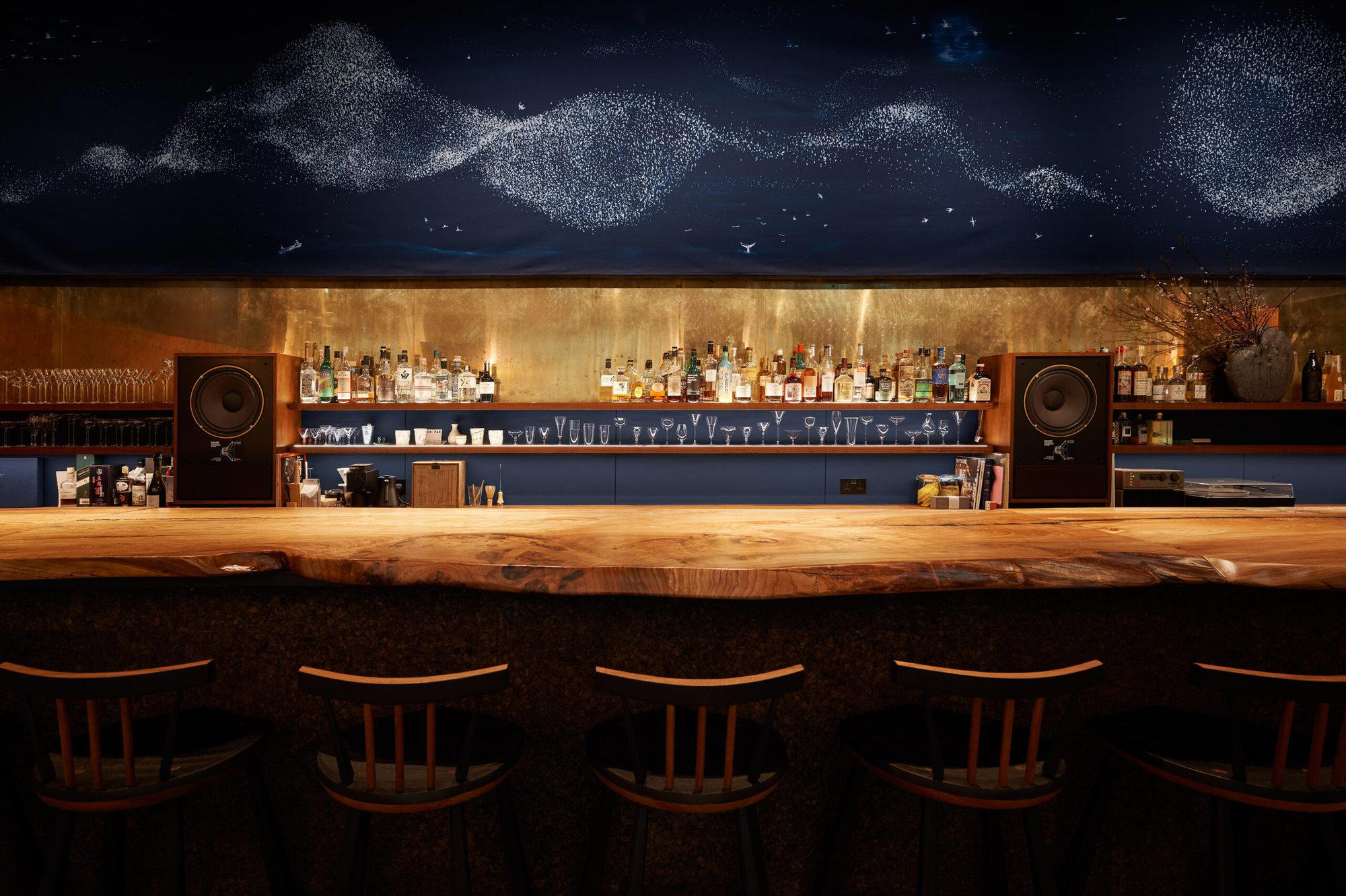
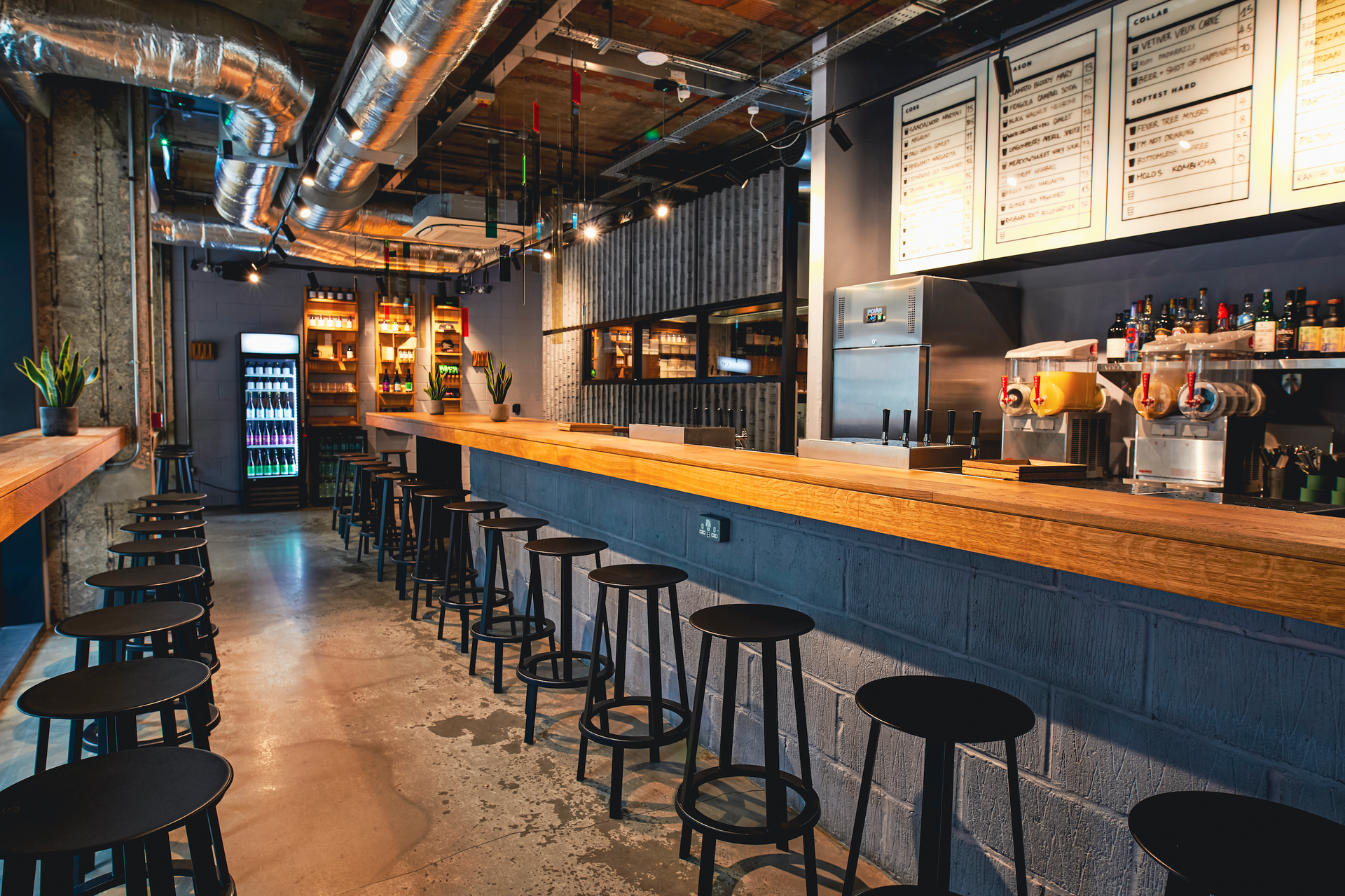
Hotels in London
Browse all →



At a Glance
- Modern
- Intimate
- Trendy
- Business Dinner
- Casual Hangout
- After Work
- Open Kitchen
- Sake Program
- Sustainable Seafood
- Local Sourcing
- Street Scene
Current opening hours
- Monday
- 11:30 AM–3 PM
- Tuesday
- 11:30 AM–10 PM
- Wednesday
- 11:30 AM–10 PM
- Thursday
- 11:30 AM–10 PM
- Friday
- 11:30 AM–10 PM
- Saturday
- Closed
- Sunday
- Closed
Hours can change for holidays and private events. Last verified .
Eye-catching modern design with curved wooden pod tables over white pebbles, offering an intimate and relaxing atmosphere amid the station bustle.