AUN
Our verdict
AUN occupies a corner of Stoke Newington Church Street that has quietly become one of north London's more interesting dining addresses. With sparse venue data publicly available, the draw here is the combination of neighbourhood setting and a format that places it at some distance from the central London fine-dining circuit. Worth tracking as a north London alternative to the Mayfair and Chelsea tier.

Pearl is the En Primeur Club membership app, where members save venues, book tables and use the concierge.

The menu
What to order
- Miso Aubergine
- Panko Style Wagyu
- Crab Tempura Sushi Roll
North of the Centre, Outside the Circuit
London's highest-profile dining addresses have long concentrated in a corridor running from Mayfair through Chelsea and into Knightsbridge. CORE by Clare Smyth, Restaurant Gordon Ramsay, Sketch, The Lecture Room and Library, The Ledbury, and Dinner by Heston Blumenthal all sit within that magnetic west-central band, drawing bookings from visitors who triangulate a restaurant visit against a hotel stay or a West End evening. The result is a tier of restaurants that are, by definition, oriented toward a transient and affluent international audience as much as toward the city's own residents.
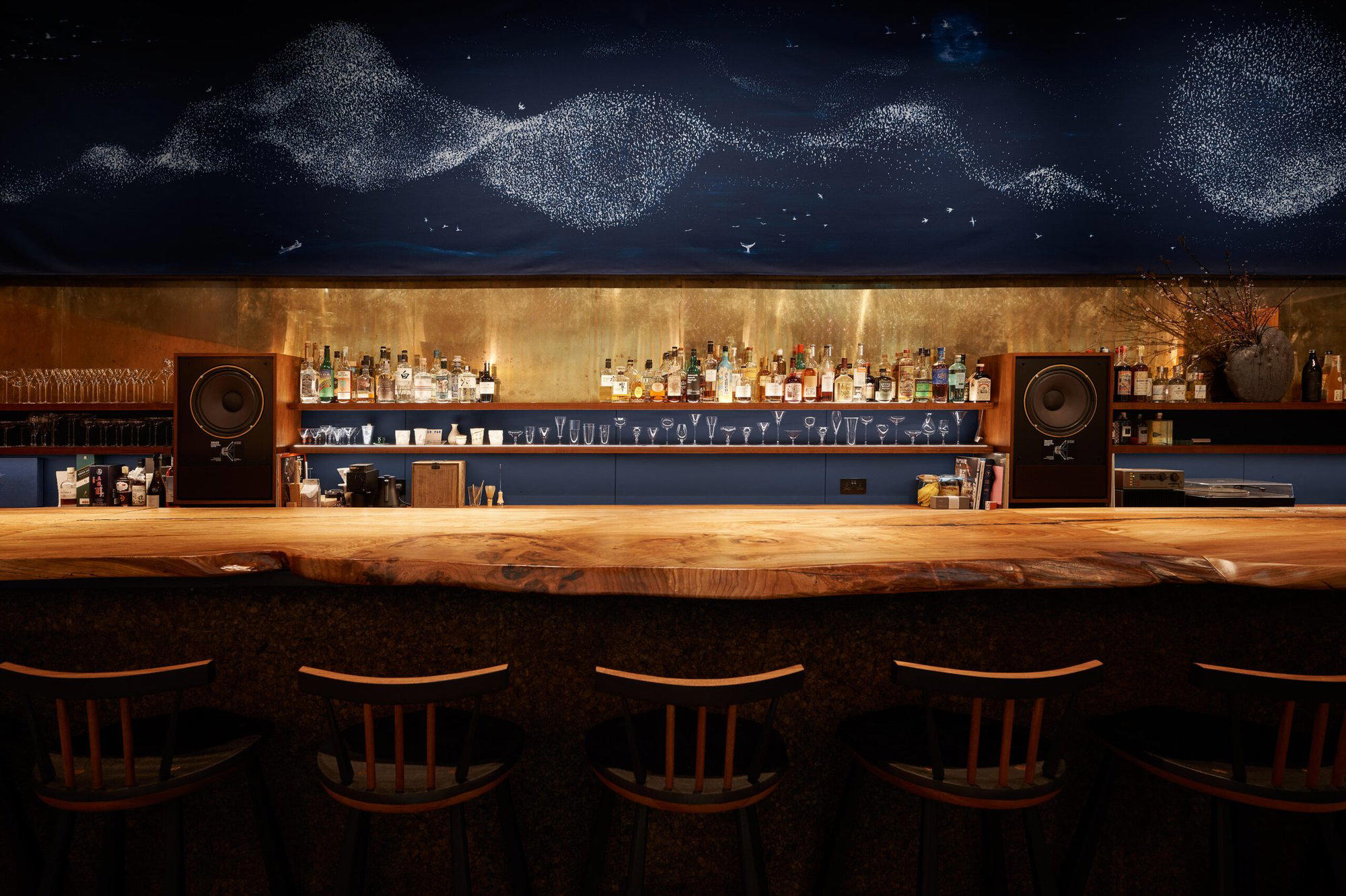
AUN, at 178 Stoke Newington Church Street in N16, operates in a different register. Stoke Newington is a neighbourhood that has accumulated a dense independent restaurant and bar culture over the past decade, driven partly by the displacement of younger creative and professional residents from Hackney and Islington as rents climbed. Church Street itself functions as the neighbourhood's social spine, and a restaurant address here signals an orientation toward a regular local clientele rather than destination diners arriving by cab from a central hotel. That distinction shapes everything from the booking dynamic to the atmosphere inside the room.
The Collaborative Format in Practice
One of the clearer shifts in London dining over the past fifteen years has been the move from the hierarchical kitchen brigade, where the chef's authority was the single editorial voice of a restaurant, toward more distributed team models, where the relationship between kitchen, sommelier, and front-of-house generates the character of the experience as a whole. At the tier occupied by restaurants like Moor Hall in Aughton or Midsummer House in Cambridge, that collaborative architecture is now a given: the wine program and the service philosophy are as much a part of the critical conversation as the cooking itself.
Neighbourhood restaurants in north London have absorbed that shift, though they tend to express it differently. Without the resources of a Michelin-chasing kitchen, the team dynamic at a Stoke Newington address often relies more on genuine front-of-house personality and a wine list that punches above the room's price point than on the technical precision of the kitchen brigade. When it works, the result is a dining experience that feels more like being received than being served, a distinction that matters considerably to the local regulars who anchor these businesses financially.
What is structurally consistent with comparable north London independent operators is that the floor staff tend to carry more narrative weight than at formal fine-dining operations: they are, in practice, the wine stewards, the menu explainers, and the tone-setters simultaneously.
The Neighbourhood as Context
Stoke Newington Church Street has a density of independent food and drink businesses that is unusual even by inner London standards. The street functions as a local high street without the national chain presence that has homogenised comparable strips elsewhere in Zone 2. That character is partly a function of planning decisions and partly a legacy of the neighbourhood's historical identity as an Anabaptist and later Quaker settlement, which gave it a degree of civic independence from the City that persisted in its commercial culture.
For a restaurant operating in this context, the competitive set is not the Michelin circuit but the immediate neighbourhood alternatives. The benchmark is whether the room, the cooking, and the team justify the spend when there are strong independent alternatives within a few minutes' walk. That bar is, in its own way, as demanding as the formal fine-dining tier: regular diners are less forgiving of inconsistency than occasion diners, and word-of-mouth travels faster in a neighbourhood with a strong community of food-literate residents.
The broader UK fine-dining picture includes operations at some distance from London that have attracted considerable critical attention: L'Enclume in Cartmel, Waterside Inn in Bray, Gidleigh Park in Chagford, and Ynyshir Hall in Machynlleth have all demonstrated that destination dining outside London carries its own credibility. Internationally, the model of the restaurant as a team-driven collaborative enterprise is visible in operations as different as Le Bernardin in New York City and Lazy Bear in San Francisco, where front-of-house and kitchen operate as a unified program. AUN, with considerably less information confirmed in the public record, sits in the local independent tier rather than that formal destination category, but the dynamics of team-driven hospitality are relevant at any scale.
How AUN Compares: A Planning Reference
| Venue | Location | Tier | Orientation |
|---|---|---|---|
| AUN | Stoke Newington, N16 | Independent neighbourhood | Local regulars |
| CORE by Clare Smyth | Notting Hill, W11 | ££££ / Michelin | Destination |
| The Ledbury | Notting Hill, W11 | ££££ / Michelin | Destination |
| Hand and Flowers, Marlow | Marlow, Buckinghamshire | ££££ / Michelin | Destination / regional |
| hide and fox, Saltwood | Saltwood, Kent | Michelin-recognised | Regional independent |
| Opheem, Birmingham | Birmingham | Michelin-recognised | City independent |
| Restaurant Andrew Fairlie | Auchterarder, Scotland | ££££ / Michelin | Destination / hotel |
Planning a Visit
AUN is at 178 Stoke Newington Church Street, London N16 0JL. The address is most accessible by bus from Dalston or Highbury, or on foot from Stoke Newington overground (approximately fifteen minutes). As a neighbourhood independent, booking norms are likely to differ from the months-in-advance windows of Michelin-tier operations, but specific availability and booking method are not confirmed at time of writing. For a broader survey of London's dining options at all tiers, see our full London restaurants guide.
Frequently asked questions
What kind of setting is AUN?
AUN is a neighbourhood restaurant at 178 Stoke Newington Church Street, London N16, operating well outside the Mayfair-to-Knightsbridge corridor where most of London's high-profile dining concentrates. Stoke Newington Church Street has an unusual density of independent food and drink businesses, and AUN sits within that independent-operator context rather than the central fine-dining circuit. For north and east London diners, that positioning is the point.
How do I find AUN?
AUN is located at 178 Stoke Newington Church St, London N16 0JL, United Kingdom, London.
Is AUN worth travelling to from central London?
AUN is at 178 Stoke Newington Church Street, N16, accessible by bus from Dalston or Highbury, or on foot from Stoke Newington Overground. For diners already based in north or east London, the journey is straightforward. Those travelling from west-central London should treat the trip as deliberate: Stoke Newington Church Street functions as a destination in its own right, with a concentration of independent operators that makes the neighbourhood worth the added distance.
Booking and Cost Snapshot
Comparable venues nearby, for context on price, style, and recognition.
| Venue | Cuisine | Price | Notes |
|---|---|---|---|
| AUNThis venue (the venue you are viewing) | Modern Japanese Izakaya | $50–100 | Not listed |
| wagamama covent garden | Japanese-inspired Asian Fusion | $20–30 | Covent Garden, Japanese-inspired Asian Fusion |
| Sushi Bar Makoto | Fresh Sushi Bar | $30–50 | Chiswick, Fresh Sushi Bar |
| Suzu | Japanese Sushi | $20–30 | Brook Green, Japanese Sushi |
| OITA Soho | Modern Japanese Izakaya | Not listed | Soho, Modern Japanese Izakaya |
| Koji | Contemporary Japanese with Pan-Asian & South American Influences | $100–150 | Parsons Green, Contemporary Japanese with Pan-Asian & South American Influences |

Continue exploring
More in London
Restaurants in London
All restaurants in London →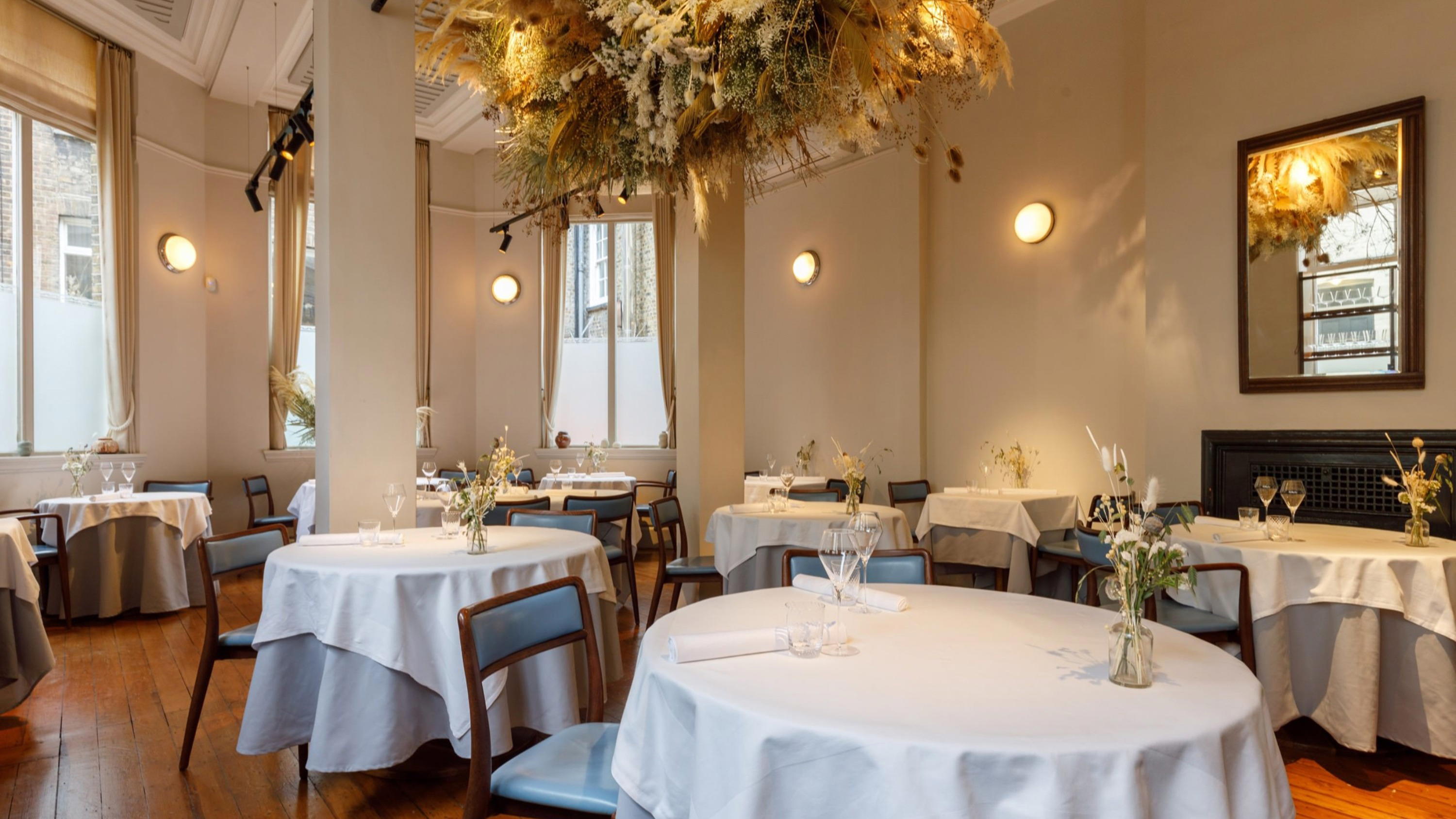
Bars in London
All bars in London →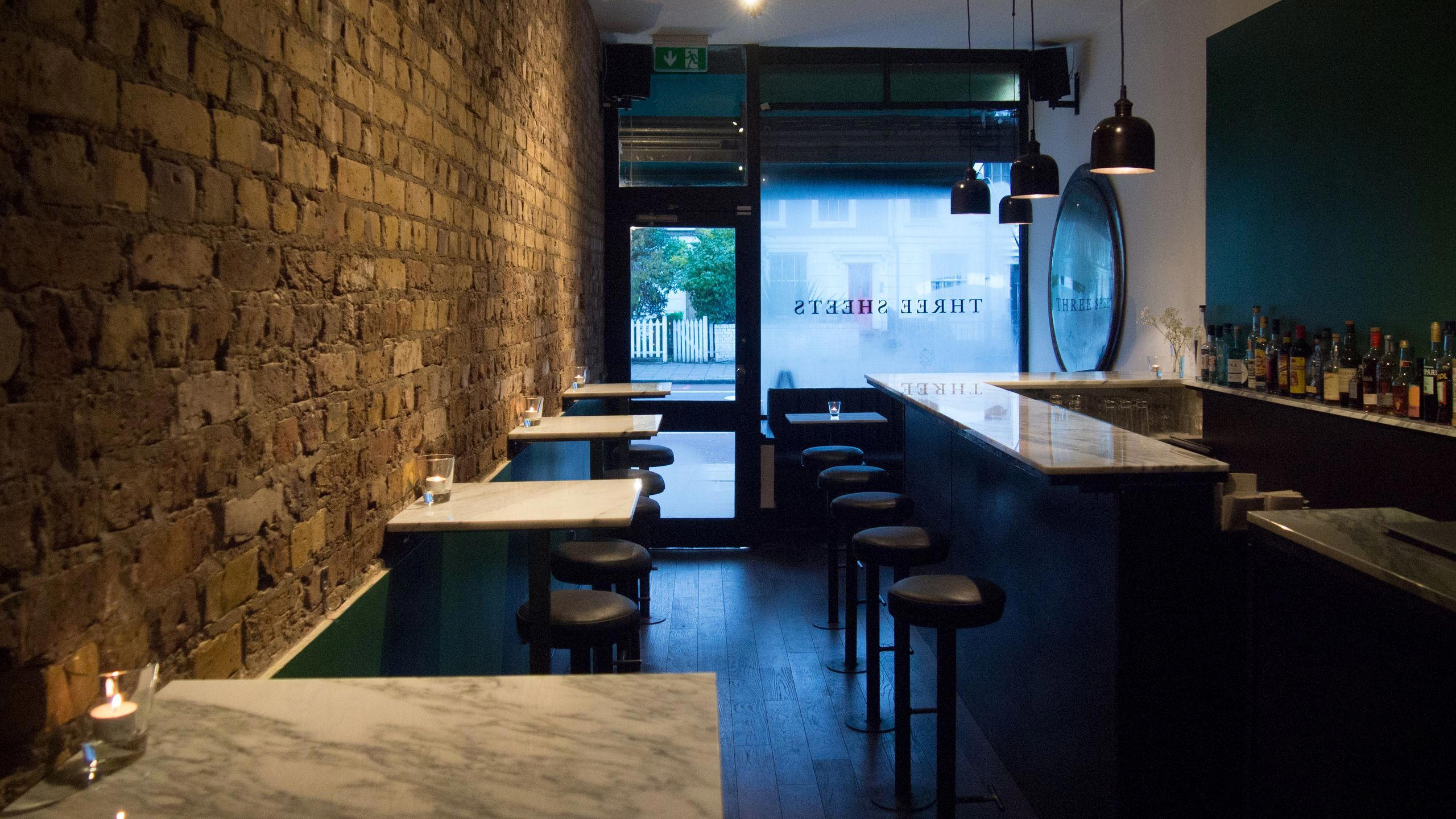

Details
- Cozy
- Intimate
- Modern
- Relaxed
- Date Night
- Casual Hangout
- Open Kitchen
- Set Menu
- Tasting Menu
- Small Plates
- Tea
- Sake
- Vegetarian Friendly
- Vegan Options
- Gluten Free Options
Current opening hours
- Monday
- Closed
- Tuesday
- 12–4 PM, 6–10 PM
- Wednesday
- 12–4 PM, 6–10 PM
- Thursday
- 12–4 PM, 6–10 PM
- Friday
- 12–4 PM, 6–10 PM
- Saturday
- 12–4 PM, 6–10 PM
- Sunday
- 12–4 PM
Hours can change for holidays and private events. Hours as of .
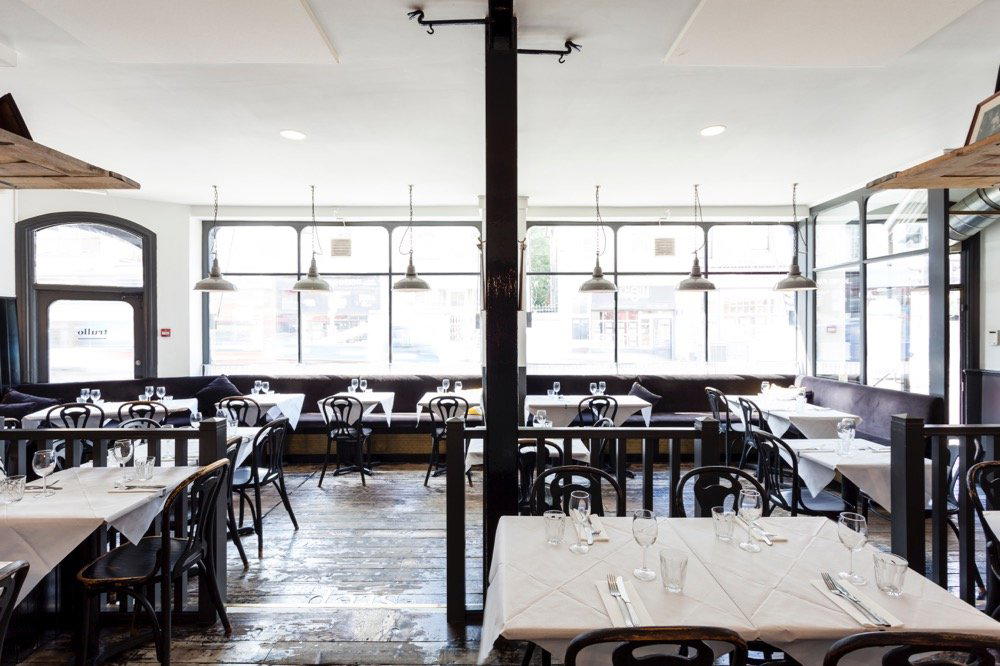
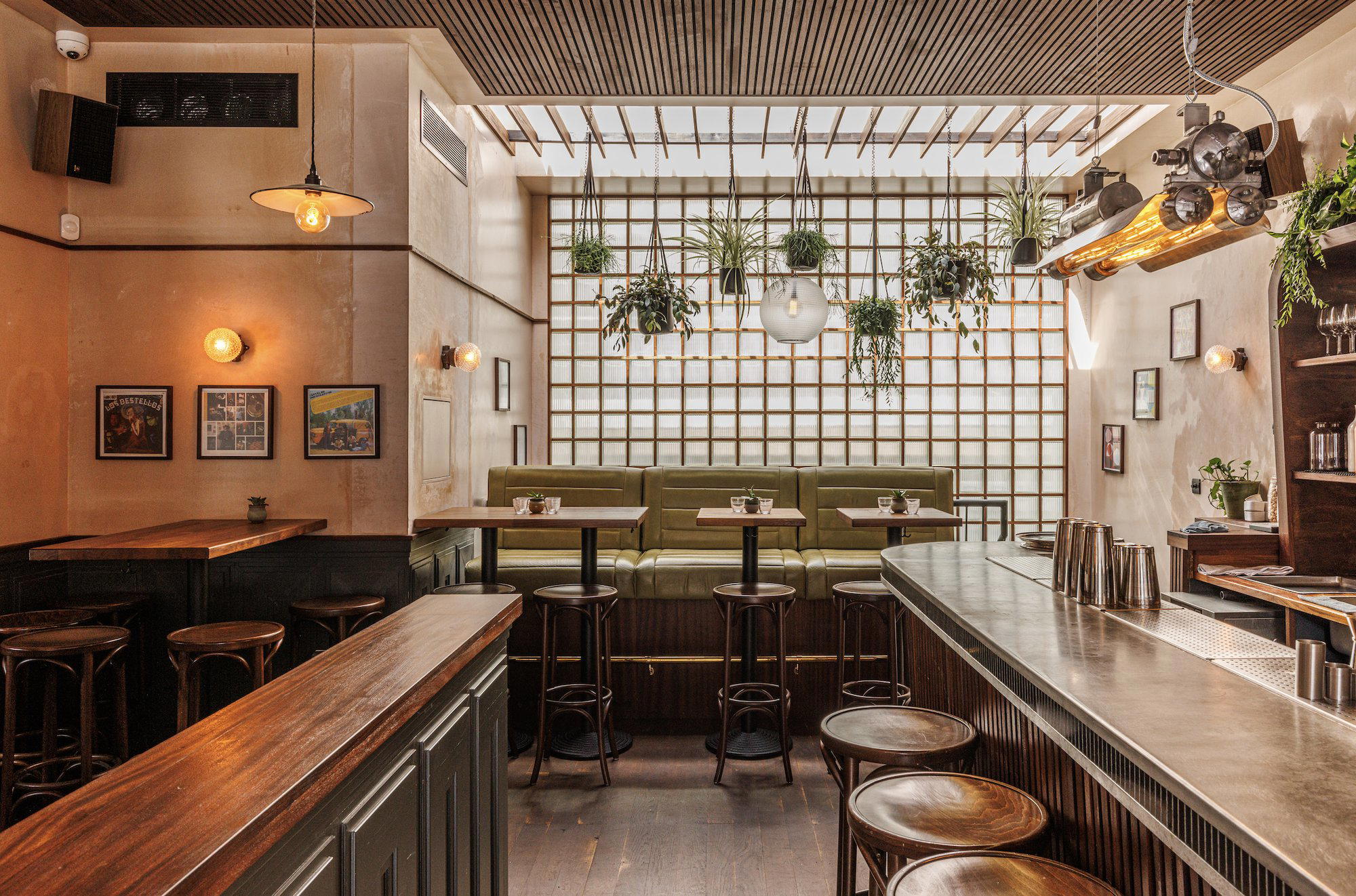
Lovely calm, relaxed, and cozy atmosphere with a serene dining experience praised in guest reviews.