wagamama royal festival hall
On the South Bank's most storied cultural stretch, wagamama's Royal Festival Hall outpost delivers the chain's familiar pan-Asian bowls against a backdrop of Thames views and concert-hall foot traffic. It occupies a reliable middle tier in a neighbourhood better known for destination dining than everyday eating, making it a practical choice when Southwark's more formal rooms are booked or simply out of scope.
Pearl is the En Primeur Club membership app — saves, bookings, and concierge access live there. Same editors, same standards.
- Address
- riverside, Royal Festival Hall, London SE1 8XX, United Kingdom
- Phone
- +44 20 7021 0877
- Website
- wagamama.com
- Directions
- Get directions
 Saves & bookings on Pearl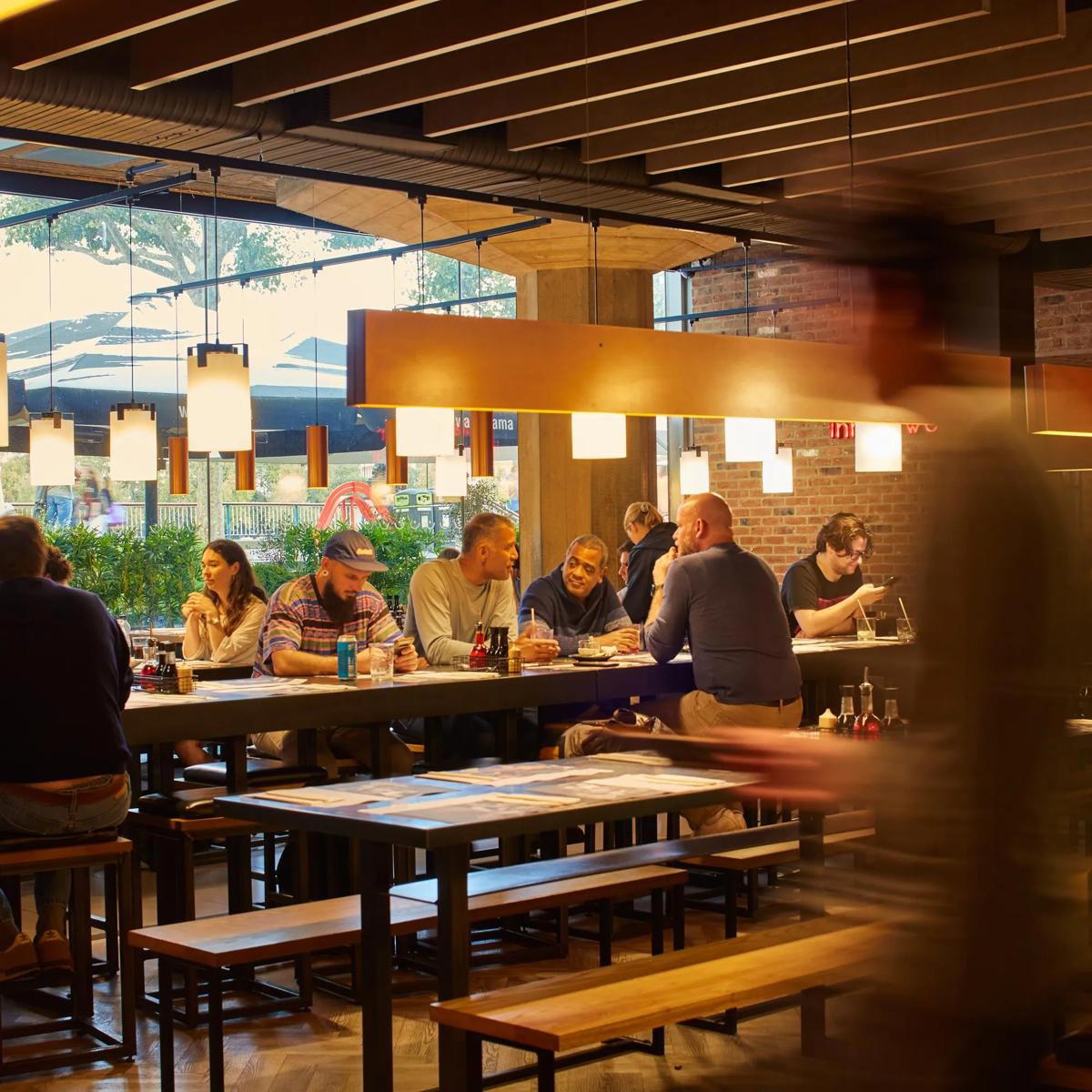
The South Bank Setting and What It Means for How You Eat Here
The stretch of riverfront between Waterloo Bridge and Hungerford Bridge is one of London's more unusual dining corridors. The Royal Festival Hall anchors it culturally, drawing audiences for the Philharmonia, the London Philharmonic, and a rotating programme of events that means the area shifts between near-empty afternoons and packed pre-concert rushes within the same evening. wagamama's position inside that building places it squarely in a high-footfall, occasion-adjacent context: most people arriving here are either killing time before a performance or fuelling up after one. That framing matters because it sets the rhythm of the room in a way that no amount of menu engineering fully overrides.
The broader South Bank dining picture has changed considerably over the past decade. What was once a strip of tourist-facing chain restaurants has acquired serious addresses, though the neighbourhood's premium tier remains thinner than Mayfair or Fitzrovia. For the kind of cooking that defines London's leading table at any given moment, the pull is westward: CORE by Clare Smyth, Restaurant Gordon Ramsay, Sketch, The Lecture Room and Library, The Ledbury, and Dinner by Heston Blumenthal all operate well outside the SE1 postcode. wagamama sits in a different tier entirely, and that is not a criticism so much as an orientation: it competes with accessible, fast-turnaround casual dining rather than the Michelin-tracked rooms that define London's wider reputation.
Pan-Asian Chain Dining and the Ramen Bowl as a Civic Standard
wagamama built its reputation across the 1990s and 2000s on a specific proposition: Japanese-influenced noodle bowls served quickly, in communal seating, at a price point that made the format accessible without feeling compromised. That original model has expanded over the years to include Korean- and Southeast Asian-inflected dishes alongside the ramen and gyoza formats that established the brand. The result is a menu that reads more broadly pan-Asian than strictly Japanese, which is worth knowing before you arrive expecting precision tonkotsu or a studied approach to broth reduction.
Within the casual dining segment, that breadth is a strategic asset. The chain's approach to allergen management has historically been systematic and documented, a function of operating across dozens of sites with consistent kitchen protocols rather than the bespoke flexibility you would find at an independent restaurant. For groups with dietary requirements, that consistency is practically useful, even if it comes at the cost of spontaneity.
If you are weighing this meal against a more formal evening elsewhere in Britain, the comparison set looks quite different. At the upper end of the UK's restaurant spectrum, addresses like Waterside Inn in Bray, L'Enclume in Cartmel, Moor Hall in Aughton, Gidleigh Park in Chagford, and Hand and Flowers in Marlow operate on entirely different terms: long booking windows, tasting menus, cellar-depth wine programmes. wagamama occupies the opposite end of that spectrum, and the Royal Festival Hall location is chosen for exactly the reasons those Michelin-grade rooms are not: proximity, speed, and walk-in availability on most evenings outside peak cultural programming.
On the Wine List and What Chain Venues Typically Offer
A chain restaurant operating at this price tier typically maintains a short, commercially selected list built around reliable by-the-glass options rather than cellar depth, producer diversity, or sommelier curation. That is the norm across the casual pan-Asian dining segment in London and internationally, and wagamama's Royal Festival Hall site sits within that pattern. The drinks offer exists to serve the meal and the occasion rather than to function as an independent draw.
hide and fox in Saltwood, Midsummer House in Cambridge, Opheem in Birmingham, Ynyshir Hall in Machynlleth, and Restaurant Andrew Fairlie in Auchterarder all invest in their cellars as part of the total dining argument. That is the tier where wine becomes editorial. wagamama, by contrast, is a venue where the ramen is the argument, and the wine list serves a supporting function at most.
Who This Location Actually Serves
The Royal Festival Hall site makes most sense for a specific kind of visitor: someone with a fixed time window around a Southbank Centre event, a group with variable dietary requirements who needs a reliable kitchen protocol, or a traveller who wants something quick and filling in a neighbourhood that does not have a deep bench of mid-range independent options at the riverside level. It is not the choice for someone in London specifically to explore the city's restaurant culture.
The Thames view from the building's riverside position is the location's strongest asset. That is, one honest thing to say about this particular site: the setting does more editorial work than the food, and knowing that in advance makes the meal considerably more enjoyable.
Know Before You Go
Address: Riverside, Royal Festival Hall, London SE1 8XX
Getting There: Waterloo station (Jubilee, Northern, Bakerloo, National Rail) is the primary access point, roughly a five-minute walk along the South Bank. Embankment on the opposite bank is reachable via the Golden Jubilee footbridges directly adjacent to the building.
Timing: Pre-concert windows on Southbank Centre event nights significantly increase demand. Arriving outside the 6pm to 8pm window on performance evenings is a reliable way to avoid a wait.
Dietary Requirements: wagamama operates chain-wide allergen protocols. Specific dietary information is best confirmed directly via the brand's central resources ahead of visiting.
Booking: Recommended.
Cuisine and Recognition
Comparable venues nearby, for context on price, style, and recognition.
| Venue | Cuisine | Price | Notes |
|---|---|---|---|
| wagamama royal festival hallThis venue — the venue you are viewing | Pan-Asian Ramen & Noodles | $$ | Not listed |
| Cafe Japan | Authentic Japanese Sushi | $$ | Golders Green |
| Rokkon | Authentic Japanese Sushi | $$ | Chiswick |
| wagamama victoria | Japanese-inspired Ramen and Noodles | $$ | Victoria |
| Jin Kichi | Authentic Japanese Izakaya | $$ | Hampstead |
| Kiki Restaurant | Authentic Japanese | $$ | Kentish Town |



At a Glance
- Lively
- Modern
- Energetic
- Well Known
- Casual Hangout
- Group Dining
- Family
- After Work
- Brunch
- Late Night
- Open Kitchen
- Waterfront
- Terrace
- Standalone
- Beer Program
- Waterfront
- Street Scene
Current opening hours
- Monday
- 11 AM–10 PM
- Tuesday
- 11 AM–10 PM
- Wednesday
- 11 AM–10 PM
- Thursday
- 11 AM–11 PM
- Friday
- 11 AM–11:30 PM
- Saturday
- 11 AM–11:30 PM
- Sunday
- 11 AM–10 PM
Hours can change for holidays and private events. Last verified .
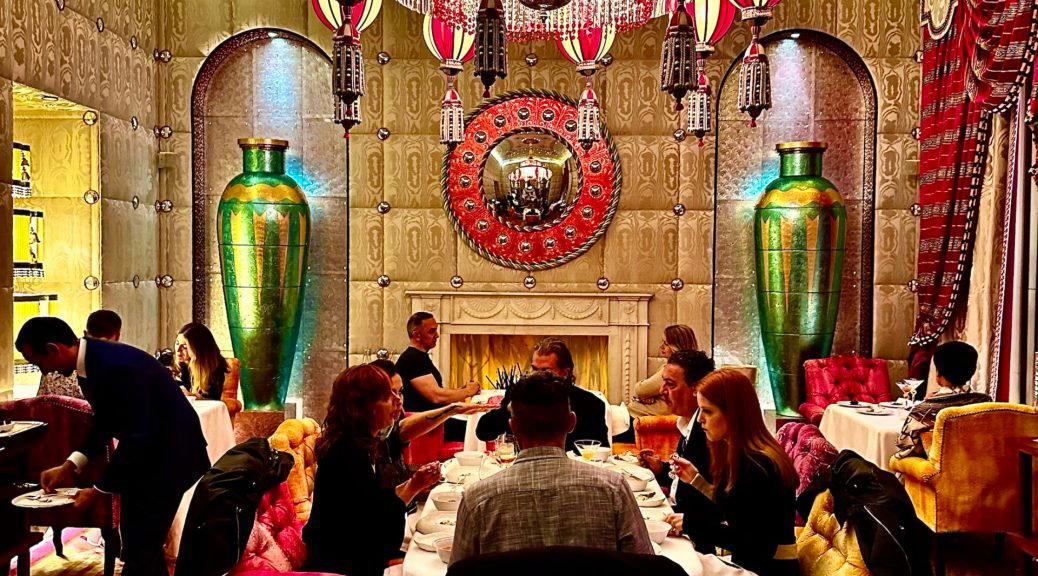
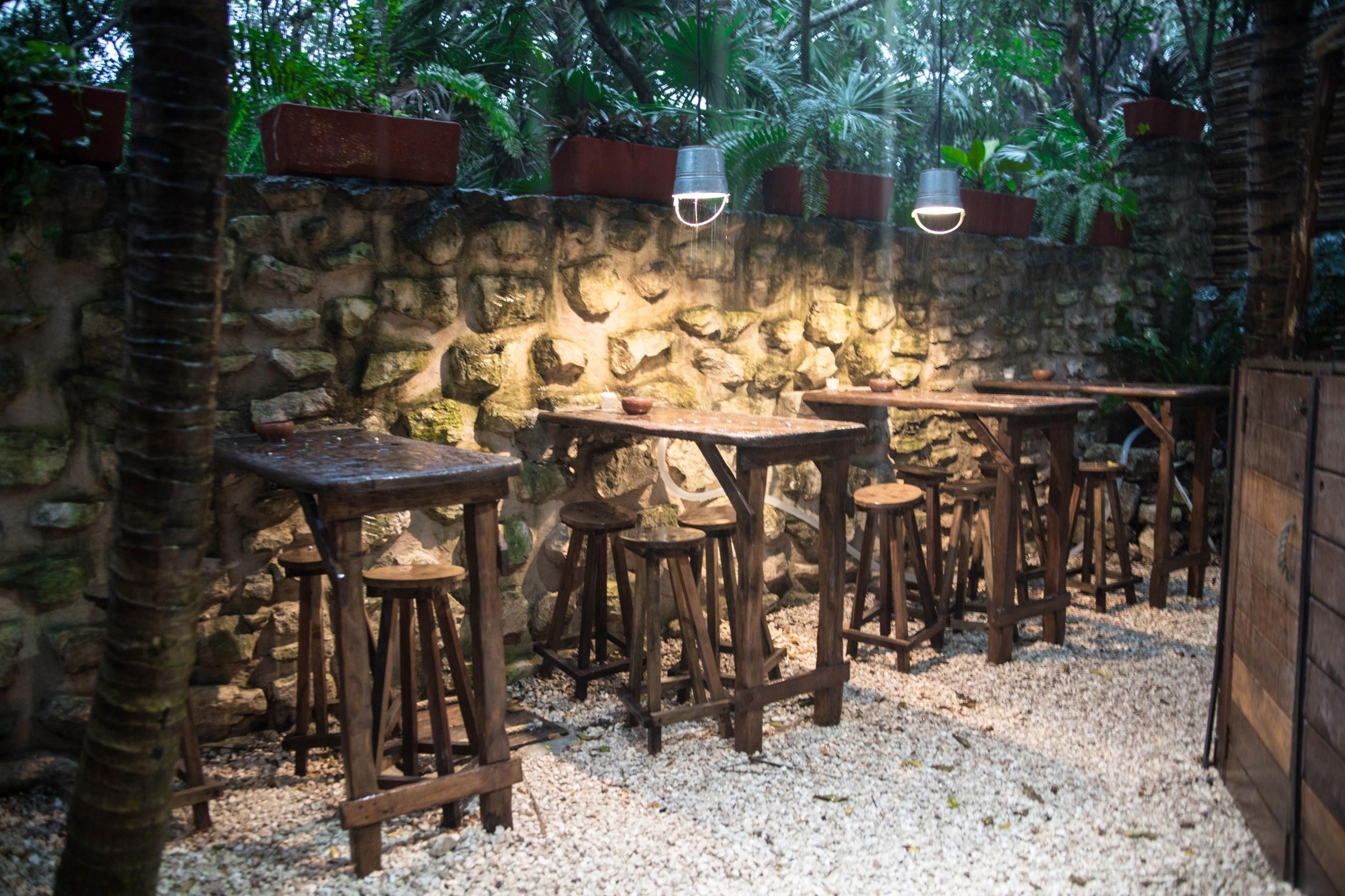
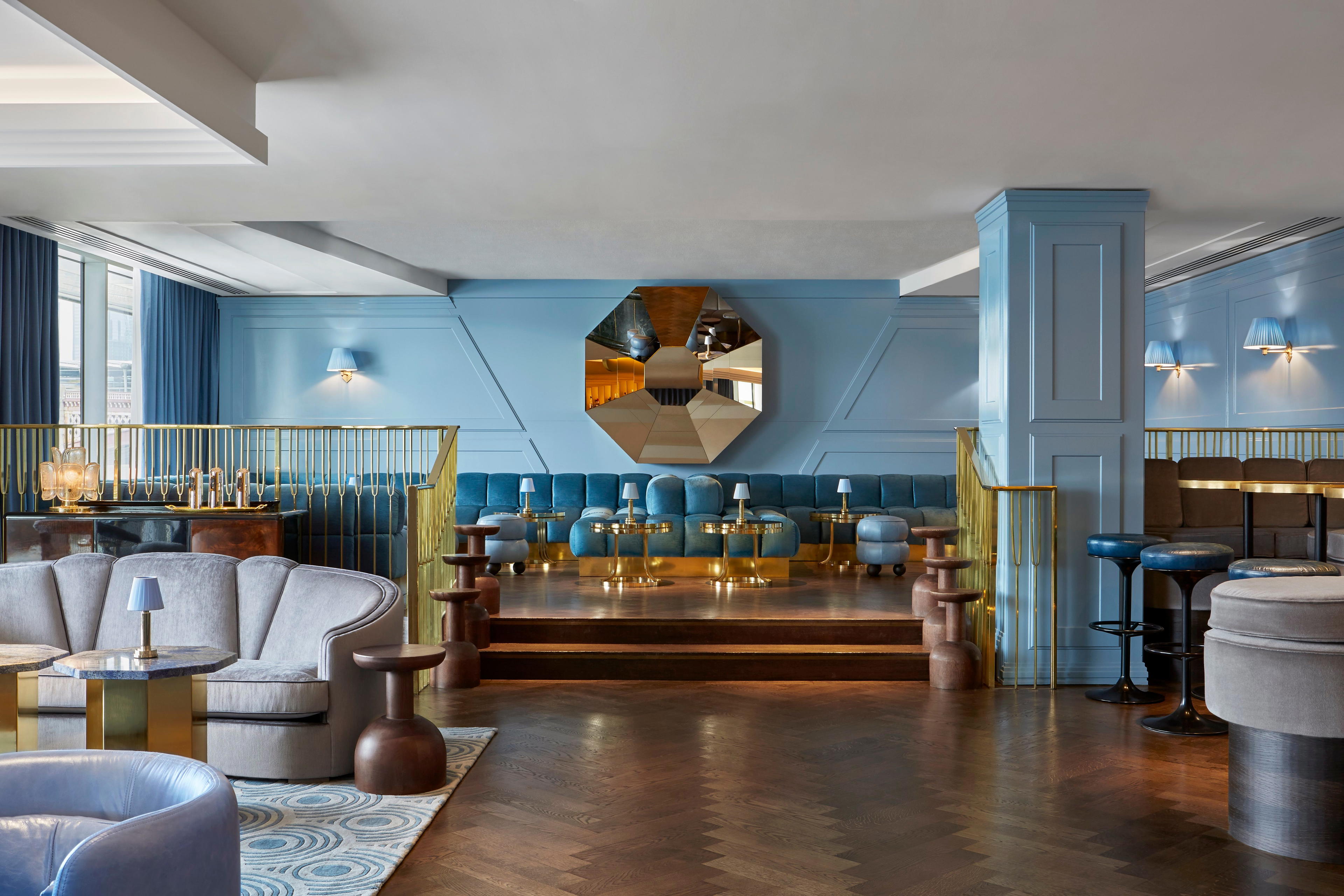
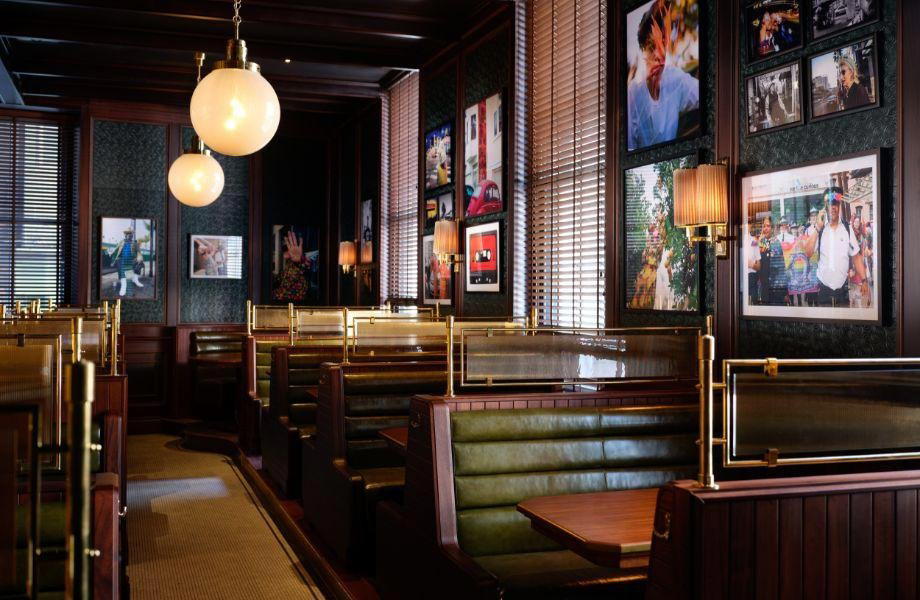
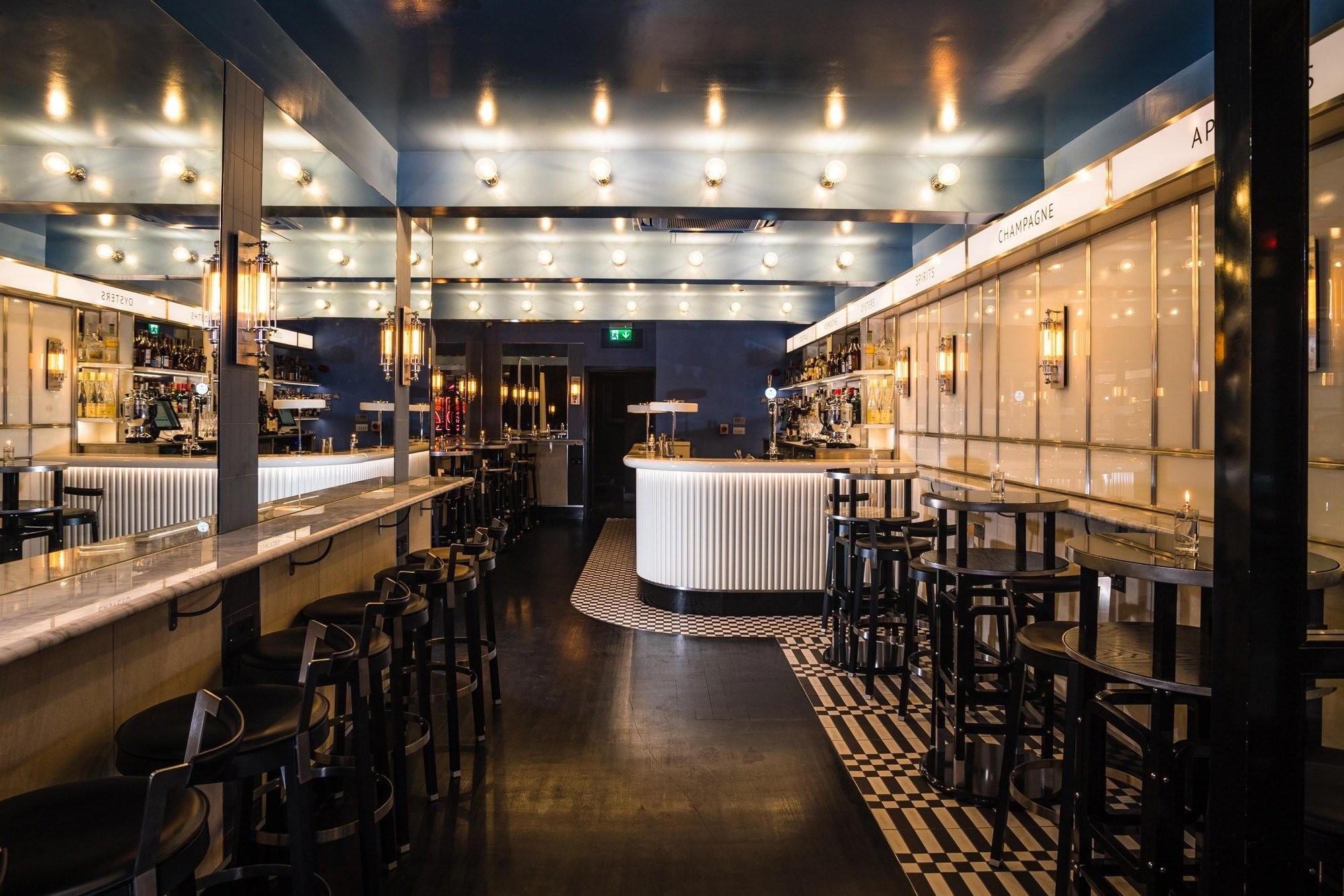
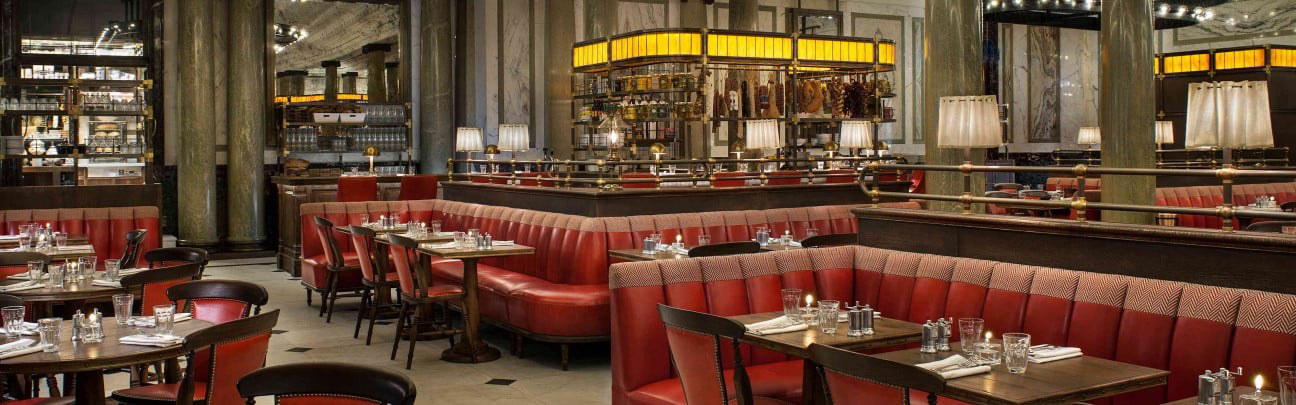
Lively and informal with minimalist design, communal benches, and an open kitchen creating a lively, buzzy atmosphere that reflects the fast-paced Japanese ramen bar concept.