TEMAKI
TEMAKI occupies a compact address at 12 Market Row in Brixton's covered arcade, bringing a focused hand-roll format to one of South London's most food-literate neighbourhoods. The menu architecture is deliberately narrow, temaki, by definition, demands precision over breadth. For a city increasingly drawn to specialist Japanese formats, this is where the counter-service model meets serious technique.
Pearl is the En Primeur Club membership app — saves, bookings, and concierge access live there. Same editors, same standards.
- Address
- 12 Market Row, London SW9 8LF, United Kingdom
- Website
- temaki.co.uk
- Directions
- Get directions
 Saves & bookings on Pearl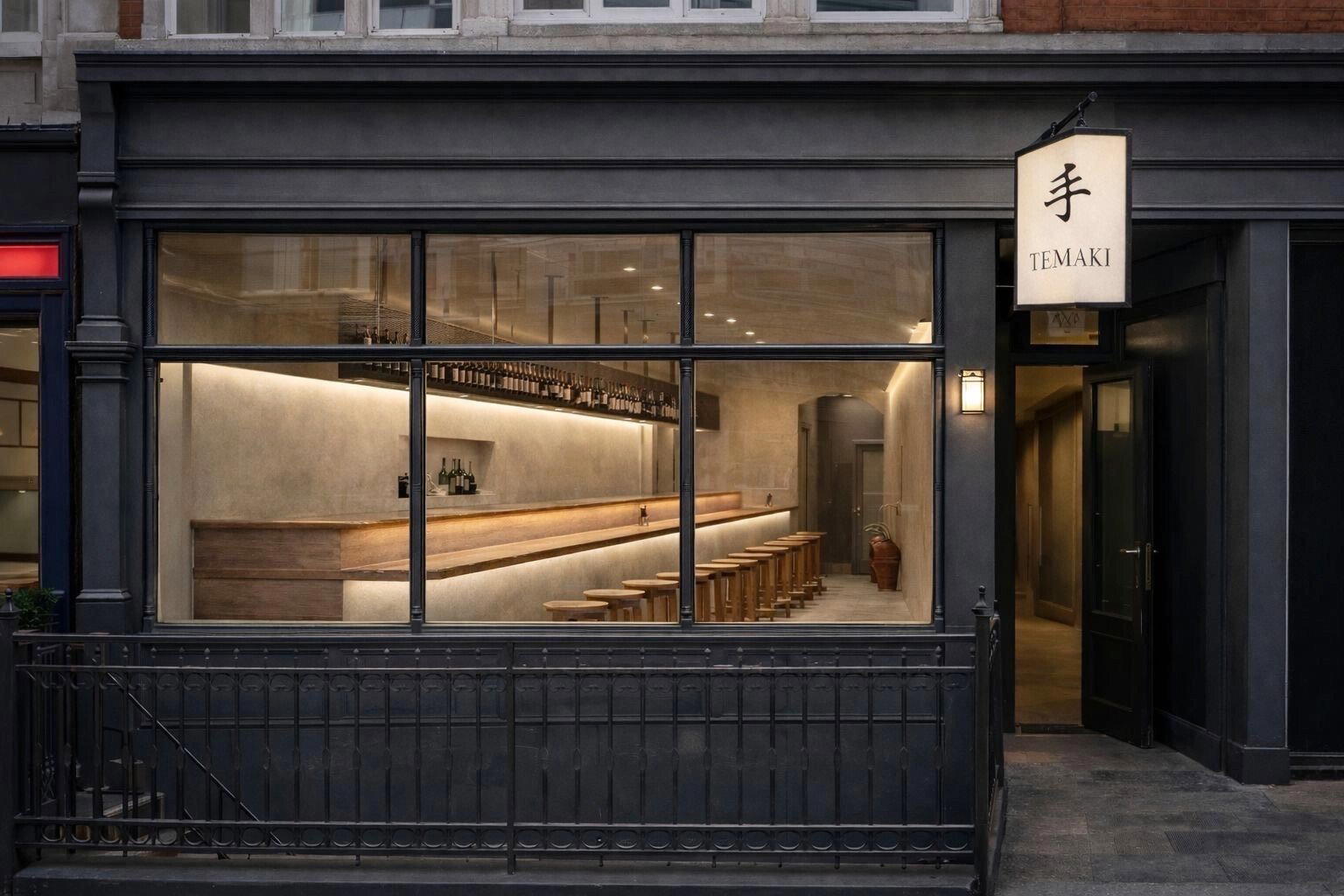
Hand Rolls, Market Row, and the Case for Restraint
Brixton Market has been many things over the decades: a West Indian grocery hub, a punk-era institution, a regeneration talking point. What it has become, particularly inside the covered arcades of Market Row and Granville Arcade, is one of the more concentrated stretches of independent food in South London. The operators here tend toward the specific rather than the broad, and TEMAKI, at 12 Market Row, fits that pattern precisely. It is a counter-led Japanese restaurant in Brixton, London, serving modern Japanese handrolls at about $40 per person. It competes in a different register entirely: the focused, format-led Japanese counter, where the product and the structure of service carry the argument.
Hand-roll bars represent one of the cleaner menu architecture decisions available to a Japanese kitchen. The temaki format, seaweed cone, seasoned rice, filling, consumed immediately before the nori softens, is inherently sequential and time-sensitive. This is not a cuisine that benefits from a sprawling menu. In Tokyo, the leading temaki counters enforce a tight selection because the format demands it: each piece is made to order, handed across the counter, and eaten within seconds. That rhythm is the experience. A restaurant that understands temaki understands that the menu's narrowness is a feature, not a limitation.
What the Format Reveals About the Kitchen
In London, Japanese dining has historically concentrated around two poles: the high-end omakase counter, where the analogy is closer to Atomix in New York's tasting-menu tier, and the casual conveyor or izakaya format. The hand-roll bar occupies a middle register that has been underserved in the city. It asks more of the kitchen than it might initially appear to. Rice temperature and seasoning are non-negotiable variables, warm rice maintains the nori's integrity for the few seconds between assembly and consumption. The sourcing of nori matters in ways that don't apply to most other formats; the difference between a thin, aromatic sheet and a thick, chewy one is immediately apparent when the cone is the vehicle. These are small decisions with large consequences, and a menu built around temaki is, in effect, a menu that puts those decisions on display.
The hand-roll format also disciplines portion logic in a way that multi-dish menus often obscure. Each piece is a complete statement. There is no hiding behind sauce complexity or plating architecture. This is the same structural honesty that defines the leading omakase counters, venues where the chef has nowhere to hide, but delivered at a tempo and price point that makes the format more accessible. In New York, the hand-roll bar model has matured significantly over the past decade; London has been slower to develop the same density of specialist operators. TEMAKI's Market Row address places it in that developing cohort.
Brixton as Context, Not Backdrop
The choice of Brixton rather than Soho or Fitzrovia is worth noting, because it says something about the direction of London's food geography. The assumption that Japanese precision cooking belongs in zone-one postcodes has been eroding. The covered markets of SW9 have demonstrated, across a range of operators, that a neighbourhood with genuine footfall diversity and lower overhead can support food programmes with serious intent. Operators in this part of the city are not diluting their offer for a local audience; they are betting that the audience will find them. That bet has, in many documented cases, been correct.
Market Row itself is a Victorian arcade with natural light filtering through a glazed roof, a narrow pedestrian throughway, and the kind of acoustics that come from hard surfaces and close proximity. It is not a quiet room. The atmosphere arriving at any operator in this strip is the market's atmosphere: movement, proximity, the sound of adjacent kitchens. For a format like temaki, which is inherently casual and counter-driven, that environment is more coherent than a formal dining room would be.
Placing TEMAKI in the Wider Japanese Dining Conversation
London's Japanese dining scene in 2024 and 2025 has been characterised by increasing format specificity. The city now has dedicated ramen houses, yakitori counters, katsu specialists, and, at the upper end, omakase rooms that price against the tier occupied by Restaurant Gordon Ramsay or Dinner by Heston Blumenthal. The hand-roll counter fits into this picture as a format that rewards product sourcing over technique complexity, and speed of service over theatre. It is, in structural terms, closer to the sushi-ya model than to the kaiseki model.
For comparison, the omakase tier in London increasingly mirrors what Le Bernardin represents in New York's seafood-forward fine dining: a commitment to product as the primary argument, with technique in service of that product rather than the reverse. The hand-roll bar applies a similar logic at a different scale. The fish must be good. The rice must be right. The nori must be fresh. The rest follows from those conditions, or it doesn't follow at all.
Outside London, the broader UK fine dining circuit is anchored at properties like Waterside Inn in Bray, Le Manoir aux Quat'Saisons in Oxford, and L'Enclume in Cartmel, tasting-menu formats where the dining room and the kitchen are equally part of the proposition. Venues like Moor Hall in Aughton, Gidleigh Park in Chagford, Hand and Flowers in Marlow, hide and fox in Saltwood, Midsummer House in Cambridge, Opheem in Birmingham, and Restaurant Andrew Fairlie in Auchterarder collectively define what serious destination dining looks like across the UK regions. TEMAKI does not operate in that register. It operates in a register that is, in its own way, equally disciplined: the specialist counter where the format imposes the discipline, and where the execution of a few things well is the entire point.
TEMAKI is located at 12 Market Row, London SW9 8LF, within Brixton Market's covered arcade. The nearest underground station is Brixton on the Victoria line. Market Row operates during market hours, and the arcade setting means that the rhythm of the surrounding market shapes the dining experience, earlier visits tend to be calmer, while the mid-afternoon and weekend windows draw higher footfall. Reservations are recommended, and the price is about $40 per person.
Accolades, Compared
Comparable venues nearby, for context on price, style, and recognition.
| Venue | Cuisine | Price | Notes |
|---|---|---|---|
| TEMAKIThis venue — the venue you are viewing | Modern Japanese Handroll Bar | $$ | Not listed |
| Cafe Japan | Authentic Japanese Sushi | $$ | Golders Green |
| Kuyamoto | Casual Japanese Sushi | $$ | Acton Green |
| Akatuki Muswell Hill | Authentic Japanese Sushi and Tempura | $$ | Muswell Hill |
| Koya | Traditional Japanese Udon Noodles | $$ | Cheapside |
| Sanjugo Shoreditch | Japanese Izakaya | $$ | Shoreditch |

At a Glance
- Trendy
- Intimate
- Modern
- Minimalist
- Date Night
- Casual Hangout
- Chefs Counter
- Open Kitchen
- Sake Program
- Craft Cocktails
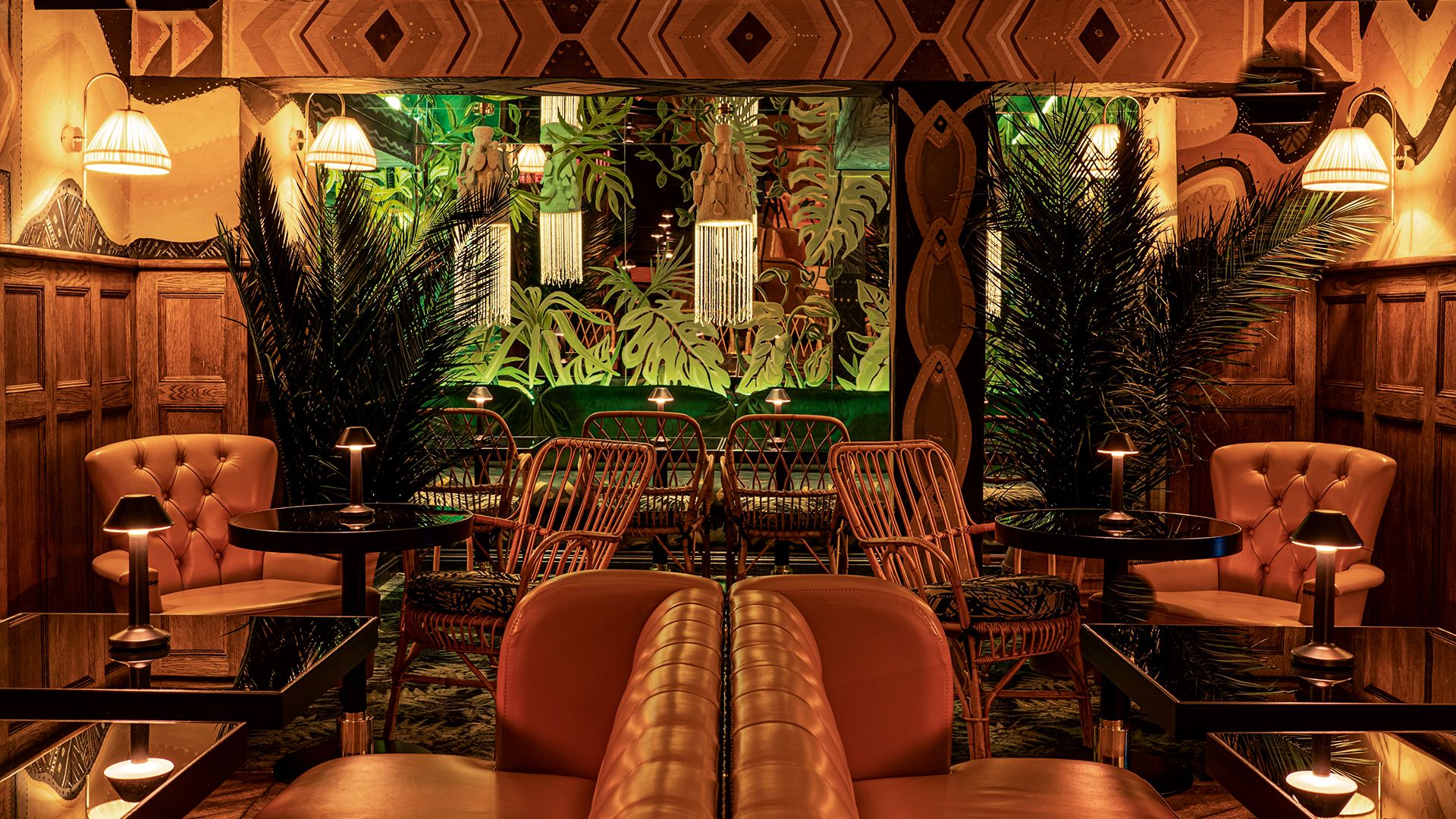
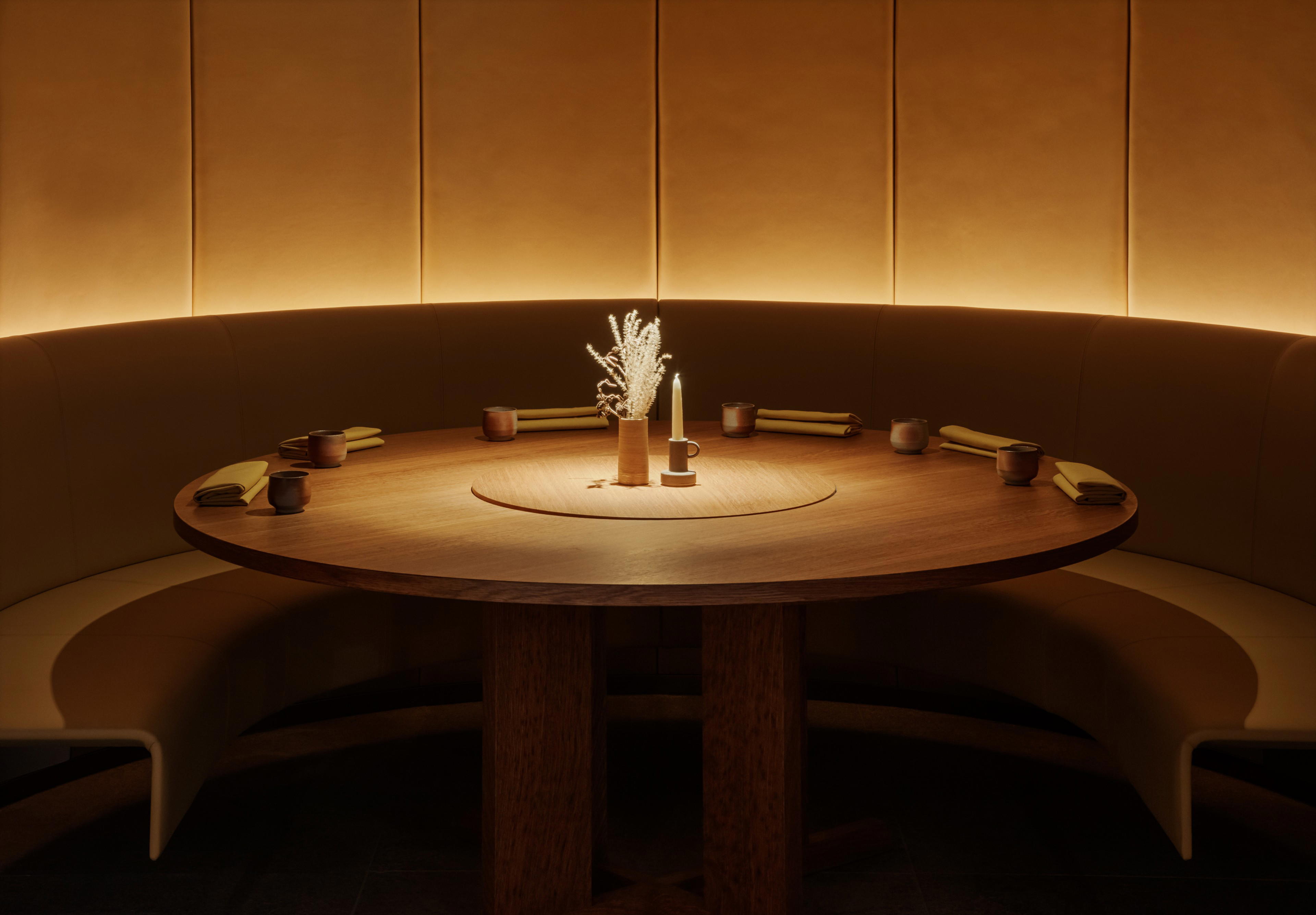
Super-chic monochrome marble-effect space with wooden stools at a U-shaped counter around a sleek bar, creating a fun and intimate atmosphere.