
Inside the historic Dogenhof on Praterstraße, Cucina Itameshi works a precise negotiation between Italian and Japanese cooking traditions: open-fire technique alongside umami-forward sauces, handmade pasta in the same kitchen as XO, burrata reframed through an Asian lens. Vienna's second district hosts few restaurants willing to commit this fully to cross-cultural tension, which makes this one worth tracking closely.
Pearl is the En Primeur Club membership app — saves, bookings, and concierge access live there. Same editors, same standards.
- Address
- Praterstraße 70, 1020 Wien, Austria
- Phone
- +43 1 212257570
- Website
- cucina-itameshi.at
- Directions
- Get directions
 Saves & bookings on Pearl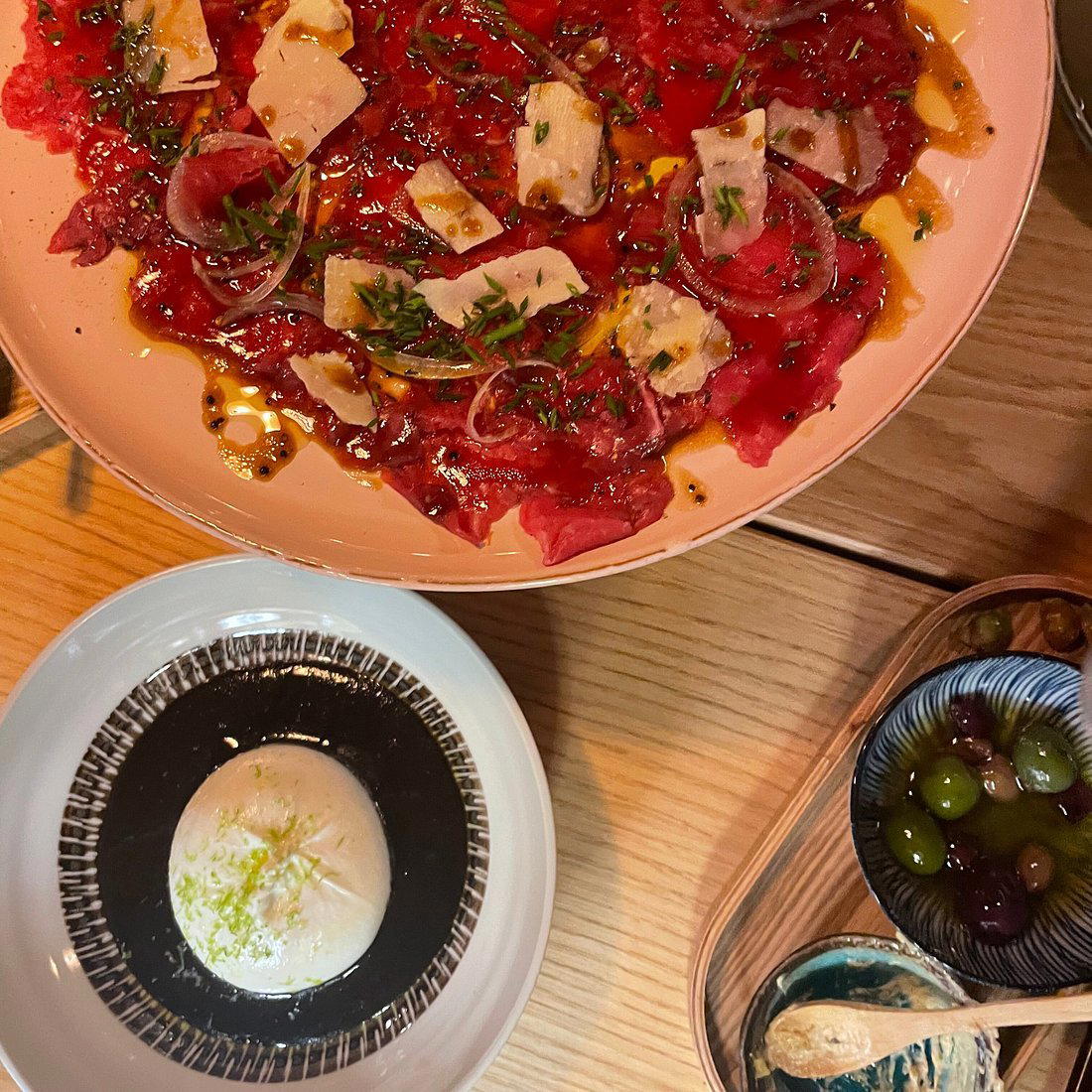
Where the Dogenhof Meets East and West
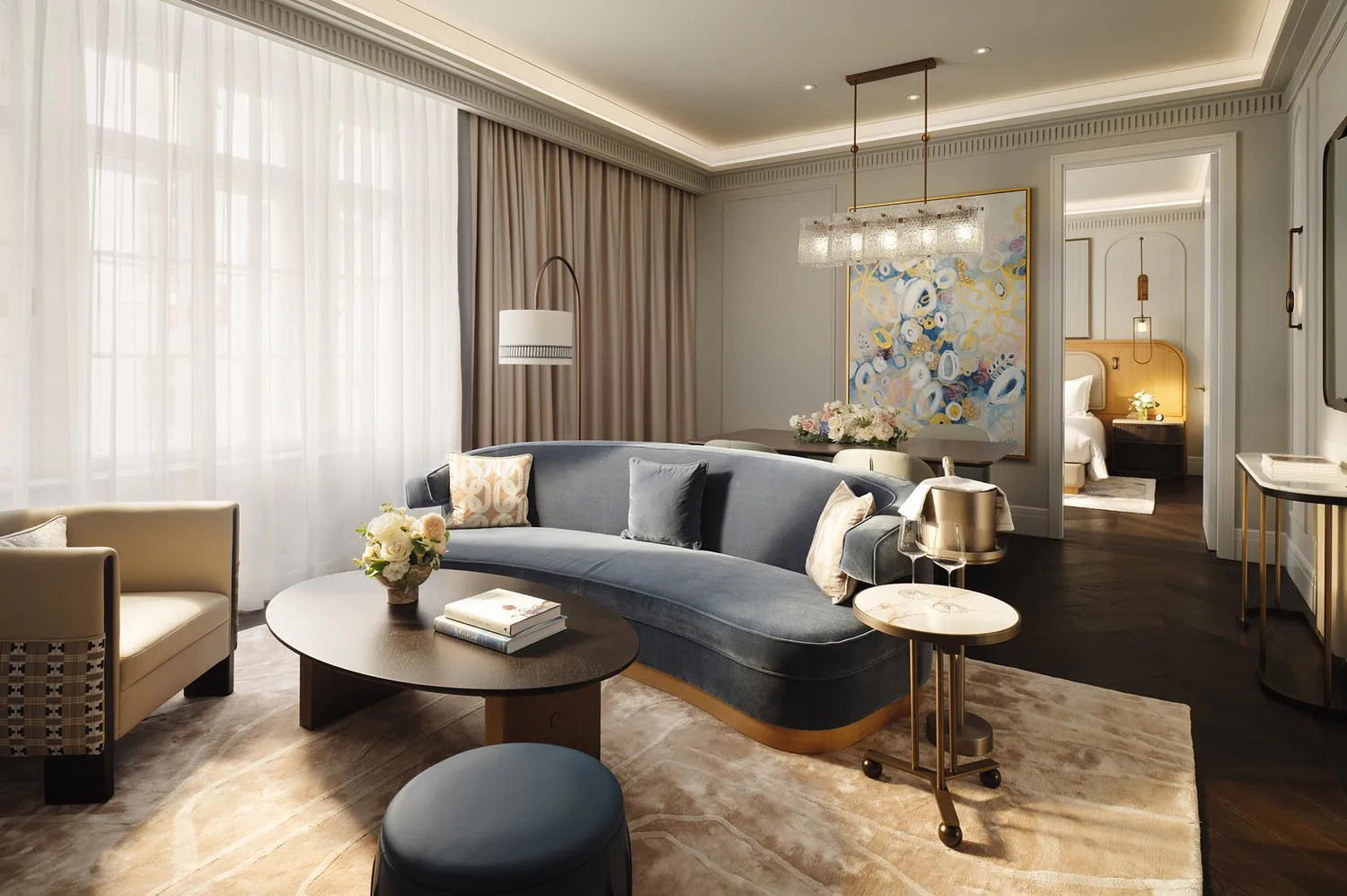
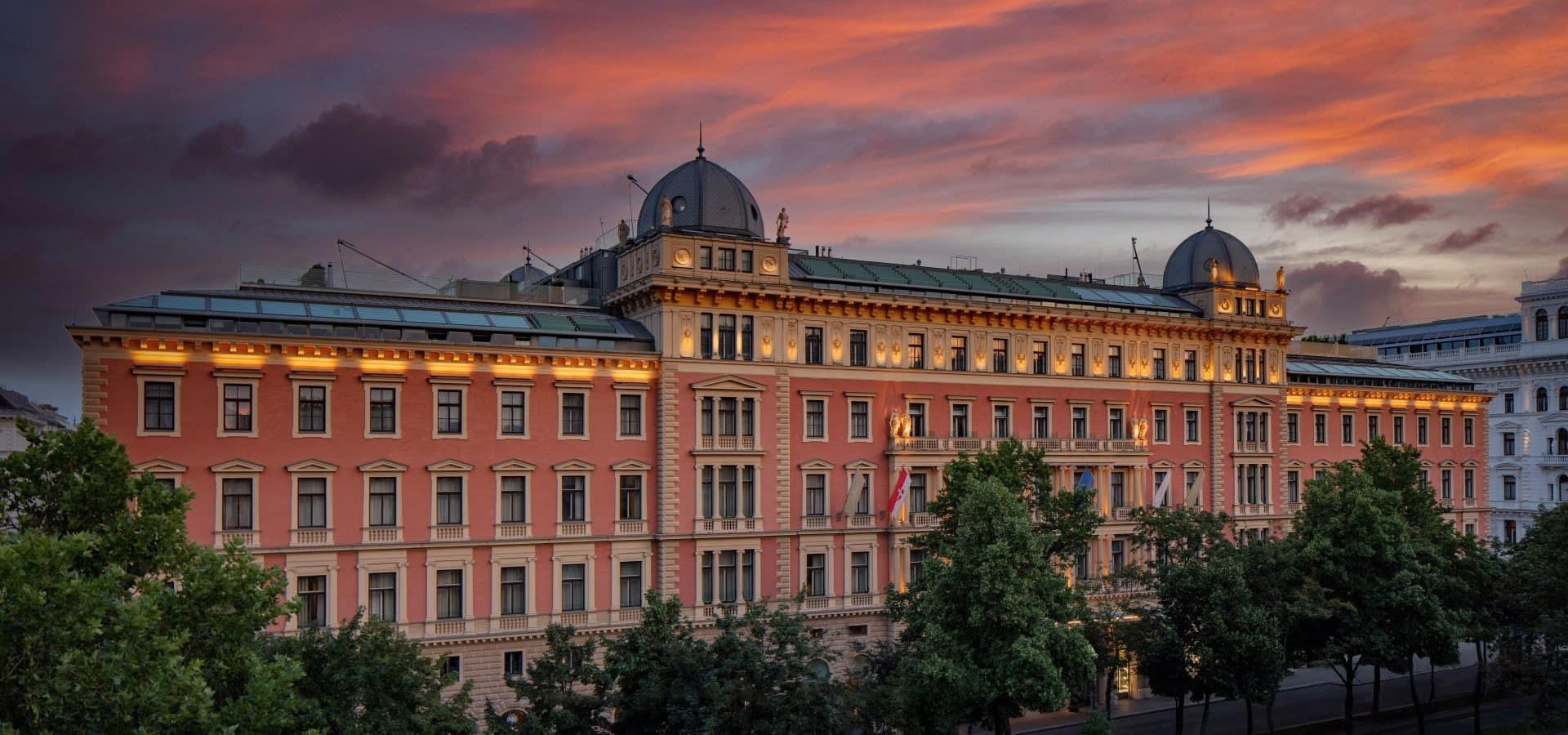
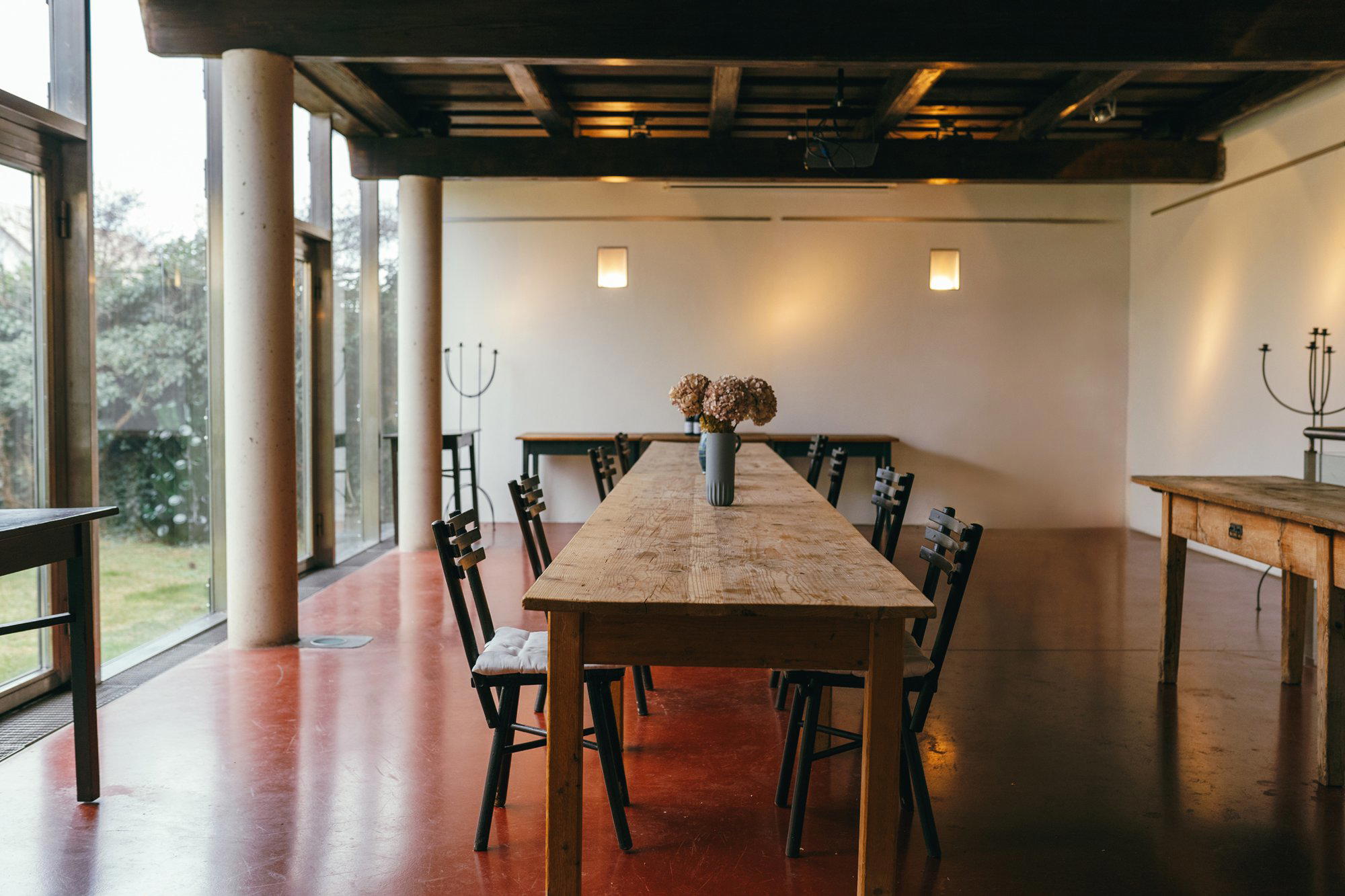
Praterstraße runs through Vienna's second district, the Leopoldstadt, with a particular architectural confidence, wide, lined with late-nineteenth-century facades, and still carrying some of the neighbourhood's pre-war commercial character. The Dogenhof, the historic building at number 70, is part of that fabric: a grand residential and commercial block whose ground-floor spaces have drawn some of the district's more interesting restaurants over the years. Cucina Itameshi is an Italian-Japanese fusion restaurant in Vienna's Leopoldstadt, at Praterstraße 70, with a price point around $65 per person. Entering Cucina Itameshi, you move from a street with genuine civic weight into a room where the kitchen's signals, smoke, char, something fermented and savoury, arrive before the food does. The cooking here operates at the intersection of two traditions that share more technique than most diners expect, and the room reflects that tension from the first breath.
The Itameshi Tradition and Why Vienna Is an Unusual Host
Itameshi, the Japanese contraction of Itaria ryōri, or Italian cuisine, emerged in Japan in the late 1980s as a culinary shorthand for the domestic absorption of Italian techniques and ingredients into a Japanese cooking sensibility. By the 1990s it had grown from a trend into a recognisable category: pasta made with precision borrowed from ramen craft, sauces that substitute dashi logic for stock reduction, dairy used with restraint calibrated by Japanese aesthetic norms. The cross-pollination worked because both traditions prize textural discipline, seasonal restraint, and the careful amplification of a single core ingredient.
Vienna is a less obvious setting for this conversation than Tokyo, Milan, or New York. The city's restaurant culture at the premium end runs toward either the classic Austrian bourgeois table, see Steirereck im Stadtpark for the form at its most developed, or the European fine-dining tasting-menu format practised by Konstantin Filippou and Mraz & Sohn. A restaurant that commits squarely to the Italy-Japan dialogue sits outside both of those gravitational fields, which is precisely what makes its position in Leopoldstadt interesting rather than peripheral.
Open Fire, Umami Depth, and the Sensory Architecture of the Menu
The kitchen's approach centres on open fire as a primary technique, XO sauce as a reference point for layered fermented heat, handmade pasta as a structural anchor, and burrata treated as a canvas rather than a destination. Each of those signals belongs to a coherent logic. Open fire in the context of Italian-Japanese cooking tends to mean yakitori-adjacent precision applied to ingredients that would, in a conventional Italian kitchen, stay with the pan. The char becomes a flavour argument rather than a byproduct.
XO sauce, the dried seafood and cured meat condiment developed in 1980s Hong Kong, has migrated into itameshi kitchens as a substitute for the layered umami that guanciale or bottarga provides in southern Italian cooking. Its appearance here suggests a kitchen willing to pull from the wider Asian larder rather than limiting the Japanese reference to the more familiar shio-koji or miso register. That specificity matters. Restaurants that attempt Italian-Japanese fusion often resolve the tension too quickly, landing on something that tastes like neither; a kitchen that reaches for XO sauce is signalling that it understands where the depth actually comes from.
Burrata getting what the venue's own description calls a treatment, fits a broader pattern in ambitious itameshi cooking, where European dairy is used as a textural and fat counterpoint to the relative leanness of Japanese technique.
Cucina Itameshi in Vienna's Broader Creative Restaurant Set
Vienna's creative restaurant scene has expanded beyond the city centre in recent years, with the second and third districts absorbing operators who want larger spaces, lower overheads, and a diner base that skews younger and more adventurous than the first-district tourist circuit. The restaurant's Praterstraße address places it in that emerging geography alongside other operations that prioritise cooking ambition over address prestige. For comparison, the tasting-menu format at Amador and the neighbourhood-rooted approach of Doubek both demonstrate how Vienna's more interesting creative cooking has dispersed across the city rather than concentrating in its historic core.
Ikarus in Salzburg, Obauer in Werfen, and Landhaus Bacher in Mautern an der Donau, each of which represents a different answer to the question of what Austrian cooking can absorb and reinterpret. The restaurant raises a more provocative version of that question by importing a framework that has almost no precedent in the local tradition.
Le Bernardin in New York City and Emeril's in New Orleans both represent, in different ways, the long American tradition of absorbing European classical technique into something more hybrid. Vienna, at the restaurant, is asking a version of the same question on its own terms.
Planning Your Visit
Similar Picks
Comparable venues nearby, for context on price, style, and recognition.
| Venue | Cuisine | Price | Notes |
|---|---|---|---|
| Cucina ItameshiThis venue — the venue you are viewing | Italian-Japanese Fusion | $$$ | Not listed |
| Ziizuu | Japanese Fusion | $$$ | Inner City |
| Soulmate | Fusion Cocktails & Fine Dining | $$$ | Neubau |
| Stellas 3 | Modern European Fusion with Grill | $$$ | Wien-Mitte |
| Chalet Moeller | Modern Fusion with Asian Influences | $$$ | Neuwaldegg |
| ZentRuhm | International Fusion Tapas | $$ | Inner City |
Recognition history
Dated appearances from independent guides and award organizations, with the underlying list record or original source where available.
Star Wine List
Star Wine List
Continue exploring
More in Vienna
Restaurants in Vienna
Browse all →
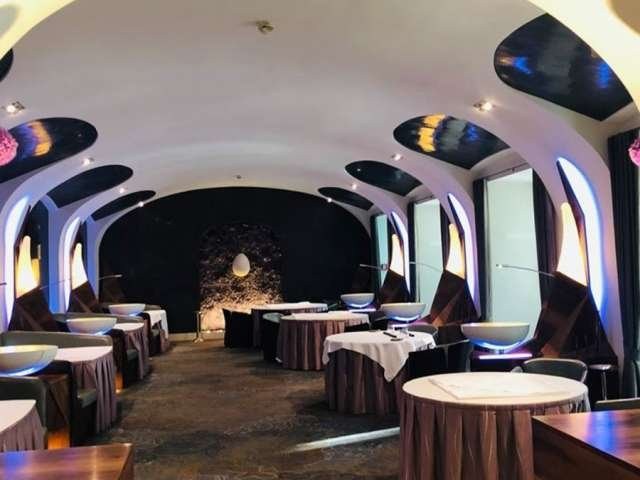
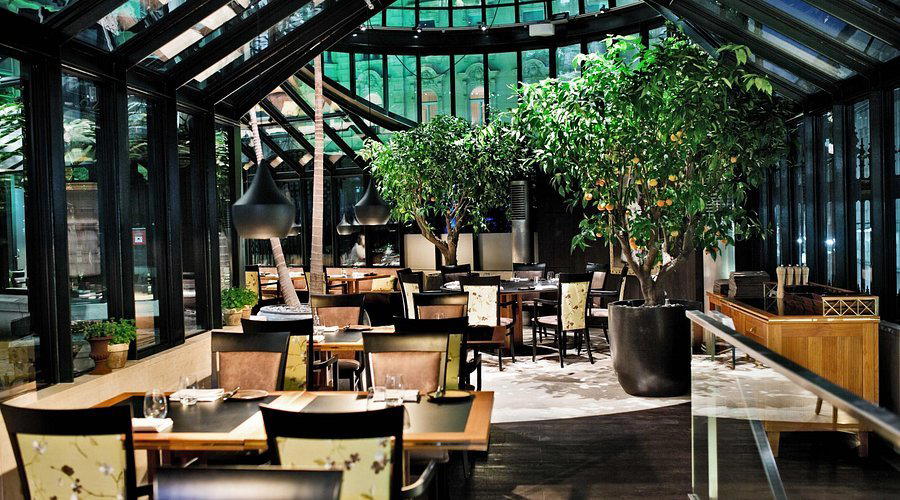
Bars in Vienna
Browse all →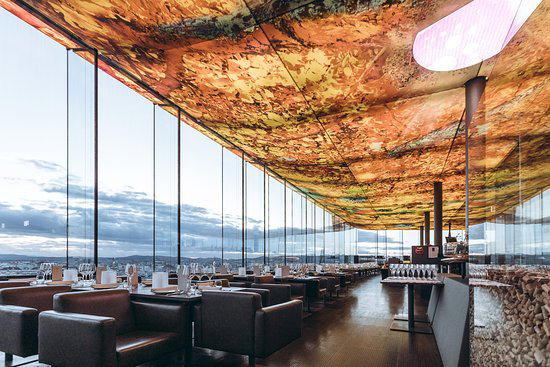
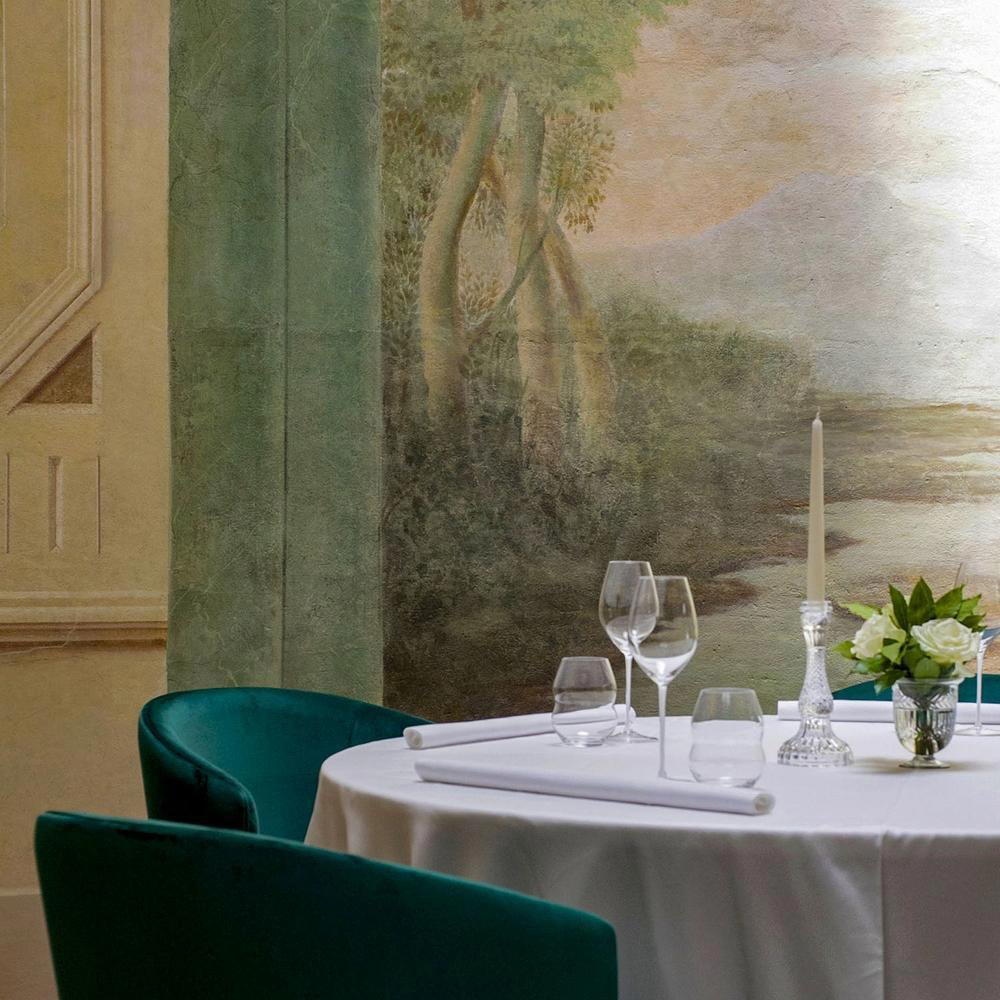
Hotels in Vienna
Browse all →
At a Glance
- Trendy
- Modern
- Elegant
- Intimate
- Date Night
- Business Dinner
- Group Dining
- Special Occasion
- Open Kitchen
- Design Destination
- Extensive Wine List
- Natural Wine
Current opening hours
- Monday
- 12–11 PM
- Tuesday
- 12–11 PM
- Wednesday
- 12–11 PM
- Thursday
- 12–11 PM
- Friday
- 12–11 PM
- Saturday
- 12–11 PM
- Sunday
- Closed
Hours can change for holidays and private events. Last verified .
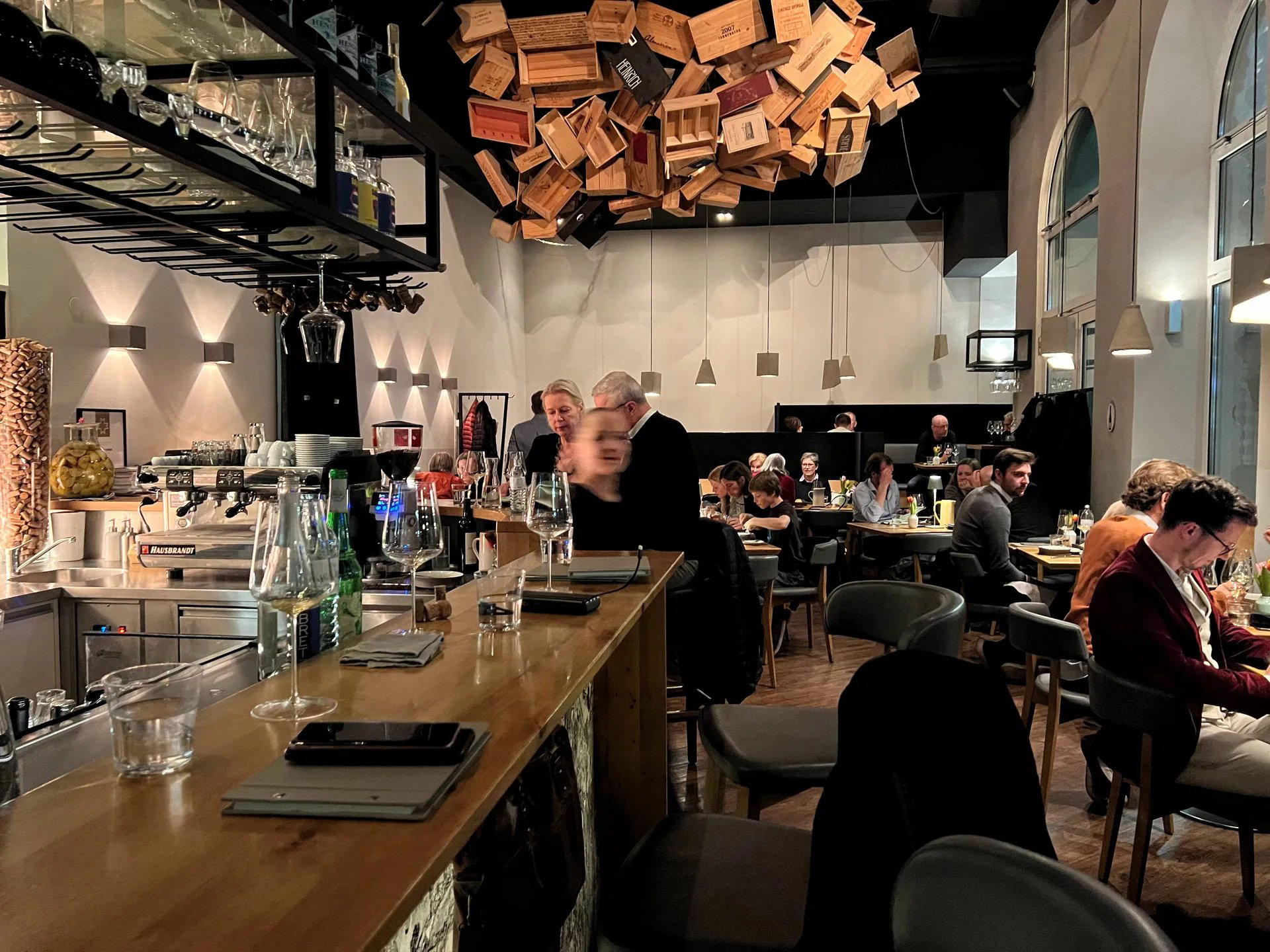
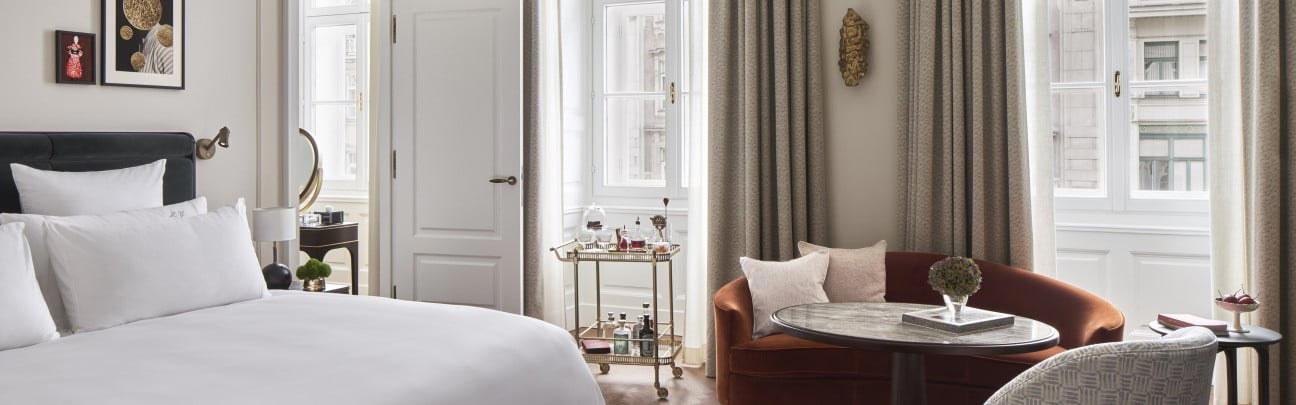
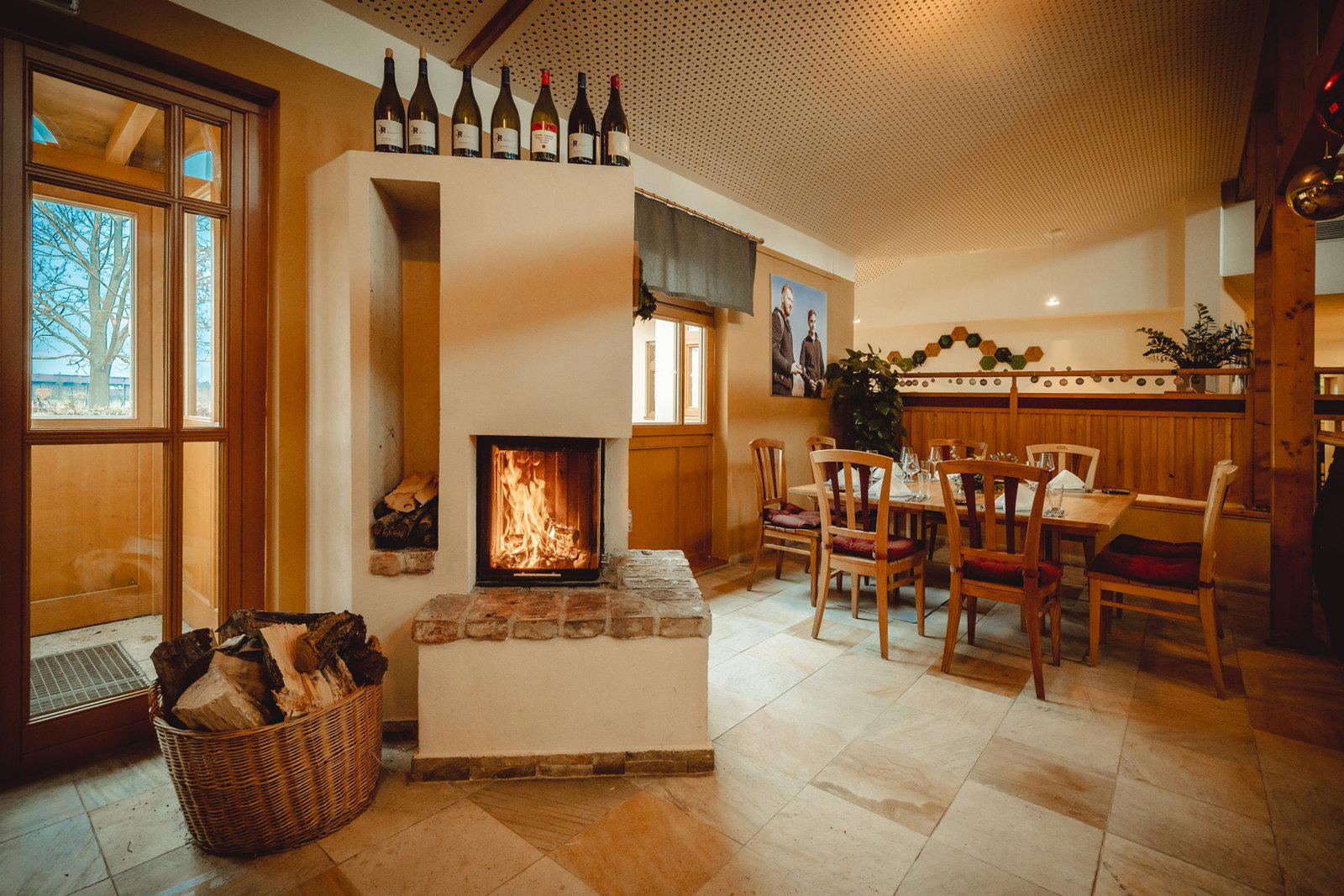
Modern, cozy atmosphere with an open kitchen where diners can watch chefs prepare food; described as stylish and appealing with contemporary design, though notably loud during service.