This listing is retired after a June 2026 status audit found the place inactive at its stored address.
- Address
- 190 University Ave, Toronto, ON M5H 0A3, Canada
- Phone
- +1 647 253 8000
- Directions
- Get directions
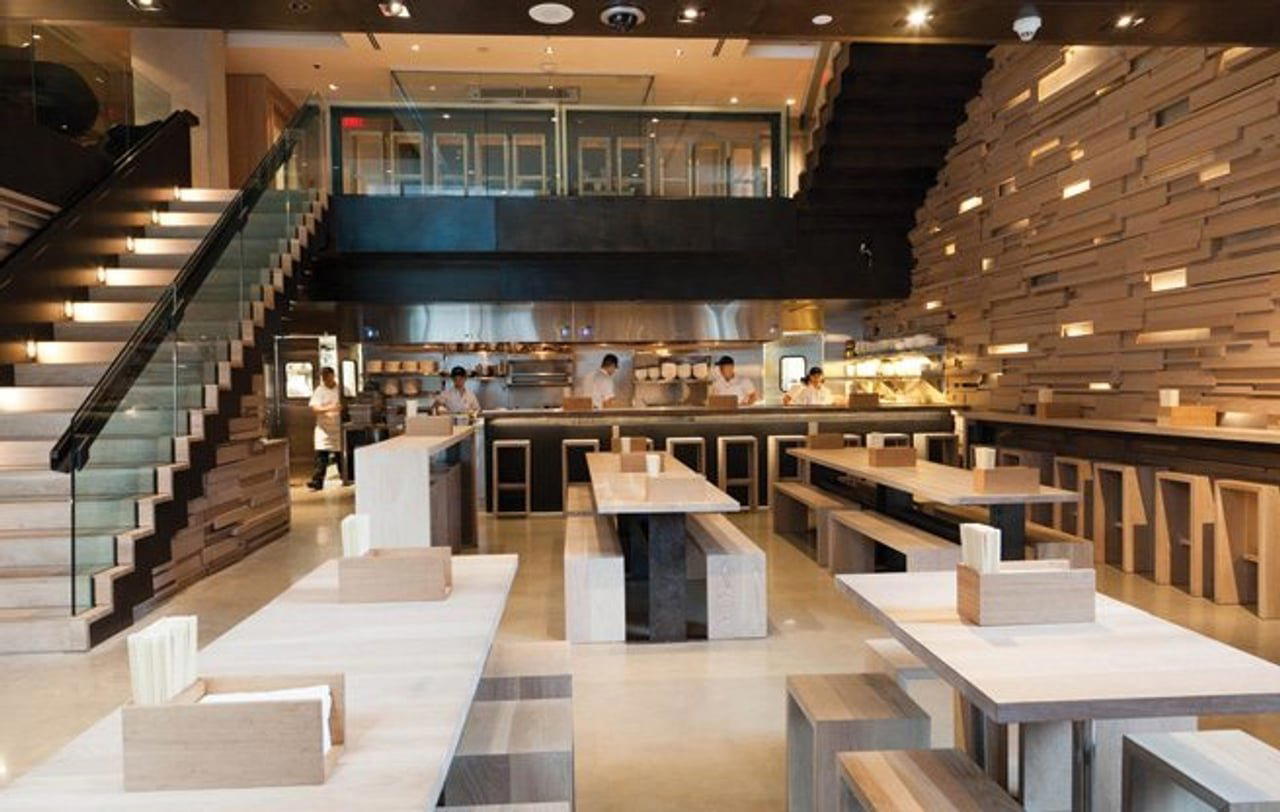
Where Noodle Culture Meets the Financial District
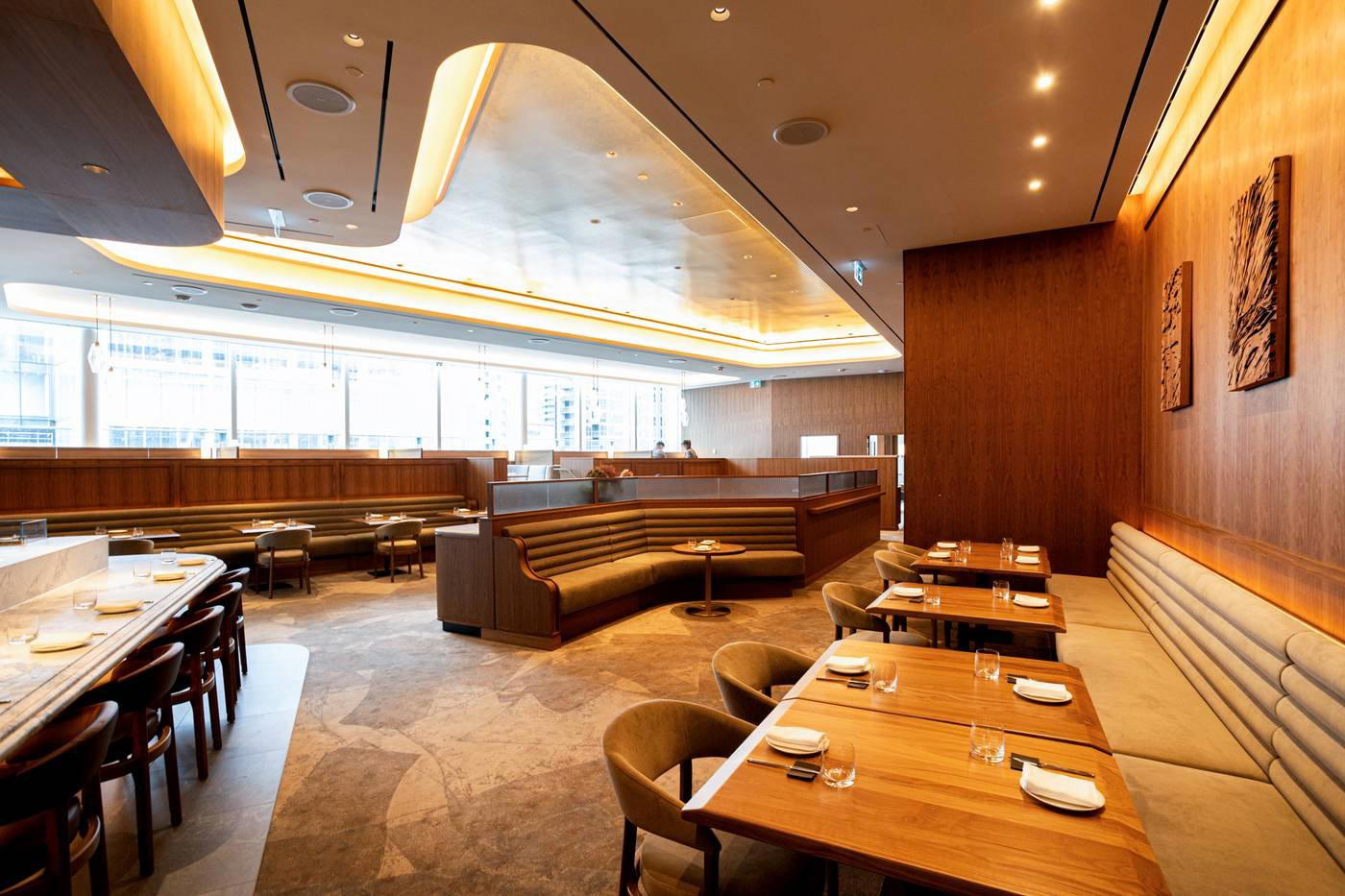
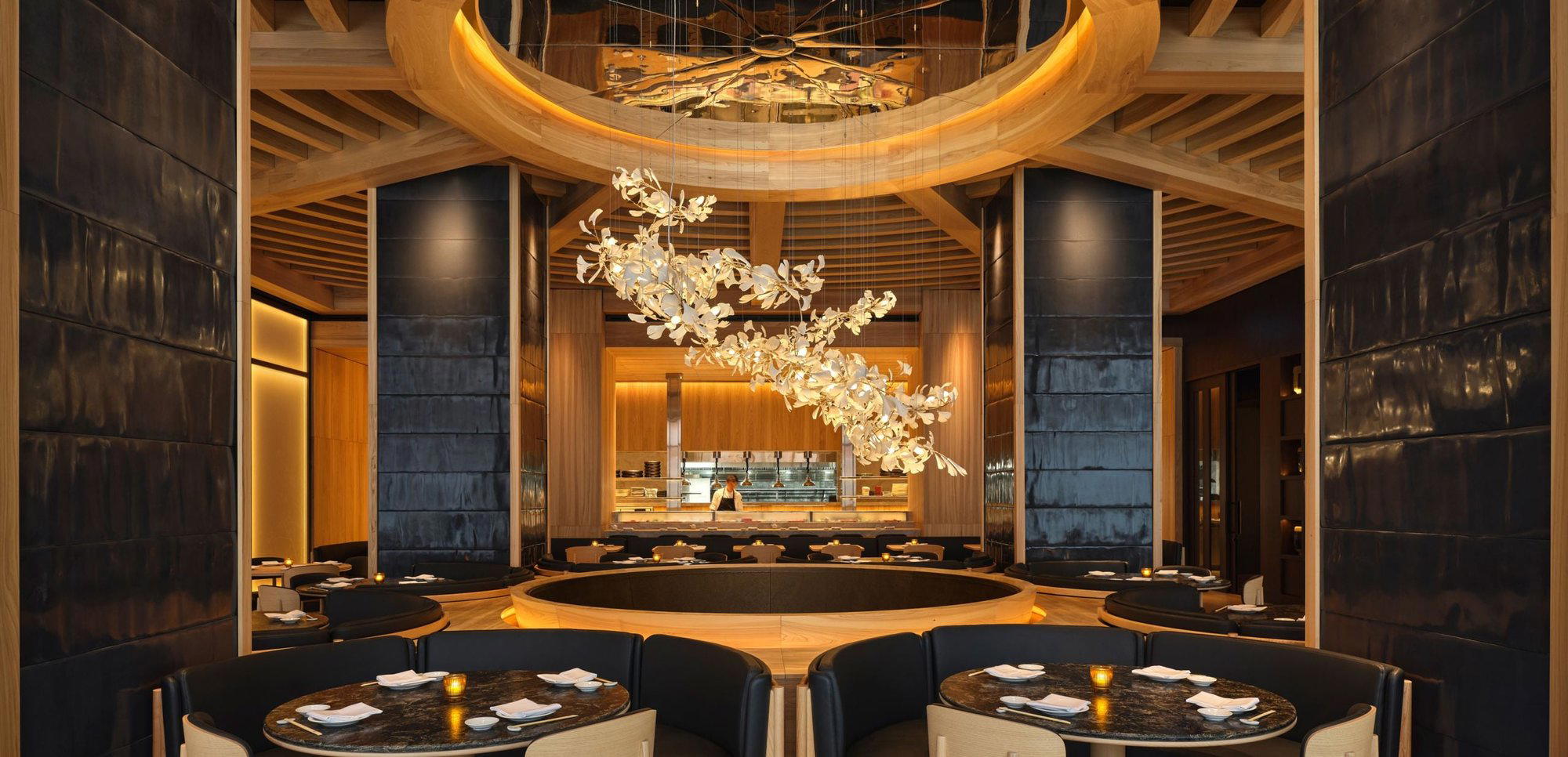
University Avenue in Toronto runs through the city's institutional core: courthouses, hospitals, consulate buildings, and the glass towers of the financial district pressing in from both sides. It is not, by instinct, a dining destination. Premium Toronto tables tend to cluster further west, in the neighbourhoods that feed Alo (Contemporary) and DaNico (Italian). Momofuku Noodle Bar is a casual Modern Japanese Ramen restaurant at 190 University Ave, Toronto, with walk-in friendly service and a price tier around US$20 per person. Momofuku Noodle Bar at 190 University occupies a different kind of real estate, both literally and conceptually: a room in a corridor of the city where the lunch crowd is large, transient, and not especially interested in ceremony.
That context matters because it shapes what the kitchen is asked to do. The Momofuku brand, originating in New York and now spread across North America, built its reputation on the proposition that well-sourced, technique-forward cooking does not require white tablecloths or three-hour sittings. In a Canadian city that has increasingly sorted its dining into either the high-investment tasting-menu format or the low-cost casual tier, a position in the middle carries its own logic.
The Sourcing Frame: What Goes Into the Bowl
The focus here is sourcing. The Momofuku group's foundational argument, established in New York and carried into each subsequent location, is that the noodle bowl is a vehicle for ingredient quality rather than a budget compromise. That argument is more legible in Toronto than in many cities, because Toronto's restaurant culture has a well-developed sensitivity to provenance. The city's premium end, represented by counters like Sushi Masaki Saito (Sushi, Japanese) and Aburi Hana (Kaiseki, Japanese), makes sourcing a central part of the conversation. Momofuku Noodle Bar participates in that conversation at a different price point, using the bowl format to carry proteins and broths that reflect the group's broader sourcing commitments.
Across the Momofuku network, that has historically meant relationships with specific farms, attention to the quality of pork used in the larder (the group's Noodle Bar format in New York built its early reputation partly on a slow-poached pork belly that became a reference point for the format in North America), and a pantry approach that treats fermented and aged condiments as serious ingredients rather than shortcuts. The Toronto location inherits that framework. The group's sourcing posture is consistent enough across markets to serve as a credible signal.
That posture positions Momofuku Noodle Bar in an interesting relationship with Ontario's own ingredient culture. The province has a serious network of small-scale protein producers, and Toronto's more sourcing-conscious restaurants have been drawing on it for years. Eigensinn Farm in Singhampton represents one extreme of that relationship: a restaurant that is inseparable from its land. Restaurant Pearl Morissette in Lincoln situates its kitchen inside an agricultural property in Niagara. Momofuku's version of sourcing consciousness is urban and scalable rather than farm-direct, but it operates within the same broader cultural shift toward treating ingredients as the story rather than the backdrop.
The Format's Place in Toronto's Dining Tiers
Toronto's upper dining tier is tasting-menu heavy and reservation-dependent. The $$$$ bracket that includes Don Alfonso 1890 (Contemporary Italian, Italian) and the Japanese omakase counters demands significant advance planning and a commitment to a multi-hour experience. Below that tier, the city's casual noodle and ramen market is dense and competitive, with Korean, Japanese, and Chinese operators each holding loyal followings in their respective neighbourhoods.
Momofuku Noodle Bar sits in the middle band. It is not competing with AnnaLena in Vancouver or Jérôme Ferrer - Europea in Montreal for the special-occasion diner, nor is it competing on price with a bowl shop in Koreatown. Its competitive set is the quality-casual stratum: restaurants where cooking skill and sourcing attention are visible in the bowl, but where the format allows for walk-in or same-day booking and a sub-ninety-minute commitment.
That is a viable and underserved register in a city where the middle ground has historically been thin. Toronto's dining culture has matured considerably in the past decade, and the gap between the $15 bowl and the $250 omakase has slowly started to fill. Momofuku's position in that gap is not accidental.
Comparing the Canadian Casual Fine-Dining Register
Across Canada, the restaurants that have managed to hold a quality-casual position with longevity tend to share certain characteristics: a format that is replicable without being anonymous, a sourcing story that gives the kitchen something to talk about, and a location that captures enough foot traffic to survive without the reservation infrastructure that supports tasting-menu rooms. Cafe Brio in Victoria and The Pine in Creemore each hold a version of this position in their respective markets, though in smaller cities where the competitive pressure is different. In Toronto, with its volume and its range, the position is harder to hold and more visible when it works.
The Momofuku brand carries recognition that few independent operators can match, which is both an asset and a complication. The brand's New York origin means that diners arrive with a reference point, whether or not they have eaten at the original. That prior knowledge can create expectations that a single location in a financial district corridor will either confirm or complicate. For the sourcing argument to land, the bowl has to deliver the evidence.
In the Wider Canadian Context
Toronto's restaurant scene sits at an interesting moment. The city is increasingly confident in its own culinary identity rather than simply mirroring New York or London, and the conversations happening at the summit of the market, at counters and tasting rooms, are feeding down into how the city thinks about casual formats. The question of where ingredients come from, which the tasting-menu generation has made almost inescapable, now applies to bowls of noodles as much as to twelve-course menus. The restaurant, whatever its position in the brand hierarchy, operates in that changed environment.
For a broader picture of where the city's dining is moving, the full Toronto restaurants guide covers the range from the Financial District through to the neighbourhood tables that define how the city actually eats day to day. Comparable sourcing-led conversations are happening at different scales elsewhere in Canada, from Fogo Island Inn Dining Room in Joe Batt's Arm and Narval in Rimouski on the Atlantic side to Busters Barbeque in Kenora in Ontario's northwest, each working through the sourcing question in ways shaped by what their geography allows.
Know Before You Go
- Address: 190 University Ave, Toronto, ON M5H 0A3
- Neighbourhood: Financial District / University Avenue corridor
- Format: Casual noodle bar; walk-in and short-booking format typical of the restaurant model
- Leading for: Lunch or early dinner when Financial District foot traffic is high; midweek visits tend to be more accessible than weekend rushes
Cuisine and Credentials
Comparable venues nearby, for context on price, style, and recognition.
| Venue | Cuisine | Price | Notes |
|---|---|---|---|
| Momofuku Noodle BarThis venue — the venue you are viewing | Modern Japanese Ramen | $ | Not listed |
| Hapa Toronto | Modern Japanese Izakaya Tapas | $$ | Palmerston-Little Italy |
| KINKA IZAKAYA ANNEX | Japanese Izakaya | $$ | Harbord Village |
| Banh Mi Boys | Vietnamese Banh Mi & Bao | $ | Queen West |
| Phở Hưng Restaurant | Authentic Vietnamese Pho | $ | Chinatown |
| Fresca Pizza and Pasta | Classic Italian Pizza & Pasta | $ | Harbord Village |
Continue exploring
More in Toronto
Restaurants in Toronto
Browse all →
Bars in Toronto
Browse all →
Hotels in Toronto
Browse all →

At a Glance
- Trendy
- Lively
- Modern
- Casual Hangout
- Solo
- Group Dining
- Open Kitchen
- Standalone
- Beer Program
- Local Sourcing