Our verdict
Banh Mi Boys at 392 Queen St W sits in the middle of Toronto's Queen West corridor, where Vietnamese-inflected street food formats have held ground against the neighbourhood's constant churn. The spot has built recognition around a casual, high-throughput approach to banh mi and Korean-Vietnamese fusion snacks, drawing a steady cross-section of the downtown crowd without the formality of the city's upper dining tier.

Pearl is the En Primeur Club membership app, where members save venues, book tables and use the concierge.

The menu
What to order
- Grilled Pork Banh Mi
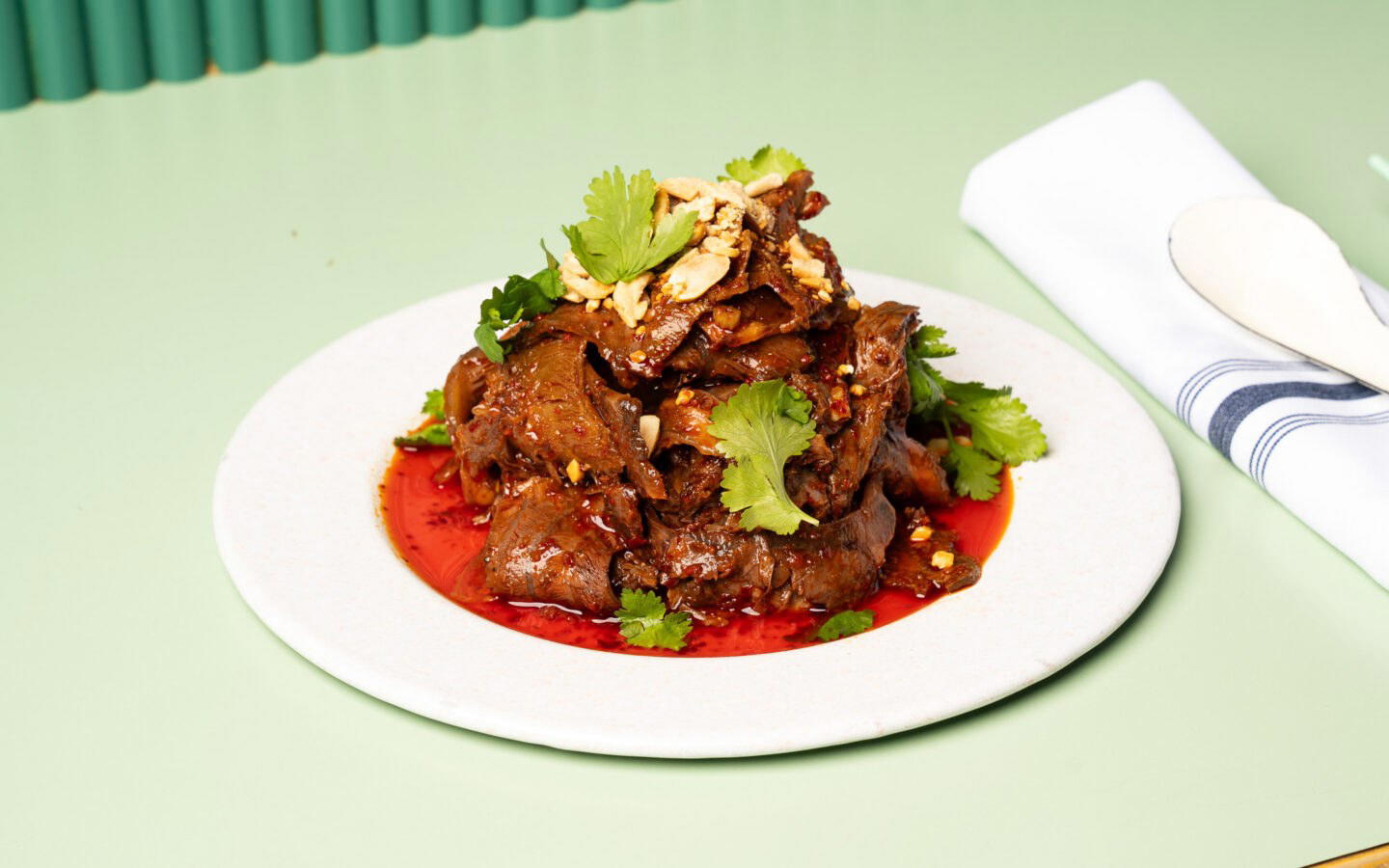
- Braised Beef Steamed Bao
- Pork Belly Banh Mi
- Kimchi Fries
Queen West and the Casual-Format Durability Test
On Queen Street West, a stretch that has cycled through enough concept restaurants to fill a decade of press releases, the ability to stay put is itself a form of argument. The block around 392 Queen St W has seen cocktail bars, chef-driven small plates rooms, and fast-casual pivots come and go in patterns that mirror Toronto's broader hospitality churn. Against that backdrop, a casual Vietnamese-Korean street food counter that keeps drawing a queue says something about the appetite for formats that don't require a reservation system or a tasting menu to justify the stop.
Banh Mi Boys operates in a category that Toronto's dining conversation often skips over: the mid-street-food tier, where the product is specific enough to attract repeat visitors but priced and paced for the kind of lunch or late afternoon drop-in that doesn't demand advance planning. That tier has actually grown in influence across Queen West over the past decade, as dinner-only fine dining rooms have consolidated northward and the strip has leaned harder into walk-in traffic. For context on what the city's upper dining register looks like, Alo (Contemporary) and Sushi Masaki Saito represent the tasting-counter format at its most structured. Banh Mi Boys operates several rungs below that in formality and price, and that distance is intentional.
The Format and How It Has Shifted
The banh mi, as a category, arrived in Toronto primarily through the city's Vietnamese communities in Scarborough and along Spadina Avenue, where sandwich shops built reputations on high volume and low margin. The Queen West iteration of that form, as Banh Mi Boys practices it, introduces a Korean-Vietnamese hybrid element, pulling in ingredients and flavour profiles associated with Korean street food and applying them to a baguette-based format inherited from Vietnamese-French culinary history. That crossover has become more common in North American cities over the past fifteen years, but when Banh Mi Boys opened, the fusion angle was less routine in Toronto's downtown sandwich market.
The evolution of the menu over time reflects a broader pattern visible across the city's casual dining sector: the initial draw of a novel hybrid format, followed by a gradual refinement toward the items that actually moved, and then a period of stable identity where the format itself becomes the brand. Toronto has seen this arc play out across Korean fried chicken spots, ramen counters, and poke formats. Banh Mi Boys followed a comparable trajectory, with the Korean-inflected toppings and proteins becoming as central to the identity as the banh mi base itself. The result is a menu that reads as a resolved hybrid rather than a work in progress, which is a distinction that matters for repeat visits.
For readers tracking how Toronto's broader dining scene has developed in parallel, Aburi Hana and DaNico represent the structured, reservation-led end of the city's contemporary dining, while spots like Banh Mi Boys occupy the walk-in register that feeds a different kind of loyalty. Both ends of that spectrum have proven durable in the city, which is a credit to how broadly Toronto's food culture has developed.
Queen West as Context
The address matters. Queen West between Spadina and Bathurst runs at a frequency that few other Toronto corridors match for foot traffic and format diversity. Independent coffee shops, gallery-adjacent lunch spots, and fast-casual counters operate in close proximity to each other, creating a competitive environment where differentiation has to come from product rather than location advantage. Banh Mi Boys has held its address on that strip long enough that it registers as a neighbourhood fixture rather than a recent entrant, which in Queen West terms is not a trivial achievement.
That longevity connects to a pattern visible in other Canadian cities: casual formats built around a specific regional or hybrid cuisine tradition tend to outlast concept-driven restaurants that rely on novelty. AnnaLena in Vancouver and Jérôme Ferrer - Europea in Montreal represent how chef-driven conviction sustains high-end rooms, but the casual street food format has its own version of that durability, rooted in price point and repeat-visit rhythm rather than destination dining logic.
Where It Sits in Toronto's Dining Conversation
Toronto's food press has largely focused its attention on the city's tasting-menu rooms and the new wave of Japanese-influenced counters, a list that includes Don Alfonso 1890 at the Italian fine-dining end and Sushi Masaki Saito at the omakase tier. Banh Mi Boys doesn't compete in that register, and there's no evidence it aims to. The spot has built its standing in the casual-format category, where the competitive set is sandwich shops, Vietnamese quick-service counters, and the Korean street food spots that have proliferated across the downtown core.
Within that set, the Korean-Vietnamese hybrid positioning remains a point of differentiation. The banh mi format is well-established enough in Toronto that a straight Vietnamese sandwich shop faces genuine competition from the Spadina-area originals. The overlay of Korean-influenced proteins and condiments gives the Queen West location a reason for existence that isn't just convenience, and that distinction has sustained the brand through a period when the street food market has grown significantly more crowded.
Visitors planning a broader Toronto itinerary can consult our full Toronto restaurants guide for the complete range, from walk-in casual to multi-course reservation rooms. Beyond the city, the Canadian dining scene has distinct nodes worth knowing: Tanière³ in Quebec City, Restaurant Pearl Morissette in Lincoln, and Eigensinn Farm in Singhampton each represent how regional Canadian cooking operates at its most considered end, while Fogo Island Inn Dining Room in Joe Batt's Arm makes the case for destination dining in genuinely remote territory. For the international frame, Le Bernardin in New York City and Lazy Bear in San Francisco show what the tasting-format commitment looks like at the highest production level.
Planning a Visit
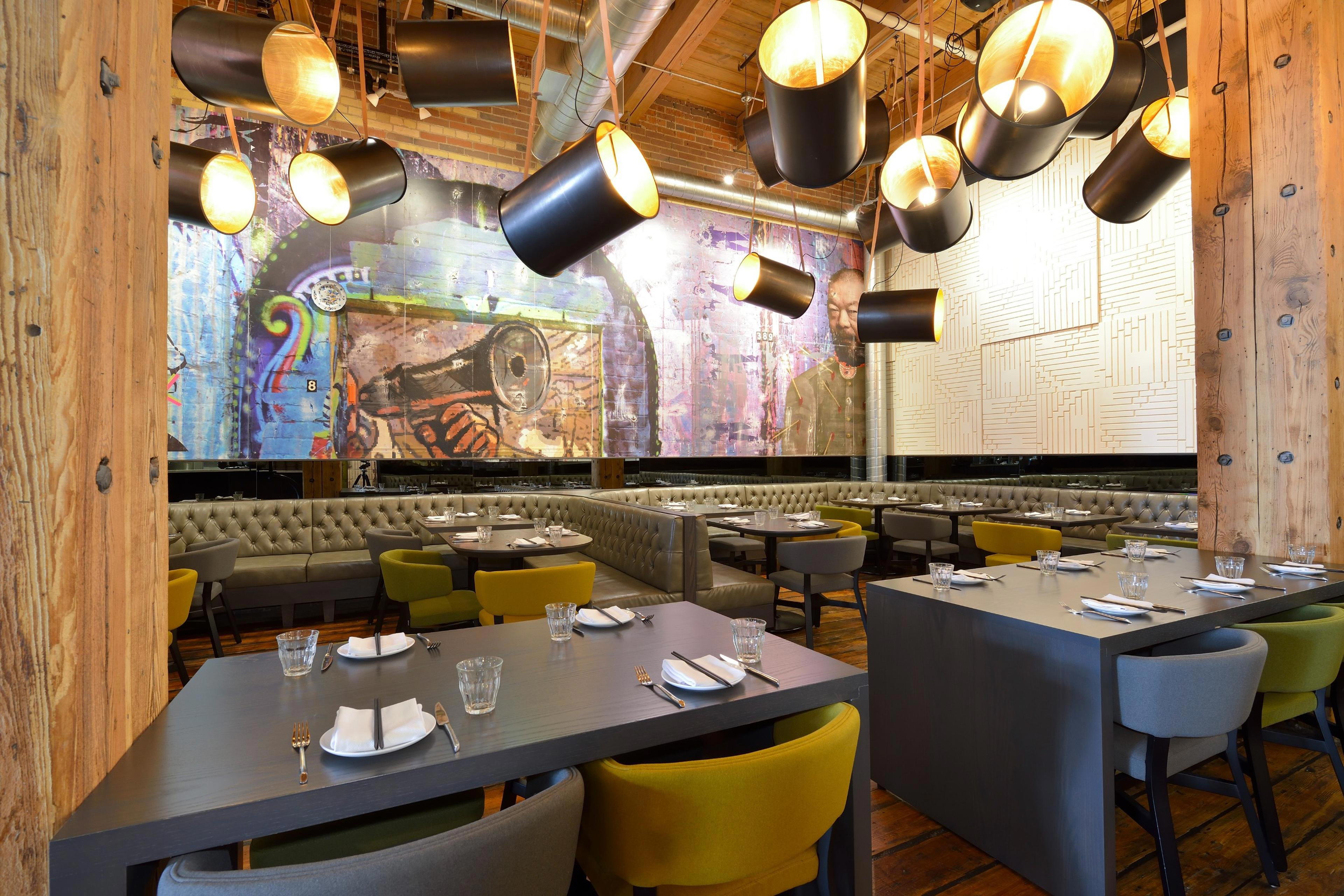
392 Queen St W places Banh Mi Boys in the pedestrian-heavy core of Queen West, within walking distance of Trinity Bellwoods Park and the cluster of independent retail that defines the stretch between Spadina and Bathurst. The format is walk-in and counter-service, which means the practical friction is low: no booking required, no dress considerations, and a pace that suits a lunch stop between other appointments. The price point sits well below the city's tasting-menu tier, making it an accessible entry into Toronto's casual-dining scene without the planning overhead that the reservation-led rooms require.
Frequently asked questions
What part of town is Banh Mi Boys in?
Banh Mi Boys is located at 392 Queen St W, Toronto, ON M5V 2A9, Canada, Toronto.
How does Banh Mi Boys differ from Toronto's traditional Vietnamese sandwich shops?
Toronto's established Vietnamese sandwich tradition is anchored in Scarborough and along Spadina Avenue, where shops largely follow the classic French-Vietnamese banh mi lineage. Banh Mi Boys, operating out of 392 Queen St W, applies a Korean-Vietnamese fusion lens, incorporating Korean-influenced proteins and condiments into that base format. That positioning targets a downtown Toronto audience and occupies a different category from the community-rooted shops in the city's Vietnamese neighbourhoods.
What do people recommend at Banh Mi Boys?
Banh Mi Boys is most associated with its Korean-Vietnamese hybrid format, pairing the banh mi base with Korean-influenced proteins and condiments. That crossover positioning is what separates it from the more traditional Vietnamese sandwich shops concentrated along Spadina Avenue and in Scarborough.
How hard is it to get a table at Banh Mi Boys?
Banh Mi Boys operates counter-service and walk-in, so there is no reservation system to contend with. Availability is governed by foot traffic, and Queen West between Spadina and Bathurst runs dense through lunch hours and weekend afternoons. Arriving outside the midday rush is the practical way to avoid a queue.
What has Banh Mi Boys built its reputation on?
The reputation rests on applying a Korean-Vietnamese fusion angle to the banh mi format at a time when that crossover had limited presence in Toronto's downtown sandwich market. The Queen St W address places it in one of the city's highest-turnover food corridors, where sustained operation is itself a signal of consistent demand.
Is Banh Mi Boys good for vegetarians?
The banh mi format historically accommodates vegetable-based fillings, and the Korean-Vietnamese fusion angle opens space for tofu and pickled vegetable options, but verifying what is currently on offer requires a visit to 392 Queen St W or direct contact with the venue.
Is Banh Mi Boys worth it?
At the casual walk-in counter tier, value is measured by product quality and format efficiency rather than dining-room experience, and Banh Mi Boys has maintained a consistent foothold on Queen West, a corridor that cycles through concepts quickly. The Korean-Vietnamese fusion format gave it a differentiating position in Toronto's downtown sandwich market.
A Credentials Check
Comparable options at a glance, pulled from our tracked venues.
| Venue | Cuisine | Price | Awards | Notes |
|---|---|---|---|---|
| Banh Mi BoysThis venue (the venue you are viewing) | Vietnamese Banh Mi & Bao | $10–20 | Not listed | Not listed |
| Alo | Modern French Fine Dining with Asian Influences | $200–300 | 1 Michelin Star · La Liste Top Restaurants | Contemporary |
| Sushi Masaki Saito | Edomae-Style Omakase | $500+ | 1 Michelin Star · La Liste Top Restaurants | Sushi, Japanese |
| Aburi Hana | Modern Japanese Kyō-Kaiseki | $300–500 | 1 Michelin Star · The Best Chef One Knife | Kaiseki, Japanese |
| Don Alfonso 1890 | Modern Italian Fine Dining | $200–300 | 1 Michelin Star · La Liste Top Restaurants | Contemporary Italian, Italian |
| Edulis | Mediterranean Seafood Tasting Menu | $150–200 | 1 Michelin Star · World's 50 Best #25 | Canadian, Mediterranean Cuisine |
Continue exploring
More in Toronto
Restaurants in Toronto
All restaurants in Toronto →
Bars in Toronto
All bars in Toronto →

Details
- Trendy
- Lively
- Casual Hangout
- A La Carte
- Vegetarian Friendly
- Vegan Options
Current opening hours
- Monday
- 10 AM–9 PM
- Tuesday
- 10 AM–9 PM
- Wednesday
- 10 AM–9 PM
- Thursday
- 10 AM–9 PM
- Friday
- 10 AM–9 PM
- Saturday
- 11 AM–9 PM
- Sunday
- 11 AM–8 PM
Hours can change for holidays and private events. Hours as of .
Casual and bustling counter-service spot with a trendy, energetic atmosphere popular among foodies.