On a quiet stretch of Carrer de Padilla in the Eixample, Nonna Delia occupies a position that Barcelona's dining scene rarely spotlights: the kind of neighbourhood restaurant where the Italian-grandmother tradition isn't performed for tourists but practiced with the consistency of a family ritual. The address places it at the northern edge of the grid, away from the high-wattage tables that define the city's creative-cuisine circuit.
Pearl is the En Primeur Club membership app — saves, bookings, and concierge access live there. Same editors, same standards.
- Address
- C/ de Padilla, 307, Eixample, 08025 Barcelona, Spain
- Phone
- +34931399072
- Website
- lanonnadeliabarcelona.com
- Directions
- Get directions
 Saves & bookings on Pearl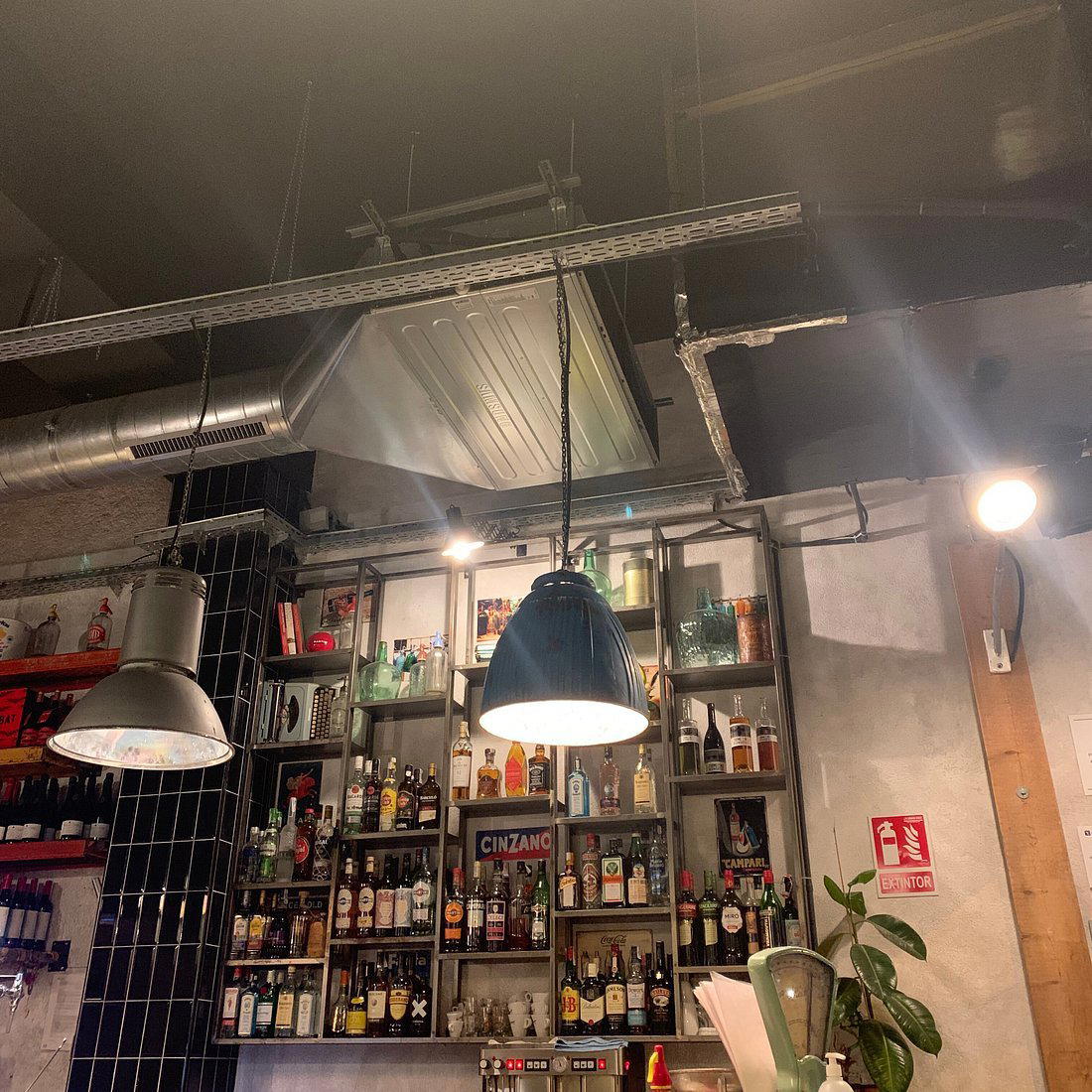
A Different Kind of Italian in Barcelona's Eixample
Nonna Delia is a restaurant in Eixample, Barcelona, serving Mediterranean vermuteria with Italian-Spanish fusion. It is a casual, reasonably priced spot at about $20 per person. Barcelona's most-discussed restaurant addresses tend to cluster around a recognisable set of names: the three-Michelin-star creative counters like Disfrutar, Cocina Hermanos Torres, and Lasarte, or the boundary-pushing formats of Enigma and ABaC. That conversation is legitimate, Barcelona holds one of the densest concentrations of technically ambitious cooking in southern Europe, but it tends to crowd out a quieter register of dining that the city also does well: the neighbourhood table anchored in tradition rather than technique.
Nonna Delia, on Carrer de Padilla in the upper Eixample, belongs to that quieter register. The address is residential rather than destination-facing, which is itself a signal. Restaurants that occupy this kind of urban position in Barcelona tend to sustain themselves on repeat custom from the surrounding blocks rather than on tourist foot traffic or reservation-list prestige. That changes what gets cooked, how it gets cooked, and for whom.
The Italian Grandmother Tradition and What It Means
The concept of the nonna as culinary authority runs deep in Italian food culture. It refers not to a style or a set of dishes but to a relationship between cook and kitchen built over decades, a form of knowledge that is accumulated rather than trained, expressed through repetition and adjustment rather than precision and innovation. The nonna tradition is fundamentally anti-fashionable. Where restaurant cooking often chases novelty, the grandmother kitchen chases consistency. The measure of success is not surprise but recognition: this is the dish as it should be.
When that tradition travels, and it has traveled across most of western Europe, it tends to land in one of two ways. It either becomes a theme, deployed for effect in dining rooms designed to evoke an idea of Italy rather than practice it. Or it roots itself in a neighbourhood, adapts to available ingredients and a local clientele, and functions as a working kitchen rather than a conceptual statement. The second version is harder to sustain and, when it works, harder to replicate.
Spain's relationship with Italian cooking has deepened significantly over the past two decades, and Barcelona in particular has absorbed a wide range of Italian regional traditions, from the pasta-forward cooking of Emilia-Romagna to the lighter, vegetable-led preparations of the Mediterranean south. The city's Italian dining scene now runs from polished enoteca formats like Enoteca Paco Pérez to casual neighbourhood trattorias, and the range in between is wide. Within that range, the restaurants that invoke nonna cooking as an organising principle are making a specific claim: that the value is in the tradition itself, not in what the chef does to it.
Eixample Context: Where the Venue Sits
Carrer de Padilla runs north-south through the right side of the Eixample, one of the long cross-streets that the Cerdà grid produces at regular intervals. By the time you reach number 307, you are well into the upper Eixample, a part of the neighbourhood where the density of design showrooms and architecture studios gives the streetscape a quieter, more purposeful character than the tourist-heavy sections further south near Passeig de Gràcia.
This part of the Eixample is not where Barcelona's food press focuses its attention. The creative-cuisine circuit operates further south and west, in the Sant Gervasi and Les Corts adjacencies where the big-ticket tasting menus have their rooms. The upper Eixample's dining scene is defined instead by the kind of restaurants that serve the professionals and residents who live and work in the area: consistent, neighbourhood-scale, built for Tuesday evenings as much as Saturday celebrations.
That context matters for understanding what Nonna Delia is and is not. It is not competing with Disfrutar or with the broader Spanish fine-dining circuit that includes El Celler de Can Roca in Girona, Arzak in San Sebastián, or Azurmendi in Larrabetzu. The comparable set is neighbourhood Italian, and the editorial question for a venue in that category is whether the tradition is practiced with integrity or merely gestured at.
What the Name Signals
Restaurant names in the nonna idiom are common enough across Europe that the naming choice alone carries no particular guarantee. What matters is whether the kitchen follows through. The name Nonna Delia makes a specific commitment: to a named matriarchal figure, to domestic-scale cooking, and implicitly to recipes that predate the chef. It is a positioning that leaves little room for the kind of personal-philosophy framing that drives fine-dining press coverage, no tasting menu with a narrative arc, no foraged components, no technique story to tell. The promise is simpler and in some ways more demanding: that the food should taste like it came from someone's grandmother's kitchen.
That is a difficult standard to meet in a commercial setting, because the conditions that produce grandmother cooking, long time, intimate knowledge of ingredients, no economic pressure to standardise, are precisely the conditions that restaurant economics tend to eliminate. The restaurants that manage it do so through discipline: tight menus, sourced from known suppliers, changed when the ingredients change, not when the season requires a menu refresh for marketing purposes.
Barcelona's Italian Tradition in Broader Context
To understand the role a place like Nonna Delia plays in Barcelona's dining ecology, it helps to note how the city's Italian cooking fits into the wider Spanish food moment. Spain's creative cuisine circuit, the world that produces restaurants like Aponiente, DiverXO in Madrid, Mugaritz, Quique Dacosta, Martin Berasategui, Ricard Camarena, and Atrio in Cáceres, is internationally legible and frequently covered. But it runs parallel to, not instead of, the immigrant and tradition-rooted cooking that fills the majority of tables in any Spanish city on any given evening.
Barcelona's Italian community has been present long enough to produce a dining culture that, at its leading, reflects genuine transmission of regional traditions rather than commercial approximation. The restaurants that operate in that tradition serve a different function than the creative-cuisine circuit, and they should be evaluated on different terms: consistency over time, quality of raw material, fidelity to form.
For those already familiar with the higher end of Barcelona's dining scene, through venues like ABaC or the wider context in our full Barcelona restaurants guide, a place like Nonna Delia represents a deliberate shift in register, not a step down. Internationally, the comparison might run to the more tradition-grounded end of the New York scene, where counters like Le Bernardin and tasting-menu rooms like Atomix anchor the high end, but the mid-register neighbourhood table has its own serious practitioners.
Know Before You Go
Know Before You Go
- Address: C/ de Padilla, 307, Eixample, 08025 Barcelona, Spain
- Neighbourhood: Upper Eixample (right side), residential character, north of the main tourist corridor
- Getting There: The upper Eixample is well-served by the L4 and L5 metro lines; Verdaguer and Sagrada Família stations are both within walking distance of Padilla 307
- Reservations: Recommended
- Price Range: About $20 per person
Cuisine and Credentials
Comparable venues nearby, for context on price, style, and recognition.
| Venue | Cuisine | Price | Notes |
|---|---|---|---|
| Nonna DeliaThis venue — the venue you are viewing | Mediterranean Vermuteria with Italian-Spanish Fusion | $$ | Not listed |
| Noble Barcelona | Contemporary Mediterranean Bistró | $$ | l'Antiga Esquerra de l'Eixample |
| La Dentellière | Mediterranean Tapas & Small Plates | $$ | Barri Gotic |
| Macot | Mediterranean Wine Bar with Natural Wines | $$ | Sants |
| Casa Club Montjuïc | Mediterranean Market Cuisine | $$ | la Marina de Port |
| Sésamo | Modern Vegetarian Mediterranean | $$ | el Raval |
Continue exploring
More in Barcelona
Restaurants in Barcelona
Browse all →
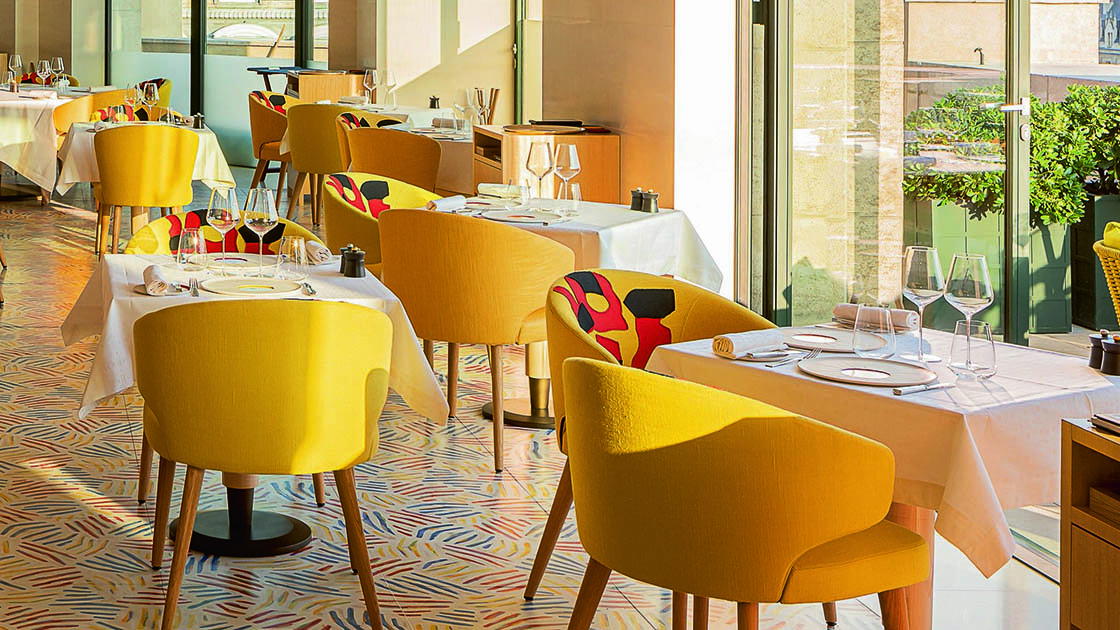
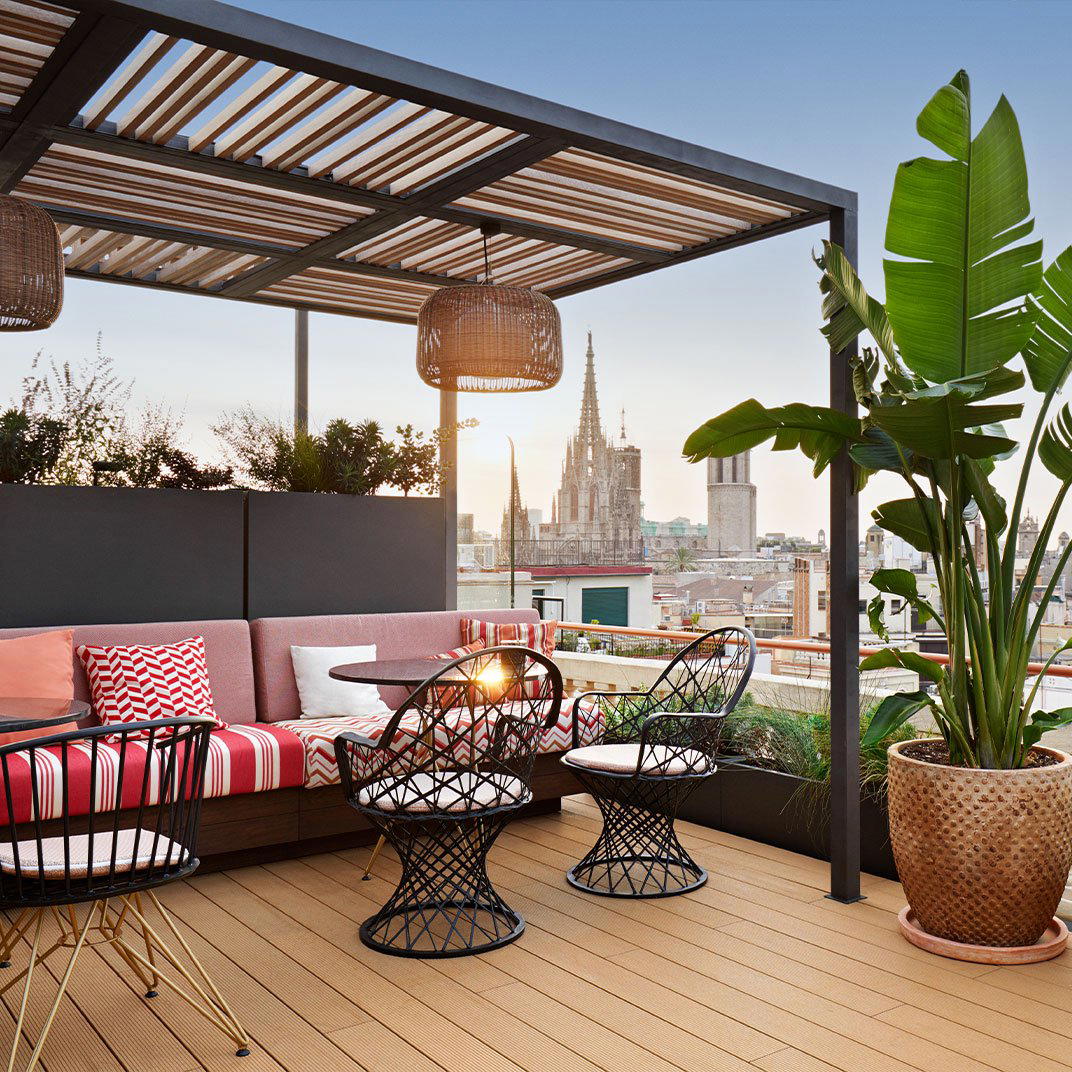
Bars in Barcelona
Browse all →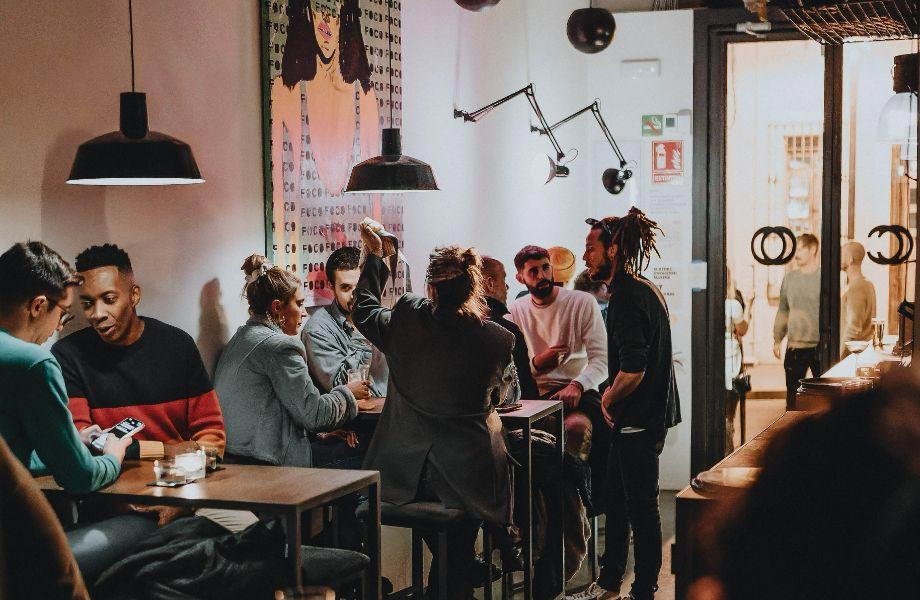
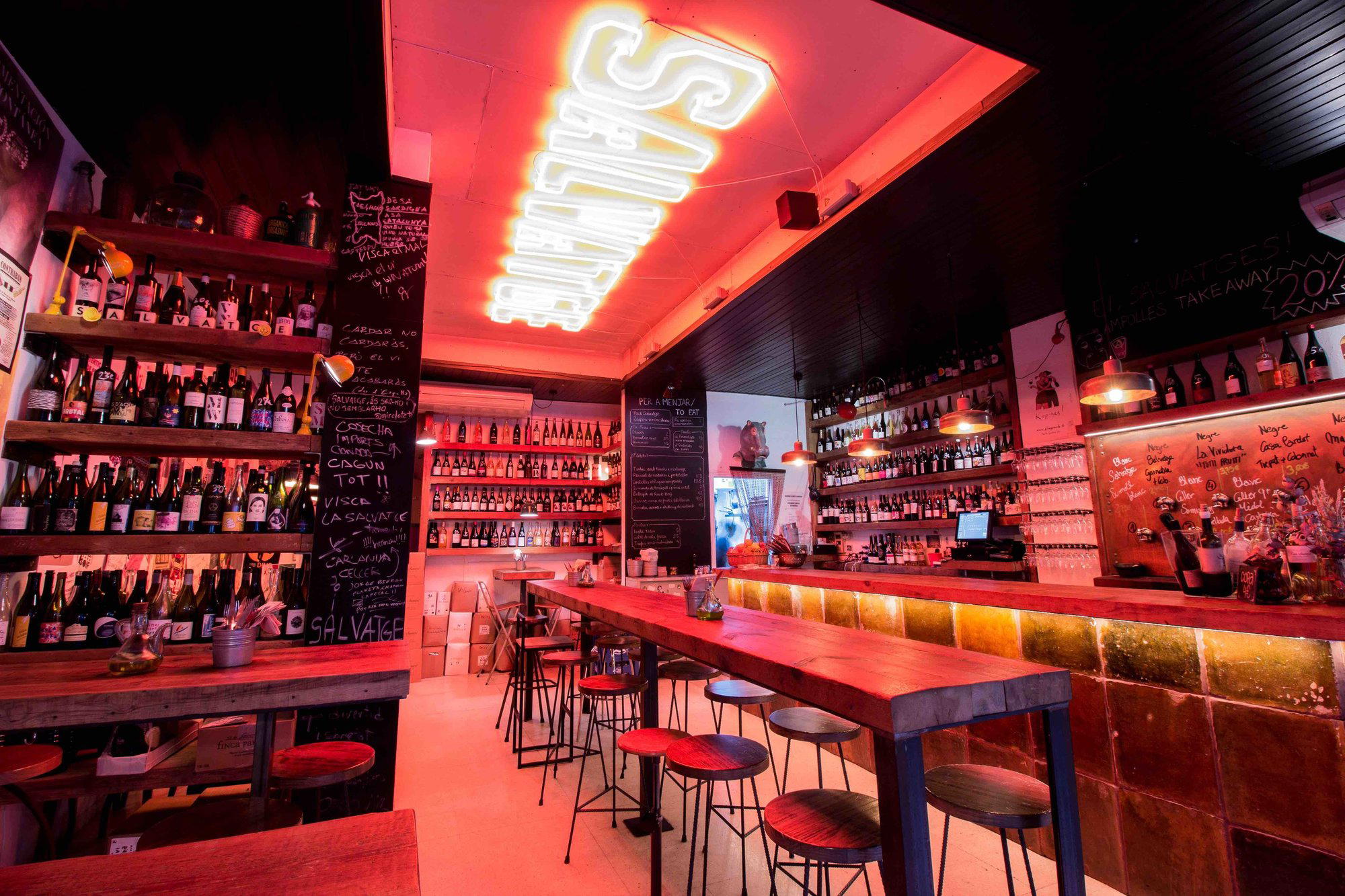
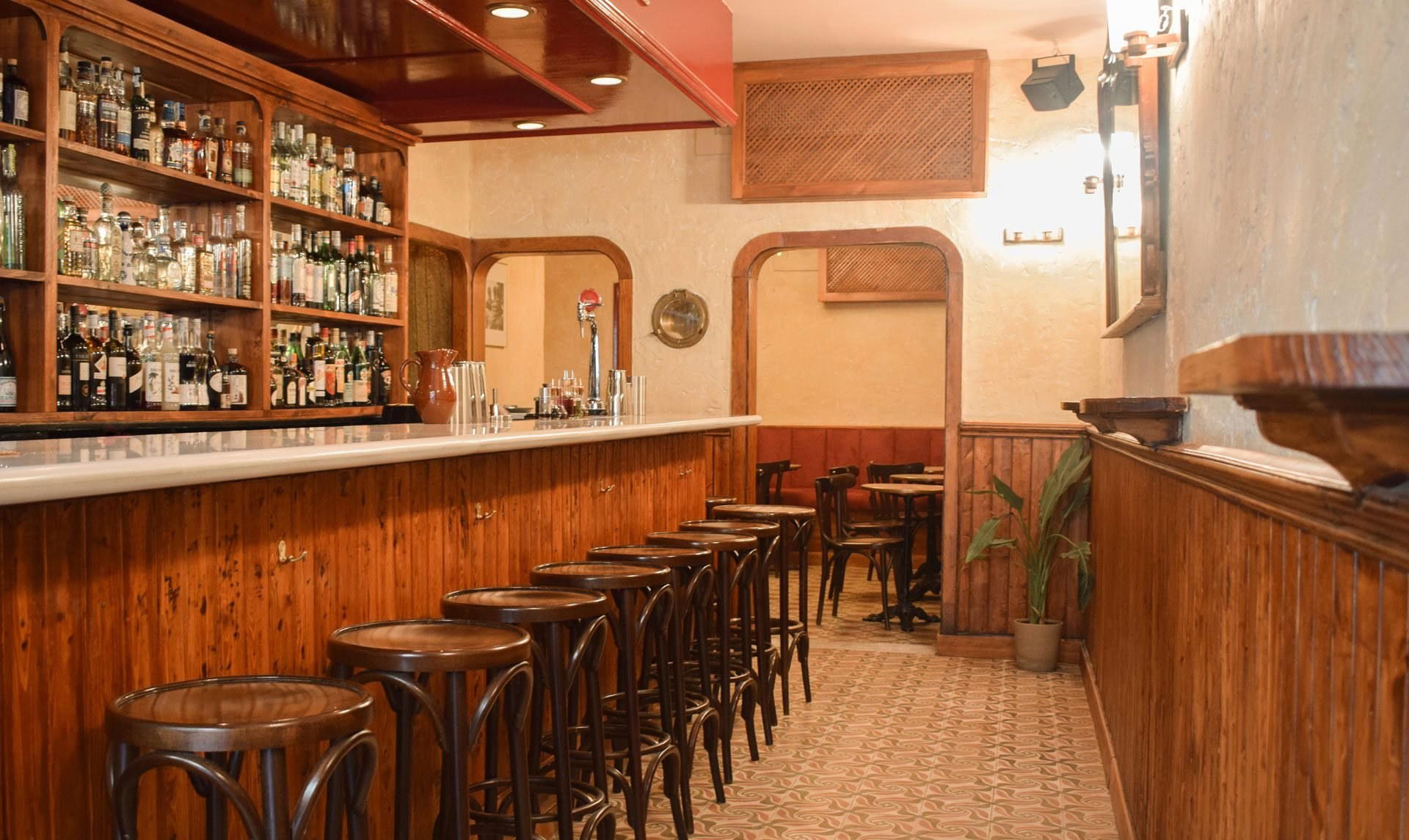
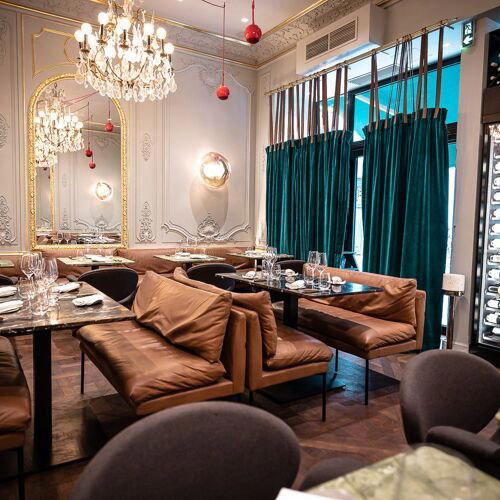
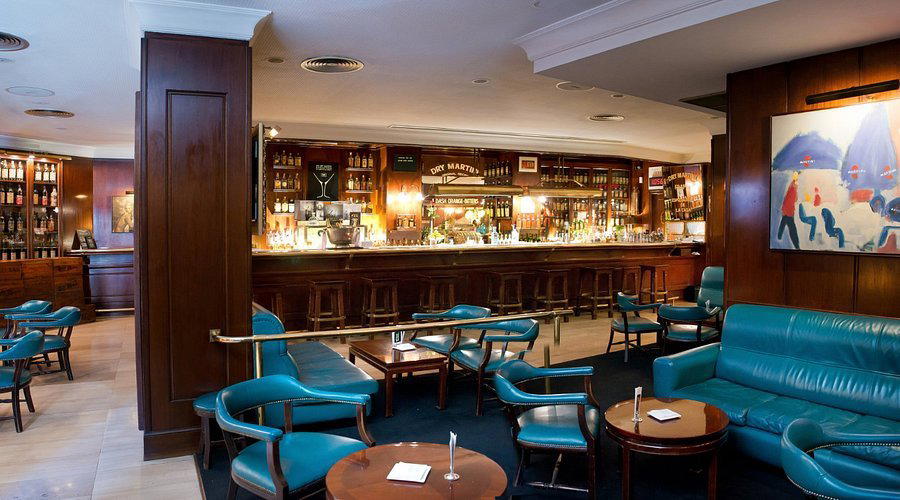
Hotels in Barcelona
Browse all →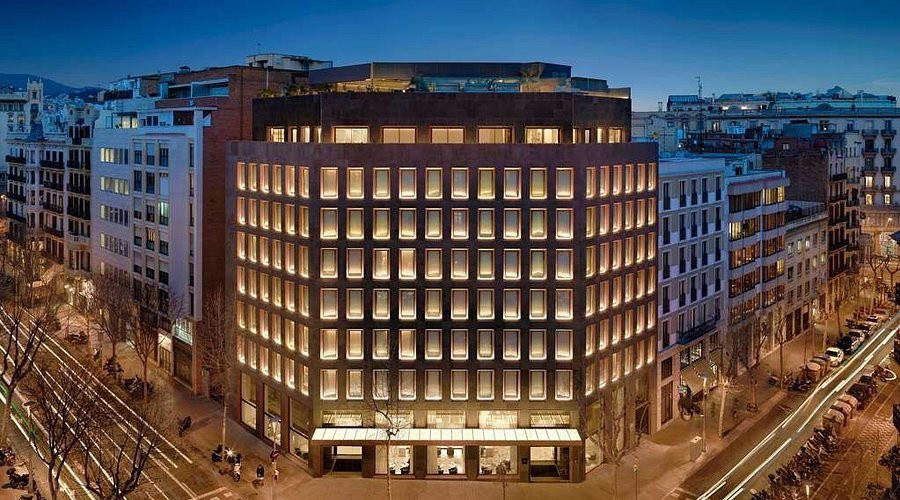
At a Glance
- Cozy
- Rustic
- Intimate
- Casual Hangout
- Date Night
- Terrace
- Natural Wine
Current opening hours
- Monday
- 6 PM–12 AM
- Tuesday
- 6 PM–12 AM
- Wednesday
- 6 PM–12 AM
- Thursday
- 6 PM–12 AM
- Friday
- 6 PM–12 AM
- Saturday
- 12 PM–12 AM
- Sunday
- 12–5 PM
Hours can change for holidays and private events. Last verified .
Nice interior with a laid-back, cocooning atmosphere, slightly noisy street but cozy inside.