Lanchonete e Pizzaria DOG
A neighbourhood lanchonete and pizzaria on Rua Anhanguera in Francisco Morato, DOG occupies the practical middle ground between São Paulo's metropolitan dining circuit and the everyday feeding rhythms of the city's outer municipalities. The format, snacks, hot dogs, and pizza under one roof, reflects a deeply Brazilian casual dining tradition where accessibility and familiarity matter more than culinary spectacle.
Pearl is the En Primeur Club membership app — saves, bookings, and concierge access live there. Same editors, same standards.
- Address
- R. Anhanguera, 496 - Jardim Sao Jose, Francisco Morato - SP, 07911-020, Brazil
- Phone
- +5511950629361
- Website
- lanchonetedog.com.br
- Directions
- Get directions
 Saves & bookings on Pearl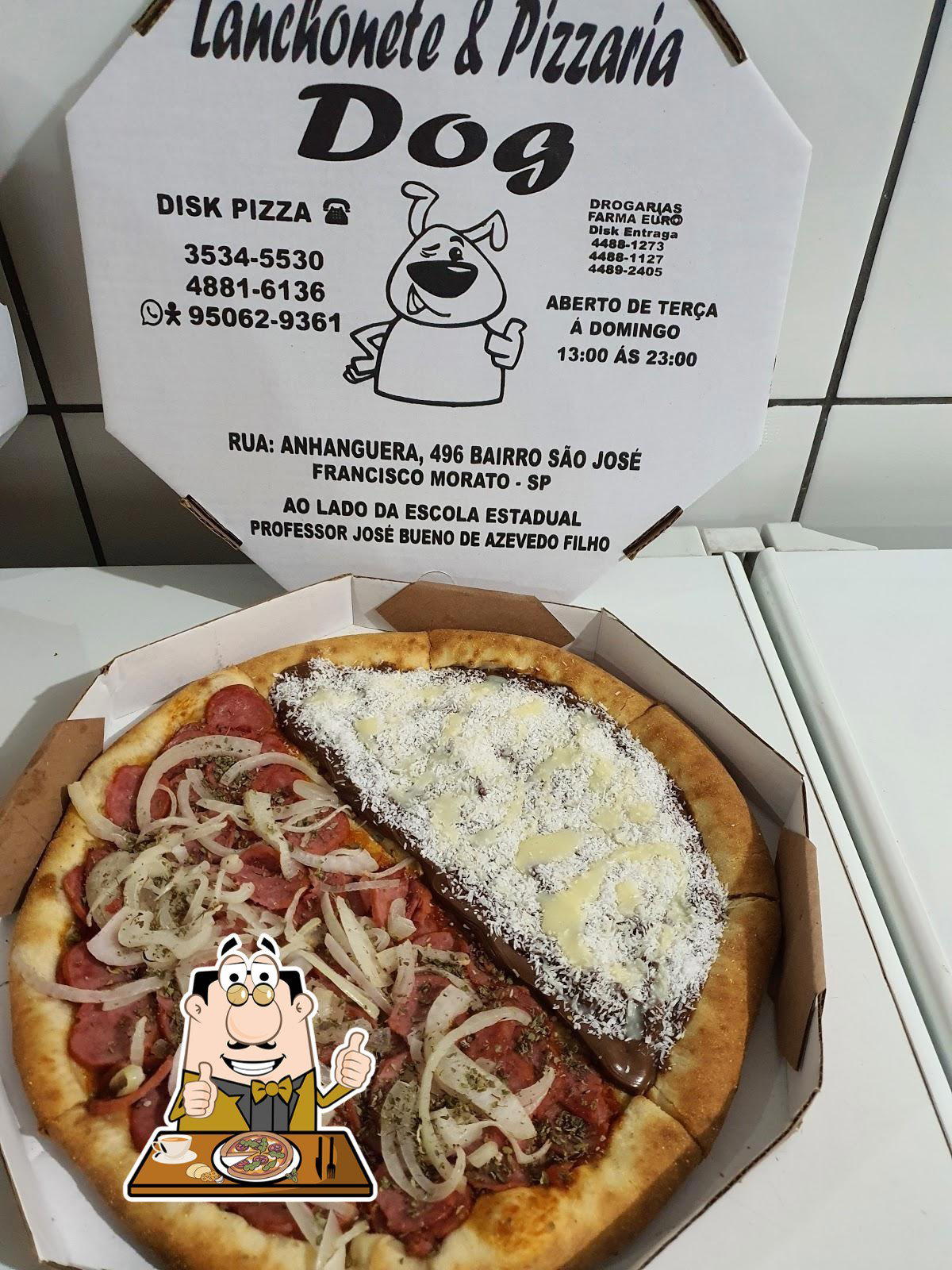
Francisco Morato's Everyday Dining Circuit
São Paulo's metropolitan region extends well beyond the capital's restaurant-dense neighbourhoods, and in the outer municipalities, the dominant dining format is not the tasting menu or the wine-focused bistro. It is the lanchonete: a counter-service or semi-casual spot where hot dogs, burgers, cold drinks, and pizza coexist on a single menu, serving the kind of volume and frequency that sustains working communities. Francisco Morato, a city of roughly 170,000 residents on the Linha 7-Diamante commuter rail corridor, operates within that logic. Lanchonete e Pizzaria DOG is a casual Brazilian pizza and esfiha restaurant in Francisco Morato, Brazil, at R. Anhanguera, 496 in Jardim São José.
The distinction between a lanchonete and a restaurant is not merely one of formality. It reflects a different relationship with food production and the meal occasion. Where São Paulo's high-end circuit, anchored by restaurants like D.O.M. in São Paulo and Lasai in Rio de Janeiro, builds identity around traceability and named producers, the lanchonete tradition is built around consistency and affordability. The ingredients are often sourced through local wholesale markets and regional distribution networks that supply the outer São Paulo municipalities, rather than through the direct-farm or artisan-producer relationships that characterise Brazil's premium dining tier.
The Lanchonete as Ingredient Logic
Understanding what goes into a lanchonete's menu requires understanding how Brazil's outer municipal food supply works. The São Paulo metropolitan periphery relies heavily on CEAGESP-adjacent wholesale channels and local mercadões, where price volatility in staple commodities, bread, processed meats, cheese, tomato-based sauces, directly shapes what ends up on the menu and at what price point. A pizzaria-lanchonete hybrid in Francisco Morato is not sourcing aged mozzarella from a single artisan dairy; it is sourcing at a scale and price that makes a slice of pizza accessible to a student or a construction worker on a lunch break.
Brazil's lanchonete tradition has its own internal standards: the quality of the pão de hot dog, the ratio of sauce to filling, the temperature management of a pizza keeping in a display case versus one made to order. These are the craft details that matter to regulars, and regulars are the entire point. Its peers are the other lanchonetes and pizzarias operating within Francisco Morato's Jardim São José district, competing on price, speed, and the reliability of a known product.
Pizza in São Paulo's Outer Municipalities
São Paulo has among the more active pizza cultures in the world, with the metropolitan region sustaining tens of thousands of pizza operations at every tier of the market. The outer municipalities developed their own pizza vocabulary differently from the capital's Neapolitan-influenced high end or the Paulistana thick-crust tradition of the centro. In cities like Francisco Morato, pizza functions primarily as a quick-service item rather than an occasion-driven meal, and the format often blurs with other snack categories, hence the common combination with hot dogs and burgers under a single lanchonete roof.
Operations like Famosa Pizza in Ribeirão Preto and Fornazzo Pizzaria in Passo Fundo represent how pizza has embedded itself across Brazil's interior cities as a reliable, adaptable format. In Francisco Morato's context, the pizzaria component of a lanchonete typically covers both individual slices and whole pies for table or takeaway, with toppings calibrated to local preference rather than imported convention.
What the Jardim São José Address Tells You
The Jardim São José district places DOG in a residential-commercial corridor typical of Francisco Morato's urban fabric. Rua Anhanguera is a through street, which in Brazilian peripheral city planning usually means a mix of small commerce, repair shops, pharmacies, and food service. The lanchonete in this context functions as neighbourhood infrastructure: it is where someone stops after the commuter train, where a family picks up dinner on a weekday, where a group of workers eats during a lunch window that does not allow time to cook.
Reaching Francisco Morato from central São Paulo most practically means the CPTM Linha 7-Diamante, which connects Francisco Morato to Luz station in the capital. The Rua Anhanguera address is within the city's walkable commercial core relative to the main station, making it reachable on foot or by local transport without difficulty. The format is walk-in by nature, and service times align with standard Brazilian lunch and dinner peaks.
Where DOG Sits in Brazil's Dining Breadth
Brazil's restaurant coverage tends to concentrate editorial attention on the country's premium tier, the Michelin-tracked addresses in São Paulo and Rio, the creative regional cooking projects that attract international food press. What that focus omits is the everyday eating that sustains the country's restaurant activity. Operations like DOG exist in a different register entirely from Le Bernardin in New York City or Atomix in New York City, but they are no less embedded in their local food culture.
For context on how Brazilian casual dining traditions vary across regions, it is worth noting that the lanchonete format in the São Paulo metropolitan periphery shares structural DNA with operations like Aero Burguer e Grill in Santa Cruz do Sul, quick-service, multi-item menus built around accessibility, even as the specific product mix differs. Further afield, Casa da Picanha Penedo in Itatiaia and Camarões Potiguar in Natal show how regional specialisation within Brazil's casual dining tier can produce distinct identities, something that the lanchonete-pizzaria hybrid in an outer São Paulo municipality has not historically pursued as a commercial strategy.
For readers building a broader picture of eating across the São Paulo state interior, Cantina Pozzobon in Santa Maria, Casa da Flor Restaurante in Dourados, and Madê in Santos offer reference points across different price tiers and formats.
Planning a Visit
Lanchonete e Pizzaria DOG is located at R. Anhanguera, 496, Jardim São José, Francisco Morato, SP. No reservation is required or expected; the walk-in format is standard for the category. Francisco Morato is most efficiently reached from São Paulo via the CPTM Linha 7-Diamante from Luz. Operating hours are Mon: Closed; Tue: 6–11 PM; Wed: 6–11 PM; Thu: 6–11:30 PM; Fri: 6–11 PM; Sat: 6–11 PM; Sun: 6–11 PM.
How It Stacks Up
Comparable venues nearby, for context on price, style, and recognition.
| Venue | Cuisine | Price | Notes |
|---|---|---|---|
| Lanchonete e Pizzaria DOGThis venue — the venue you are viewing | Brazilian Pizza and Esfiha | $$ | Not listed |
| Barbacoa | Brazilian Rodizio Steakhouse | $$$ | Pinheiros |
| Charco | Modern Brazilian with South American and Asian influences | $$$ | Jardim Paulista |
| Camorra Restaurante | Brazilian Seafood Internacional | $$$ | Jd. Cica |
| Exímia | Contemporary Brazilian Cocktail Bar | $$$ | Pinheiros |
| Frevo | Brazilian Diner - Beirute Sandwiches | $$ | Jardim Paulista |
Continue exploring
More in Francisco Morato
Restaurants in Francisco Morato
Browse all →
Bars in Francisco Morato
Browse all →
At a Glance
- Casual
- Casual Hangout
Current opening hours
- Monday
- Closed
- Tuesday
- 6–11 PM
- Wednesday
- 6–11 PM
- Thursday
- 6–11:30 PM
- Friday
- 6–11 PM
- Saturday
- 6–11 PM
- Sunday
- 6–11 PM
Hours can change for holidays and private events. Last verified .
Small and cramped indoor space, better suited for takeout than dine-in.