Our verdict
Where São Paulo's Interior Still Eats by the Land Itatiba sits roughly 80 kilometres north of São Paulo city, in a stretch of the state where the agrarian calendar still shapes the table. The town belongs to a corridor of small Paulista...

Pearl is the En Primeur Club membership app — saves, bookings, and concierge access live there. Same editors, same standards.
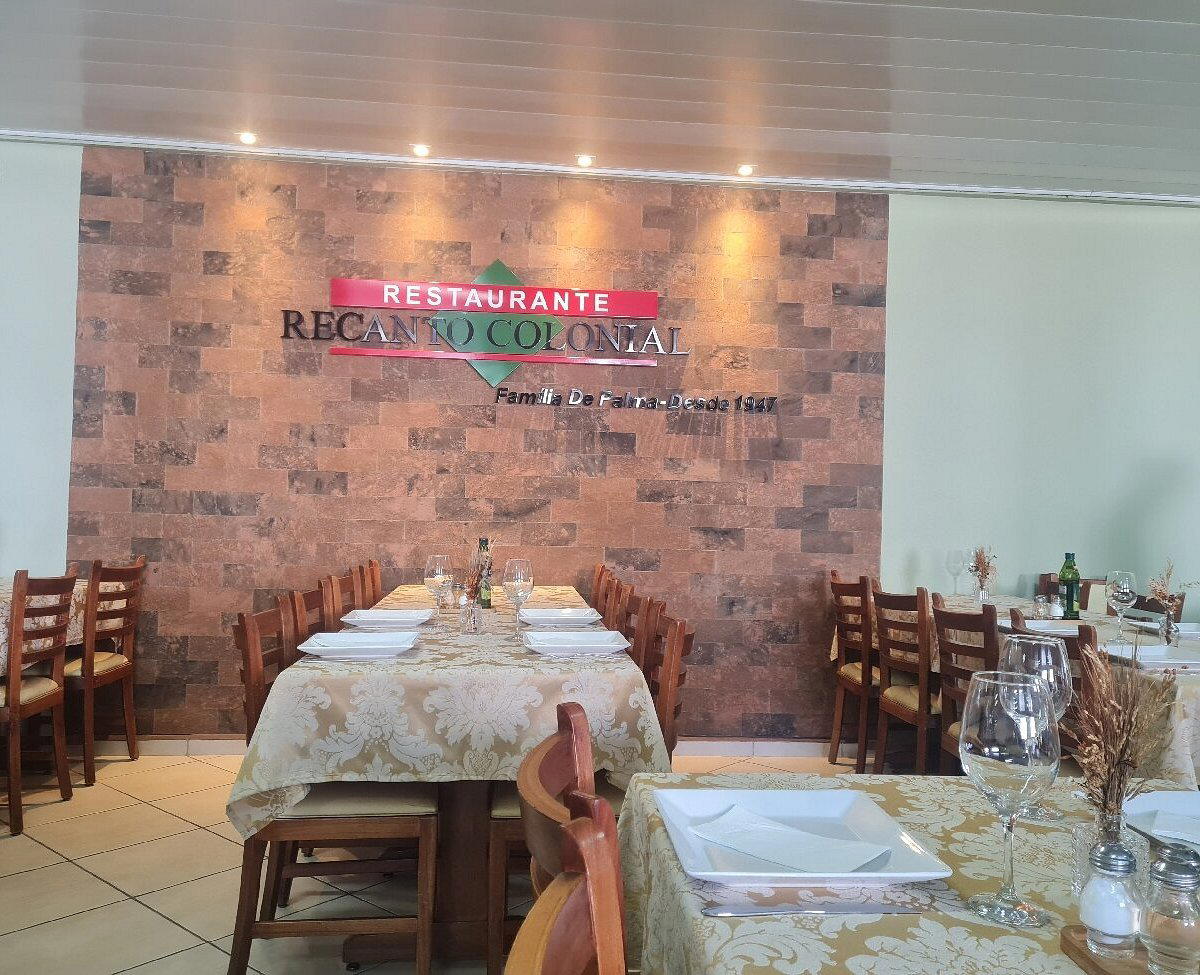
The menu
What to order
- Parmigiana filé
- Filet américain
- Fillet steaks
Where São Paulo's Interior Still Eats by the Land
Itatiba sits roughly 80 kilometres north of São Paulo city, in a stretch of the state where the agrarian calendar still shapes the table. The town belongs to a corridor of small Paulista municipalities — Bragança Paulista, Atibaia, Amparo — that retain a food culture grounded in colonial farmhouse tradition rather than the metropolitan tasting-menu circuit. In that context, Recanto Colonial Restaurante, on Avenida Vinte e Nove de Abril in the Vila Santa Clara neighbourhood, represents something specific: a regional restaurant operating from an address that signals local permanence rather than tourist positioning. The avenue name itself, commemorating a date in municipal history, is the kind of detail that orients a place firmly inside its own city rather than outside it.
The Colonial Tradition on the Paulista Interior Table
The phrase "colonial" in Brazilian restaurant naming carries precise cultural weight, particularly across São Paulo state's interior. It references a tradition of communal, land-anchored cooking: slow-braised meats, dried and cured proteins, rice cooked with fat rendered from the same animals that supplied the main dish, bean preparations that took hours rather than minutes, and side dishes built around whatever the kitchen garden or local market offered that week. This is not a cuisine of technique in the modernist sense. Its logic is one of material honesty: what grows nearby, what preserves well, what feeds a table of several people without waste. São Paulo's interior inherited these patterns from the bandeirante settlements of the seventeenth and eighteenth centuries, later reinforced by European immigrant communities, Italian, German, and Portuguese, whose own agricultural traditions found a compatible grammar in the region's climate and soil. For a broader map of how regional Brazilian cooking operates across different registers, our full Itatiba restaurants guide traces where the town fits inside the state's dining geography.
Ingredient Logic in a Town Still Close to Its Farms
The editorial angle that matters here is sourcing. Itatiba and the surrounding municipalities of the Circuito das Águas Paulista zone have active horticultural producers: small-scale vegetable growers, fruit orchards, poultry operations, and cattle fazendas whose output often circulates through weekly feiras livres rather than commercial distribution chains. A colonial-style restaurant in this setting, if it operates with any fidelity to the tradition it references, would draw from that proximity. The difference between interior Paulista colonial cooking and its urban imitation is precisely this: the real version adjusts to what is actually available from nearby producers, which means the menu shifts with the season and the supplier relationship rather than holding a fixed format year-round. Compare that sourcing logic with what drives destination restaurants at the far end of the spectrum. D.O.M. in São Paulo and Lasai in Rio de Janeiro have built nationally recognised programs around Brazilian ingredient research, but their register is rarefied and their price point places them in a different conversation entirely. What the colonial format in a town like Itatiba offers is the same sourcing principle operating at a neighbourhood scale, without the curatorial apparatus. The result is less legible to an international audience but arguably more integrated into its actual food system.
Reading Recanto Colonial in Its Competitive Context
Within Itatiba, Recanto Colonial Restaurante's position on Avenida Vinte e Nove de Abril gives it a central residential address rather than a highway-strip or commercial-district location, which in smaller Paulista cities typically corresponds to a clientele of local families and established regulars rather than passing trade. This is a meaningful signal. Restaurants that sustain themselves on repeat local custom in a mid-sized interior city operate under different pressures than destination venues: consistency and value retention matter more than innovation cycles, and the format tends toward generous portions over architectural plating. Other Brazilian regional formats worth comparing across different city types include Camarões Potiguar in Natal, Cantina Pozzobon in Santa Maria, and Madê in Santos. Each anchors in a local food tradition and builds its audience from the ground up rather than seeking external validation. At the further end of Brazil's restaurant spectrum, places like Bistro Fitz Carraldo in Manaus and Arte e Café Imperial in Angra dos Reis show how regional specificity plays out in very different geographical and cultural contexts. For international comparison, the sourcing-first logic that drives colonial Brazilian cooking shares a philosophical baseline with what internationally recognised restaurants like Le Bernardin in New York City and Atomix in New York City pursue at the elite level, though the execution and price register are entirely different.
Planning a Visit to Vila Santa Clara
Itatiba is accessible by road from São Paulo in under two hours depending on departure point and traffic, making it viable as a day-trip or short-stay destination for those exploring the interior. The Vila Santa Clara neighbourhood where Recanto Colonial sits is a residential area within the municipality rather than a tourist corridor, so the experience is one of arriving at a neighbourhood restaurant on a local street. Given the absence of published booking details in the available record, the direct approach is to visit in person or call ahead when specific hours have been confirmed locally. Visitors arriving from the broader São Paulo state circuit might also cross-reference other interior dining options through resources like Famosa Pizza in Ribeirão Preto, Casa da Picanha Penedo in Itatiaia, or Casa da Flor Restaurante in Dourados to build a broader picture of regional Brazilian dining outside the metropolitan axis. Other grilled-format specialists worth noting in different Brazilian cities include Aero Burguer e Grill in Santa Cruz do Sul. For those who want contrast in dining register, Kampeki Sushi in Canoas and Fornazzo Pizzaria in Passo Fundo illustrate how non-Brazilian formats embed themselves in the interior-city context across the south of the country.
Frequently asked questions
Would Recanto Colonial Restaurante be comfortable with kids?
The colonial restaurant tradition in São Paulo's interior is built around the family table — large-format meals, shared portions, and a pace that accommodates different ages at the same sitting. Recanto Colonial's residential address on Avenida Vinte e Nove de Abril in Vila Santa Clara, Itatiba, places it in a neighbourhood context rather than a high-traffic commercial strip, which generally supports a more relaxed, family-oriented atmosphere. check the venue's official channels to confirm seating arrangements and any specific provisions for children.
Is Recanto Colonial Restaurante better for a quiet night or a lively one?
Colonial-style restaurants in the Paulista interior typically run at full energy during Sunday lunch, when families gather for extended meals, and quieter mid-week sittings draw a more local, neighbourhood crowd. Recanto Colonial sits on Avenida Vinte e Nove de Abril in Itatiba's Vila Santa Clara, a residential quarter that shapes its baseline register toward communal rather than nightlife energy.
Is Recanto Colonial Restaurante a good option for visitors coming from São Paulo city for the day?
Itatiba sits approximately 80 kilometres north of São Paulo city, making Recanto Colonial Restaurante on Avenida Vinte e Nove de Abril a plausible day-trip destination for those exploring the Circuito das Águas Paulista zone. The colonial restaurant format is well suited to a midday meal that anchors a broader itinerary through the town and surrounding farmland. Road access from São Paulo is the primary route, with journey times varying by departure point and traffic conditions.
What do people recommend at Recanto Colonial Restaurante?
The colonial table format in São Paulo's interior is anchored by land-driven staples: slow-cooked pork cuts, bean dishes, rice prepared in wood-fired or country styles, and preserves that reflect the agrarian calendar of towns like Itatiba and its neighbouring municipalities. As no specific menu data is published in available editorial records for Recanto Colonial, the reliable approach is to follow whatever the kitchen signals as the day's offering — in this tradition, the rotation follows what is in season and what arrived from nearby farms.
Where do I go for Recanto Colonial Restaurante?
Recanto Colonial Restaurante is located at Av. Vinte e Nove de Abril, 350 - Vila Santa Clara, Itatiba - SP, 13256-000, Brazil, Itatiba.
In Context: Similar Options
Comparable venues nearby, for context on price, style, and recognition.
| Venue | Cuisine | Price | Notes |
|---|---|---|---|
| Recanto Colonial RestauranteThis venue — the venue you are viewing | Traditional Brazilian | $10–20 | Not listed |
| Kostela do Japonês | Brazilian Rib Steakhouse | $10–20 | Distrito Industrial João Narezzi |
| Restaurante em Sorocaba l Horse BBQ - Smoke´n Grill | Brazilian BBQ Smokehouse | Not listed | Jardim Santa Rosália |
| Açougue Central | Modern Brazilian Churrascaria | $30–50 | Vila Madalena |
| Casa D'Boa | Brazilian-Mexican Fusion | Not listed | Embaré |
| Snacks Salgados de Festa Guarujá - Coxinha Top p/ Lanche | Brazilian Salgados & Coxinha | $1–10 | Guarujá |
Continue exploring
More in Itatiba
Restaurants in Itatiba
All restaurants in Itatiba →
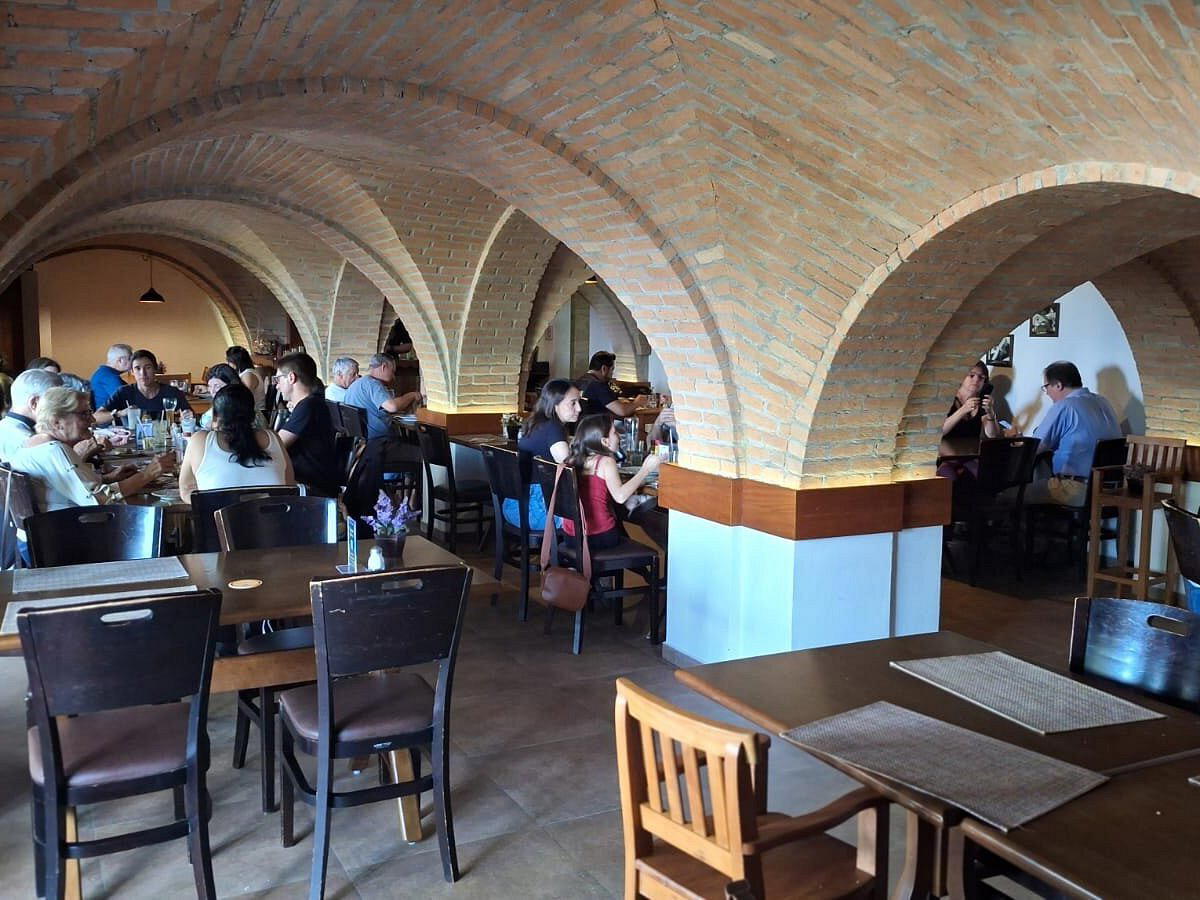
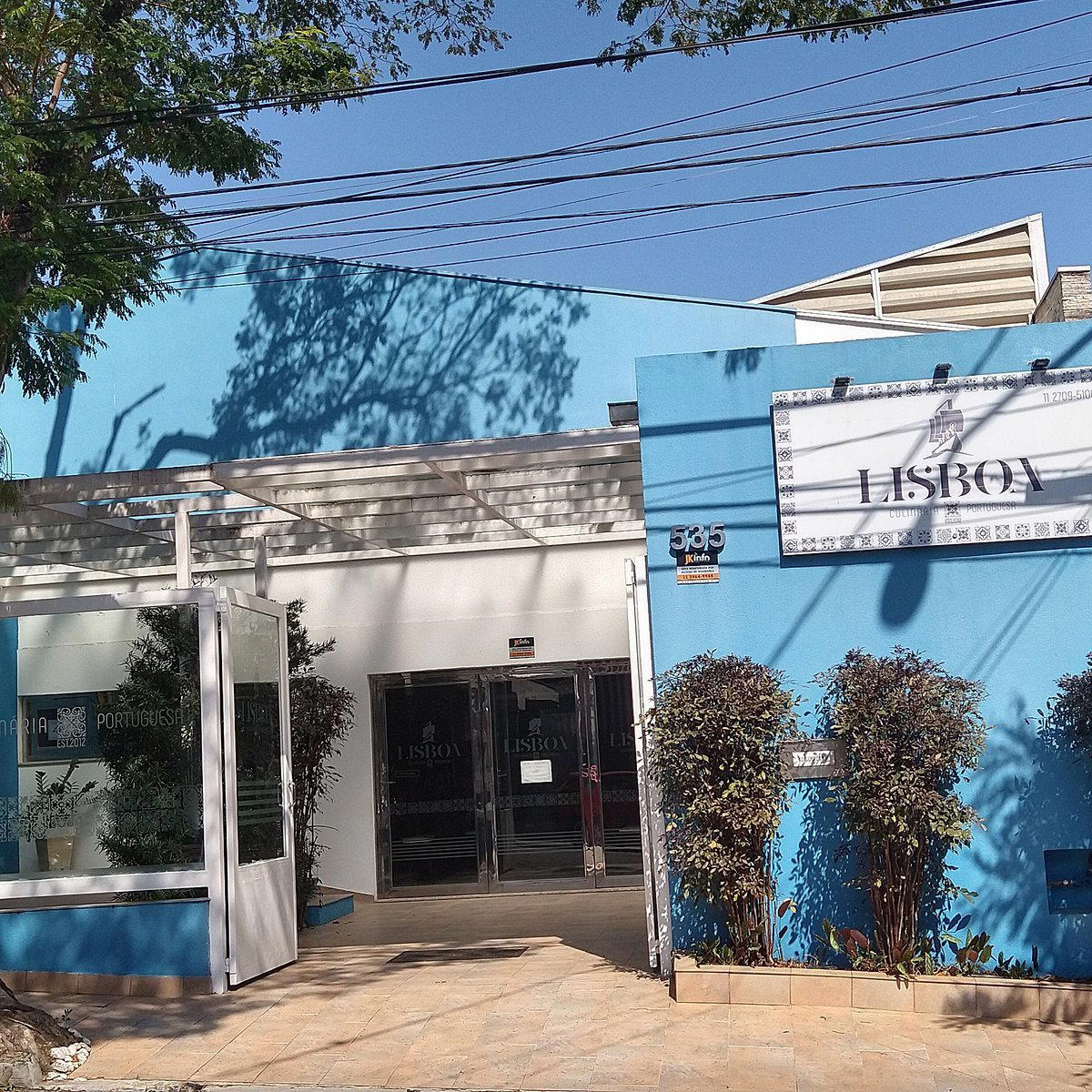
Bars in Itatiba
Browse all →
Details
- Classic
- Rustic
- Family
- Casual Hangout
- Historic Building
- A La Carte
Current opening hours
- Monday
- 11:30 AM–2:30 PM
- Tuesday
- 11:30 AM–2:30 PM
- Wednesday
- 11:30 AM–2:30 PM
- Thursday
- 11:30 AM–2:30 PM
- Friday
- 11:30 AM–2:30 PM
- Saturday
- 11:30 AM–3:30 PM
- Sunday
- 11:30 AM–3:30 PM
Hours can change for holidays and private events. Last verified .
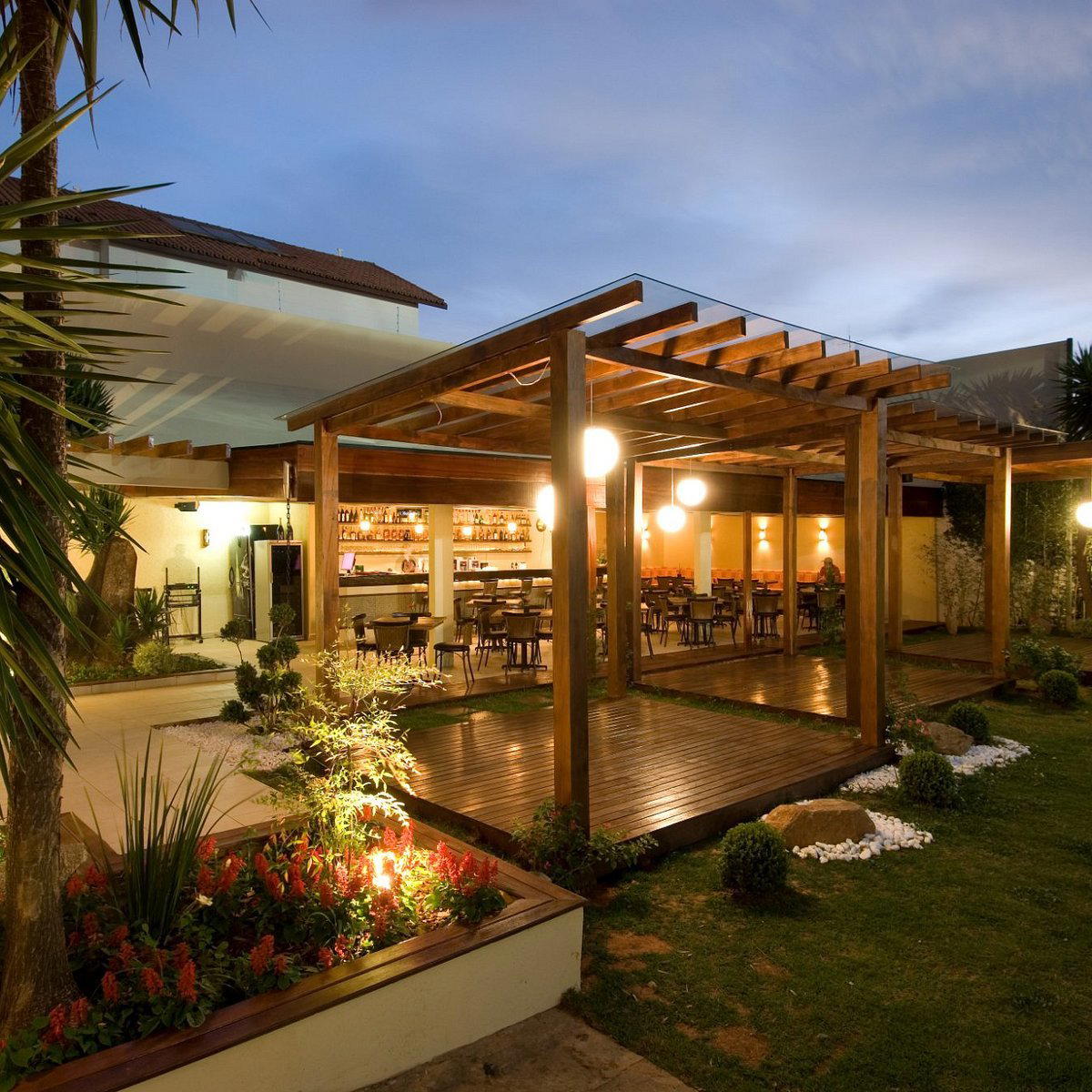
Warm and traditional colonial atmosphere in a large, welcoming space.