In Atibaia's Vila Thais neighbourhood, SHINRYU Restaurante Japonês brings Japanese dining traditions to a city better known for strawberry farms and mountain air than kaiseki. The address on Alameda Prof. Lucas Nogueira Garcez places it within reach of the town centre, offering a quiet counterpoint to the region's weekend-trip gastronomy. For visitors tracing Brazil's broader Japanese culinary diaspora, it serves as a local reference point worth noting.
Pearl is the En Primeur Club membership app — saves, bookings, and concierge access live there. Same editors, same standards.
- Address
- Alameda Prof. Lucas Nogueira Garcez, 2554 - Vila Thais, Atibaia - SP, 12942-020, Brazil
- Phone
- +551144023358
- Website
- shinryu.com.br
- Directions
- Get directions
 Saves & bookings on Pearl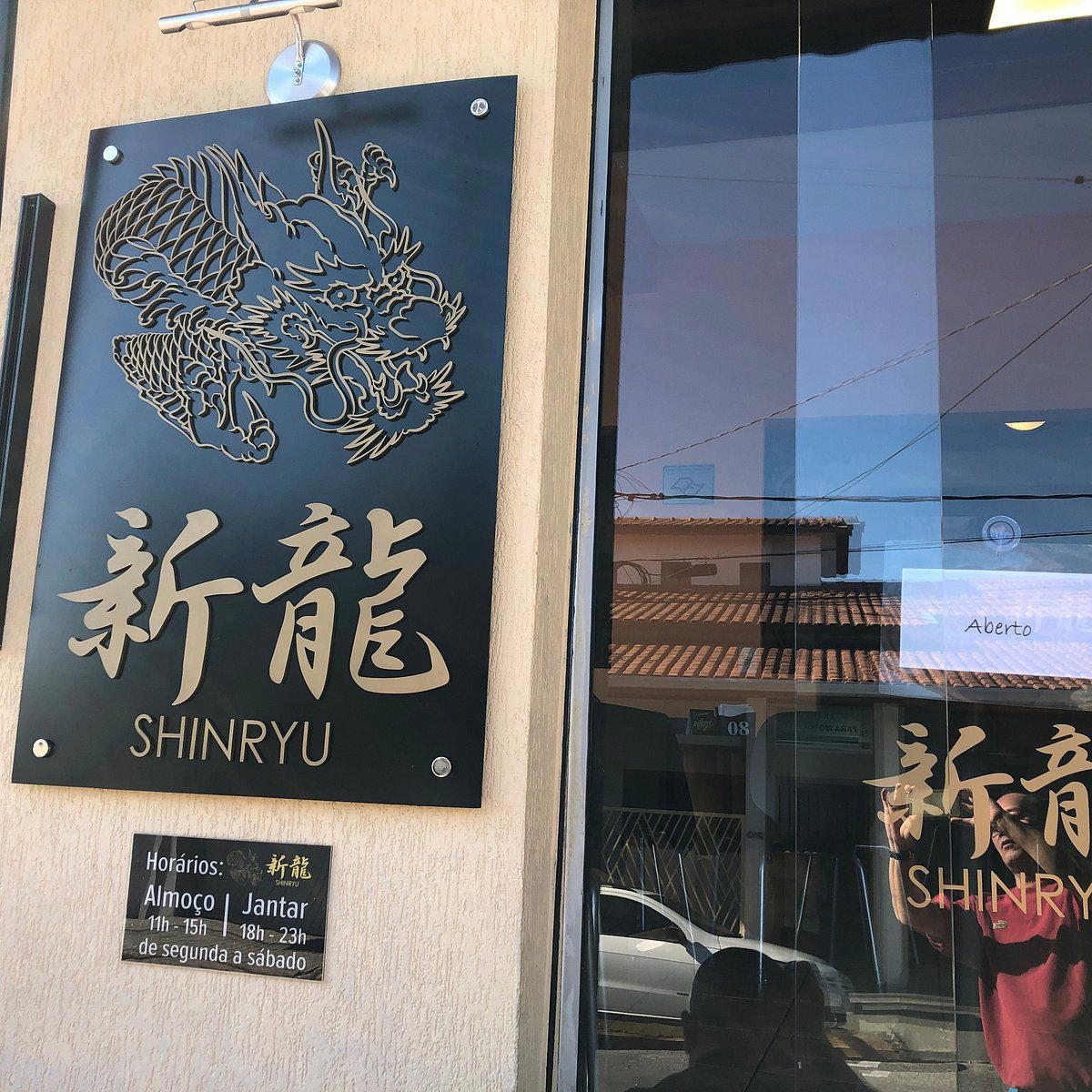
Japanese Dining in the Interior of São Paulo State
Brazil holds one of the largest Japanese diaspora communities outside Japan, and that demographic reality has shaped restaurant culture across cities that international food media rarely covers. São Paulo city gets most of the attention, where restaurants like D.O.M. in São Paulo anchor conversations about fine dining, and where the Liberdade neighbourhood functions as the historical centre of Japanese-Brazilian food culture. But the influence extends well beyond the capital's ring roads. In smaller cities across the interior of São Paulo state, Japanese restaurants have become part of the everyday dining fabric in ways that reflect genuine community roots rather than culinary trend-following.
Atibaia sits roughly 60 kilometres northeast of São Paulo city, a drive that takes between one and two hours depending on traffic on the Fernão Dias highway. The town draws weekend visitors for its strawberry season, its cooler mountain climate, and its rose farms, but its restaurant scene has developed independently of that tourism identity. Mr. Ice Sorvetes to Pizzaria Veraci, and Japanese dining occupies a consistent place within that mix.
The Ritual of the Japanese Meal in a Brazilian Interior City
Japanese dining carries a set of customs that travel intact even when the context shifts from Tokyo to a smaller Brazilian city. The meal is structured around sequence and patience: soup before sashimi, rice arriving at a particular moment, the implicit understanding that each course carries its own tempo. In Japan, this pacing is codified through formats like kaiseki or omakase. In the Brazilian interior, those formats rarely appear in their strict traditional form, but the underlying logic of the Japanese meal, its respect for product quality, its preference for restraint over excess, often persists in how kitchens approach sourcing and presentation.
SHINRYU Restaurante Japonês, located at Alameda Prof. Lucas Nogueira Garcez, 2554 in Vila Thais, operates within this tradition. The address places the restaurant in a residential stretch of Atibaia rather than a commercial strip, which sets the tone before a guest even enters. Restaurants in this kind of setting tend to rely on regulars and word-of-mouth more than foot traffic, which in turn tends to concentrate quality on the plate rather than on spectacle in the room.
For diners accustomed to the high-pressure booking dynamics of Japanese restaurants in São Paulo city or internationally, where counters at premium omakase venues fill months in advance and pricing can reach four-figure sums per person, the Japanese restaurant scene in smaller Brazilian cities operates on a different register. The comparison is instructive rather than diminishing: what venues like SHINRYU offer is access to Japanese dining traditions without the logistical friction that defines the upper tier of the format. Brazil's broader restaurant culture, from Lasai in Rio de Janeiro to specialist counters in Canoas like Kampeki Sushi, shows how Japanese culinary influence has distributed itself unevenly but persistently across the country's geography.
What to Expect at the Table
What the Brazilian Japanese restaurant tradition at this level typically offers is a menu built around sushi, sashimi, hot dishes such as yakisoba or tempura, and often a set lunch or combo format that functions as the accessible entry point. The kitchen's relationship with ingredient sourcing, particularly fresh fish, is the variable that separates restaurants in this category most clearly. In interior cities, the cold chain for high-quality seafood is longer than in coastal centres, which places a premium on kitchens that manage that logistics carefully.
Atomix in New York City and Le Bernardin in New York City represent one end of the formality and price spectrum; a neighbourhood Japanese restaurant in Atibaia operates at the other, with different expectations on both sides of the equation.
Atibaia as a Dining Destination
Atibaia's food scene benefits from its position as a weekend destination for São Paulo residents, which has gradually raised expectations without pushing prices to capital-city levels. Visitors who arrive for strawberry picking or the Parque Municipal often find the dining options more considered than the town's tourist-brochure identity would suggest. Japanese restaurants in particular have a stable audience here, partly because of the state's broader demographic composition and partly because the format suits the relaxed weekend-trip pace that most visitors bring with them.
Across Brazil's interior, Japanese restaurants have followed a similar pattern to Italian ones, becoming embedded in the local dining culture rather than remaining positioned as exotic or specialist. Venues like Cantina Pozzobon in Santa Maria or Bistro Fitz Carraldo in Manaus illustrate how regional cities develop their own culinary identities independent of what happens in Rio or São Paulo. SHINRYU fits that broader pattern: a Japanese restaurant that serves a local audience that knows what it wants rather than tourists discovering the format for the first time.
Planning Your Visit
SHINRYU Restaurante Japonês is located at Alameda Prof. Lucas Nogueira Garcez, 2554, Vila Thais, Atibaia, SP 12942-020. Current opening times are Mon: 11 AM to 11 PM; Tue: 11 AM to 11 PM; Wed: 11 AM to 11 PM; Thu: 11 AM to 11 PM; Fri: 11 AM to 11:30 PM; Sat: 11 AM to 11:30 PM; Sun: Closed. Atibaia is accessible by car from São Paulo city via the Fernão Dias highway, and by bus from the Tietê terminal. Visitors combining the restaurant with other stops in the region might also consider the broader São Paulo interior dining circuit, which includes venues such as Famosa Pizza in Ribeirao Preto and Casa da Flor Restaurante in Dourados for a sense of how the region's restaurant culture varies across different cities and cuisines.
Cuisine-First Comparison
Comparable venues nearby, for context on price, style, and recognition.
| Venue | Cuisine | Price | Notes |
|---|---|---|---|
| SHINRYU Restaurante JaponêsThis venue — the venue you are viewing | Japanese Sushi Restaurant | $$$ | Not listed |
| Mr. Ice Sorvetes | Açaí & Ice Cream | $ | Atibaia |
| Pizzaria Veraci | Neapolitan Pizza | $$ | Jardim Paulista |
| Maki Sushi | Japanese Sushi Rodízio | $$ | City Center |
| Iroha Sushi Leopoldina Restaurante Japonês | Japanese Sushi and Rodízio | $$ | Vila Leopoldina |
| Kobu Sushi | Japanese Sushi | $$$ | Cidade Jardim |
At a Glance
- Cozy
- Elegant
- Date Night
- Family
- Sake Program
Current opening hours
- Monday
- 11 AM–11 PM
- Tuesday
- 11 AM–11 PM
- Wednesday
- 11 AM–11 PM
- Thursday
- 11 AM–11 PM
- Friday
- 11 AM–11:30 PM
- Saturday
- 11 AM–11:30 PM
- Sunday
- Closed
Hours can change for holidays and private events. Last verified .
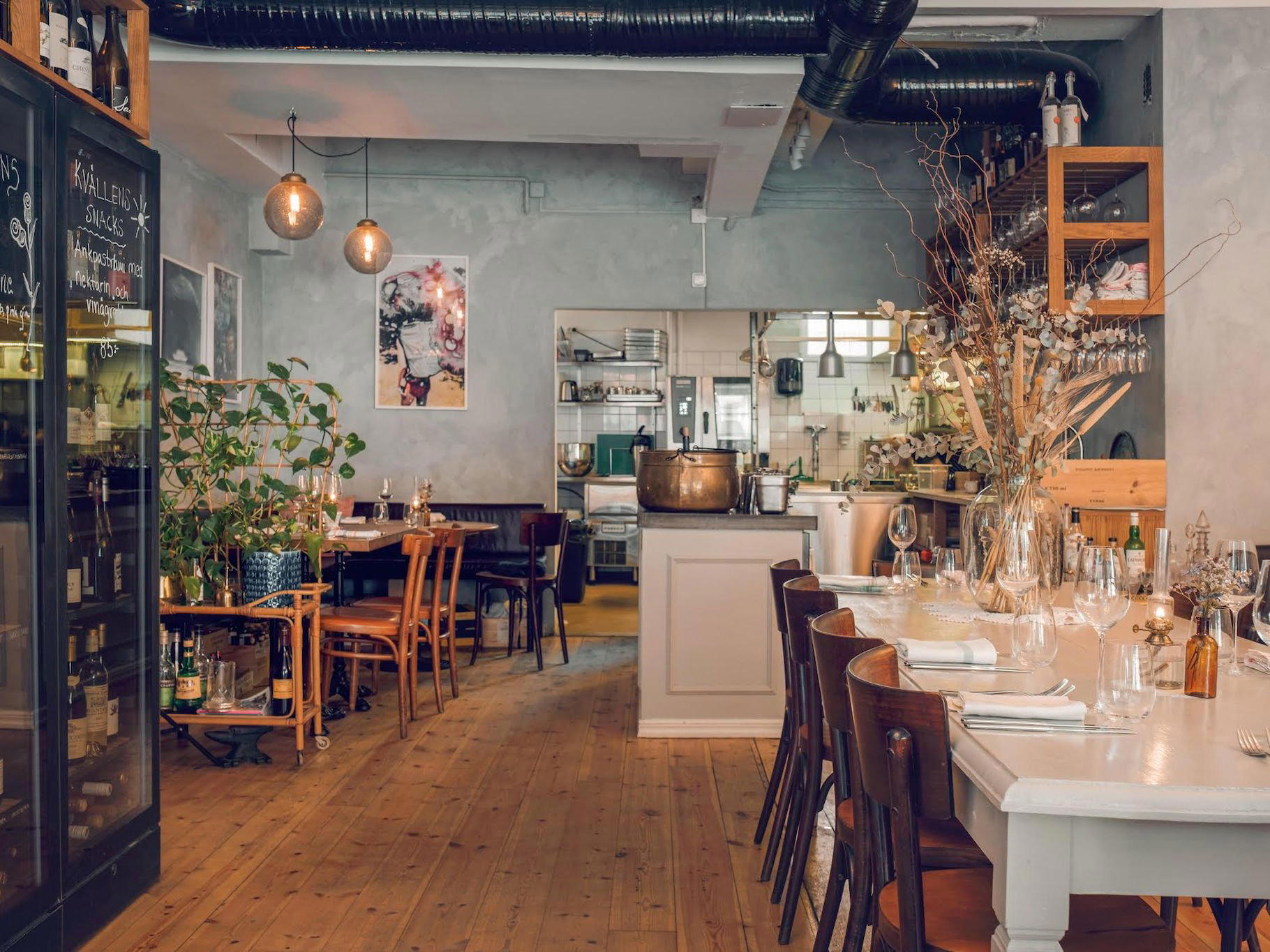
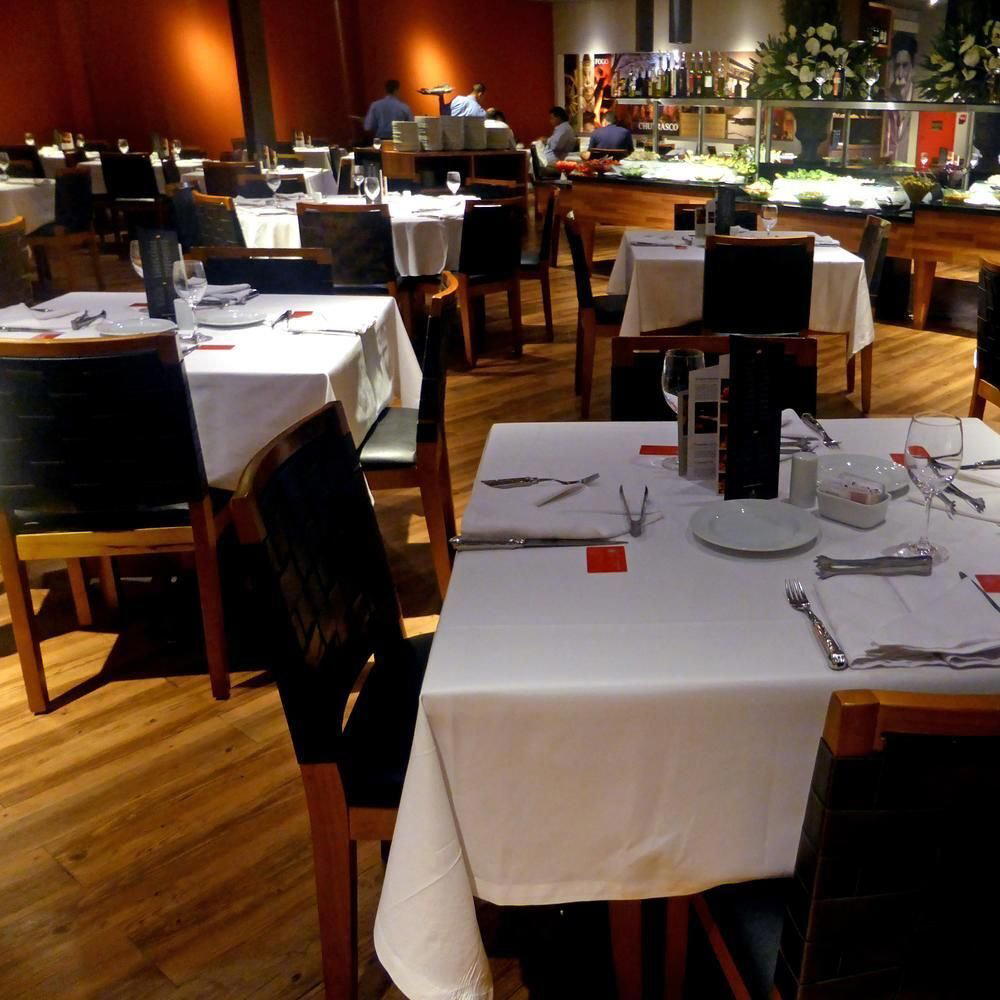
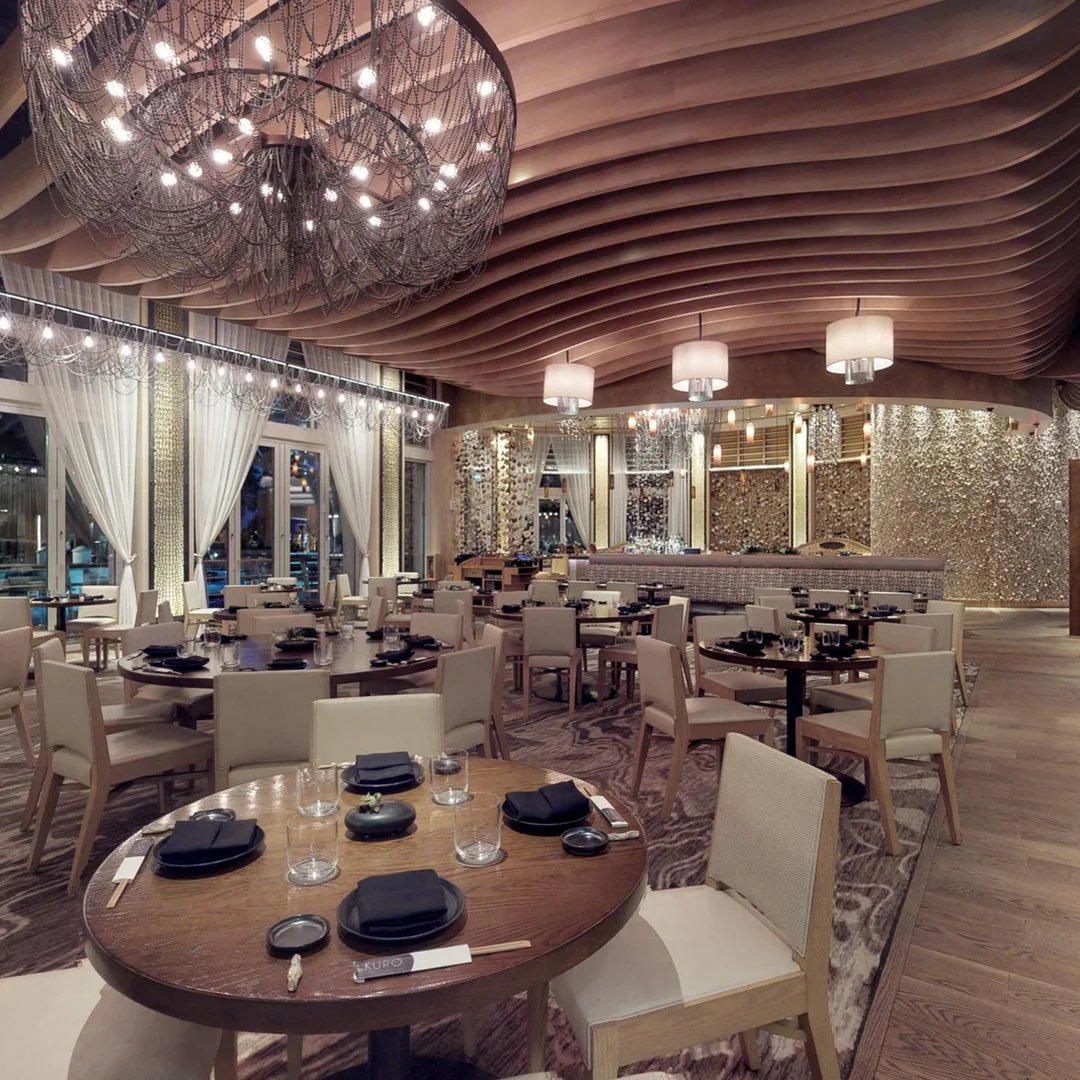
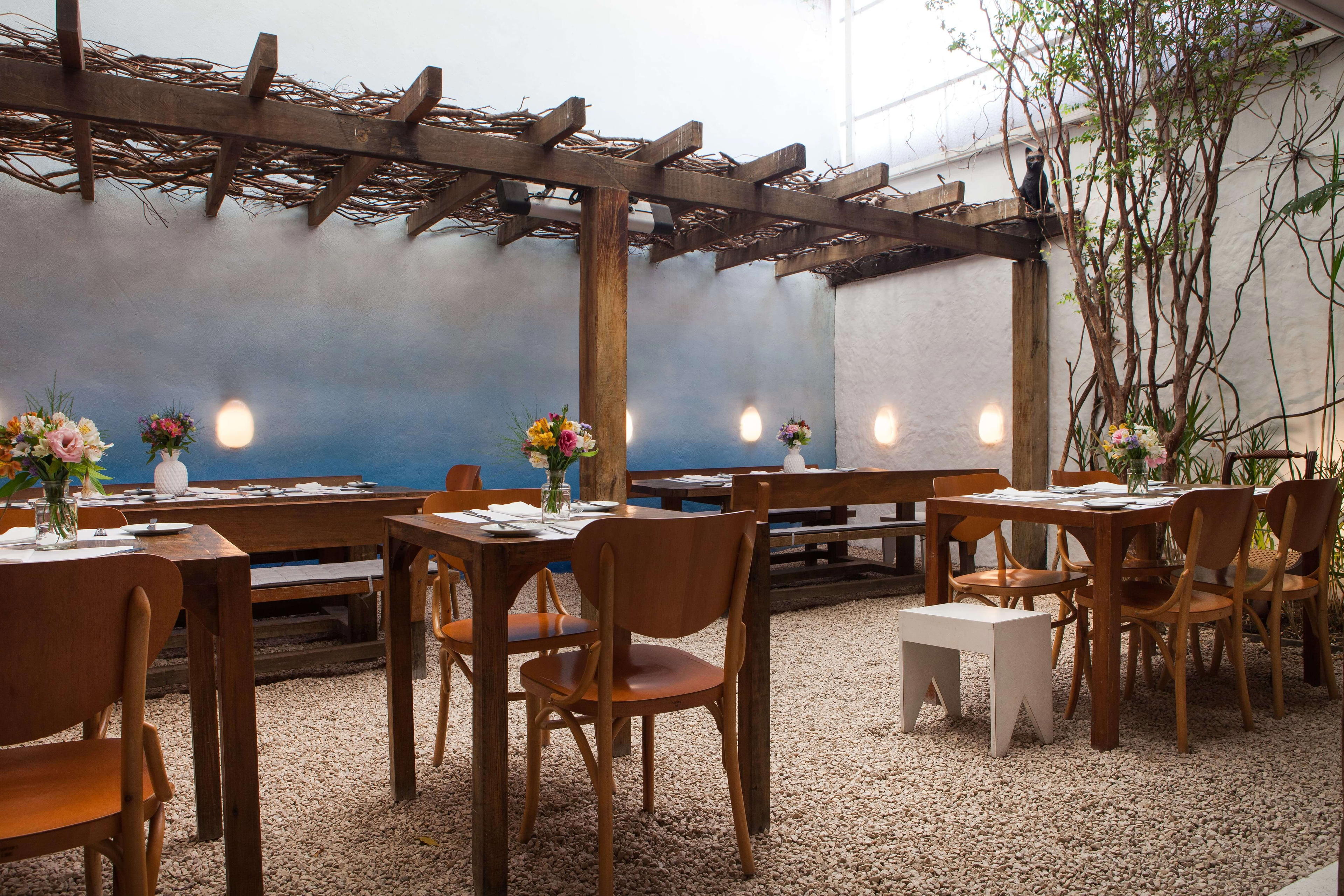
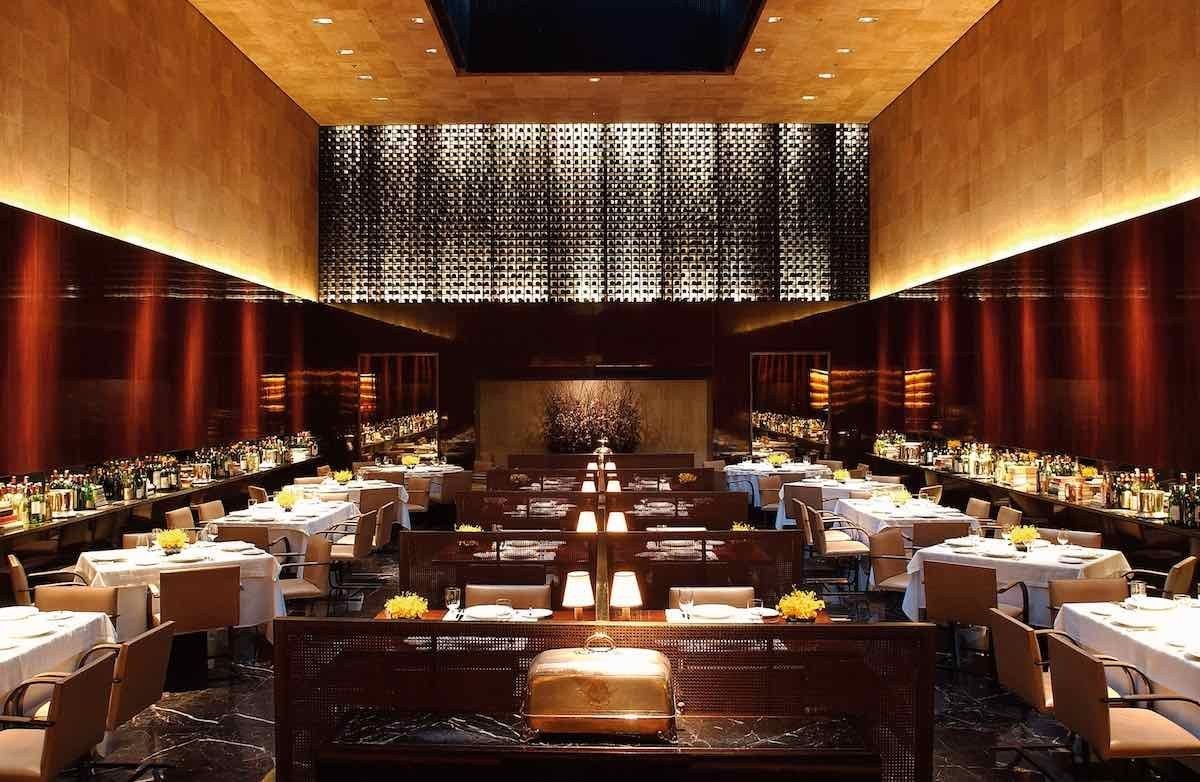
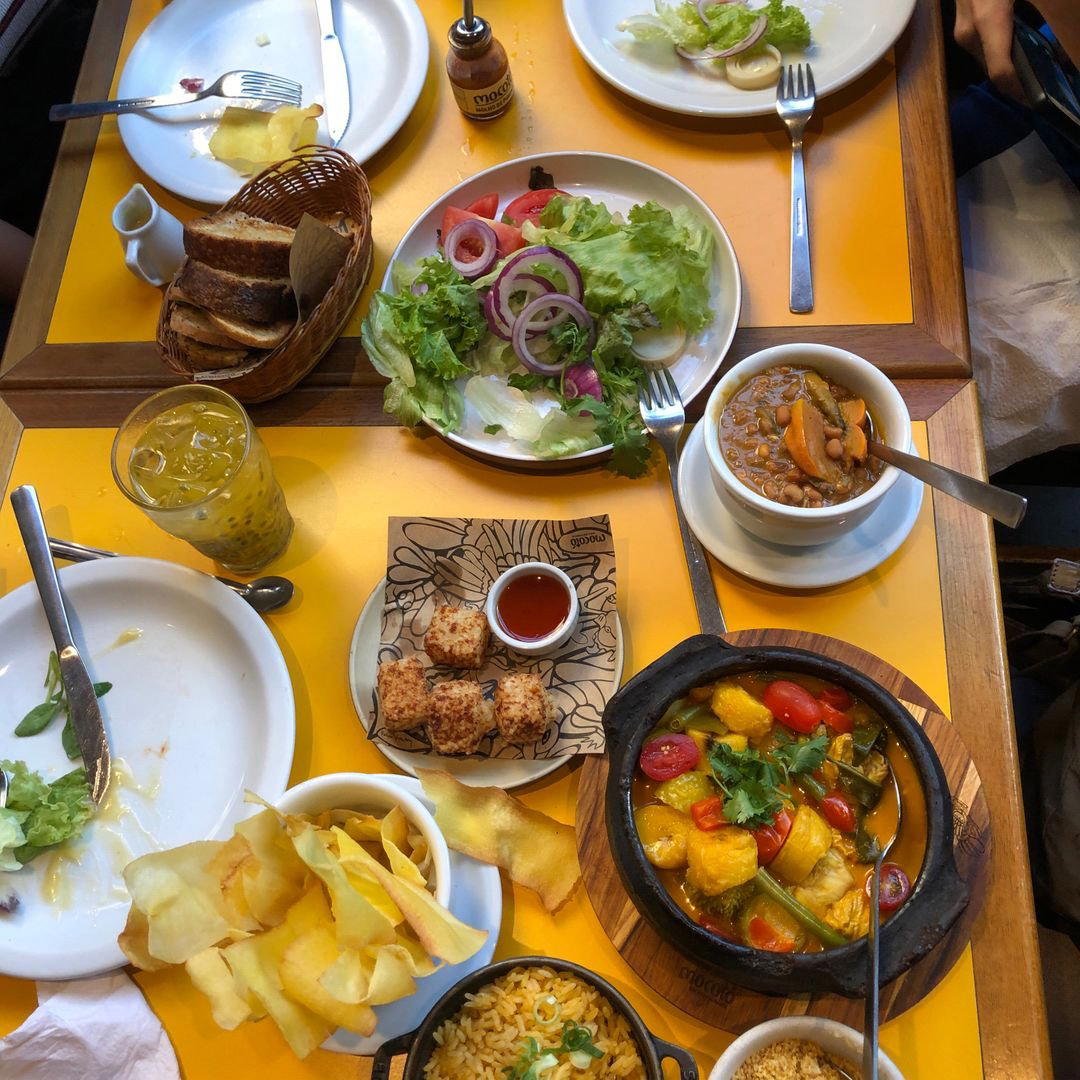
Aconchegante (cozy) with elegant presentation of dishes.