Our verdict
Dalva e Dito occupies a respected position in São Paulo's Cerqueira César neighbourhood, where Brazilian comfort cooking meets considered wine programming. The address on Rua Padre João Manuel places it within easy reach of the city's most serious dining corridor, and the room draws a crowd that comes as much for the cellar as for the plate.

Pearl is the En Primeur Club membership app, where members save venues, book tables and use the concierge.

The menu
What to order
- Aligot com Filé Mignon
- Polvo a Vinagrete
- Virado à Paulista
Cerqueira César and the Case for Rooted Brazilian Cooking
São Paulo's Cerqueira César district has long functioned as the city's most dependable address for serious restaurant-going. The neighbourhood sits between the financial density of Paulista and the residential calm of Jardins, which means it draws a crowd that eats out frequently and forms opinions quickly. Rua Padre João Manuel, where Dalva e Dito holds its address at number 1115, concentrates some of the city's most committed kitchens within a few blocks. The street is not a tourist corridor; it is where São Paulo's professional class books tables on weekday evenings and argues about wine on Saturday afternoons.
That context matters because it shapes expectations. A restaurant on this stretch competes against neighbours with serious reputations and regular clientele. Our full São Paulo restaurants guide covers the range of what this city does across price points and cuisines, but Cerqueira César represents a particular tier: not the avant-garde laboratory end of the spectrum, and not the casual neighbourhood canteen end either. It occupies the middle ground where craft and comfort coexist, and where Brazilian cooking, rooted, ingredient-driven, unapologetically local, holds its ground against the international formats that have proliferated elsewhere in the city.
The Wine Argument in a City That Takes It Seriously
São Paulo has developed one of South America's most sophisticated wine cultures over the past two decades. The shift is visible in how restaurants approach their cellars: where a decade ago a broad by-the-glass list with a few imported names signalled ambition, today the conversation has moved toward depth, provenance, and the relationship between what is in the glass and what arrives from the kitchen. Dalva e Dito fits within this evolution. The wine programming here is understood locally as a reason to visit in itself, not simply a support structure for the food.
Brazilian wine has also entered the conversation at addresses like this one in a way that would have seemed provisional ten years ago. Producers from Serra Gaúcha and the Campanha Gaúcha have developed enough track record that sommelier-led rooms in São Paulo now place them alongside Portuguese and Italian labels without apology. For context on how serious wine programming appears elsewhere in Brazil's dining scene, Oteque in Rio de Janeiro has built a comparable reputation for cellar ambition paired with technical kitchen work, while Mina in Campos do Jordão demonstrates how wine and altitude interact in a very different setting.
The editorial angle at Dalva e Dito is that the wine list functions as a curatorial statement about what Brazilian cooking deserves at the table. That is a position worth taking seriously in a city where many addresses still treat the cellar as an afterthought.
Where Dalva e Dito Sits in São Paulo's Competitive Set
São Paulo's restaurant hierarchy has become more differentiated over the past several years. At the leading, addresses like D.O.M. and Tuju operate in the tasting-menu, destination-dining register, with pricing and booking windows to match. Evvai applies a European fine-dining framework to local produce. Maní works the Brazilian-international creative register at a slightly more accessible price point. At the other end, Fame Osteria holds down a different niche with Italian-leaning food and a neighbourhood frequency of use.
Dalva e Dito occupies a distinct position in this map: a room that feels considered rather than casual, where the cooking draws on Brazilian tradition without performing it, and where the wine list gives regulars a reason to return beyond any single dish. The address does not chase the tasting-menu format or the ten-course progression that now defines the city's most-discussed openings. Instead, it operates on the logic that a well-sourced room with genuine cellar depth creates its own kind of loyalty.
For comparison outside São Paulo, Manga in Salvador demonstrates how Brazilian regional cooking can carry serious ambition in a different city context, and Manu in Curitiba shows how the farm-to-table logic plays out in the south. Internationally, the pairing of considered wine programming with grounded cooking appears at addresses like Lazy Bear in San Francisco and, in a more technically precise register, Le Bernardin in New York City.
Planning a Visit: What to Know Before You Go
The address at Rua Padre João Manuel, 1115, in Cerqueira César is reachable by taxi or rideshare from most central São Paulo neighbourhoods in under twenty minutes outside peak traffic hours; Paulista metro station sits within walking distance for those arriving on foot or by subway. The area is active on weekday evenings and weekend lunchtimes, which means street parking is limited and public transit or rideshare is the practical approach. Given the restaurant's reputation for wine-focused dining and its standing in a competitive Jardins-adjacent corridor, booking ahead is advisable, particularly for weekend evenings when the neighbourhood's most consistent addresses fill quickly. The room draws a local professional clientele rather than a tourist-heavy crowd, which means the service cadence tends to reflect São Paulo's dining rhythms: unhurried, informed, and oriented toward the long table rather than the quick turn.
Those exploring beyond São Paulo will find useful regional context at Birosca S2 in Belo Horizonte, Orixás | North Restaurant in Itacaré, State of Espírito Santo in Rio Bananal, Castelo Saint Andrews in Gramado, Olivetto Restaurante E Enoteca in Campinas, and Primrose in Gramado.
Frequently asked questions
Where do I go for Dalva e Dito?
Dalva e Dito is located at R. Padre João Manuel, 1115 - Cerqueira César, São Paulo - SP, 01411-001, Brazil, São Paulo.
Is Dalva e Dito a good choice for experiencing traditional Brazilian cuisine in São Paulo?
Dalva e Dito sits in Cerqueira César, the São Paulo district that has functioned for decades as the city's most reliable address for serious restaurant-going. The kitchen's approach centres on rooted Brazilian cooking rather than the modernist or international-leaning menus that define peers such as D.O.M. For travellers specifically seeking a São Paulo restaurant grounded in Brazilian culinary tradition, it occupies a distinct position in that conversation.
What do people recommend at Dalva e Dito?
Dalva e Dito has built its reputation on rooted Brazilian cooking in Cerqueira César, one of São Paulo's most consistent dining neighbourhoods. Regulars return for preparations grounded in Brazilian culinary tradition rather than international crossover. Because the menu is not published online, the most reliable approach is to ask the floor team for the kitchen's current focus on arrival.
Do I need a reservation for Dalva e Dito?
For a Cerqueira César address with Dalva e Dito's standing in São Paulo's competitive restaurant set, walk-ins carry real risk, particularly midweek evenings and weekends. Booking ahead is the practical move. The restaurant's phone and website details are not currently listed in public directories, so contacting them through a hotel concierge or local booking platform is the most dependable route.
What's the standout thing about Dalva e Dito?
Its position in Cerqueira César is part of the point: this is a neighbourhood that São Paulo takes seriously as a dining address, and Dalva e Dito has maintained a place within it by staying committed to Brazilian cooking with real intention behind it. In a city where international formats and fusion menus pull many kitchens in competing directions, that focus is a deliberate choice rather than a default.
Comparable Venues
Comparable venues nearby, for context on price, style, and recognition.
| Venue | Cuisine | Price | Awards | Notes |
|---|---|---|---|---|
| Dalva e DitoThis venue (the venue you are viewing) | Modern Brazilian Comfort Food | $50–100 | Not listed | Not listed |
| Rota do Acarajé | Bahian Brazilian | $20–30 | Not listed | Santa Cecilia |
| Baio Cozinha Sulista | Creative Southern Brazilian cuisine with contemporary flair | $50–100 | Not listed | Itaim Bibi |
| Bar da Dona Onça | Brazilian Comfort Food | $20–30 | Michelin Plate · The Best Chef Two Knives | Republica |
| Casa Rios | Modern Brazilian Grill | Not listed | Michelin Plate | Pinheiros |
| Frevo | Brazilian Diner - Beirute Sandwiches | $10–20 | Not listed | Jardim Paulista |
Continue exploring
More in São Paulo
Restaurants in São Paulo
All restaurants in São Paulo →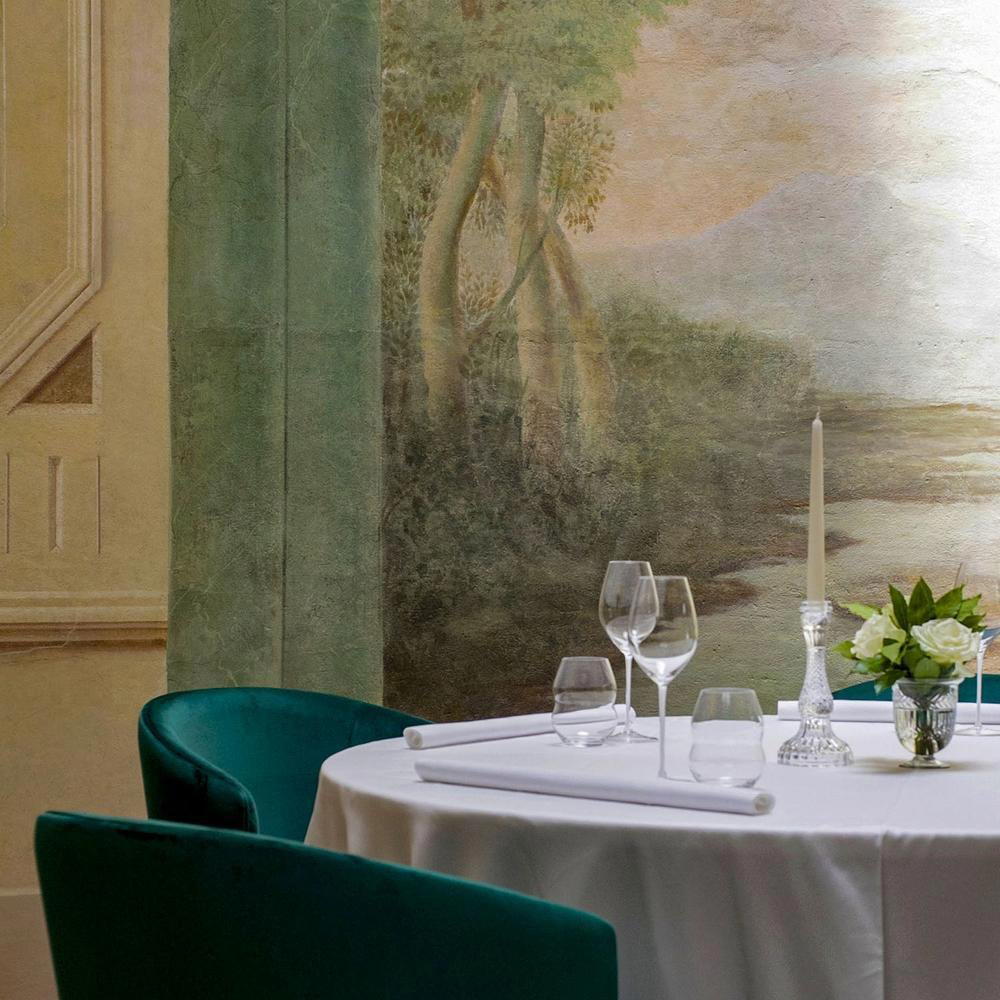
Details
- Rustic
- Cozy
- Classic
- Date Night
- Special Occasion
- Group Dining
- Open Kitchen
- Local Sourcing
- A La Carte
- Vegetarian Friendly
Current opening hours
- Monday
- 12–3 PM, 7–11 PM
- Tuesday
- 12–3 PM, 7–11 PM
- Wednesday
- 12–3 PM, 7–11 PM
- Thursday
- 12–3 PM, 7–11 PM
- Friday
- 12–3 PM, 7–11 PM
- Saturday
- 12–3 PM, 7–11 PM
- Sunday
- 12–4 PM
Hours can change for holidays and private events. Hours as of .
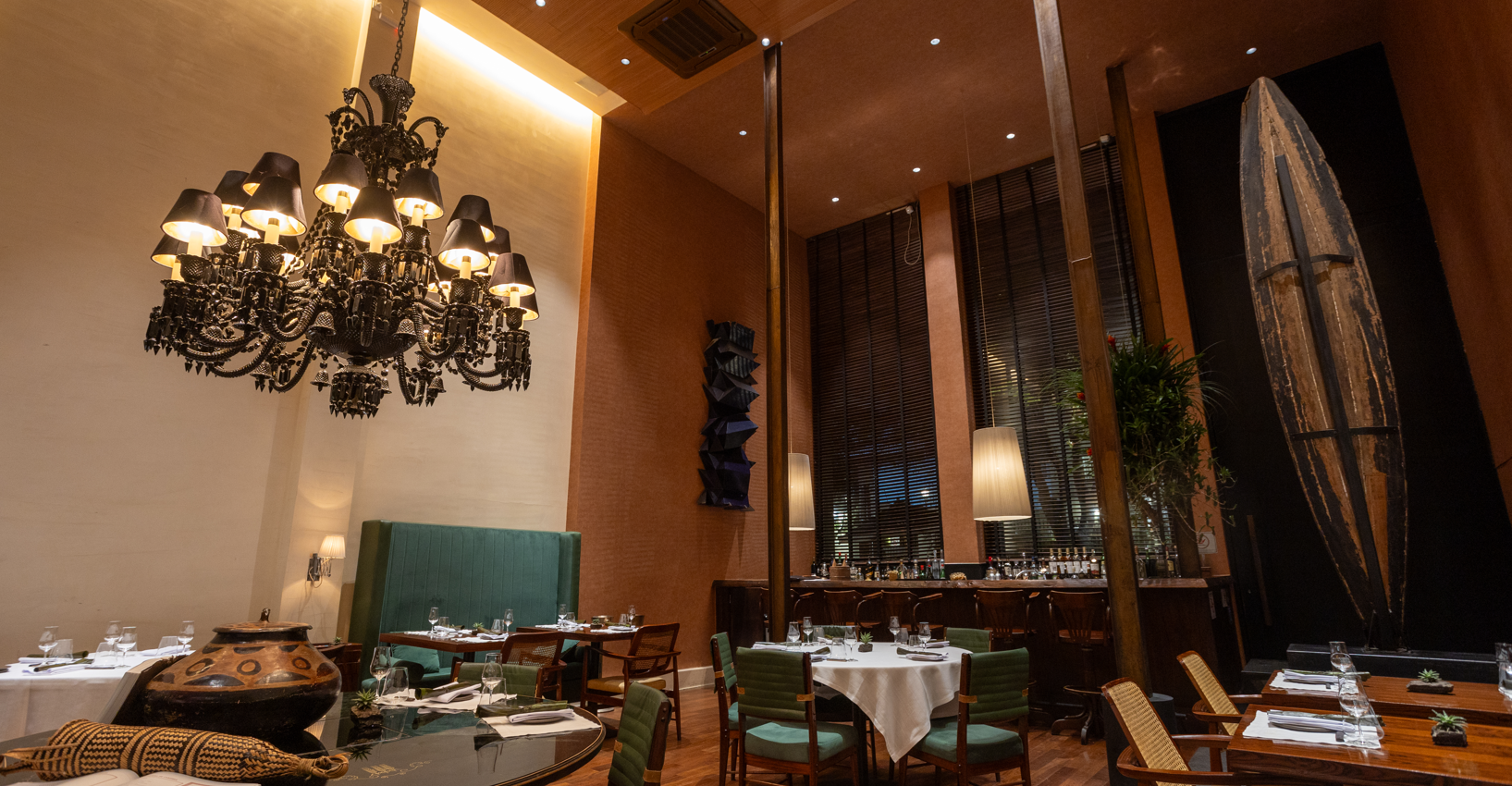
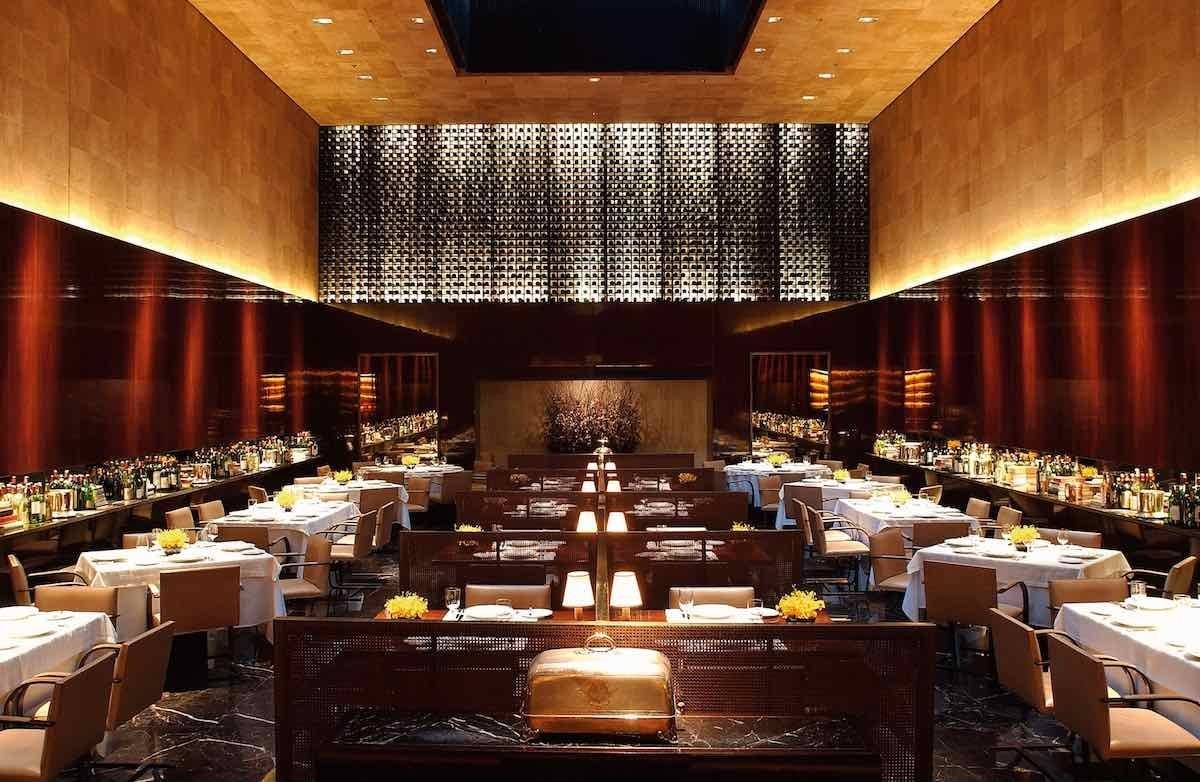
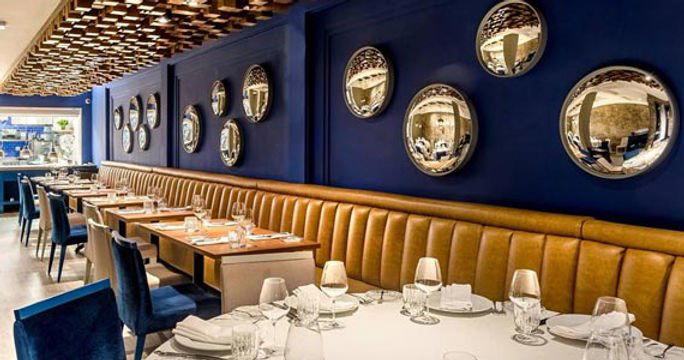
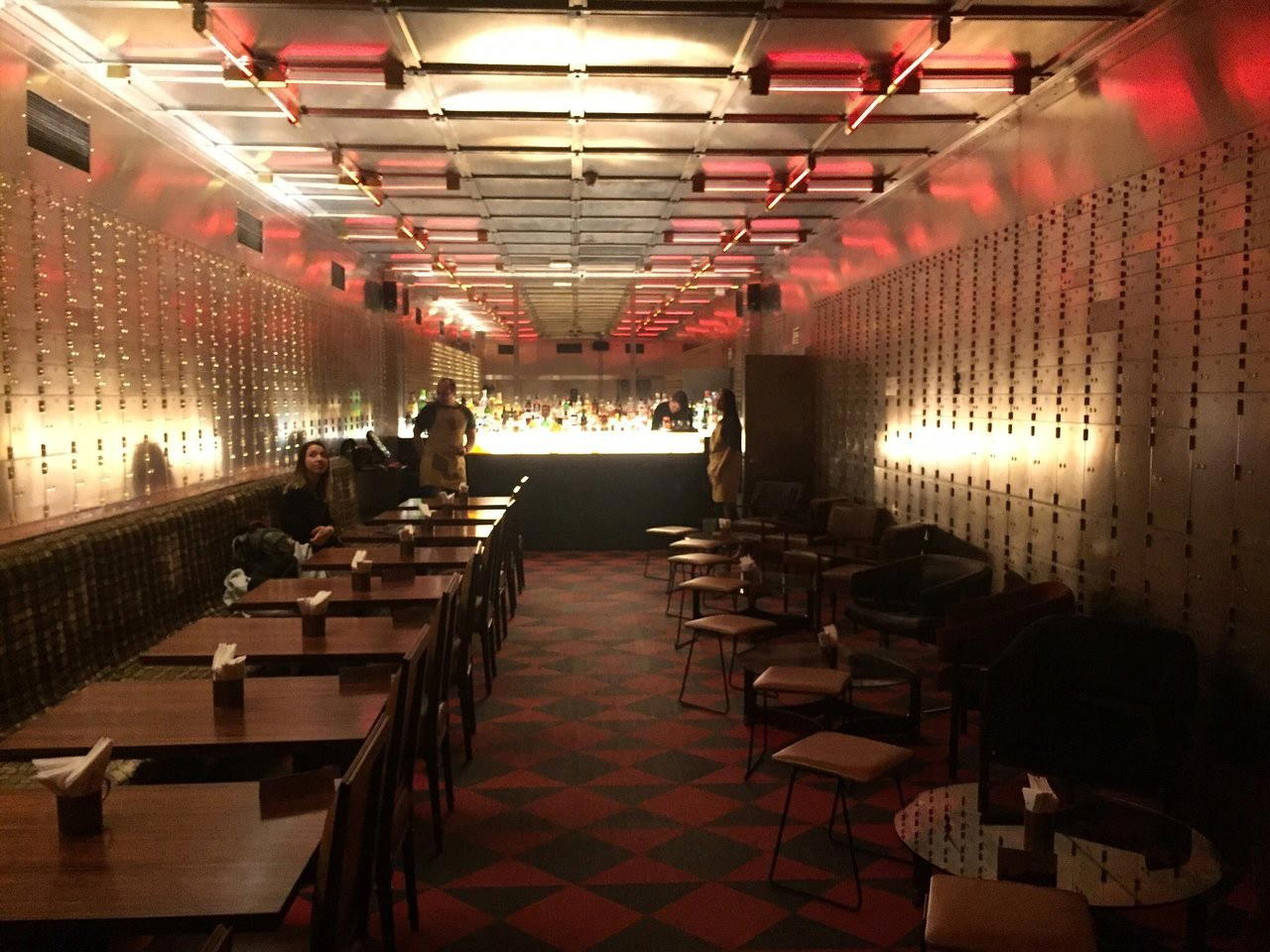
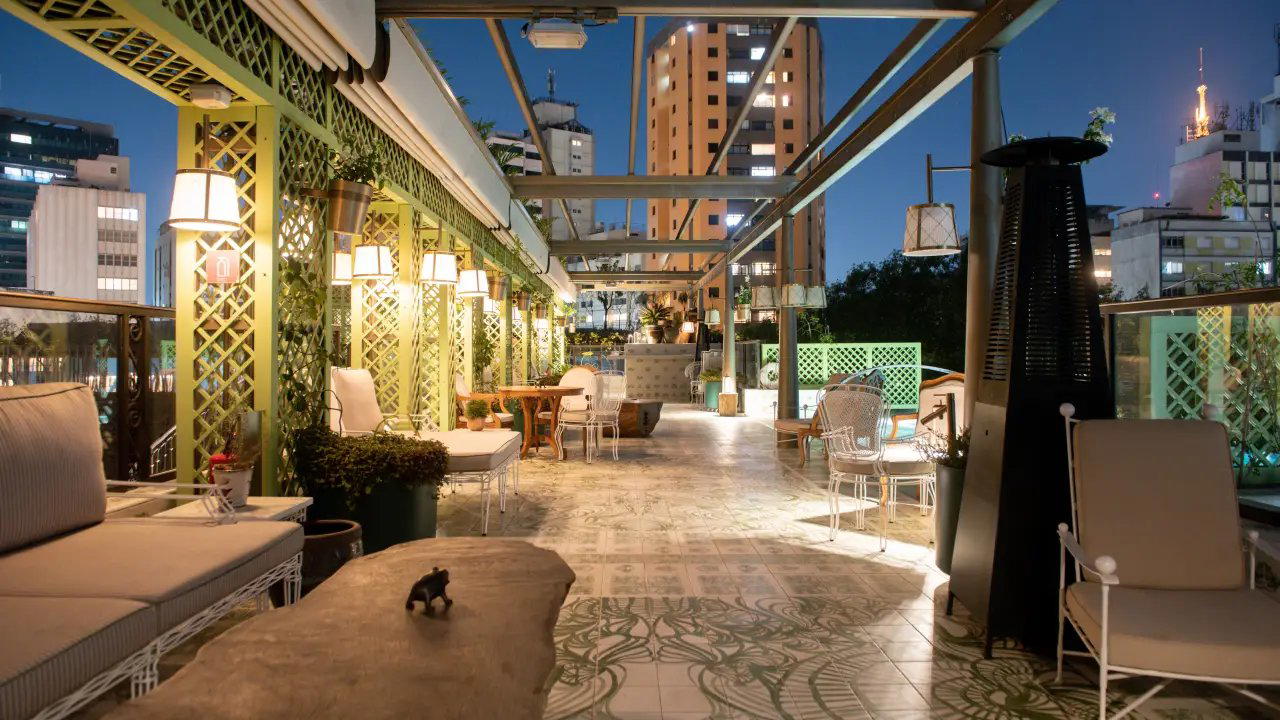
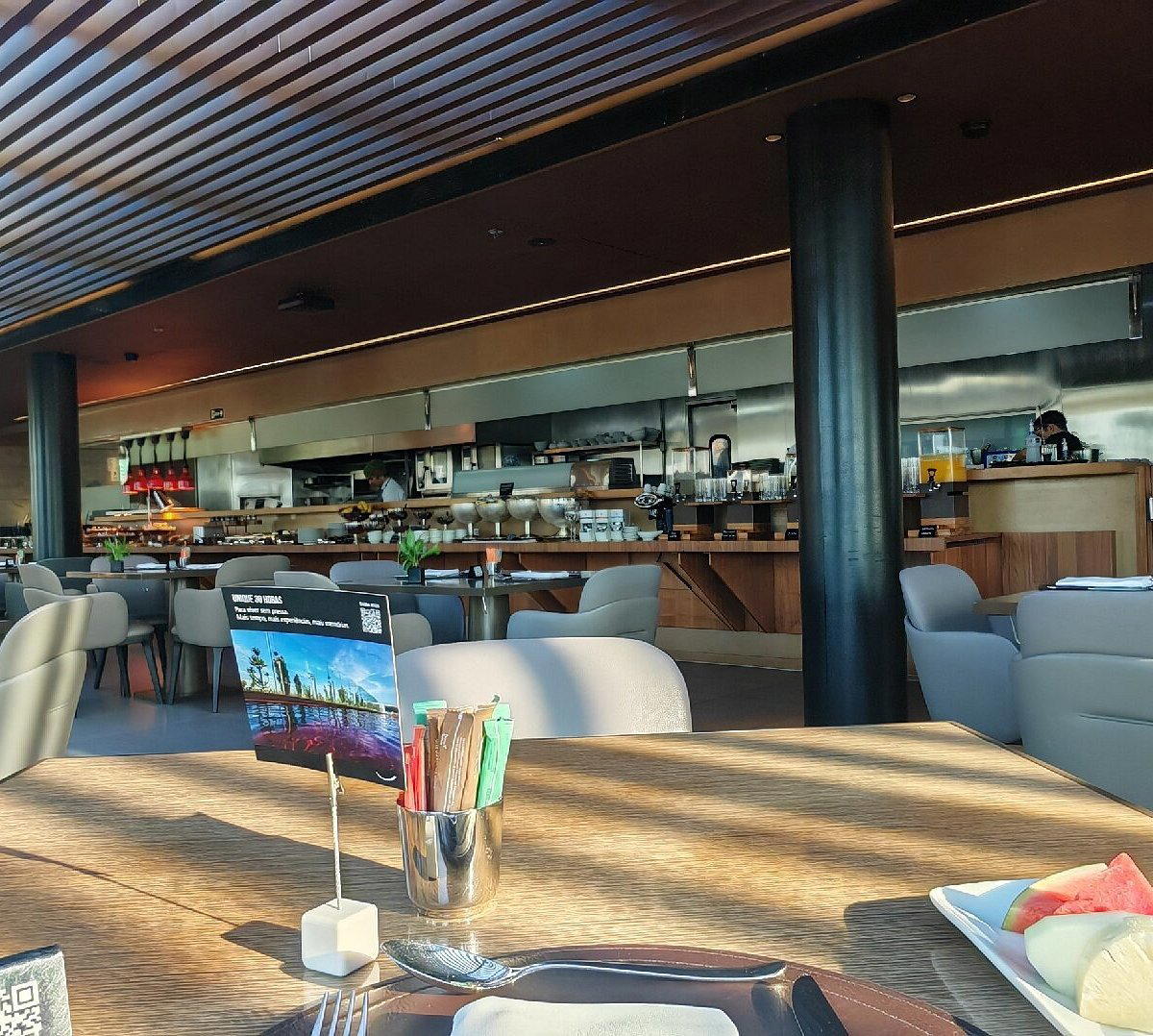
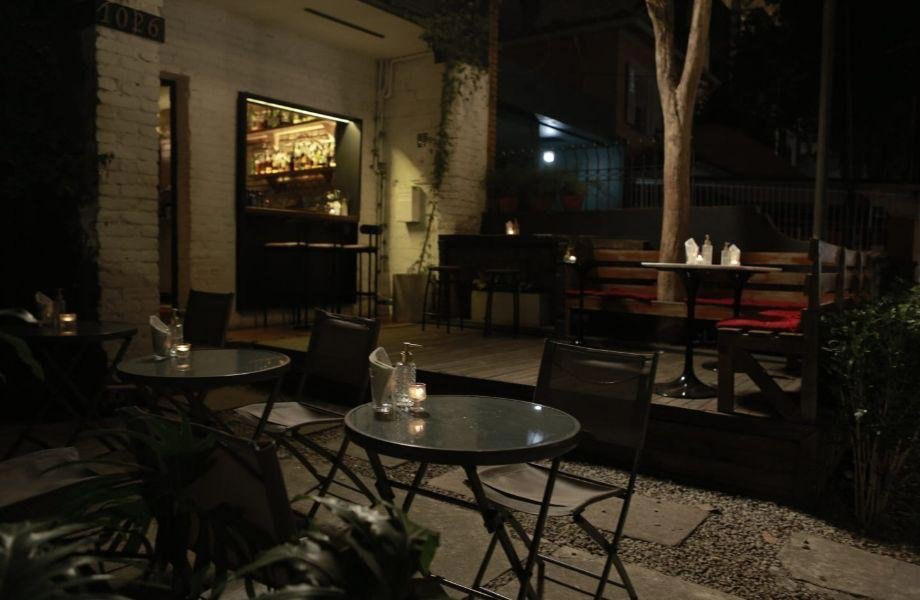
Spacious dining room with rustic country setting featuring earthy tones, plants, Brazilian artwork, and a magnificent tile mural, plus floor-to-ceiling glass walls revealing the open kitchen.