A barbeque house on the Rodovia Rio Claro/Piracicaba corridor, Caçador sits in a tradition of interior São Paulo churrasco culture where fire and sourcing matter more than ceremony. For residents of Rio Claro seeking a meat-forward meal in a roadside format that predates the city's newer casual dining options, this address on Avenida 1 Jn holds a particular place in the local eating routine.
Pearl is the En Primeur Club membership app — saves, bookings, and concierge access live there. Same editors, same standards.
- Address
- Avenida 1 Jn, 101 Rodovia RIO CLARO / PIRACICABA - Jardim Novo, Rio Claro - SP, 13502-740, Brazil
- Phone
- +551935233799
- Website
- instagram.com
- Directions
- Get directions
 Saves & bookings on Pearl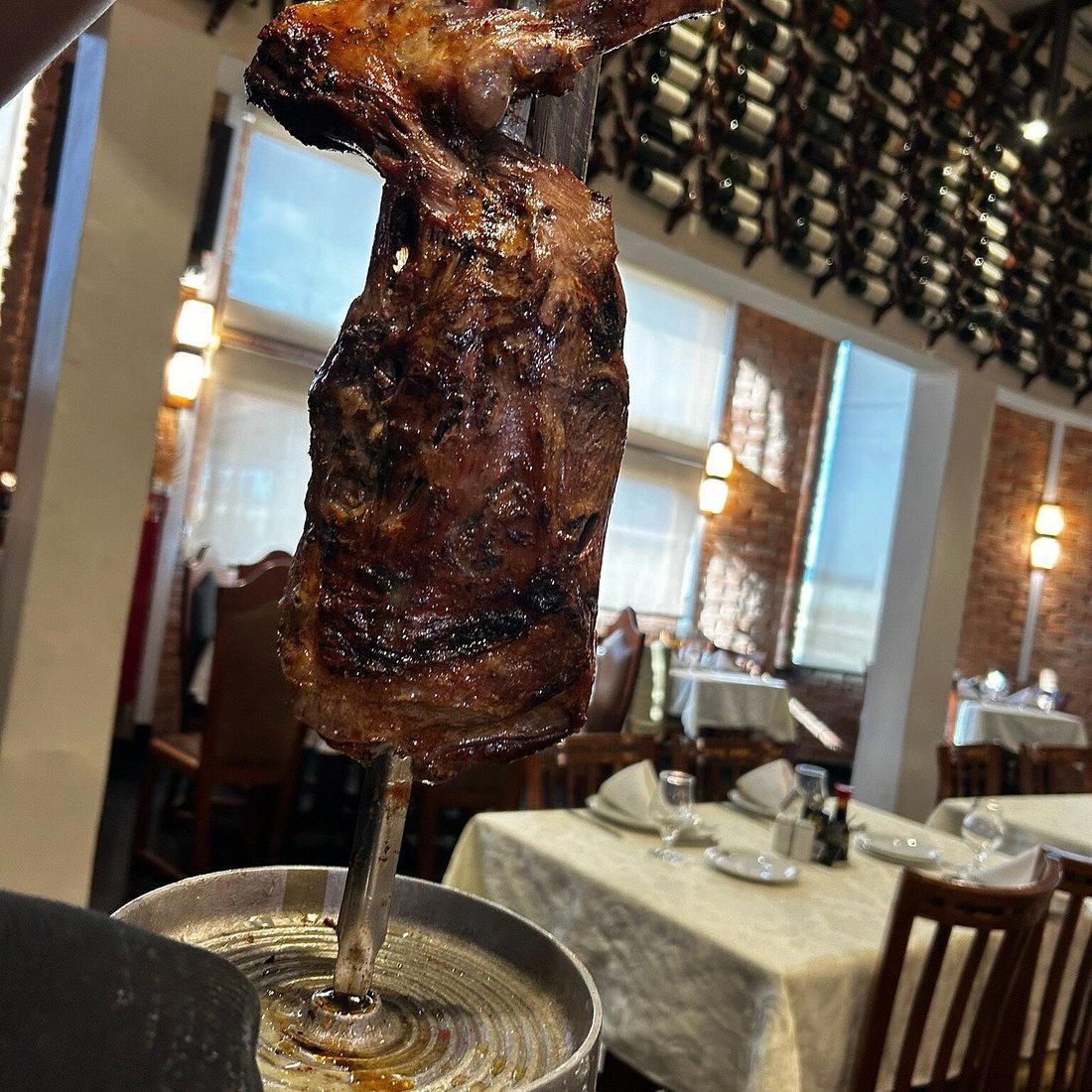
Fire on the Piracicaba Road: Interior São Paulo's Churrasco Tradition
The stretch of highway linking Rio Claro to Piracicaba cuts through particularly productive agricultural land in São Paulo state. Sugarcane, citrus, and cattle have shaped this corridor for generations, and the eating culture along it reflects that directly: barbeque houses here are not themed experiences but functional expressions of a regional food economy where the distance between pasture and grill has always been short. Caçador barbeque house, on Avenida 1 Jn at the edge of Rio Claro's Jardim Novo district, occupies that tradition. Its roadside address is a genre marker as much as a location, this is the format that fed truck drivers, farmworkers, and extended families long before São Paulo's fine-dining circuit began to take interest in interior Brazilian cooking.
Where the Protein Comes From, and Why That Matters Here
Brazilian churrasco is not a single thing. In the southern states, particularly Rio Grande do Sul, it operates under its own codified culture, with specific cuts, salt disciplines, and grill heights treated as serious doctrine. In São Paulo's interior, the tradition runs differently: sourcing proximity is the implicit quality signal, and the cattle ranches of the Piracicaba basin have historically supplied a regional supply chain that larger city restaurants cannot easily replicate. A barbeque house on this particular road sits inside that geography by default. The ingredient question, where does the meat come from, has a geographically plausible answer here in a way it does not for a churrascaria inside a São Paulo shopping center.
This matters editorially because Brazilian food culture at its highest register, represented by places like Oteque in Rio de Janeiro and D.O.M. in São Paulo, has spent the last two decades arguing that Brazilian ingredients deserve the same attention as French or Japanese ones. The argument holds as much for a pasture-raised piece of picanha on a regional highway as it does for an Amazonian fruit on a tasting menu. Manga in Salvador and Birosca S2 in Belo Horizonte make versions of that case in their respective cities; on the Piracicaba road, the case is made without ceremony, through the grill itself.
Rio Claro's Dining Map and Where Barbeque Sits Within It
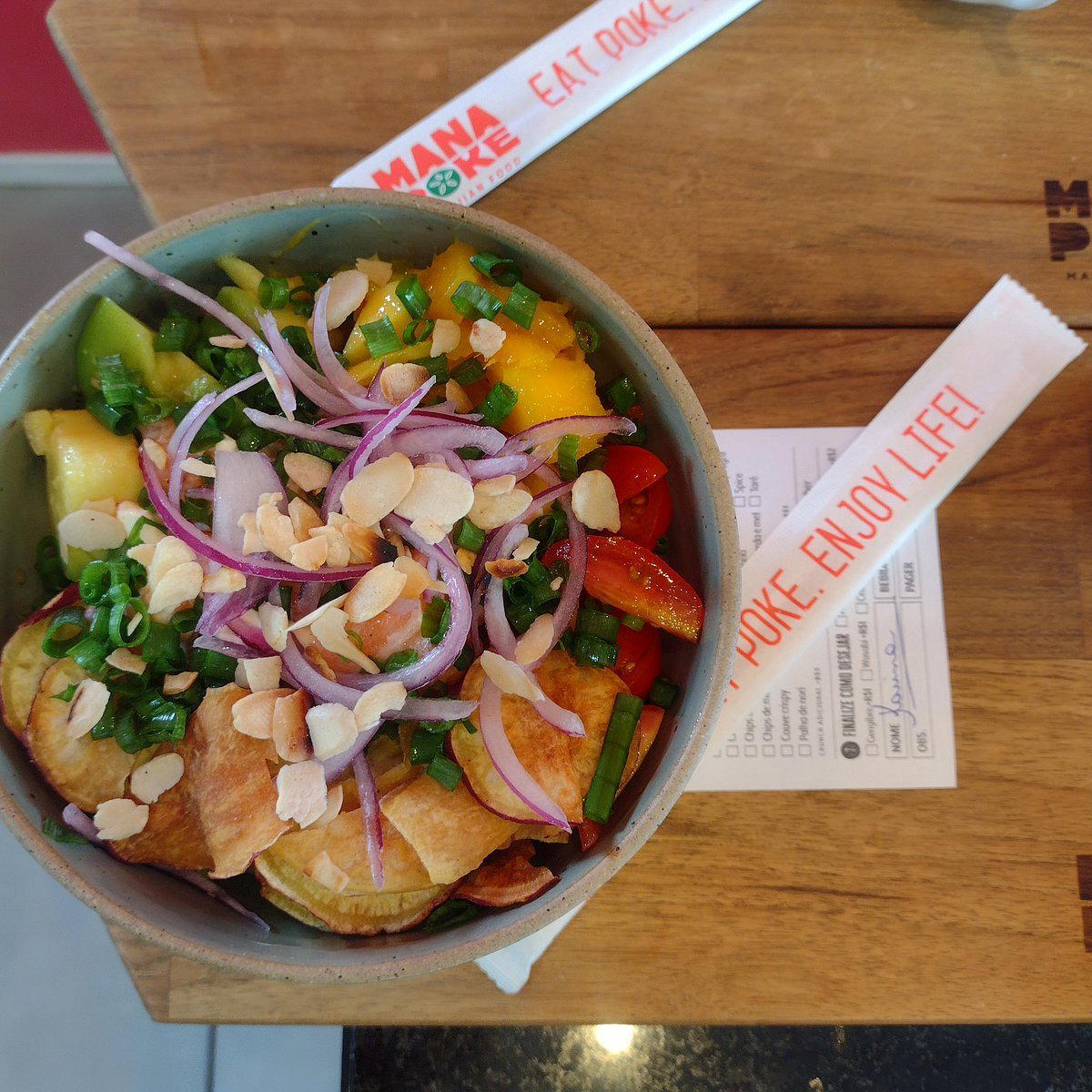
Rio Claro is a city of roughly 200,000 people in the central-eastern portion of São Paulo state, close enough to the capital to absorb some of its food trends and far enough to maintain its own eating rhythms. Its restaurant base covers the casual-to-mid-range spectrum competently, with newer formats like Mana Poke and Nancy's Smash Burger reflecting an appetite for current urban formats alongside the more established local options.
Within that map, barbeque occupies a particular position. It is not a category that competes with regional Brazilian fine dining, the frame of reference is different entirely. In interior São Paulo, a barbeque house is evaluated on consistency, portion logic, the quality of its fire management, and the reliability of its cuts. Caçador's position on the Rodovia corridor places it in the roadside churrasco tier, a format with its own loyalty patterns: regulars tend to return not because the menu changes but because it does not.
The Regional Context Beyond Rio Claro
São Paulo state has a layered food culture that rarely receives the same international attention as Rio de Janeiro or Salvador. The interior, in particular, operates on its own axis. Olivetto in Campinas, the nearest major city to Rio Claro, represents one end of the regional spectrum: a formal European-influenced dining room with wine depth. At the other end sit the highway barbeque houses and family churrascos that have anchored interior eating culture for decades. Mina in Campos do Jordão offers a different São Paulo interior register again, oriented toward altitude and European settler influence rather than cattle country.
Further south, the churrasco tradition intensifies into something more self-conscious: Castelo Saint Andrews in Gramado and Primrose in Gramado operate in a Serra Gaúcha context where European heritage and premium positioning are explicit. The São Paulo interior roadside format is a different animal, less theatrical and more embedded in working agricultural geography. Internationally, fire-forward cooking in a stripped-back format has gained significant recognition, Lazy Bear in San Francisco and technique-led kitchens like Le Bernardin in New York City exist in an entirely different register, but the broader global turn toward ingredient provenance and live fire has lent cultural weight to formats that were previously considered purely functional. Brazil's interior churrasco tradition predates that global conversation by generations.
Restaurants exploring ingredient-rooted cooking across Brazil's regions, from Orixás | North Restaurant in Itacaré to Lobby Café in Belém to Açaí Cuiabano in Cuiabá, reflect a national food culture in which local sourcing is increasingly acknowledged as a form of identity, not just logistics. Manu in Curitiba and the State of Espírito Santo concept in Rio Bananal push that further into explicit regional statement. A roadside barbeque house on the Piracicaba corridor makes no such statement; it simply exists within the supply geography that makes the statement possible.
Planning Your Visit
Caçador barbeque house is on Avenida 1 Jn, 101, along the Rodovia Rio Claro/Piracicaba in the Jardim Novo district, Rio Claro, SP 13502-740. The roadside format means it is most naturally reached by car. Hours, pricing, and booking are available below, and reservations are recommended, particularly for larger groups or weekend meals when churrasco houses in this region tend to run at capacity. The dress code is casual.
How It Stacks Up
Comparable venues nearby, for context on price, style, and recognition.
| Venue | Cuisine | Price | Notes |
|---|---|---|---|
| Caçador barbeque houseThis venue — the venue you are viewing | Brazilian Churrascaria | $$ | Not listed |
| Mana Poke - Rio Claro | Hawaiian Poke Bowls | $$ | Cidade Jardim |
| Nancy's Smash Burger | Artisanal Smash Burgers | $$$$ | Centro |
| Anderam Esfiharia | Brazilian Esfiha Restaurant | $$ | Jardim Pires I |
| Recanto Colonial Restaurante | Traditional Brazilian | $$ | central Itatiba |
| Sapataria da Pizza | Deep Pan Pizza with Brazilian Influences | $$ | Franca |
Continue exploring
More in Rio Claro

At a Glance
- Rustic
- Lively
- Cozy
- Family
- Group Dining
- Celebration
- Business Dinner
- Open Kitchen
Current opening hours
- Monday
- 11:30 AM–3 PM, 7:30–11 PM
- Tuesday
- 11:30 AM–3 PM, 7:30–11 PM
- Wednesday
- 11:30 AM–3 PM, 7:30–11 PM
- Thursday
- 11:30 AM–3 PM, 7:30–11 PM
- Friday
- 11:30 AM–3 PM, 7:30–11 PM
- Saturday
- 11:30 AM–3:30 PM, 7:30–11 PM
- Sunday
- 11:30 AM–3 PM, 7:30–11 PM
Hours can change for holidays and private events. Last verified .
Spacious and beautiful environment with a pleasant, cozy atmosphere suitable for families and groups.