Mog Barcelona occupies a corner of Eixample's Muntaner corridor where the residential grid meets a quieter register of neighbourhood dining. The address places it within reach of Barcelona's densest concentration of serious restaurants, yet the space operates at a different frequency from the tasting-menu circuit. For visitors building a Barcelona itinerary, it represents the kind of address that fills the gap between grand-occasion dining and casual eating.
Pearl is the En Primeur Club membership app — saves, bookings, and concierge access live there. Same editors, same standards.
- Address
- C/ de Muntaner, 190, local 4, Eixample, 08036 Barcelona, Spain
- Phone
- +34661174693
- Website
- opentable.com
- Directions
- Get directions
 Saves & bookings on Pearl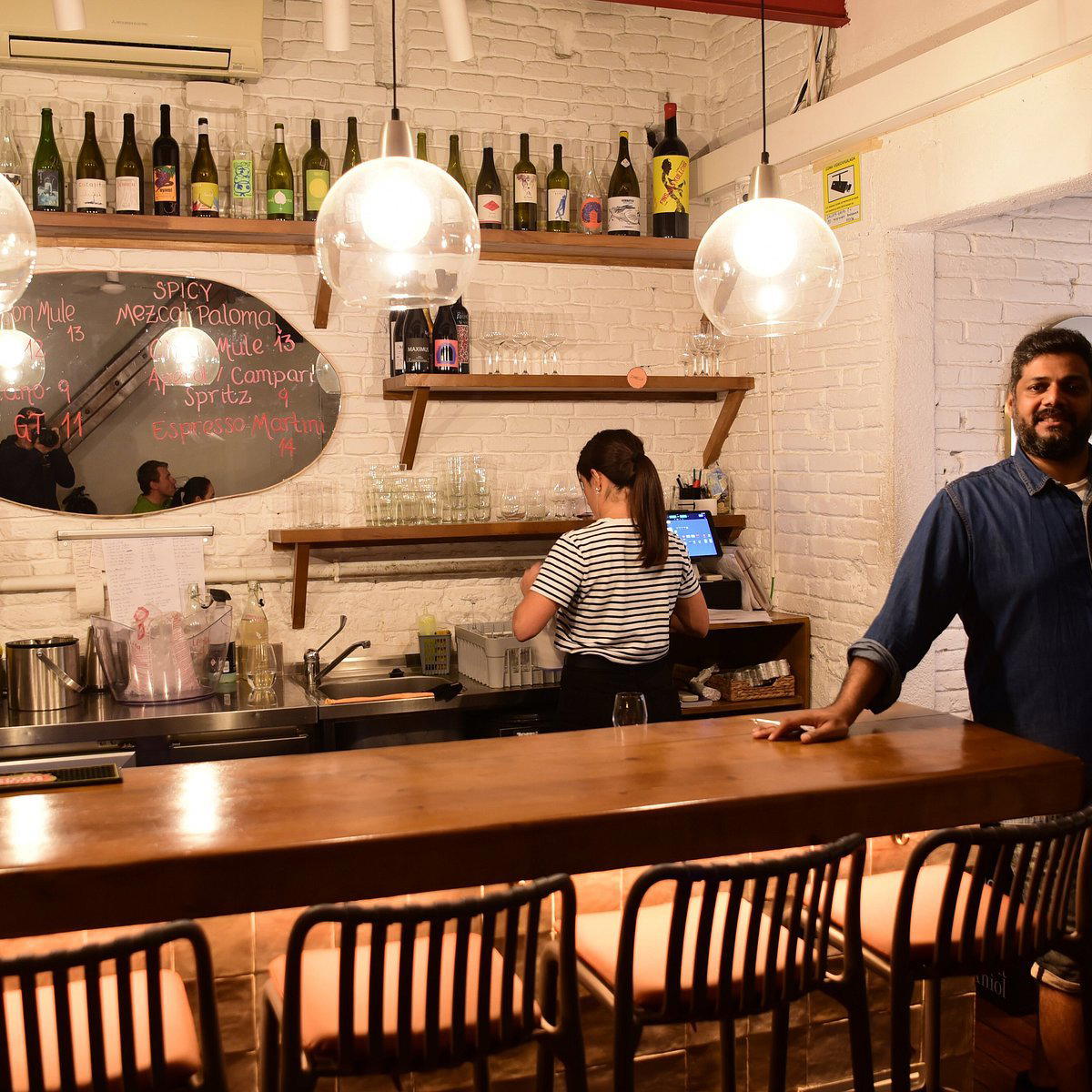
A Room That Sets Its Own Frequency
Eixample's dining grid has been carved into distinct registers over the past decade. At one end sits the tasting-menu circuit: addresses like Disfrutar, Cocina Hermanos Torres, and Lasarte where the room is as much a designed argument as the food on the plate. At the other end, neighbourhood spots absorb local foot traffic with little interest in the broader conversation. Mog Barcelona is a restaurant serving Modern Goan Fusion at C/ de Muntaner, 190, local 4, in Eixample, Barcelona. The Muntaner corridor runs through a part of the district that is residential in character but dense with mid-range and upper-casual dining, and that context matters when reading a room.
Eixample's nineteenth-century street grid produces deep, narrow ground-floor spaces with high ceilings, and local restaurants have learned to work with that geometry rather than against it. The result, in the stronger examples, is an interior architecture that uses depth as theatre: a progression from street-facing light into something more enclosed and considered at the back. Whether a given room leans into tile and timber, raw plaster, or a more pared-back contemporary language, the grid imposes its own structural logic on every designer who takes a lease here.
Where Muntaner Sits in the Barcelona Restaurant Map
Barcelona's serious dining is distributed unevenly across the city. The highest-recognition addresses cluster in a band running from upper Eixample through Les Corts and into Sarrià: ABaC and Enigma sit on that axis, as does the broader ecosystem of multi-Michelin tasting counters. The lower Eixample, where Muntaner 190 falls, is a different proposition. The neighbourhood attracts working professionals, residents, and visitors staying in the district's dense hotel supply rather than destination diners arriving specifically for a multi-course experience.
That distinction shapes the competitive set. An address in this part of Eixample is not primarily measured against the city's three-star rooms. It is measured against the neighbourhood's own texture: how well the room reads at lunch on a Tuesday, whether the format holds across a two-hour dinner, whether the space has enough visual discipline to warrant a second visit. For context on what the wider Spanish fine-dining conversation looks like, addresses such as El Celler de Can Roca in Girona or Martin Berasategui in Lasarte-Oria set the national benchmark; Mog operates in a different register and is better understood on its own terms.
Across Spain, the mid-tier neighbourhood restaurant has gone through a quiet renovation in recent years. In San Sebastián, in Valencia, and increasingly in Barcelona, the gap between casual and high-end has been compressed by a generation of operators who bring technique and spatial attention to formats that do not require a tasting menu or a reservation made three months in advance. Ricard Camarena in València represents one version of that shift at the summit of the register; the neighbourhood-level version is less documented but equally present.
The Design Logic of Eixample Interiors
Understanding what to expect from a room on Muntaner requires understanding what Eixample interiors have tended to do well and where they fall short. The deep plan creates challenges for noise management and for distributing natural light evenly across a service. Tables near the street-facing window operate in a different acoustic and luminous environment from tables positioned toward the back third of the room. Good room design in this typology either acknowledges that differential explicitly, by using it to create distinct zones with different characters, or works to neutralize it through material choices and ceiling treatment.
Barcelona's most considered mid-range interiors of the past five years have generally moved away from the reclaimed-wood-and-Edison-bulb language that dominated the 2010s and toward something more restrained: limewash plaster, considered upholstery, lighting rigs that provide table-level warmth without theatrical gesture. That shift reflects a broader European movement in restaurant design away from statement aesthetics and toward what might be called background quality, rooms that improve comfort and atmosphere without asserting a design identity loudly enough to compete with the food or conversation. Where Mog sits on that spectrum is part of what any visit is calibrating.
That kind of tenancy often produces intimate, lower-capacity spaces rather than the expansive rooms found in standalone buildings or purpose-built restaurant properties. Smaller rooms in Eixample have a different energy dynamic from larger ones: conversation carries differently, the kitchen-to-table relationship is more immediate, and the design choices made in a 40-cover room read more insistently than the same choices spread across 90 covers.
How Mog Fits into a Barcelona Itinerary
Building a Barcelona restaurant week means making choices across multiple tiers. The two or three nights anchored by addresses like Disfrutar or Cocina Hermanos Torres require advance booking and a different kind of preparation and attention than the remaining meals. Neighbourhood meals, lunches, and post-museum dinners are where addresses like Mog earn their place. Those meals need a room that works without demanding the same level of engagement, a kitchen that has a clear point of view without the tasting-menu infrastructure, and a location that makes logistical sense within a day's movement through the city.
Muntaner 190 is accessible from most of Eixample on foot. For visitors using the neighbourhood as a base, it is a plausible walking-distance option for a mid-week dinner. For the broader context of Spain's restaurant scene beyond Barcelona, addresses such as Aponiente in El Puerto de Santa María, Mugaritz in Errenteria, Azurmendi in Larrabetzu, Quique Dacosta in Dénia, Atrio in Cáceres, and DiverXO in Madrid represent the category's wider geography. Internationally, technically driven tasting-format restaurants such as Le Bernardin in New York and Atomix in New York show how the format translates across contexts. Mog is not in conversation with those addresses directly, but understanding where the outer edges of the category sit helps calibrate what the neighbourhood tier is doing on its own terms.
The Spanish addresses worth noting for regional comparison include Arzak in San Sebastián, where three decades of accumulated recognition have made the address a reference point for what Spanish creative cooking has sustained over time. That kind of institutional weight is not what a Muntaner neighbourhood address is carrying or aspiring to carry. The more useful comparison is within the district, within the city's mid-tier, and within the specific dining occasion that the address is designed to serve.
Know Before You Go
Address: C/ de Muntaner, 190, local 4, Eixample, 08036 Barcelona, Spain
Neighbourhood: Lower Eixample, Muntaner corridor
Booking: Reservations are recommended
Price range: About $40 per person
Getting there: C/ de Muntaner, 190, local 4, Eixample, 08036 Barcelona, Spain
Leading occasion: Mid-week dinner or weekend lunch; suited to a Barcelona itinerary that anchors its headline meals elsewhere
Peers You’d Cross-Shop
Comparable venues nearby, for context on price, style, and recognition.
| Venue | Cuisine | Price | Notes |
|---|---|---|---|
| Mog BarcelonaThis venue — the venue you are viewing | Modern Goan Fusion | $$$ | Not listed |
| Elaichi Indian Restaurant | Traditional Indian | $$ | Sant Antoni |
| CASA MASALA | Modern Indian Curry Bar | $$ | l'Antiga Esquerra de l'Eixample |
| Casa Xica | Catalan-Asian Fusion | $$$ | el Poble Sec |
| Chez Cocó | French Rotisserie | $$$ | l'Antiga Esquerra de l'Eixample |
| Indochine Ly Leap | Southeast Asian Fusion (Vietnamese, Cambodian, Thai) | $$$ | l'Antiga Esquerra de l'Eixample |
Continue exploring
More in Barcelona
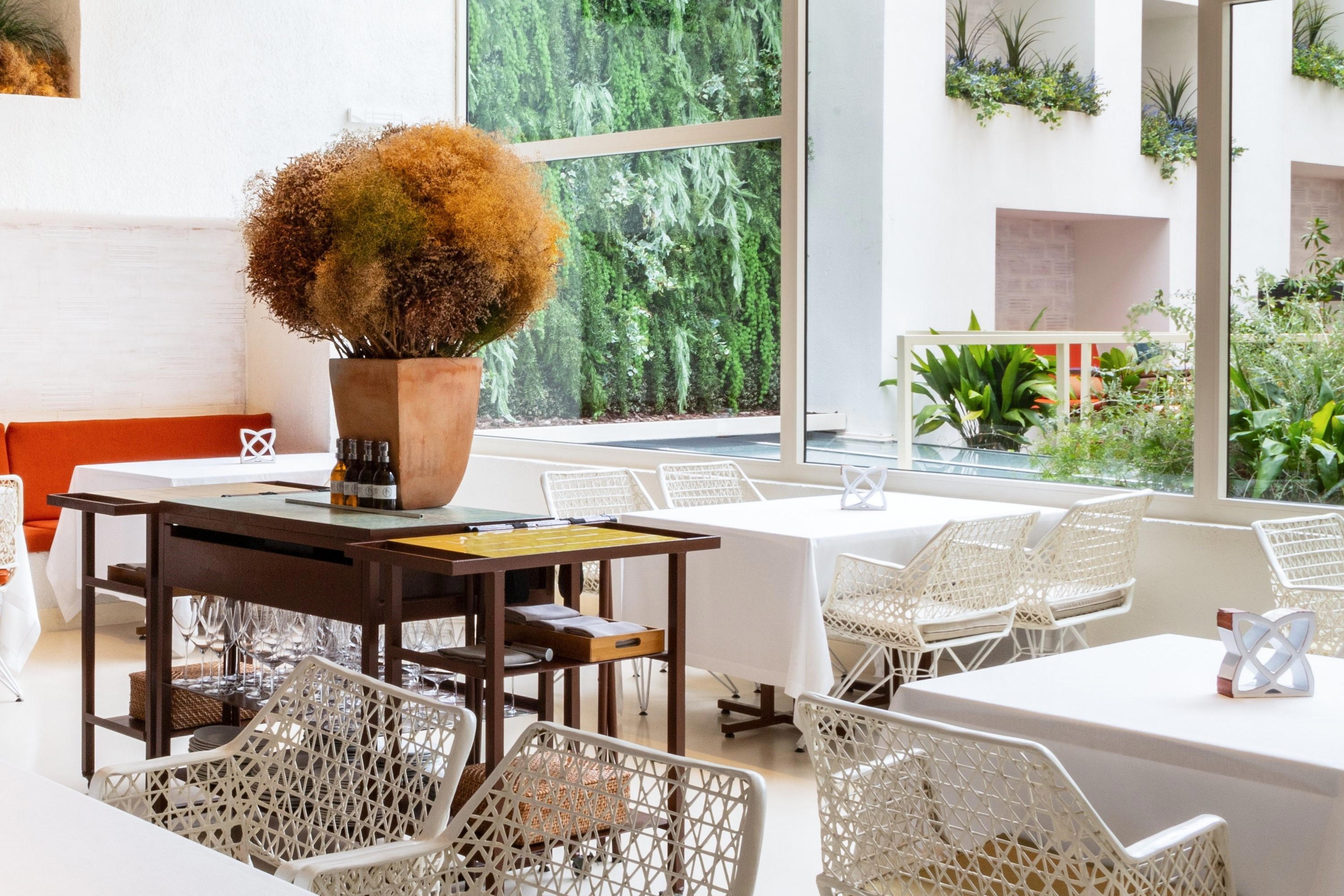
Restaurants in Barcelona
Browse all →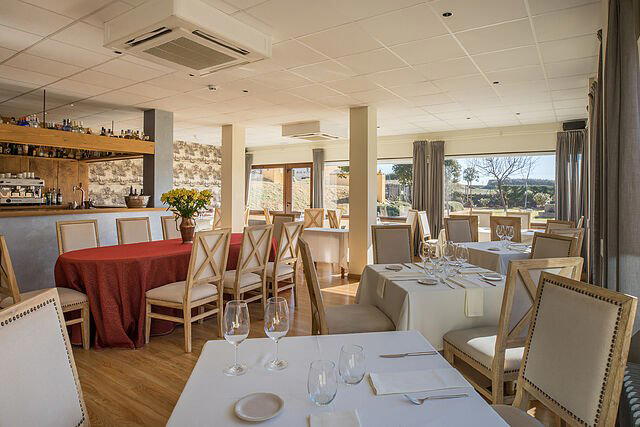
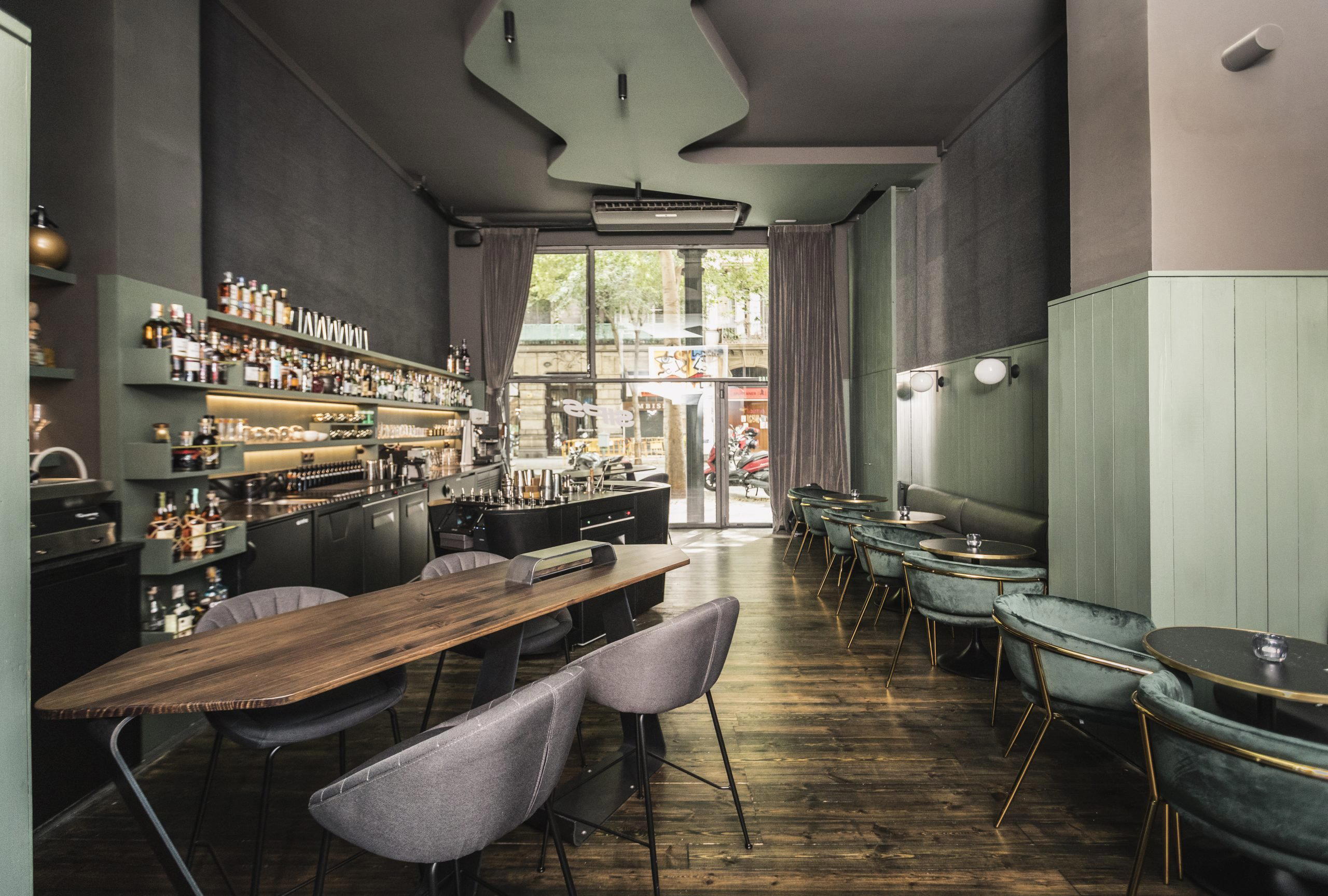
Bars in Barcelona
Browse all →
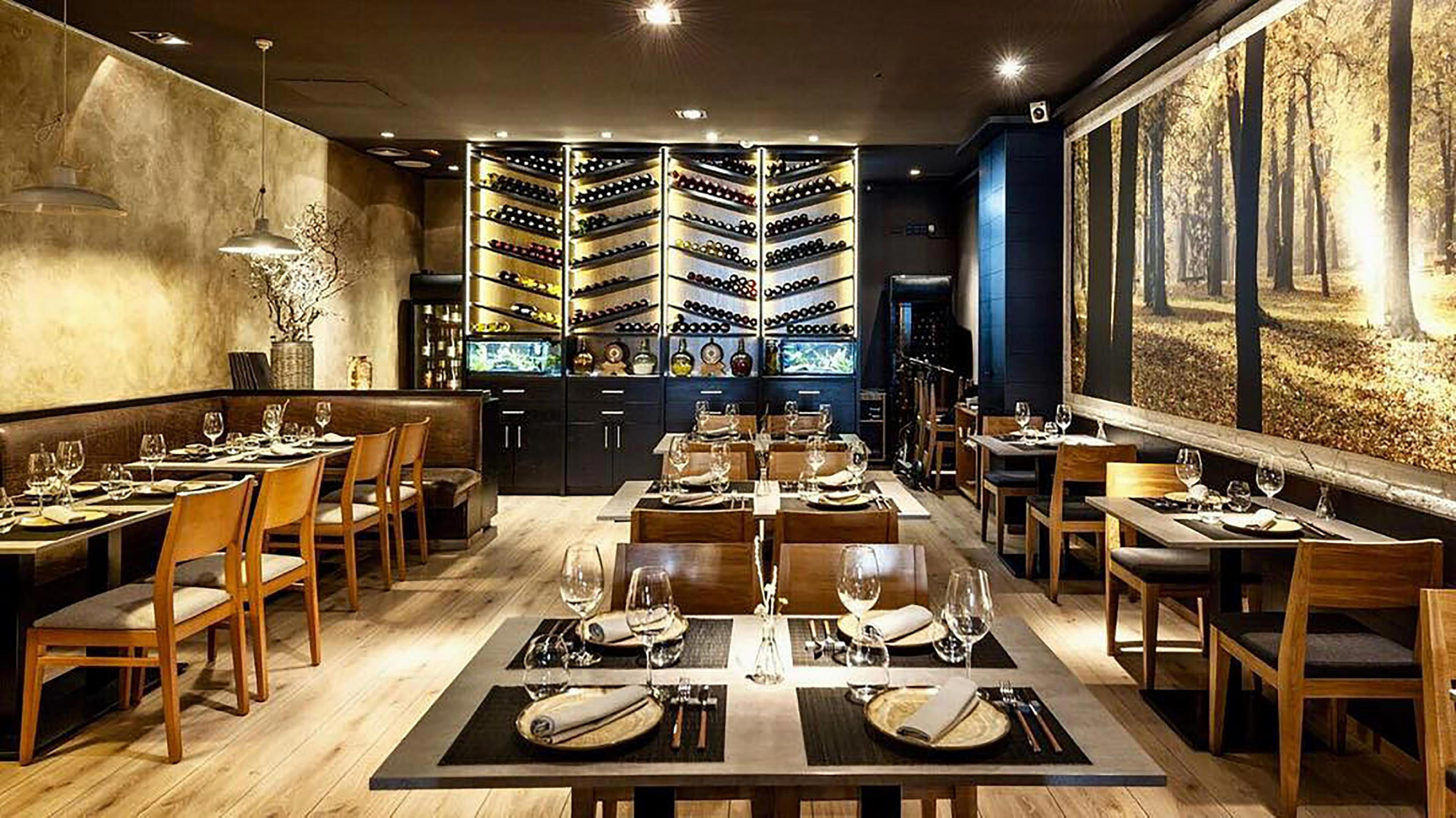
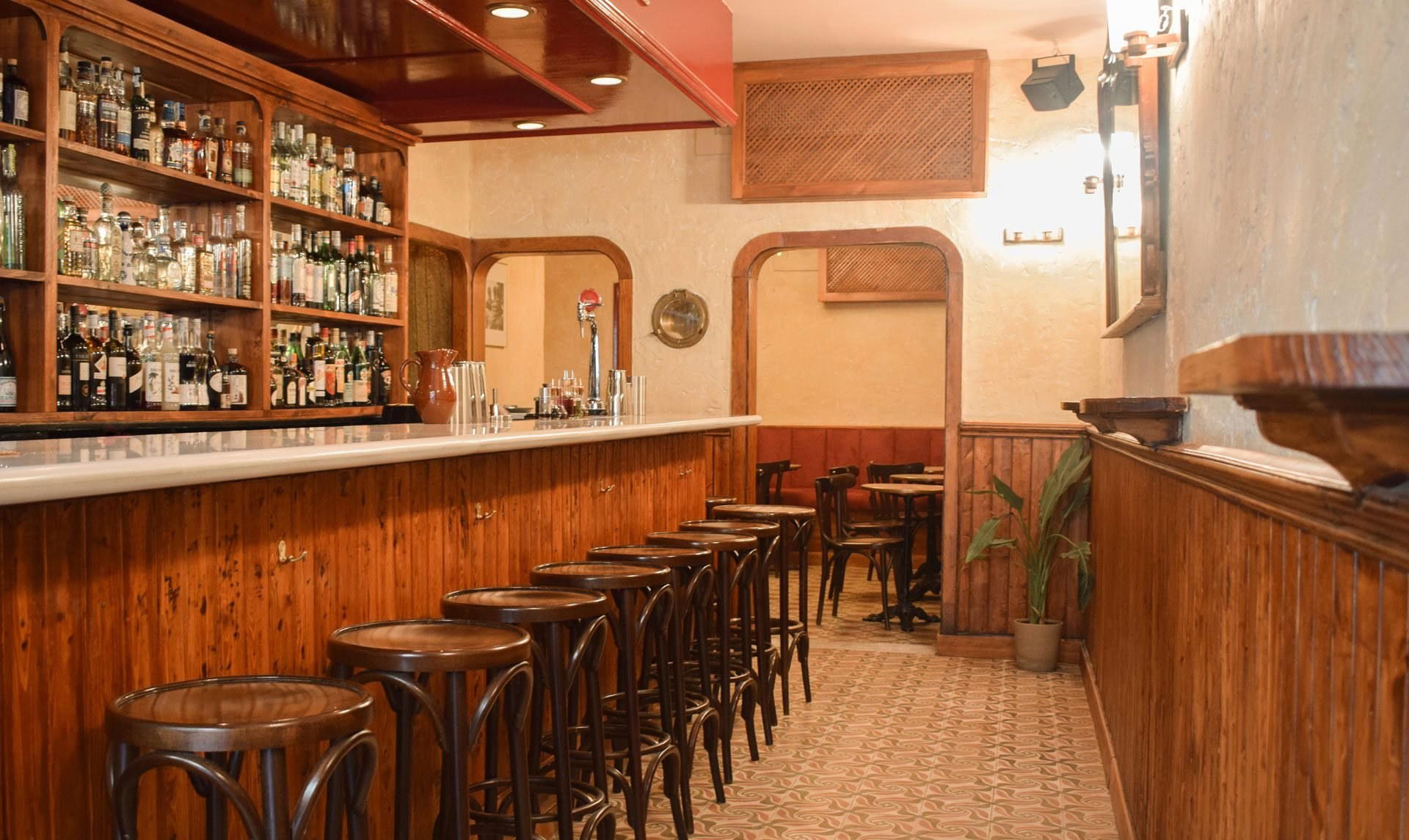
Hotels in Barcelona
Browse all →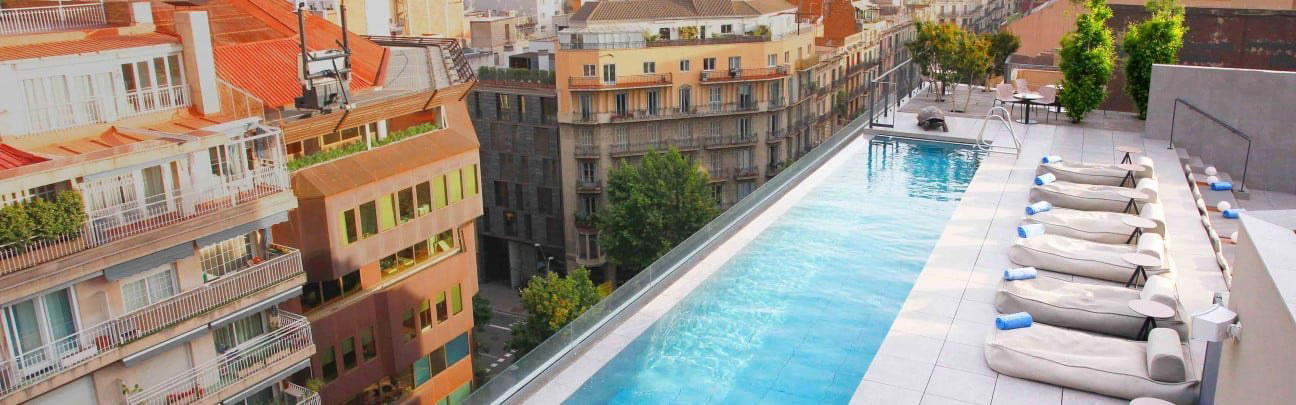
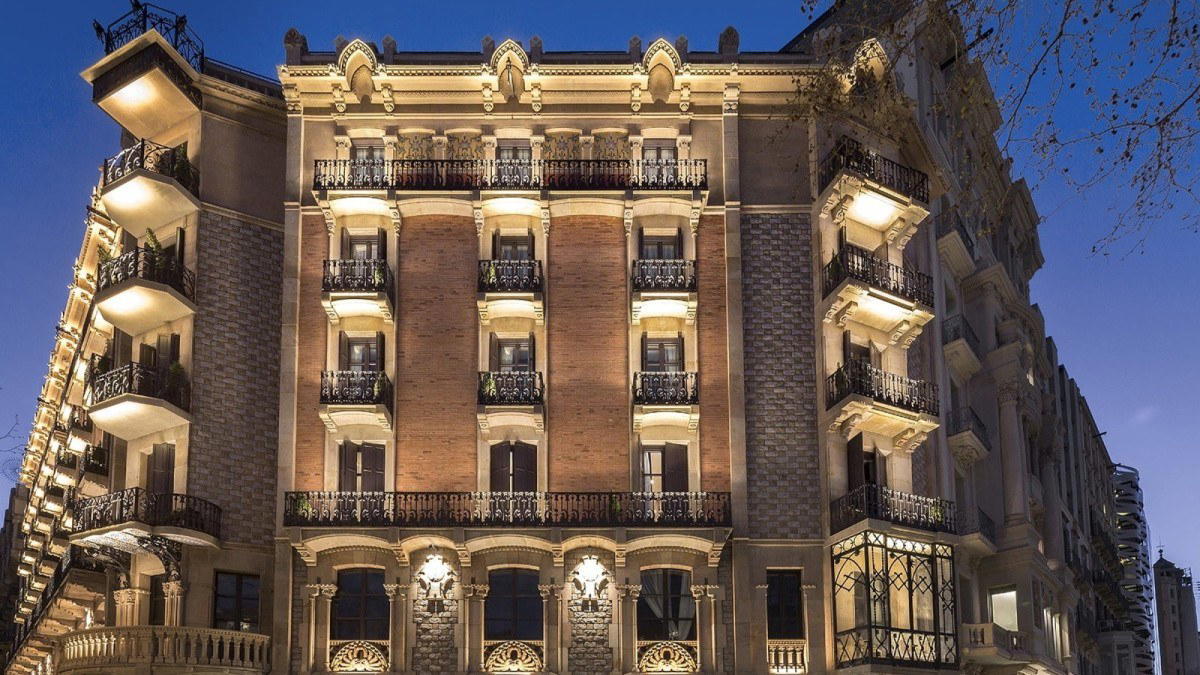
At a Glance
- Cozy
- Trendy
- Intimate
- Date Night
- Casual Hangout
- Special Occasion
- Open Kitchen
- Natural Wine
- Local Sourcing
Current opening hours
- Monday
- Closed
- Tuesday
- 1–4 PM, 6–11:30 PM
- Wednesday
- 1–4 PM, 6–11:30 PM
- Thursday
- 1–4 PM, 6–11:30 PM
- Friday
- 1–4 PM, 6–11:30 PM
- Saturday
- 1–4 PM, 6–11:30 PM
- Sunday
- Closed
Hours can change for holidays and private events. Last verified .
Cozy interior with wine-coloured accents and exposed red brick walls, creating a charming and inviting atmosphere.