On Avinguda Diagonal in the Eixample, Chez Cocó occupies a stretch of Barcelona where French-inflected brasserie culture meets the city's deep Catalan hospitality tradition. The restaurant sits in a neighbourhood defined by measured elegance rather than tourist spectacle, making it a reference point for understanding how Barcelona's mid-to-upper dining tier operates outside the Michelin-starred circuit. Booking ahead is advisable, particularly during the city's busier spring and autumn months.
- Address
- Av. Diagonal, 465, Eixample, 08036 Barcelona, Spain
- Phone
- +34 934 44 98 22
- Directions
- Get directions
Avinguda Diagonal and the Brasserie Tradition It Carries
There is a particular kind of restaurant that anchors a city's dining identity without appearing on award shortlists: the serious brasserie, operating at the intersection of French technique and local produce, where the room matters as much as the plate. In Barcelona, that category has a complicated history. The city spent the 1990s and early 2000s exporting its avant-garde credentials through names like El Celler de Can Roca in Girona and the early Ferran Adrià generation, while its neighbourhood restaurants quietly sustained a different tradition: the long lunch, the tiled dining room, the rotisserie chicken that smells of garlic and citrus before you've opened the door. Chez Cocó, on Avinguda Diagonal in the Eixample, belongs to that second category, filtered through a French-brasserie sensibility that sits slightly apart from both Barcelona's modernist fine dining and its casualer tapas circuit.
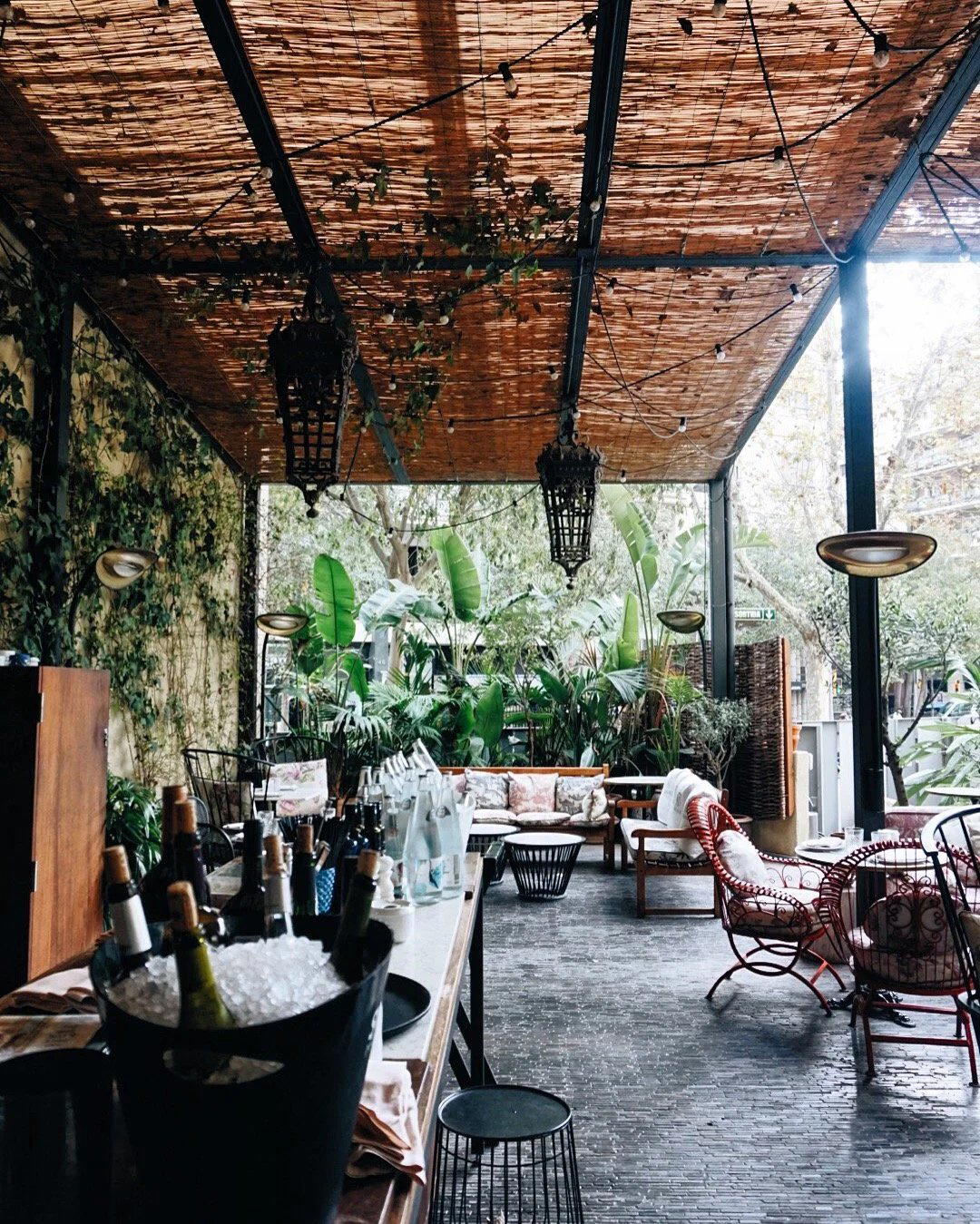
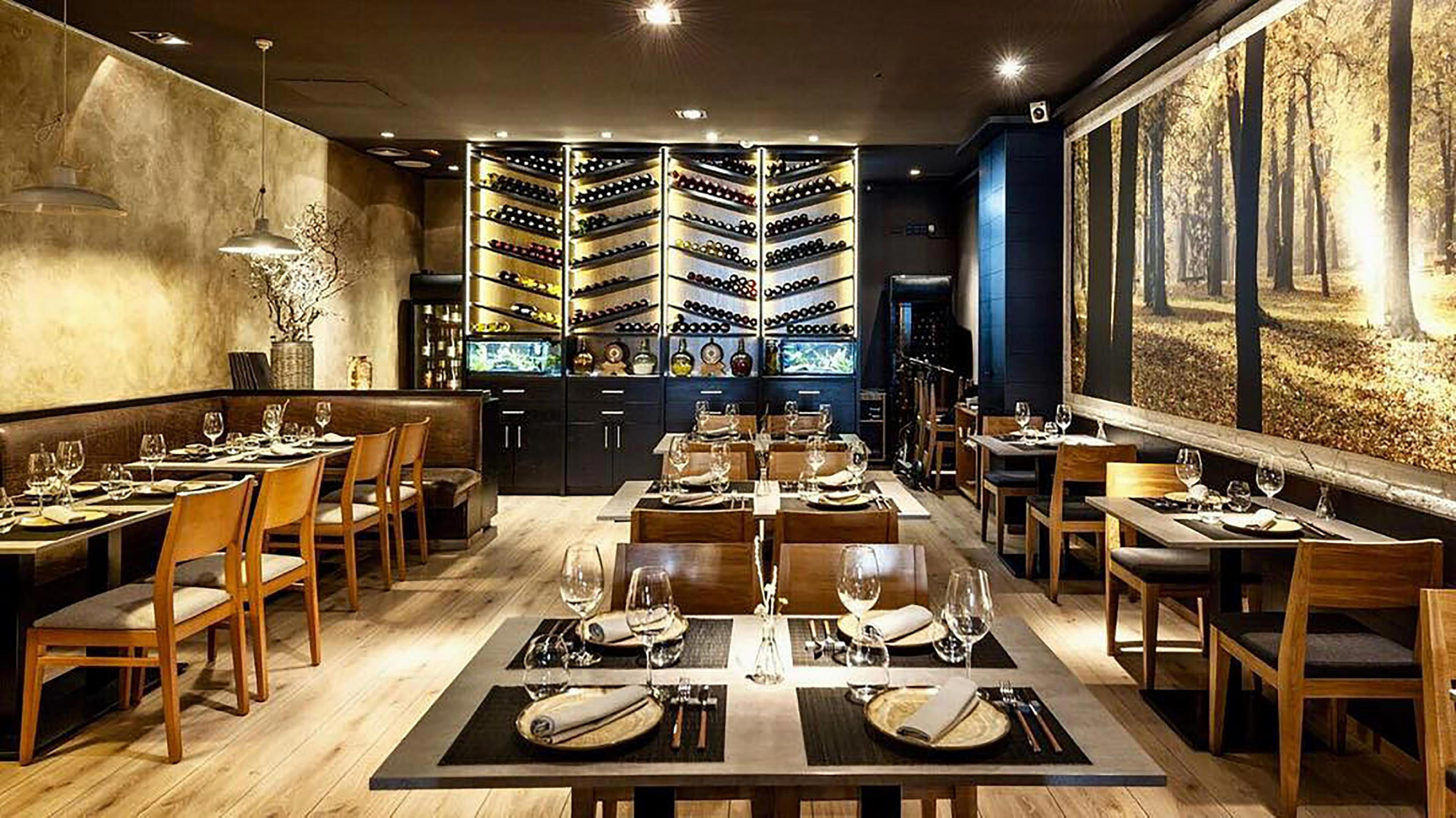
Avinguda Diagonal is not a street that invites lingering in the way Las Ramblas does, nor does it have the concentrated restaurant density of the Born or Gràcia. It is a thoroughfare of purpose: office buildings, flagship retail, the kind of address where expense-account lunches and neighbourhood regulars coexist. A brasserie format fits this geography well. The room at Chez Cocó, with its warm tones and mid-century references, signals a deliberate positioning: polished without being formal, lively without being chaotic. That tonal register is harder to maintain than it looks, and it places the restaurant in a competitive set that includes comfortable design-led spaces across the Eixample rather than the tasting-menu rooms of Disfrutar or Enigma.
The Cultural Logic of the Rotisserie in a Catalan City
To understand Chez Cocó's appeal, it helps to understand how roast chicken became a serious subject in Barcelona. Catalan cooking has always drawn from a broader Iberian and Mediterranean larder than the French model it superficially resembles: olive oil over butter, romesco over béarnaise, pa amb tomàquet as the baseline hospitality gesture. When French brasserie formats landed in Catalan cities, they were absorbed and modified rather than replicated. The result is a hybrid tradition where the rotisserie is taken as seriously as any tasting-menu centrepiece, and where the quality of the bird, its provenance, and its cooking time are considered credible subjects for conversation. This is the tradition Chez Cocó inhabits. Comparing it to the three-Michelin-star rooms of Cocina Hermanos Torres or Lasarte misses the point: it belongs to a different tier and serves a different function in the city's dining ecosystem, one that is no less considered for operating at a different register.
Spain's broader fine dining conversation, anchored by institutions like Arzak in San Sebastián, Mugaritz in Errenteria, and Aponiente in El Puerto de Santa María, has spent three decades pushing technique and concept to their limits. The counterweight to that movement, in Barcelona as elsewhere, is a renewed appetite for cooking that requires no manifesto: a properly rendered béarnaise, a chicken with burnished skin and resting juices, a wine list that does not demand study. The restaurant reads as a local answer to that appetite, positioned in the upper-casual bracket rather than the avant-garde tier occupied by ABaC or, nationally, by DiverXO in Madrid.
Seasonal Timing and Why Spring Visits Reward Planning
Barcelona's restaurant calendar has two distinct peaks. The spring window, roughly April through early June, combines optimal weather with the Catalan market season's first serious produce push: young garlic, spring onions, artichokes, and the first stone fruits that shift kitchen menus toward lighter preparations. Autumn, September through November, brings the second wave: wild mushrooms from the Pyrenean foothills, game, and the truffle season that begins pulling French-inflected menus in a predictable but reliable direction. Both periods place pressure on the city's mid-to-upper casual restaurants in ways that December or August do not. For the restaurant, on a high-footfall Eixample address with walk-in traffic from the surrounding offices and residential blocks, this seasonal pressure is real. Arriving without a reservation during either peak window carries meaningful risk.
Visitors anchoring a Barcelona trip around the city's higher-end tasting menus should use the restaurant as a structural counterpoint: it offers a different read on what the city eats when it is not performing for critics.
Where Chez Cocó Sits Relative to Barcelona's Dining Tiers
Barcelona's restaurant market has stratified considerably since the mid-2000s. At the leading, a cluster of destination restaurants draws international bookings months in advance: Disfrutar, consistently ranked among the world's highest-regarded tables, and Cocina Hermanos Torres, which holds three Michelin stars and operates in a converted greenhouse space in Les Corts. Below that tier, a competitive middle bracket includes design-conscious rooms, market-driven menus, and the kind of Franco-Catalan brasseries that restaurant represents. This middle tier is where most of Barcelona's daily dining life actually happens, and where the city's culinary identity is most legibly expressed: not in the tasting-menu rooms, but in the lunch service that runs from two to four in the afternoon, the basket of bread that arrives without being asked for, and the sommelier who recommends a Penedès white without needing to be prompted.
For travellers also exploring Spain's wider fine dining geography, reference points like Quique Dacosta in Dénia, Martin Berasategui in Lasarte-Oria, Ricard Camarena in València, and Azurmendi in Larrabetzu each represent the high-concept end of Iberian cooking. The restaurant makes most sense as a deliberate step away from that register, chosen for its room, its rhythm, and its willingness to take a roast seriously. International comparisons are instructive: the brasserie format at this level has peers in Le Bernardin in New York City and, in a different register, the communal dining energy of Lazy Bear in San Francisco, though the restaurant's mode is quieter and more European in its pace. And Atrio in Cáceres offers another lens on Spanish hospitality at the upper-casual register, for those mapping the country's full range.
Planning Your Visit
The restaurant is located at Avinguda Diagonal, 465, in the Eixample district of Barcelona. The address sits on one of the city's main arterial roads, accessible by metro from Diagonal station and within walking distance of several of the Eixample's key residential and commercial blocks. Given the location and format, the restaurant draws a mixed clientele of local professionals and hotel guests from the surrounding area. Dress expectations are in line with the neighbourhood: smart-casual is the operative register, and the room's atmosphere supports it. For the fullest experience of what the kitchen does with its rotisserie format, a table that allows time for the full service arc, including a proper dessert course, is worth factoring into the timing of your afternoon or evening.
Similar Picks
Comparable venues nearby, for context on price, style, and recognition.
| Venue | Cuisine | Price | Notes |
|---|---|---|---|
| Chez CocóThis venue — the venue you are viewing | French Rotisserie | $$$ | Not listed |
| El Cangrejo Loco | Traditional Seafood & Mediterranean | $$$ | l'Antiga Esquerra de l'Eixample |
| Planta Baja | Mediterranean Catalan with Seasonal Local Ingredients | $$$ | les Tres Torres |
| GUZZO | Modern Mediterranean Tapas | $$$ | Sant Pere, Santa Caterina i la Ribera |
| Restaurante Balmes Marisqueria | Traditional Spanish Seafood | $$$ | el Putxet i el Farro |
| Cera 23 | Modern Galician-Mediterranean Fusion | $$$ | el Raval |
Continue exploring
More in Barcelona
Restaurants in Barcelona
Browse all →
Bars in Barcelona
Browse all →
Hotels in Barcelona
Browse all →
At a Glance
- Romantic
- Elegant
- Classic
- Date Night
- Group Dining
- Family
- Special Occasion
- Open Kitchen
- Terrace
- Local Sourcing
Romantic, chic atmosphere with luxurious, ornate interior resembling a French brasserie or palace, featuring a warm and stately ambiance.