Indian cooking has a modest but growing footprint in Barcelona, and Elaichi on Carrer de Floridablanca sits within that emerging tier. The Eixample address places it in a neighbourhood more accustomed to Catalan modernisme and creative Spanish tasting menus, making its presence on the block a marker of the city's slowly diversifying dining map. For a city where subcontinental cuisine remains underrepresented, it occupies a distinct position.
Pearl is the En Primeur Club membership app — saves, bookings, and concierge access live there. Same editors, same standards.
- Address
- Carrer de Floridablanca, 130, Eixample, 08011 Barcelona, Spain
- Phone
- +34933302682
- Website
- elaichispain.com
- Directions
- Get directions
 Saves & bookings on Pearl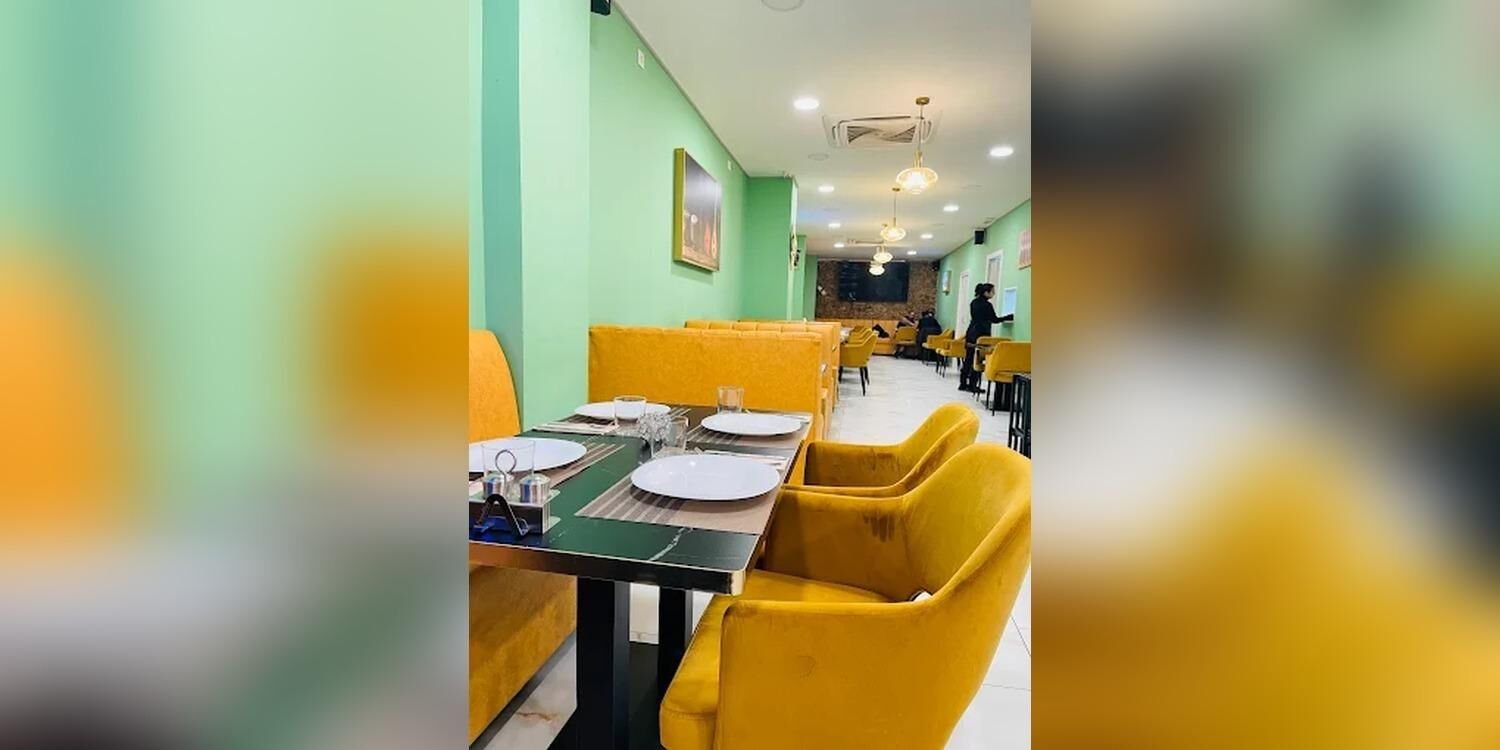
Indian Cooking in a City That Doesn't Do It Often
Barcelona's restaurant conversation is dominated by a tight cluster of progressive Spanish kitchens. Disfrutar (Progressive, Creative), Cocina Hermanos Torres (Creative), and Lasarte (Progressive Spanish, Creative) define what the city is known for internationally, and the creative tasting menu format has become so central to Barcelona's dining identity that everything outside it tends to be read as casual or supplementary. Indian cooking, across Spain broadly, has not achieved the critical mass or profile it holds in London or Amsterdam. In Barcelona specifically, the number of kitchens treating subcontinental cuisine with serious technical intent remains low relative to the city's overall restaurant density. Elaichi, on Carrer de Floridablanca in the Eixample, sits inside that thin category.
The Eixample is a neighbourhood shaped by Cerdà's grid plan and by a dining culture that skews heavily toward Catalan and modern European. The streets around Floridablanca host a mixture of neighbourhood restaurants and design-forward spaces, with the Sant Antoni market area a short walk away pulling a younger, food-literate crowd. An Indian restaurant in this particular stretch is not where local convention would place it, and that positioning alone says something about who it is trying to reach: residents and visitors willing to step sideways from the city's dominant dining grammar.
The Sourcing Question in a Mediterranean Context
Indian cooking's relationship with ingredient sourcing becomes an interesting editorial problem when the kitchen is operating in Catalonia. The subcontinent's spice vocabulary, cardamom, fenugreek, black mustard seed, dried Kashmiri chilli, is almost entirely imported, because Spanish agriculture does not produce those inputs at scale. What changes when a kitchen moves outside its native geography is which fresh components it can source locally and how those interact with a spice framework built for a different climate and produce tradition.
Catalonia has strong agricultural credentials: quality lamb from the Pyrenean foothills, seafood from the Costa Daurada and the Barceloneta fish market, legumes and vegetables from the Maresme coast. A kitchen working Indian technique in this context faces a structurally different sourcing challenge than one in Mumbai or Delhi. That tension, between a spice tradition with fixed requirements and a local market with its own seasonal logic, is what defines Indian cooking in Europe more broadly. How any individual kitchen resolves it tells you more about its culinary priorities than any single dish description.
Spain's wider fine-dining circuit has shown increasing interest in ingredient provenance as a narrative and technical anchor. Aponiente in El Puerto de Santa María has built an entire program around marine ingredients that the mainstream kitchen ignores. El Celler de Can Roca in Girona and Azurmendi in Larrabetzu both treat local sourcing as a philosophical premise, not a marketing footnote. That broader Spanish sensibility around provenance creates a useful framework for thinking about what an Indian kitchen in Barcelona should be doing with the produce available to it.
Where Elaichi Sits on the Barcelona Spectrum
Barcelona's most discussed restaurants operate at price points and format structures that make them occasion destinations rather than regular dining. Enigma (Creative) and ABaC (Creative) represent the upper tier, where tasting menus and extensive front-of-house production define the experience. Elaichi occupies a different register entirely. Indian restaurants in European cities typically price in a mid-market band, and Elaichi sits in a mid-market price band at about $30 per person. What can be said is that the category it operates in sits well below the city's multi-Michelin bracket and is likely accessible to a wider dining public than those tasting-menu addresses.
| Restaurant | Cuisine Type | Price Range | Format |
|---|---|---|---|
| Elaichi | Indian | About $30 per person | À la carte / restaurant |
| Cocina Hermanos Torres | Creative | €€€€ | Tasting menu |
| Disfrutar | Progressive, Creative | €€€€ | Tasting menu |
| Lasarte | Progressive Spanish, Creative | €€€€ | Tasting menu |
| Enigma | Creative | €€€€ | Tasting menu |
The Broader Spanish Appetite for Outside Influence
Spain's fine-dining circuit has not historically been porous to non-European culinary traditions at the leading end. The creative revolution that produced Mugaritz in Errenteria, Arzak in San Sebastián, Quique Dacosta in Dénia, and Martin Berasategui in Lasarte-Oria drew heavily on classical French structure and later on internal Spanish regionalism. The influence of Asian, South Asian, or Latin American traditions has been absorbed mostly at the technique or ingredient level, appearing as references within Spanish kitchens rather than as standalone restaurant categories with their own critical infrastructure. DiverXO in Madrid is especially visible exception, but its use of Asian reference points remains filtered through a Spanish creative lens rather than representing those traditions on their own terms.
That context matters for understanding what Elaichi represents in Barcelona. Indian cuisine in this city is not yet supported by the kind of critical attention or dining-public familiarity that would generate the same restaurant-to-restaurant competition seen in London's Mayfair or New York's Midtown. For comparison, Le Bernardin in New York City or Lazy Bear in San Francisco operate in cities where multiple strong examples of their respective categories already exist, creating a competitive comparable set that raises standards across the board. Elaichi does not have that external pressure in the same way, which places more weight on internal kitchen discipline as the primary quality signal.
Planning a Visit
Elaichi is located at Carrer de Floridablanca, 130 in the Eixample district, postcode 08011. The Sant Antoni metro station on the L2 line is one direct public transit connection, placing the address within a few minutes on foot. The neighbourhood around Sant Antoni market has become one of the more active dining and bar zones in the city over the past several years, so combining Elaichi with drinks or a walk through that area is a practical way to structure an evening.
Reputation Context
Comparable venues nearby, for context on price, style, and recognition.
| Venue | Cuisine | Price | Notes |
|---|---|---|---|
| Elaichi Indian RestaurantThis venue — the venue you are viewing | Traditional Indian | $$ | Not listed |
| Taste of India | Authentic Indian | $$ | la Dreta de l'Eixample |
| Shanti Restaurant | Authentic Indian | $$ | les Tres Torres |
| Rasoi BCN | Authentic Indian | $$ | l'Antiga Esquerra de l'Eixample |
| L'Adelita Botaner | Authentic Traditional Mexican | $$ | l'Antiga Esquerra de l'Eixample |
| La Taverna Del Suculent | Modern Spanish Tapas | $$ | el Raval |
Continue exploring
More in Barcelona
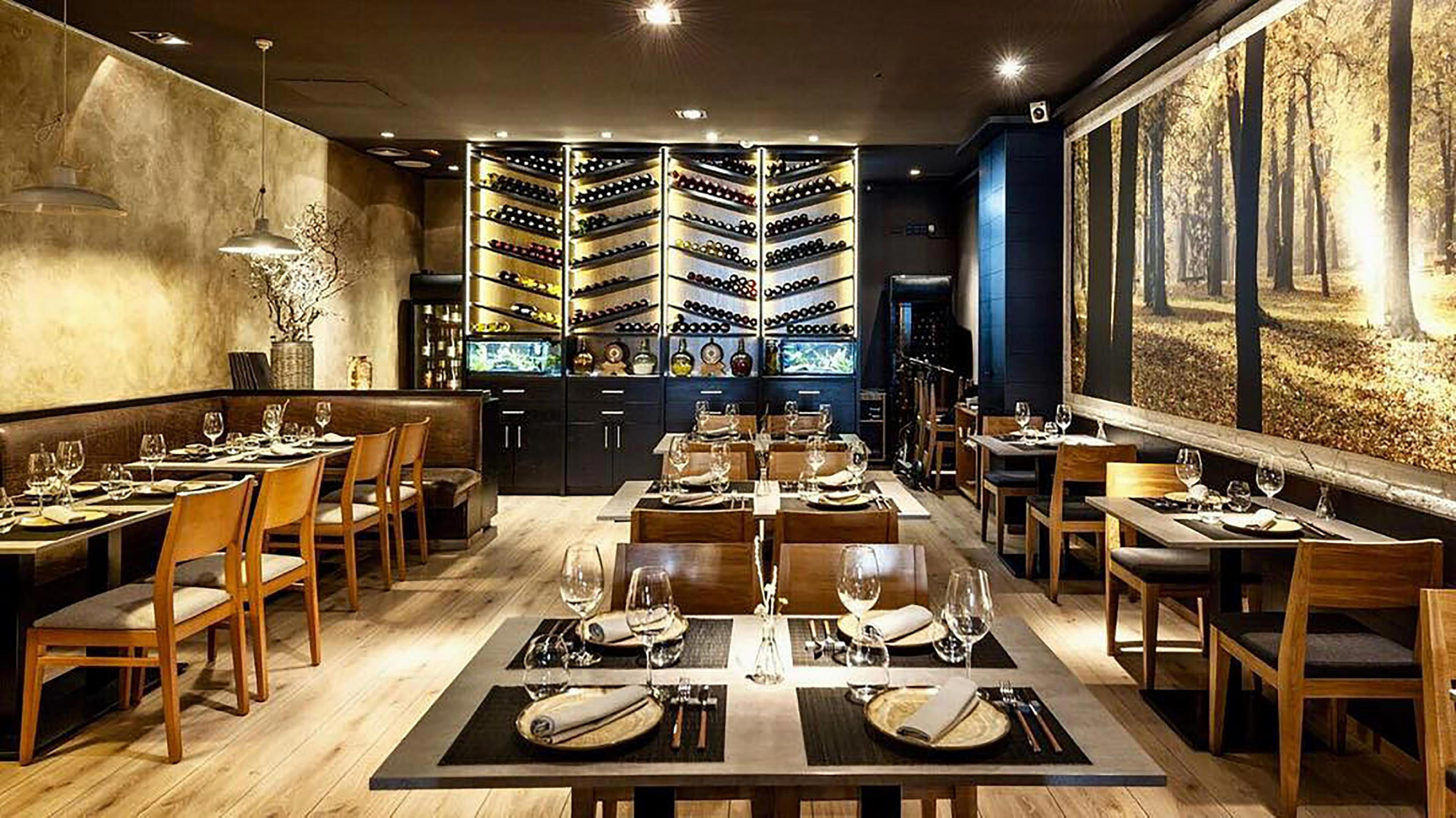
Restaurants in Barcelona
Browse all →
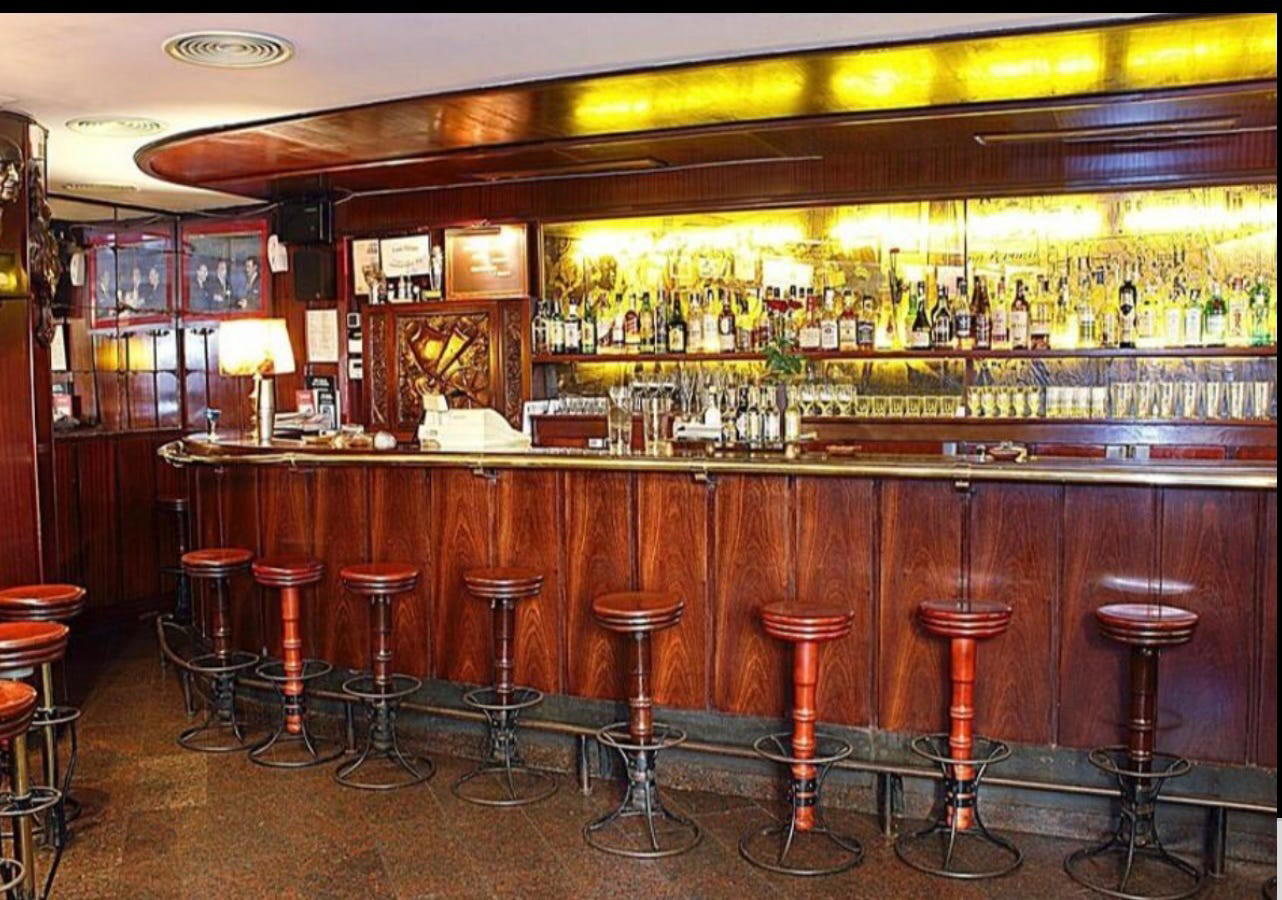
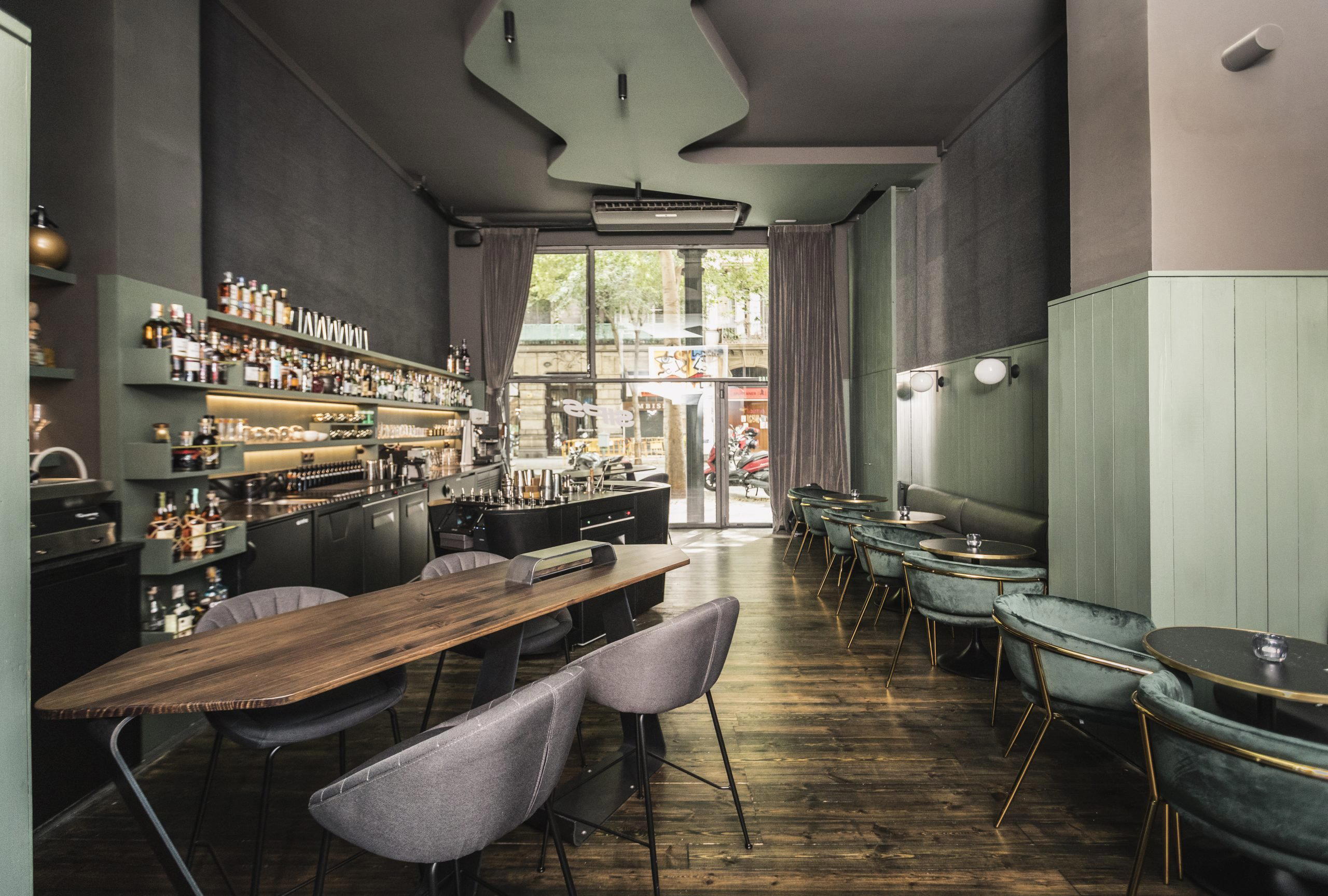
Bars in Barcelona
Browse all →
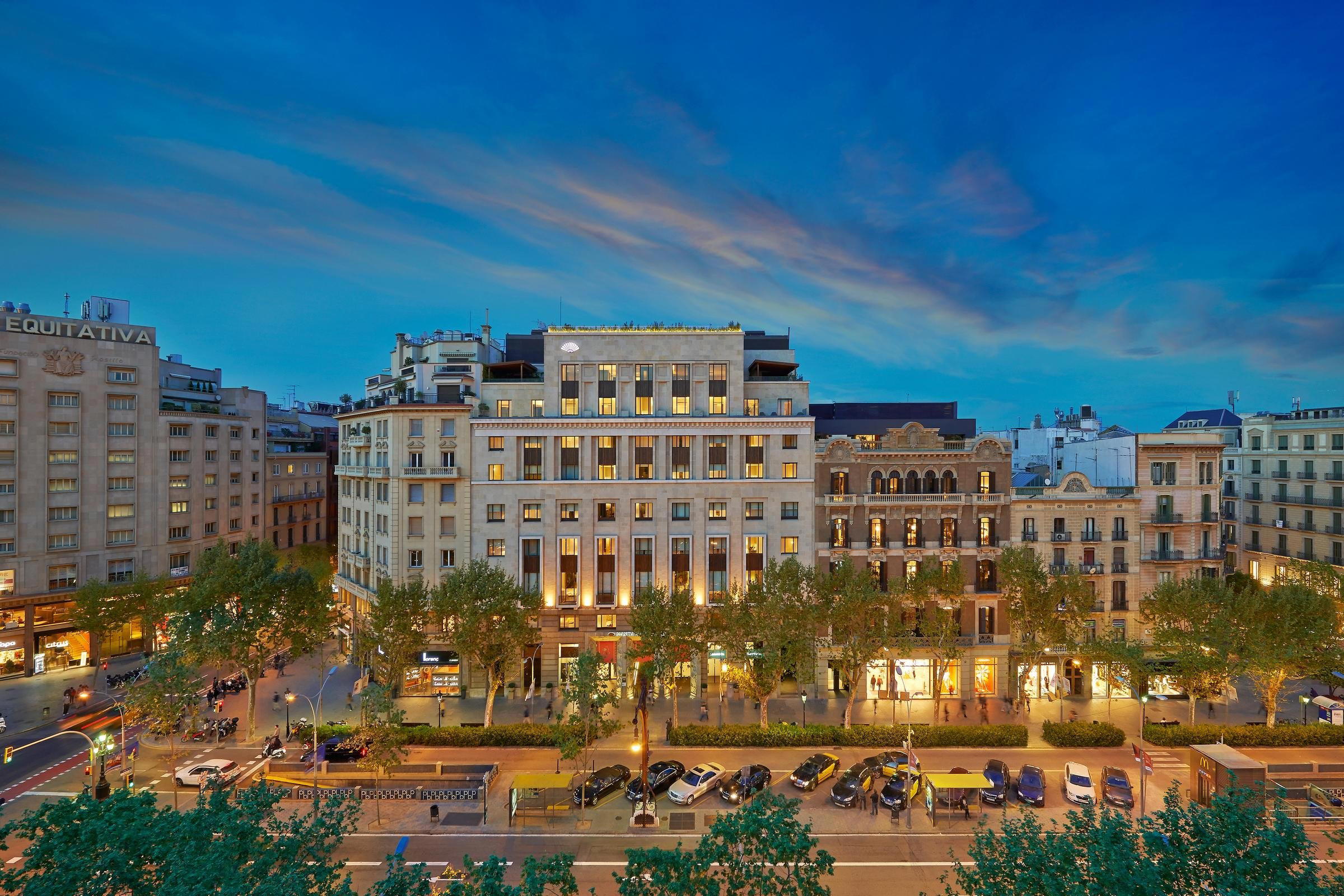
Hotels in Barcelona
Browse all →
At a Glance
- Cozy
- Group Dining
- Casual Hangout
- After Work
- Standalone
Current opening hours
- Monday
- 12–4:30 PM, 7 PM–12 AM
- Tuesday
- 12–4:30 PM, 7 PM–12 AM
- Wednesday
- 12–4:30 PM, 7 PM–12 AM
- Thursday
- 12–4:30 PM, 7 PM–12 AM
- Friday
- 12–4:30 PM, 7 PM–12 AM
- Saturday
- 12–4:30 PM, 7 PM–12 AM
- Sunday
- 12–4:30 PM, 7 PM–12 AM
Hours can change for holidays and private events. Last verified .
Welcoming and friendly atmosphere with a casual dining environment