Miyabi Sushi
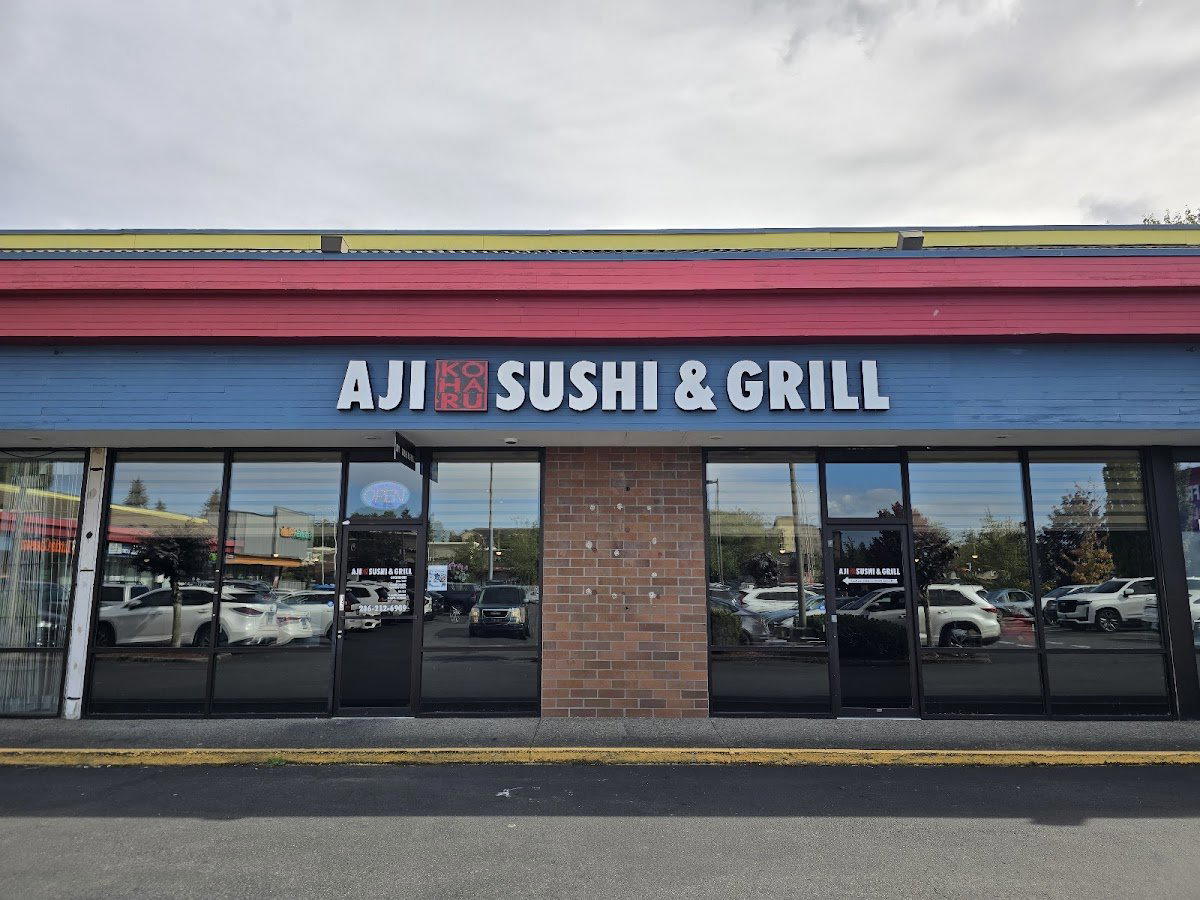
Miyabi Sushi on Southcenter Parkway sits within Tukwila's dense commercial corridor, positioning itself in a suburban Seattle market where Japanese dining options range from fast-casual conveyor belts to more composed sushi formats. The restaurant draws from a tradition of Japanese craftsmanship that extends well beyond the Pacific Northwest, offering a reference point for the broader regional appetite for Japanese cuisine outside the city core.
Pearl is the En Primeur Club membership app — saves, bookings, and concierge access live there. Same editors, same standards.
- Address
- 16820 Southcenter Pkwy, Tukwila, WA 98188
- Phone
- +12065756815
- Website
- miyabisushi.com
- Directions
- Get directions
 Saves & bookings on Pearl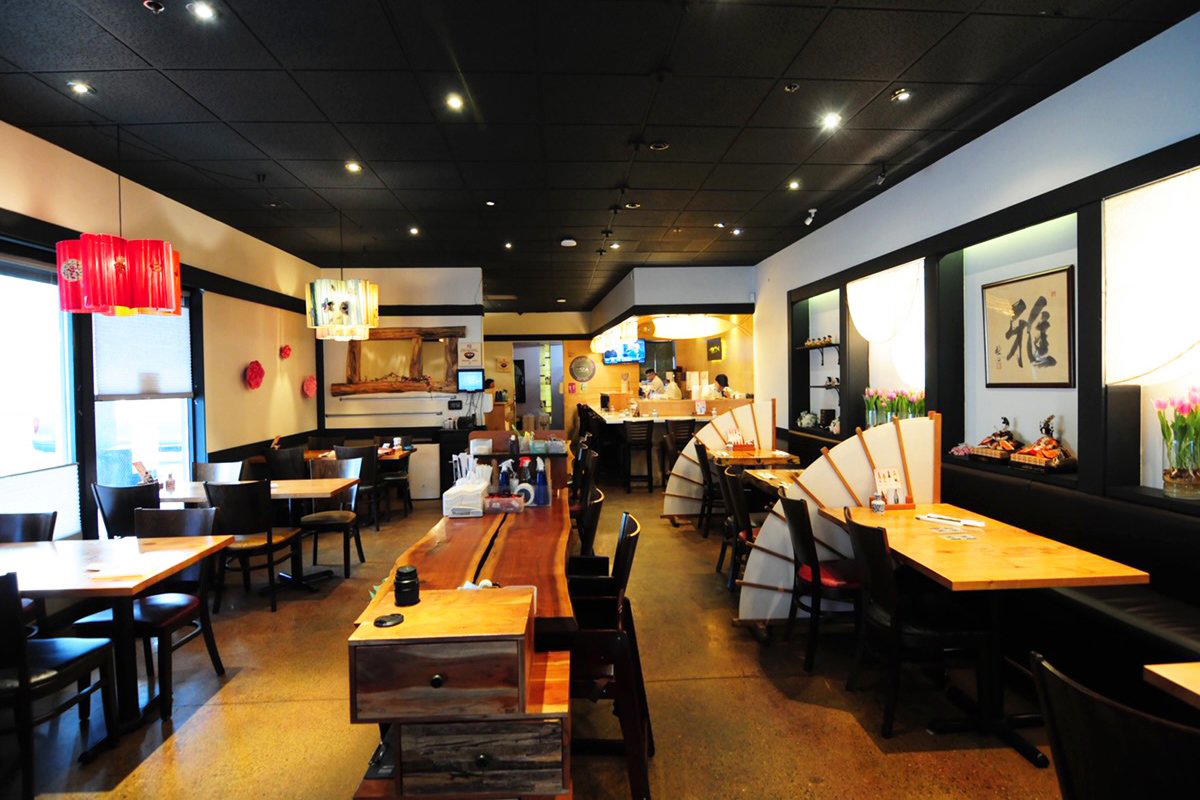
Sushi in the Southcenter Corridor
Tukwila's restaurant strip along Southcenter Parkway serves a working commercial geography: airport proximity, retail density, and a transient population of business travelers and suburban diners who want quality without a drive into Seattle. It serves a working commercial geography: airport proximity, retail density, and a transient population of business travelers and suburban diners who want quality without a drive into Seattle. Within that context, sushi restaurants occupy a specific role. They absorb demand from a regional appetite for Japanese food that Seattle has cultivated steadily since the mid-twentieth century, when Japanese-American communities helped establish the culinary grammar that now shapes expectations across the greater Puget Sound area. Miyabi Sushi, at 16820 Southcenter Pkwy, operates within that continuum.
The Cultural Weight Behind the Counter
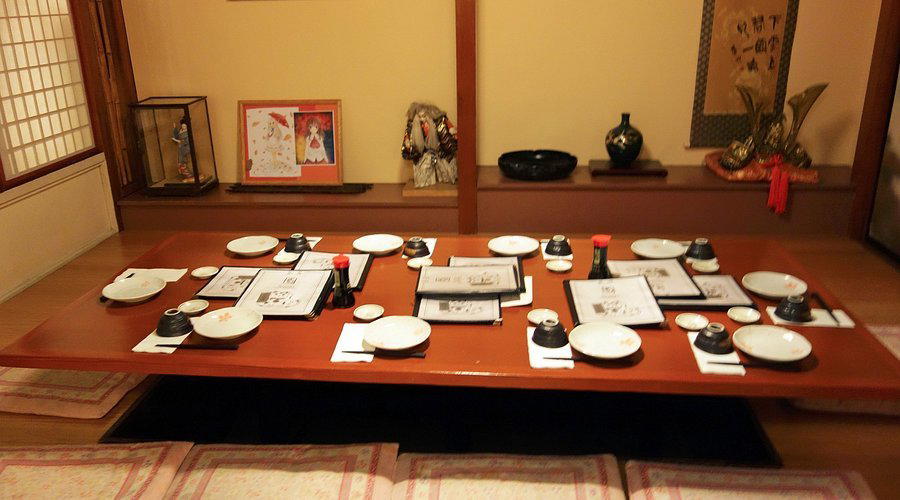
Japanese sushi as it exists in American suburban markets carries a complex heritage. The form that most diners encounter, rolls constructed with American ingredients layered onto vinegared rice, diverges substantially from the Edo-period tradition of nigiri that emerged in Tokyo in the nineteenth century. That original tradition was built around seasonal fish, minimal intervention, and a counter relationship between chef and diner that made each service a calibrated exchange rather than a fixed transaction. The omakase format, now associated with high-investment counters like those found in cities such as New York or San Francisco, traces directly to that tradition.
American sushi has developed its own logic, however, and that logic is not simply a degradation of the original. Rolls built around local Pacific fish, sauces adapted to regional palates, and formats designed for table dining rather than counter service represent a genuine culinary adaptation. In the Seattle region, proximity to Pacific fishing grounds adds a layer of legitimacy to that adaptation: king salmon, Dungeness crab, and Pacific halibut appear in regional sushi restaurants with a frequency and freshness that inland American cities cannot replicate. This is the cultural context in which a Tukwila sushi restaurant operates, whether it leans toward composed omakase formality or toward the more accessible roll-led format that suburban markets typically support.
Where Miyabi Sits in the Southcenter Dining Pattern
The Southcenter strip contains a range of dining formats that collectively map the price and ambition tiers available to the area's visitors and residents. Din Tai Fung anchors the premium casual end with its disciplined, internationally recognized dumpling format. JOEY Southcenter occupies the mid-market polished bar-and-grill tier. Duke's Seafood addresses the Pacific Northwest seafood tradition with a more casual approach. Miyabi Sushi enters this pattern as a Japanese specialist, a category that, in suburban settings, tends to serve as a reliable mid-week choice for diners who want something more focused than a multi-cuisine menu but are not committing to a downtown reservation.
The broader Tukwila dining picture suggests a market that prizes accessibility and consistency over culinary novelty. A sushi restaurant in this environment earns its place by executing familiar formats well: fresh fish, competent rice technique, and service that moves efficiently for diners who may have a hotel or a flight in their immediate future.
The Seattle-Area Sushi Market as Frame of Reference
To understand what a Tukwila sushi restaurant can and cannot be, it helps to place it relative to what the broader American sushi scene has produced. Counters with the kind of credentialed ambition associated with venues like Atomix in New York City or fine-dining establishments of the caliber of Le Bernardin in New York City operate in a different tier entirely, one defined by prix-fixe structures, extended booking windows, and a critical infrastructure of awards and press coverage. That tier exists at properties like The French Laundry in Napa, Alinea in Chicago, or Providence in Los Angeles. The ambition at venues such as Single Thread Farm in Healdsburg, Lazy Bear in San Francisco, and Blue Hill at Stone Barns in Tarrytown illustrates what happens when fine dining commits to a localized, ingredient-forward philosophy at high investment levels.
Suburban sushi in the Pacific Northwest does not compete with those properties, nor should it be evaluated against them. It competes within its own geography, against casual Japanese chains, fast-casual conveyor options, and the growing number of izakaya-influenced formats that have spread through the Seattle metro area over the past decade. Award-tracked establishments like Addison in San Diego, Bacchanalia in Atlanta, The Inn at Little Washington, Brutø in Denver, Emeril's in New Orleans, and 8 1/2 Otto e Mezzo Bombana in Hong Kong represent a different competitive conversation altogether. The relevant comparable set for Miyabi Sushi is local: other suburban Japanese restaurants within the Southcenter and SeaTac corridor.
Planning a Visit
The restaurant's address at 16820 Southcenter Pkwy places it within easy reach of Seattle-Tacoma International Airport and the Southcenter Mall cluster, making it a practical option for travelers with a layover window or hotel-based diners who want a sit-down meal without heading into Seattle proper. For visitors to the area, the restaurant fits naturally into an evening in Southcenter. The surrounding retail and hotel infrastructure means parking is generally accessible, which matters in a suburban corridor where walkability is limited. Diners traveling on a schedule should build in time accordingly, as airport-adjacent areas in the Southcenter corridor can experience traffic delays during peak commute windows, particularly between 4pm and 6:30pm on weekdays.
Cost and Credentials
Comparable venues nearby, for context on price, style, and recognition.
| Venue | Cuisine | Price | Notes |
|---|---|---|---|
| Miyabi SushiThis venue — the venue you are viewing | Southcenter, Authentic Japanese Sushi | $$ | Not listed |
| JOEY Southcenter | Not listed | $$ | Southcenter, Global Fusion with Asian & American |
| Din Tai Fung | Southcenter, Taiwanese Soup Dumplings | $$ | Not listed |
| Duke's Seafood | Southcenter, Pacific Northwest Seafood | $$ | Not listed |
| Samurai Noodle | Not listed | $$ | University District, Japanese Ramen Noodle Bar |
| Taku | Not listed | $$ | Pike/Pine, Japanese Fried Chicken (Karaage) |
Continue exploring
More in Tukwila
Restaurants in Tukwila
Browse all →
Bars in Tukwila
Browse all →
Hotels in Tukwila
Browse all →
At a Glance
- Cozy
- Casual Hangout
- Open Kitchen
- Sake Program
Current opening hours
- Monday
- 11:15 AM–2 PM, 4:30–9 PM
- Tuesday
- 11:15 AM–2 PM, 4:30–9 PM
- Wednesday
- 11:15 AM–2 PM, 4:30–9 PM
- Thursday
- 11:15 AM–2 PM, 4:30–9 PM
- Friday
- 11:15 AM–2 PM, 4:30–9:30 PM
- Saturday
- 12–2:30 PM, 4:30–9:30 PM
- Sunday
- 4:30–8:30 PM
Hours can change for holidays and private events. Last verified .
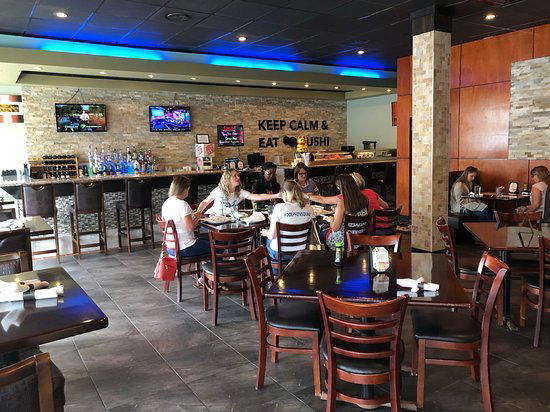
Cozy and tucked-away spot in a shopping center with genuine hospitality and focus on fresh sushi preparation.