Samurai Noodle
On the Ave in Seattle's University District, Samurai Noodle occupies a specific place in the city's ramen conversation: a counter-culture staple that draws students, faculty, and north-end regulars in roughly equal measure. The format is direct and the focus is narrow, which in ramen terms is usually a signal of seriousness. Seattle's noodle scene has grown considerably, and this address has been part of that story for years.
Pearl is the En Primeur Club membership app — saves, bookings, and concierge access live there. Same editors, same standards.
- Address
- 4138 University Way NE (42nd St. NE), Seattle, WA 98105
- Directions
- Get directions
 Saves & bookings on Pearl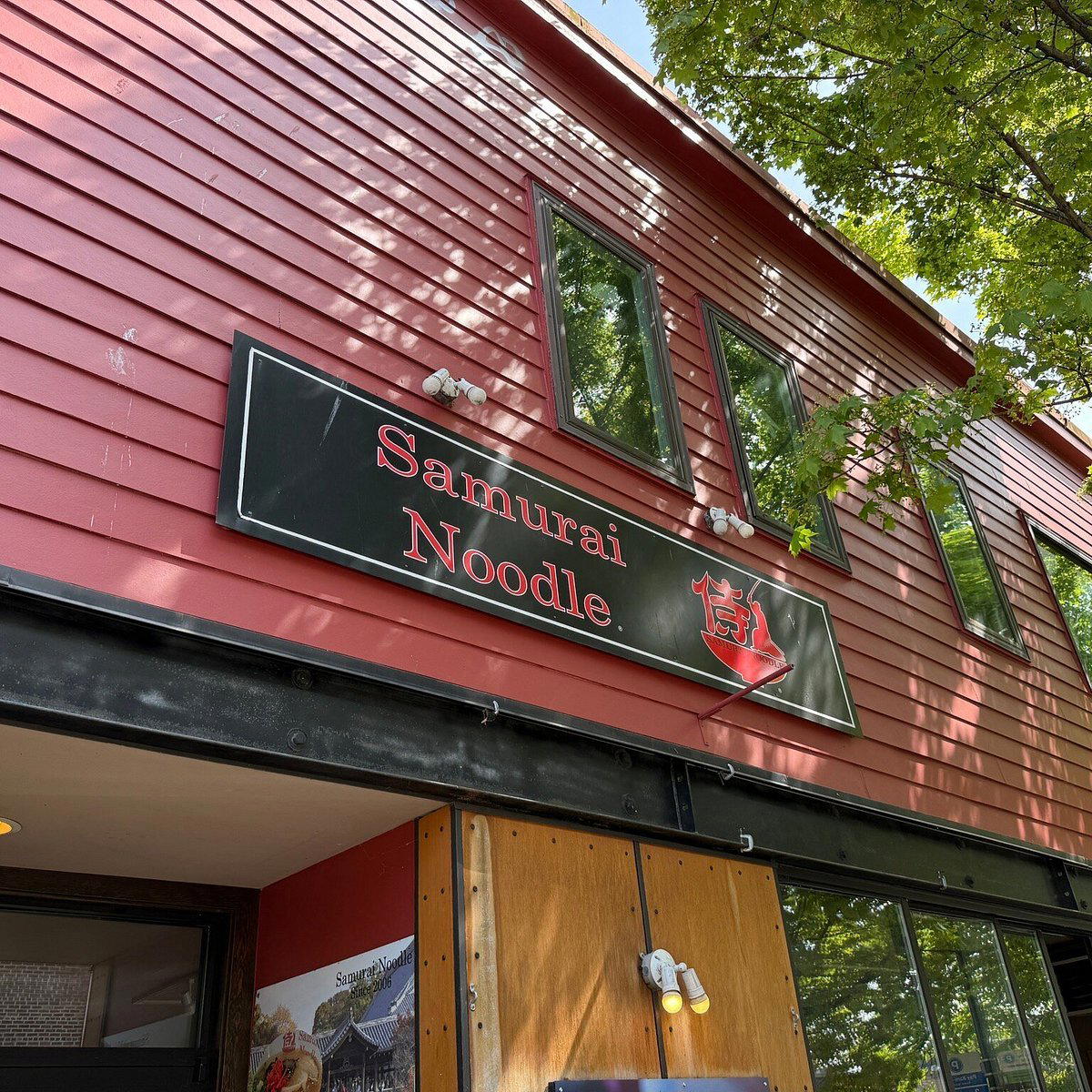
University Way and the Culture of the Counter
University Way NE, the stretch Seattle locals call "the Ave," has never been a fine-dining corridor. It runs through the University District with the particular energy of a place shaped by proximity to a major research university: cheap eats alongside serious eats, late hours, and a clientele that skews toward people who eat out of habit rather than occasion. Within that context, Samurai Noodle at 4138 University Way NE occupies a specific position. It is not trying to be Canlis. It is not reaching toward the technically ambitious Asian-fusion register of Joule. It operates in a register that the University District has historically needed and consistently rewarded: focused, repeatable, affordable ramen delivered without ceremony.
That lack of ceremony is itself an editorial point. Seattle's dining conversation has tilted upward over the past decade, with tasting-menu formats, omakase counters, and elaborate beverage programs drawing attention to neighborhoods like Capitol Hill and South Lake Union. The University District, by contrast, has remained a neighborhood where the measure of a restaurant is whether it survives the relentless turnover of a student-heavy street. Samurai Noodle has survived it. On the Ave, that matters.
What Ramen Means in Seattle
Pacific Northwest ramen has developed its own characteristics distinct from the established regional styles of Japan. Seattle's proximity to Japanese-American communities in the Puget Sound region, combined with a long history of Japanese immigration through Washington State, means the city's appetite for ramen is not a recent import. It predates the national ramen boom that followed the mid-2000s food media cycle.
Within that local context, the University District has been a consistent ramen address. The Ave supports the kind of volume and price sensitivity that ramen, as a category, tends to require for a kitchen to run efficiently. Compare that to the higher-ticket ramen experiments that have appeared and disappeared in Capitol Hill and Belltown, where rent pressures push operators toward premium positioning that the dish's margins do not always sustain. Counter-format ramen on the Ave has a structural logic that explains why addresses here last longer than flashier downtown iterations.
For readers mapping Seattle's noodle geography, the University District fits alongside the International District as the two neighborhoods where ramen has genuine depth of history rather than recent trend-chasing. If you are arriving from a city with a more mature ramen scene, say a West Coast metropolis with dedicated tonkotsu or shio specialists, the Ave offers a point of connection to how Seattle has been eating Japanese noodles for decades rather than years. Explore more of what the city's dining scene offers across price points and neighborhoods in our full Seattle restaurants guide.
The University District as a Frame for Experience
Walking north on University Way from the 40th Street intersection, the neighborhood changes register quickly. South of 42nd, the street is at its most commercial: booksellers, coffee shops, and fast-casual spots that have been turning over the same student population for generations. At 42nd, Samurai Noodle sits within that current rather than against it. The physical approach tells you what you are getting: a storefront without pretension, designed for entry and exit rather than lingering theater.
That is not a criticism. Ramen as a format has always operated at the intersection of speed and quality. The leading examples of the discipline in Japan, whether tonkotsu counters in Fukuoka or shoyu specialists in Tokyo's outer wards, are not destination restaurants in the Western fine-dining sense. They are places where regularity of visit matters more than the singularity of any one meal. The Ave format supports that pattern. It is walkable from the University of Washington campus, accessible by the Link Light Rail's U District station, and priced for repeat visits rather than special occasions.
For context on what Seattle's restaurant scene looks like at the opposite end of the formality spectrum, 1415 1st Ave and 1744 NW Market St represent the city's more curated, experience-led dining tier. 2963 4th Ave S charts another point on the neighborhood-specific dining map. Samurai Noodle sits at a different coordinate on that map: neighborhood utility, consistently delivered.
Placement in Seattle's Dining comparable set
Seattle's ramen category has no Michelin tier to sort against, since Washington State was not part of the Michelin Guide's domestic expansion as of early 2024. That absence shifts the evaluative frame toward local editorial recognition, repeat business, and neighborhood longevity. By those measures, the University District address has earned its place. It is not competing with the ambitious New American programming at Canlis or the Korean-inflected precision of Atomix in New York City. It competes within its own category: accessible Japanese noodle formats on a street where access and consistency are the criteria that matter.
For readers who want to understand how Seattle's dining scene maps onto national reference points, the contrast is useful. Tasting-menu destinations like Lazy Bear in San Francisco, Alinea in Chicago, or The French Laundry in Napa define one pole of American fine dining. Neighborhood ramen on a university corridor defines another pole entirely, and that pole has its own integrity. The craft in a well-executed bowl of tonkotsu is not less serious than the craft in a tasting menu; it is differently expressed and differently evaluated.
Planning Your Visit
| Detail | The restaurant (U District) | Capitol Hill Ramen Options | International District Noodle Houses |
|---|---|---|---|
| Neighborhood Access | Link Light Rail U District station | Broadway corridor, walkable from Capitol Hill station | International District/Chinatown station |
| Price Register | Budget-accessible, student-district pricing | Mid-range to affordable | Varies; generally affordable |
| Format | Counter/casual, quick turnaround | Sit-down to counter, varies by venue | Table service, traditional formats |
| Leading For | Repeat visits, solo dining, casual groups | Date nights, post-bar eating | Broader Southeast and East Asian noodle range |
Phone and website details are not available in current records. Walk-in access on University Way follows the standard pattern for the corridor: expect higher foot traffic during university term time, particularly at lunch and early dinner. The Ave's ramen spots have historically operated without reservations, consistent with the counter-service format the neighborhood supports.
Style and Standing
Comparable venues nearby, for context on price, style, and recognition.
| Venue | Cuisine | Price | Notes |
|---|---|---|---|
| Samurai NoodleThis venue — the venue you are viewing | Japanese Ramen Noodle Bar | $$ | Not listed |
| Wasabi Sushi & Izakaya | Japanese Sushi & Izakaya | $$ | Belltown |
| Karaage Setsuna | Hawaiian-Japanese Fried Chicken | $$ | Belltown |
| Ada's Technical Books and Cafe | Vegetarian & Vegan Cafe | $$ | Broadway |
| Union Saloon | American Comfort Food & Craft Cocktails | $$ | Wallingford |
| Taylor Shellfish Oyster Bar | Pacific Northwest Raw Shellfish & Oyster Bar | $$ | Pioneer Square |
Continue exploring
More in Seattle
Restaurants in Seattle
Browse all →
Bars in Seattle
Browse all →
Hotels in Seattle
Browse all →

At a Glance
- Cozy
- Casual
- Casual Hangout
- Sake Program
Cozy college-type atmosphere with steamy aromas of cooking noodles and savory broth.