
Tabelog 100 #23
Our verdict
Mitama Ya gives Kyoto’s wagashi culture a quieter register: traditional Japanese sweets in Shimogamo, recognised in the Tabelog 100 Japanese traditional sweets / sweets cafe WEST 2023 selection. The draw is not spectacle but format discipline, local rhythm, and the city’s habit of treating confectionery as part of daily life rather than a souvenir afterthought.

Pearl is the En Primeur Club membership app, where members save venues, book tables and use the concierge.
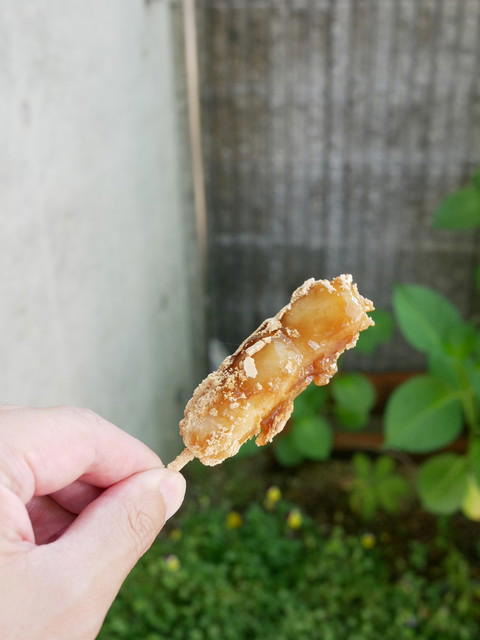
Kyoto changes tempo when you step away from the most crowded dining routes. Away from the central shopping arcades, the city can feel more residential, with errands replacing itinerary-chasing and small food shops holding the authority tourist-facing counters often try to manufacture. Here, Mitama Ya belongs to a Kyoto tradition where sweets are not an ornamental meal ending but a separate craft tied to gifting, tea, seasonality, and local loyalty.
Kyoto’s wagashi scene rewards patience. It is easy to reduce the category to pretty shapes and formal tea-room etiquette, but the city’s stronger sweet shops work in a narrower, more demanding lane: texture, temperature, bean work, rice flour, wrapping, and purchase timing. Recognition in Tabelog’s Hyakumeiten 2023 selection for Japanese traditional sweets places Mitama Ya inside that specialist bracket, a useful signal where historic name value and daily demand are not always the same.
Kyoto wagashi, away from the central sweets circuit
Central Kyoto has footfall. The busiest visitor corridors gather people seeking a quick read on the city’s food culture, from department-store counters to polished dining rooms. Mitama Ya works differently: it asks for a deliberate Kyoto sweets stop and gives a clearer view of how the city uses sweet shops, as weekday errands, seasonal purchases, and quiet hospitality.
That matters because wagashi is one of Kyoto’s least casual-looking casual foods. Its forms can be ceremonial, but consumption is often practical. Mitama Ya, categorised as Japanese traditional sweets, sits closer to daily Kyoto than to performative kaiseki-adjacent confectionery. The point is not salon ritual but judging a narrow craft by repeatable execution.
The Kyoto comparison set reinforces this. Saryo Housen and Housen Dou Honten occupy the broader sweets conversation, while Cafe Verdi and Grandir Shimogamo ten show how the city mixes specialist stops with everyday bakery and coffee habits. Mitama Ya is useful because it is not trying to solve lunch, dinner, and dessert at once. It belongs to the tighter category where one craft carries the visit.
For travellers building a Kyoto food day, it counters the denser restaurant itinerary. A morning or afternoon in the city can pair wagashi with a slower route rather than another reservation-led meal. For broader planning, Our full Kyoto restaurants guide gives the dining map, while Our full Kyoto hotels guide, Our full Kyoto bars guide, Our full Kyoto wineries guide, and Our full Kyoto experiences guide fill in the rest of the city.
The craft signal is restraint, not spectacle
Kyoto has a talent for making restraint look expensive. In wagashi, restraint is not minimalism for its own sake; it pressures small differences. A sweet shop does not need a long menu, chef biography, or theatre-lit counter to make a serious claim. It needs regularity, a clear point of view within tradition, and enough local confidence to survive without turning every item into a photographed event.
Mitama Ya’s trust signal is concrete: Tabelog recognised it in its 2023 Hyakumeiten selection for Japanese traditional sweets, with a listed score of 3.65. Tabelog scores in Japan tend to be conservative, especially outside international fine dining, so a mid-three score attached to a category selection carries more weight than it may appear to visitors used to inflated review platforms. The selection does not make the shop a trophy stop; it places it in a vetted sweets tier.
The sweets-shop format shapes the experience. This is not necessarily the polished choreography of a tea salon, and should not be judged only that way. The pleasure is the compressed exchange: choosing, carrying, sharing, and fitting the purchase into a Kyoto day. That rhythm is common in Japan’s stronger confectionery cities, where sweet shops function within a network of visits rather than as stand-alone dining events.
The practical editorial advantage is clear. Kyoto’s restaurant scene can become reservation-heavy fast, especially when travellers stack kaiseki, sushi, tempura, and counter dining into a short stay. A Kyoto sweets stop adds texture without another formal sitting. Mitama Ya works well as a calibration point, reminding visitors that Kyoto food culture is as much about small, precise purchases as multi-course meals.
How to place it in a Kyoto itinerary
The city’s stronger food days are built by contrast. A focused sweets errand can sit before a structured evening, or after a morning of slower Kyoto wandering. If the day centres on other dining, unnamed Kyoto restaurants occupy a different dining register, while more practical, high-traffic eating can fill another need entirely. For another Kyoto sweet tradition, keep the comparison broad: Mitama Ya is best understood within the city’s specialist confectionery culture rather than as a substitute for a full meal.
Mitama Ya is strongest for travellers who care about category literacy. It means more to someone interested in how Kyoto separates confectionery, tea culture, gifting, and local commerce than to someone seeking one photogenic dessert stop. The listed JPY 1,000 - JPY 1,999 price band keeps the decision low-risk, but the recognition context makes it more than a convenience purchase.
For readers extending the Japan map beyond Kyoto, the contrast is instructive. Everyday food can mean many things across Japan and abroad, from quick counters and bakeries to coffee shops, sweets specialists, and casual dining rooms. Kyoto’s distinction is that even a small sweets stop can carry a mature local tradition. Mitama Ya’s place in Tabelog’s 2023 Japanese traditional sweets selection gives that quiet stop a clearer frame.
Frequently asked questions
When is Mitama Ya open?
Current opening hours are not provided here. Check the venue's official channels or call +81-75-721-8740 for the latest details.
Is Mitama Ya more mid-range or high-end?
Pricing at Mitama Ya is listed as JPY 1,000 - JPY 1,999 JPY 1,000 - JPY 1,999 View spending breakdown.
Where exactly is Mitama Ya?
Kyoto.
What's the standout thing about Mitama Ya?
Its clearest credential is Tabelog Hyakumeiten recognition for Japanese traditional sweets in 2023. Add the JPY 1,000 - JPY 1,999 price range, and it reads as a serious Japanese traditional sweets stop rather than a casual dessert detour.
Do they accommodate allergies at Mitama Ya?
Those details are not published. Mitama Ya is a Japanese traditional sweets venue in Kyoto, which makes advance checking especially sensible. Check the venue's official channels for the latest details.
At-a-Glance Comparison
Nearby venues at a similar price tier for orientation.
| Venue | Cuisine | Price | Awards | Notes |
|---|---|---|---|---|
| Mitama YaThis venue (the venue you are viewing) | Traditional Japanese confectionery (wagashi) | $10–20 | Tabelog 100 #23 | Not listed |
| 京ゆば工房 | Kyoto Yuba Workshop | $1–10 | Not listed | Higashiyama |
| Rokuyosha Coffee Ten | Traditional Japanese kissaten & coffee shop | $1–10 | Tabelog 100 | Nakagyō |
| Seikou Udoku | Soupless Tantanmen Ramen | $10–20 | Tabelog 100 #19 | Uji |
| Onkashi Tsukasa Shioyoshiken | Traditional Kyoto Wagashi (Japanese confectionery) | $10–20 | Tabelog 100 #91 | Kamigyō |
| Mutepou Souhon ten | Tonkotsu Ramen Shop | $10–20 | Tabelog 100 #21 | Kizugawa |
Recognition history
Dated appearances from independent guides and award organizations, with the underlying list record or original source where available.
Tabelog 100 #23 · No. 23
Tabelog · Tabelog 100 - Japanese traditional sweets / Japanese sweets cafe - WEST - 2023
Continue exploring
More in Kyoto
Restaurants in Kyoto
All restaurants in Kyoto →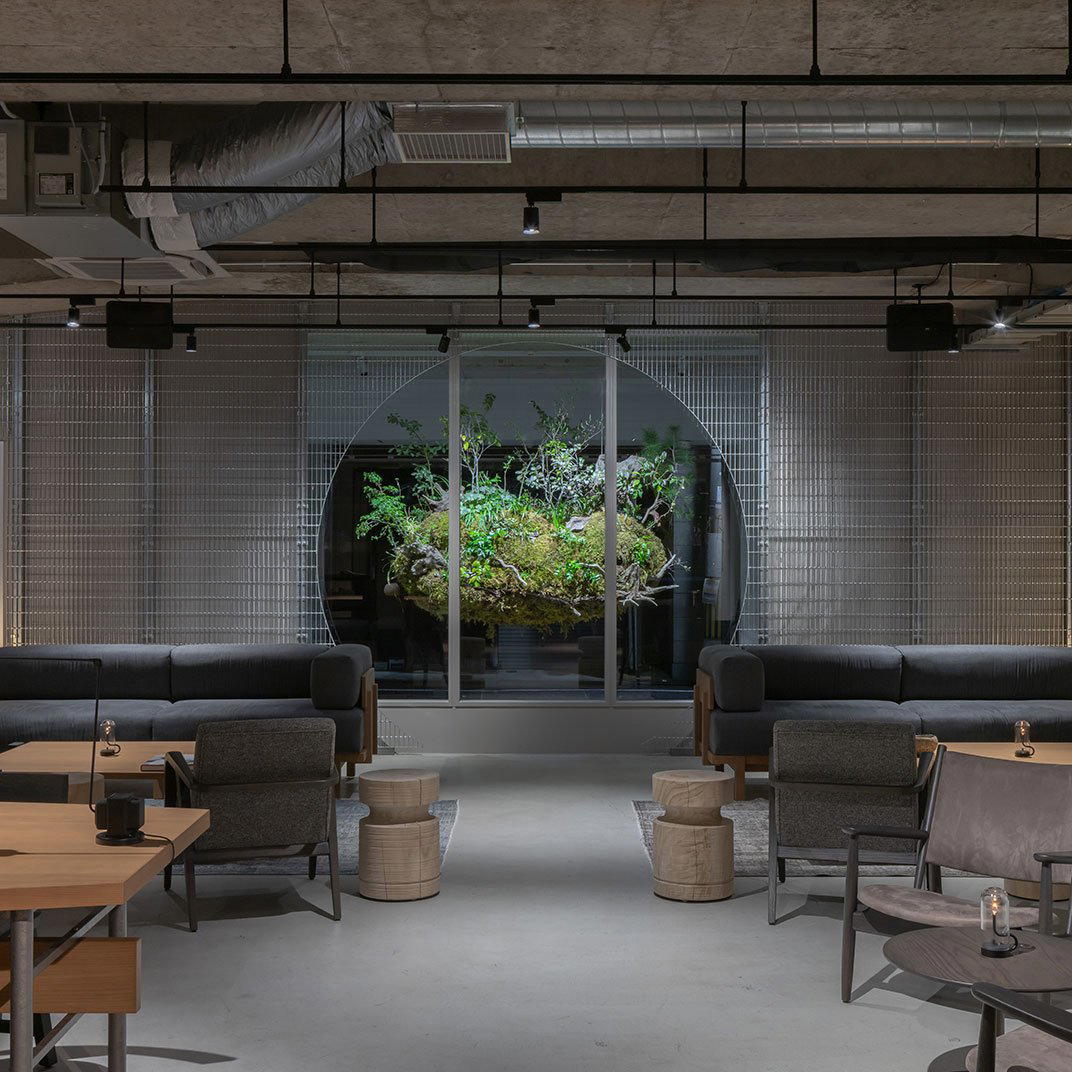
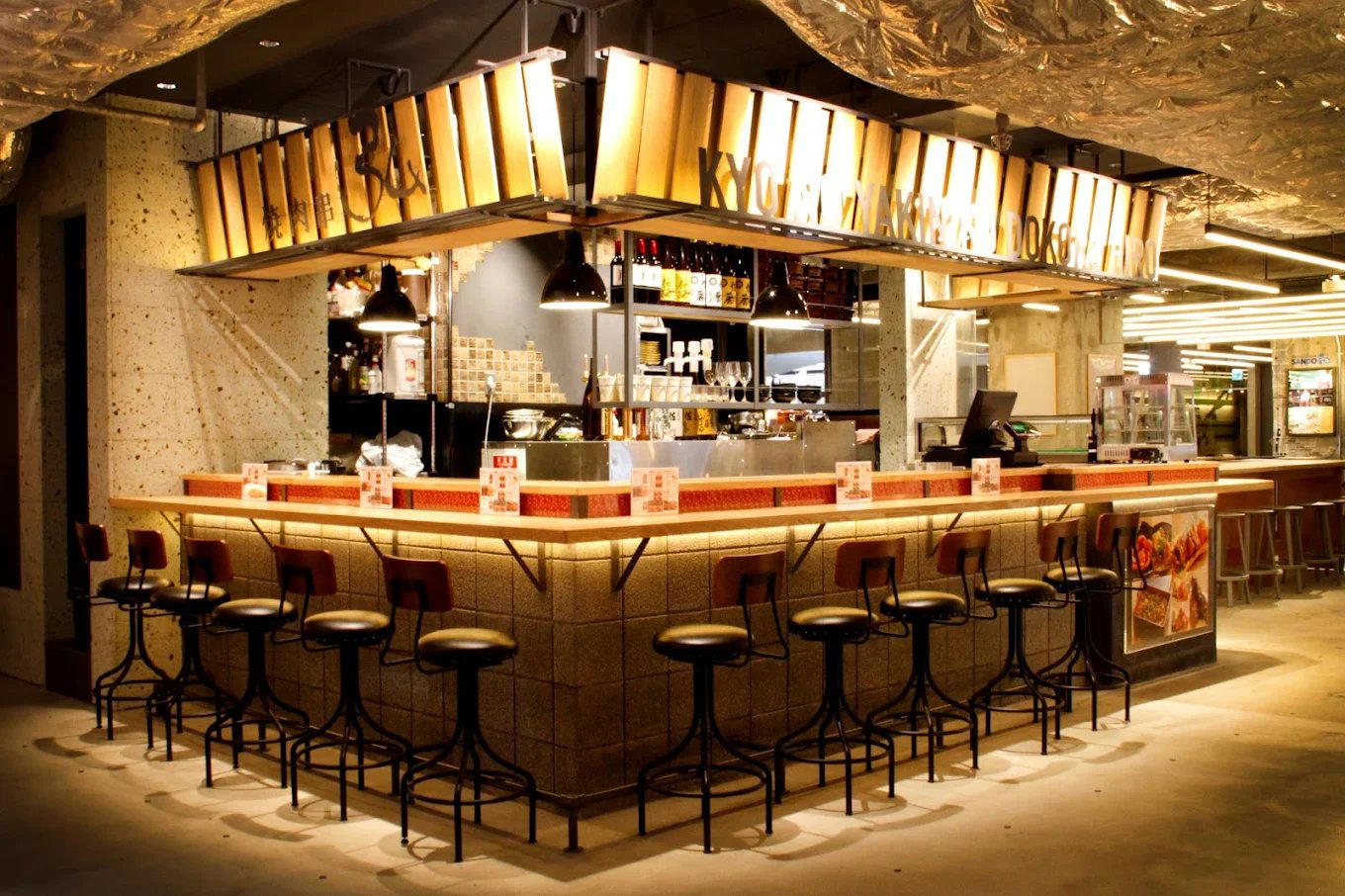
Bars in Kyoto
All bars in Kyoto →



Hotels in Kyoto
All hotels in Kyoto →




Wineries in Kyoto
Browse all →
Details
- Solo
- Casual Hangout
- Family
- Standalone
- A La Carte
Current opening hours
- Monday
- 9:30 AM–6 PM
- Tuesday
- Closed
- Wednesday
- 9:30 AM–6 PM
- Thursday
- 9:30 AM–6 PM
- Friday
- 9:30 AM–6 PM
- Saturday
- 9:30 AM–6 PM
- Sunday
- 9:30 AM–6 PM
Hours can change for holidays and private events. Last verified .
Simple, no-frills neighborhood wagashi shop atmosphere focused on takeaway, with a calm, traditional feel rather than sit‑down dining.